
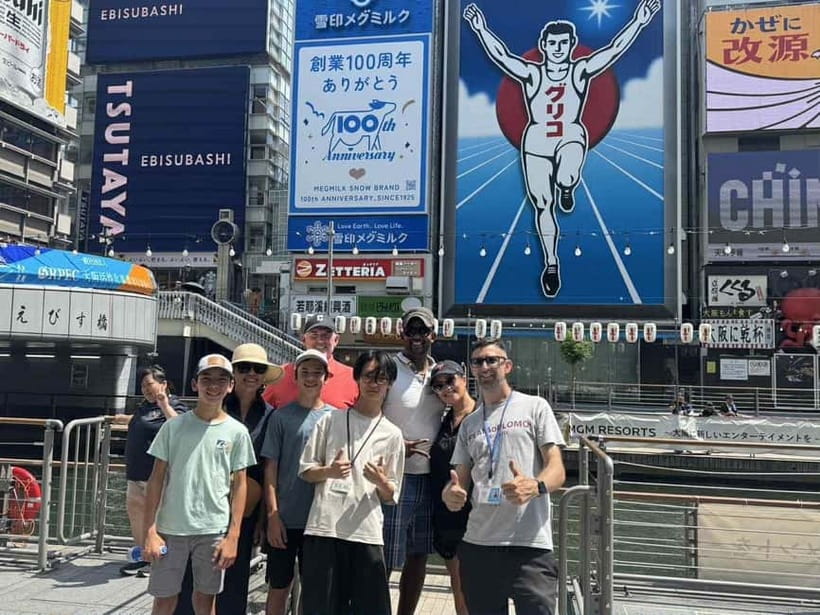
Reviewed · OSAKA TEA CEREMONY & MATCHA
Osaka: Castle, Tea Ceremony, Calligraphy, and Samurai Armor!
Osaka has a funny way of mixing old-school ritual with neon chaos, and this tour puts both on the same day. You’ll start at Osaka Castle, then slow down with a tea ceremony, try calligraphy, and finish in Dōtonbori for street food and photos.
I especially like the hands-on parts: you’re not just watching from the sidelines during the tea and calligraphy. And the samurai segment adds real costume-show energy, plus optional extras if you want to go full character. One thing to plan for: the armor or kimono wear is extra (¥4,820), and the tour isn’t suitable for people with back problems or ages over 70.
In This Review
- Quick Takes
- Your Day in Osaka: Castle, Ceremonies, Samurai, and Dōtonbori
- Osaka JOINER Meeting Point: Easy Start in Namba Walk
- Entering Osaka Castle: The Best Photo First Stop
- Tea Ceremony and Calligraphy: Slower Skills, Smarter Photos
- The tea ceremony part
- The calligraphy part
- Samurai Show and Traditional Instruments: The Theater Piece
- Optional Samurai Armor or Kimono Wearing: When the Extra Fee Is Worth It
- Dōtonbori at the End: Street Food, Neon Photos, and Energy
- Price and Value: What $135 Buys (and What Costs Extra)
- Who This Tour Fits Best (And Who Should Skip)
- Small Rules to Know: Cash and No Indoors Smoking
- Should You Book This Osaka Castle and Culture Tour?
- FAQ
- What is included in the tour price ($135 per person)?
- How much are the optional extras for samurai armor or kimono wearing?
- Where do I meet for the tour?
- What language is the tour conducted in?
- What should I bring?
- Is this tour suitable for everyone?
Quick Takes
- Osaka Castle photo stop with time to take in one of Japan’s best-known fortresses
- Tea ceremony + calligraphy for a calmer, skill-based break from the city
- Samurai show and traditional instruments (like Shamisen, Koto, and Shinobue)
- Optional armor or kimono for extra photos, but it costs ¥4,820 each
- Dōtonbori food-and-photo finish in Osaka’s most famous neon street scene
Another bowl whisked slowly in Osaka
Your Day in Osaka: Castle, Ceremonies, Samurai, and Dōtonbori
This is a culture-packed Osaka day built around four moods. First, you get the landmark pull of Osaka Castle. Next, you switch gears to more quiet, careful Japanese traditions through tea ceremony and calligraphy. Then you go theatrical with a samurai show and live traditional-instrument play. Finally, you land where Osaka really shows off: Dōtonbori, built for walking, shopping, and eating your way down the street.
What makes this kind of tour work is balance. You get big sights plus small-skill experiences. You also get structured time for photos, but you’re not stuck in one room all day.
Osaka JOINER Meeting Point: Easy Start in Namba Walk
You’ll start at the Osaka JOINER base, inside B1 Floor Namba Walk (an underground shopping street) near Exit B23. The shop is between Mizuno and Docomo, so you’ve got solid visual anchors.
Bring cash. That matters because the optional add-ons (samurai armor or kimono wearing) are not included in the base price. If you want the extra costume time, you’ll need to tell the guide on the day or message via WhatsApp in advance, so the staff can add it to your plan.
Entering Osaka Castle: The Best Photo First Stop
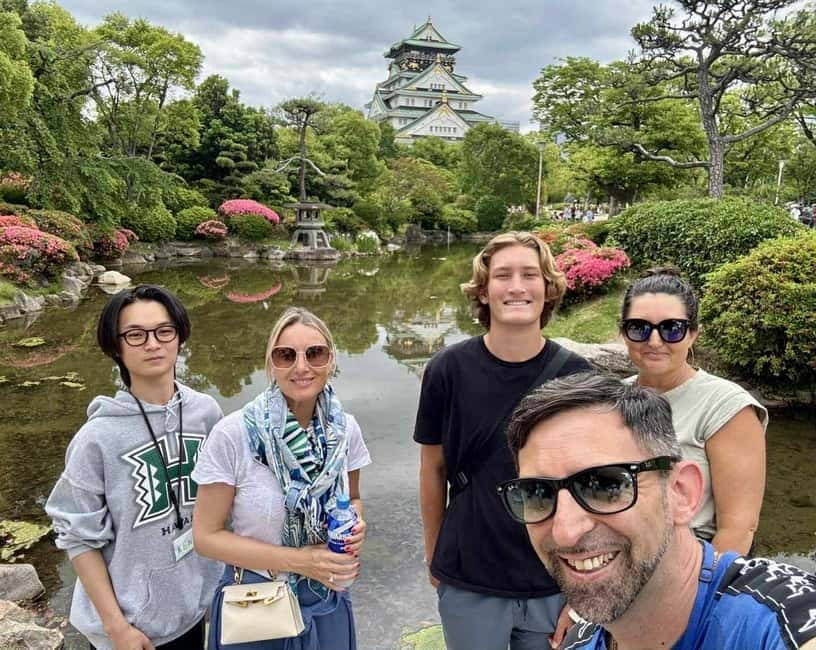
Osaka Castle is the kind of place that instantly gives context to the city. Even if you’re not a history deep-dive, it’s a landmark that looks right in photos and feels important in person. The tour includes a visit where you go inside the castle and get time to take pictures and take in the building.
One practical plus: starting with the castle gives your day a clear “anchor.” It’s the easiest way to remember what Osaka looked like before the rest of the day turns into costumes, hands-on arts, and street food.
A simple consideration: this is a walking day. You’ll be moving between different activity areas, so comfortable shoes help.
Pick the sword back up with these sessions



Tea Ceremony and Calligraphy: Slower Skills, Smarter Photos
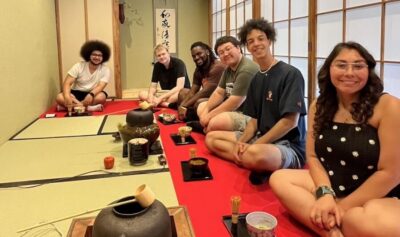
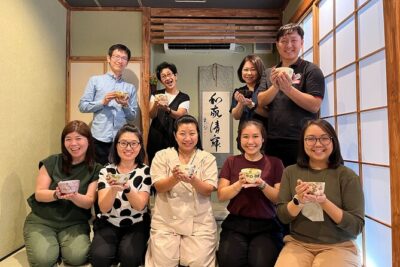
After the castle, the tour shifts into two hands-on cultural practices: Japanese tea ceremony and calligraphy. This is where the tour stops being just sightseeing and becomes something you can actually participate in.
The tea ceremony part
A tea ceremony is mostly about rhythm—how you hold yourself, how you observe, and how the moment is treated like a small ritual. Even if you don’t memorize every step, you’ll leave with a better feel for why formality matters in Japanese culture.
The calligraphy part
Calligraphy is a great fit for a tour because it gives you a physical result you can reference later. And it’s also one of those activities that turns a language barrier into a visual experience. You’ll likely get to write, watch demonstrations, and learn enough to understand what you’re seeing.
Both of these activities are ideal if you want a break from constant walking and want something quiet that still feels interactive.
Samurai Show and Traditional Instruments: The Theater Piece
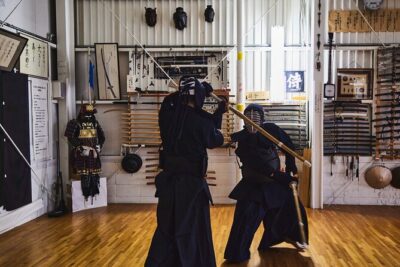
Next comes the show element: a samurai show plus playing traditional instruments. The tour specifically mentions instruments like the Shamisen, Koto, and Shinobue.
This part is valuable because it’s entertainment with cultural packaging. You’re not only learning about samurai as a theme—you’re getting the performance style that often comes with Japanese arts: timing, posture, and sound. The instruments also add variety so the experience doesn’t feel like one-note costuming.
There’s also a family-friendly touch. Kids can enjoy the samurai experience with armor designed for them, which is a smart way to make sure younger visitors don’t feel like they’re being left out.
Optional Samurai Armor or Kimono Wearing: When the Extra Fee Is Worth It
Here’s the key detail: the base price is $135 per person, but wearing samurai armor or a kimono is not included. The optional fee is ¥4,820, and the price is listed as valid until the end of August.
You also need to know what’s included versus optional:
- The tour includes a samurai show
- It also includes taking photos in samurai armor as an optional-style photo moment
- But armor wearing (the full-costume experience) and kimono wearing are add-ons you pay for
So when is it worth the extra money? If you care about photos and want that full, “I’m in the scene” look, the costume add-ons make sense. If you mainly want the cultural activities (castle, tea, calligraphy) and a samurai performance, you can skip the extra fee and still get plenty.
Also note: the kimono option is listed as woman only. If that matters to you, plan ahead so the day matches what you want to wear.
Dōtonbori at the End: Street Food, Neon Photos, and Energy
You wrap up in Dōtonbori, Osaka’s well-known entertainment and street-food district. This is a smart finish because it turns the day’s learning into real-life Osaka.
This section is built for:
- Photos (the street scenes are made for it)
- Shopping (you’ll have places to browse)
- Local tasting (street food is the point)
If you like your tours to end with freedom—something you can explore at your own pace—this is one of the best neighborhoods to do it in.
Price and Value: What $135 Buys (and What Costs Extra)
At $135 per person, this tour doesn’t try to be “cheap.” But it also doesn’t feel priced as a pure museum visit. You’re paying for a bundle of different experiences that would be harder to stitch together alone: Osaka Castle entry, a tea ceremony, calligraphy, a samurai show, and traditional instrument playing.
Where the value gets tricky is the add-on fee. If you plan to wear samurai armor or a kimono, you’ll likely add ¥4,820 on top for each chosen option. That means the tour can become a bigger spend than you expect if you assume costumes are included.
My practical take: do the math based on your priorities.
- If you want hands-on culture (tea + calligraphy) and the castle, the base price is already doing its job.
- If you want a full photo fantasy with armor or kimono, budget for the add-ons and tell the guide early so it’s handled smoothly.
Who This Tour Fits Best (And Who Should Skip)
This tour is a strong match if you want a single day that covers big landmark Osaka plus cultural activities that don’t require a strong grasp of Japanese. The English language support helps, and the hands-on nature (tea and calligraphy) keeps it engaging even when you’re not sure what everything means.
It’s also a good fit for:
- People who like structured itineraries with clear “next steps”
- Families with kids who want the samurai experience (including kid-sized armor)
- Photo lovers who want time at Osaka Castle and in Dōtonbori
It’s not suitable for:
- People with back problems
- People over 70
If either of those apply to you, I’d treat this as a sign to look for a lighter route with fewer activity segments.
Small Rules to Know: Cash and No Indoors Smoking
The instructions are simple. You should bring cash, and smoking indoors is not allowed. Those details sound minor, but they matter on the day—especially because the optional costume fees are paid as add-ons.
Should You Book This Osaka Castle and Culture Tour?
Book it if you want a day that feels like Osaka, not just a checklist. The best reason to choose it is the mix: castle first, then tea and calligraphy for hands-on culture, then samurai and instruments for performance, and finally Dōtonbori for the food-and-neon payoff.
Skip it or reconsider if you already know you only care about street food or you want zero extra fees. The costume upgrades are optional, but they can add cost quickly.
If you’re the type who likes learning small skills while still getting iconic photos, this one hits a sweet spot.
FAQ
What is included in the tour price ($135 per person)?
The included parts are the visit to Osaka Castle, Japanese tea ceremony, Japanese calligraphy, samurai show, playing traditional instruments, and taking photos in samurai armor (optional within the tour experience).
How much are the optional extras for samurai armor or kimono wearing?
The additional fee is ¥4,820 for wearing samurai armor, and ¥4,820 for kimono wearing (woman only). This option is not included in the base price.
Where do I meet for the tour?
Meet at the Osaka JOINER base, B1 Floor Namba Walk near Exit B23, between Mizuno and Docomo shops.
What language is the tour conducted in?
The tour is offered in English.
What should I bring?
Bring cash.
Is this tour suitable for everyone?
It is not suitable for people with back problems and not suitable for people over 70.
Made in Osaka, by You
- Osaka: Tea Ceremony, Calligraphy, and Kimono Experience★ 4.9 · 130 reviews
- 1.5〜2 Hours Traditional Kintsugi Work Shop in Namba Osaka★ 5.0 · 75 reviews
- Osaka: Private Japanese Calligraphy Experience★ 5.0 · 66 reviews
- From Osaka: Sakai Knife Maker or Blacksmith Walking Tour★ 4.9 · 64 reviews
- Calligraphy Workshop in Namba, Dotonbori★ 5.0 · 57 reviews
Blades Out: More Samurai Sessions
- Samurai Training Experience KENDO in Osaka★ 5.0 · 515 reviews
- OSAKA NIGHT FUSION Japanese Taiko Kabuki Samurai Dance Show★ 4.8 · 155 reviews
- Osaka: Samurai Training Experience KENDO in Osaka★ 5.0 · 111 reviews
- Osaka: A Modern Samurai, Kabuki, Taiko, & Dance Show★ 4.5 · 66 reviews
- Osaka 2-Hour Genuine Kendo / Samurai Experience In Japan★ 5.0 · 65 reviews
Matcha, Whisked and Poured
- Osaka: Tea Ceremony Experience★ 4.9 · 1,426 reviews
- Tea Ceremony Experience in Osaka Doutonbori★ 5.0 · 754 reviews
- Matcha Making Class in Osaka with Authentic Japanese Sweets Set★ 5.0 · 509 reviews
- Osaka: Matcha Making Experience with Japanese Sweets★ 5.0 · 146 reviews
- Osaka: Tea Ceremony, Calligraphy, and Kimono Experience★ 4.9 · 130 reviews
The Newest Osaka Write-Ups
- Private Photoshoot in Osaka with a Professional Photographer
★ 5.0 · 3 reviews - Osaka Early Morning Osaka Castle Tour Avoid Crowds
★ 5.0 · 3 reviews - Nara Private Tour with Pick and Drop and English Speaking Driver
★ 3.5 · 3 reviews - Osaka: Modern Vegetarian Sushi Cooking Class
★ 5.0 · 3 reviews - Nara Day Trip from Osaka with a Licensed Guide
★ 5.0 · 3 reviews
Osaka Tea Ceremony & Matcha, compared.
 ★ 4.9Tea Ceremony ExperienceFrom $251,426 reviews
 ★ 5.0Tea Ceremony Experience in Osaka DoutonboriFrom $20754 reviews
 ★ 5.0Matcha Making Class in Osaka with Authentic Japanese Sweets SetFrom $21509 reviews
 ★ 5.0Matcha Making Experience with Japanese SweetsFrom $22146 reviews
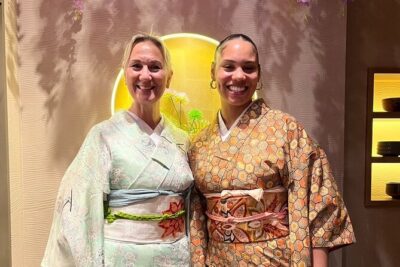 ★ 4.9Tea Ceremony, Calligraphy, and Kimono ExperienceFrom $96130 reviews
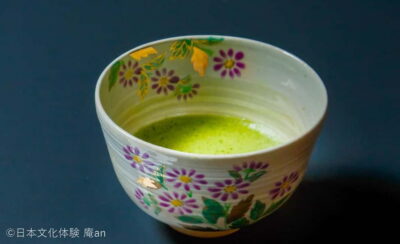 ★ 4.7Japanese Traditional Sweets Making and Tea CeremonyFrom $18118 reviews
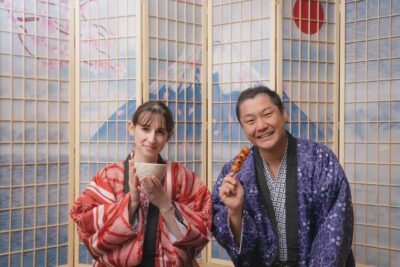 ★ 4.9Osaka Temple Cool Foot Bath & Matcha Experience〈45min〉From $3482 reviews
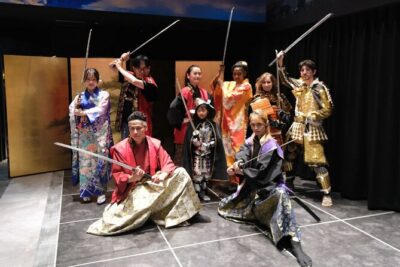 ★ 5.0Samurai Show, Tea Ceremony, Japanese Traditional ActivitiesFrom $4456 reviews
Browse the lists this tour appears in