
Reviewed · OSAKA SAMURAI & NINJA EXPERIENCES
Osaka 2-Hour Genuine Kendo / Samurai Experience In Japan
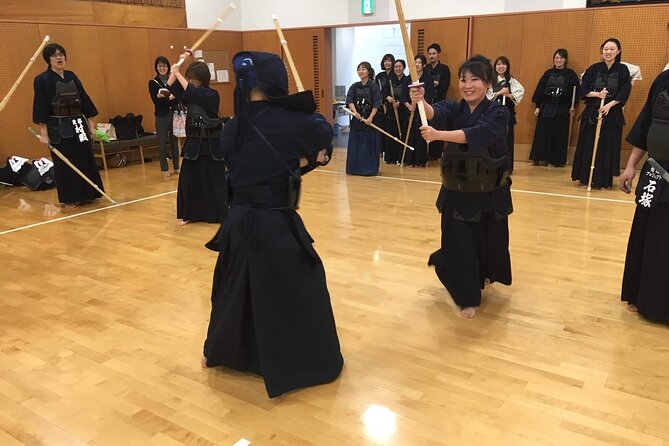
Two hours with a bamboo sword in Osaka. That’s the appeal of this small-group kendo session: you practice the basics in a way that’s easy to follow and actually fun. I especially like the English-speaking instructor style, where you get step-by-step guidance instead of being left to figure things out on your own.
The big thing to know up front is that kendo is a workout, and the class happens in full gear. Also, there’s no hotel pickup, so you’ll want to show up ready to train at Shigino Hall, near public transit.
In This Review
- Key Things You’ll Notice
- Osaka Kendo in 2 Hours: What You’re Actually Signing Up For
- The Small-Group Advantage (Max 7) and Personal Coaching
- Training Flow: Etiquette, History, and the Mind-Body Connection
- Full Gear, Basic Moves, and the Sweat Factor
- What’s Included: Gear, Water, and the Towel Keepsake
- Where You Go in Osaka: Shigino Hall and a 10:00 Start
- Price and Value: Is $118.89 Worth It?
- Who Should Book This Kendo Experience
- Downsides to Consider Before You Go
- Should You Book This Kendo Class in Osaka?
- FAQ
- How long is the Osaka kendo experience?
- What group size should I expect?
- Is there an English-speaking instructor?
- What’s included in the price?
- What’s not included?
- Where do I meet, and what time does it start?
- Do I need to buy a paper ticket?
- Is there hotel pickup or drop-off?
- What fitness level do I need?
- What is the cancellation policy?
Key Things You’ll Notice
- Small-group class (up to 7) means you get more coaching time instead of crowd control
- Etiquette and manners are taught alongside technique, not tacked on at the end
- Culture + spiritual framing (including Unify your spirits, Manners, and Lifelong Kendo) gives context to every move
- All kendo equipment is included, so you can travel light
- Light sparring shows up by the end, so it doesn’t stay theory-only
- English instruction makes the learning curve feel manageable
Pick the sword back up with these sessions

Osaka Kendo in 2 Hours: What You’re Actually Signing Up For
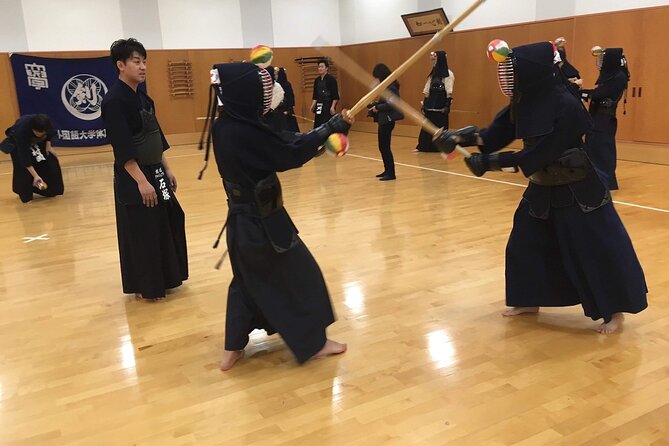
This is an intro kendo class designed to cover both sides of the art. You’ll work on the physical basics—core moves, footwork, and strikes—while also learning what makes kendo more than a sport. The course ties in etiquette and the ideas behind the training, including Unify your spirits, Manners, and Lifelong Kendo.
The format also matters. With a maximum of 7 participants, the instructor can adjust your pace and explain things in a way that makes sense for first-timers. Even if you’re a complete beginner, you’re not just watching from the sidelines—you’re practicing with purpose.
The overall feel is “structured but not stiff.” Multiple instructors are described as encouraging and patient, including named sensei Hiroki and Yama from past classes. You can expect the teaching to be calm, clear, and geared toward comfort, especially in the early stages when the gear and movements can feel unfamiliar.
The Small-Group Advantage (Max 7) and Personal Coaching
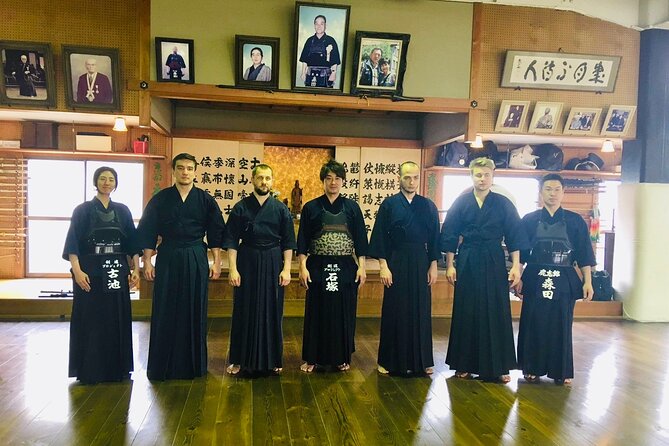
Most martial arts experiences fail at one of two things: either they’re too crowded to learn, or they’re too vague and you leave guessing. This class avoids both problems by staying small and using an English-speaking instructor.
In practice, that translates to quick corrections and more time to ask questions about stance, timing, and etiquette. Reviews highlight instructors who focus on step-by-step teaching and pacing, and that’s exactly what you want in a first kendo session. Kendo has rules, and those rules affect everything—from how you hold your shinai to how you interact at the start and end of training.
There’s also a bonus possibility: if the group ends up tiny, you may get a near-personal lesson feel for the full 2 hours. That can make the experience feel more like a private class than a tour activity, without changing the overall format.
Training Flow: Etiquette, History, and the Mind-Body Connection
The class doesn’t treat etiquette as a checklist. It uses etiquette and history as part of how you practice. You’ll learn about the etiquette side of kendo and how it relates to the sport’s cultural and spiritual aspects, then apply that in your movements.
You’re also taught kendo’s history alongside its practical techniques. That context helps when you’re learning basics like stance, footwork, and strikes, because you understand why certain actions are performed in specific ways. It’s not just learn the move; it’s learn the reason the move exists.
The mental framing is part of the training language too. The course explicitly aims to create the three benefits tied to kendo: Unify your spirits (focus and discipline), Manners (respect through behavior), and Lifelong Kendo (the idea that training is an ongoing path, not a one-time event). That tone shifts how the class feels. It turns the session from physical exercise into something closer to guided self-control.
Put this one next to a few other Osaka options first:

Full Gear, Basic Moves, and the Sweat Factor
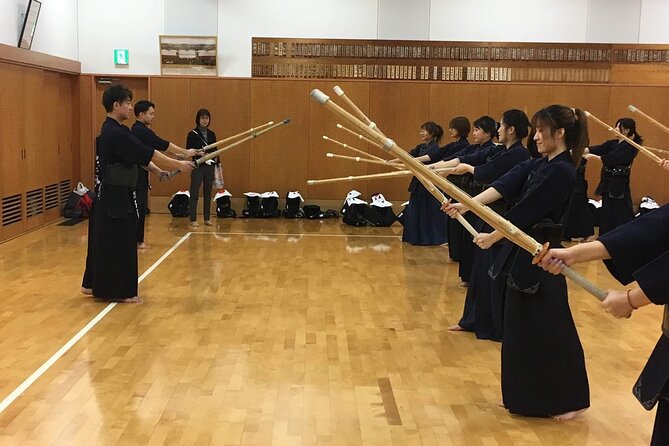
Kendo isn’t gentle at the beginning. Even though it’s beginner-friendly, you’re practicing in full gear, and you’ll likely sweat. Some people note the heat can be intense in warmer months—so if you’re sensitive to heat, plan your Osaka day around this class and hydrate well.
The good news: the session is designed to build you up methodically. You don’t jump straight into chaotic sparring. You start with foundational elements—how to move, how to strike, and how to follow the rhythm of the instructor’s cues—then progress toward short battles or light sparring by the end.
Reviews repeatedly praise how instructors guide students step-by-step and then get them into gear-and-battle practice. That’s a key value point. Many “try kendo” experiences stop at posing and basic swings. This one is structured to let you experience the feel of engagement, not only the look of the equipment.
What’s Included: Gear, Water, and the Towel Keepsake
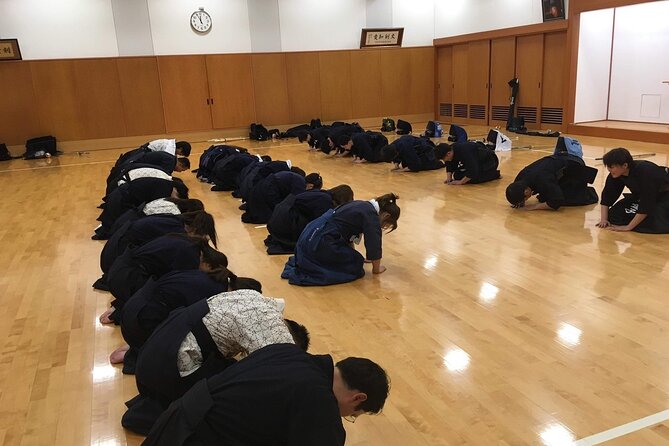
You don’t need to bring kendo equipment. The experience includes all kendo equipment, bottled water, and a free kendo towel as a souvenir.
That’s a big deal for value. On a trip, equipment can be expensive to buy, awkward to carry, or annoying to rent. Here, you’re handed what you need and you focus on the training. Bottled water also keeps the class practical; you won’t spend your pre-class time hunting for hydration.
The towel is also a nice touch. It’s small, but you’ll likely use it in the moment after training. It also works as a simple reminder that you did the real thing, not just watched it.
Where You Go in Osaka: Shigino Hall and a 10:00 Start
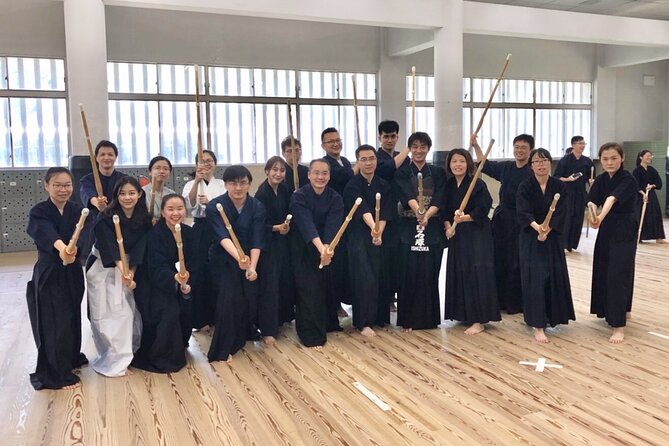
The meeting point is Shigino Hall in Joto Ward, Osaka. The full address is:
Shigino Hall, 536-0014 Osaka, Joto Ward, Shiginonishi, 1-chōme 18-11 (町立鴫野会館)
Start time: 10:00 am
The end is back at the meeting point, so you can plan your day without worrying about a long detour. The location is also described as near public transportation, which is exactly what you want for a 2-hour activity. No one needs extra stress before they’re about to start training.
One practical tip: treat this like a sport appointment. Arrive a few minutes early, because you’ll want a smooth start before any gear-fitting and etiquette intro.
Price and Value: Is $118.89 Worth It?
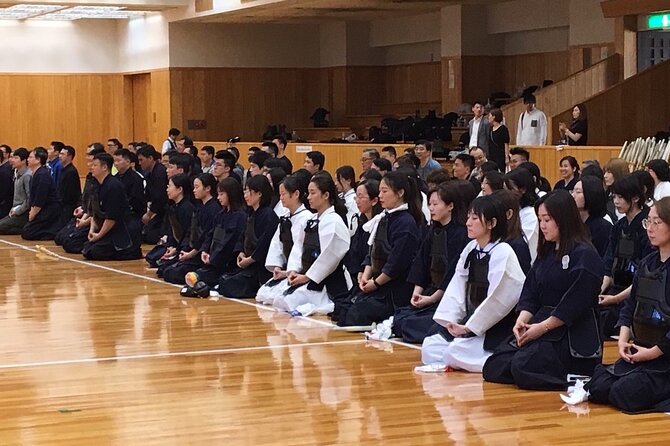
At $118.89 per person for about 2 hours, you’re paying for three things: a coached experience, provided equipment, and a small-group format. It’s not cheap, but it lines up with what you’re getting.
Here’s why the value can make sense:
- You receive all kendo equipment, plus bottled water and a towel, which cuts down on trip logistics
- You get an English-speaking instructor who’s teaching basics, etiquette, and cultural/spiritual framing
- The class stays small (up to 7), which tends to improve learning and comfort for first-timers
- You get to practice with short battles or light sparring, rather than only observing
The main trade-off is that it’s a sport activity, so you should be willing to get sweaty and work a little. If you want only a passive cultural show, this might feel too physical. If you want hands-on experience—where you leave knowing how to hold gear, move with purpose, and follow the rules—it’s strong value.
Who Should Book This Kendo Experience
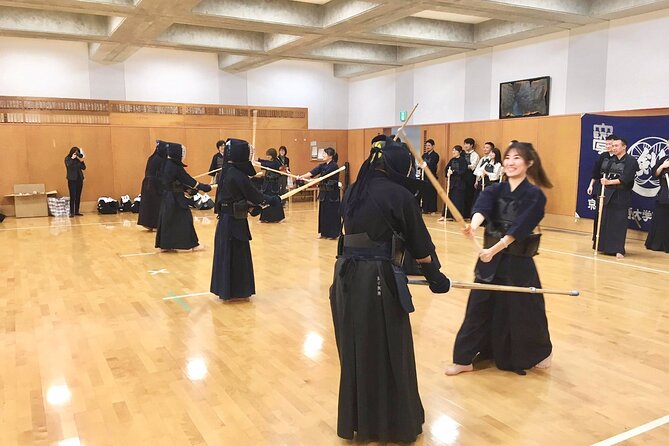
This is best for you if you want an active introduction to Japanese martial arts that includes more than just technique. It’s also a good fit if you care about etiquette and cultural meaning and you like learning through doing.
You’ll especially enjoy it if:
- You’re curious about kendo as a tradition, not only as a combat sport
- You prefer guided teaching in English instead of vague instruction
- You don’t mind a workout and have moderate physical fitness
It can also work well as a shared experience. Some classes have included participants training with family, including a parent and 13-year-old. That doesn’t mean every group will be the same, but it suggests the class tone can handle a range of ages as long as everyone can move comfortably and follow instruction.
Downsides to Consider Before You Go
Be honest with yourself about the physical side. Even first sessions can feel demanding because kendo involves footwork and repeated movement in gear. If you’re dealing with injuries or low stamina, you might feel it more than expected—this experience asks for moderate physical fitness.
Also, remember the logistics: no hotel pickup/drop-off. That’s not a dealbreaker, but it does mean you need to get yourself to Shigino Hall at 10:00 am. If your Osaka plans are chaotic that morning, build in buffer time so you arrive calm, not rushed.
Finally, if you’re visiting during hot weather, plan for sweating. Some people specifically note August heat. The training is worth it to many, but you’ll want to protect your energy.
Should You Book This Kendo Class in Osaka?
I think you should book it if you want a real, coached kendo experience with culture and etiquette built in. The small group size, included equipment, and English instruction make it friendly for beginners without turning it into a shallow gimmick. You’ll come away with a stronger understanding of what kendo training values—Unify your spirits, Manners, and Lifelong Kendo—and you’ll actually practice, not just watch.
Skip it if you’re looking for something purely observational or you’re not up for a sweaty workout in full gear. Otherwise, this is the kind of Osaka activity that gives you both meaning and movement in a short time.
FAQ
How long is the Osaka kendo experience?
It runs for about 2 hours.
What group size should I expect?
The class has a maximum of 7 travelers, so it stays small.
Is there an English-speaking instructor?
Yes. The experience is guided by an English-speaking instructor.
What’s included in the price?
All kendo equipment is included, along with bottled water and a free kendo towel.
What’s not included?
Hotel pickup/drop off and food are not included.
Where do I meet, and what time does it start?
You meet at Shigino Hall, Osaka (町立鴫野会館) in Joto Ward. The start time is 10:00 am.
Do I need to buy a paper ticket?
No. The experience uses a mobile ticket.
Is there hotel pickup or drop-off?
No, there is no hotel pickup/drop-off. You’ll return to the meeting point at the end.
What fitness level do I need?
You should have a moderate physical fitness level.
What is the cancellation policy?
You can cancel for free up to 24 hours in advance for a full refund. Canceling less than 24 hours before the start time is not refunded.
More 2-Hour Experiences in Osaka
- Osaka: 2-Hour Nightlife District Walking & Local Food Culture★ 5.0 · 199 reviews
- Osaka: 2-Hour Local Street Food Tour – Dotonbori & Namba★ 4.6 · 95 reviews
- 1.5〜2 Hours Traditional Kintsugi Work Shop in Namba Osaka★ 5.0 · 75 reviews
More Tour Reviews in Osaka
- Osaka Go Karting Tour with Funny Costume★ 5.0 · 2,658 reviews
- Osaka Castle: Museum and Tower Entry Ticket★ 4.5 · 2,380 reviews
- Osaka: Shinsekai Food Tour with 13-15 Dishes at 5 Eateries★ 4.8 · 2,204 reviews
- Osaka Food Tour: 13 Dishes at 5 Local Eateries★ 5.0 · 2,149 reviews
- Hungry Osaka Street Food Tour:15 Tastings & 3 Drinks with a Local★ 5.0 · 1,727 reviews
Blades Out: More Samurai Sessions
- Samurai Training Experience KENDO in Osaka★ 5.0 · 515 reviews
- OSAKA NIGHT FUSION Japanese Taiko Kabuki Samurai Dance Show★ 4.8 · 155 reviews
- Osaka: Samurai Training Experience KENDO in Osaka★ 5.0 · 111 reviews
- Osaka: A Modern Samurai, Kabuki, Taiko, & Dance Show★ 4.5 · 66 reviews
- Osaka: Learn Bushido – Trial Slashing with Samurai Sword★ 4.9 · 59 reviews
The Newest Osaka Write-Ups
- Private Photoshoot in Osaka with a Professional Photographer
★ 5.0 · 3 reviews - Osaka Early Morning Osaka Castle Tour Avoid Crowds
★ 5.0 · 3 reviews - Nara Private Tour with Pick and Drop and English Speaking Driver
★ 3.5 · 3 reviews - Osaka: Modern Vegetarian Sushi Cooking Class
★ 5.0 · 3 reviews - Nara Day Trip from Osaka with a Licensed Guide
★ 5.0 · 3 reviews
Osaka Samurai & Ninja Experiences, compared.
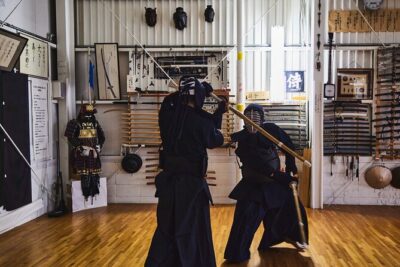 ★ 5.0Samurai Training Experience KENDO in OsakaFrom $131515 reviews
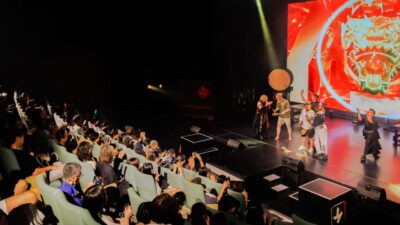 ★ 4.8OSAKA NIGHT FUSION Japanese Taiko Kabuki Samurai Dance ShowFrom $40155 reviews
 ★ 5.0Samurai Training Experience KENDO in OsakaFrom $127111 reviews
 ★ 4.5A Modern Samurai, Kabuki, Taiko, & Dance ShowFrom $1966 reviews
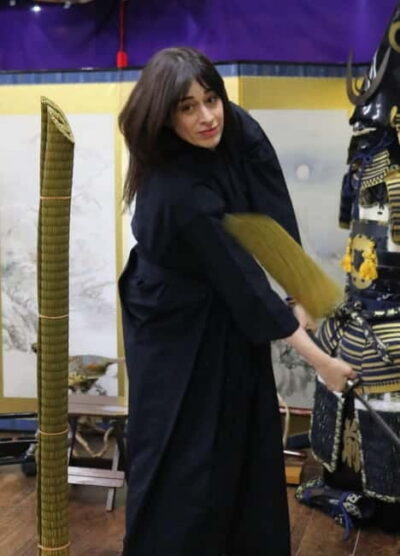 ★ 4.9Learn Bushido – Trial Slashing with Samurai SwordFrom $9259 reviews
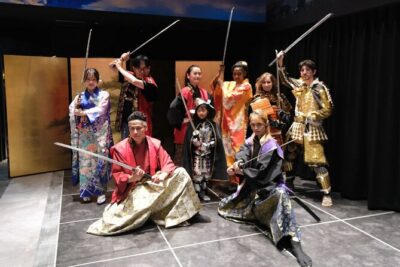 ★ 5.0Samurai Show, Tea Ceremony, Japanese Traditional ActivitiesFrom $4456 reviews
 ★ 5.0Private Samurai Experience – Train with Sword MasterFrom $15836 reviews
 ★ 5.0Honor – Experience Samurai & traditional Culture to the fullestFrom $18132 reviews
Browse the lists this tour appears in