
Reviewed · OSAKA TEA CEREMONY & MATCHA
Osaka: Tea Ceremony Experience
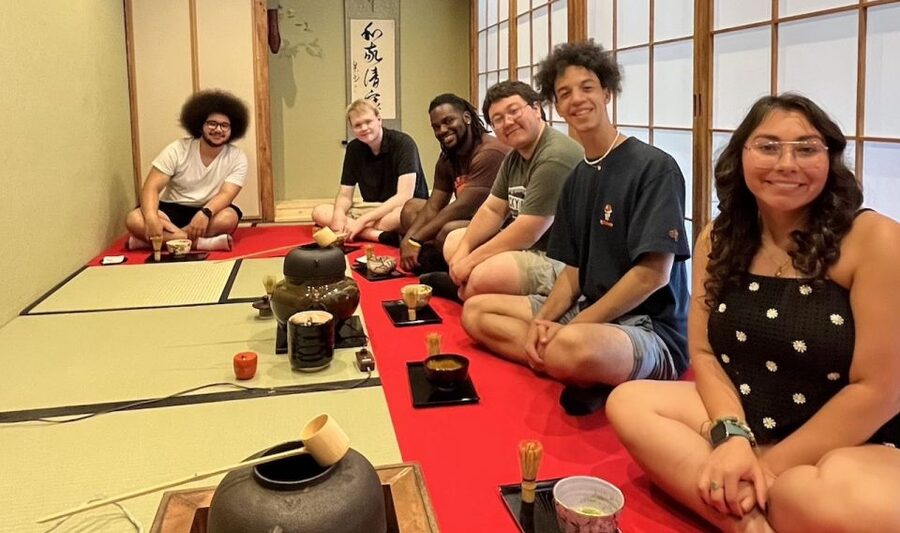
Matcha time beats sightseeing fatigue. In Osaka, you step into a traditional tatami room for a 45-minute tea ceremony led by Japanese instructors in kimono, speaking clear English like Yuki or Akiko. I especially love the hands-on matcha making, because you don’t just watch—you whisk and taste your own bowl with the authentic tools.
Two more things make it worth your time: the instructors explain the meaning and history behind what you’re doing, and the experience stays calm and orderly even though you’re in a busy city. One consideration: the venue is on the second floor and the meeting point can be a little tricky, so plan to arrive with extra time.
In This Review
- Key highlights you’ll feel immediately
- Where the Osaka Tea Ceremony Happens (Dotonbori, Second Floor)
- The 45-Minute Flow: Welcome, Demonstration, Your Matcha Bowl
- English Guidance from Japanese Instructors in Kimono
- Tatami Room Peace (With Rules That Keep It That Way)
- Matcha Making with Authentic Tools: What You Really Learn
- Seasonal Sweets + Matcha: The Pairing That Makes It Feel Japanese
- Price and Value: Is $25 Worth a 45-Minute Ritual?
- Booking Tips That Actually Help You Enjoy It
- Should You Book This Osaka Tea Ceremony?
- FAQ
- Where do I meet for the Osaka tea ceremony?
- How long is the tea ceremony experience?
- Is the experience guided in English?
- What’s included in the price?
- Are strollers allowed?
- Are children allowed?
- Can I cancel my booking?
Key highlights you’ll feel immediately
- English-led instruction that keeps things easy to follow, step by step
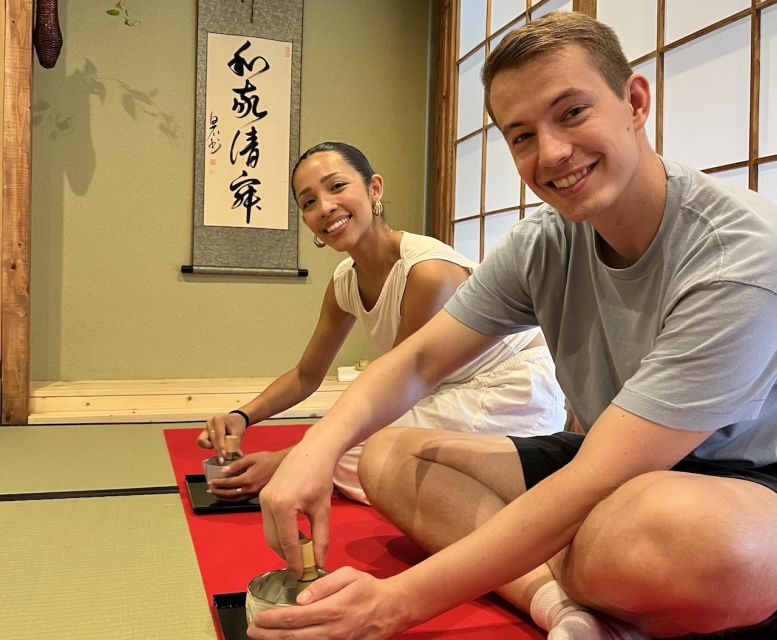
- Hands-on matcha making with authentic tea tools, not just a demo
- Kimono-clad instructors with years of tea ceremony experience
- Seasonal sweets included to pair with your matcha
- Tatami-room calm with clear rules to keep the experience quiet
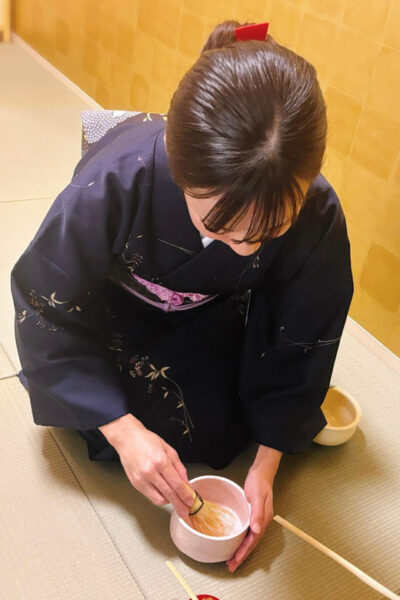
Another bowl whisked slowly in Osaka

Where the Osaka Tea Ceremony Happens (Dotonbori, Second Floor)
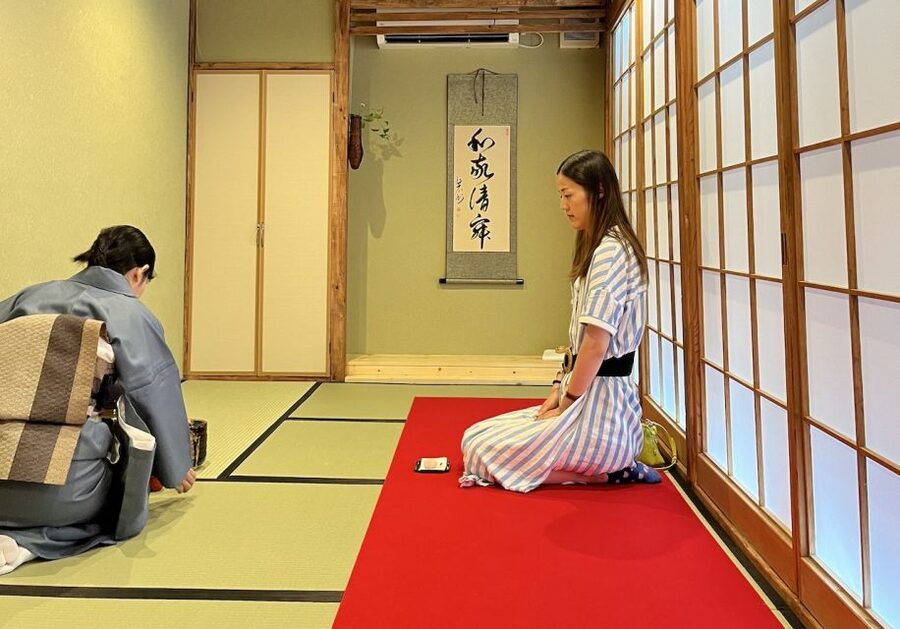
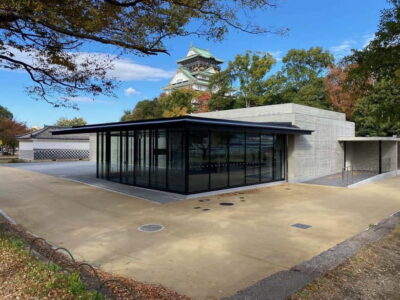
This is in Honshu, Osaka, right near the Dotonbori area—good news if you’re already out in the city center and don’t want to travel far. The meeting address is:
大阪市中央区道頓堀1丁目東5-26 (second floor)
The instructions suggest using Google Maps to research tea ceremony osaka the osaka, because street-level finding can be finicky. You also get coordinates if you prefer pinning it yourself: 34.66885079999999, 135.5063291.
One small reality check: since it’s on the 2nd floor, you’ll want to move carefully and not assume the entrance is obvious from the street. The good part is that once you’re in, the pace shifts immediately.
The 45-Minute Flow: Welcome, Demonstration, Your Matcha Bowl
The whole experience is 45 minutes, which is perfect for a “reset” between major Osaka sights. You’ll get a clear arc: warm welcome, a live explanation, then your turn.
Here’s what the session is built around:
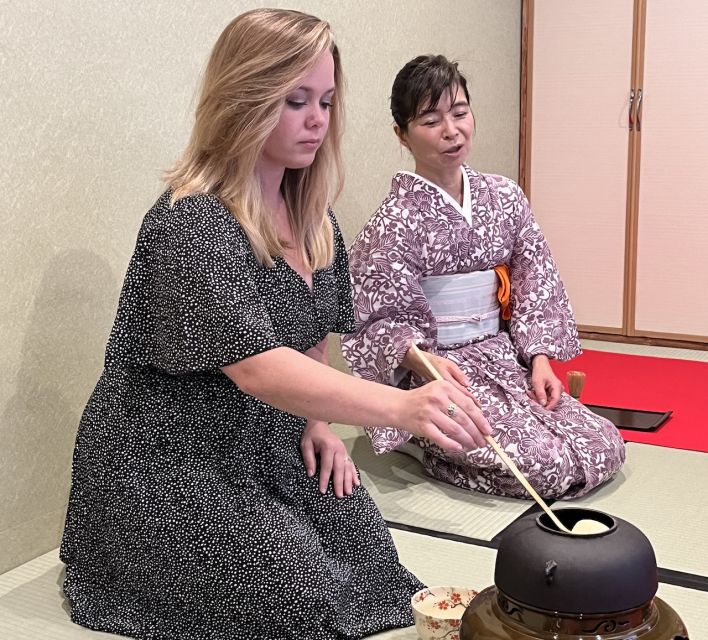
You start with a welcome and introduction in a traditional room. The instructor explains the meaning and history of the tea ceremony—plus the basic manners of serving. That matters because the ritual isn’t random gestures. It has a reason, and the instructor makes it understandable in English.
Next comes the tea ceremony demonstration. You watch the tools come out and see how the steps connect. You’re not being rushed through; the pace is meant to be calm so you can actually follow along.
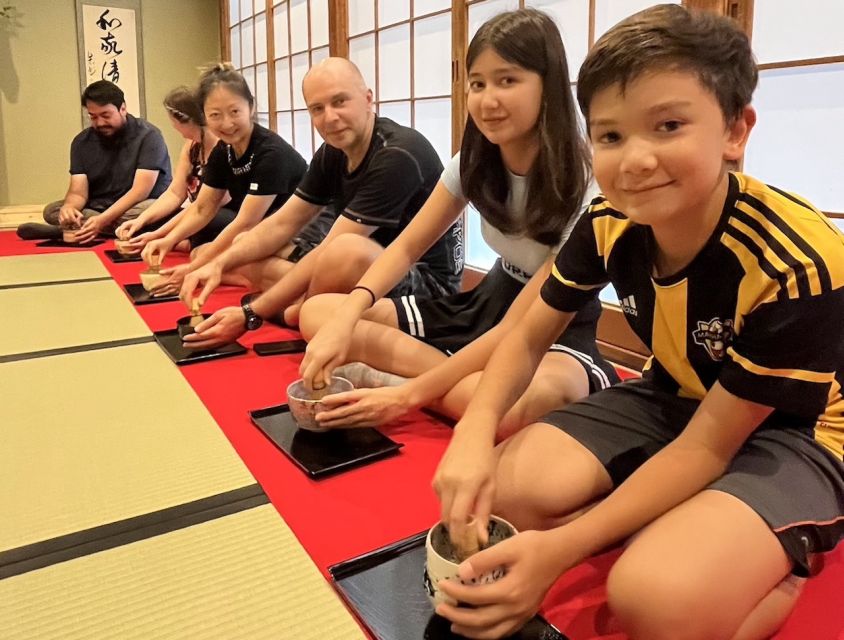
Then you shift into the best part: hands-on matcha making. You’ll use the provided authentic tea tools to make your own bowl. After you prepare it, you taste it—while staying in that peaceful tatami-room setting.
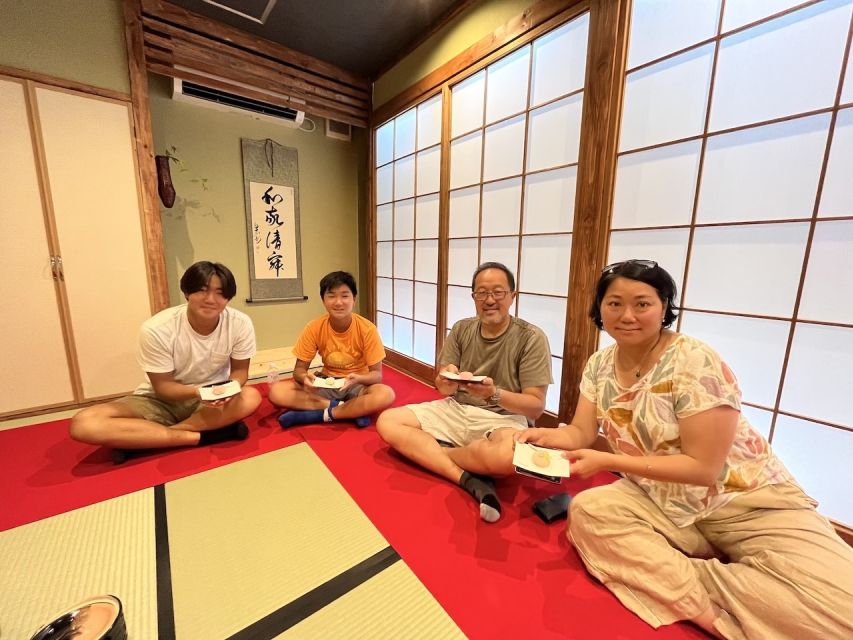
Finally, you pair the matcha with seasonal Japanese sweets. It’s not an afterthought. The sweets are part of why the experience feels complete, especially when they’re served to match the seasonal flavors.
English Guidance from Japanese Instructors in Kimono
A big reason this works so well for visitors is the teaching style. The instructors are Japanese and guide the ceremony in clear English. Based on the named hosts in the experience details and examples—like Yuki, Akiko, Kazu, Ayaka, and Mayumi—you can expect a consistent focus on explaining what you’re doing and why.
I like that they also have serious background. The experience notes that instructors have over 10 years of tea ceremony experience, so you’re not getting a casual “try this” demonstration. You’re learning from people who actually practice the ritual.
And because it’s an instructor-led experience (English host), you can ask basic questions if something feels unclear. That’s a relief if you’re the type who wants context, not just choreography.
One extra detail that helps: English audio guidance is included, so you’re not locked into only listening to the host. If you miss one explanation, you can catch up.


Tatami Room Peace (With Rules That Keep It That Way)
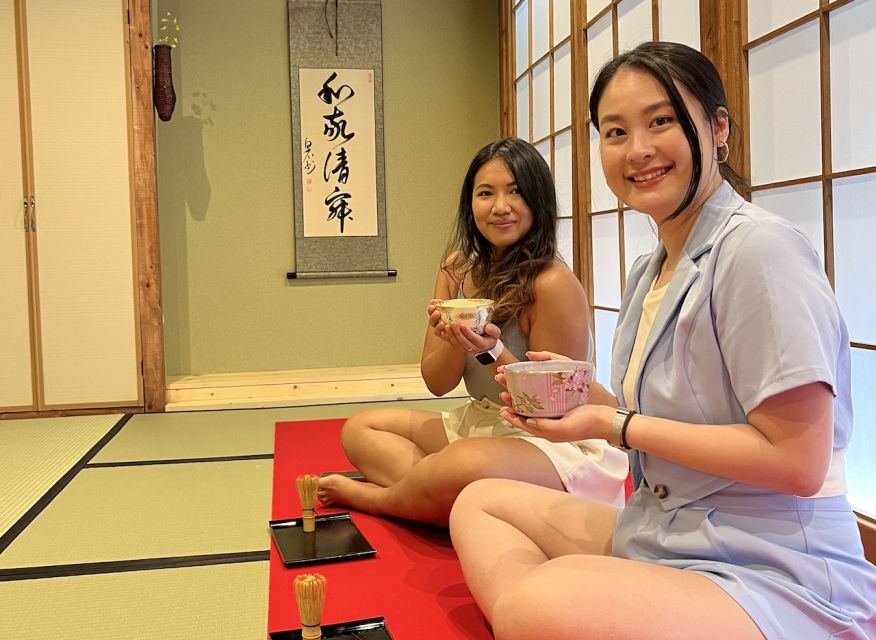
One of the most memorable parts isn’t the matcha. It’s the atmosphere.
You’ll be in a traditional tatami room, and the experience is designed to be quiet and respectful. The house rules are clear:
- no jumping
- no making noise
- no food
- no baby strollers / baby carriages
Even if you’re used to sightseeing noise outside, inside the room the mood is meant to slow down. That makes the tea ceremony feel like a genuine break, not a quick show.
Also, the activity rules say children under 5 aren’t allowed, and if you’re traveling with a child under 4 you should contact in advance. Plan accordingly if you’re bringing kids—this one is more ritual-focused than family playtime.
Matcha Making with Authentic Tools: What You Really Learn
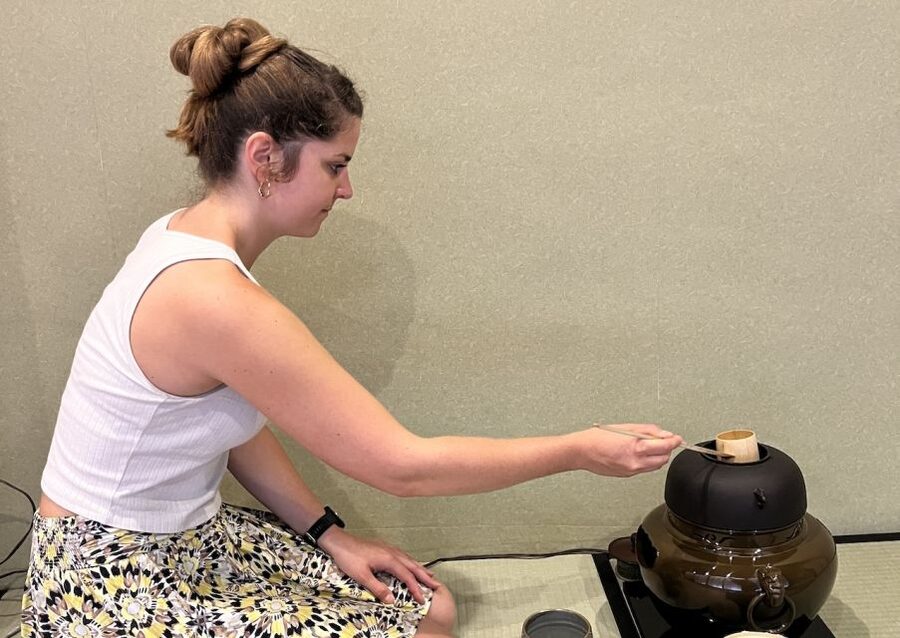
This isn’t a “watch and leave” experience. You’ll actively make matcha using authentic tea tools, and the instructor shows you how to use them.
What you get out of it:
- you learn the basic manners of tea serving
- you see how the tools connect to the steps
- you practice making a bowl yourself, then drink what you made
The value here is confidence. After the ceremony, you’ll understand what matcha preparation is supposed to feel like—calm, intentional, and methodical. Even if your whisking never becomes a tea master-level performance, you’ll walk away knowing the ritual steps and what to look for when you see tea setups elsewhere in Japan.
Seasonal Sweets + Matcha: The Pairing That Makes It Feel Japanese
Yes, the matcha is the headline. But the sweets are the quiet MVP.
You’ll taste seasonal Japanese confections included with the experience, and they’re described as pairing well with matcha. In practical terms: matcha can be earthy and slightly bitter, so sweets help balance the flavor and keep the experience from feeling one-note.
Small sweets matter here because they fit the pacing of the ceremony. You’re not eating a heavy dessert. You’re tasting something delicate alongside your tea—exactly the kind of detail that turns a simple lesson into a memorable ritual.
Price and Value: Is $25 Worth a 45-Minute Ritual?
At $25 per person for 45 minutes, this is priced like a focused cultural activity rather than a long tour. The key is what’s included:
- entrance fee
- matcha (powdered green tea)
- confections (sweets)
You also get instruction in English from Japanese instructors in kimono, plus the demonstration and your own hands-on practice. In other words, you’re paying for materials and teaching, not just the room and a short photo stop.
So for value, here’s the trade-off you should consider:
- If you want a quick culture hit with real participation, it’s strong value.
- If you’re mainly after a hands-free sightseeing moment, you might find the rules and floor seating style less appealing.
For me, the math works because you leave with both a skill (how matcha is prepared in a ceremony setting) and a sensory memory (matcha plus seasonal sweets in a calm room).
Booking Tips That Actually Help You Enjoy It
This is the one place where a little planning pays off.
The venue is on the second floor and the meeting point can be tricky to spot, so arrive with extra time. The instructions also note that very occasionally, people can’t make it, so arriving with lead time helps avoid stress.
What to bring is simple:
- wear comfortable clothes for a tatami-room setting
- keep your noise level low once you arrive (the experience rules make that part of the flow)
- if you’re traveling with kids, double-check the age rules before you book
And if you’re pairing this with Osaka sightseeing, treat it like a scheduled breathing room. The ceremony is short enough to fit into a day, but calm enough to change the mood of the rest of your itinerary.
Should You Book This Osaka Tea Ceremony?
If you want a calm, structured introduction to Japanese tea culture—and you’d like to make matcha yourself rather than just watch—this is an easy yes. The English-led guidance, the tatami-room setting, and the included seasonal sweets make the $25 price feel fair, not flimsy.
Book it if:
- you’re a first-timer who wants the meaning behind the ritual
- you like cultural experiences where you actively participate
- you want a peaceful break from Osaka crowds
Skip it (or ask questions first) if:
- you’re traveling with very young children and need clarity on eligibility
- you’re not comfortable with a quiet, rule-based setting indoors
- you know you’ll struggle with finding a second-floor location unless you plan ahead
If you book, give yourself time to get there calmly. Then let the ceremony do what it’s meant to do: slow you down just enough to notice the little details.
FAQ
Where do I meet for the Osaka tea ceremony?
Meet at 大阪市中央区道頓堀1丁目東5-26, on the second floor. The instructions recommend using Google Maps to search tea ceremony osaka the osaka.
How long is the tea ceremony experience?
It lasts 45 minutes.
Is the experience guided in English?
Yes. The host/instructor provides English guidance, and an English audio guide is included.
What’s included in the price?
The price includes the entrance fee, matcha (powdered green tea), and confections (seasonal sweets).
Are strollers allowed?
No. Baby strollers and baby carriages are not allowed.
Are children allowed?
The rules are strict about age. Children under 5 aren’t allowed, and if you’re traveling with a child under 4, you should contact in advance.
Can I cancel my booking?
Yes. The experience offers free cancellation up to 24 hours in advance for a full refund.
More Tour Reviews in Osaka
- Osaka Go Karting Tour with Funny Costume★ 5.0 · 2,658 reviews
- Osaka Castle: Museum and Tower Entry Ticket★ 4.5 · 2,380 reviews
- Osaka: Shinsekai Food Tour with 13-15 Dishes at 5 Eateries★ 4.8 · 2,204 reviews
- Osaka Food Tour: 13 Dishes at 5 Local Eateries★ 5.0 · 2,149 reviews
- Hungry Osaka Street Food Tour:15 Tastings & 3 Drinks with a Local★ 5.0 · 1,727 reviews
Matcha, Whisked and Poured
- Tea Ceremony Experience in Osaka Doutonbori★ 5.0 · 754 reviews
- Matcha Making Class in Osaka with Authentic Japanese Sweets Set★ 5.0 · 509 reviews
- Osaka: Matcha Making Experience with Japanese Sweets★ 5.0 · 146 reviews
- Osaka: Tea Ceremony, Calligraphy, and Kimono Experience★ 4.9 · 130 reviews
- Osaka: Japanese Traditional Sweets Making and Tea Ceremony★ 4.7 · 118 reviews
The Newest Osaka Write-Ups
- Private Photoshoot in Osaka with a Professional Photographer
★ 5.0 · 3 reviews - Osaka Early Morning Osaka Castle Tour Avoid Crowds
★ 5.0 · 3 reviews - Nara Private Tour with Pick and Drop and English Speaking Driver
★ 3.5 · 3 reviews - Osaka: Modern Vegetarian Sushi Cooking Class
★ 5.0 · 3 reviews - Nara Day Trip from Osaka with a Licensed Guide
★ 5.0 · 3 reviews
Osaka Tea Ceremony & Matcha, compared.
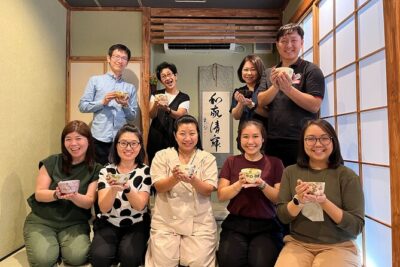 ★ 5.0Tea Ceremony Experience in Osaka DoutonboriFrom $20754 reviews
 ★ 5.0Matcha Making Class in Osaka with Authentic Japanese Sweets SetFrom $21509 reviews
 ★ 5.0Matcha Making Experience with Japanese SweetsFrom $22146 reviews
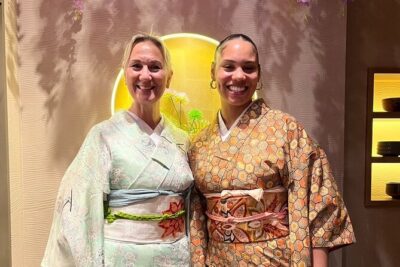 ★ 4.9Tea Ceremony, Calligraphy, and Kimono ExperienceFrom $96130 reviews
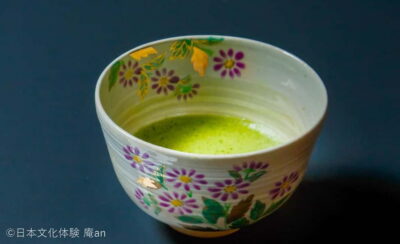 ★ 4.7Japanese Traditional Sweets Making and Tea CeremonyFrom $18118 reviews
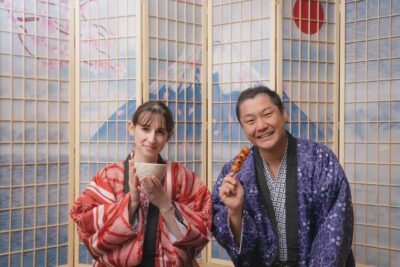 ★ 4.9Osaka Temple Cool Foot Bath & Matcha Experience〈45min〉From $3482 reviews
 ★ 5.0Samurai Show, Tea Ceremony, Japanese Traditional ActivitiesFrom $4456 reviews
 ★ 5.0Private Tea Ceremony and Calligraphy ExperienceFrom $6450 reviews
Browse the lists this tour appears in