
Reviewed · OSAKA SAMURAI & NINJA EXPERIENCES
Osaka: Samurai Training Experience KENDO in Osaka
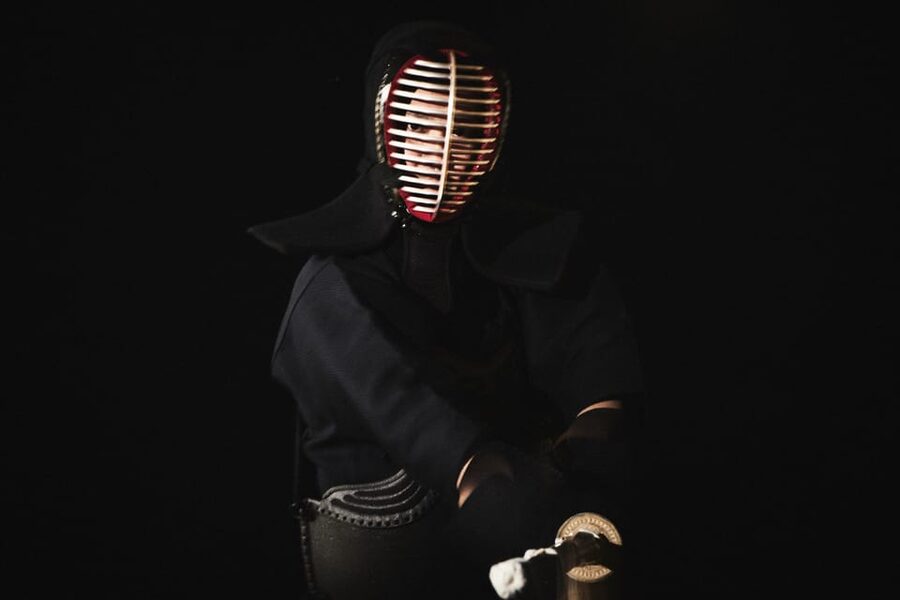
Strap on armor and hit the dojo floor. In Osaka, you get a hands-on Kendo session with patient, English-speaking coaching from instructors like Toshi and his team, plus full kendo armor. I love how it’s practical and structured, not just costume fun. I also love the end-to-end feeling of respectful dojo training that ends with match-style sparring. The only real drawback: it’s more of a workout than you might expect.
This is the kind of activity that fits right into a Japan trip because it’s not a museum lesson. You start with Samurai and Kendo context, learn the etiquette basics (like Reiho), then you go through proper warmup, stance, footwork, and safety before you pair up. The dojo setting matters too: it’s bright, clean, and spacious enough to train in real gear.
You also leave with photos that feel personal, not stock. You’ll get Samurai props and a photo moment inside an authentic dojo, and you can take your own pictures in the gear. Just be aware the session is designed for ages that can safely train, not everyone can suit up.
In This Review
- Key highlights that make this Osaka Kendo class worth it
- Osaka Kendo Basics: what you actually do in two hours
- Samurai etiquette first: Reiho and the Bushidō connection
- Putting on the gear: dōgi, hakama, and full bogu fit
- Learning stances, footwork, and safety with a shinai
- Paired practice and match-style sparring in the dojo
- Samurai photo session: props, pose time, and what makes it feel personal
- Price and value: why $127 for 2 hours can be fair in Osaka
- Who should book this Kendo session (and who should skip it)
- How to prep so the session feels comfortable
- Final call: should you book Samurai Training Kendo in Osaka
- FAQ
- How long is the Osaka Kendo training session?
- What’s included in the experience?
- What should I bring?
- Who can try Kendo?
- Are small children able to do the full training?
- What languages are used during the session?
- Is the venue wheelchair accessible?
- Is alcohol allowed?
Key highlights that make this Osaka Kendo class worth it
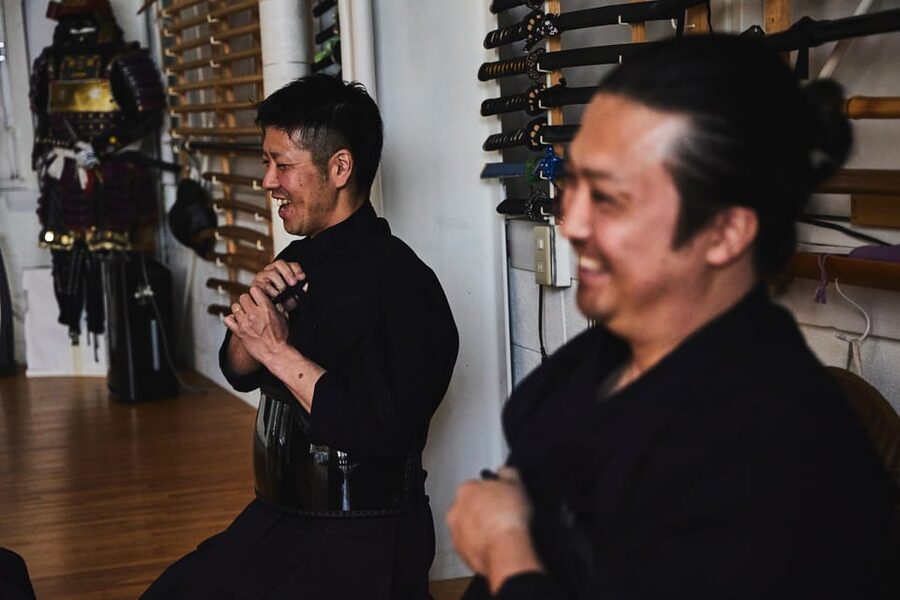
- Full bogu armor and authentic uniform time: dōgi, hakama, and protective gear fitted for you
- Beginner-friendly basics: posture, footwork, safety rules, and protocol before sparring
- English-supported instruction: you can follow along without guessing what to do next
- Real match-style practice: paired sessions that focus on timing and control
- Dojo Samurai photo session: props and a proper setting to capture the look
Pick the sword back up with these sessions

Osaka Kendo Basics: what you actually do in two hours
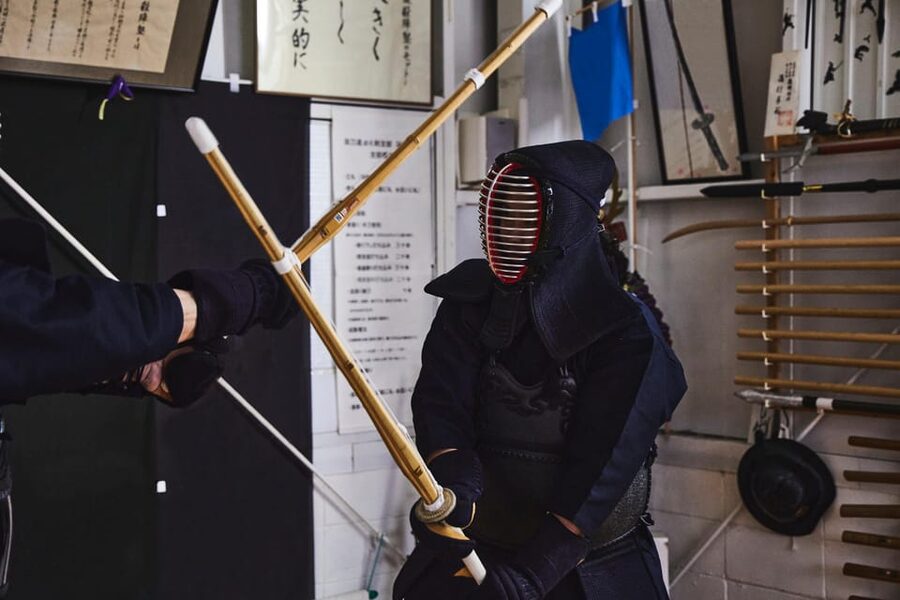
Think of this as a guided transformation. First you learn why Kendo is built around discipline and respect, then you physically practice the basics in protective gear. By the end, you’re doing paired training and sparring using real Kendo rules.
The flow is usually steady and repeatable. You start with an introduction and etiquette, then you dress (uniform first, armor second), then you train with a shinai. The last chunk is where it gets fun and physical: controlled sparring where you’re not “muscling through,” you’re focusing on timing and form.
If you book solo or the group is small, you might get more direct attention and a tighter training pace. That’s one of the reasons people come back for more when they return to Osaka.
Samurai etiquette first: Reiho and the Bushidō connection
Before you touch the shinai, you’ll get the story that explains what you’re doing. The session begins with Kendo history and how it connects to Bushidō—especially the mindset of restraint, respect, and focus. You also learn Reiho, the etiquette that shapes how you move, how you acknowledge your partner, and how you conduct yourself in a dojo.
I like this part because it changes the whole experience. Instead of treating the training like a video game, you learn why the rules are strict. It also helps your sparring feel more controlled, since you understand the structure behind the movement.
You should expect short, clear explanations in English, with Japanese support from instructors like Toshi or Tashihiko-sensei. In many sessions, assistants such as Kumiko or Kumi help interpret and keep the class moving at your level.
Putting on the gear: dōgi, hakama, and full bogu fit
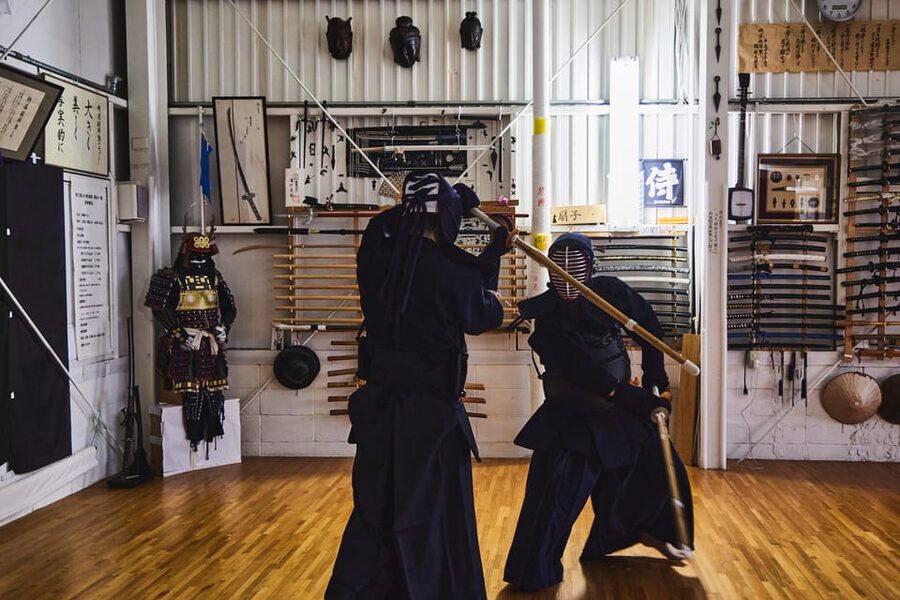
This is where the activity becomes real. You’ll change into authentic Kendo uniform items: a dōgi and hakama. Then you put on protective armor (bogu) with the parts that matter: men, kote, dō, and tare.
The gear fit is not “one size for everyone.” You’re asked to share your height, weight, and gender ahead of time so the staff can set you up comfortably and safely. That small step makes a big difference because armor that fits lets you practice rather than constantly adjust.
I also appreciate the practical side of this. You get used to the feel of the protective equipment before sparring starts, so you’re not battling the gear when the intensity rises. The training space is typically described as clean and spacious, which helps your confidence right from the start.
If you’re visiting with kids, note that the age setup is different. Children aged 3–5 are mainly in a photo-focused program where they can try on gear and participate in pictures, not the full adult-style sparring session.


Learning stances, footwork, and safety with a shinai
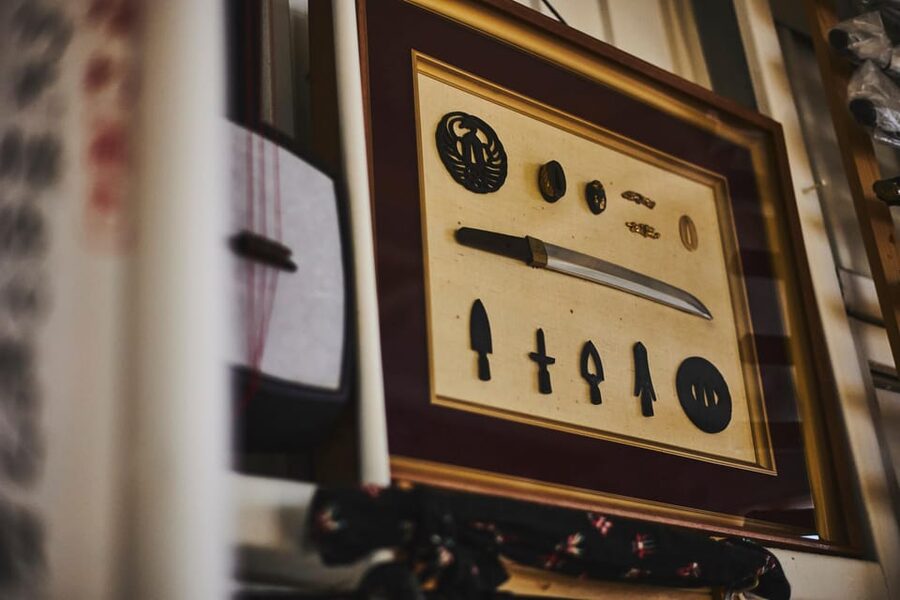
Once you’re geared up, the instructor works on fundamentals. You learn basic posture, then how to move your feet correctly, and how to follow safety rules while holding and using a shinai.
This is not about strength. The training emphasis is control—timing, balance, and staying respectful even when you’re excited to hit back. That’s why beginners usually can keep up: you’re guided step-by-step instead of being thrown into advanced techniques.
In practice, you’ll likely learn basic offensive and defensive moves, plus counters or blocks before you spar. People often mention that the lesson starts simple and builds, so you’re not overwhelmed if you’ve never trained martial arts before.
Also, the instruction style seems to adapt to the group. One-on-one attention can happen when class size is small, and instructors like Toshi are known for being patient and sometimes humorous while still keeping the training disciplined.
Paired practice and match-style sparring in the dojo
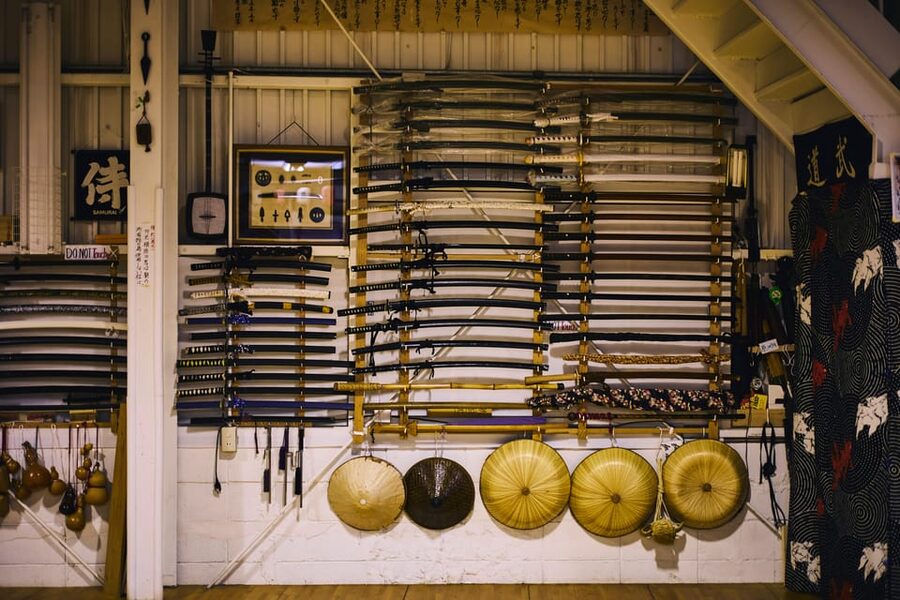
This is the part you came for, and it’s structured enough to be safe. After basics, you pair up and practice using real Kendo rules. Then you move into a match-style experience where you and your partner alternate in controlled bouts.
What I like most here is the balance. You get the intensity—there’s yelling, there’s fast movement, and your legs feel it later—but you’re also practicing proper protocol. Reiho is not just a lecture topic; it shows up in how you start, how you acknowledge, and how you reset.
People describe the sparring as intense and fun, and it’s usually more timing than brute force. Instructors keep things respectful, even when sparring gets energetic. And if you’re new, you’re taught to engage at your level instead of being judged for not knowing every technique.
If you’re already into martial arts or Kendo, you’ll probably feel the difference too. The session still works for beginners, but advanced participants can benefit from the counters and the real match rhythm.
Samurai photo session: props, pose time, and what makes it feel personal
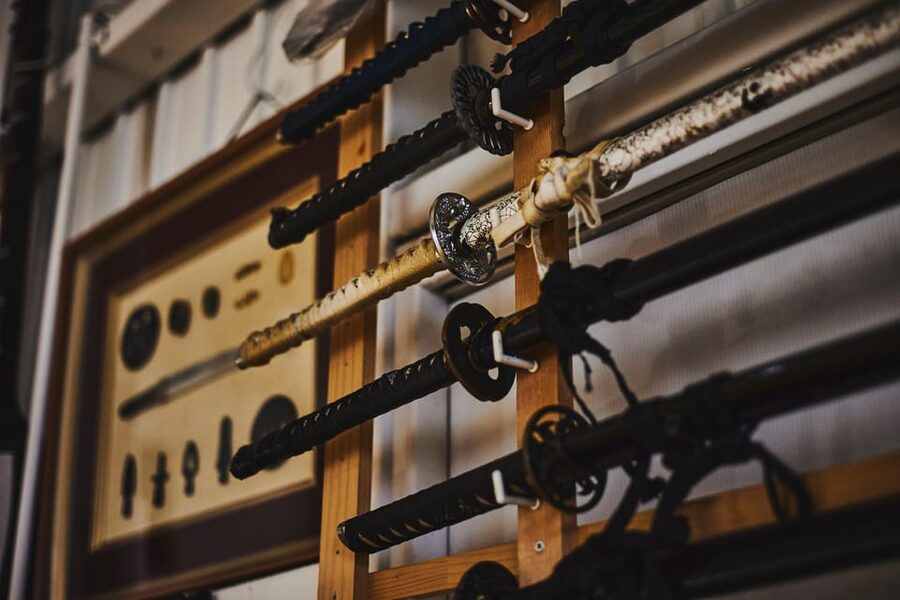
After the training, you get a photo moment inside the dojo. You’ll wear your Kendo gear and use Samurai items or props for pictures. The highlight is that you don’t just get one official photo; you can take your own set too, which makes it feel more like your travel memory.
The photo session is also practical for your camera setup. You’re in controlled lighting in a real training space, so you get that Japan-in-the-real-world feeling rather than a generic studio look.
If you’re celebrating something, it can get extra thoughtful. Some sessions include birthday souvenirs and snacks, which feels like a small kindness without turning it into a performance.
Price and value: why $127 for 2 hours can be fair in Osaka
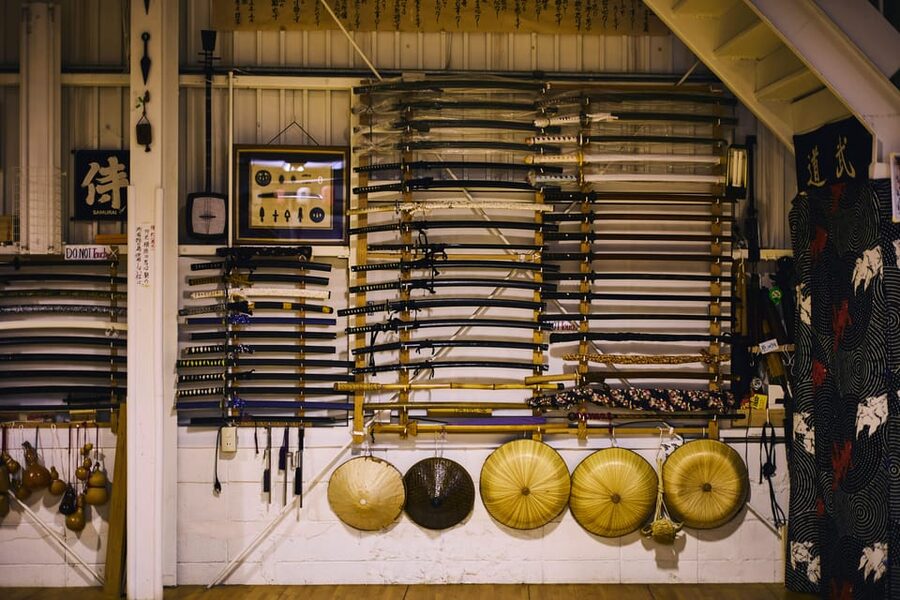
At $127 per person for two hours, you’re paying for more than “a class.” You’re paying for full equipment use, guided instruction, and the final sparring experience that most beginners never get to try in a normal gym setting.
Here’s how I’d measure value for this activity:
- You get gear time: uniforms plus full protective armor (men, kote, dō, tare). That’s a major cost and it’s why the experience feels authentic.
- You get coaching time: an experienced English-speaking instructor works step-by-step, including safety and etiquette.
- You get the whole arc: history and Reiho up front, technique in the middle, then sparring at the end.
- You get keepsakes: dojo photo session with Samurai props.
Is it cheaper than doing Kendo at a local dojo yourself? Maybe. Is it more convenient and structured for a short Osaka visit? Usually yes.
If you want an active cultural experience where your legs work and your camera gets real material, this price tends to land as reasonable.
Who should book this Kendo session (and who should skip it)
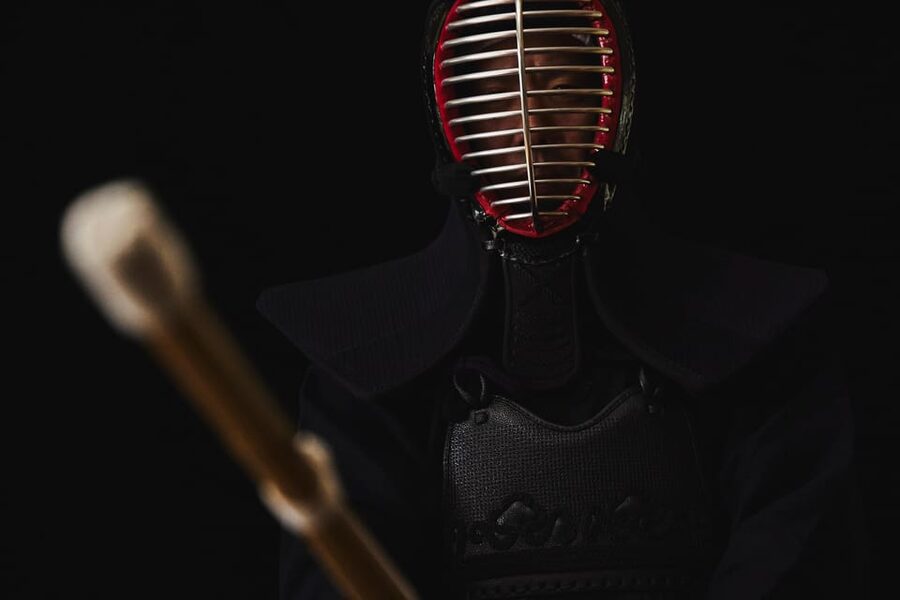
This activity is designed for beginners. If you’ve never held a shinai, you’ll still be guided through posture, footwork, and the basics before paired practice and sparring.
It’s also ideal if you’re a fan of Samurai culture, anime aesthetics, or martial arts. The training is real enough that it won’t feel like cosplay-only, and the etiquette part gives the session more meaning than a photo stop.
Now the limits:
- Adults over 76 can’t try Kendo and are limited to viewing only.
- Children under 2 can’t try Kendo.
- Children aged 3–5 are mainly doing photos and trying on gear, not the full adult training and sparring.
If your legs tire quickly, consider that sparring and footwork can be physically demanding even though you’re well-protected. This is still Kendo training, not a gentle activity.
How to prep so the session feels comfortable
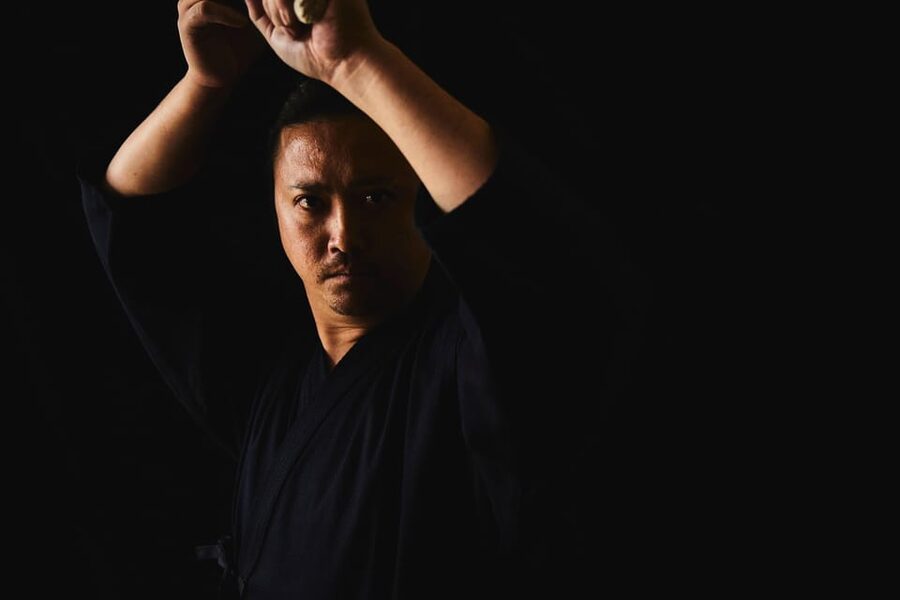
This is the part I actually plan for before I go. Bring drinks. You’ll move a lot, and hydration helps you stay focused instead of feeling drained early.
Also, when the booking asks for your height, weight, and gender, send it. That information helps with the armor fit, which improves comfort and safety.
Wear clothes that you can change out of quickly. You’ll spend time suiting up, and getting to the session ready makes the whole experience smoother. One practical tip from other sessions: arrive a bit early when you can, so changing time doesn’t feel rushed.
Finally, keep alcohol and drugs off the plan. That rule is clear for a reason: the session depends on safety and clear focus.
Final call: should you book Samurai Training Kendo in Osaka
If you want an Osaka activity that is hands-on, structured, and genuinely Japanese—not just another photo pass—this is an easy yes. I especially like that you don’t jump straight into sparring without learning the mindset first. The combination of Reiho etiquette, full protective gear, and match-style practice makes it feel like Kendo training, not a stunt.
Book it if:
- You’re curious about Samurai culture beyond the surface
- You want a real workout that stays respectful and safe
- You’ll appreciate instruction in English (with Japanese support when needed)
Skip it if:
- You’re in the viewing-only age range
- You need a low-impact experience
- You can’t handle a physical class with footwork and controlled sparring
If you’re deciding last minute, the free cancellation window up to 2 days before the experience can also help you lock in plans confidently.
FAQ
How long is the Osaka Kendo training session?
It lasts 2 hours. Starting times depend on availability.
What’s included in the experience?
You’ll get a lecture about Kendo, training with Kendo uniforms and protective armor, instruction from an English-speaking instructor, and a Samurai photo session.
What should I bring?
Bring drinks. That’s the only item specifically listed.
Who can try Kendo?
People 76 and under can try Kendo. Adults over 76 are not allowed to try Kendo and can view only. Children under 2 cannot try Kendo.
Are small children able to do the full training?
No. For children 3 to 5, the program focuses mainly on wearing uniforms, trying on armor, and photo shoots, not the same experience as adults.
What languages are used during the session?
Instruction is available in English and Japanese.
Is the venue wheelchair accessible?
Yes, the activity is listed as wheelchair accessible.
Is alcohol allowed?
No. Alcohol and drugs are not allowed.
More Tour Reviews in Osaka
- Osaka Go Karting Tour with Funny Costume★ 5.0 · 2,658 reviews
- Osaka Castle: Museum and Tower Entry Ticket★ 4.5 · 2,380 reviews
- Osaka: Shinsekai Food Tour with 13-15 Dishes at 5 Eateries★ 4.8 · 2,204 reviews
- Osaka Food Tour: 13 Dishes at 5 Local Eateries★ 5.0 · 2,149 reviews
- Hungry Osaka Street Food Tour:15 Tastings & 3 Drinks with a Local★ 5.0 · 1,727 reviews
Blades Out: More Samurai Sessions
- Samurai Training Experience KENDO in Osaka★ 5.0 · 515 reviews
- OSAKA NIGHT FUSION Japanese Taiko Kabuki Samurai Dance Show★ 4.8 · 155 reviews
- Osaka: A Modern Samurai, Kabuki, Taiko, & Dance Show★ 4.5 · 66 reviews
- Osaka 2-Hour Genuine Kendo / Samurai Experience In Japan★ 5.0 · 65 reviews
- Osaka: Learn Bushido – Trial Slashing with Samurai Sword★ 4.9 · 59 reviews
The Newest Osaka Write-Ups
- Private Photoshoot in Osaka with a Professional Photographer
★ 5.0 · 3 reviews - Osaka Early Morning Osaka Castle Tour Avoid Crowds
★ 5.0 · 3 reviews - Nara Private Tour with Pick and Drop and English Speaking Driver
★ 3.5 · 3 reviews - Osaka: Modern Vegetarian Sushi Cooking Class
★ 5.0 · 3 reviews - Nara Day Trip from Osaka with a Licensed Guide
★ 5.0 · 3 reviews
Osaka Samurai & Ninja Experiences, compared.
 ★ 5.0Samurai Training Experience KENDO in OsakaFrom $131515 reviews
 ★ 4.8OSAKA NIGHT FUSION Japanese Taiko Kabuki Samurai Dance ShowFrom $40155 reviews
 ★ 4.5A Modern Samurai, Kabuki, Taiko, & Dance ShowFrom $1966 reviews
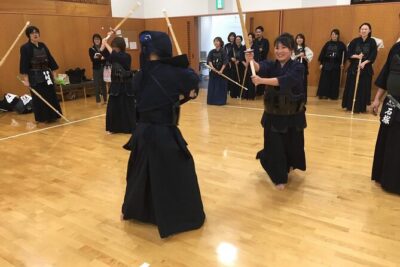 ★ 5.0Osaka 2-Hour Genuine Kendo / Samurai Experience In JapanFrom $11865 reviews
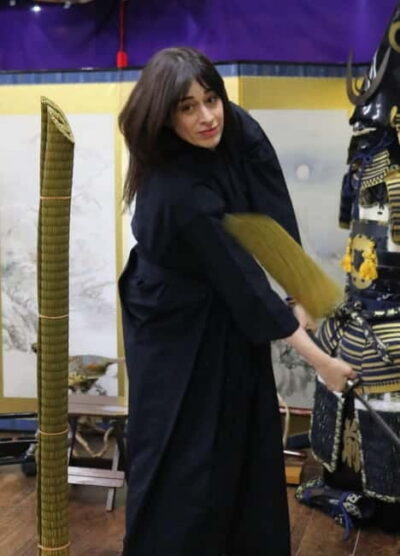 ★ 4.9Learn Bushido – Trial Slashing with Samurai SwordFrom $9259 reviews
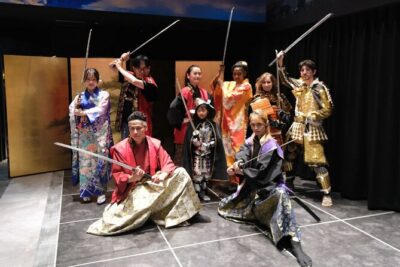 ★ 5.0Samurai Show, Tea Ceremony, Japanese Traditional ActivitiesFrom $4456 reviews
 ★ 5.0Private Samurai Experience – Train with Sword MasterFrom $15836 reviews
 ★ 5.0Honor – Experience Samurai & traditional Culture to the fullestFrom $18132 reviews
Browse the lists this tour appears in