
Reviewed · DOTONBORI & NAMBA TOURS
1.5〜2 Hours Traditional Kintsugi Work Shop in Namba Osaka
Kintsugi turns breakage into beauty. In this small-group workshop in Namba, Osaka, you’ll learn the basics of Japanese lacquer repair and finish by decorating a plate with 23K gold powder.
I like that the class stays hands-on and personal, with a maximum of five people and step-by-step guidance. I also like the setting: the workshop is held in a traditional Japanese building called a Kura, with antiques and art to browse after you finish your piece. One possible drawback: your finished plate needs time to cure, so you won’t take it home the same day.
In This Review
- Key takeaways
- A calming Osaka craft break in Namba
- Entering the Kura: antiques, wood, and a calmer pace
- What you make: a kintsugi plate with 23K gold lacquer
- The class flow: history first, then hands-on finishing
- The timing twist: curing means shipping (not same-day pickup)
- Matcha and small extras that make it feel Japanese
- Who this workshop is for (and who should skip)
- Price and value in plain terms
- Practical details that help you enjoy the day
- Should you book this kintsugi workshop in Namba?
- FAQ
- How long is the kintsugi workshop?
- Is the class small?
- What materials are included?
- When will I receive my finished plate?
- Is shipping included?
- Where is the workshop located?
- Is it okay if I have a lacquer allergy?
- Are service animals allowed?
- What happens if the weather is bad?
Key takeaways
- Max 5 people means you’re not lost in a large group.
- 23K gold powder is part of the hands-on decorating step.
- Traditional Kura studio makes the whole experience feel authentic.
- Your plate cures for 5 to 7 days, then it’s sent to you.
- Matcha and treats are included at the end of the session in some classes.
- Not for lacquer allergy (check carefully before booking).
Back under the Glico sign: more Dotonbori runs


A calming Osaka craft break in Namba
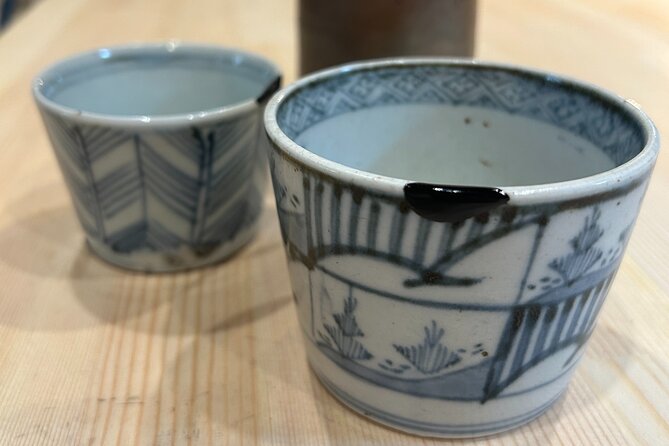
Osaka is fast. This workshop is not. Instead of racing from one neon corner to the next, you’ll spend about 1 hour 30 minutes learning a slow, deliberate craft that treats damage as part of an object’s story.
The setting helps. The class happens in a traditional wooden structure called a Kura, where the atmosphere makes it easier to focus. And because the group is small, you get real attention instead of a quick demo followed by guesswork.
If you want a memorable Osaka activity that feels quietly meaningful, this is a strong pick.
Entering the Kura: antiques, wood, and a calmer pace
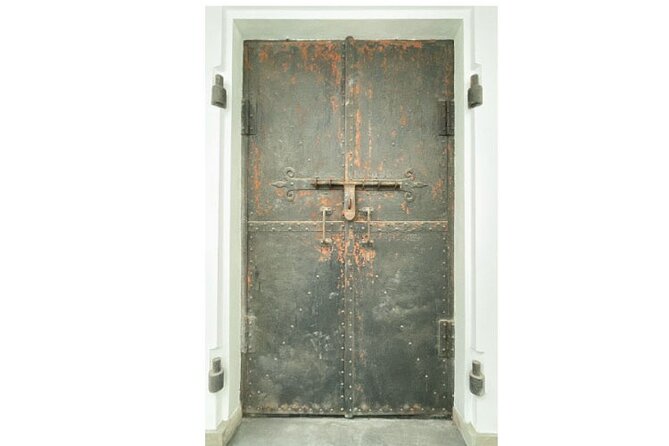
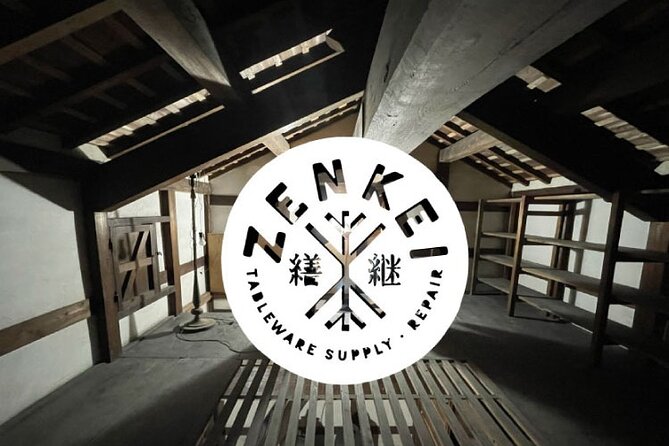
Your session happens in a traditional Japanese building with wooden architecture, a space the operator calls a Kura. That matters more than it sounds. When you’re working with lacquer and gold powder, the craft benefits from a steady, unhurried environment—and a place like this naturally slows you down.
After your class, you can look around the space and the gallery of Japanese art and antiques. This is one of those extras that’s easy to miss when you just book for the making part, but it adds real value. You’re not only learning technique; you’re seeing the culture that surrounds it.
The location is in Namba (Motomachi, Naniwa Ward), and it’s near public transportation. Still, it can be a little tricky to find the exact entrance, so give yourself a few minutes buffer.
What you make: a kintsugi plate with 23K gold lacquer
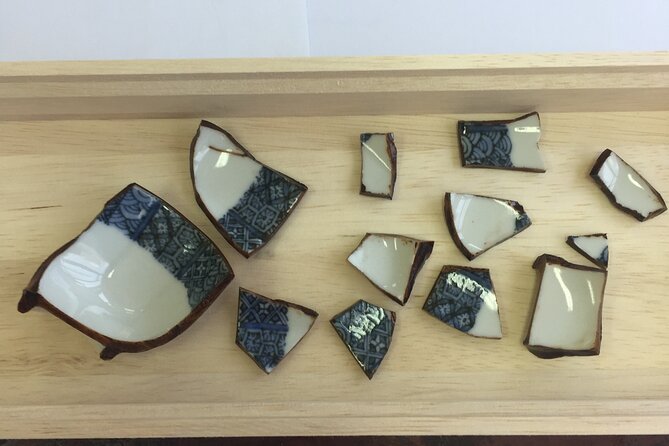
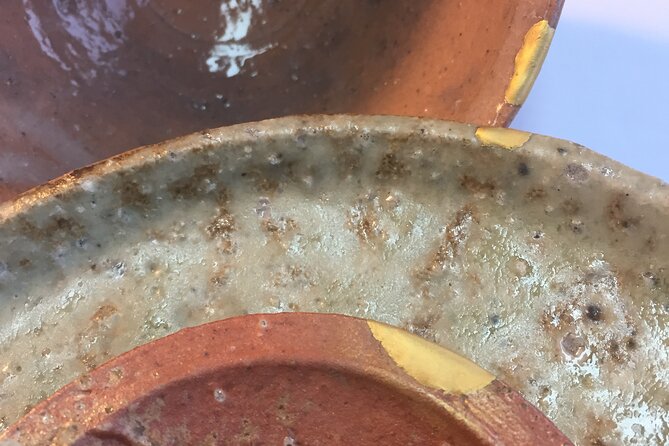
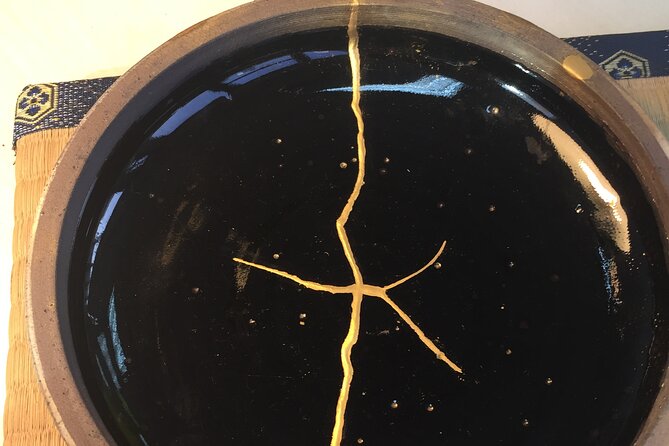
Kintsugi is Japanese repair art: you mend broken pottery with lacquer and often dust the join lines with gold. The result is not hidden damage. The repair becomes part of the design.
In this introduction workshop, you’ll learn the core steps and then make your own plate. Here’s the heart of the session:
- You start with a kintsugi and lacquer history introduction.
- You learn how to decorate your kintsugi plate with gold powder.
- You make your own plate using 23K gold powder.
What’s practical for you: the workshop provides the materials you’ll need. That’s a big deal in a hands-on craft class, because it keeps your planning simple and protects you from the guess-and-buy problem back home.
Also, the class focuses on an introduction level. That’s helpful if you’re a beginner and just want a solid foundation you can build on later.
Make the souvenir yourself at more workshops
The class flow: history first, then hands-on finishing
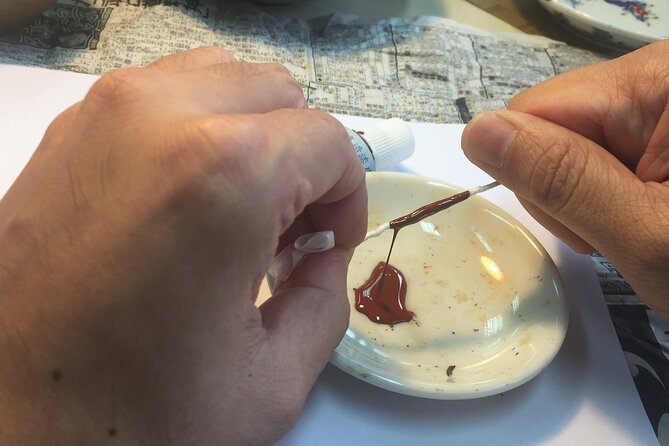
Expect a structure that starts with context and moves quickly into doing. The history part usually includes how lacquer repair evolved into a recognizable Japanese craft, plus what makes kintsugi more than a repair technique.
Then comes the creative part: you’ll apply lacquer and dust on the gold powder to decorate your plate. This is the stage where people tend to feel the most satisfaction, because you go from learning about the philosophy to actually making the design.
In the instruction style, clarity comes up often. Many classes are guided by an instructor who speaks English well and uses step-by-step explanations. You’ll likely also see examples in the studio, which helps you understand what the final surface should look like before you commit your own gold powder.
If you care about getting good results, this is where small group size pays off. With fewer people, you can ask questions without waiting your turn for long.
The timing twist: curing means shipping (not same-day pickup)
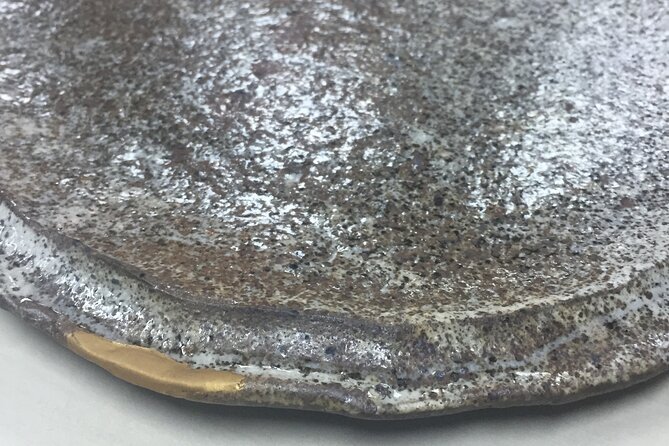
Here’s the key logistical point: after the workshop, you receive your finished, decorated plate in about 5 to 7 days. The class itself is only about 1 to 1.5 hours, but the craft needs time to set properly.
What that means for your trip planning:
- You won’t have a fragile, wet-finish object to carry around while sightseeing.
- You’ll need to be ready to wait after your class for the plate to arrive.
Shipping is part of the deal. If you want it shipped internationally, there’s a 5,000 yen shipping fee. If you ship to a Japanese address within Japan, shipping is free of charge.
One more practical note: some classes include information that the ticket price does not always include shipping, so double-check the plan when you book. For most people, the cure-time shipping setup is worth it because it saves you stress in the short term.
Matcha and small extras that make it feel Japanese
Beyond kintsugi, many classes add a food-and-culture touch at the end. In several sessions, the instructor leads matcha preparation, and you may also get a small treat such as mochi.
This isn’t just a snack. It connects to the same idea behind kintsugi: attention, patience, and a calm rhythm. Plus, it gives you a satisfying ending to a craft class that would otherwise end mid-thought.
If you’re the type who likes your hands-on activities to include a real cultural element, these extras are a real plus.
Who this workshop is for (and who should skip)
This fits best if you want a creative activity that’s also culturally grounded. It’s ideal for:
- Beginners who want to learn the basics of lacquer repair and gold powder decorating
- People who prefer small groups and calm settings over big tours
- Anyone who likes the idea of making something you’ll cherish at home
There are two clear “watch-outs” from the provided details:
- It’s not recommended if you have a lacquer allergy.
- Most people can participate, but you should plan for a hands-on craft environment with materials like lacquer and gold powder.
If you’re traveling with kids, this can also work well for families. Some sessions have included kids learning the craftsmanship steps, with the instructor guiding them through the process.
And if you simply want a unique Osaka memory that isn’t another photo stop, this delivers.
Price and value in plain terms
The price is $125.53 per person for a class lasting about 1 hour 30 minutes, plus the promise of a finished plate arriving later.
Is it a lot? It depends on how you look at it:
- You’re paying for instruction by a craft practitioner, not a quick demo.
- You get materials provided, including 23K gold powder and the lacquer process basics.
- You don’t have to transport a fragile finished object during your trip.
The likely cost trade-off is shipping. International shipping includes a 5,000 yen charge. For domestic shipping within Japan, it’s free.
When you add up instruction time, the gold powder component, and the shipping-based “take it home later” convenience, the value makes sense—especially if you want something truly hands-on rather than a souvenir you buy off a shelf.
Practical details that help you enjoy the day
The workshop ends back at the meeting point, so you’re not stuck figuring out how to return. It’s also near public transportation, which is useful when you’re building this into a tight Osaka schedule.
Service animals are allowed, and the class is open to most travelers. Confirmation is received at booking, and there’s an emphasis on good weather being required. If weather is poor and the experience gets canceled, you’ll be offered another date or a full refund.
My advice: pick a time slot when you can slow down afterward. This activity feels best when you don’t immediately sprint to the next attraction.
Should you book this kintsugi workshop in Namba?
If you want a calm, hands-on craft experience in Osaka, I’d book it. The small group size, 23K gold component, and traditional Kura setting add up to more than a basic workshop. You also get cultural context, not just steps to copy.
Book it if:
- You love Japanese crafts and want a meaningful souvenir
- You’re okay waiting 5 to 7 days for the finished plate
- You don’t have a lacquer allergy
Think twice if:
- You need an item same-day for a gift (the cure-time shipping means you won’t)
- You have lacquer allergy concerns
FAQ
How long is the kintsugi workshop?
The experience is about 1 hour 30 minutes (approx.), with an introduction workshop described as around 1 to 1.5 hours.
Is the class small?
Yes. The workshop has a maximum of 5 travelers, which keeps instruction more personalized.
What materials are included?
All the materials you need for kintsugi are provided, including 23K gold powder for decorating your plate.
When will I receive my finished plate?
You’ll receive your decorated plate in 5 to 7 days after the course.
Is shipping included?
Domestic shipping to a Japan address is free of charge. International shipping is available but has a 5000 yen shipping cost.
Where is the workshop located?
It starts at Japan, 556-0016 Osaka, Naniwa Ward, Motomachi, 2-chōme630 マンション ニューナンバ (the activity ends back at the meeting point).
Is it okay if I have a lacquer allergy?
No. It is not recommended for people with a lacquer allergy.
Are service animals allowed?
Yes, service animals are allowed.
What happens if the weather is bad?
This experience requires good weather. If it’s canceled due to poor weather, you’ll be offered a different date or a full refund.
More Tour Reviews in Osaka
- Osaka Go Karting Tour with Funny Costume★ 5.0 · 2,658 reviews
- Osaka Castle: Museum and Tower Entry Ticket★ 4.5 · 2,380 reviews
- Osaka: Shinsekai Food Tour with 13-15 Dishes at 5 Eateries★ 4.8 · 2,204 reviews
- Osaka Food Tour: 13 Dishes at 5 Local Eateries★ 5.0 · 2,149 reviews
- Hungry Osaka Street Food Tour:15 Tastings & 3 Drinks with a Local★ 5.0 · 1,727 reviews
Made in Osaka, by You
- Osaka: Tea Ceremony, Calligraphy, and Kimono Experience★ 4.9 · 130 reviews
- Osaka: Private Japanese Calligraphy Experience★ 5.0 · 66 reviews
- From Osaka: Sakai Knife Maker or Blacksmith Walking Tour★ 4.9 · 64 reviews
- Osaka: Traditional Japanese Ceramics Private Experience★ 5.0 · 57 reviews
- Calligraphy Workshop in Namba, Dotonbori★ 5.0 · 57 reviews
Dotonbori and Namba, Round Two
- Osaka Local Foodie Walking Tour in Dotonbori and Shinsekai★ 5.0 · 985 reviews
- Osaka: Dotonbori District River Cruise with Drink Discount★ 4.2 · 876 reviews
- Ultimate Osaka Walking Tour: Castle, Dotonbori & Hidden Gems★ 5.0 · 862 reviews
- Tea Ceremony Experience in Osaka Doutonbori★ 5.0 · 754 reviews
- Osaka: Namba Pub Bar Crawl with a Local Guide★ 4.9 · 424 reviews
The Newest Osaka Write-Ups
- Private Photoshoot in Osaka with a Professional Photographer
★ 5.0 · 3 reviews - Osaka Early Morning Osaka Castle Tour Avoid Crowds
★ 5.0 · 3 reviews - Nara Private Tour with Pick and Drop and English Speaking Driver
★ 3.5 · 3 reviews - Osaka: Modern Vegetarian Sushi Cooking Class
★ 5.0 · 3 reviews - Nara Day Trip from Osaka with a Licensed Guide
★ 5.0 · 3 reviews
Dotonbori & Namba Tours, compared.
 ★ 5.0Osaka Local Foodie Walking Tour in Dotonbori and ShinsekaiFrom $111985 reviews
 ★ 4.2Dotonbori District River Cruise with Drink DiscountFrom $12876 reviews
 ★ 5.0Ultimate Osaka Walking Tour: Castle, Dotonbori & Hidden GemsFrom $73862 reviews
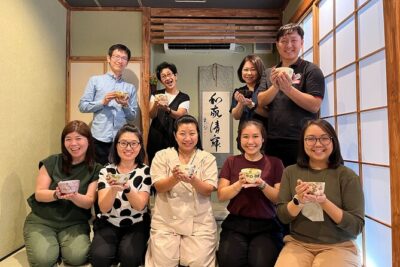 ★ 5.0Tea Ceremony Experience in Osaka DoutonboriFrom $20754 reviews
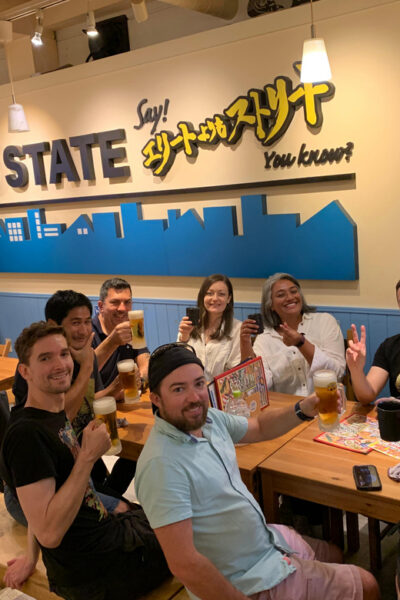 ★ 4.9Namba Pub Bar Crawl with a Local GuideFrom $30424 reviews
 ★ 5.0Ramen and Gyoza Cooking Class in DotonboriFrom $70378 reviews
Dotonbori River Cruise with Glico Sign & Neon ViewsFrom $12376 reviews
★ 5.0Ramen and Gyoza Cooking Class in DotonboriFrom $70378 reviews
Dotonbori River Cruise with Glico Sign & Neon ViewsFrom $12376 reviews
 ★ 3.9Dotonbori’s Bridges 20-Minute CruiseFrom $12303 reviews
Browse the lists this tour appears in