
Reviewed · DOTONBORI & NAMBA TOURS
Tea Ceremony Experience in Osaka Doutonbori
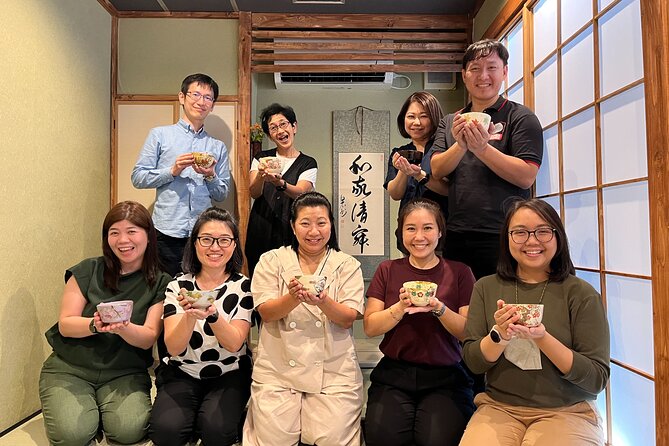
Tea turns chaos into something you can sip. In central Osaka’s Dōtonbori, this tea ceremony class teaches matcha craft and etiquette in a calm 45 minutes. I like that you get small-group attention (max 15), and you do the hands-on part by making your own tea. One thing to plan for: it’s a short session, and kids under 5 can’t join the regular plan.
The meeting point sits inside the Tea Ceremony Osaka building near the action, so directions matter. The experience is also family-friendly, including caffeine-free matcha milk for children, but you’ll still want to check age rules before you book.
In This Review
- Key things to know before you go
- Tea Ceremony in Dōtonbori: calm practice near the crowds
- Price, time, and group size: is $20.69 good value for 45 minutes?
- Where to meet: the Tea Ceremony Osaka The Osaka address in Dōtonbori
- What you do during the class: watch, learn, make your own matcha
- Tools, etiquette, and the small details you’ll actually remember
- Sweets, pacing, and the taste side of matcha
- Family-friendly features: caffeine-free matcha milk and age limits
- Who this fits best (and who might want something else)
- Before you go: practical tips that make the visit smoother
- Should you book the Tea Ceremony Osaka experience in Dōtonbori?
- FAQ
- How long is the tea ceremony experience?
- How much does it cost per person?
- What’s included in the experience?
- Is it a small-group activity?
- Where exactly is the meeting point?
- What should I type into Google Maps to avoid the wrong address?
- Is the experience family-friendly?
- Do you have a caffeine-free option for children?
- What about children under 5 years old?
- Is free cancellation available?
Key things to know before you go
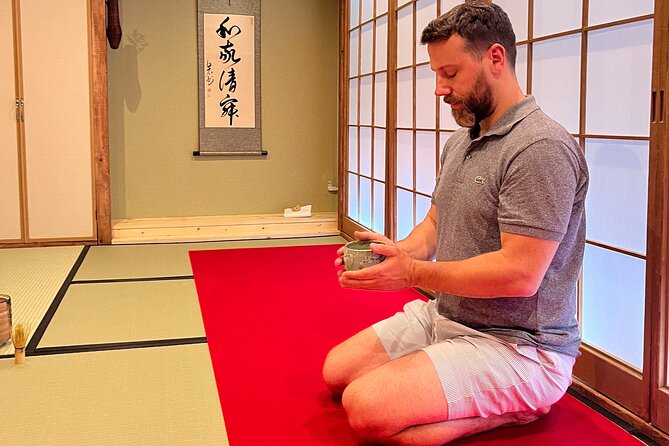
- You make matcha yourself: you’ll watch the ritual, then prepare and drink your own cup.
- A true etiquette lesson, not just tea: you learn how to serve and drink properly.
- Small group format: up to 15 people for better back-and-forth with the instructor.
- Family-friendly options: caffeine-free matcha milk is available for children’s matcha.
- Dōtonbori location with a calm payoff: you’re steps from the buzz, then you slow down.
Back under the Glico sign: more Dotonbori runs



Tea Ceremony in Dōtonbori: calm practice near the crowds
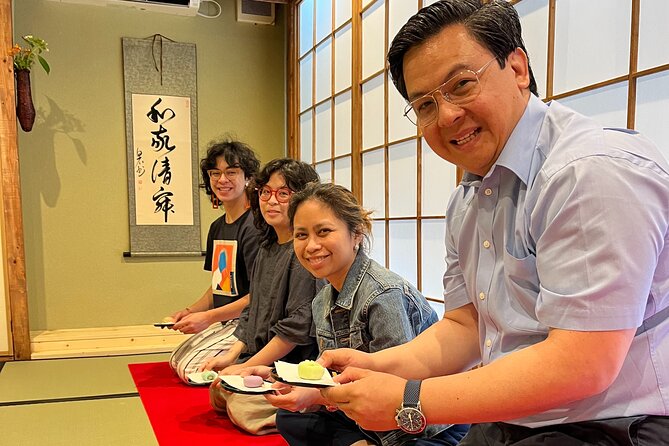
Dōtonbori is one of those places in Osaka where you can feel the city moving. Neon, noise, crowds, and fast feet are all part of the scene. Then you head upstairs into a much quieter room where tea becomes the schedule. That contrast is honestly part of the magic.
This class is built around Japanese tea tradition, including why it developed and what it’s meant to do for people who participate. The tradition traces back to the 16th century, and you’ll get context on how the ceremony shaped social manners and even group life. In other words, you’re not just learning steps. You’re learning why the steps exist.
What I like most is how the tea ceremony becomes approachable in plain language. You don’t need special clothes or prior experience. You show up, follow the instructor, and within minutes you’re holding the tools and tasting what you made.
Price, time, and group size: is $20.69 good value for 45 minutes?
At $20.69 per person for about 45 minutes, you’re paying for three things: instruction, guided ritual viewing, and the chance to practice. Many tea activities elsewhere stop at tasting. Here you also get the matcha-making part, plus traditional sweets.
The group size is capped at 15 travelers, which is a big deal for value. With a larger crowd, it’s harder to correct your technique and harder to ask questions. With a smaller setup, you can actually learn the “why” behind each motion, not just copy the “how.”
A possible drawback is that it’s time-boxed. You won’t leave with a full course in Japanese tea philosophy or mastery-level technique. But for most visitors, that’s the point: you get a focused cultural experience that fits into a busy day in Osaka.
Where to meet: the Tea Ceremony Osaka The Osaka address in Dōtonbori
Your biggest practical risk is simply finding the right place. The meeting point is at:
Tea Ceremony Osaka The Osaka (茶道体験The Osaka)
Chuo Ward, Dōtonbori, 1-chōme 東5-26, Dōtonbori Building 2F
(542-0077 Osaka)
Here’s the key tip that can save you time: use Google Maps and search for tea ceremony osaka the osaka. Also double-check the address spelling, because people commonly mix up 1-chome 東5-26 with a similar-looking number format. Make sure the 東 (Higashi) part is included.
You end back at the meeting point. That’s helpful if you’re trying to connect to dinner or head back toward Namba after the class.
Another bowl whisked slowly in Osaka
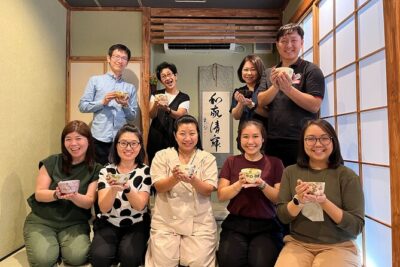
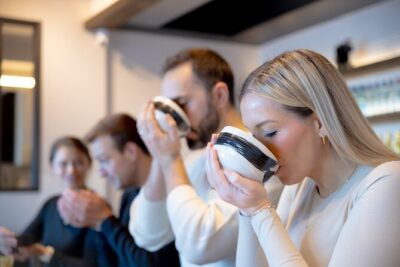
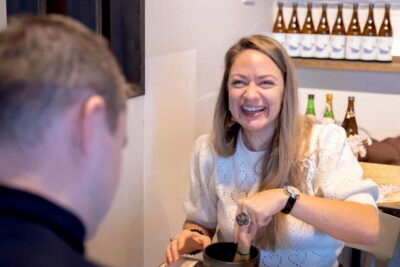
What you do during the class: watch, learn, make your own matcha
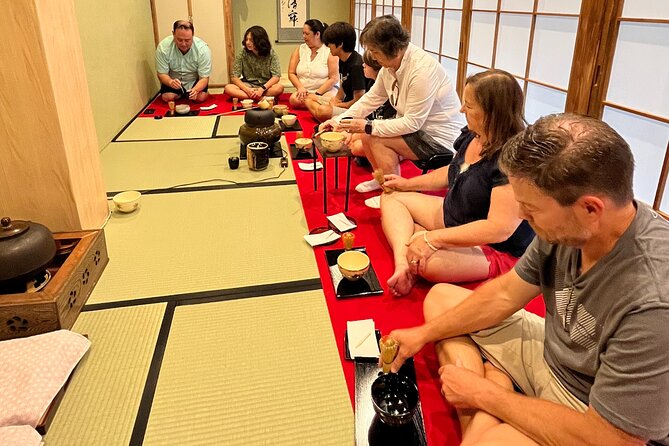
The flow is clear and interactive. You start with culture and etiquette: the instructor explains the traditions and the social rules behind the ritual. This matters because matcha is served with intention. The way you hold a bowl, the pace of the movements, and how you receive the tea all communicate respect.
Next comes the viewing portion. You watch the instructor perform the ceremony properly—tool use, preparation steps, and service. This is where you get a mental picture of how all the parts fit together.
Then you switch from student to participant. You’ll make your own matcha and enjoy it. You also get traditional Japanese sweets alongside the tea, which is a nice balance: the bitterness and grassiness of matcha meets sweetness in a way that feels designed, not random.
In some sessions, hosts include names like Kazu and Mai (and even Soda is mentioned in past instruction). Different instructors bring different personalities, but the core structure stays the same: cultural context, correct motions, then your turn.
Tools, etiquette, and the small details you’ll actually remember
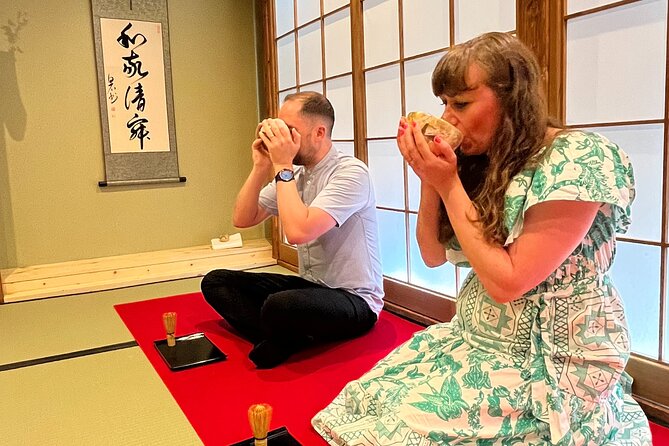
Tea ceremonies can sound formal to the point of feeling intimidating. This one makes it practical. You learn how to prepare and serve the tea properly, and you learn how to drink it in the intended way.
One review detail that I think captures the tone well: the instruction can be light and playful at the micro-level. People mention things like a taught foot shuffle and funny sound effects during coaching. That kind of humor turns etiquette from stiff to doable.
You’ll also hear interesting context that makes the ritual feel bigger than a drink. For example, you may learn how tea ceremonies were used in samurai society as a time for discussion, including politics and strategy. You might also hear that the ceremony encouraged participants to meet as equals. Even if you only remember one or two of these ideas, it changes the meaning of what you’re doing.
The result is that you’re not just tasting matcha. You’re learning a small system of behavior—one you can carry into everyday hospitality at home.
Sweets, pacing, and the taste side of matcha
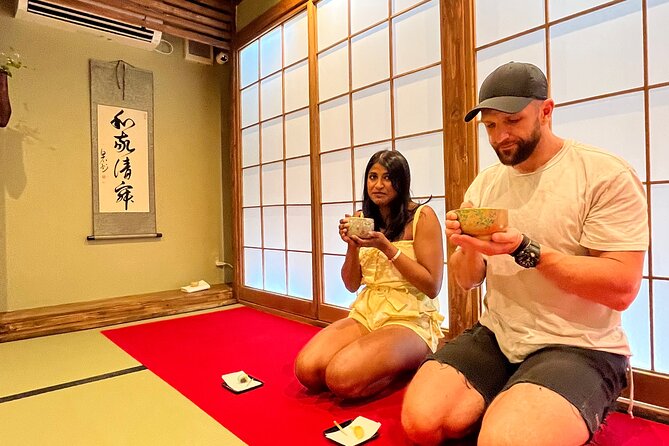
The class isn’t all ritual motions. It’s also about taste. You’ll enjoy matcha green tea and traditional sweets during the ceremony.
The sweets are described as traditional and even tied to the seasons in some versions of the experience. That’s a good sign for authenticity. Seasonal sweets are part of how Japanese food traditions create a moment in time.
Matcha itself is also part of the learning curve. If you’ve only had sweet bottled matcha drinks, the real thing can feel more intense. The bitter-green flavor is supposed to be balanced with the sweetness of the accompanying treat. Most people find that once they slow down and follow the ceremony rhythm, the taste feels more intentional.
Family-friendly features: caffeine-free matcha milk and age limits
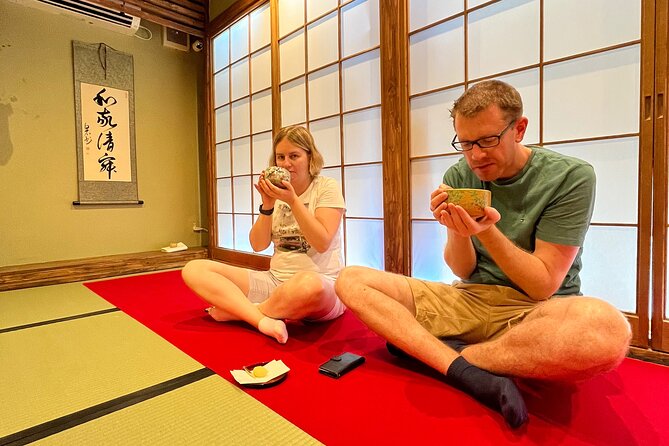
This is one of the stronger “family-friendly” options in the Osaka matcha world. The class is described as family-friendly, and for children’s matcha you can get caffeine-free matcha milk.
That’s a practical detail you’ll appreciate if you’re traveling with kids who are sensitive to caffeine. It also means the child isn’t stuck with something unrelated to the theme. They still get to participate in the matcha moment.
There is an age consideration: if you’re traveling with a child under age 5, you need to contact the operator in advance, because that child can’t join the regular plan. And even with a ticket, children under 5 may not be allowed to enter. So if your family includes a very young child, plan early rather than assuming last-minute flexibility.
Who this fits best (and who might want something else)
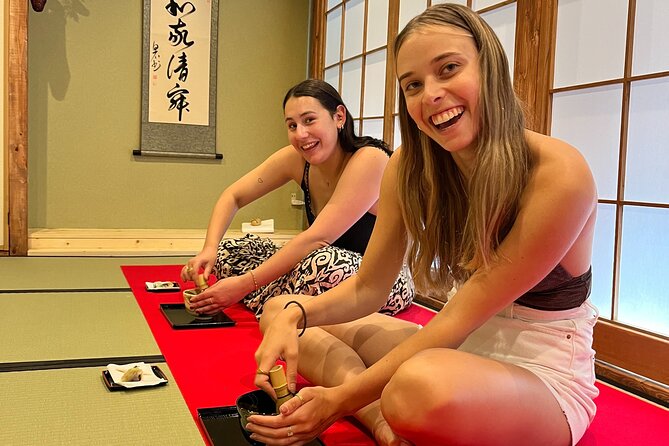
This tea ceremony experience is a great fit if you want a cultural activity with structure but no stress. You don’t need to speak Japanese, and the short duration makes it ideal for a day packed with Osaka sights.
It also works well if you like learning through doing. You’re not just listening. You’re preparing and tasting what you made, which helps the cultural lesson stick.
You might consider an alternative if you’re looking for a longer, deeper course with heavy hands-on practice for an extended time. This one is focused and time-boxed. Think of it as a clean, memorable introduction.
Before you go: practical tips that make the visit smoother
Here are a few details that help everything go smoothly.
- Arrive with a clear map pin. Search for tea ceremony osaka the osaka in Google Maps and confirm the address includes 東 (Higashi) as part of the number sequence.
- Plan your schedule around 45 minutes. It’s short enough to fit between other Dōtonbori plans, but you don’t want to start it while you’re rushing for your next reservation.
- Bring an open mind about etiquette. You’ll learn how to serve and drink properly. It’s not about perfection; it’s about respect.
- If you want extra items, bring a little cash. One review specifically suggests having extra cash available for purchases available on-site, so you won’t feel stuck if something catches your eye.
- If traveling with kids, confirm the plan. For children, check the caffeine-free matcha milk option and verify age rules for under-5 children.
Should you book the Tea Ceremony Osaka experience in Dōtonbori?
Yes, if you want a high-value cultural pause in the middle of Osaka. For the price, you’re getting instruction, a guided viewing, a hands-on matcha session, and sweets, all in a small group. It’s also a smart choice if you’re new to Japanese tea culture and want the basics explained clearly.
Hold off if you need a very long class, or if your group includes a child under age 5 and you haven’t confirmed whether they can join. And if you’re bad with finding second-floor entrances in busy areas, double-check that Google Maps address step so you’re not wasting time.
If you’re already going to be in Dōtonbori, this is one of the calmer, more meaningful things you can do nearby. The city stays loud outside. Inside, you learn how to slow your hands, your mind, and your sip.
FAQ
How long is the tea ceremony experience?
It’s about 45 minutes (approx.).
How much does it cost per person?
The price is listed as $20.69 per person.
What’s included in the experience?
You’ll learn the culture, traditions, and etiquette of the tea ceremony, watch the ceremony, enjoy matcha green tea and Japanese sweets, and make and drink your own matcha.
Is it a small-group activity?
Yes. The class has a maximum of 15 travelers.
Where exactly is the meeting point?
Meet at Tea Ceremony Osaka The Osaka, Dōtonbori, Chuo Ward, at 1-chōme 東5-26, Osaka, on the second floor of the Dōtonbori building. The address is Tea Ceremony Osaka The Osaka (茶道体験The Osaka), 542-0077.
What should I type into Google Maps to avoid the wrong address?
Search for tea ceremony osaka the osaka. Be careful with the address format and make sure it includes 東 (Higashi) as part of the number sequence.
Is the experience family-friendly?
Yes, it’s described as family-friendly.
Do you have a caffeine-free option for children?
Yes. For children’s matcha, they offer caffeine-free matcha milk.
What about children under 5 years old?
If you’re traveling with a child under 5, you need to contact the operator in advance because they cannot join the regular plan. Children under 5 may not be allowed to enter even if accompanied by an adult with a ticket.
Is free cancellation available?
Yes. You can cancel up to 24 hours in advance for a full refund.
More Tour Reviews in Osaka
- Osaka Go Karting Tour with Funny Costume★ 5.0 · 2,658 reviews
- Osaka Castle: Museum and Tower Entry Ticket★ 4.5 · 2,380 reviews
- Osaka: Shinsekai Food Tour with 13-15 Dishes at 5 Eateries★ 4.8 · 2,204 reviews
- Osaka Food Tour: 13 Dishes at 5 Local Eateries★ 5.0 · 2,149 reviews
- Hungry Osaka Street Food Tour:15 Tastings & 3 Drinks with a Local★ 5.0 · 1,727 reviews
Matcha, Whisked and Poured
- Osaka: Tea Ceremony Experience★ 4.9 · 1,426 reviews
- Matcha Making Class in Osaka with Authentic Japanese Sweets Set★ 5.0 · 509 reviews
- Osaka: Matcha Making Experience with Japanese Sweets★ 5.0 · 146 reviews
- Osaka: Tea Ceremony, Calligraphy, and Kimono Experience★ 4.9 · 130 reviews
- Osaka: Japanese Traditional Sweets Making and Tea Ceremony★ 4.7 · 118 reviews
Dotonbori and Namba, Round Two
- Osaka Local Foodie Walking Tour in Dotonbori and Shinsekai★ 5.0 · 985 reviews
- Osaka: Dotonbori District River Cruise with Drink Discount★ 4.2 · 876 reviews
- Ultimate Osaka Walking Tour: Castle, Dotonbori & Hidden Gems★ 5.0 · 862 reviews
- Osaka: Namba Pub Bar Crawl with a Local Guide★ 4.9 · 424 reviews
- Osaka: Ramen and Gyoza Cooking Class in Dotonbori★ 5.0 · 378 reviews
The Newest Osaka Write-Ups
- Private Photoshoot in Osaka with a Professional Photographer
★ 5.0 · 3 reviews - Osaka Early Morning Osaka Castle Tour Avoid Crowds
★ 5.0 · 3 reviews - Nara Private Tour with Pick and Drop and English Speaking Driver
★ 3.5 · 3 reviews - Osaka: Modern Vegetarian Sushi Cooking Class
★ 5.0 · 3 reviews - Nara Day Trip from Osaka with a Licensed Guide
★ 5.0 · 3 reviews
Dotonbori & Namba Tours, compared.
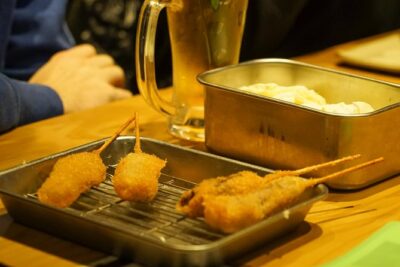 ★ 5.0Osaka Local Foodie Walking Tour in Dotonbori and ShinsekaiFrom $111985 reviews
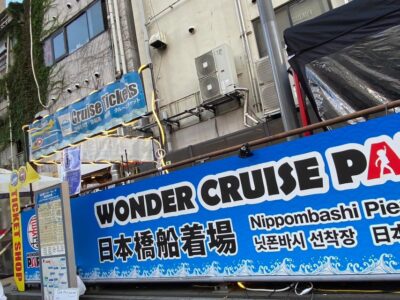 ★ 4.2Dotonbori District River Cruise with Drink DiscountFrom $12876 reviews
 ★ 5.0Ultimate Osaka Walking Tour: Castle, Dotonbori & Hidden GemsFrom $73862 reviews
 ★ 4.9Namba Pub Bar Crawl with a Local GuideFrom $30424 reviews
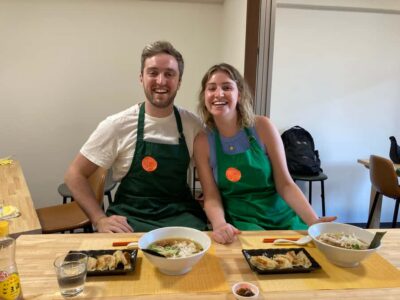 ★ 5.0Ramen and Gyoza Cooking Class in DotonboriFrom $70378 reviews
Dotonbori River Cruise with Glico Sign & Neon ViewsFrom $12376 reviews
★ 5.0Ramen and Gyoza Cooking Class in DotonboriFrom $70378 reviews
Dotonbori River Cruise with Glico Sign & Neon ViewsFrom $12376 reviews
 ★ 3.9Dotonbori’s Bridges 20-Minute CruiseFrom $12303 reviews
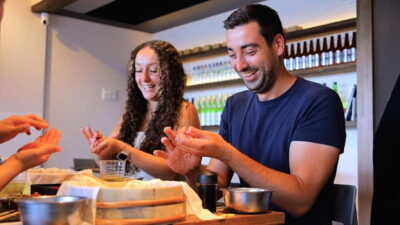 ★ 4.9Roll and Authentic Sushi Making Class in DotonboriFrom $45239 reviews
Browse the lists this tour appears in