
Reviewed · OSAKA BY NIGHT
OSAKA NIGHT FUSION Japanese Taiko Kabuki Samurai Dance Show
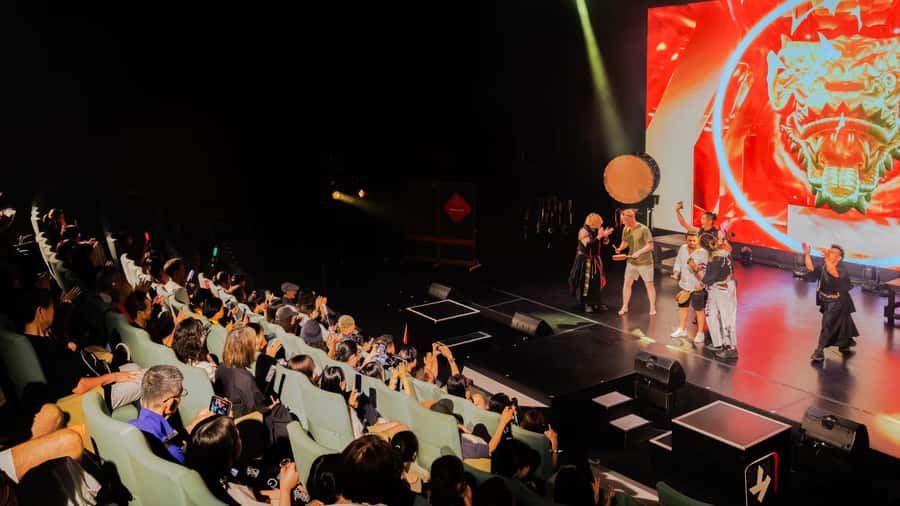
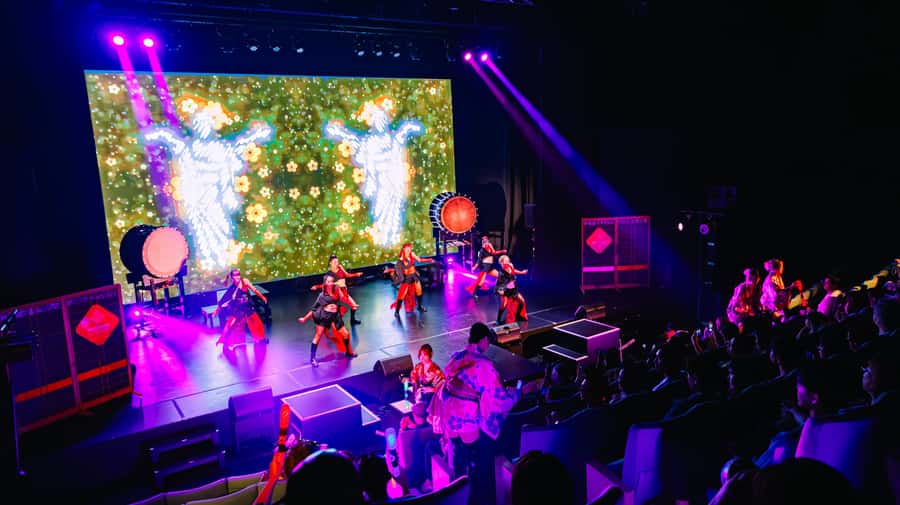
Osaka’s coolest drum party mixes old and new. Osaka Night Fusion turns traditional Japanese performing arts into a live, high-energy night at Tempo Harbor Theater, where taiko, kabuki, samurai styling, and classic instruments collide with modern dance music. The result is part theater show, part energy workout, and part hands-on experience.
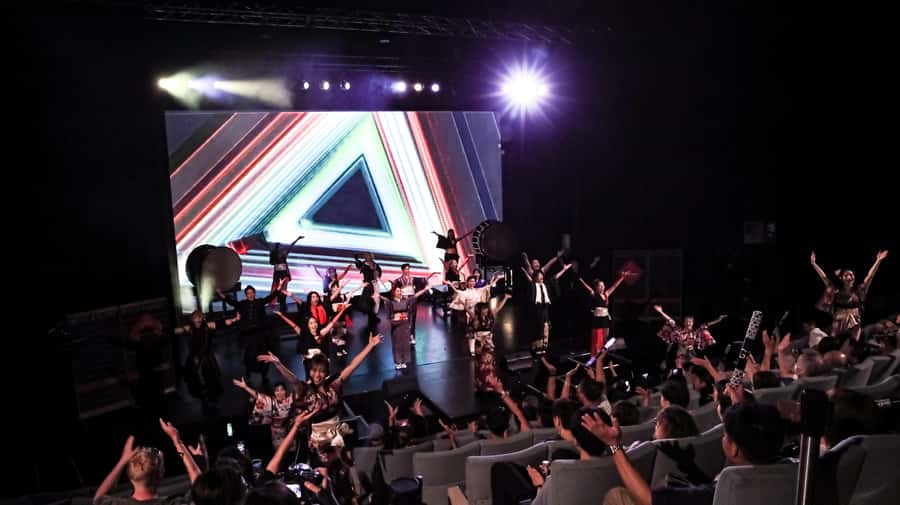
I love the way the show makes taiko the heartbeat while kabuki and samurai performance styles keep showing up in costume and movement. I also like that it’s genuinely interactive, with performers inviting you into certain moments instead of leaving you stuck as a silent spectator.
One consideration: the show may include adult language and explicit lyrics, so it’s not a perfect fit for every age group.
In This Review
- Key takeaways before you go
- Osaka Night Fusion at Tempo Harbor Theater: what kind of night is this?
- The 50-minute blend: taiko, kabuki, shamisen, shakuhachi, and modern dance
- Audience participation: how to join in and not feel awkward
- Price and value: $40 for a high-energy cultural show
- Getting there: the 4th-floor Tempo Harbor Theater meetup
- What to watch for during the show
- After the show: photos and leaving with the energy
- Should you book Osaka Night Fusion?
- FAQ
- Where is the meeting point for Osaka Night Fusion?
- What time should I arrive?
- How long is the show?
- What languages are used?
- Is there audience participation?
- Is the show suitable for all ages?
Key takeaways before you go
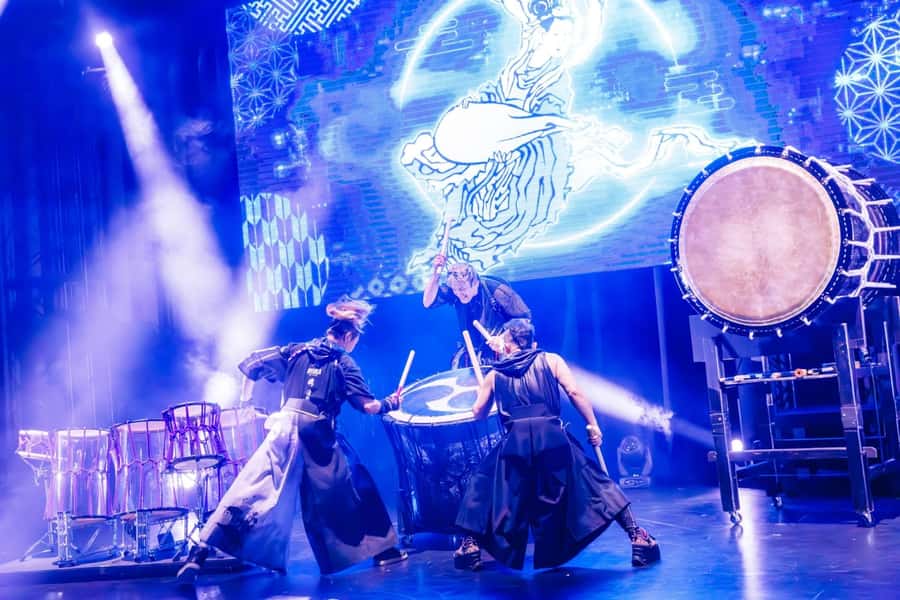
- Taiko + kabuki + samurai vibes, powered by dance music beats for a fun night out
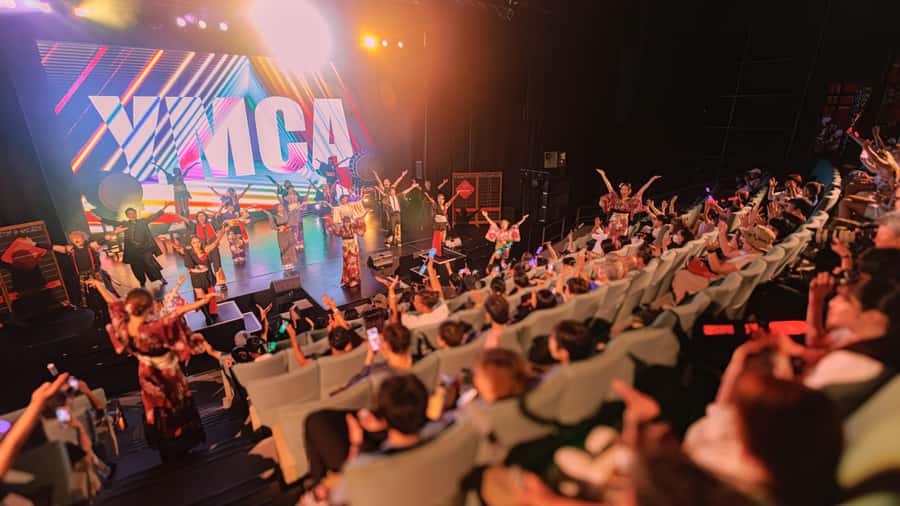
- Audience participation moments led by performers, with encouragement to join in
- Classic instruments on stage including shamisen and shakuhachi (plus the big drums)
- Language support in English and Japanese, helpful for understanding what’s happening
- Photo time after the show, with chances to pose with performers
Osaka once the neon takes over


Osaka Night Fusion at Tempo Harbor Theater: what kind of night is this?
This show is for you if you want Japanese culture that doesn’t sit politely in the corner. Osaka Night Fusion is built like a live event: strong music cues, sharp stage presence, and performers switching between traditional performing arts and modern dance energy. You’ll see taiko drumming in the spotlight, along with kabuki-inspired theatrics and samurai-style attitude—then the pacing shifts as dance music takes over and the cast ramps up the momentum.
The venue matters too. It’s at Tempo Harbor Theater, on the 4th floor of the Osaka Cultural Center complex. That “all-in one room” setup makes a difference with an interactive show. You’re close enough to feel the rhythm when the drums hit, and there’s enough stage energy that when audience participation starts, it feels like part of the program instead of an awkward add-on.
Also, the show runs in Japanese and English, which helps you follow along when instructions are given for the participation parts. In a night that mixes multiple art forms, that language support can be the difference between catching the vibe and fully getting it.
If you’re expecting a quiet, museum-style performance—this isn’t that. If you’re hoping for a lively cross-over between tradition and dance culture, you’re in the right place.
The 50-minute blend: taiko, kabuki, shamisen, shakuhachi, and modern dance
The core of Osaka Night Fusion is the mix. On stage, refined Japanese arts and instruments are paired with high-energy dance music and choreographed movement. Based on how the performances are described, you can expect these elements to show up:
- Taiko drumming in a big, performance-driven way (not just a background rhythm)
- Kabuki-inspired dance and theatrical gestures, including traditional costumes and stage manner
- Samurai-themed performance energy, more attitude and movement style than a history lesson
- Classic instrument sound and color from shamisen and shakuhachi
- A modern dance beat layer that turns the show into something closer to a party than a recital
One of the smartest parts of the format is pacing. Traditional instruments and costumes give you identity and authenticity, while dance music keeps the tempo moving. That combination makes it easier to stay engaged even if you’re not fluent in Japanese. And since the show is interactive, the program keeps giving you a reason to pay attention—watch the performers, then watch for the cue that you might join in.
The show length is about 50 minutes (based on descriptions of the performance). That’s a sweet spot: long enough to feel like you saw a full production, but short enough that you can still enjoy the rest of your evening in Osaka.
Audience participation: how to join in and not feel awkward
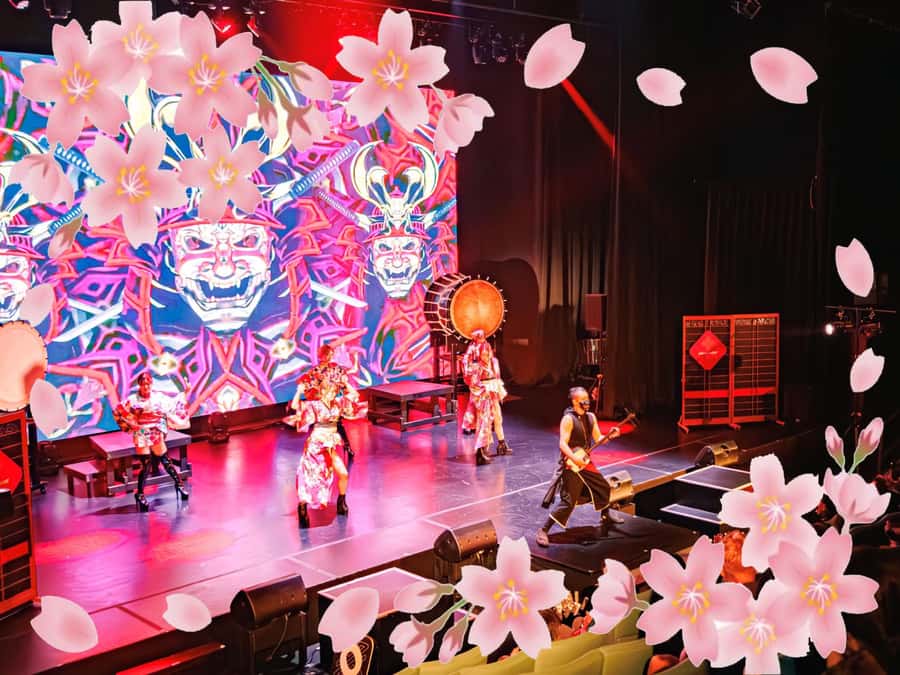
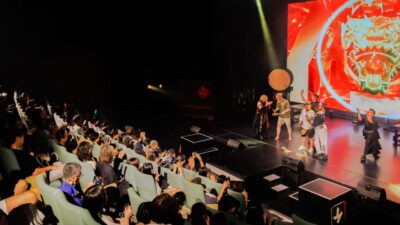
This show doesn’t keep you on the sidelines. Performers lead interactive segments and invite people to join. That’s a big part of why the experience gets such strong word-of-mouth energy. You’ll likely get prompts during certain moments, and the cast seems set up to include as many audience members as possible—not just the lucky few.
Two practical tips that matter here:
- Sit closer (especially front row if you can). Some audience guidance from the show experience says the front row makes it easier to join participation parts. Even if you’re not always selected, being close helps you catch what’s happening and respond quickly.
- Treat participation like a game, not a test. The show includes spoken language components and timing cues. If you feel nervous about doing something in front of strangers, go in with the mindset that the performers are leading the moment. You’re there to have fun with the rhythm, not to audition for perfection.
Also, don’t ignore the language/content note if you’re bringing kids or anyone sensitive to strong language. The show may include adult language and explicit lyrics. One experience note even flags this clearly for families. If that’s relevant for your group, you might want to plan a different activity for younger visitors.
If you’re an adult or you’re okay with some edgy humor, the participation is usually what transforms this from a regular performance into a night you remember.
Pick the sword back up with these sessions
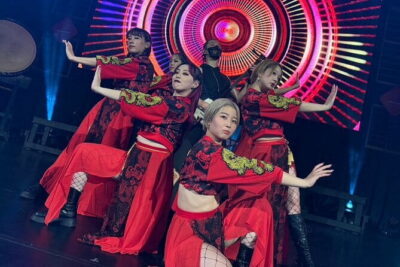
Price and value: $40 for a high-energy cultural show
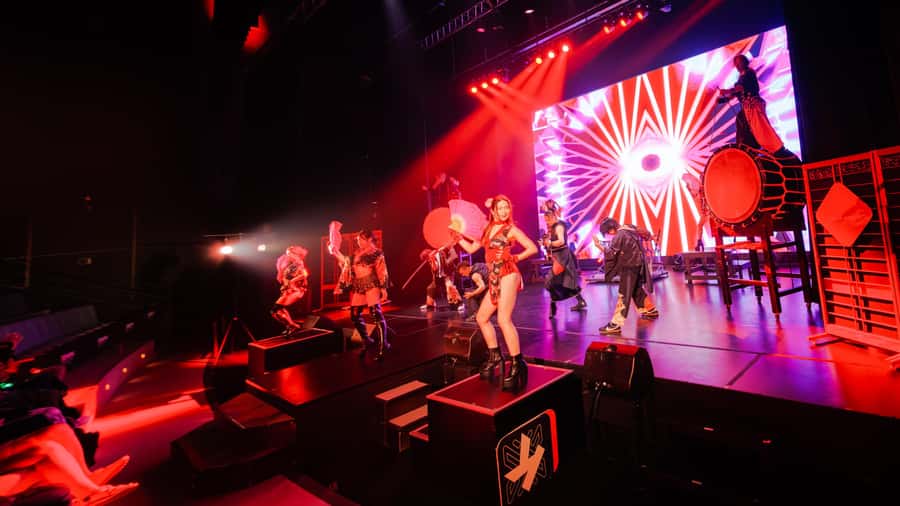
At $40 per person, Osaka Night Fusion is priced like an entry-level major attraction. The value comes from two things:
- You’re not just buying a seat. You’re buying a scripted show with multiple art forms, plus audience participation.
- The production includes multiple layers—taiko, kabuki styling, samurai energy, and modern dance beats—so you get variety within one ticket.
It also helps that the show uses a bilingual approach (Japanese and English). That makes the content easier to follow, which can be hard to get in Japanese-only performances, especially when you’re trying to understand cues during participation.
One review note adds a bonus detail: free drinks are mentioned as part of the show experience. That’s not guaranteed by the basic information you’re given, but it’s something worth remembering as a possible perk.
And the overall satisfaction signal looks strong: the show carries a 4.8/5 score across 155 ratings in the provided info. That doesn’t replace your own judgment, but it does suggest you’re likely to be dealing with a professional cast and a show that lands with people.
If you’re deciding between a “traditional-only” performance and a fusion format, think of this ticket as a chance to see Japanese arts translated into modern entertainment language—fast, physical, and loud in the best way.
Getting there: the 4th-floor Tempo Harbor Theater meetup
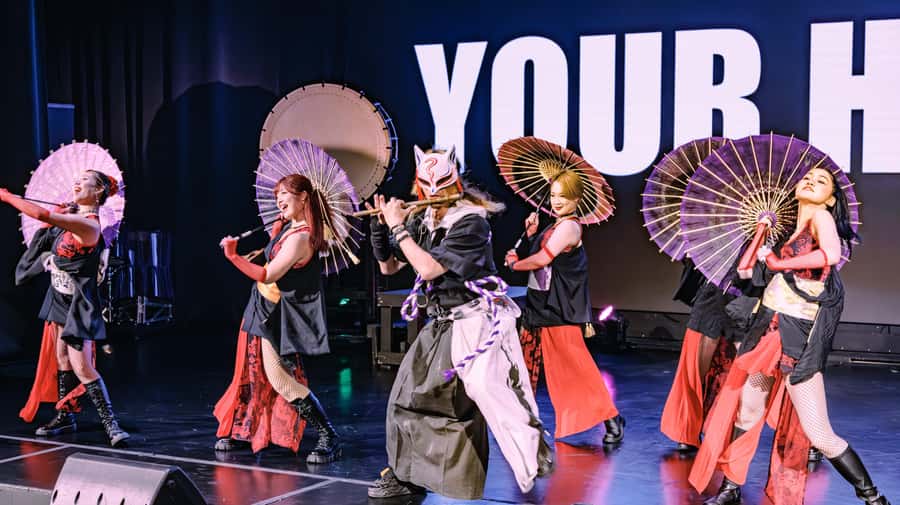
Location is straightforward, but don’t show up late. Your meeting point is the 4th floor of Tempo Harbor Theater. To get there, you take the escalator inside the Osaka Cultural Center.
Here’s the key timing rule: arrive at least 5 minutes before the show starts. Once the show begins, you won’t be allowed entry due to production reasons. With interactive theater, that makes sense—late arrivals disrupt lighting, sound cues, and the flow.
In plain terms: don’t treat this like a “we’ll wander until we feel like it” evening. Build in a buffer so you can find the right floor calmly.
Once the show is over, the activity ends back at the same meeting point, so you’re not left guessing where you’ll be released.
What to watch for during the show
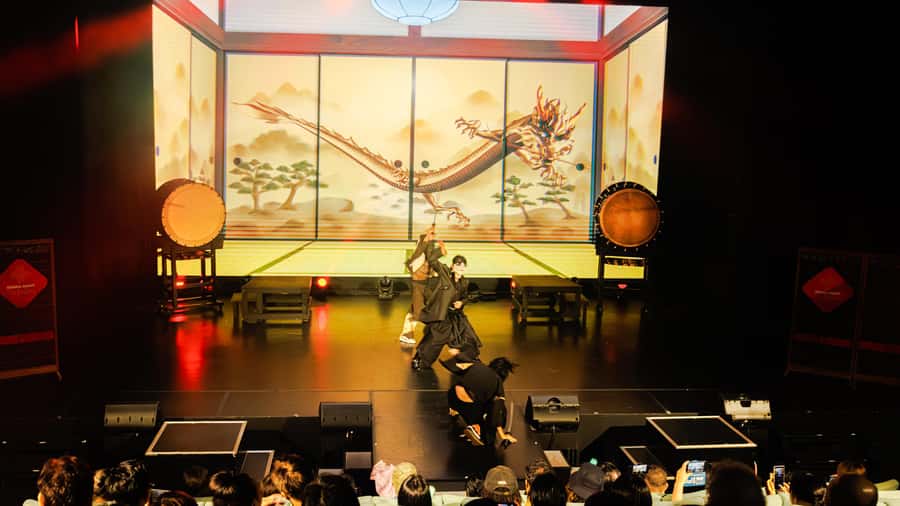
If you want to make the most of Osaka Night Fusion, pay attention to the transitions. The show is designed to move between styles, so the moments that feel different are often the point.
What you should watch for:
- When the drumming takes center stage. Taiko isn’t just rhythm here; it’s the energy anchor.
- Kabuki-style movement cues. Look for exaggerated gestures, costume presence, and theatrical timing that feels like a performance language of its own.
- Samurai-inspired staging. You’ll likely see movement and attitude that communicate “battle focus” without turning into a history lecture.
- Instrument callouts. Shamisen and shakuhachi bring distinct sounds that you can usually identify once you’re listening for them.
- The participation prompts. The cast leads these segments, so when it seems like the crowd is being addressed, be ready to respond.
One more note from the show experience: the program may include moments that aren’t suitable for everyone. If you’re traveling with a mixed-age group, you’ll sleep easier if you plan around that.
After the show: photos and leaving with the energy
The wrap-up is part of why this show feels complete. Some descriptions mention photo opportunities after the performance, including group photos with the ensemble in some cases. That’s a nice touch because it gives you a tangible souvenir beyond just a few great memories in your head.
Leaving the theater, you’ll likely notice a shift in how you feel compared to a quiet seated performance. The show is built around action and sound. Even if you didn’t join every participation moment, the rhythm-driven format tends to leave you in a better mood than you started.
If you’re heading out for dinner afterward, this is a good show to pick when you want your evening to start strong. You’ll already have that “we’re doing something fun tonight” energy.
Should you book Osaka Night Fusion?
Book it if you want:
- A loud, energetic performance that mixes traditional Japanese arts with modern dance music
- A show where you’re not just watching—audience participation is part of the deal
- English-friendly access (English and Japanese are both used)
- A short, full-production night out at about 50 minutes
Skip it or think twice if:
- Your group includes kids who might not handle adult language or explicit lyrics well
- You prefer traditional performances with minimal interaction
If you’re the kind of person who likes Osaka for its mix—old culture next to pop energy—this is an easy yes. With the bilingual format, taiko-driven spectacle, and participation-led fun, it’s one of those nights that actually changes your perspective on what “traditional arts” can look like today.
FAQ
Where is the meeting point for Osaka Night Fusion?
You meet at the 4th floor of Tempo Harbor Theater. You can reach it by taking the escalator inside Osaka Cultural Center.
What time should I arrive?
Please arrive at least 5 minutes before the show starts. Once the show begins, you won’t be allowed entry.
How long is the show?
The performance is described as about 50 minutes.
What languages are used?
The show uses Japanese and English.
Is there audience participation?
Yes. Performers lead interactive segments, and the audience is invited to join in at certain times.
Is the show suitable for all ages?
The show may contain content not suitable for all audiences, including explicit lyrics. Language is a consideration, especially for younger kids.
Showtime in Osaka
- Osaka: Sumo Show & Experience w/ Optional Kimono & Hot Pot★ 4.5 · 609 reviews
- Osaka: Sumo Stage Show with Bento or Snack + Fight & Photo★ 4.3 · 364 reviews
- Osaka: English Stand Up Comedy Show at Osaka Comedy Club★ 4.7 · 203 reviews
- Osaka: UTAGE Japanese Taiko Live Show★ 4.9 · 167 reviews
- Osaka Sumo Experience with Live Show and Audience Challenge★ 5.0 · 162 reviews
Blades Out: More Samurai Sessions
- Samurai Training Experience KENDO in Osaka★ 5.0 · 515 reviews
- Osaka: Samurai Training Experience KENDO in Osaka★ 5.0 · 111 reviews
- Osaka: A Modern Samurai, Kabuki, Taiko, & Dance Show★ 4.5 · 66 reviews
- Osaka 2-Hour Genuine Kendo / Samurai Experience In Japan★ 5.0 · 65 reviews
- Osaka: Learn Bushido – Trial Slashing with Samurai Sword★ 4.9 · 59 reviews
Osaka Under Neon
- Osaka Nighttime tour★ 5.0 · 270 reviews
- Osaka After Dark: Small-Group Night Food Tour (Max 6)★ 4.5 · 245 reviews
- Osaka: Bar-Hopping Night Tour in Namba★ 4.7 · 117 reviews
- Osaka: Dark Side of Osaka Night Walking Tour★ 4.9 · 89 reviews
- Osaka: Private Vibrant Nighttime Photoshoot (Dotonbori)★ 4.9 · 80 reviews
The Newest Osaka Write-Ups
- Private Photoshoot in Osaka with a Professional Photographer
★ 5.0 · 3 reviews - Osaka Early Morning Osaka Castle Tour Avoid Crowds
★ 5.0 · 3 reviews - Nara Private Tour with Pick and Drop and English Speaking Driver
★ 3.5 · 3 reviews - Osaka: Modern Vegetarian Sushi Cooking Class
★ 5.0 · 3 reviews - Nara Day Trip from Osaka with a Licensed Guide
★ 5.0 · 3 reviews
Osaka by Night, compared.
 ★ 5.0Osaka Nighttime tourFrom $198270 reviews
 ★ 4.5Osaka After Dark: Small-Group Night Food Tour (Max 6)From $116245 reviews
 ★ 4.7Bar-Hopping Night Tour in NambaFrom $112117 reviews
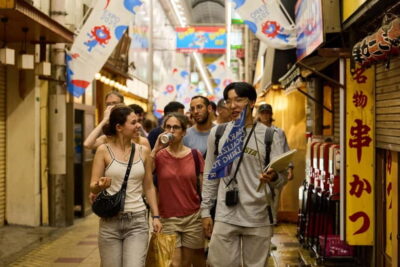 ★ 4.9Dark Side of Osaka Night Walking TourFrom $2589 reviews
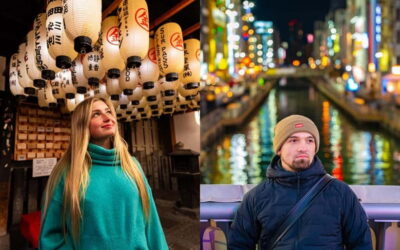 ★ 4.9Private Vibrant Nighttime Photoshoot (Dotonbori)From $10980 reviews
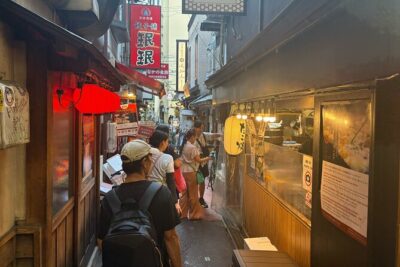 ★ 5.0Osaka Night Walk : Discover Umeda Food and PubFrom $11234 reviews
 ★ 5.0Hidden Gems and Bustling Districts of Osaka Night TourFrom $8833 reviews
High-Energy Japanese Variety Night Show (English MC)From $3228 reviews
★ 5.0Hidden Gems and Bustling Districts of Osaka Night TourFrom $8833 reviews
High-Energy Japanese Variety Night Show (English MC)From $3228 reviews
Browse the lists this tour appears in