
Reviewed · OSAKA TEA CEREMONY & MATCHA
Osaka: Matcha Making Experience with Japanese Sweets
Osaka matcha in a small room, with big payoffs. You get hands-on whisking plus an interactive, light quiz on matcha’s background, then you finish by drinking what you made with Japanese sweets. The only catch: the meeting spot is on a building’s 3rd floor, so you’ll want to follow the directions carefully.
I especially like that the lesson is short but structured, so you’re not stuck in theory. And I also like the human part: English-speaking staff who keep things relaxed, answer questions, and make you feel welcome, whether you’re a first-timer or you already drink matcha at home.
If you’re tight on time, consider that this is a 1-hour experience with no hotel pickup, so you’ll need to get yourself to the meeting point near Shinsaibashi.
In This Review
- Key highlights to look for
- Osaka Matcha Making: Central Location, Calm Pace
- Learning Matcha History Through a Quiz (Not a Lecture)
- Whisking Your Own Matcha: Traditional Steps, Real Help
- Drinking With Japanese Sweets: The Tasting Part Matters
- Small Group Size: Up Close, With Less Waiting
- Price and Value: What $22 Really Buys You
- How to Plan Your Hour in Dotonbori and Shinsaibashi
- Should You Book Matcha Making Osaka?
- FAQ
- How long is the matcha making experience?
- Is the class taught in English?
- How many people are in the group?
- What is included in the price?
- Where do I meet in Osaka?
- Is it easy to cancel or change plans?
Key highlights to look for
- Interactive matcha history quiz that keeps the lesson fun, not formal
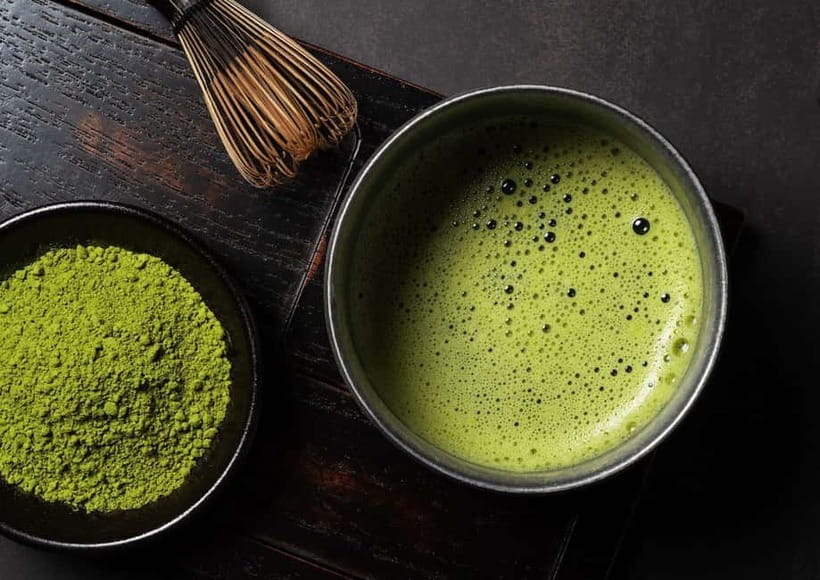
- Traditional whisking tools and step-by-step guidance to get a smooth result
- You make and then drink your matcha with Japanese sweets
- English-speaking instructors and plenty of Q and A time
- Small group of up to 6 so you actually get help while you work
- Central location close to Dotonbori and Shinsaibashi, easy to pair with dinner plans
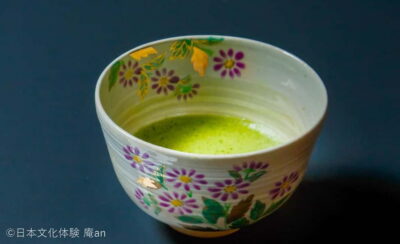
Another bowl whisked slowly in Osaka
Osaka Matcha Making: Central Location, Calm Pace
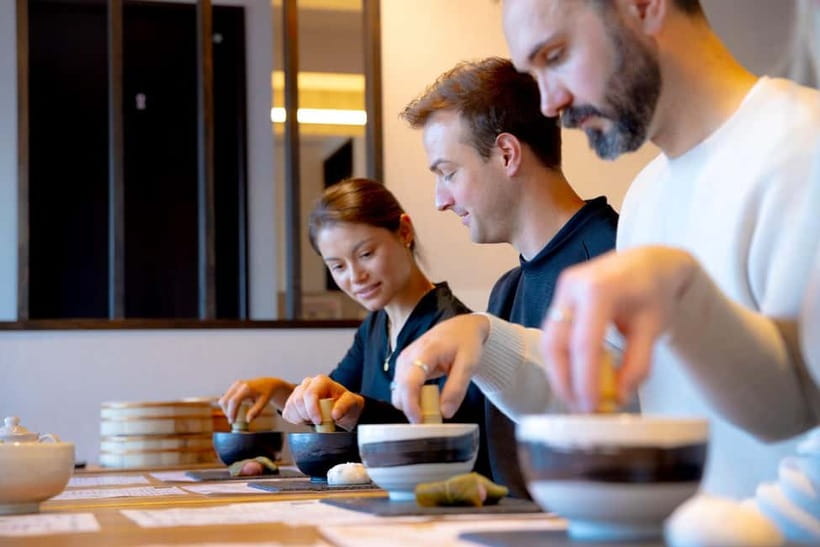
This is one of those Osaka food experiences that feels very local, but the timing is friendly. The class runs for 1 hour, which makes it an easy fit even if your day is packed with street food and shopping.
The meeting point is in the Shinsaibashi area, about a 5-minute walk from Shinsaibashi Station. You meet at the 3rd floor of the Galleria Acca Building (coordinates: 34.6723159, 135.5024459). One practical note from past participants: the place can be a little tricky to spot at street level, and you may need to go up via the stairs inside the building. So when you arrive, don’t rush. Take a moment to confirm the floor and unit before you start looking around.
Why the location matters: after an hour indoors, you can step right back into Osaka’s food energy. Dotonbori and Shinsaibashi are close enough that you can do this before dinner, during a hot afternoon break, or right after you’ve walked yourself hungry.
Learning Matcha History Through a Quiz (Not a Lecture)
A big part of why this class works is the way it teaches context. Instead of a long talk, you’re pulled into an interactive, lighthearted quiz about matcha. It’s the kind of format that helps you remember what you’re hearing, because you’re actively participating.
The payoff is simple: when you whisk and taste later, you’re not just following steps. You understand what you’re tasting and why matcha is treated differently from regular green tea. This kind of framing turns a short cooking class into an actual cultural mini-lesson.
Instructors have different teaching personalities, and you might see names like Serin Sensei, Reika Sensei, Fujiko-san, Yui-san, or Takara credited in past sessions. The common thread is an English-first approach, with enough humor and interaction that first-timers usually feel comfortable right away.
Whisking Your Own Matcha: Traditional Steps, Real Help
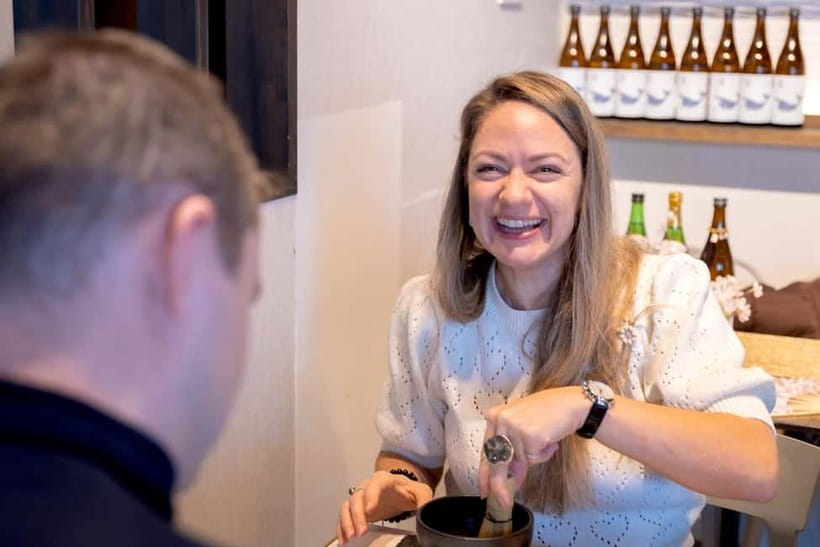
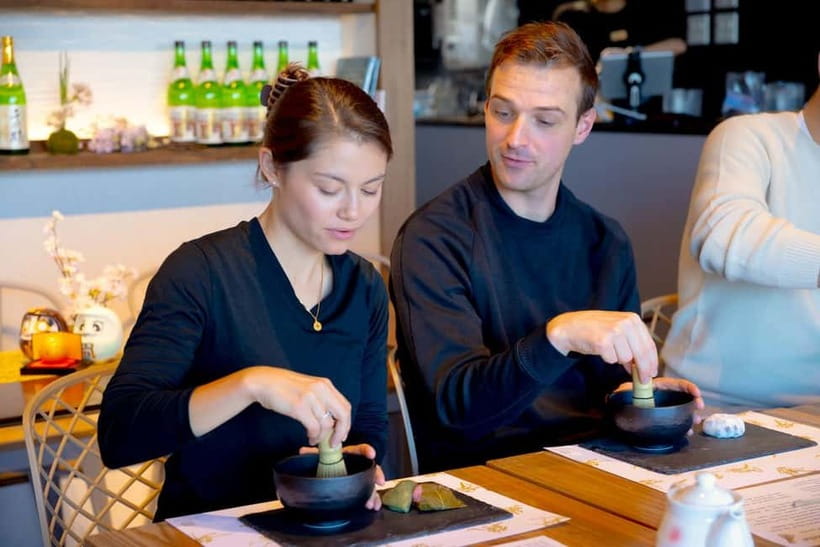
This part is the heart of the experience: you whisk your matcha using traditional tools, guided by the instructor like a tea master would teach—step-by-step, and with corrections as you go.
A few useful signals from prior participants:
- People talk about learning how to whisk so the result turns smoother and more even, not clumpy.
- The pacing is hands-on. You’re not watching only. You’re doing it, which matters because matcha is one of those foods where technique shows up immediately in taste and texture.
- You sit at a table designed to keep things comfortable. One participant specifically noted that the setup helps you avoid kneeling on the floor, which is a big deal for anyone who wants the tradition without the discomfort.
If you’re the type who likes learning the “why” behind the motion, this is a nice match. You’ll get short explanations while you work, which helps you replicate the method later at home.
And if you already like matcha, don’t worry. Several people came in as self-described matcha fans and still found new details about how to prepare it correctly.
Put this one next to a few other Osaka options first:
Drinking With Japanese Sweets: The Tasting Part Matters
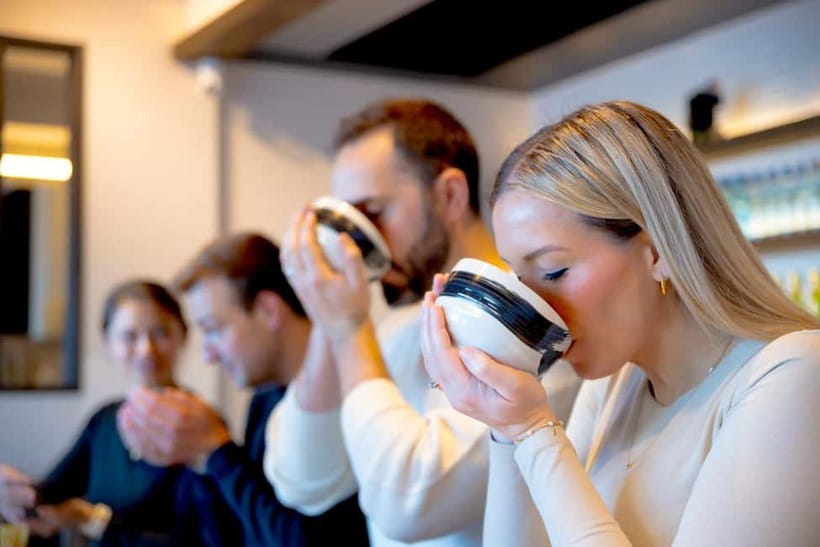
After you make the tea, you drink it with Japanese sweets, served by the local staff. This is more than a snack. It’s where matcha becomes a complete experience instead of a single beverage.
Here’s what you should expect from this “tea plus sweets” moment:
- You taste what you made, while staff help interpret what you’re noticing.
- You get the chance to ask questions right after tasting, when your senses are still fresh.
- The sweets are chosen to pair with matcha, so the flavor contrast feels intentional rather than random.
A few reviewers mentioned specific satisfaction with the pairing, saying the sweets were delicious and complemented the tea. So even though it’s not a full meal, it avoids that common class problem where the tea is good but the food doesn’t fit.
There’s also a social side. Past sessions have had a relaxed vibe, described as seated and quaint, with a calmer atmosphere away from street-level commotion. That matters because matcha is supposed to be sipped slowly. If your day is chaotic, this is a good reset.
Small Group Size: Up Close, With Less Waiting
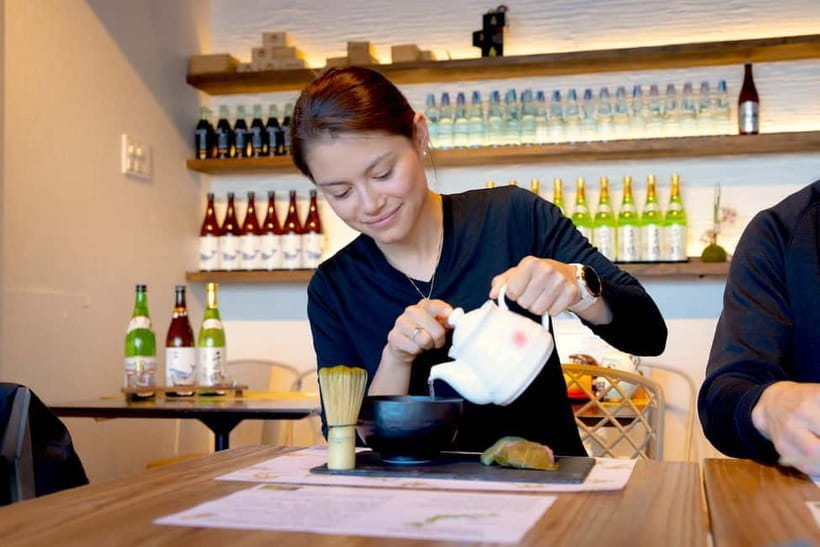
The class is limited to 6 participants, and that small size shows. You’re more likely to get direct attention while you whisk, and you can ask questions without waiting for the instructor to cycle back to your table.
For me, the value of small groups is practical: if your whisking isn’t smooth on the first try, you want immediate feedback. In a bigger class, that feedback can be delayed. Here, you get closer guidance, and you finish with a more confident final cup.
It also changes the tone. Several participants describe the energy as fun and interactive, with instructors using humor and conversation. One mentioned that the instructor was engaging and funny, and that the teaching style worked well even for elementary school kids along with adults. Another said they appreciated the casual vibe while still keeping some formality and propriety around how tea is served and treated.
Price and Value: What $22 Really Buys You
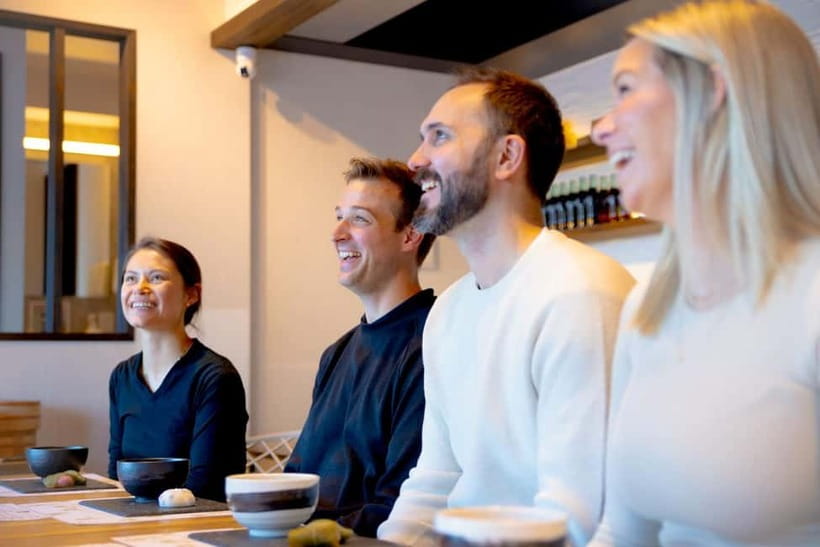
At $22 per person for 1 hour, this is priced like a focused experience, not a long multi-course meal. The value is strongest in what you actually receive:
Included:
- The cooking class
- Ingredients
- The instructor
Not included:
- Hotel pickup and drop-off
So you’re paying for guided instruction, tools and ingredients, and a finished tasting with sweets. You’re not paying for private transport or a heavy time commitment. That can be a good thing in Osaka, where getting around yourself is usually straightforward.
The main consideration for value is convenience. Since there’s no pickup, you’ll get the most out of this if you’re already in the Shinsaibashi or Dotonbori area—or if you plan your day so you can walk over. If you’re far out, transportation time could turn “good value” into “more hassle.”
Still, for a one-hour class that teaches you how to make and drink matcha the traditional way, with English support, the cost feels fair—especially because you’re in a tiny group and you use the tools yourself.
How to Plan Your Hour in Dotonbori and Shinsaibashi
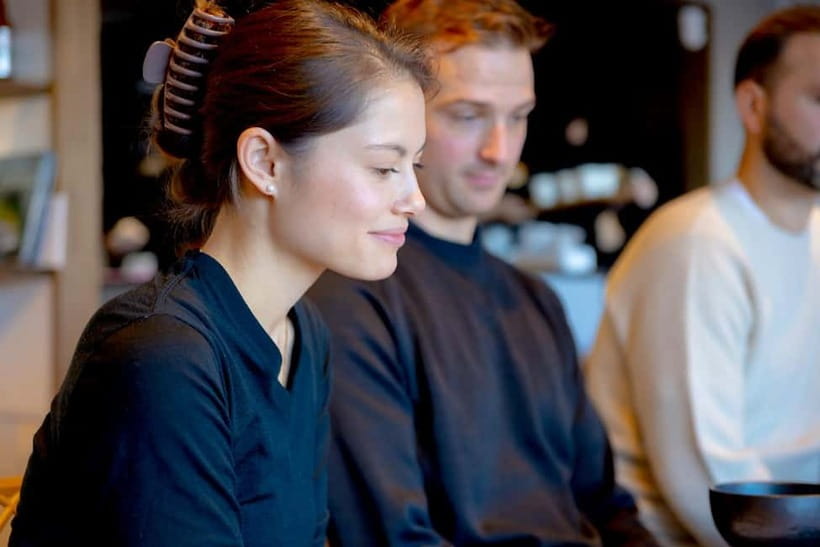
This is easy to slot into a food-focused day. Central Osaka is busy, and temperatures can be intense—so a seated activity with a time limit is smart planning.
A practical approach:
- Go earlier in the day if you want the class to cool you down and keep you fresh for dinner.
- Or go mid-afternoon if you’re tired of walking. People have described the workshop as a nice escape from the heat for an hour.
- After the class, head straight back into the neighborhood for food shopping and sightseeing, since Dotonbori and Shinsaibashi are nearby.
One more planning tip: if you’re the type to enjoy taking home a souvenir, keep an eye out for tea-related items. One participant mentioned buying a chawan bowl that they described as one of a kind. Even if you don’t buy anything, you’ll probably appreciate seeing the tool side of matcha beyond the cup.
Should You Book Matcha Making Osaka?
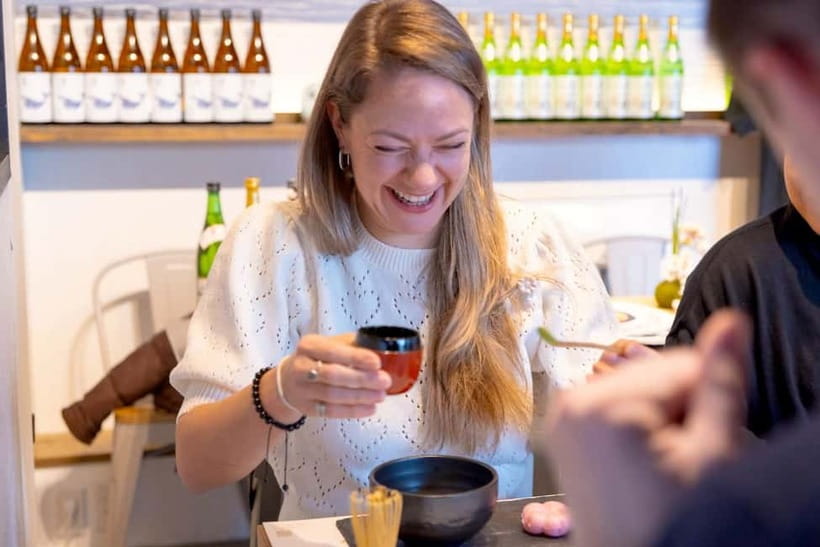
Book it if you want a hands-on matcha class that’s short, friendly, and structured—one where you whisk your own tea, learn the basics of matcha’s background through an interactive quiz, and then drink it with Japanese sweets.
You should also consider booking if:
- you like learning by doing (not just watching)
- you prefer a small group with real English support
- you want a break from Osaka street crowds without giving up a cultural food experience
Skip it only if you’re looking for a full half-day tour with transportation included. This is a focused, self-arrive class near Shinsaibashi, so the best fit is someone who’s happy to manage their own walking route and timing.
FAQ
How long is the matcha making experience?
The class is 1 hour.
Is the class taught in English?
Yes. The instructor and local staff provide English support.
How many people are in the group?
It’s a small group limited to up to 6 participants.
What is included in the price?
The price includes the cooking class, ingredients, and the instructor. Hotel pickup and drop-off are not included.
Where do I meet in Osaka?
Meet at 3rd floor, Galleria Acca Building, about 5 minutes’ walk from Shinsaibashi Station (34.6723159, 135.5024459).
Is it easy to cancel or change plans?
You can cancel up to 24 hours in advance for a full refund, and you can reserve now and pay later.
More Dessert Tours in Osaka
- Matcha Making Class in Osaka with Authentic Japanese Sweets Set★ 5.0 · 509 reviews
- Osaka: Japanese Traditional Sweets Making and Tea Ceremony★ 4.7 · 118 reviews
- Japanese Traditional Sweets “Nerikiri” making★ 4.2 · 5 reviews
More Tour Reviews in Osaka
- Osaka Go Karting Tour with Funny Costume★ 5.0 · 2,658 reviews
- Osaka Castle: Museum and Tower Entry Ticket★ 4.5 · 2,380 reviews
- Osaka: Shinsekai Food Tour with 13-15 Dishes at 5 Eateries★ 4.8 · 2,204 reviews
- Osaka Food Tour: 13 Dishes at 5 Local Eateries★ 5.0 · 2,149 reviews
- Hungry Osaka Street Food Tour:15 Tastings & 3 Drinks with a Local★ 5.0 · 1,727 reviews
Matcha, Whisked and Poured
- Osaka: Tea Ceremony Experience★ 4.9 · 1,426 reviews
- Tea Ceremony Experience in Osaka Doutonbori★ 5.0 · 754 reviews
- Matcha Making Class in Osaka with Authentic Japanese Sweets Set★ 5.0 · 509 reviews
- Osaka: Tea Ceremony, Calligraphy, and Kimono Experience★ 4.9 · 130 reviews
- Osaka: Japanese Traditional Sweets Making and Tea Ceremony★ 4.7 · 118 reviews
The Newest Osaka Write-Ups
- Private Photoshoot in Osaka with a Professional Photographer
★ 5.0 · 3 reviews - Osaka Early Morning Osaka Castle Tour Avoid Crowds
★ 5.0 · 3 reviews - Nara Private Tour with Pick and Drop and English Speaking Driver
★ 3.5 · 3 reviews - Osaka: Modern Vegetarian Sushi Cooking Class
★ 5.0 · 3 reviews - Nara Day Trip from Osaka with a Licensed Guide
★ 5.0 · 3 reviews
Osaka Tea Ceremony & Matcha, compared.
 ★ 4.9Tea Ceremony ExperienceFrom $251,426 reviews
 ★ 5.0Tea Ceremony Experience in Osaka DoutonboriFrom $20754 reviews
 ★ 5.0Matcha Making Class in Osaka with Authentic Japanese Sweets SetFrom $21509 reviews
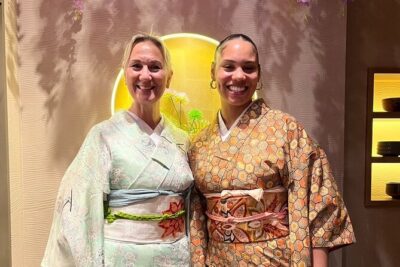 ★ 4.9Tea Ceremony, Calligraphy, and Kimono ExperienceFrom $96130 reviews
 ★ 4.7Japanese Traditional Sweets Making and Tea CeremonyFrom $18118 reviews
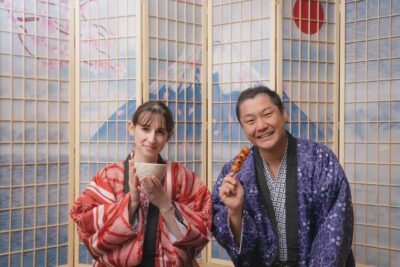 ★ 4.9Osaka Temple Cool Foot Bath & Matcha Experience〈45min〉From $3482 reviews
 ★ 5.0Samurai Show, Tea Ceremony, Japanese Traditional ActivitiesFrom $4456 reviews
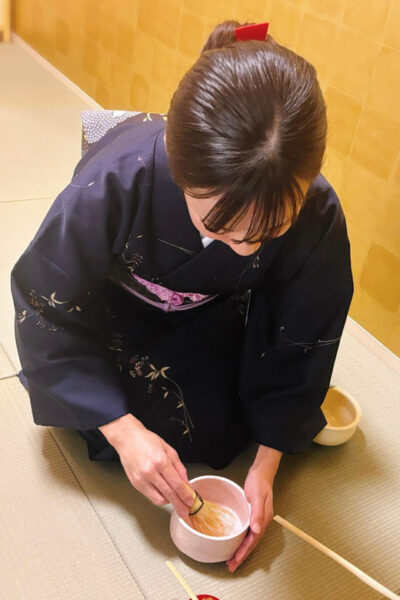 ★ 5.0Private Tea Ceremony and Calligraphy ExperienceFrom $6450 reviews
Browse the lists this tour appears in