
Reviewed · OSAKA CRAFT & CULTURE WORKSHOPS
From Osaka: Sakai Knife Maker or Blacksmith Walking Tour
Sakai has a way of making craft feel personal. This tour takes you from old-school sweet shops into the Sakai knife-making world, with time inside museums and a real workshop, ending with practical sharpening know-how. I especially like the hands-on parts (you learn the sharpening technique, and on the blacksmith day you may get to try hammering glowing steel), and I like how the day connects knives to Sakai’s local culture through stops like 八百源来弘堂本店. One thing to plan around: museum access can be affected on the 3rd Tuesday each month, and the workshop focus changes by weekday and season.
If you care about the human side of craft, this is a strong pick. Guides like Remy, Scott, and Jean-Yves are described as engaging, and the workshop access is the main event, whether that’s Yamawaki for knife-making days or the blacksmith forge on Wednesdays. The only real consideration is that you’re walking a fair bit, and shop time can mean extra spending if you’re browsing seriously.
In This Review
- Key Points You Should Know Before You Go
- Why Sakai’s Knife Scene Feels Different From Other Factory Tours
- From Nankai Sakai Station to 八百源来弘堂本店: Start With Snacks and Local Context
- Sakai Traditional Crafts Museum and Knife Shop: Where You Get the Backstory First
- Yamawaki Knife Maker (Tuesdays and Thursdays): Watch Blades Turn Into Kitchen Tools
- Blacksmith Workshop on Wednesdays: Real Forge Energy With Eric Chevallier
- The Sharpening Lesson: The Most Practical Part You Can Use at Home
- Shopping Time and Optional Knife Orders: Buy Smarter, Not Just Faster
- How Much Walking Is Involved and Why It Matters
- Guide Style Makes a Difference: Remy, Scott, and Jean-Yves
- Price and Value: Is $64 a Fair Deal for Private Craft Access?
- Who Should Book This Tour (and Who Might Skip It)
- Should You Book This Sakai Knife Maker or Blacksmith Tour?
- FAQ
- How long is the Sakai knife maker or blacksmith walking tour?
- Where do I meet the guide?
- Which days are for the knife maker vs the blacksmith?
- Is French guaranteed on the tour?
- Can I order a custom knife during the tour?
- What is included in the price?
- What should I bring with me?
Key Points You Should Know Before You Go
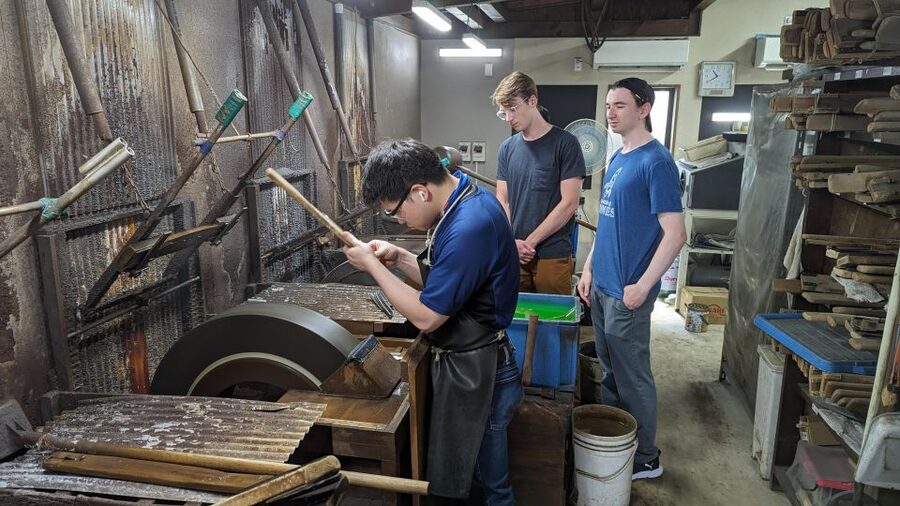
- Backstage workshop time: you step inside a private knife-making community rather than just looking through a window
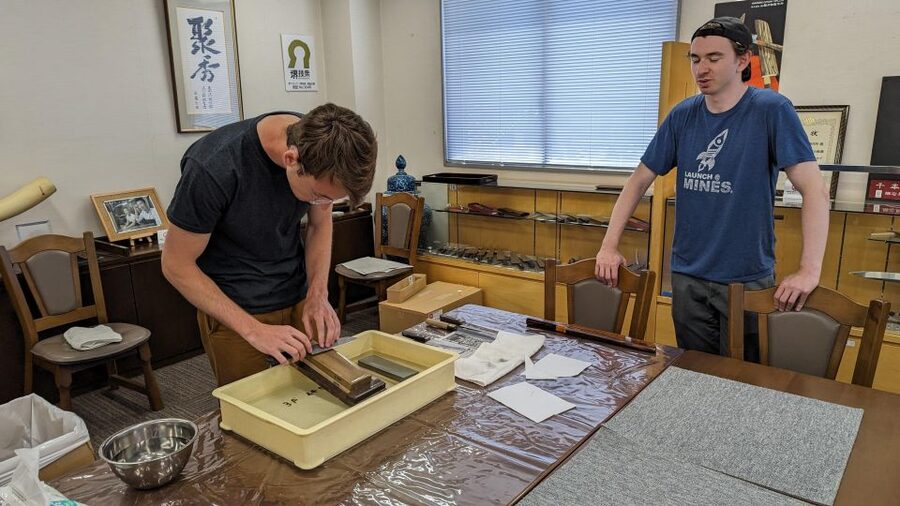
- Knife sharpening lesson included: you leave with a technique you can actually use at home
- Sweet stop is not filler: 八百源来弘堂本店 serves traditional Sakai sweets (like cinnamon mochi) as part of the story
- Day-by-day craft swap matters: Tuesdays/Thursdays focus on the knife maker; Wednesdays focus on the blacksmith (with a March–April shift)
- Optional custom knife order: you can place an order you watch being made (on knife-maker days)
- 3rd Tuesday museum inventory check: plan for possible rerouting straight to the knife maker if the museum closes
Osaka block by block, more routes on foot


Why Sakai’s Knife Scene Feels Different From Other Factory Tours
Osaka gets most of the attention, but Sakai has its own craft identity. This tour works because it doesn’t treat knives as random souvenirs. You start in the neighborhood, taste local sweets, learn why Sakai became a knife town, and only then do you reach the workshops where the real work happens.
At $64 for about 3.5 hours, you’re not paying for a long bus ride or a generic slideshow. You’re paying for specific access: museum time, workshop access, and a hands-on sharpening technic lesson that many factory tours skip. If you’re the type who likes to understand what you’re buying, the pacing helps. It builds context before you shop.
From Nankai Sakai Station to 八百源来弘堂本店: Start With Snacks and Local Context
The tour begins at Nankai Sakai Station, just south of Osaka, where you meet your guide. The early minutes are meant to be easy: you start with an old-fashioned sweet shop stop and one sweet included.
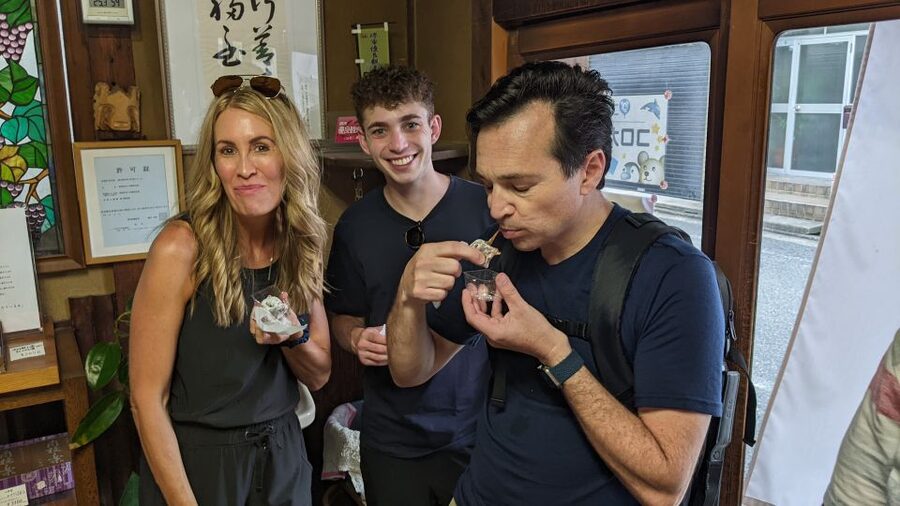
The sweet shop on the route is 八百源来弘堂本店. This is where the tour earns goodwill. In the reviews, people highlight things like cinnamon mochi and even poppyseed mochi, and they note the sweets are more than a quick bite. The guide uses this stop to explain Sakai’s food culture and local character, so you don’t feel like someone glued a snack to the itinerary.
Practical tip: if you have a sweet tooth, you’ll probably do more tasting and photos than you expect. Also, if you’re shopping later for a knife, you’ll want a clear head and steady energy. This opening snack does the job.
Sakai Traditional Crafts Museum and Knife Shop: Where You Get the Backstory First
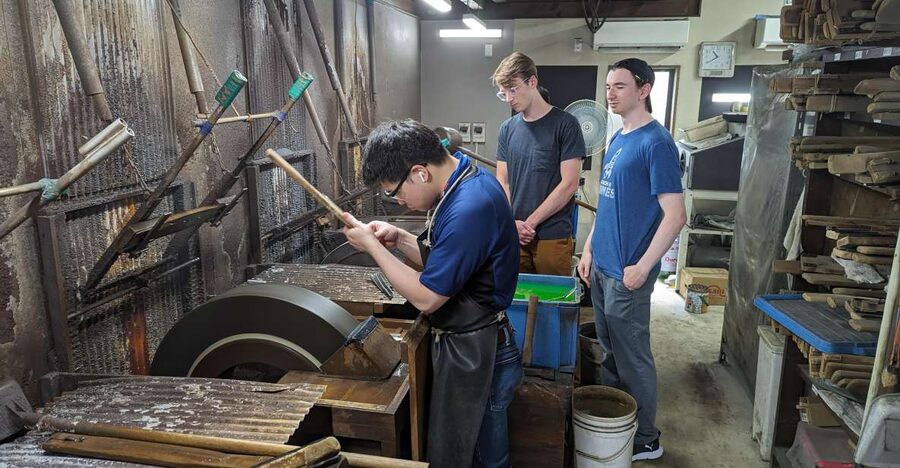
Next, you visit the Sakai Traditional Crafts Museum and Knife Shop. This is a self-guided segment (so you can set your own pace), and it’s the part that answers a basic question: why are knives a craft industry here, not just a product?
The museum also acts like a filter for the rest of the tour. Once you’ve seen the historical context, the workshop time stops feeling like watching tools being assembled and starts feeling like watching tradition evolve. In reviews, people call this stop interesting and worthwhile, even though the workshop is the main draw.
One important consideration: every 3rd Tuesday, the museum has an inventory check and might close without notice. If that happens, your guide will reroute you straight to the knife company area and cover the cutlery history while walking and at the office. So the day still moves forward, but the museum stop itself might not happen.
Make the souvenir yourself at more workshops
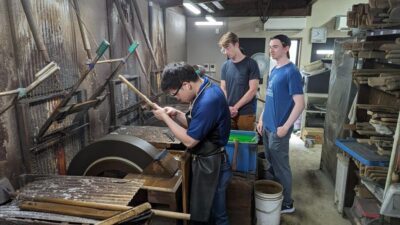
Yamawaki Knife Maker (Tuesdays and Thursdays): Watch Blades Turn Into Kitchen Tools
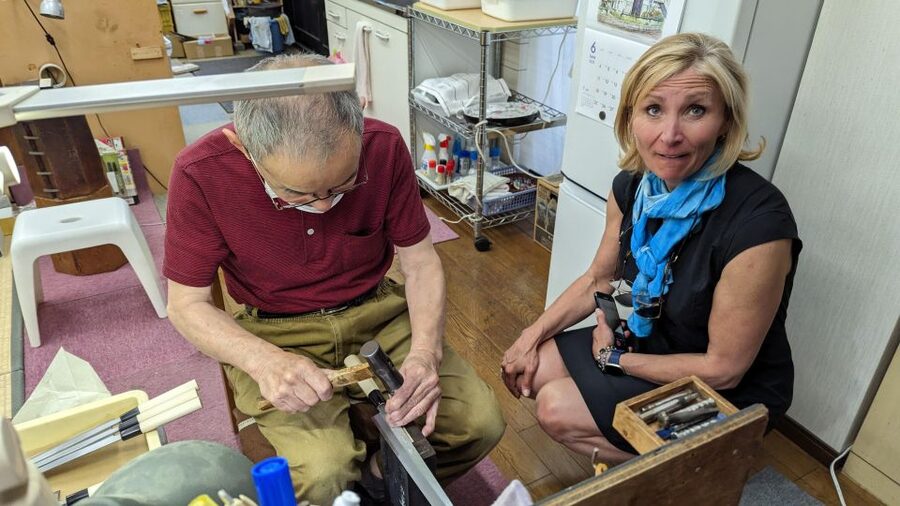
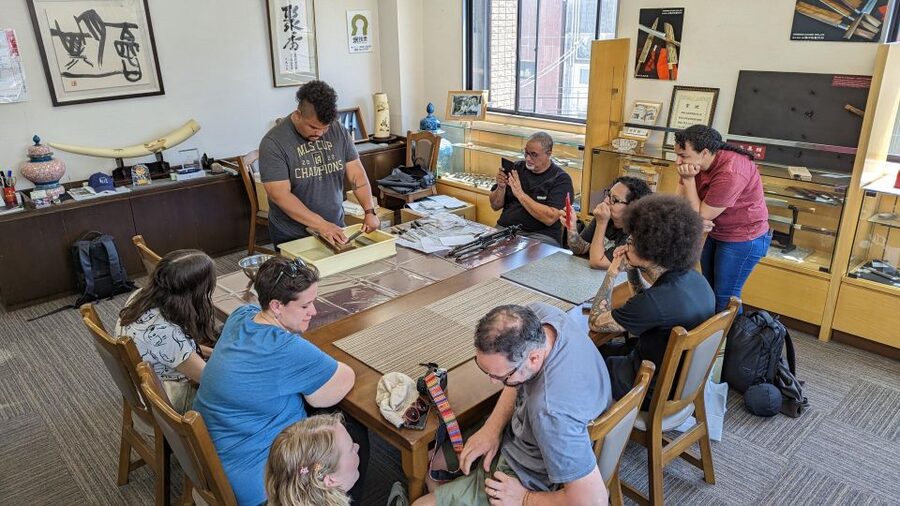
On Tuesdays and Thursdays, you go to the knife maker side, Yamawaki Hamono. The key detail here is that you get backstage-style access to a company described as having over 100 years of history. You also hear about how raw blades arrive directly from the blacksmith, which connects the two halves of knife-making: forging and finishing.
The tour pacing on knife-maker days usually goes like this:
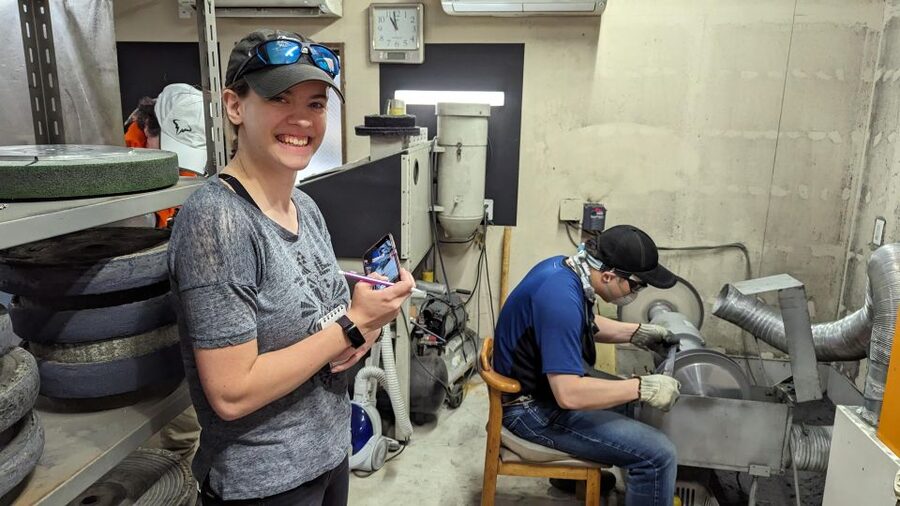
- you visit a sharpening station and the main office area
- you observe the process of turning blades into proper handmade cooking knives
- you learn and practice traditional sharpening techniques with a trained guide
- you get the chance to order a customizable knife, and you watch the order process unfold in front of you
That last part matters. An optional knife order is only useful if you understand what you’re ordering. This tour gives you enough context to shop with your brain switched on. People who come specifically for knives often treat this as the best value moment of the day, because it’s not just a purchase funnel. It’s a chance to see how the product becomes real.
Language note: guides can speak English, and some can also speak French, but French isn’t guaranteed on shared tours. Your best bet is to ask in advance if you want French.
Blacksmith Workshop on Wednesdays: Real Forge Energy With Eric Chevallier
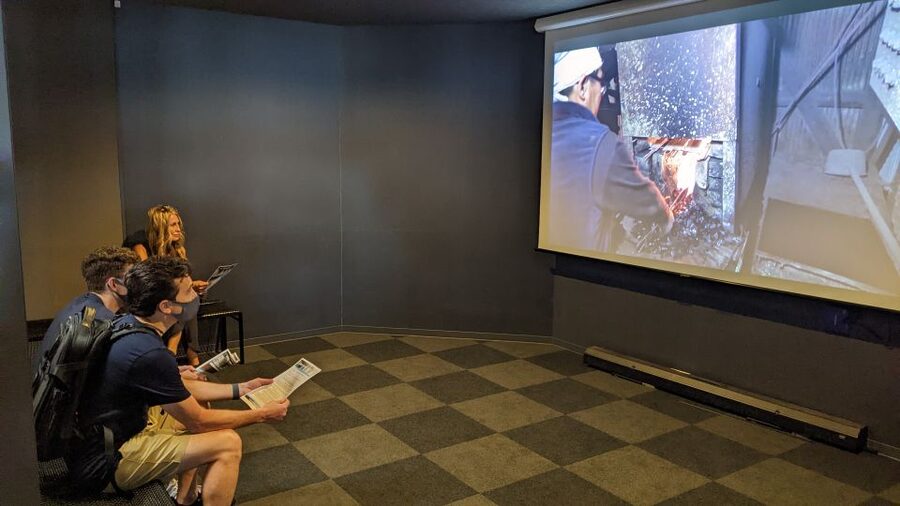
On Wednesdays, the tour focuses on the blacksmith side at the forge option labeled Forge DeSakai cutlery. The blacksmith tour is described as workshop-focused and taught by the artisan himself, with detailed instructions in English and French.
If you like physical craft, this is the day to choose. Reviews highlight meeting blacksmith Eric Chevallier, seeing him at work, and then getting involved. One person specifically mentions the highlight as getting a chance to hammer down glowing steel as the starting point in the knife-making process.
This isn’t a hands-off viewing experience. It’s structured around how forging works, what the artisan is watching for, and how technique changes the final blade. You also still get value beyond forging because the day includes the same “story of Sakai” approach and the included sharpening lesson.
Seasonal note that changes the decision: from March 6 to April 6, blacksmith is the only available option. During that window, Tuesdays and Wednesdays may still be available for the blacksmith, with the knife-maker rate as a discount. If you’re traveling in late spring, double-check which day matches the craft you want most.
The Sharpening Lesson: The Most Practical Part You Can Use at Home
A lot of cultural tours end with photos. This one helps you end with a skill.
You get an included lesson on knife sharpening using the traditional Japanese technique. On knife-maker days, this is tied closely to the sharpening station you visit. On blacksmith days, the lesson still gives you a framework for how sharpening fits into the overall craft lifecycle.
What this means for you: even if you don’t buy a new knife, you’ll have a better understanding of why Japanese edges are shaped and maintained differently than what most people are used to. And if you do buy a knife during the shopping time, you’re less likely to bring it home and treat it like a disposable gadget.
Shopping Time and Optional Knife Orders: Buy Smarter, Not Just Faster
This tour builds in shopping time, and it’s not hidden behind a hard sell. On the knife-maker route, the option to order a customizable knife is part of the experience. You watch the process and you learn enough to ask better questions.
On the blacksmith route, you’re also in a setting where knives are the focus. Some people arrive thinking they’ll just browse, then decide they want a knife after seeing the work. That’s a fair reaction when you’ve just watched forging and learned about sharpening.
One realistic consideration: shopping and souvenirs are not included. If you know you’re price-sensitive, go in with a number in mind. If you’re flexible, it’s easier to get swept up in the craft and leave with something you’ll actually appreciate using.
How Much Walking Is Involved and Why It Matters
The route is on foot with multiple short segments between stops. You’re looking at roughly 3.5 hours total, including museum time and workshop access. The walking is part of the point because it keeps the day grounded in Sakai’s local district instead of turning into a car-heavy “see it, leave it” schedule.
Still, it’s not a sit-and-watch experience. If you have mobility limits, note that the tour is listed as wheelchair accessible, but you’ll still want to consider how you handle transitions between shops and workshop areas.
Guide Style Makes a Difference: Remy, Scott, and Jean-Yves
When a tour includes private workshop access, the guide quality matters even more. People mention guides like Remy, Scott, and Jean-Yves as especially engaging and good at connecting craft history to what you’re seeing in front of you.
What you can take from that: don’t treat the tour as a passive checklist. Ask questions. If you can, show interest in how sharpening, forging, and finishing link together. Guides tend to respond well when you’re curious instead of rushing.
Also, because French availability can vary on shared tours, if French is your key need, confirm ahead of time. The tour states guides can speak French, but it can’t be guaranteed across all booking dates.
Price and Value: Is $64 a Fair Deal for Private Craft Access?
At $64 per person for about 210 minutes, the price feels fair if you value three things you rarely get all together:
1) a strong context piece through the Sakai museum and neighborhood stops
2) meaningful workshop access (Yamawaki or the blacksmith forge)
3) an included skill lesson on sharpening
If you’re a knife enthusiast or you’re simply serious about buying one high-quality kitchen tool, this tour offers value because it reduces guesswork. You see the work, you learn the maintenance basics, and you can shop with fewer regrets.
If you’re only mildly interested in knives, the tour can still be fun because the sweets stop and craft history make it more than a one-topic visit. But your enjoyment will rise or fall based on whether you want workshop detail.
Who Should Book This Tour (and Who Might Skip It)
Book this tour if you:
- want a real workshop look at Sakai’s knife industry, not just a showroom stop
- care about traditional sharpening and how it affects edge quality
- like hands-on craft experiences like forging and practicing techniques
- want a day that mixes local culture (like Sakai sweets) with a specific craft industry
You might skip it if:
- you hate walking and prefer a mostly seated experience
- you’re only interested in sightseeing and not in craft processes
- you want a fully predictable museum schedule on the 3rd Tuesday
Should You Book This Sakai Knife Maker or Blacksmith Tour?
Yes, I’d book it if your goal is to understand what makes Sakai knives special and if you’re even slightly tempted to buy a knife. The real win is the combination of workshop access plus an included sharpening lesson, all wrapped in a Sakai neighborhood route that starts with sweets at 八百源来弘堂本店.
Choose based on the day:
- Want blade-making detail and potential custom knife ordering? Pick the Tuesday/Thursday knife maker route with Yamawaki.
- Want forge energy and the blacksmith experience with Eric Chevallier? Pick Wednesday.
If you’re traveling on a 3rd Tuesday, don’t assume the museum stop will definitely happen. Still, the tour includes a built-in reroute plan and will cover the history elsewhere.
FAQ
How long is the Sakai knife maker or blacksmith walking tour?
The tour is listed as 210 minutes.
Where do I meet the guide?
You meet at Nankai Sakai Station, which is south of Osaka. The meeting point may vary depending on the option booked.
Which days are for the knife maker vs the blacksmith?
Tuesdays and Thursdays are for the knife maker (Yamawaki). Wednesdays are for the blacksmith (Forge DeSakai).
Is French guaranteed on the tour?
All guides can speak English. Some guides can also speak French, but French language availability is not guaranteed on shared tours. You should contact in advance to confirm for your date.
Can I order a custom knife during the tour?
Yes. There is an optional customizable knife order. You can also watch the process tied to that order during the knife-maker day.
What is included in the price?
Included items are a bilingual local guide, one sweet at the sweet shop, shopping time, access to the knife factory, and a knife sharpening technic lesson.
What should I bring with me?
Bring a passport or ID card.
More Tour Reviews in Osaka
- Osaka Go Karting Tour with Funny Costume★ 5.0 · 2,658 reviews
- Osaka Castle: Museum and Tower Entry Ticket★ 4.5 · 2,380 reviews
- Osaka: Shinsekai Food Tour with 13-15 Dishes at 5 Eateries★ 4.8 · 2,204 reviews
- Osaka Food Tour: 13 Dishes at 5 Local Eateries★ 5.0 · 2,149 reviews
- Hungry Osaka Street Food Tour:15 Tastings & 3 Drinks with a Local★ 5.0 · 1,727 reviews
Made in Osaka, by You
- Osaka: Tea Ceremony, Calligraphy, and Kimono Experience★ 4.9 · 130 reviews
- 1.5〜2 Hours Traditional Kintsugi Work Shop in Namba Osaka★ 5.0 · 75 reviews
- Osaka: Private Japanese Calligraphy Experience★ 5.0 · 66 reviews
- Calligraphy Workshop in Namba, Dotonbori★ 5.0 · 57 reviews
- Osaka: Traditional Japanese Ceramics Private Experience★ 5.0 · 57 reviews
Osaka at Street Level
- Osaka Local Foodie Walking Tour in Dotonbori and Shinsekai★ 5.0 · 985 reviews
- Osaka: Deep Backstreets Walking Tour with Dinner Option★ 4.9 · 902 reviews
- Ultimate Osaka Walking Tour: Castle, Dotonbori & Hidden Gems★ 5.0 · 862 reviews
- Osaka: Main Sights and Hidden Spots Guided Walking Tour★ 4.9 · 702 reviews
- Private Osaka Walking Tour: Highlights & Hidden Gems★ 5.0 · 569 reviews
The Newest Osaka Write-Ups
- Private Photoshoot in Osaka with a Professional Photographer
★ 5.0 · 3 reviews - Osaka Early Morning Osaka Castle Tour Avoid Crowds
★ 5.0 · 3 reviews - Nara Private Tour with Pick and Drop and English Speaking Driver
★ 3.5 · 3 reviews - Osaka: Modern Vegetarian Sushi Cooking Class
★ 5.0 · 3 reviews - Nara Day Trip from Osaka with a Licensed Guide
★ 5.0 · 3 reviews
Osaka Craft & Culture Workshops, compared.
 ★ 4.9Tea Ceremony, Calligraphy, and Kimono ExperienceFrom $96130 reviews
 ★ 5.01.5〜2 Hours Traditional Kintsugi Work Shop in Namba OsakaFrom $12575 reviews
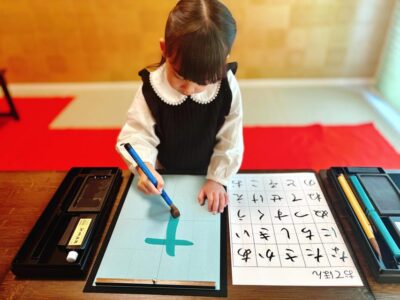 ★ 5.0Private Japanese Calligraphy ExperienceFrom $5166 reviews
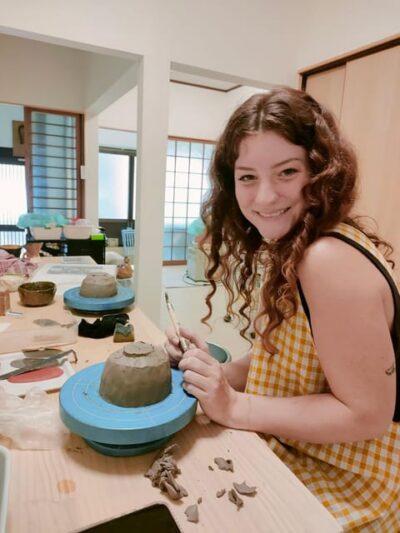 ★ 5.0Traditional Japanese Ceramics Private ExperienceFrom $9657 reviews
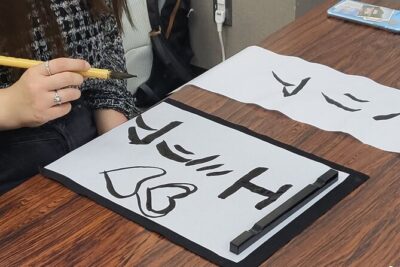 ★ 5.0Calligraphy Workshop in Namba, DotonboriFrom $4957 reviews
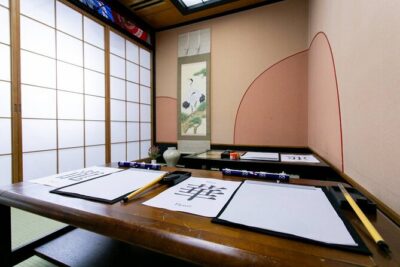 ★ 4.5Learning Zen of Japanese Calligraphy in kimono near Osaka CastleFrom $4353 reviews
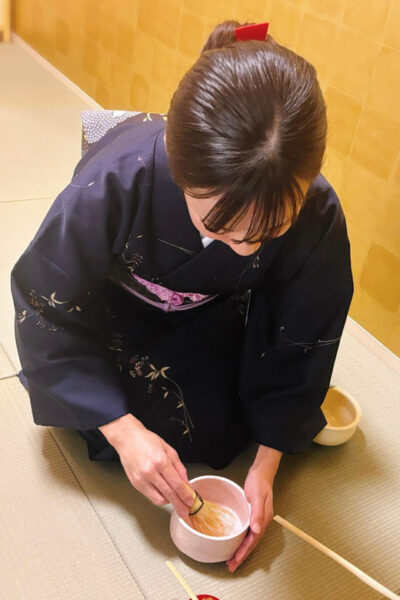 ★ 5.0Private Tea Ceremony and Calligraphy ExperienceFrom $6450 reviews
 ★ 4.9Osaka Daruma Workshop — Paint Your Own Good-Luck DarumaFrom $3546 reviews
Browse the lists this tour appears in