
Reviewed · OSAKA SAMURAI & NINJA EXPERIENCES
Samurai Training Experience KENDO in Osaka
Two hours, one real dojo. This Kendo training in Osaka turns samurai movies into something you can actually do, not just watch. You’ll practice in traditional gear, with instruction in English, plus a guided look at samurai culture inside the same space.
What I really liked is the small-group setup, with patient coaching from Toshi and Kumiko-style instruction.
I also love the souvenir side: you get digital photos and videos of your session. That matters because Kendo is hard to “remember” with words, and the recordings help you see your stance, your timing, and even your form mistakes.
One thing to consider: this is not just a gentle demo. Even with protective armor, the sparring and strikes are physical, so plan for a workout day and tell the instructor if anything feels off.
In This Review
- Quick take: what makes this class worth your time
- A real Kendo dojo in central Osaka, not a theme-park lesson
- Getting suited up: armor, shinai time, and what you’ll learn right away
- Samurai culture and Bushidō: why the history part is more than storytelling
- The basics that actually transfer: stance, footwork, and key strikes
- Match-style sparring: what it feels like and how to stay comfortable
- The dojo as a museum: samurai artifacts, memorabilia, and photo moments
- Comfort matters: showers, changing rooms, and temperature control
- Price and value: why $131.32 makes sense for what you get
- Who this Osaka Kendo class is perfect for
- Should you book this Kendo experience in Osaka?
- FAQ
- How long is the Kendo training experience in Osaka?
- Do I need any prior experience to join?
- Is the class taught in English?
- What do I do during the session?
- How big is the class?
- What do I get as a souvenir?
- What facilities are available?
- FAQ
- Can I cancel and get a full refund?
Quick take: what makes this class worth your time
- Real dojo practice: You train in a maintained traditional setting, not a staged show.
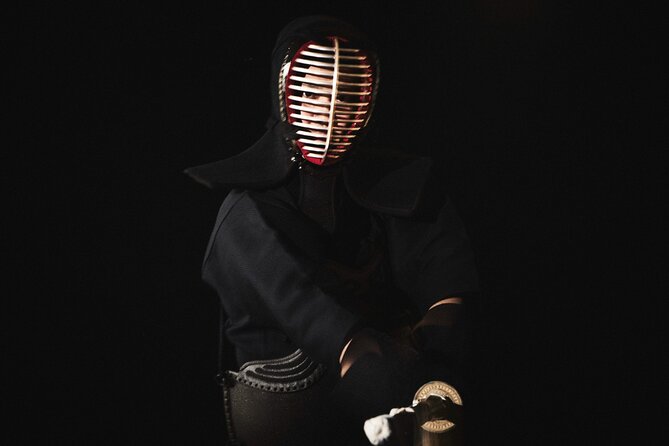
- You wear the gear: Kendo uniforms and protective armor are part of the lesson.
- English instruction with support: The class is designed to be beginner-friendly in English.
- Photos and videos included: You’ll leave with digital souvenirs, not only memories.
- Small class size (max 12): Easier to get feedback and correction.
- Comfort built in: Changing rooms, showers, and climate control help after the workout.
Pick the sword back up with these sessions

A real Kendo dojo in central Osaka, not a theme-park lesson
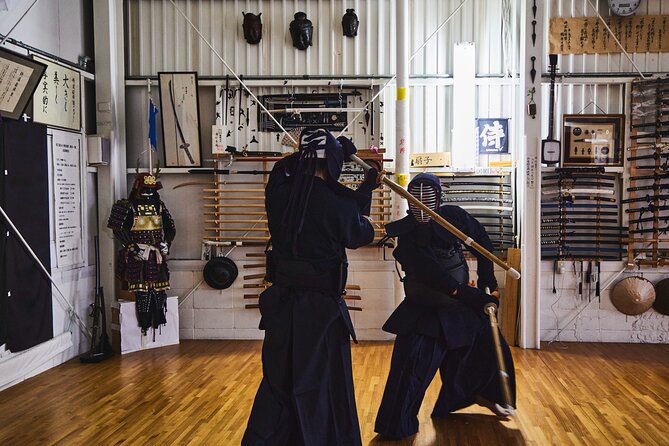
Kendo in Osaka is at its best when it feels like you’ve walked into someone’s daily training world. That’s exactly what you get here: a properly kept dojo where you can learn the rhythm of the art—stance, timing, controlled movement—under guidance.
What makes the experience feel authentic is that it’s built around training first, photos second. Yes, you’ll take pictures and videos. But the focus stays on technique: how you hold the shinai, how you move your feet, and how you aim your strikes with control.
It also helps that you’re in central Osaka with near public transportation, so this doesn’t turn into a half-day commute. You’re in and out in about 2 hours, which is perfect when you want an active cultural stop without messing up the rest of your schedule.
Getting suited up: armor, shinai time, and what you’ll learn right away
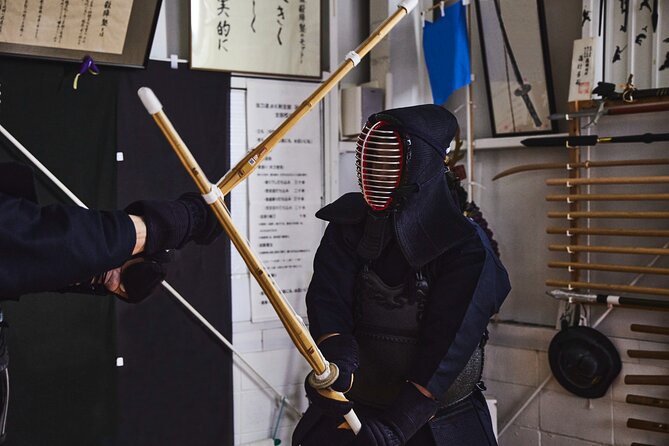
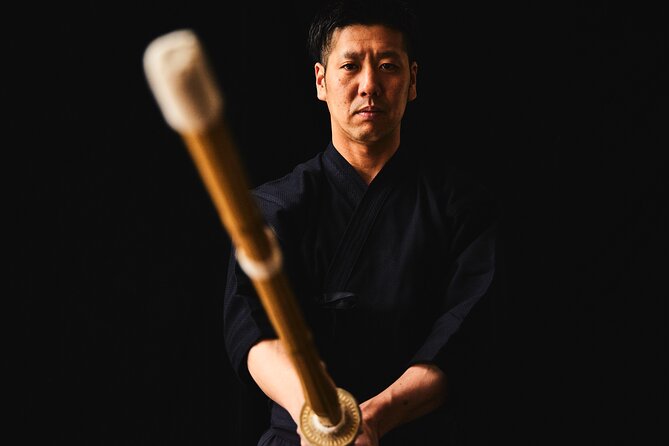
Your session starts with an introduction to Kendo and the culture around it. Then the training shifts into hands-on mode fast: you change into authentic Kendo uniforms and protective armor. That “put it on” moment is a big deal, because it changes how you understand the workout.
Once you’re geared up, you begin with basic technique using the shinai (the bamboo sword). For beginners, the key is that you’re taught safe form and the right way to move, not just asked to copy flashy moves.
From the way the class is run, you can expect a progression like this:
- First, learn correct positioning and basic strikes.
- Then practice short sequences with coaching and corrections.
- Finally, move into a controlled, match-style session.
If you’re doing this as a solo traveler, you may get extra attention—one participant even reported being the only person that day. Small group learning can feel very personal.
Samurai culture and Bushidō: why the history part is more than storytelling
You don’t just get a quick lecture. You get a short, practical intro to samurai culture and Bushidō—the values and discipline behind the martial art.
Here’s why I think this matters for you as a first-timer: Kendo isn’t only about hitting someone. It’s about how you behave in training, how you hold your posture, and how you respect the space and the opponent. When instructors connect the moves to the mindset, your practice gets cleaner faster.
You’ll also get context about what you’re doing in the dojo space—this isn’t random. The same environment that teaches technique also points you toward why Kendo developed as a disciplined fighting tradition.
And the English instruction is supported by a translator/assistant style presence in at least some sessions, which helps if you want to ask a question and get a clear answer without guessing.


The basics that actually transfer: stance, footwork, and key strikes
The lesson is beginner-friendly, but it still takes technique seriously. You’ll train proper form in a way that helps your body understand Kendo instead of just forcing your arms to swing.
Expect coaching on core elements like:
- how to center yourself before practice (balance matters in Kendo)
- a correct stance for stability
- foundational movements and how to reset between actions
- key strikes with correct aim and posture
- and basic combinations that build confidence
The “single lesson” format means you’re not learning everything. Instead, you get the essentials that let you participate in the sparring stage. That’s the smart part: you leave knowing the basic vocabulary of Kendo, so the sparring feels like a skill test rather than chaos.
Also, the instruction can be adjusted to your level. Multiple participants praised how the instructors slowed things down at the start and increased intensity as skills improved.
Match-style sparring: what it feels like and how to stay comfortable
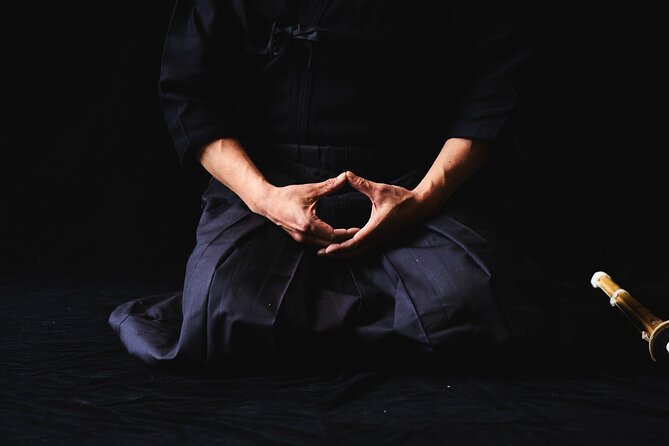
The highlight for many people is the match-style session at the end. This is where you get to do Kendo the way it’s meant to be practiced—with protective gear, clear rules, and professional safety control.
One important detail: the sparring still feels real. The armor helps, but you’ll be moving, lunging, and learning to react. Several reviews mention the excitement and intensity of the final duels, including head-to-head practice and even more challenging bouts when participants asked for it.
If you want the best experience, treat sparring like a training conversation:
- Focus on form and timing first.
- Let the instructor know if you want lighter pressure or higher challenge.
- If you ask for a fuller-speed match, make sure you’re ready for faster exchanges.
This is also a good moment to watch how Toshi and Kumiko-style coaching communicates. You’ll often get quick, practical feedback during the session, not vague advice after.
The dojo as a museum: samurai artifacts, memorabilia, and photo moments
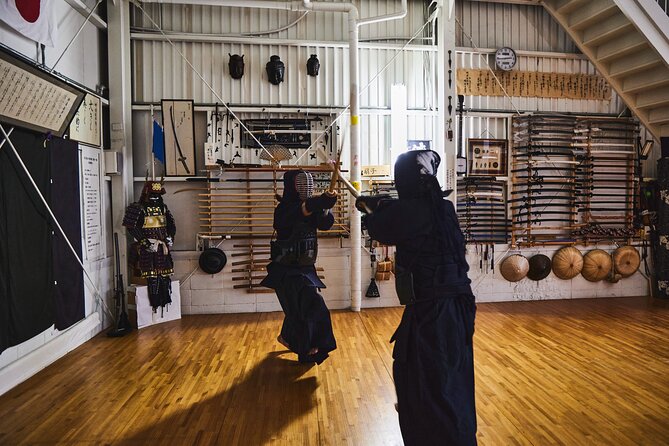
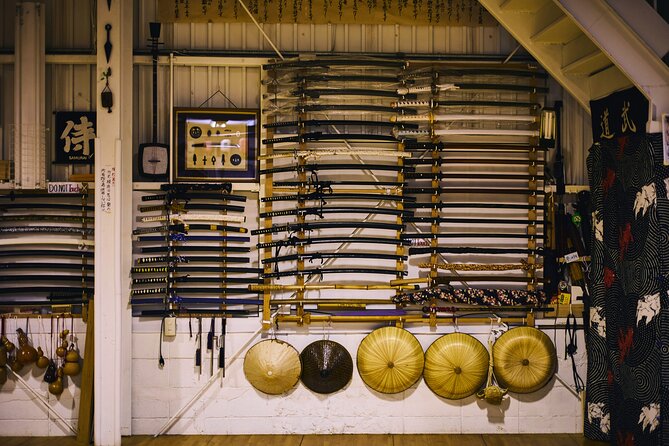
This dojo doubles as a museum space. You can look around at samurai artifacts and memorabilia while you’re there, which makes the experience feel more complete than a gym-style class.
Even better, you’ll get time to step into a full samurai gear look for photos and videos. That’s not just a costume moment. It’s a chance to connect what you’re learning to the visual identity of the tradition.
Practical tip: wear something you can change out of easily. Once you’re suited up, you’ll want to focus on the training, not fiddling with clothing.
And for those who care about souvenirs beyond video clips: the class includes recording of your experience, which helps you capture how the armor fits, how your stance looks, and how you progressed during the lesson.
Comfort matters: showers, changing rooms, and temperature control
Kendo training can get sweaty. That’s why I like that this class includes changing rooms and showers. It makes the experience easier to fit into a travel day, especially if you’re heading to dinner afterward.
You’ll also find climate support: air conditioning and heating are listed. That’s a small detail until you’re in Osaka during a hot spell or a cooler day and you’re grateful you can reset comfortably.
In other words, you’re not choosing between culture and comfort here. You get the workout, but you also get a proper place to freshen up.
Price and value: why $131.32 makes sense for what you get
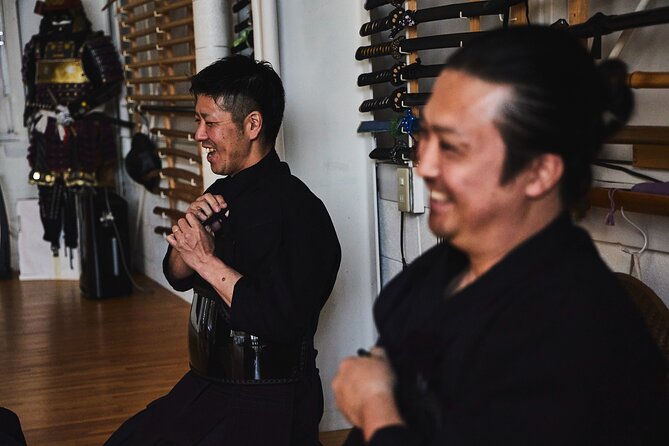
At $131.32 per person for about 2 hours, this isn’t a budget “try something” activity. But value here comes from the package, not just the lesson.
You’re paying for:
- hands-on instruction in Kendo technique
- authentic uniforms and protective armor
- coaching in English for beginners
- a small class size (max 12), which usually means better feedback
- digital photos and videos as take-home souvenirs
- comfortable facilities like showers and changing rooms
When you factor in gear rental and the recording/photo effort, the cost becomes easier to justify. This is closer to a guided private-feeling training session than a quick street-corner demonstration.
If you’re the type who wants a single activity to be a true highlight of your Japan trip, Kendo in this format is a strong use of time. You’re walking away with new skills plus visual evidence you can actually review later.
Who this Osaka Kendo class is perfect for
This experience fits several kinds of travelers.
It’s ideal if you:
- want an active cultural stop, not just a museum or walking tour
- love martial arts or samurai culture and want hands-on context
- are visiting Osaka for the first time and want something you can do in about 2 hours
- want instruction in English with supportive guidance
Families also seem to do well here. Children age 3–5 have a different focus: wearing uniforms and armor and taking photos safely. If you’re bringing kids, you’ll likely find it easier to manage expectations because the session structure is designed for different age groups.
And if you’re a solo traveler, the small group setup can make you feel less out of place. One participant described getting very direct one-on-one style coaching when they were the only guest.
Should you book this Kendo experience in Osaka?
I’d book it if you want a real dojo training moment, not a staged photo opportunity. The combo of authentic gear, safe match-style practice, and technique coaching in English is the core reason this works.
Skip it only if you know you’re not up for physical activity at all. Even with armor, you’ll be doing strikes and moving your body, and the session can feel intense for beginners who expect something purely instructional.
If you can handle a workout and you’re curious about what Kendo teaches beyond fighting, this is one of the most memorable things you can do in Osaka.
FAQ
How long is the Kendo training experience in Osaka?
It’s listed at about 2 hours.
Do I need any prior experience to join?
No. It’s described as beginner-friendly, and most people can participate.
Is the class taught in English?
Yes. The experience is conducted in English.
What do I do during the session?
You start with an introduction to Kendo, samurai culture, and Bushidō, then you change into Kendo uniforms and protective armor, learn basic techniques with the shinai, and finish with a safe match-style Kendo session.
How big is the class?
The group size has a maximum of 12 travelers, which helps with attentive instruction and feedback.
What do I get as a souvenir?
You receive digital photos and videos of the experience.
What facilities are available?
The dojo has changing rooms and showers, plus air conditioning/heating.
FAQ
Can I cancel and get a full refund?
Yes, you can cancel for a full refund if you cancel at least 24 hours before the experience’s start time (local time rules apply).
More Tour Reviews in Osaka
- Osaka Go Karting Tour with Funny Costume★ 5.0 · 2,658 reviews
- Osaka Castle: Museum and Tower Entry Ticket★ 4.5 · 2,380 reviews
- Osaka: Shinsekai Food Tour with 13-15 Dishes at 5 Eateries★ 4.8 · 2,204 reviews
- Osaka Food Tour: 13 Dishes at 5 Local Eateries★ 5.0 · 2,149 reviews
- Hungry Osaka Street Food Tour:15 Tastings & 3 Drinks with a Local★ 5.0 · 1,727 reviews
Blades Out: More Samurai Sessions
- OSAKA NIGHT FUSION Japanese Taiko Kabuki Samurai Dance Show★ 4.8 · 155 reviews
- Osaka: Samurai Training Experience KENDO in Osaka★ 5.0 · 111 reviews
- Osaka: A Modern Samurai, Kabuki, Taiko, & Dance Show★ 4.5 · 66 reviews
- Osaka 2-Hour Genuine Kendo / Samurai Experience In Japan★ 5.0 · 65 reviews
- Osaka: Learn Bushido – Trial Slashing with Samurai Sword★ 4.9 · 59 reviews
The Newest Osaka Write-Ups
- Private Photoshoot in Osaka with a Professional Photographer
★ 5.0 · 3 reviews - Osaka Early Morning Osaka Castle Tour Avoid Crowds
★ 5.0 · 3 reviews - Nara Private Tour with Pick and Drop and English Speaking Driver
★ 3.5 · 3 reviews - Osaka: Modern Vegetarian Sushi Cooking Class
★ 5.0 · 3 reviews - Nara Day Trip from Osaka with a Licensed Guide
★ 5.0 · 3 reviews
Osaka Samurai & Ninja Experiences, compared.
 ★ 4.8OSAKA NIGHT FUSION Japanese Taiko Kabuki Samurai Dance ShowFrom $40155 reviews
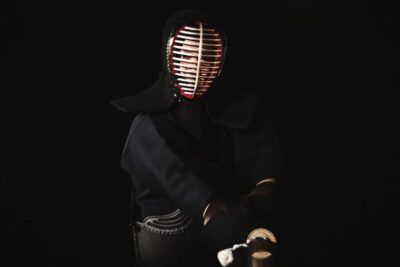 ★ 5.0Samurai Training Experience KENDO in OsakaFrom $127111 reviews
 ★ 4.5A Modern Samurai, Kabuki, Taiko, & Dance ShowFrom $1966 reviews
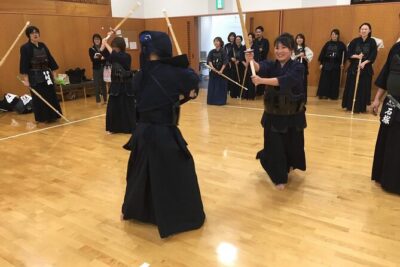 ★ 5.0Osaka 2-Hour Genuine Kendo / Samurai Experience In JapanFrom $11865 reviews
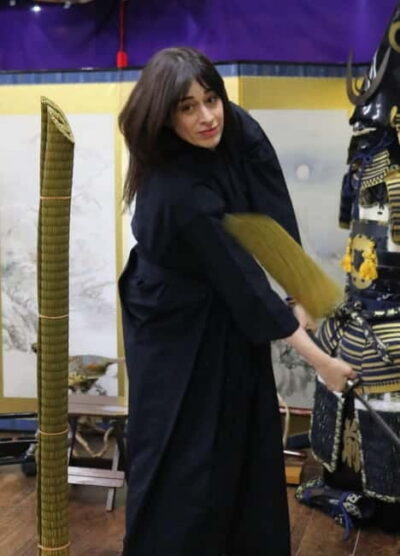 ★ 4.9Learn Bushido – Trial Slashing with Samurai SwordFrom $9259 reviews
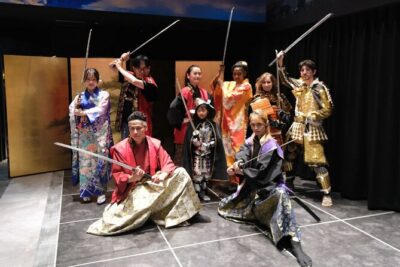 ★ 5.0Samurai Show, Tea Ceremony, Japanese Traditional ActivitiesFrom $4456 reviews
 ★ 5.0Private Samurai Experience – Train with Sword MasterFrom $15836 reviews
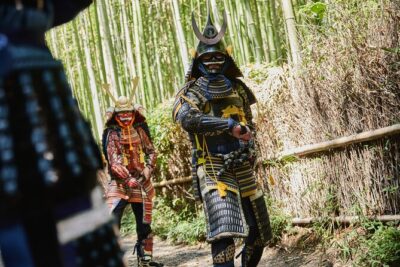 ★ 5.0Honor – Experience Samurai & traditional Culture to the fullestFrom $18132 reviews
Browse the lists this tour appears in