
Osaka turns out to be a sushi classroom, not just a sushi city. In a calm, modern Japanese-style home, Chef Yuki guides you through vegetarian sushi techniques that feel both classic and genuinely creative. I love that the class is hands-on (not just watching), and I also like that you get recipes to take home so the skills stick.
This experience leans hard on skill-building: you’ll learn rolling and shaping steps, then finish with a hearty red miso soup built around handmade tofu meatballs. One thing to think about: it’s a small-group class with a 3-hour time block, so if you’re the type who needs lots of downtime between activities, plan the rest of your day accordingly.
In This Review
- Key Things I’d Highlight Before You Go
- Chef Yuki’s Osaka Kitchen: Modern Setting, Real Instruction
- What You’ll Cook: Hosomaki, Futomaki, and Nigiri (Vegetarian Style)
- Hosomaki: Thin Rolls and the Basics of Tight Rolling
- Futomaki: Thicker, Hearty Rolls Built for Texture
- Nigiri: Shaping Rice by Hand and Finishing with Bright Toppings
- Red Miso Soup with Handmade Tofu Meatballs
- Tamago and Avocado: Why This Class Keeps Returning to Them
- Optional Sake Pairing: If You Want the Full Sushi-At-Home Feeling
- What’s Included, and Why It’s Better Than a Typical Kitchen Demo
- Price and Value: Is $103 Reasonable for 3 Hours?
- Getting to the Meeting Point from Nukata Station (Simple, Fast Walk)
- Who This Class Fits Best (and Who Might Not)
- Should You Book This Vegetarian Sushi Class?
- FAQ
- How long is the Osaka modern vegetarian sushi class?
- What does the class include?
- Is the class suitable for vegetarians?
- Will I need cooking experience?
- What kinds of sushi will I learn to make?
- Do they offer miso soup in the class?
- Is the sake tasting included?
- What should I bring, and are there any rules?
Key Things I’d Highlight Before You Go
- Chef Yuki’s pro background: former professional chef with over a decade of culinary expertise, teaching you step by step.
- Small group size (4 participants max): more attention as you learn how nori, rice, and fillings behave.
- Hands-on sushi variety: you’ll make hosomaki, futomaki, and nigiri—not just one style.
- Miso soup detail that matters: red miso plus handmade tofu meatballs, so you learn the flavor/texture balance.
- Plant-based “texture mix”: tamago and avocado show up repeatedly for sweetness, creaminess, and bite.
- Optional sake pairing: two chilled pours (Junmai and Junmai Ginjo) plus a warm sake, matched to what you cook.
Flour on your hands, more Osaka kitchens to try
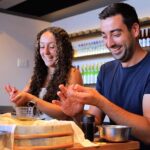
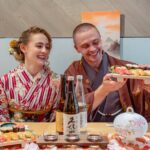
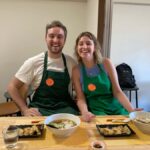
Chef Yuki’s Osaka Kitchen: Modern Setting, Real Instruction
This class happens in a serene, modern Japanese-style home. That sounds simple, but it matters. A home kitchen usually means you get direct coaching on the stuff that trips people up—how rice sticks, how tight to roll nori, and how to handle fillings without tearing anything.
Chef Yuki leads in English and keeps the experience practical. The setup is designed for beginners too. You don’t need prior cooking experience; you just need comfortable clothes and the willingness to get your hands involved.
There’s a small-group advantage here. With a maximum of 4 participants, you’re not shouting over a crowd or waiting your turn while your rice cools. You can ask questions, and you can actually practice the motions that make sushi look (and taste) right. One of the standout themes from past participants is how friendly and patient Chef Yuki is—even when someone arrives late, the mood stays calm and the teaching keeps going.
What You’ll Cook: Hosomaki, Futomaki, and Nigiri (Vegetarian Style)
This is a 3-hour class, and the structure is smart: start with the easier roll, move to a thicker roll, then finish with hand-formed nigiri. That flow helps you build confidence without feeling rushed.
Hosomaki: Thin Rolls and the Basics of Tight Rolling
You begin with hosomaki, the classic thin roll format. You’ll learn the practical mechanics: nori handling, how to spread fillings, and how to roll so it holds shape.
Fillings you’ll work with include things like soy-mirin glazed sweet potato and roasted eggplant finished with dengaku miso. Even if you’ve never cooked before, this is useful training. Sweet potato teaches you how a softer filling behaves in a roll, while roasted eggplant (with miso topping) shows how moisture and flavor cling together.
If you care about vegetarian sushi that still feels “Japanese sushi-real,” this is where the class makes a case: the flavors aren’t random swaps. They’re chosen to behave well with rice and nori.
Put this one next to a few other Osaka options first:
Futomaki: Thicker, Hearty Rolls Built for Texture
Next come the futomaki rolls—thicker and more visually satisfying. This step is where you learn the art of layering without turning your roll into a mess.
You’ll build rolls with cucumber, avocado, roasted bell peppers, tamago, and simmered shiitake mushrooms. This combo is not just about color. It teaches balance:
- Cucumber adds crunch and freshness.
- Avocado brings creamy richness.
- Tamago adds a sweet, eggy note and structure.
- Shiitake gives a deeper, savory chew.
That “harmony of textures and flavors” isn’t marketing fluff here. You’re literally working with ingredients that create contrast in every bite.
Nigiri: Shaping Rice by Hand and Finishing with Bright Toppings
Finally, you move to nigiri. Nigiri is less about rolling and more about shaping and topping. You’ll learn to shape rice by hand, then finish with toppings such as tamago, crispy avocado, roasted bell peppers, and a tangy ponzu jelly.
This part is useful even if you’re never planning to roll sushi again. You learn the logic of proportion—how much topping fits, how rice texture changes your mouthfeel, and how a bright component like ponzu jelly wakes up richer bites.
Red Miso Soup with Handmade Tofu Meatballs
A lot of sushi classes end after the rolls. This one adds a soup lesson that feels genuinely “Japanese home cooking,” not just a side dish.
You’ll make a hearty red miso soup using red miso and handmade tofu meatballs. The value here is the technique and the texture. Handmade tofu meatballs help the soup feel more substantial, not thin or watery.
If you like food that warms you from the inside, this is the payoff. It also gives you something you can recreate later without needing special sushi tools—just miso, tofu, and patience for shaping.
Tamago and Avocado: Why This Class Keeps Returning to Them
Tamago and avocado show up across the menu, and that’s a smart teaching strategy. They’re both great anchors for flavor and texture in vegetarian sushi.
Tamago brings a gentle sweetness and a soft, set texture that holds up well. Avocado adds creaminess, and when it’s made crispy as part of the nigiri topping, you get a more complex bite than you’d expect from a simple avocado slice.
In a class like this, repeating key ingredients teaches you how they behave in different formats—rolled, layered, and topped. You’re not memorizing recipes only. You’re learning patterns.
Optional Sake Pairing: If You Want the Full Sushi-At-Home Feeling
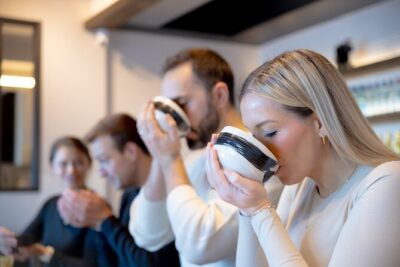
For an optional add-on, you can do a sake pairing set. The class format includes a guided tasting of three sakes: two chilled pours (a Junmai and a Junmai Ginjo from the same brand) and a warm sake.
This matters if you like food and drink matching. You’ll taste how different styles shift with the flavors you cooked—especially the sweet-salty elements from tamago and miso, and the tang from ponzu jelly.
If you don’t drink alcohol, you can still enjoy the meal. The pairing is clearly marked as optional.
What’s Included, and Why It’s Better Than a Typical Kitchen Demo
You’re not just paying for instruction. The class includes all ingredients for vegetarian sushi, an apron, complimentary Japanese tea, and take-home recipes.
That last part is underrated. A lot of cooking classes give you a vague idea of what you did. Here, you get the written recipes so you can repeat the flavors at home without guessing measurements or steps.
Alcoholic beverages are also listed as included, with the option to add the three-type sake set. So even if you’re just curious, there’s a built-in path to try something extra.
Price and Value: Is $103 Reasonable for 3 Hours?
At $103 per person for 3 hours, this isn’t a budget “try it once” activity, but it also isn’t overpriced for what you receive.
Here’s why the value makes sense based on the details:
- Small group (max 4) means more coaching time per person.
- Multiple sushi types are included (hosomaki, futomaki, nigiri) plus miso soup.
- Ingredients are provided, so you’re not doing hidden costs at the store.
- You leave with recipes and a practical skill set you can actually repeat.
If you want a sushi lesson that doesn’t stop at one roll—and you like learning how flavor/texture are engineered—you’re paying for real food training, not just a fun dinner.
Getting to the Meeting Point from Nukata Station (Simple, Fast Walk)
You’ll meet at 4-19 Nukata-cho. From Nukata Station, it’s about a 5-minute walk (roughly 400 meters).
The route is straightforward:
- Exit the station and head south.
- Walk along Nukata-cho Street for about 5 minutes.
- The destination is on your right.
This matters because the class is only 3 hours. If you arrive late, you’ll still be welcome, but it’s better to show up early so you don’t feel behind.
Who This Class Fits Best (and Who Might Not)
This is a good match if you:
- want vegetarian sushi that still follows Japanese technique and flavor logic
- like hands-on cooking and learning step-by-step
- enjoy learning how ingredients create texture (not just taste)
- want a class small enough for questions in English
It’s also suitable for vegetarians and people interested in plant-based cuisine. No prior experience is required.
One consideration: the experience notes it’s not suitable for people over 95 years, so double-check if you’re booking for someone in that age range.
Should You Book This Vegetarian Sushi Class?
If you’re in Osaka and you want a cooking class that goes beyond a single “roll session,” I think this is a strong pick. Chef Yuki’s pro experience, the small group size, and the fact that you make hosomaki, futomaki, and nigiri all in one go make it feel like real training.
I’d especially recommend it if you care about the why behind flavors—because the menu keeps teaching you patterns: nori + rice balance, layering for thickness, and toppings that change the bite. Add the miso soup, and you leave with food skills you can rebuild at home.
If you’re deciding between a quick food tour and a hands-on class, this one leans clearly toward the hands-on side—so book it when you want to cook, not just watch.
FAQ
How long is the Osaka modern vegetarian sushi class?
The class lasts 3 hours.
What does the class include?
It includes a hands-on cooking class with Chef Yuki, all ingredients for vegetarian sushi, recipes to take home, complimentary Japanese tea, and an apron. Alcoholic beverages are also listed as included, with an optional sake pairing add-on.
Is the class suitable for vegetarians?
Yes. It’s suitable for vegetarians and those interested in plant-based cuisine.
Will I need cooking experience?
No prior cooking experience is required.
What kinds of sushi will I learn to make?
You’ll make hosomaki, futomaki, and nigiri.
Do they offer miso soup in the class?
Yes. You’ll make red miso soup with handmade tofu meatballs.
Is the sake tasting included?
A sake pairing set is optional. It includes tasting of two chilled sakes (Junmai and Junmai Ginjo from the same brand) and one warm sake, and is listed as 45 ml each per person.
What should I bring, and are there any rules?
Bring comfortable clothes. Smoking is not allowed. Allergy-friendly options are available upon request.
Take Home Something You Made
- Sushi Making Osaka Roll and Authentic Japanese Sushi Class★ 5.0 · 1,220 reviews
- Matcha Making Class in Osaka with Authentic Japanese Sweets Set★ 5.0 · 509 reviews
- Osaka: Ramen and Gyoza Cooking Class in Dotonbori★ 5.0 · 378 reviews
- Osaka Cooking Class: Okonomiyaki &Japanese cuisines experience★ 5.0 · 261 reviews
- Osaka: Roll and Authentic Sushi Making Class in Dotonbori★ 4.9 · 239 reviews
More Tour Reviews in Osaka
- Osaka Go Karting Tour with Funny Costume★ 5.0 · 2,658 reviews
- Osaka Castle: Museum and Tower Entry Ticket★ 4.5 · 2,380 reviews
- Osaka: Shinsekai Food Tour with 13-15 Dishes at 5 Eateries★ 4.8 · 2,204 reviews
- Osaka Food Tour: 13 Dishes at 5 Local Eateries★ 5.0 · 2,149 reviews
- Hungry Osaka Street Food Tour:15 Tastings & 3 Drinks with a Local★ 5.0 · 1,727 reviews
Cook It Yourself in Osaka
- Sushi Making Osaka Roll and Authentic Japanese Sushi Class★ 5.0 · 1,220 reviews
- Osaka: Five Must-See Highlights Walking Tour & Ramen Lunch★ 4.7 · 411 reviews
- Osaka Sushi Making Experience★ 5.0 · 400 reviews
- Osaka: Ramen and Gyoza Cooking Class in Dotonbori★ 5.0 · 378 reviews
- Osaka: Sumo Stage Show with Bento or Snack + Fight & Photo★ 4.3 · 364 reviews
The Newest Osaka Write-Ups
- Private Photoshoot in Osaka with a Professional Photographer
★ 5.0 · 3 reviews - Osaka Early Morning Osaka Castle Tour Avoid Crowds
★ 5.0 · 3 reviews - Nara Private Tour with Pick and Drop and English Speaking Driver
★ 3.5 · 3 reviews - Osaka: Modern Vegetarian Sushi Cooking Class
★ 5.0 · 3 reviews - Nara Day Trip from Osaka with a Licensed Guide
★ 5.0 · 3 reviews
Osaka Cooking Classes, compared.
 ★ 5.0Sushi Making Osaka Roll and Authentic Japanese Sushi ClassFrom $311,220 reviews
 ★ 4.7Five Must-See Highlights Walking Tour & Ramen LunchFrom $56411 reviews
 ★ 5.0Osaka Sushi Making ExperienceFrom $29400 reviews
 ★ 5.0Ramen and Gyoza Cooking Class in DotonboriFrom $70378 reviews
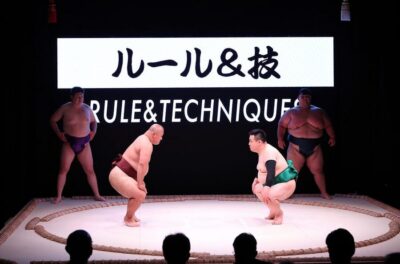 ★ 4.3Sumo Stage Show with Bento or Snack + Fight & PhotoFrom $93364 reviews
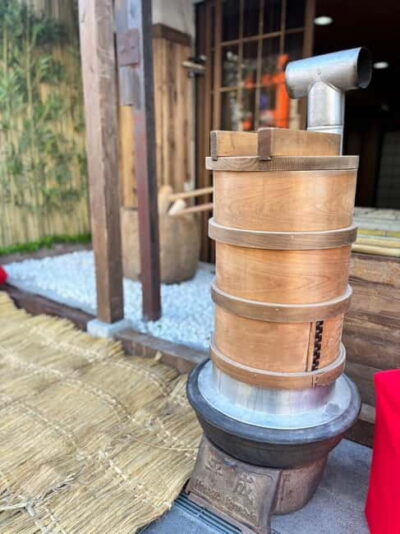 ★ 4.9Traditional Mochi Pounding Experience with TastingFrom $31306 reviews
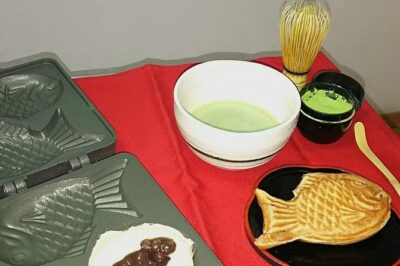 ★ 5.0Osaka Cooking Class: Okonomiyaki &Japanese cuisines experienceFrom $104261 reviews
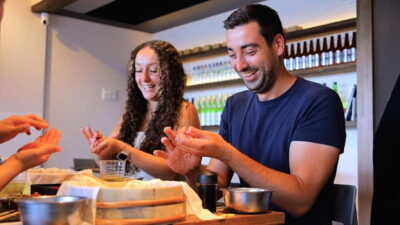 ★ 4.9Roll and Authentic Sushi Making Class in DotonboriFrom $45239 reviews
Browse the lists this tour appears in