
Reviewed · OSAKA CRAFT & CULTURE WORKSHOPS
Osaka: Private Japanese Calligraphy Experience
Brushstrokes can feel like breathing. In Osaka’s Namba area, this private calligraphy lesson turns your name into character artwork and slows everything down with a calm, guided pace. I love the quiet, focused atmosphere, and I also love that you get a genuine take-home piece made with you in mind. One drawback: it’s not suitable for wheelchair users, so plan accordingly.
What makes this workshop work so well is the format: you’re in a completely private group, with a friendly instructor guiding every step and giving time for photos at your own speed. If you want something cultural that isn’t rushed and doesn’t require prior experience, this is a strong bet.
In This Review
- Quick reasons to book this Osaka calligraphy workshop
- Namba’s easy meeting point by Shinsaibashi
- How the 90-minute lesson actually runs
- 1) Choose a theme and your favorite letters or words
- 2) Get a basic practice lecture before you commit to the final
- 3) Pick your colored paper, then write your final piece
- 4) For kids: water calligraphy to save hands and clothes
- 5) Photos are part of the experience
- Your name in kanji (and why it’s more than a translation)
- What you learn about strokes, and how it feels
- The studio mood: private calm with real cultural context
- Price and value: why $51 feels fair for this format
- Who this Osaka calligraphy experience suits best
- Practical tips to get better results fast
- Should you book this private Japanese calligraphy lesson in Osaka?
- FAQ
- How long is the Osaka private Japanese calligraphy experience?
- Where is the meeting point?
- What’s included in the price?
- What should I bring?
- What languages are available for the instructor?
- Is this a private experience?
- Can I take photos during the lesson?
- Do I get to take my calligraphy artwork home?
- Is tea ceremony included?
- Is this experience suitable for wheelchair users?
Quick reasons to book this Osaka calligraphy workshop
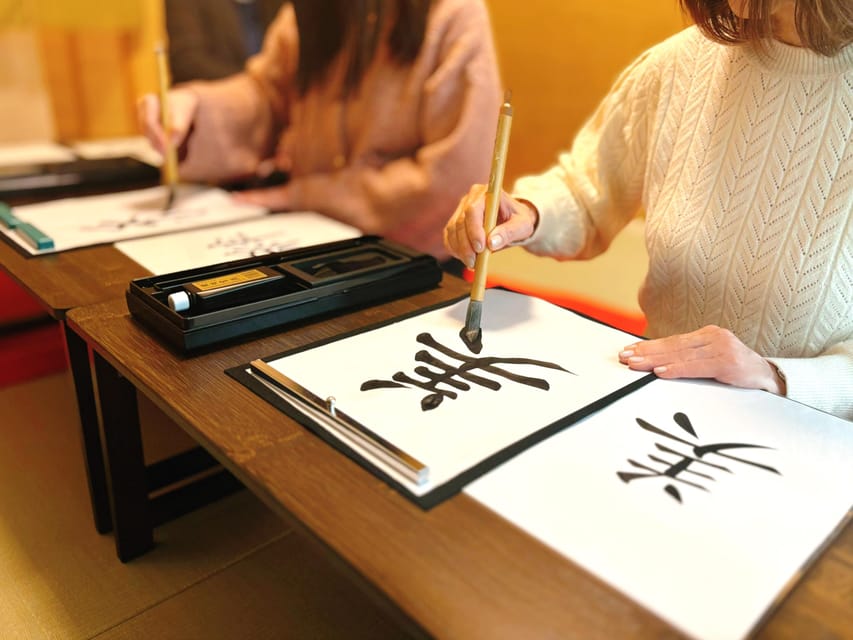
- Private, photo-friendly pace with time for pictures during the lesson
- Personal calligraphy outcome: your name written in Japanese characters/kanji shaped around your personality
- Clear instruction on brush basics, so you’re not guessing strokes
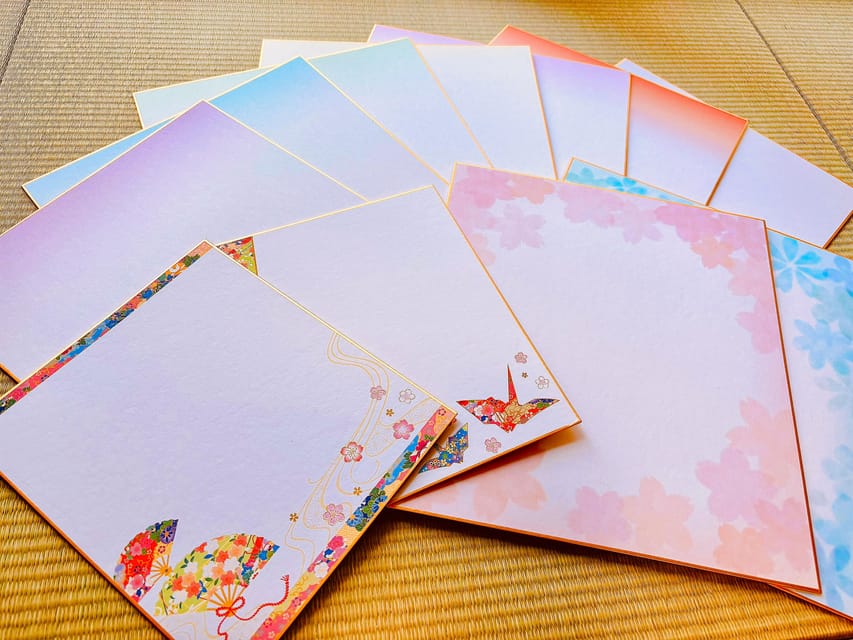
- Choose your own visual style with different colored paper options
- Hands-on support if your strokes start to wobble
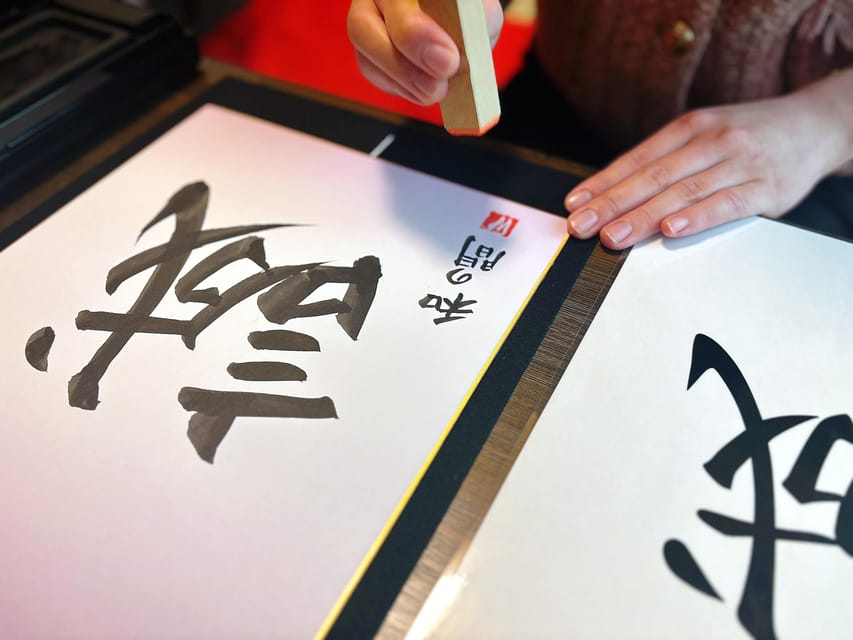
- A keepsake you made: stamp your initials and take it home as an original
A guide to yourselves, more private days out


Namba’s easy meeting point by Shinsaibashi
This experience is set up to be simple to reach, which matters in Osaka where you can lose time fast between stations and streets.
The meeting point is the entrance of New Osaka Hotel Shinsaibashi. Walk west for about 30 seconds, and look for a blue vending machine near the entrance. You’ll spot the staff outside the building about 5 minutes before your scheduled time—wearing kimonos is the visual clue.
A couple practical notes that help you arrive ready:
- Bring socks. You won’t want to show up in shoes and then fumble around for the right thing at the last second.
- No smoking.
- Expect a calm indoor setting, not a loud show. It’s built for focus.
And if accessibility is on your list: this one isn’t set up for wheelchair users, so you’ll want to choose a different activity if mobility access is needed.
How the 90-minute lesson actually runs
The session is designed like a smooth arc: orientation, practice, then your final piece. It’s not just “watch and copy.” You’ll be walked through what to do and why, then you’ll apply it directly to your own artwork.
Here’s the typical flow, and why each step matters:
1) Choose a theme and your favorite letters or words
You start by selecting the theme you want to write that day. You can tell the instructor your favorite letters and words, and they’ll suggest good kanji choices that match what you’re trying to express.
Why this matters for you: it turns the lesson from a generic class into something personal. Instead of copying a random character set, you’re building toward a meaning that feels like yours.
Make the souvenir yourself at more workshops
2) Get a basic practice lecture before you commit to the final
Next, you’ll get a guided explanation of basic practices—how to handle the brush, how to control pressure and direction, and what makes a stroke look right.
This is also where you’ll learn how Japanese calligraphy works beyond the final result. Several participants found the teaching especially clear, including context about the symbol systems and the meaning behind strokes.
If you’re thinking, I don’t even know the rules, that’s exactly the point. The lesson is structured so you don’t need prior knowledge.
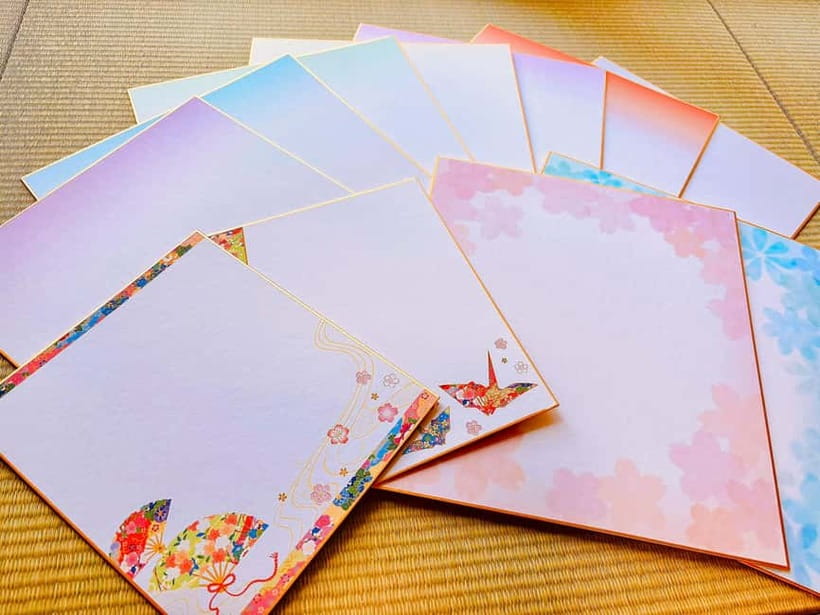
3) Pick your colored paper, then write your final piece
After the basics, you choose your favorite piece of colored paper from the options provided. Then it’s time for the main event: write your name in Japanese characters, stamp your initials, and finish.
That colored paper choice might sound like a small detail, but it’s huge for the keepsake effect. It changes the mood of your piece—soft, bold, traditional, modern—without needing you to be an artist.
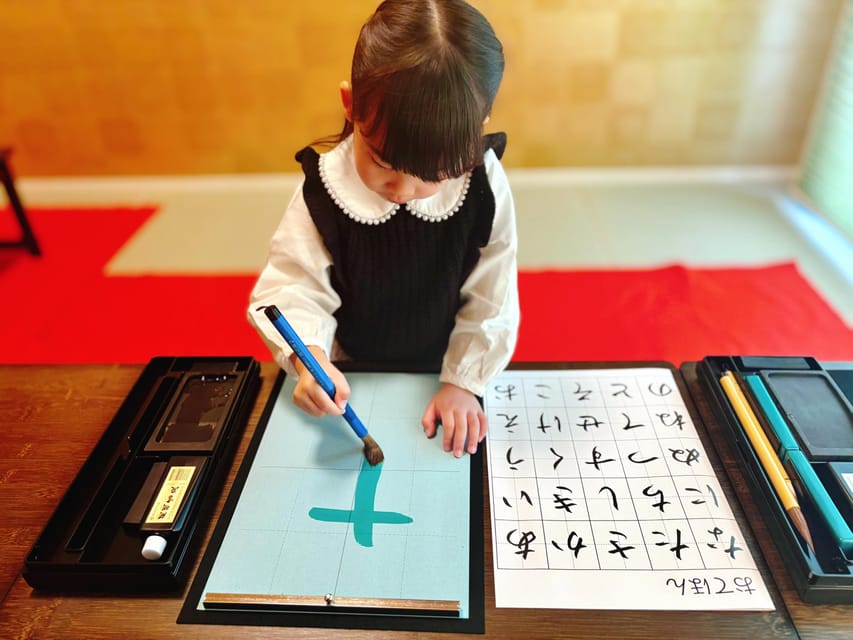
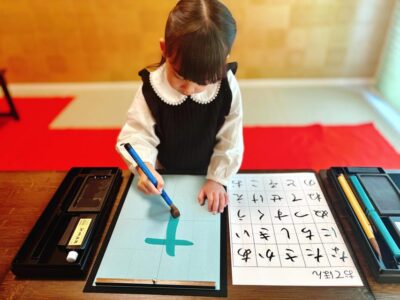
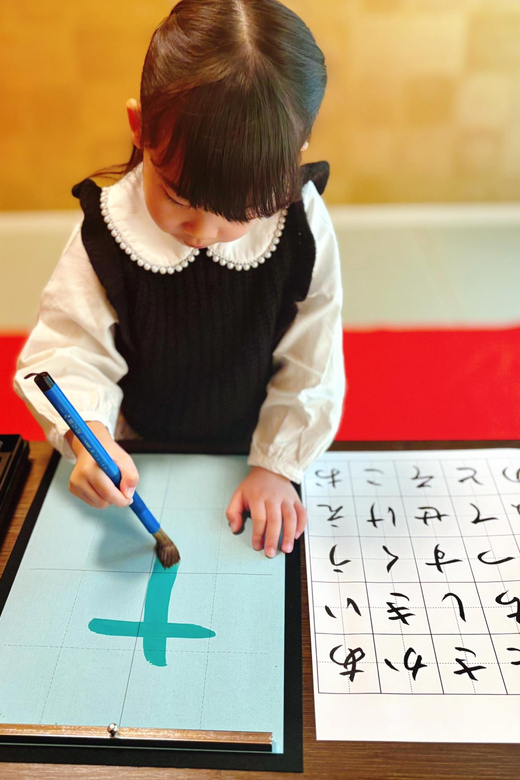
4) For kids: water calligraphy to save hands and clothes
If you’re coming with children, there’s an option for water calligraphy. It’s there to prevent mess, because kids move fast and brush strokes get unpredictable.
This is one of those “you’ll be glad it exists” inclusions if you’re traveling with kids and you already have enough laundry on your mind.
5) Photos are part of the experience
The pacing is flexible for your group, and you’ll have time to take photos during the session. If you want to document progress—especially cool for family trips—this workshop supports it.
Your name in kanji (and why it’s more than a translation)
This is the signature idea: during the calligraphy, the instructor converts your name into kanji based on your personality.
That means you’re not just spelling your name. You’re choosing characters that carry meaning and match the vibe you want to represent. You’ll start by telling the instructor what letters or words you like, then they suggest kanji that express you in that character system.
For you, here’s the practical upside:
- Your final artwork feels like a personalized symbol, not a souvenir copy-paste.
- The lesson becomes easier to connect with because you’re emotionally invested in the “why” behind the strokes.
One thing to keep in mind: Japanese calligraphy choices can be interpretive. So if you were expecting a perfectly direct, one-to-one transliteration from your name, you might feel differently once you see how personality-based meaning shapes the characters.
What you learn about strokes, and how it feels
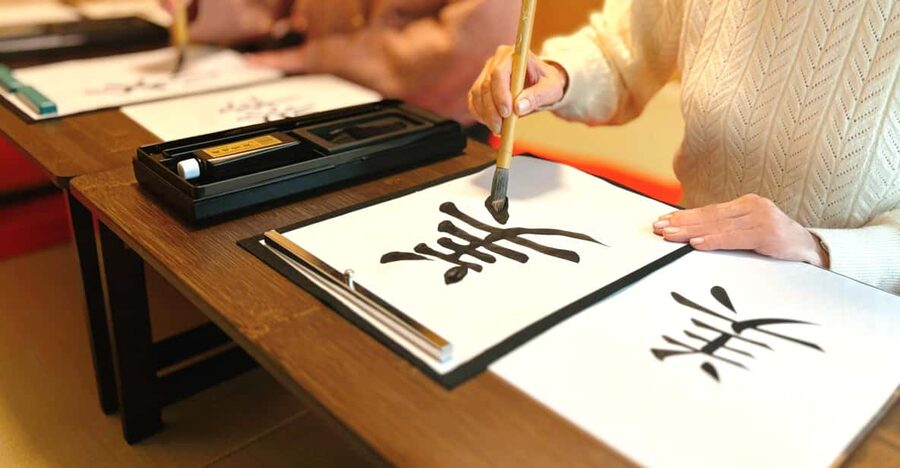
Calligraphy looks graceful in photos. In real life, it can be harder than it seems—your hand shakes, the brush catches, and you realize control takes practice.
That said, what makes this workshop feel special is the way instruction is delivered:
- You get step-by-step guidance on the stroke formation.
- You can ask questions in English or Japanese.
- If you’re struggling, the teaching includes hands-on help.
In multiple class experiences, instructors were praised for patience and for explaining the meaning behind strokes. Some even described the lesson as a kind of quiet meditation—breathing, movement, and calm focus rather than a rushed “get it done” vibe.
For you, that’s the value: you’re not just producing a piece. You’re building a small, transferable skill set—how to move a brush with intention.
And yes, it’s okay if your first strokes are messy. The lesson is built so you don’t judge yourself too early. You learn, adjust, and then create your final.
The studio mood: private calm with real cultural context
This is a private group experience, so it won’t feel like you’re squeezed into a crowd. You’re attended closely, and you can request the pace to match your group—like proceeding slowly if you have a child in the group.
A few participants also highlighted that the guide shared cultural context about Japanese calligraphy, not just the mechanics. That’s what turns a workshop from a craft activity into an experience that makes the art feel understandable in your own mind.
Even the fact that the experience is located in the tourism hub of Namba, close to Shinsaibashi, helps. You can fit this into your day without losing hours commuting. Then you come home with something you made, not just photos of places you passed.
Price and value: why $51 feels fair for this format
At $51 per person for about 90 minutes, the math is pretty reasonable, especially because key items are included:
- All fees and taxes
- Colored paper for your calligraphy work
- Instructor time
What you’re paying for is the combo of personalization plus private instruction. Many shorter workshops either:
- skip the meaning side, or
- make you practice alone with minimal guidance, or
- limit the final outcome you can take home.
Here, you’re guided through selecting a theme, getting character suggestions, practicing basics, and producing a finished piece you keep. Plus, you’re allowed time to take photos during the experience, which adds real trip value because you’ll remember the steps, not just the final paper.
One optional note: a tea ceremony is not included. If you want both, there’s a separate plan for a combined tea ceremony and calligraphy experience.
So if you’re deciding between “just calligraphy” and “calligraphy plus tea,” your best move is to book based on your energy level. Calligraphy already takes your full focus. Tea is great, but it’s an extra commitment.
Who this Osaka calligraphy experience suits best
This workshop is a good fit if you want a calm, hands-on cultural activity that’s built for learning.
It suits:
- Couples who want a shared experience and a matched keepsake
- Solo travelers who like guided attention rather than group chaos
- Families with kids, especially because the instructor can support children (including water calligraphy)
- Anyone who wants a take-home piece with meaning, not just a random character print
It’s less ideal if:
- You use a wheelchair, since it’s not suitable for wheelchair users
- You hate quiet, slow skill-building activities (this one expects patience)
- You only want a quick photo-op without instruction (you’ll get more from it if you actually participate)
Also, prepare for the fact that calligraphy takes physical control. If your hand shakes, that’s normal. Bring a relaxed mindset and let the instructor coach you through the fix.
Practical tips to get better results fast
You’ll have a better time if you walk in with a couple small preparations.
- Think about a theme before you arrive. Favorite letters and words help the instructor choose kanji that fit your vibe.
- Be ready to slow down. This isn’t a sprint. The private format works best when you let the lesson set your pace.
- Wear shoes you can slip on and off, since the session calls for socks.
- Bring curiosity, not pressure. Your first attempts may feel awkward, but the teaching is designed to help you land the final piece you’ll be proud of.
- If photos matter, lean into it. The experience is structured so you can take pictures during the lesson, including while you’re creating your final kanji.
Should you book this private Japanese calligraphy lesson in Osaka?
I’d book it if you want a meaningful Osaka activity that balances culture and craft without being overwhelming. The big reasons: it’s private, it’s guided step-by-step, and you leave with an original artwork made around you.
Skip it or consider alternatives if accessibility is a concern due to wheelchair limitations, or if you’re looking for something that’s mostly sightseeing with minimal participation.
My final advice is simple: if you like the idea of turning your name into characters with personality, and you’re open to learning brush control the same way you learn any skill—slowly, then all at once—this is one of the best bets in Namba/Shinsaibashi for a hands-on souvenir with a story attached.
FAQ
How long is the Osaka private Japanese calligraphy experience?
It lasts 90 minutes.
Where is the meeting point?
Come to the entrance of New Osaka Hotel Shinsaibashi, then walk west about 30 seconds. There is a blue vending machine near the entrance. Staff wait outside the main entrance in front of the building a few minutes before your booking time, wearing kimonos.
What’s included in the price?
All fees and taxes are included, along with colored paper for your calligraphy and an instructor.
What should I bring?
You should bring socks.
What languages are available for the instructor?
The instructor speaks English and Japanese.
Is this a private experience?
Yes, it’s a completely private group experience.
Can I take photos during the lesson?
Yes. You can take photos anytime during the experience.
Do I get to take my calligraphy artwork home?
Yes. You complete your own piece and you take it home.
Is tea ceremony included?
No. Tea ceremony is not included unless you book the separate plan for both experiences.
Is this experience suitable for wheelchair users?
No, it is not suitable for wheelchair users.
More Tour Reviews in Osaka
- Osaka Go Karting Tour with Funny Costume★ 5.0 · 2,658 reviews
- Osaka Castle: Museum and Tower Entry Ticket★ 4.5 · 2,380 reviews
- Osaka: Shinsekai Food Tour with 13-15 Dishes at 5 Eateries★ 4.8 · 2,204 reviews
- Osaka Food Tour: 13 Dishes at 5 Local Eateries★ 5.0 · 2,149 reviews
- Hungry Osaka Street Food Tour:15 Tastings & 3 Drinks with a Local★ 5.0 · 1,727 reviews
Made in Osaka, by You
- Osaka: Tea Ceremony, Calligraphy, and Kimono Experience★ 4.9 · 130 reviews
- 1.5〜2 Hours Traditional Kintsugi Work Shop in Namba Osaka★ 5.0 · 75 reviews
- From Osaka: Sakai Knife Maker or Blacksmith Walking Tour★ 4.9 · 64 reviews
- Osaka: Traditional Japanese Ceramics Private Experience★ 5.0 · 57 reviews
- Calligraphy Workshop in Namba, Dotonbori★ 5.0 · 57 reviews
Your Osaka, at Your Pace
- Private Osaka Walking Tour: Highlights & Hidden Gems★ 5.0 · 569 reviews
- Osaka 4hr Private Tour with Government-Licensed Guide★ 5.0 · 314 reviews
- 3/4/5 Hours Private Tour in Osaka with Local Guide★ 5.0 · 189 reviews
- Osaka’s Best and Brightest: Private Full-Day Tour by Vehicle★ 5.0 · 147 reviews
- Kyoto & Nara Private customized tour with English speaking Guide★ 4.5 · 99 reviews
The Newest Osaka Write-Ups
- Private Photoshoot in Osaka with a Professional Photographer
★ 5.0 · 3 reviews - Osaka Early Morning Osaka Castle Tour Avoid Crowds
★ 5.0 · 3 reviews - Nara Private Tour with Pick and Drop and English Speaking Driver
★ 3.5 · 3 reviews - Osaka: Modern Vegetarian Sushi Cooking Class
★ 5.0 · 3 reviews - Nara Day Trip from Osaka with a Licensed Guide
★ 5.0 · 3 reviews
Osaka Craft & Culture Workshops, compared.
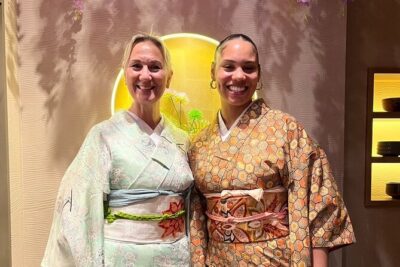 ★ 4.9Tea Ceremony, Calligraphy, and Kimono ExperienceFrom $96130 reviews
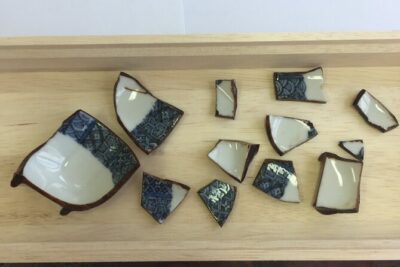 ★ 5.01.5〜2 Hours Traditional Kintsugi Work Shop in Namba OsakaFrom $12575 reviews
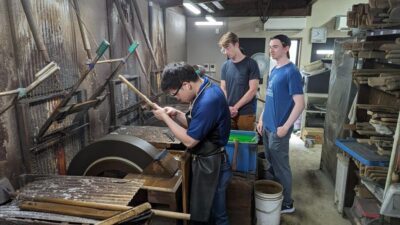 ★ 4.9From Osaka: Sakai Knife Maker or Blacksmith Walking TourFrom $6464 reviews
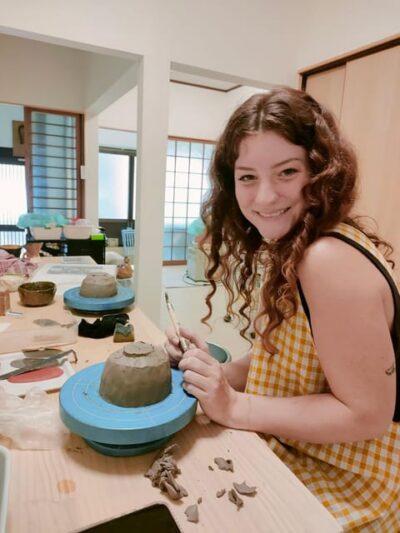 ★ 5.0Traditional Japanese Ceramics Private ExperienceFrom $9657 reviews
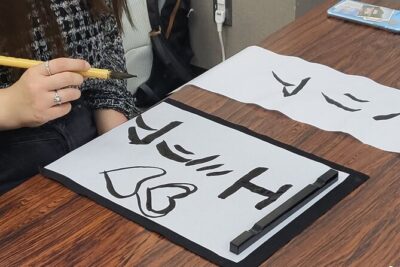 ★ 5.0Calligraphy Workshop in Namba, DotonboriFrom $4957 reviews
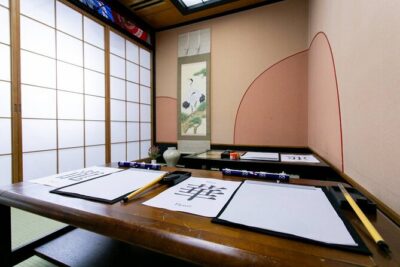 ★ 4.5Learning Zen of Japanese Calligraphy in kimono near Osaka CastleFrom $4353 reviews
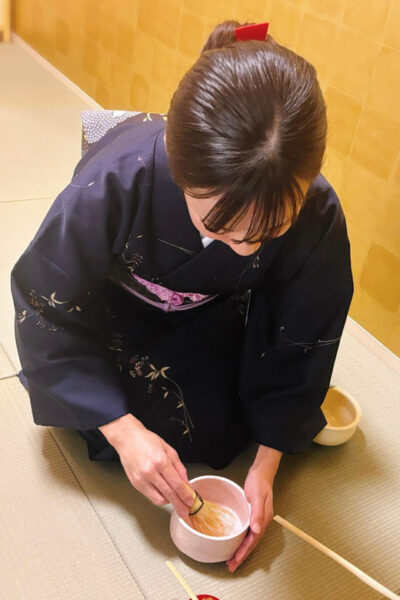 ★ 5.0Private Tea Ceremony and Calligraphy ExperienceFrom $6450 reviews
 ★ 4.9Osaka Daruma Workshop — Paint Your Own Good-Luck DarumaFrom $3546 reviews
Browse the lists this tour appears in