
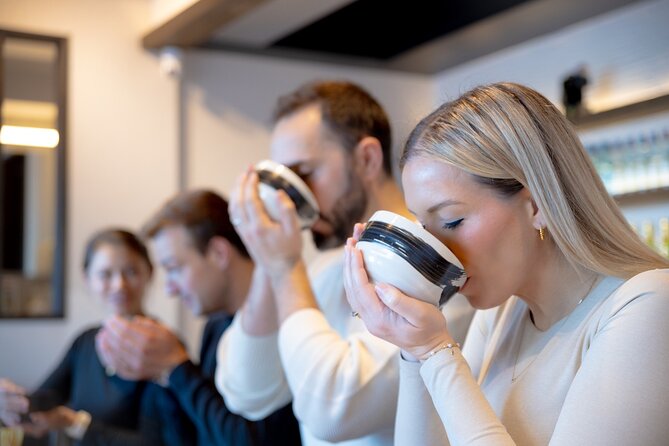
Reviewed · OSAKA TEA CEREMONY & MATCHA
Matcha Making Class in Osaka with Authentic Japanese Sweets Set
Matcha has a way of slowing you down. In Osaka, this class turns that into a calm, step-by-step lesson with hands-on guidance and a small group (max 6). I especially like that the hosts teach you how to get matcha right at home, not just how to watch someone else do it. One thing to consider: finding the meeting point in Higashishinsaibashi can take a bit longer than you expect if you arrive at the last second.
Here’s what you’re really paying for: time with a teacher who can spot mistakes while you’re making your own cup, plus a break that includes Japanese sweets. The class runs about an hour, and you can choose a morning or afternoon slot. If you’re tight on schedule, plan a little buffer so you don’t feel rushed before you even start.
In This Review
- Key things that make this Osaka matcha class worth your time
- Where Higashishinsaibashi meets a real matcha lesson
- The matcha class flow: what you’ll do for that one hour
- Hands-on technique: the tips you’ll actually use at home
- The sweets break: a smart pairing, not an afterthought
- What the small group size changes (and what it doesn’t)
- Price and value: why $21.89 can make sense in Osaka
- What to do before and after class (so it fits your day)
- Who this matcha making class is best for
- Should you book Matcha Making Osaka with an authentic sweets set?
- FAQ
- How long is the matcha making class in Osaka?
- What’s included with the class?
- How many people are in the group?
- Is the instructor English-speaking?
- Where do I meet for the experience?
- Is there hotel pickup or drop-off?
- Do I get to choose a time of day?
- Is free cancellation available?
- Are service animals allowed?
Key things that make this Osaka matcha class worth your time
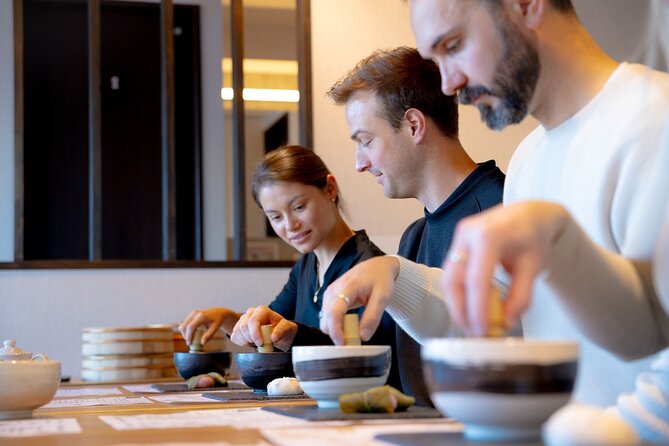
- Max 6 travelers for a more personal feel (and more chances to ask questions)
- Step-by-step matcha technique with correction so you learn the right basics
- Beginner-friendly teaching with English-speaking hosts and clear visuals/quizzes
- Japanese sweets included to balance matcha’s bold, grassy taste
- Photos during the experience so you can actually remember the details
Another bowl whisked slowly in Osaka
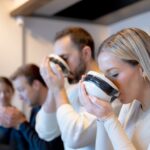
Where Higashishinsaibashi meets a real matcha lesson
The class meets in Higashishinsaibashi, in Osaka’s Chuo Ward, at 1-chōme-16-20 Higashishinsaibashi. The neighborhood is the kind of place where it’s easy to get surrounded by signs and storefronts, so I recommend arriving early and taking a moment to orient yourself before you look for the exact address.
The good news: it’s near public transportation, so you’re not stuck with a long walk if you’re using trains or buses. Also, you’ll use a mobile ticket, so you’re not hunting for paper confirmations.
Timing matters here because the experience is only about 1 hour. If you start late, you’ll feel it immediately—there’s no “extra time” built in. I’d treat this like a small appointment: show up relaxed, not sprinting.
The matcha class flow: what you’ll do for that one hour
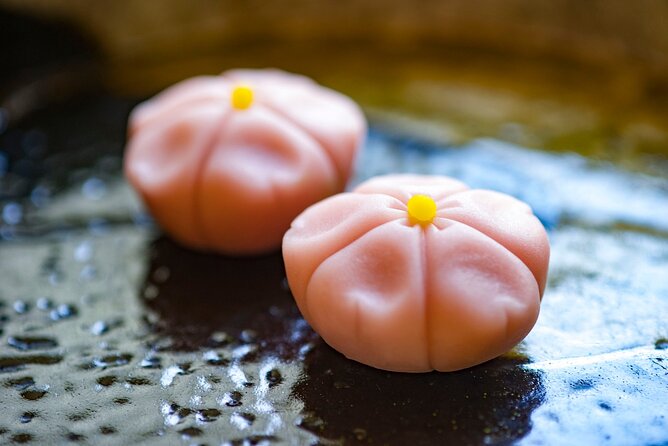
This is a relaxed, beginner-friendly session where you’ll learn how to prepare traditional matcha green tea step by step. The key is that you’re not just tasting matcha—you’re actively making it, and the teacher is there to guide you.
Here’s the practical rhythm you can expect:
- Get oriented to matcha (what it is and how it’s made)
The instruction includes history and production context, and the hosts use visuals and even quizzes in some classes. That matters because matcha can feel mysterious—this cuts through the fog so you understand why the technique matters.
- Watch once, then do it
You’ll follow the process and then make your own matcha. The host corrects mistakes as you go, which is how you actually learn whisking basics instead of copying someone else’s motion.
- Make matcha at your pace with real feedback
Since the group is capped at 6, the teacher has enough bandwidth to help you individually. If you’re doing something slightly wrong with consistency or technique, you’ll likely get pointed out and adjusted.
In the reviews, names like Momo, Matty, Fuko, and Yui show up as hosts who delivered lessons in clear English, often with interactive explanations. Even if your class has a different instructor, the teaching style seems consistent: friendly, structured, and focused on what you need for your first good cup.
One more detail I appreciate: the class says tools and ingredients are already prepared for you. That’s a big deal in Japan. You avoid the “buy random items and hope it works” problem, and you spend your time learning the actual method.
Hands-on technique: the tips you’ll actually use at home
The main payoff isn’t the drink in your hand—it’s the way you’ll make matcha afterward.
From what’s described, the instruction is built around getting the process right:
- You learn the correct steps, not just the idea of matcha
- You get corrections while you’re practicing
- You leave with expert tips and tricks for making matcha at home
If you’ve tried to make matcha before, you’ll know how easy it is to end up with a cup that’s too thick, too foamy, or oddly uneven. That’s why direct coaching helps. Matcha is sensitive to how you mix, and this class focuses on that practical reality.
Also, the teaching approach includes explanations of matcha’s background and production. That might sound like extra, but it changes how you taste and adjust. Once you know what you’re working with, you’re less likely to blame the matcha itself when the technique is the issue.
If you want to get the most from your hour, bring a tiny notepad or use your phone notes. Write down the few moments the instructor corrects you. Those are usually the details that separate a decent cup from a cup you’ll want to make again.
Put this one next to a few other Osaka options first:
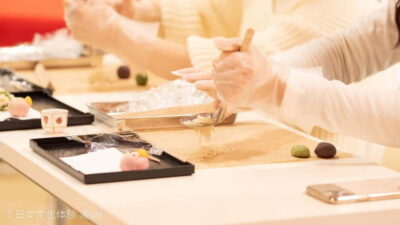
The sweets break: a smart pairing, not an afterthought
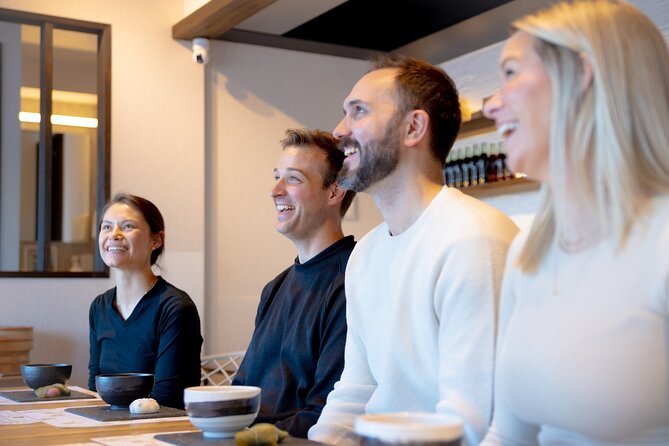
Your matcha lesson includes a tea break with Japanese sweets. This is one of the most underrated parts of the experience because matcha isn’t just a drink—it’s a flavor experience.
Matcha tends to be:
- deep and slightly bitter
- grassy, with a lingering finish
Japanese sweets can bring sweetness and texture that help you notice different aspects of the tea. So when you take that first sip during the class, you’re not tasting matcha in isolation—you’re learning how it behaves with a classic pairing.
Even the reviews point to the sweets as delicious, which tells me this isn’t just a small token. It’s part of the full “slow moment” the class is aiming for: make tea, taste together, and take photos as you go.
What the small group size changes (and what it doesn’t)
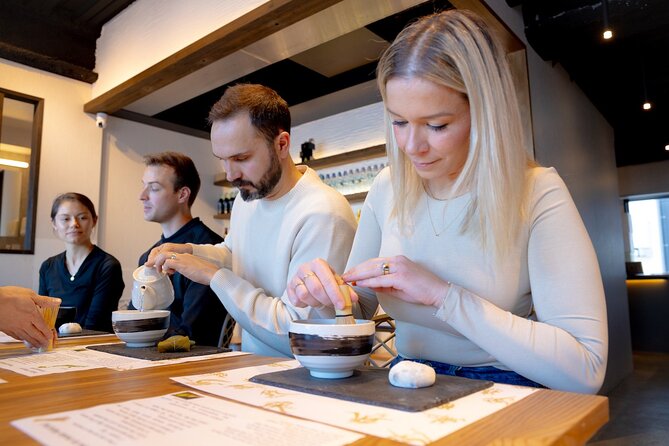
This experience caps at 6 travelers. That’s a practical advantage, especially for a technique-based class. In a larger group, you often end up watching and hoping your turn comes with a quick fix. Here, the teacher can keep an eye on multiple people without your learning getting lost in the shuffle.
A small group also helps if you’re nervous. Matcha making can feel intimidating if you think there’s one perfect way to do everything. The class is explicitly beginner-friendly, and the hands-on guidance is meant to make you comfortable enough to try.
Just don’t expect a private class. You’ll still share the space and flow with the group, and the teaching pace will be designed for everyone in the room. If you like quiet, one-on-one coaching, you might prefer a smaller private option—but for learning the fundamentals quickly, this group size is a sweet spot.
Price and value: why $21.89 can make sense in Osaka
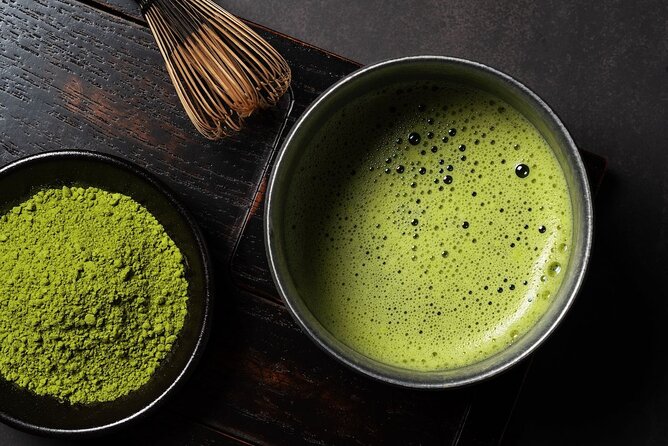
At $21.89 per person for about an hour, this class is priced like a practical add-on to a sightseeing day—short, focused, and not overly expensive for Japan.
Here’s what you’re getting for the money:
- English-speaking instruction
- guided, hands-on making of your own matcha
- Japanese sweets included
- a structured lesson that covers history plus technique
- no hotel pickup/drop-off (so the cost isn’t padded for transport)
The big value is that you’re paying to learn the method properly instead of buying a kit and guessing. A lot of DIY matcha attempts fail because the technique matters more than people expect. If you leave this class able to repeat the method at home, the price starts to feel like a bargain.
Also, the class is described as a two-time TripAdvisor Best of the Best award winner. I treat that as a signal that the experience is consistently delivered—especially since the rating is very high. That doesn’t mean perfection for every person, but it does suggest the format works.
What to do before and after class (so it fits your day)
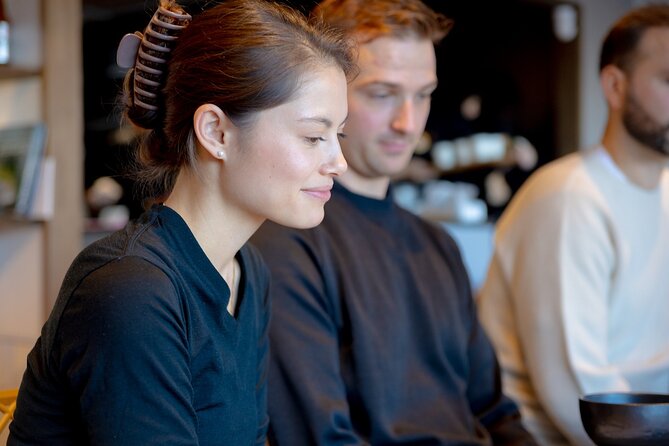
Before: plan to arrive early enough to find the address without stress. Some reviews mention location-finding taking longer than expected, so don’t assume you can arrive at the last minute and be fine. If you’re using maps, double-check the street and building number.
During: lean into the interactive side. Hosts use visuals and quizzes in some classes, and that makes the history portion easier to remember. Don’t mentally tune out while you’re waiting—your best learning moments often happen right after a correction when it’s still fresh.
After: decide what you want to do with what you learned. If you’re the type who buys matcha and experiments, you’ll now know what to focus on. If you’re more of a tasting person, the technique knowledge still helps you appreciate why a cup tastes the way it does.
Who this matcha making class is best for
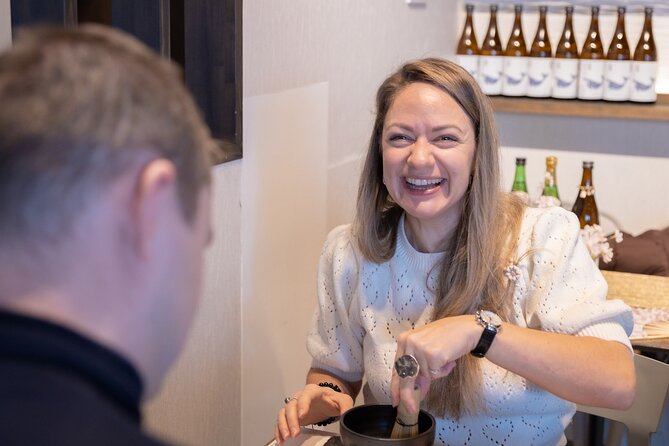
This class is a good fit if:
- you’re a matcha beginner and want a clear starting point
- you want a calm cultural activity that isn’t exhausting
- you prefer English-speaking guidance
- you like experiences with a food component that actually belongs with the main activity (the sweets aren’t random)
It’s also solid for solo travelers, since the class is small and you’re not stuck waiting around for your group to decide what to do next. And if you’re traveling with friends, the format still works because everyone participates in making matcha.
If you already have advanced matcha technique and expect a deep, niche workshop, this might feel more like an excellent intro than a training boot camp. But for most people, that’s exactly what you want in Osaka: a memorable, practical lesson that pays off later at home.
Should you book Matcha Making Osaka with an authentic sweets set?
If you want an Osaka experience that’s short, hands-on, and actually teaches you something you’ll use again, I’d book it. The max 6 group size, English-speaking hosts, and teacher corrections are the combination that makes the hour feel worth it, not just cute.
I’d think twice only if you hate anything involving finding a specific address and you’re always late to tours. Give yourself extra time to get there, and you’ll be fine.
Bottom line: for $21.89, you’re buying real technique coaching plus a Japanese sweets break—an efficient, authentic way to experience matcha beyond a café order.
FAQ
How long is the matcha making class in Osaka?
It runs for about 1 hour.
What’s included with the class?
You’ll get an English-speaking instructor and matcha served with Japanese sweets.
How many people are in the group?
The class has a maximum of 6 travelers.
Is the instructor English-speaking?
Yes, the class includes an English-speaking instructor.
Where do I meet for the experience?
The meeting point is Matcha Making Osaka | Cooking Class in Japan, 1-chōme-16-20 Higashishinsaibashi, Chuo Ward, Osaka, 542-0083, Japan.
Is there hotel pickup or drop-off?
No. Hotel pickup and drop-off are not included.
Do I get to choose a time of day?
Yes. The experience mentions both morning and afternoon classes.
Is free cancellation available?
Yes. Free cancellation is available up to 24 hours in advance for a full refund.
Are service animals allowed?
The experience allows service animals.
More Dessert Tours in Osaka
- Osaka: Matcha Making Experience with Japanese Sweets★ 5.0 · 146 reviews
- Osaka: Japanese Traditional Sweets Making and Tea Ceremony★ 4.7 · 118 reviews
- Japanese Traditional Sweets “Nerikiri” making★ 4.2 · 5 reviews
More Tour Reviews in Osaka
- Osaka Go Karting Tour with Funny Costume★ 5.0 · 2,658 reviews
- Osaka Castle: Museum and Tower Entry Ticket★ 4.5 · 2,380 reviews
- Osaka: Shinsekai Food Tour with 13-15 Dishes at 5 Eateries★ 4.8 · 2,204 reviews
- Osaka Food Tour: 13 Dishes at 5 Local Eateries★ 5.0 · 2,149 reviews
- Hungry Osaka Street Food Tour:15 Tastings & 3 Drinks with a Local★ 5.0 · 1,727 reviews
Matcha, Whisked and Poured
- Osaka: Tea Ceremony Experience★ 4.9 · 1,426 reviews
- Tea Ceremony Experience in Osaka Doutonbori★ 5.0 · 754 reviews
- Osaka: Matcha Making Experience with Japanese Sweets★ 5.0 · 146 reviews
- Osaka: Tea Ceremony, Calligraphy, and Kimono Experience★ 4.9 · 130 reviews
- Osaka: Japanese Traditional Sweets Making and Tea Ceremony★ 4.7 · 118 reviews
The Newest Osaka Write-Ups
- Private Photoshoot in Osaka with a Professional Photographer
★ 5.0 · 3 reviews - Osaka Early Morning Osaka Castle Tour Avoid Crowds
★ 5.0 · 3 reviews - Nara Private Tour with Pick and Drop and English Speaking Driver
★ 3.5 · 3 reviews - Osaka: Modern Vegetarian Sushi Cooking Class
★ 5.0 · 3 reviews - Nara Day Trip from Osaka with a Licensed Guide
★ 5.0 · 3 reviews
Osaka Tea Ceremony & Matcha, compared.
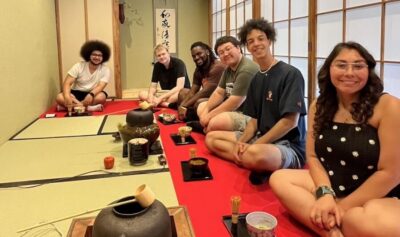 ★ 4.9Tea Ceremony ExperienceFrom $251,426 reviews
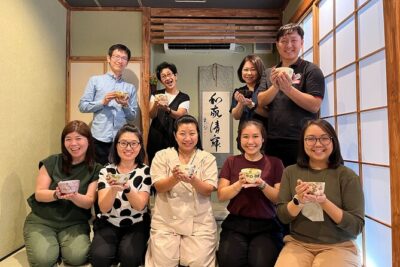 ★ 5.0Tea Ceremony Experience in Osaka DoutonboriFrom $20754 reviews
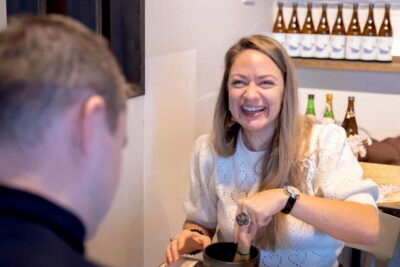 ★ 5.0Matcha Making Experience with Japanese SweetsFrom $22146 reviews
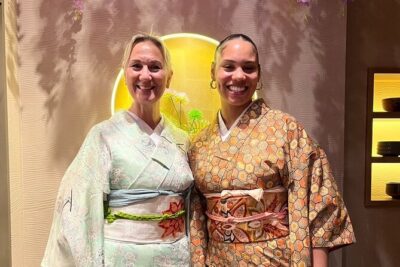 ★ 4.9Tea Ceremony, Calligraphy, and Kimono ExperienceFrom $96130 reviews
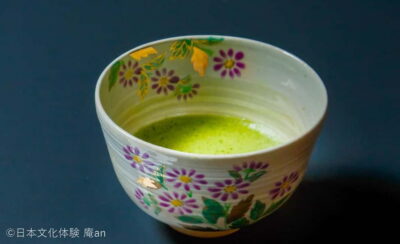 ★ 4.7Japanese Traditional Sweets Making and Tea CeremonyFrom $18118 reviews
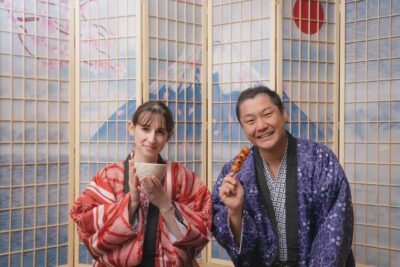 ★ 4.9Osaka Temple Cool Foot Bath & Matcha Experience〈45min〉From $3482 reviews
 ★ 5.0Samurai Show, Tea Ceremony, Japanese Traditional ActivitiesFrom $4456 reviews
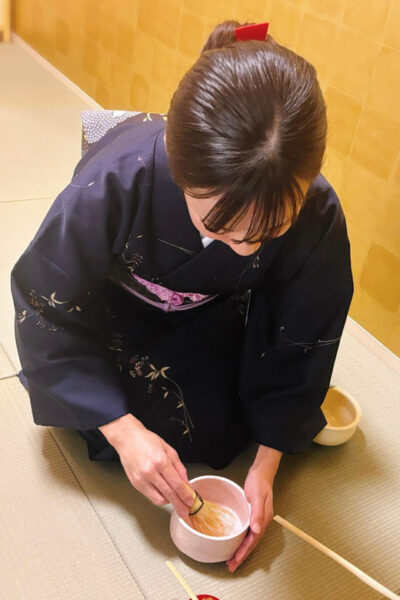 ★ 5.0Private Tea Ceremony and Calligraphy ExperienceFrom $6450 reviews
Browse the lists this tour appears in