
Reviewed · NARA DAY TRIPS FROM OSAKA
Nara Day Trip from Osaka with a Licensed Guide
Nara turns into a whole different world fast. This day trip from Osaka gives you an orderly route through an ancient capital, guided by a National Licensed English interpreter, with hotel pickup to cut out the hassle. I like that the plan is tight enough to cover the big spiritual hits without feeling like you’re sprinting blindly through a foreign city.
Second, I love the practical structure: you get time in Nara Park with the famous free-roaming deer, then you move on to Todai-ji and Kasuga Taisha with paid entries handled for key stops. One thing to keep in mind is that it is a long day (about 8 hours) with walking and sunshine—plus lunch is not included, so you’ll want to plan for food.
In This Review
- Key Highlights at a Glance
- Nara From Osaka: A Calm, Ancient Capital in One Long Block
- Hotel Pickup and a National Licensed Guide: Less Guesswork, More Meaning
- The Osaka Station Train Ride: Where Your Day Starts to Flow
- Nara Park: Deer, Space, and a Quick Reality Check
- Todai-ji: Start With the Nandai Gate, Then See the Main Hall
- Nandai Gate (30 minutes)
- Todai-ji Main Temple (about 1 hour 30 minutes)
- Kasuga Grand Shrine: A Shinto Stop With Real Time to Breathe
- Isuien Garden: How Borrowed Scenery Changes the Way You Look
- The $319 Price Tag: What You’re Paying For (and Why It Can Be Fair)
- Private Tour for Just Your Group: A Good Fit for Families and Cautious Planners
- Who Should Book This Nara Day Trip (and Who Should Rethink It)
- Should You Book This Nara Day Trip?
- FAQ
- FAQ
- How long is the Nara day trip from Osaka?
- Do you offer hotel pickup in Osaka?
- Is the guide English-speaking and licensed?
- Are entrance fees included for the main sites?
- Is lunch included?
- Can the tour accommodate dietary restrictions?
- Is this a private tour?
- What happens if weather affects the itinerary?
Key Highlights at a Glance
- Hotel pickup and direct transit from Osaka so you can start the day relaxed
- Nara Park deer time with crackers you can buy on-site
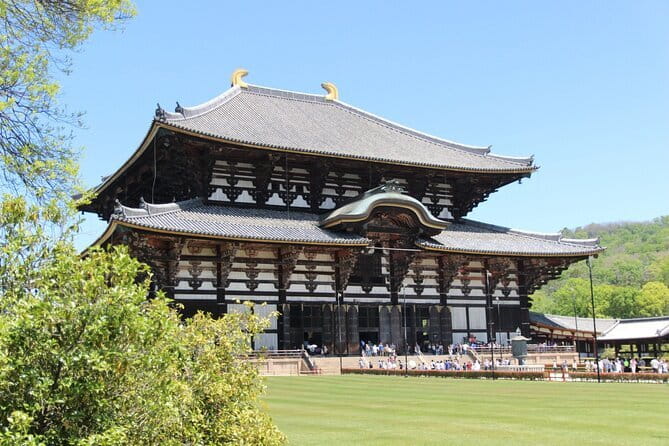
- Todai-ji’s massive gate and main hall in a logical sequence
- Kasuga Taisha shrine visit with a full block of time to slow down
- Isuien Garden with the shakkei borrowed scenery view idea (Mt. Wakakusa is part of the picture)
The deer will still bow: more Nara days


Nara From Osaka: A Calm, Ancient Capital in One Long Block
Nara is Japan’s older soul—different from the tech-forward rush of Tokyo and the trendier, trend-watching vibe of Kyoto. Even if you’ve only got one day, this trip helps you see why Nara earned its reputation as a place of temples, shrines, and everyday tradition.
The big advantage here is focus. You’re not bouncing around at random. Instead, you follow a route that makes sense: park first (deer and open space), then Todai-ji (Buddhist power and scale), then Kasuga Taisha (Shinto sacred atmosphere), and finally Isuien Garden (designed scenery). It’s a good mix for people who want variety without planning every turn.
Your day is built around a “meet, move, see” rhythm. After pickup in Osaka, you head out by public transportation. Once in Nara, you get guided timing at each site so you’re not stuck asking where to go next. That matters more than it sounds on a hot day—one of the themes in the feedback is that the guides kept things organized when conditions were challenging.
Hotel Pickup and a National Licensed Guide: Less Guesswork, More Meaning
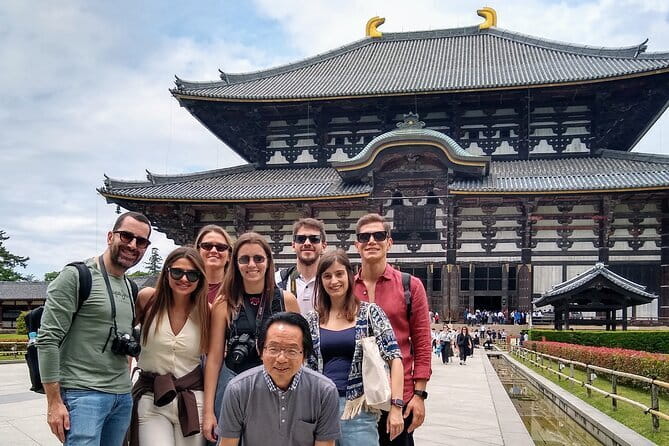
If you want value from a day trip, look at what you don’t have to figure out yourself. Here, you start with hotel pickup and a National Licensed English-speaking guide interpreter, plus public transportation costs covered.
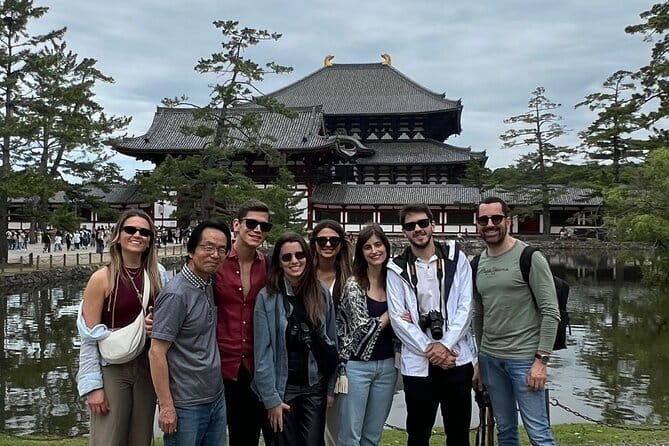
That guide role is a big deal. Nara’s most famous places can feel overwhelming because they’re layered: gate size, hall history, shrine practice, garden design. A good guide turns those objects into a story you can actually follow. In the reviews, guides Aki and Mark stand out for being kind, patient, and adding insights that made the stops more than photo opportunities. When you can ask questions and get clear explanations, the day feels lighter and more satisfying.
You should also expect flexibility. The itinerary may change due to weather or other reasons, and that can be the difference between a pleasant day and a miserable one when conditions shift. The goal is to keep you moving with purpose, not to stick rigidly to a plan that stops making sense.
The Osaka Station Train Ride: Where Your Day Starts to Flow
The schedule includes a travel block that begins at Osaka Station after you meet your guide at your hotel. This is where the day becomes convenient. Instead of you navigating trains on your own—figuring out directions, transfers, and timing—you get a guided handoff into the route.
You’re also getting an all-day structure that’s easier to manage. The trip is about 8 hours total, so the transit time matters. A guided departure helps you avoid the most common day-trip problem: arriving late and then rushing through the main sights.
One more practical note: this is listed as moderate physical fitness. That’s a polite way of saying you should be ready for a full day outdoors and inside at temples and shrines. The sites are walkable, but the time adds up. If you’re traveling with kids or anyone with limited stamina, it helps that the guide controls pacing and timing at each stop.

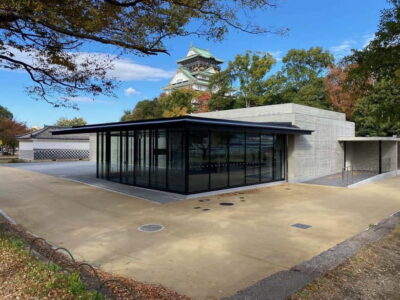


Nara Park: Deer, Space, and a Quick Reality Check
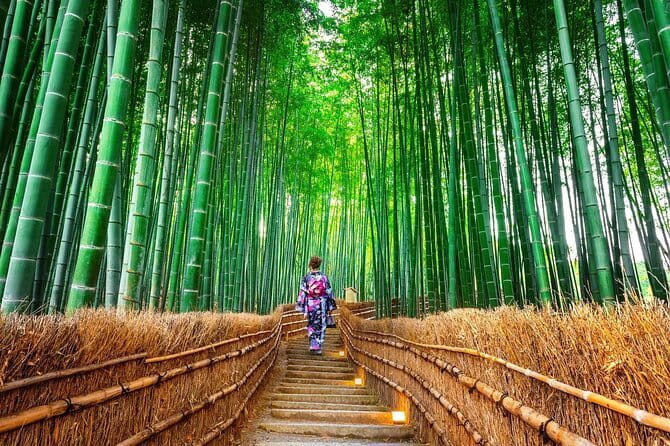
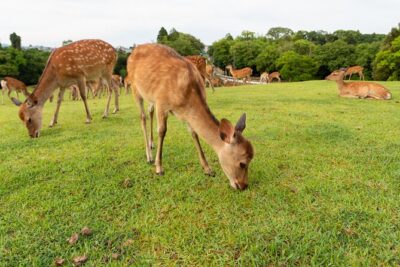
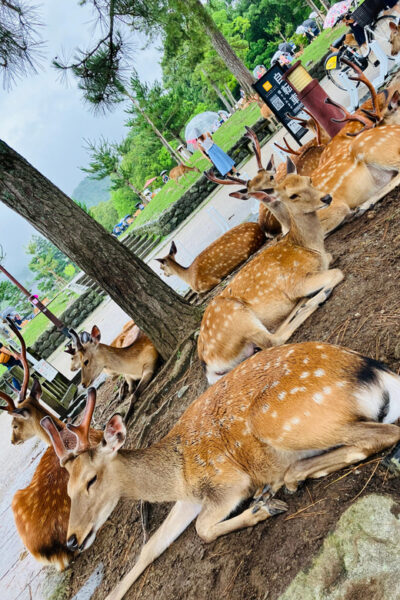
The tour’s first big stop in Nara is Nara Park, set in a sprawling area of about 660 hectares. This is the part that makes Nara feel instantly different: the deer roam freely, and the vibe is more traditional and open than the more built-up feel of many major tourist districts.
You’ll spend about 1 hour here, and that’s enough time to do the highlights without turning it into a long slog. You can buy special crackers and feed the deer, which is obviously a signature moment for many people. It’s also one of those experiences where guide guidance helps. When you understand what’s going on around you, it’s less chaotic and more fun.
Here’s the reality check: if it’s a very hot day, this stop can be tiring. One review notes that even on an intensely hot day, the deer and gardens still made Nara a top priority—and the guide’s care and knowledge helped keep the experience enjoyable. So plan for heat. Bring water habits you’re comfortable with, and use shady moments when you can. The deer are a draw, but your comfort still matters.
Todai-ji: Start With the Nandai Gate, Then See the Main Hall
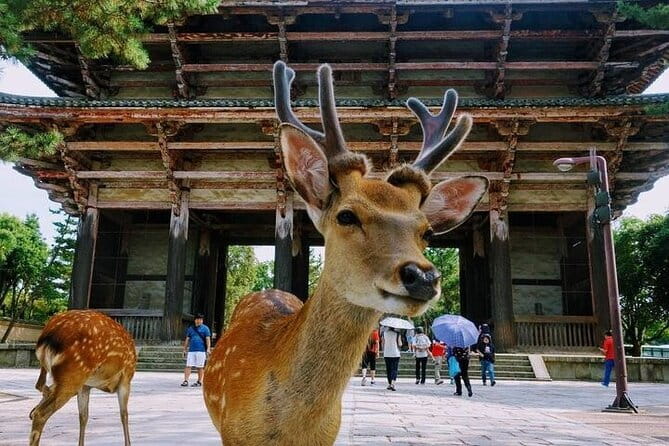
Todai-ji is the big-name reason many people pick Nara, and this tour gives it a logical sequence rather than treating it like one blur.
Nandai Gate (30 minutes)
First you’ll visit the Nandai Gate, a structure about 25 meters high. The size alone makes this the kind of stop that reads differently in person than in pictures. The gate also has guardian kings positioned in dark alcoves on both sides, which is the sort of detail that can get skipped when you’re self-guiding. With a guide, you’re more likely to notice the important stuff fast, and then move on before your attention drifts.
Todai-ji Main Temple (about 1 hour 30 minutes)
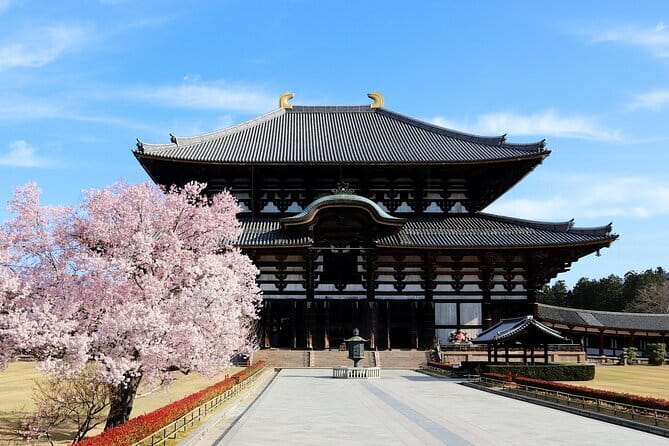
Next comes the main temple experience. Todai-ji traces back to 752, built as the head temple for Buddhist temples in Japan. That statement of importance can sound abstract until you see the scale of what remains and how the site works as a whole.
You get about 1 hour 30 minutes here, which is enough time to take in the hall and still have breathing room. If you’re the type who likes to wander for a few minutes inside, this time slot should feel comfortable. If you’re the type who likes deep explanations, the guide is there to connect what you’re seeing to why it mattered.
This is also a good example of value: key admission is included, so you’re not mentally tracking ticket costs while trying to enjoy the site.
Kasuga Grand Shrine: A Shinto Stop With Real Time to Breathe
After the scale of Todai-ji, the tour shifts into the sacred stillness of Kasuga Grand Shrine. You’ll spend about 2 hours, which is generous compared to many rushed shrine stops.
Kasuga Taisha is described as one of Japan’s most sacred shrines, with numerous gods enshrined. That matters because shrine etiquette and the meaning of what you’re seeing can take a little time to absorb. With a longer block of time, you can step back, notice details, and avoid the feeling of constantly being pulled along.
This is the stop where the tour’s “different from Kyoto or Tokyo” identity really shows. It’s not just architecture—it’s a lived religious setting where locals and tourists both show up for the atmosphere.
If you’re sensitive to crowd pressure, this 2-hour format can help. You don’t have to rush through. You can watch how the space works, pause when you need a break, and come back to the shrine areas when it feels calmer.
Isuien Garden: How Borrowed Scenery Changes the Way You Look
The last main sight is Isuien Garden, with about 30 minutes on the schedule. Even in half an hour, you can feel how Japanese garden design guides your eye. This garden is known for shakkei, or borrowed scenery, where the surrounding landscape—specifically Mt. Wakakusa—is incorporated into the composition.
That might sound like a design term you’d hear and forget. But in practice, it’s a way of training your attention. Instead of only looking at what’s planted and built, you start paying attention to what’s beyond the garden edges. That changes the whole experience, and it’s one of the reasons gardens are worth including even on a day trip.
Because it’s only 30 minutes here, I suggest you treat it like a “watch and rest” moment rather than a checklist stop. Stand where the garden view aligns with the background, and let the idea of borrowed scenery land. If you’re traveling with anyone who loves photos, this is also one of the easiest places to get nice shots without feeling like you’re fighting crowds.
The $319 Price Tag: What You’re Paying For (and Why It Can Be Fair)
At $319 per person for a day that runs about 8 hours, the price is not cheap. The question is: what do you actually get for that money?
Here’s what’s included:
- National Licensed English-speaking guide interpreter
- Hotel pickup
- Public transportation fees
- Admission fees for key stops
That combo matters. A guided day trip without admissions bundled can quietly turn expensive once tickets and transit stack up. Here, the admissions are covered for the major sights on the itinerary, which reduces friction. You can focus on the day instead of counting yen, checking ticket booths, and trying to figure out which entry you need for which hall.
The cost also buys you time management. When you only have one day, a guided route can be worth it because it prevents wasted hours. Your schedule is already planned, and the guide helps keep you on track.
What’s not included:
- Lunch (listed as an estimate of about $10 to $20 per person)
- Personal expenses
That means the one predictable hit to your budget is food. If you’re used to traveling at your own pace, you’ll want to build in a little buffer for lunch and snacks.
Private Tour for Just Your Group: A Good Fit for Families and Cautious Planners
This is labeled as a private tour/activity, meaning only your group participates. That can be great if you’re traveling with kids, older relatives, or friends who don’t want to be swept into a large group rhythm.
The reviews reflect a warm tone from the guides, with comments about being friendly, organized, and patient. When you’re not sharing the day with strangers, a guide can often tailor pacing better, especially if the group has mixed ages or different comfort levels.
Also, the tour can accommodate dietary restrictions, including vegetarian, vegan, and gluten-free, if you indicate requirements at booking. That doesn’t automatically mean lunch is provided, but it does mean your needs can be taken seriously when planning food options.
Who Should Book This Nara Day Trip (and Who Should Rethink It)
This tour fits best if you want:
- A structured day with major Nara sights in one route
- A guide to explain what you’re seeing, not just point you to it
- Convenient logistics from Osaka, including pickup and transit planning
- A mix of outdoor and indoor stops without needing to do research in advance
You might rethink it if:
- You’re very price-sensitive and want to DIY everything (because this includes guidance, transport, and admissions)
- You dislike long day walking, especially on hot days
- You prefer very slow, open-ended exploration rather than a set sequence of temples, shrine, and garden
One more practical consideration: the itinerary can change due to weather. That’s not a negative by itself—sometimes it’s the best option—but it means you should keep a flexible mindset.
Should You Book This Nara Day Trip?
I’d book this if you’re traveling from Osaka and you want Nara to feel easy and meaningful. The combination of licensed guide interpretation, hotel pickup, and admissions handled for key stops is the real value driver. It’s the kind of day trip where you’re less focused on logistics and more focused on seeing Todai-ji, feeling the shrine atmosphere at Kasuga, and having that classic deer moment at Nara Park.
If you do book, do yourself a favor: treat it like a full day in the sun. Plan your lunch ahead, wear shoes you can walk in for hours, and expect that the day will be active even though the itinerary is well paced.
FAQ
FAQ
How long is the Nara day trip from Osaka?
The tour duration is listed as about 8 hours.
Do you offer hotel pickup in Osaka?
Yes, hotel pickup is included.
Is the guide English-speaking and licensed?
Yes. The tour includes a National Licensed English-speaking guide interpreter.
Are entrance fees included for the main sites?
Admission fees are included, covering the listed stops that include admission in the itinerary.
Is lunch included?
No. Lunch is not included, and it’s estimated at about $10 to $20 per person.
Can the tour accommodate dietary restrictions?
Yes. Dietary restrictions such as vegetarian, vegan, and gluten-free can be accommodated if you note them at booking.
Is this a private tour?
Yes. It’s private, and only your group will participate.
What happens if weather affects the itinerary?
The itinerary might change due to weather conditions or other reasons.
More Tour Reviews in Osaka
- Osaka Go Karting Tour with Funny Costume★ 5.0 · 2,658 reviews
- Osaka Castle: Museum and Tower Entry Ticket★ 4.5 · 2,380 reviews
- Osaka: Shinsekai Food Tour with 13-15 Dishes at 5 Eateries★ 4.8 · 2,204 reviews
- Osaka Food Tour: 13 Dishes at 5 Local Eateries★ 5.0 · 2,149 reviews
- Hungry Osaka Street Food Tour:15 Tastings & 3 Drinks with a Local★ 5.0 · 1,727 reviews
A Day Among the Nara Deer
- Ancient Capital Tour: Kyoto and Nara Highlights from Kyoto/Osaka★ 4.5 · 332 reviews
- Kyoto and Nara Day Trip from Osaka★ 4.0 · 175 reviews
- Full Day Guided Tour to Kyoto and Nara from Osaka by Van★ 5.0 · 144 reviews
- Discover Himeji, Kobe and Nara from Osaka★ 5.0 · 101 reviews
- Kyoto & Nara Private customized tour with English speaking Guide★ 4.5 · 99 reviews
The Newest Osaka Write-Ups
- Private Photoshoot in Osaka with a Professional Photographer
★ 5.0 · 3 reviews - Osaka Early Morning Osaka Castle Tour Avoid Crowds
★ 5.0 · 3 reviews - Nara Private Tour with Pick and Drop and English Speaking Driver
★ 3.5 · 3 reviews - Osaka: Modern Vegetarian Sushi Cooking Class
★ 5.0 · 3 reviews - Nara Day Trip from Osaka with a Licensed Guide
★ 5.0 · 3 reviews
Nara Day Trips from Osaka, compared.
 ★ 4.5Ancient Capital Tour: Kyoto and Nara Highlights from Kyoto/OsakaFrom $90332 reviews
 ★ 4.0Kyoto and Nara Day Trip from OsakaFrom $198175 reviews
 ★ 5.0Full Day Guided Tour to Kyoto and Nara from Osaka by VanFrom $96144 reviews
 ★ 5.0Discover Himeji, Kobe and Nara from OsakaFrom $91101 reviews
 ★ 4.5Kyoto & Nara Private customized tour with English speaking GuideFrom $54999 reviews
 ★ 4.7OSAKA-KYOTO-NARA Highlight Customized Trip With Hotel PickupFrom $57850 reviews
 ★ 4.5Kyoto and Nara UNESCO Highlights Full-day Tour From OsakaFrom $6250 reviews
 ★ 5.0From Osaka: Nara Private Tour with Meet-Up at Your HotelFrom $14049 reviews
Browse the lists this tour appears in