
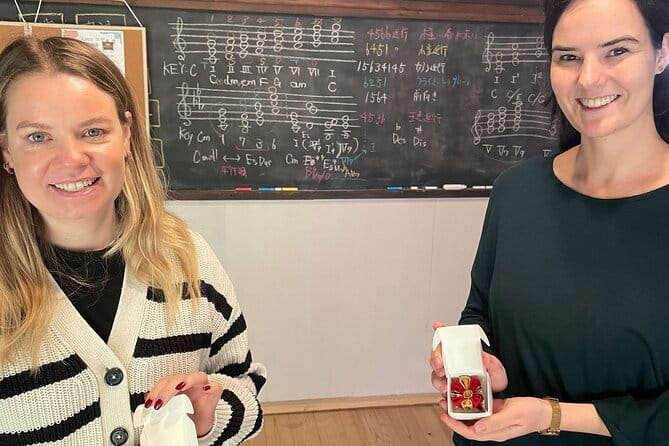
Reviewed · OSAKA CRAFT & CULTURE WORKSHOPS
Tsumami Zaiku (Kanzashi) making Workshop in Abeno Osaka
Crafting Kanzashi is one of those Japan moments that feels both calm and satisfying. This Tsumami Zaiku (Kanzashi) workshop takes place in a 100-year-old traditional Japanese house in Abeno, Osaka, and it’s built for beginners with clear step-by-step help. I especially like how the session is structured so you spend time making, not guessing.
I also like that you get to choose between two styles—traditional and sakura (cherry blossom)—so you can match the challenge to your mood. There’s a glue-drying break with matcha and Japanese sweets, which keeps the pace comfortable and turns the workshop into something you’d actually want to repeat.
One thing to think about: the house has a steep staircase, so if mobility is a concern, plan accordingly.
In This Review
- Key things to know before you go
- Tsumami Zaiku in an Abeno Osaka House Built for Hands-On Craft
- Quick practical heads-up
- Traditional vs Sakura Kanzashi: Choose Your Challenge Level
- Which option fits you?
- What Happens at the Table: Patterns, Precise Petals, and a Planned Glue Pause
- The break that keeps things comfortable
- Instructor energy matters
- Your Finished Kanzashi: Boxed Take-Home Craft With Real Gift Potential
- Want to buy extras?
- Price and Value: Does $35.83 Make Sense for 90 Minutes?
- When the price feels especially worth it
- Practical Tips for a Smooth Day in Abeno
- Should You Book This Tsumami Zaiku Workshop in Osaka?
- FAQ
- What is the duration of the Tsumami Zaiku (Kanzashi) making workshop?
- How much does the workshop cost?
- Is pickup available, and do I need a mobile ticket?
- What are the two kanzashi options I can choose from?
- What should I know about materials during the workshop?
- Is the workshop suitable for children or people with mobility difficulties?
Key things to know before you go
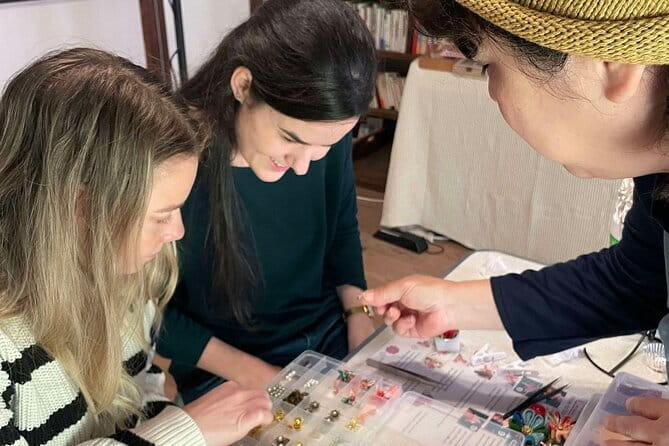
- Up to 6 people means you get real guidance instead of rushing through craft steps.
- Two kanzashi options: traditional (easier) or sakura (more difficult and time-consuming).
- Materials are mostly ready: cloth, pin sets, and accessories are provided, while the petal work is the part you do.
- A matcha snack break happens while glue dries, so you’re not stuck waiting.
- Take-home packaging included: your finished kanzashi comes in a box, ready to keep or gift.
- Made in a 100-year-old house gives the workshop a real, lived-in Japanese atmosphere.
Make the souvenir yourself at more workshops

Tsumami Zaiku in an Abeno Osaka House Built for Hands-On Craft
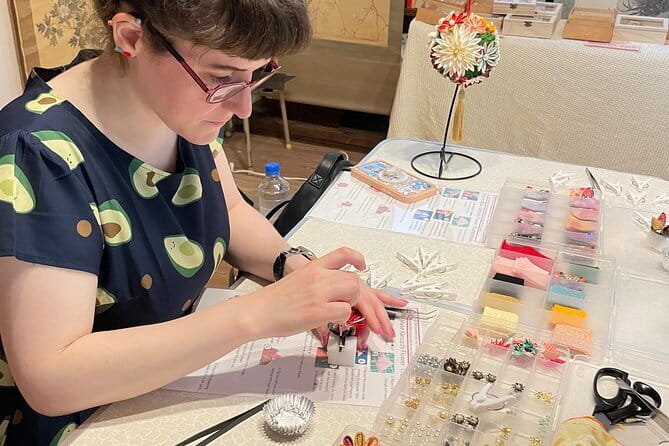
The workshop happens in Abeno at Nishitanabe Station (the start point), inside a 100-year-old traditional Japanese house. The interior is described as mixed eastern style, which matters because it changes how the class feels: it’s not a classroom vibe. It feels like you’ve stepped into a real home where craft work belongs.
The group size is capped at 6 travelers, so you’re not trying to squeeze yourself around a crowded table. That small size is one of the biggest quality signals here. When you’re learning a craft that depends on small, careful steps, space and attention make a difference.
You’ll also see there’s pickup offered and a mobile ticket. Even if you don’t use the pickup, the location is near public transportation, so you can keep your day flexible around your Osaka plans.
Quick practical heads-up
The workshop space includes a steep staircase, so wear shoes that are easy to walk in and move carefully. If you’re bringing anyone with mobility limitations, this is the part to plan for first—not last.
Traditional vs Sakura Kanzashi: Choose Your Challenge Level
Early in the session, you’ll get a brief talk about Tsumami-zaiku (the craft of making kanzashi by pinching and shaping small pieces of fabric). Then you choose your style:
- Traditional kanzashi: described as easier.
- Sakura (cherry blossom) kanzashi: described as more difficult and may take more time.
This choice is valuable because it makes the workshop feel fair. If you’re a first-timer, “traditional” lets you get momentum fast and finish with confidence. If you want a more satisfying challenge (and you’re okay taking a bit longer on details), “sakura” is the better match.
Also, the sakura option isn’t framed as hard for the sake of hard. The instructor guides you step by step, so the difficulty is more about finer work and time than about needing special skills.
Put this one next to a few other Osaka options first:


Which option fits you?
If you want a calm win, I’d pick traditional. If you want to feel your progress as you build a blossom look, pick sakura. Either way, the workshop is designed so you shouldn’t worry about making mistakes.
What Happens at the Table: Patterns, Precise Petals, and a Planned Glue Pause
After you choose your style, the workshop moves into design and construction.
You’ll be shown a variety of patterned cloths and accessories used to make your own kanzashi. The good news: most of the prep work is handled already. The materials are provided with items pre-cut and pre-made, except for the kanzashi petals. That means you still get the satisfying “I made this” part, without spending the entire time measuring and cutting.
Then you learn the step-by-step method. The instructor guides you through the process, and you’re encouraged to ask questions. I like that this isn’t a “quiet crafting” class where you’re expected to figure it out alone. In fact, the experience is noted for friendly, professional instruction and even conversation.
A key part of the flow is timing: when you use glue to put the pieces together, it takes time to dry. During that waiting period, you don’t just sit there staring at your work.
The break that keeps things comfortable
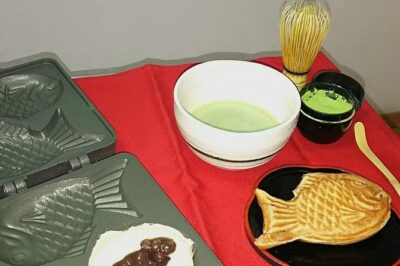
There’s a break time with matcha and Japanese sweets while the glue sets. This is smart for two reasons:
- Your hands get a reset, so you can come back to finishing with steadier focus.
- You get a small “Japan interlude” instead of dead time.
After the break, you’ll continue finishing your kanzashi, and you’ll have a chance to look at handmade kanzashi made by the instructor that are available for purchase. Seeing other finished pieces before you leave helps you understand what the technique is really for—hair ornaments that are meant to be appreciated up close.
Instructor energy matters
The workshop is associated with instructors including Misa-sensei, along with Jun and Ami, and the overall tone from the experience is that they’re friendly, accommodating, and professional. That kind of teaching style is exactly what you want when the craft requires patience.
Your Finished Kanzashi: Boxed Take-Home Craft With Real Gift Potential
At the end, your finished kanzashi is handed to you wrapped and ready to take home. You also get it in a box, which is more important than it sounds.
A boxed finish solves the two typical problems with DIY crafts:
- You can transport it without crushing delicate pieces.
- It’s instantly giftable or display-ready when you get back to your accommodation.
You’ll leave knowing you built a traditional-looking hair accessory from fabric petals—one of those skills that turns into a story you can tell later. And because you can browse instructor-made kanzashi during the session, you get a reality check on what “finished” looks like, which helps your own confidence.
Want to buy extras?
The instructor’s handmade items are available for purchase during the workshop. If you fall in love with the style you made (or want a backup for a friend), this is your moment. It’s also a nice way to support the craft without having to start a whole second workshop.
Price and Value: Does $35.83 Make Sense for 90 Minutes?
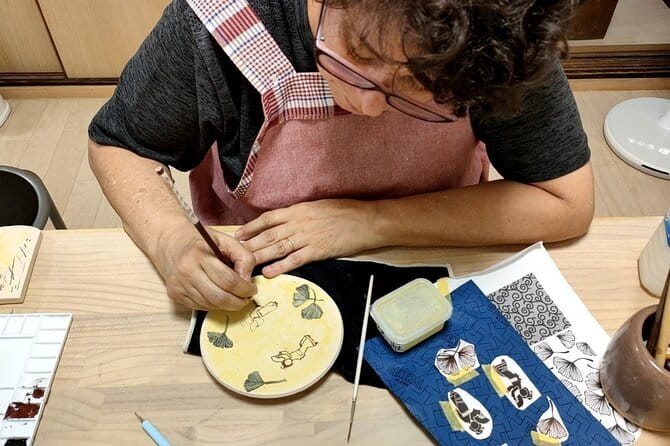
The price is listed at $35.83 per person, and the workshop runs about 1 hour 30 minutes. The value here comes from what’s included and how the time is structured.
What you get included:
- Matcha and Japanese sweets
- The craft setup: cloths, pin sets, accessories, plus a container/box for take-home
- Step-by-step instruction, with materials already pre-cut and pre-made (except for petals)
For this kind of craft, the “hidden cost” is often materials and the time commitment. This workshop handles the prep and provides the structure, so you’re paying for a guided, built-for-humans learning experience.
Also, the maximum of 6 travelers matters. In a bigger class, an instructor can’t troubleshoot as effectively. Here, you’re more likely to get corrections when you need them—especially for glue timing and piece placement.
When the price feels especially worth it
If you’re someone who likes making things but hates complicated prep, you’ll feel the value fast. If you’re buying a finished kanzashi in shops, you’ll also know how quickly handmade details add up. This workshop gives you both: you make something yourself, and you can compare it to instructor pieces.
Practical Tips for a Smooth Day in Abeno
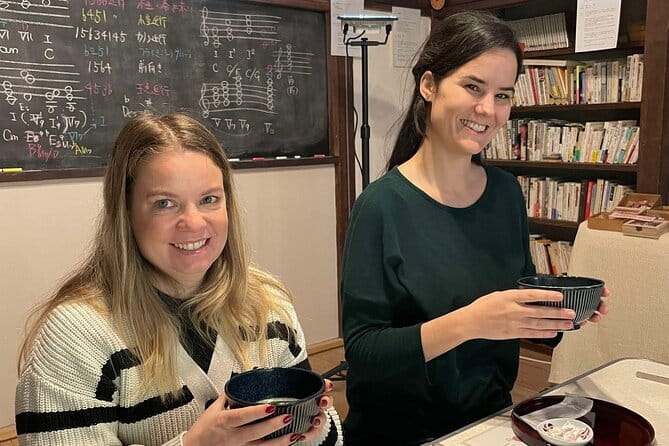
Here’s how to make the experience easier and less stressful.
- Arrive a bit early at Nishitanabe Station. You’ll want time to find the start location calmly.
- Plan for the steep staircase. If you’re unsure, bring a travel partner who can help you move more carefully.
- If you’re visiting with kids: children are allowed from age 8 and above, but you’re responsible for supervising them during the workshop.
- If you’re sick (flu, COVID, etc.), this activity isn’t recommended. It’s better to keep the class safe and focused.
- Bring a little patience for glue drying time. The workshop is designed around it, but it’s still part of the process.
You’ll also likely get confirmation at booking, and the activity uses a mobile ticket. If the day looks weather-unfriendly, note that the experience is described as requiring good weather and may be rescheduled or refunded if canceled due to poor conditions.
Should You Book This Tsumami Zaiku Workshop in Osaka?
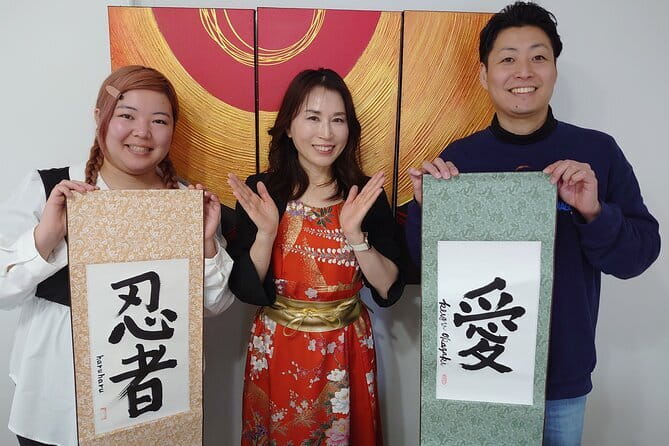
I think you should book if you want a hands-on Osaka activity that doesn’t feel like a rushed checklist. This is especially good for:
- First-time craft learners who want instruction that doesn’t treat mistakes like failures
- People who like a clear step-by-step structure and a final result you can take home
- Anyone who wants a sakura (cherry blossom) look but prefers guidance over trial-and-error
- Travelers who value small-group attention (the class caps at 6)
I’d hesitate only if you have mobility challenges due to the steep staircase, or if you’re looking for something more visual and less hands-on. This workshop is hands and fabric first, sightseeing second.
If you’re deciding between “watching” and “making,” this one is firmly in the making category—and it’s built to keep you comfortable the whole way.
FAQ

What is the duration of the Tsumami Zaiku (Kanzashi) making workshop?
The workshop runs about 1 hour 30 minutes (approx.).
How much does the workshop cost?
It costs $35.83 per person.
Is pickup available, and do I need a mobile ticket?
Pickup is offered, and the activity uses a mobile ticket.
What are the two kanzashi options I can choose from?
You’ll choose between a traditional kanzashi option and a sakura (cherry blossom) option.
What should I know about materials during the workshop?
The workshop provides materials such as cloths, pin sets, and accessories. The cloth and other parts are pre-cut and pre-made, while the kanzashi petals are the part you make yourself.
Is the workshop suitable for children or people with mobility difficulties?
Children age 8 and above can participate, but parents/guardians are responsible for their care during the workshop. The house has a steep staircase, so people with mobility difficulties should take that into consideration.
Take Home Something You Made
- Sushi Making Osaka Roll and Authentic Japanese Sushi Class★ 5.0 · 1,220 reviews
- Matcha Making Class in Osaka with Authentic Japanese Sweets Set★ 5.0 · 509 reviews
- Osaka: Ramen and Gyoza Cooking Class in Dotonbori★ 5.0 · 378 reviews
- Osaka Cooking Class: Okonomiyaki &Japanese cuisines experience★ 5.0 · 261 reviews
- Osaka: Roll and Authentic Sushi Making Class in Dotonbori★ 4.9 · 239 reviews
More Tour Reviews in Osaka
- Osaka Go Karting Tour with Funny Costume★ 5.0 · 2,658 reviews
- Osaka Castle: Museum and Tower Entry Ticket★ 4.5 · 2,380 reviews
- Osaka: Shinsekai Food Tour with 13-15 Dishes at 5 Eateries★ 4.8 · 2,204 reviews
- Osaka Food Tour: 13 Dishes at 5 Local Eateries★ 5.0 · 2,149 reviews
- Hungry Osaka Street Food Tour:15 Tastings & 3 Drinks with a Local★ 5.0 · 1,727 reviews
Made in Osaka, by You
- Osaka: Tea Ceremony, Calligraphy, and Kimono Experience★ 4.9 · 130 reviews
- 1.5〜2 Hours Traditional Kintsugi Work Shop in Namba Osaka★ 5.0 · 75 reviews
- Osaka: Private Japanese Calligraphy Experience★ 5.0 · 66 reviews
- From Osaka: Sakai Knife Maker or Blacksmith Walking Tour★ 4.9 · 64 reviews
- Osaka: Traditional Japanese Ceramics Private Experience★ 5.0 · 57 reviews
The Newest Osaka Write-Ups
- Private Photoshoot in Osaka with a Professional Photographer
★ 5.0 · 3 reviews - Osaka Early Morning Osaka Castle Tour Avoid Crowds
★ 5.0 · 3 reviews - Nara Private Tour with Pick and Drop and English Speaking Driver
★ 3.5 · 3 reviews - Osaka: Modern Vegetarian Sushi Cooking Class
★ 5.0 · 3 reviews - Nara Day Trip from Osaka with a Licensed Guide
★ 5.0 · 3 reviews
Osaka Craft & Culture Workshops, compared.
 ★ 4.9Tea Ceremony, Calligraphy, and Kimono ExperienceFrom $96130 reviews
 ★ 5.01.5〜2 Hours Traditional Kintsugi Work Shop in Namba OsakaFrom $12575 reviews
 ★ 5.0Private Japanese Calligraphy ExperienceFrom $5166 reviews
 ★ 4.9From Osaka: Sakai Knife Maker or Blacksmith Walking TourFrom $6464 reviews
 ★ 5.0Calligraphy Workshop in Namba, DotonboriFrom $4957 reviews
 ★ 5.0Traditional Japanese Ceramics Private ExperienceFrom $9657 reviews
 ★ 4.5Learning Zen of Japanese Calligraphy in kimono near Osaka CastleFrom $4353 reviews
 ★ 5.0Private Tea Ceremony and Calligraphy ExperienceFrom $6450 reviews
Browse the lists this tour appears in