
Reviewed · DOTONBORI & NAMBA TOURS
Osaka: Ramen and Gyoza Cooking Class in Dotonbori
Ramen turns from street food to your recipe. In Osaka, this cooking class lets you go hands-on with ramen noodles and gyoza, using fresh ingredients and learning the logic behind the flavors. It’s a fun, teach-by-doing way to understand why ramen and gyoza are often ordered as a set.
I especially love the step-by-step noodle work: you’ll knead wheat, rest the dough, and use a noodle machine to cut ramen like you mean it. I also like the way the guides keep things on track without rushing, including support if you fall behind.
One thing to consider: there’s no hotel pickup, and the meeting place can be a little tricky to find inside the building. Once you know where to press for entry, though, it’s smooth.
In This Review
- Key things I’d focus on before you go
- Getting Oriented at Cooking Sun Osaka (Room 807 in the Building)
- What You Actually Make: Soy Sauce Ramen and Chicken Gyoza
- From Kneading to Cutting: How the Ramen Noodle Process Works
- Building the Broth: Chicken Bones and Dried Sardines, Then Soy Sauce
- Gyoza Time: Minced Chicken Filling and Dumpling Assembly
- The Meal Moment: Eat Your Own Ramen and Gyoza
- How Long It Takes and Why the Pace Feels Right
- English-Friendly Guidance, Plus Real Photos and Recipe Cards
- Dietary Changes: Plant-Based Options and Fish-Broth Substitutions
- Price and Value: Is $70 Worth It?
- Who This Osaka Class Fits Best
- Should You Book This Ramen and Gyoza Class?
- FAQ
- What dishes do I make in the class?
- Where is the meeting point?
- Is pickup included from hotels?
- What language is the class taught in?
- How much does it cost?
- Are ingredients included?
- Can they adjust the meal for dietary needs?
- Do I get recipes to take home?
- How long is the class?
- What if I need to cancel?
Key things I’d focus on before you go
- Small-group feel (around 7–8 people) means real attention while you cook
- Real ramen noodle making: knead wheat, cut noodles with a machine, then cook from scratch
- Gyoza from minced chicken plus a dumpling-filling workflow you can repeat at home
- You choose your ramen style: soy sauce ramen is the base, with a miso option
- Dietary adjustments are possible (including plant-based and fish-broth substitutions when requested)
Back under the Glico sign: more Dotonbori runs


Getting Oriented at Cooking Sun Osaka (Room 807 in the Building)
You meet at Cooking Sun Osaka, room 807. When you arrive, press 807 and the 呼出 button at the entrance. Do that, and you’re in the right place.
No hotel pickup is included, so plan to get yourself there on your own. If you’re already spending time near Dotonbori, I’d schedule this earlier in your day so you’re not running on empty—or worse, arriving late and stressed. One review also warned that the building isn’t always the easiest to locate, so give yourself a few extra minutes and check your directions twice.
Once you’re inside, the setup is designed for cooking. The kitchen space is large enough that you don’t feel packed in, which matters because ramen dough and dumpling filling need a bit of elbow room. And because the class is intentionally small, the guides can keep an eye on each station and help as needed.
What You Actually Make: Soy Sauce Ramen and Chicken Gyoza
This class is built around two icons: ramen and gyoza. You’ll start from basic components, not shortcuts, so you understand how the pieces connect—dough to noodles, filling to dumplings, broth to bowl.
For ramen, the base style in class is a standard soy sauce ramen. The broth work starts from scratch using chicken bones and dried sardines, then you build toward the soy sauce direction. If you want variety, you can add toppings as you like, or switch the soup toward miso ramen by adding miso.
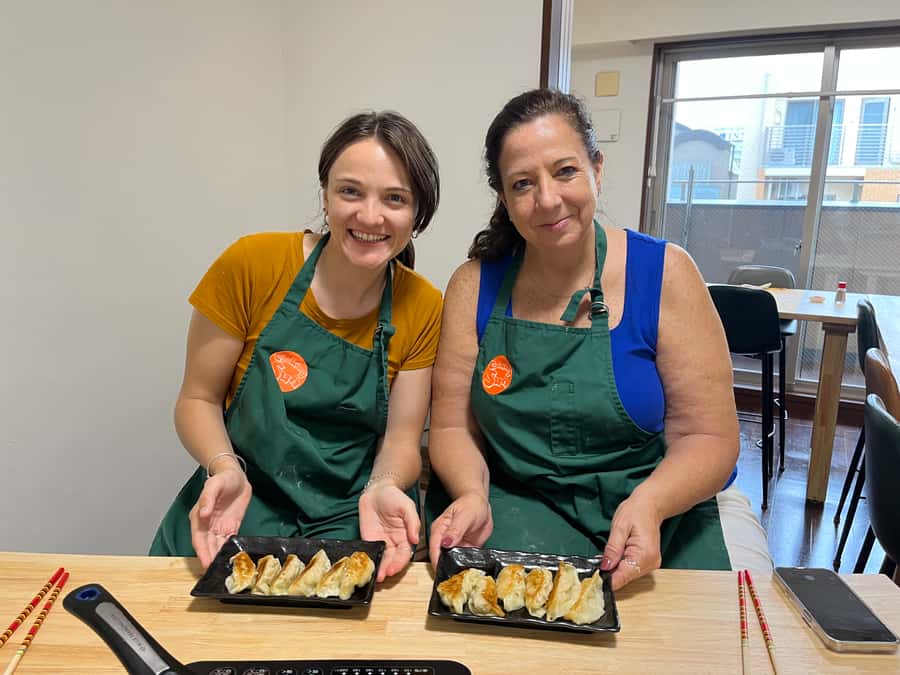
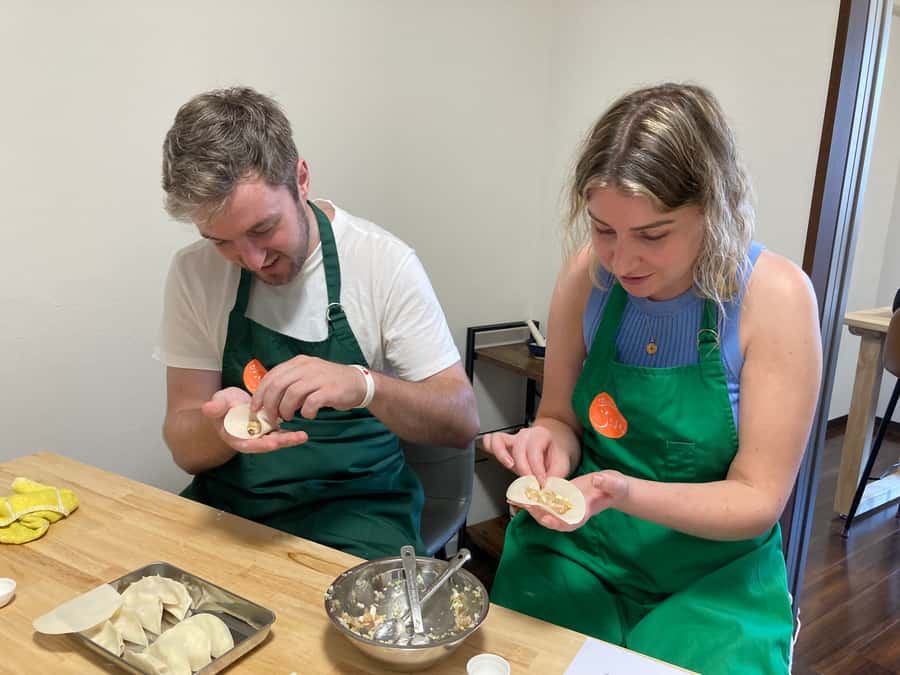
For gyoza, you’re making dumplings from the filling up. The class uses minced chicken for the dumpling filling, and you’ll learn how to assemble the dumplings yourself rather than just stuffing something pre-made. That difference is huge: you’ll feel the dough handling, and you’ll see how much filling is right.
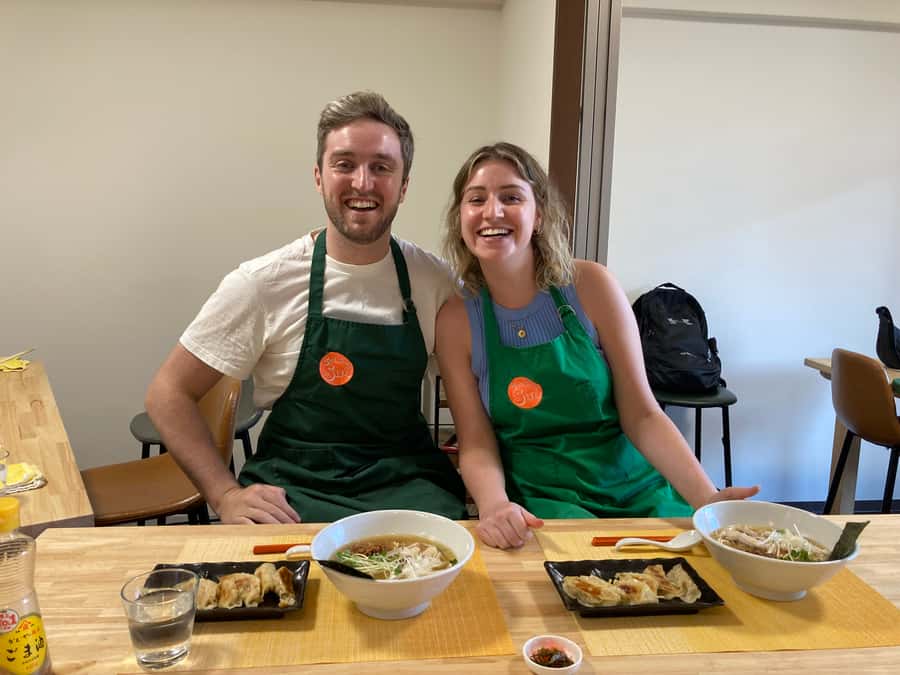
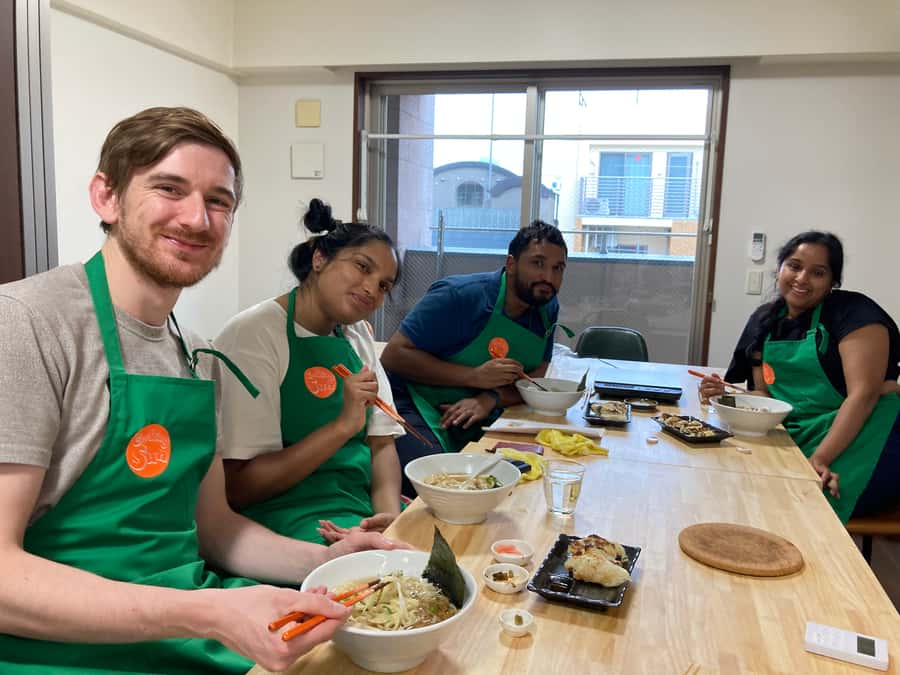
A real bonus here is that you’re not just cooking for a photo. When you finish, you sit down and eat what you made. Several people called out that the end result was better than expected, which makes sense—once you smell the broth and see your noodles, you can’t help but want that first sip and bite.
From Kneading to Cutting: How the Ramen Noodle Process Works
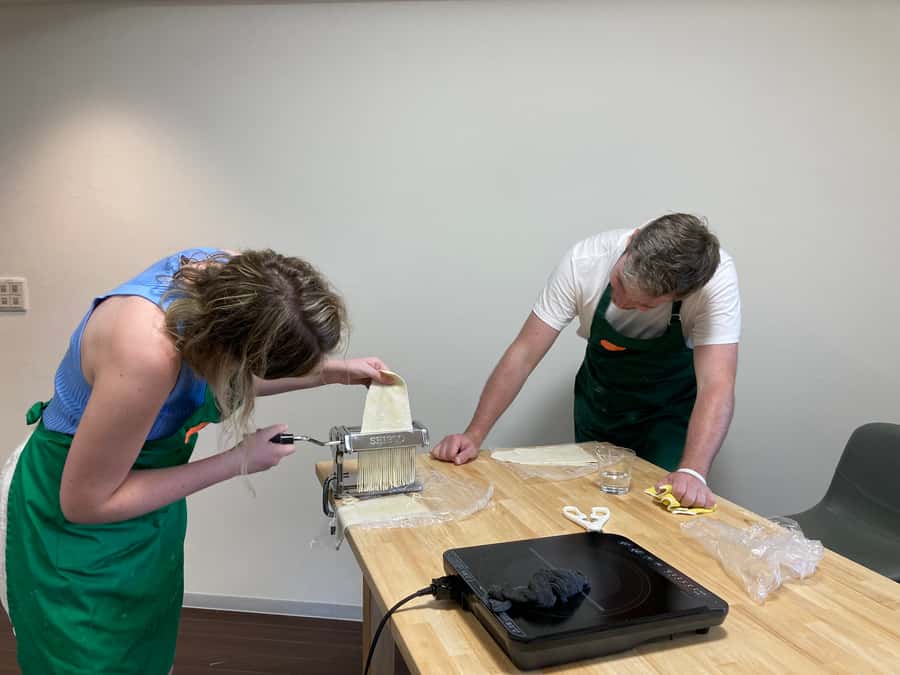
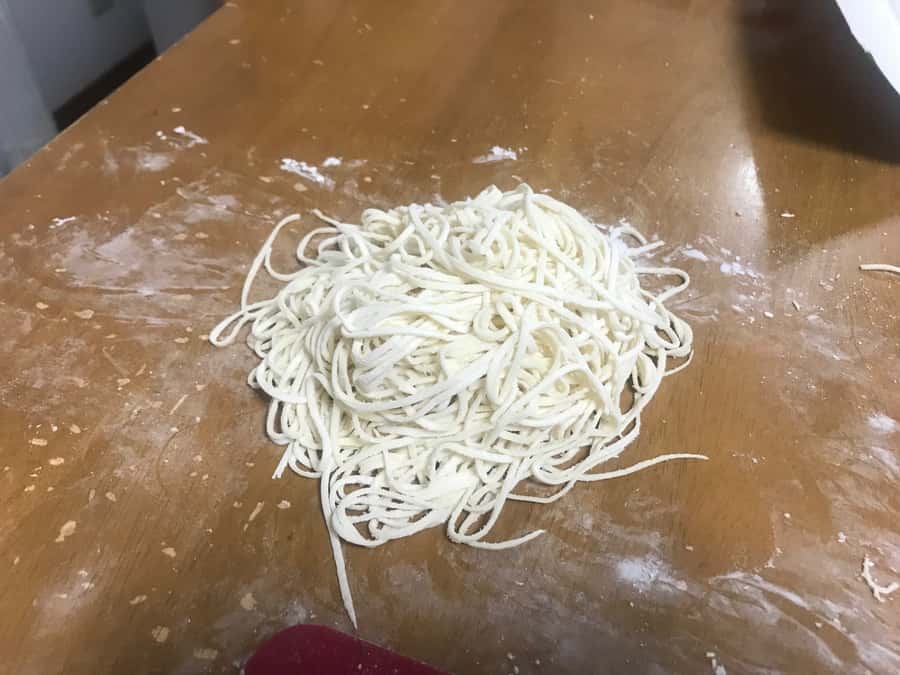
The ramen noodle part is the moment people light up. You’ll knead wheat to make the noodle dough, then work through the steps that turn dough into proper ramen strands.
Kneading sounds simple until you’re doing it. But in this class, the guides explain what you should look for as you work—how the dough changes, what the texture should feel like, and what “ready” means before you move on. That kind of guidance is why the class feels approachable even if you’ve never made noodles before.
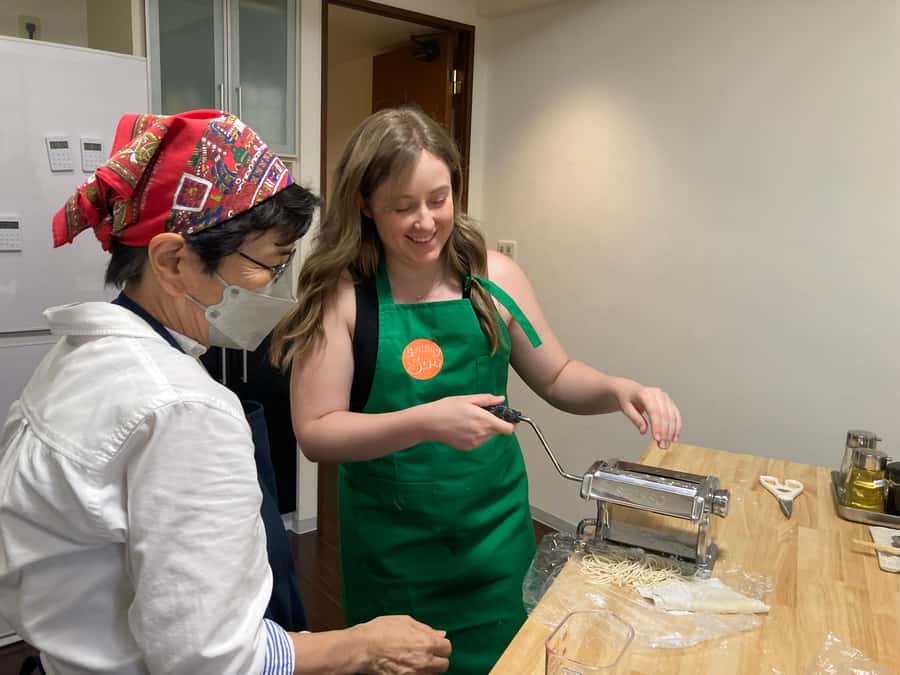
Then comes the machine. You’ll cut ramen noodles with a noodle machine, and the group generally gets good at it quickly. This is also where the small size matters: you’re not waiting for one station to free up, and the guide can correct your setup before you waste dough.
If you’re the type who worries you’ll fall behind, you’ll be fine. People noted that if someone gets behind, the instructors step in quickly and explain again so the class stays together. That keeps the pacing comfortable, rather than turning into a “watch-and-wait” experience.
Flour on your hands, more Osaka kitchens to try


Building the Broth: Chicken Bones and Dried Sardines, Then Soy Sauce
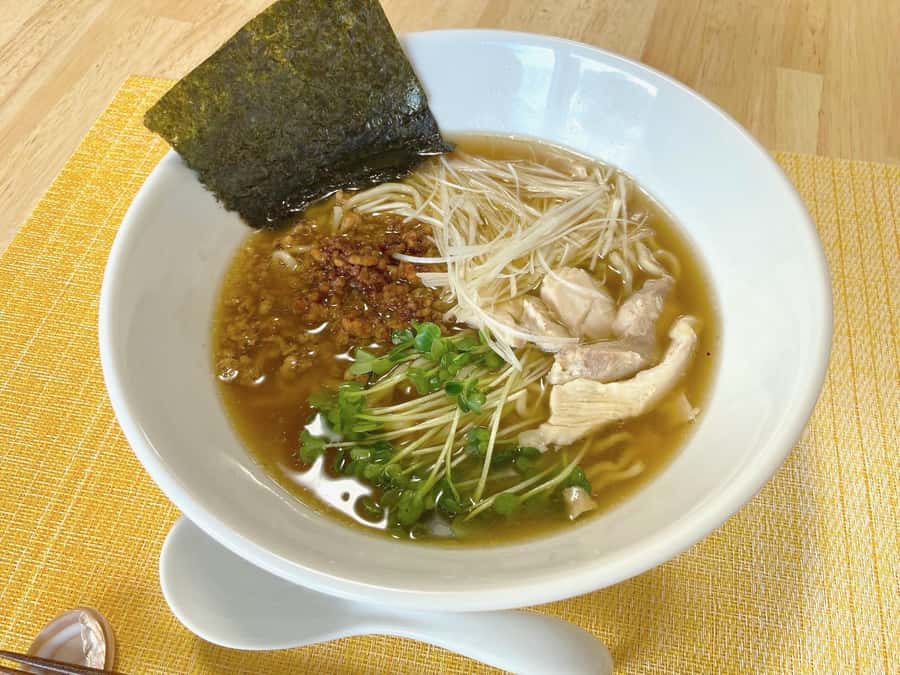
Ramen isn’t just noodles. The class helps you build the flavor base from real ingredients. The broth direction uses chicken bones and dried sardines, then you move toward the soy sauce style.
What I like about this approach is that it shows you ramen as structure. You learn how the ingredients contribute—not just that you add something and hope for the best. You also get a practical sense of how Japanese seasonings work in layers, which helps if you want to recreate something similar later.
And yes, miso is part of the story. You can shift your bowl from the standard soy sauce direction to miso ramen by adding miso. This is a clever lesson because it shows you that ramen can be a “base bowl” with flexible finishing choices, not a single fixed recipe.
Gyoza Time: Minced Chicken Filling and Dumpling Assembly
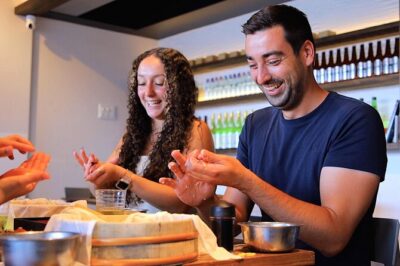
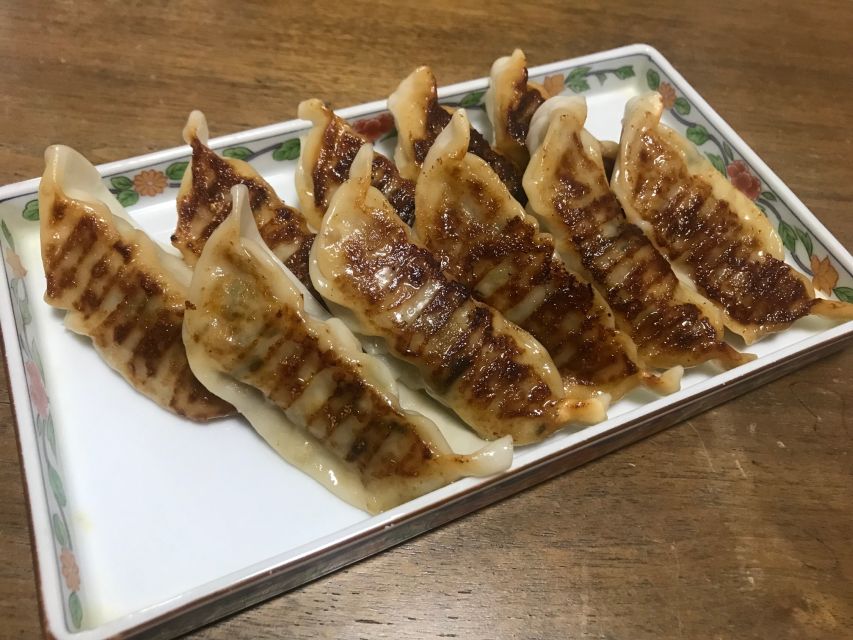
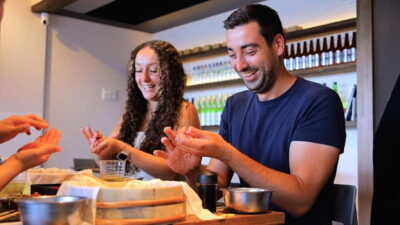
Gyoza is where the class becomes tactile. You’re working with the minced chicken filling and forming dumplings yourself. Even if you’ve eaten gyoza in Osaka night after night, making them is a different experience entirely.
The guides explain the dumpling filling process and how to assemble so the gyoza hold together. Several reviews specifically praised the precision and care the instructors bring to technique, and I agree you can feel that in the workflow. It’s not just folding dough. It’s learning the small choices that make a dumpling easier to handle and better to eat.
You’ll also get a chance to see how ramen and gyoza pair in Japanese ordering culture. The class fits the way many Japanese ramen shops work: ramen and gyoza belong together, and the balance is part of the fun of the meal.
The Meal Moment: Eat Your Own Ramen and Gyoza
After you cook, you sit down and eat what you made. This matters more than people expect. There’s a big difference between cooking and tasting when you’ve been working with the same ingredients for a while.
I like that the class meal includes what you created, not a separate “pre-cooked buffet” vibe. The ramen is rich and flavorful in the finished bowl, and the gyoza come out delicious—multiple people called them the best they’d had, which is a strong hint that technique plus fresh prep pays off.
If you take one practical tip from the class, make it this: come hungry. One review flat-out said to arrive with an empty stomach, and I’d listen. You’ll work up an appetite from noodle kneading and dumpling filling, and the meal is part of the lesson.
How Long It Takes and Why the Pace Feels Right
Timing is one of the reasons this class gets steady praise. One person said the class runs about three hours. Another mentioned around two hours, which suggests the pace can vary slightly depending on the group and how quickly you’re moving through each station.
Either way, the pace is set to avoid that worst-case scenario where one group finishes everything early and waits, or where beginners feel lost. Several people noted the process stays timed well and nobody feels rushed. And if you do get stuck, the guides are quick with help and patient explanations.
For planning, I’d treat it as a half-day or late-afternoon activity rather than something to stack back-to-back with other “must-see” stops. You’ll want a little buffer afterward for photos, digestion, and possibly a ramen-scented stroll.
English-Friendly Guidance, Plus Real Photos and Recipe Cards
Language matters on cooking classes. This one is taught in English, and multiple reviews praised how clear the instructions are. You’ll also hear explanations that connect ingredients to flavor, so it doesn’t feel like memorizing steps. It feels like learning what to do and why.
You can also take the recipes home. Several people loved that the class includes written recipes you can use later, which makes the cooking lessons practical instead of “nice while you’re here.”
One extra detail I appreciate: the guides check in and help with photos if you want them. That sounds small, but it adds to the experience—because you’re producing something real, and you’ll want proof of your noodle work.
Dietary Changes: Plant-Based Options and Fish-Broth Substitutions
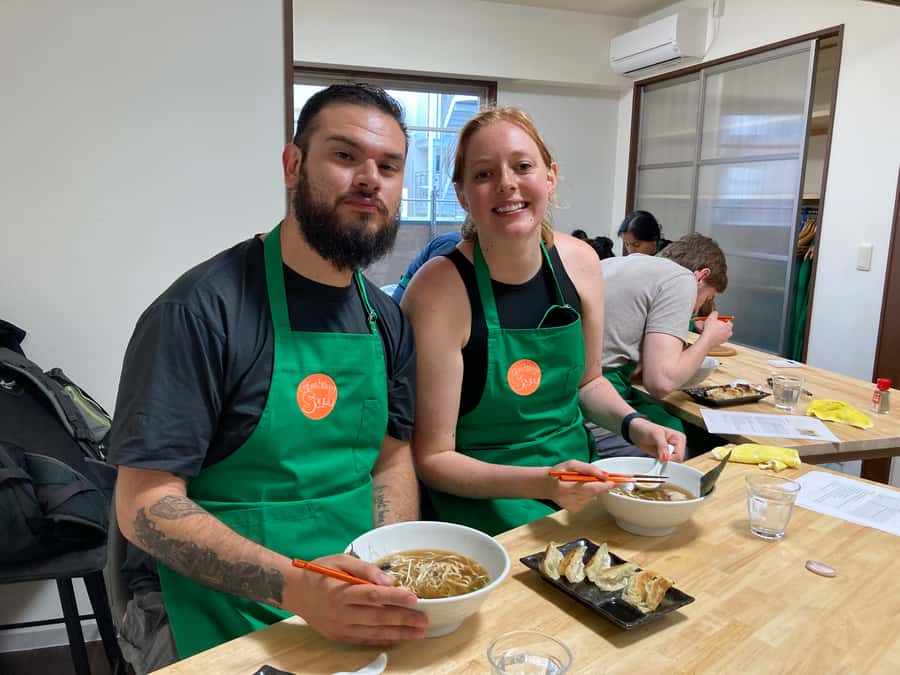
This is one of the most reassuring parts of the class: dietary accommodations can be handled.
One review said they adapted quickly for a vegan participant with a plant-based option that tasted good. Another noted a substitution for a couple who didn’t like fish broth. That’s a strong signal to me that the guides aren’t locked into a one-size-fits-all recipe.
If you have dietary concerns, tell them when you arrive. At minimum, you’ll get clarity on what can be adjusted and how. Don’t wait until the meal is served—ask early so the kitchen can plan.
Price and Value: Is $70 Worth It?
$70 per person sounds like a splurge until you break down what’s included. You get all ingredients, hands-on instruction for two full dishes, and the meal at the end. Most importantly, you’re not just learning to cook—you’re learning to cook something technical.
Ramen noodles require technique: dough feel, resting, and cutting with the machine. Gyoza adds another skill set: mixing filling and assembling dumplings. With a small group size (often around 7–8), you also get enough instructor attention that you’re more likely to succeed on your first run.
If your goal is only to eat ramen, you could spend less outside. But if your goal is to go home with a repeatable skill—and recipes—this price starts to make sense fast. In my view, it’s best as a “food skill upgrade” activity, not a budget meal.
Who This Osaka Class Fits Best
This is a great match if you:
- want a hands-on cooking experience instead of a food tour
- like ramen and gyoza and want to understand what makes them work
- travel with a partner or family and want a shared activity
- prefer smaller groups where instructors can correct you quickly
- want written recipes you can actually use at home
It’s also ideal if you’re the type who learns by doing. The guides (including instructors such as Yoshi, Miki and June, and Kasa, based on examples from the class) tend to teach in a way that keeps you busy at each step.
Should You Book This Ramen and Gyoza Class?
Yes, I’d book it if you’re excited by technique and want the confidence to recreate ramen-style noodles and gyoza filling later. It’s not just eating—it’s learning the process and then tasting the result.
I’d think twice only if you hate cooking steps or you strongly prefer a passive experience. This class is hands-on. You knead, cut, assemble, and then eat what you made.
If you can, plan your day so you arrive calm, hungry, and ready to follow the flow. When you do that, you’ll leave Osaka not just with good memories, but with noodles and dumpling know-how.
FAQ
What dishes do I make in the class?
You’ll cook two popular Japanese dishes: ramen (using a soy sauce style base) and gyoza, including making dumpling filling from minced chicken.
Where is the meeting point?
The class meets at Cooking Sun Osaka, room 807. On arrival, press 807 and the 呼出 button at the entrance.
Is pickup included from hotels?
No. Hotel pickup and drop-off are not included.
What language is the class taught in?
The class is taught in English.
How much does it cost?
The price is $70 per person.
Are ingredients included?
Yes. All ingredients for the cooking class are included.
Can they adjust the meal for dietary needs?
They may be able to. One review mentioned a vegan adaptation with a plant-based option, and another mentioned a fish-broth substitution for someone who didn’t like fish broth.
Do I get recipes to take home?
Yes. The class provides recipes you can take with you.
How long is the class?
It runs for about 2 to 3 hours, based on feedback from different participants.
What if I need to cancel?
You can cancel up to 24 hours in advance for a full refund.
More Tour Reviews in Osaka
- Osaka Go Karting Tour with Funny Costume★ 5.0 · 2,658 reviews
- Osaka Castle: Museum and Tower Entry Ticket★ 4.5 · 2,380 reviews
- Osaka: Shinsekai Food Tour with 13-15 Dishes at 5 Eateries★ 4.8 · 2,204 reviews
- Osaka Food Tour: 13 Dishes at 5 Local Eateries★ 5.0 · 2,149 reviews
- Hungry Osaka Street Food Tour:15 Tastings & 3 Drinks with a Local★ 5.0 · 1,727 reviews
Cook It Yourself in Osaka
- Sushi Making Osaka Roll and Authentic Japanese Sushi Class★ 5.0 · 1,220 reviews
- Osaka: Five Must-See Highlights Walking Tour & Ramen Lunch★ 4.7 · 411 reviews
- Osaka Sushi Making Experience★ 5.0 · 400 reviews
- Osaka: Sumo Stage Show with Bento or Snack + Fight & Photo★ 4.3 · 364 reviews
- Osaka: Traditional Mochi Pounding Experience with Tasting★ 4.9 · 306 reviews
Dotonbori and Namba, Round Two
- Osaka Local Foodie Walking Tour in Dotonbori and Shinsekai★ 5.0 · 985 reviews
- Osaka: Dotonbori District River Cruise with Drink Discount★ 4.2 · 876 reviews
- Ultimate Osaka Walking Tour: Castle, Dotonbori & Hidden Gems★ 5.0 · 862 reviews
- Tea Ceremony Experience in Osaka Doutonbori★ 5.0 · 754 reviews
- Osaka: Namba Pub Bar Crawl with a Local Guide★ 4.9 · 424 reviews
The Newest Osaka Write-Ups
- Private Photoshoot in Osaka with a Professional Photographer
★ 5.0 · 3 reviews - Osaka Early Morning Osaka Castle Tour Avoid Crowds
★ 5.0 · 3 reviews - Nara Private Tour with Pick and Drop and English Speaking Driver
★ 3.5 · 3 reviews - Osaka: Modern Vegetarian Sushi Cooking Class
★ 5.0 · 3 reviews - Nara Day Trip from Osaka with a Licensed Guide
★ 5.0 · 3 reviews
Dotonbori & Namba Tours, compared.
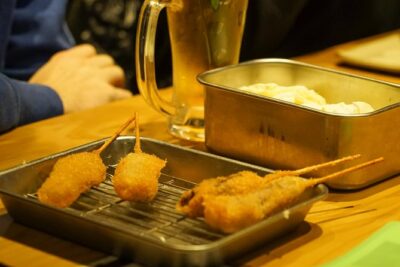 ★ 5.0Osaka Local Foodie Walking Tour in Dotonbori and ShinsekaiFrom $111985 reviews
 ★ 4.2Dotonbori District River Cruise with Drink DiscountFrom $12876 reviews
 ★ 5.0Ultimate Osaka Walking Tour: Castle, Dotonbori & Hidden GemsFrom $73862 reviews
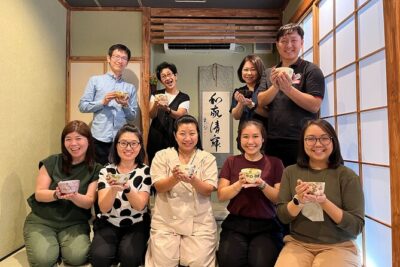 ★ 5.0Tea Ceremony Experience in Osaka DoutonboriFrom $20754 reviews
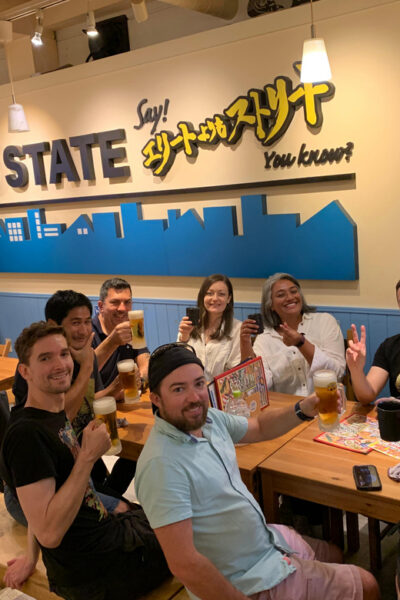 ★ 4.9Namba Pub Bar Crawl with a Local GuideFrom $30424 reviews
Dotonbori River Cruise with Glico Sign & Neon ViewsFrom $12376 reviews
★ 4.9Namba Pub Bar Crawl with a Local GuideFrom $30424 reviews
Dotonbori River Cruise with Glico Sign & Neon ViewsFrom $12376 reviews
 ★ 3.9Dotonbori’s Bridges 20-Minute CruiseFrom $12303 reviews
 ★ 4.9Roll and Authentic Sushi Making Class in DotonboriFrom $45239 reviews
Browse the lists this tour appears in