
Reviewed · OSAKA COOKING CLASSES
Osaka Cooking Class: Okonomiyaki &Japanese cuisines experience
A kitchen lesson in Osaka feels like a visit. In this small-group class in Yayo’s home, I love how fast you move from watching to cooking, with Okonomiyaki and other favorites made step by step.
You get English guidance, pro technique tips, and you eat what you make—so it’s not just a demo.
I especially like two things: the hands-on pace (you’re doing, not just watching), and the fact that the meal is included right after cooking. Another plus is the option to add a sake and beer pairing, if you want the grown-up food-culture angle.
One consideration: this class takes place in a private apartment cooking studio, so you’ll want to show up on time and follow the directions carefully. If you’re expecting a big commercial kitchen with lots of seating, this is more like being invited in.
In This Review
- Key things to know before you go
- Osaka Cooking Class at Yayo’s Home: What the “Local Home” really means
- Your 2.5-hour menu in order: miso soup, takoyaki, okonomiyaki, taiyaki, matcha
- Miso soup first: the “small differences” lesson
- Takoyaki next: frying skill you can actually replicate
- Then okonomiyaki: the Osaka pancake, built not bought
- Finish with taiyaki and matcha tea
- Price and value: is $104.13 worth it?
- What you learn besides recipes: technique, timing, and confidence
- Optional sake and beer pairing: should you add it?
- Logistics that matter in real life: where to meet and how to plan your day
- What you’ll eat and why you should save room
- Who this Osaka cooking class is best for
- Bringing it home: how to use your Osaka cooking lesson after the trip
- Should you book this Osaka cooking class?
- FAQ
- FAQ
- What dishes will I make in this Osaka cooking class?
- How long is the class?
- Where do I meet the instructor?
- Is lunch or dinner included?
- Do I get to drink sake or beer?
- Are vegetarian options available?
- What is the cancellation window?
Key things to know before you go
- Small group size (max 8): more questions, more time at the cooking stations
- In-home setting with a host lead (Yayo): personal instruction, not a factory-style class
- Core Osaka menu: miso soup, takoyaki, okonomiyaki, plus taiyaki and matcha tea
- Optional sake and beer pairing: an easy add-on if you enjoy pairing drinks with food
- You eat everything you cook: plan to arrive hungry and leave comfortably full
Flour on your hands, more Osaka kitchens to try


Osaka Cooking Class at Yayo’s Home: What the “Local Home” really means
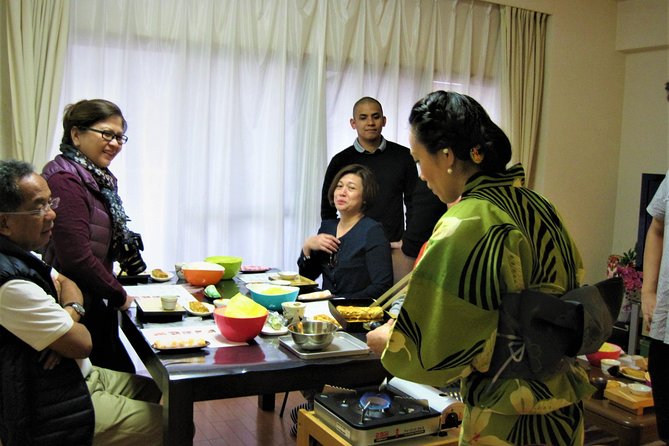
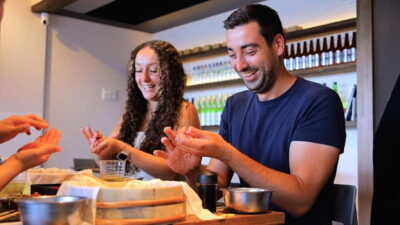
Osaka is famous for food, but what makes this class special is where it happens: in Yayo’s local home. You’re not just learning recipes; you’re learning how Japanese cooking fits into real daily life—ingredient choices, timing, and the small decisions that change a dish.
The class is capped at eight people. That sounds like a marketing line, but in practice it means you’ll get real attention at the stove. You can ask questions in plain English, and you’re not waiting your turn for the instructor to notice your batter or your pan heat.
And yes, it’s intimate. Multiple review comments point out that it’s hosted in Yayo’s apartment residence, which makes the experience feel warm and personal rather than like a scripted show. In that same spirit, you might find extra small touches along the way—comforting snacks or drinks, and thoughtful take-homes like chopsticks or little paper crafts—because the goal is more than just teaching technique.
Your 2.5-hour menu in order: miso soup, takoyaki, okonomiyaki, taiyaki, matcha
The class runs about 2 hours 30 minutes, with a morning start. You’ll meet near Noda Station (outside Noda Station, Osaka) and head to the cooking studio from there. When it’s over, you return back to the meeting point.
Here’s how the experience unfolds, and why each part is worth your time:
Miso soup first: the “small differences” lesson
You start by making miso soup. This matters because miso soup is simple on paper, but technique changes the outcome. The class focuses on the idea that subtle differences—like how you handle temperature and timing—affect the final flavor. It’s a great warm-up because it teaches you how to think like a cook: not just following steps, but understanding cause and effect.
This is also where many people realize Japanese cooking isn’t about complexity. It’s about restraint and precision.
Put this one next to a few other Osaka options first:

Takoyaki next: frying skill you can actually replicate
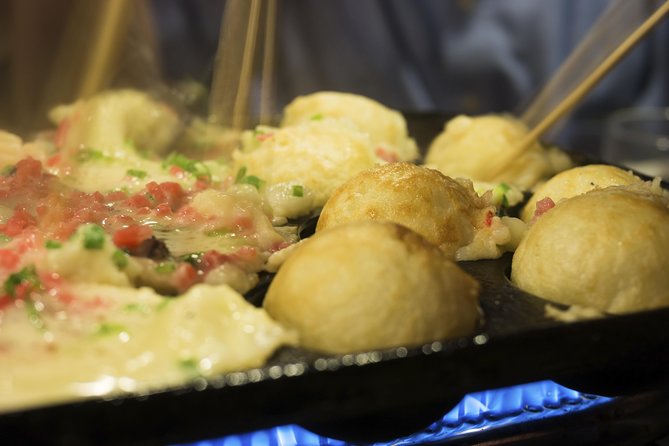
After miso soup, you make takoyaki: deep-fried octopus balls made from a wheat flour batter. The big learning moment here is frying control. In a hands-on class like this, you get practice with portioning, cooking rhythm, and getting the outside properly set.
If you’ve ever ordered takoyaki and wondered why yours never turns out as crisp or as evenly shaped, this is the exact gap the class helps close. You’re learning the method behind that familiar street-food look.
Then okonomiyaki: the Osaka pancake, built not bought
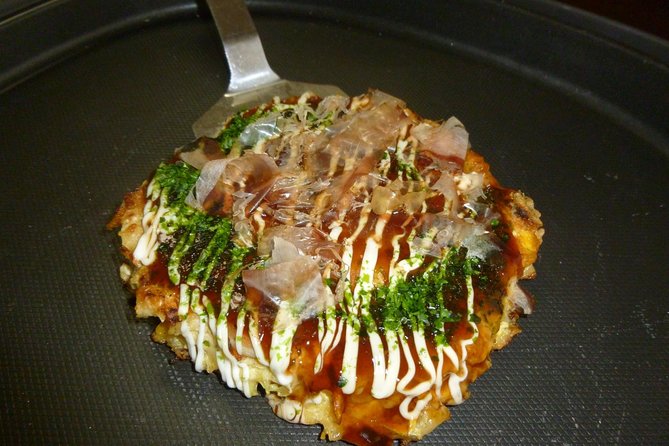
Next comes okonomiyaki, Osaka’s well-known savory pancake. You’ll work with egg, flour, cabbage, pork, and dried bonito flakes, turning a pile of ingredients into a dish with texture and depth.
Okonomiyaki teaches two useful things at once:
- how to manage heat so the pancake cooks through without burning
- how to layer flavor with ingredients like bonito flakes
This is also the kind of dish where you’ll appreciate the instructor’s pacing and hands-on guidance. The pan can be unforgiving if you’re off by a little.
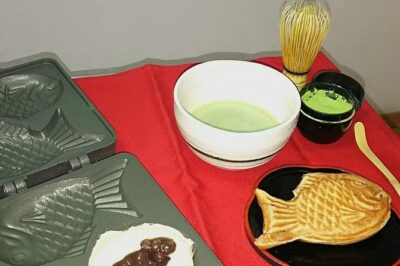
Finish with taiyaki and matcha tea
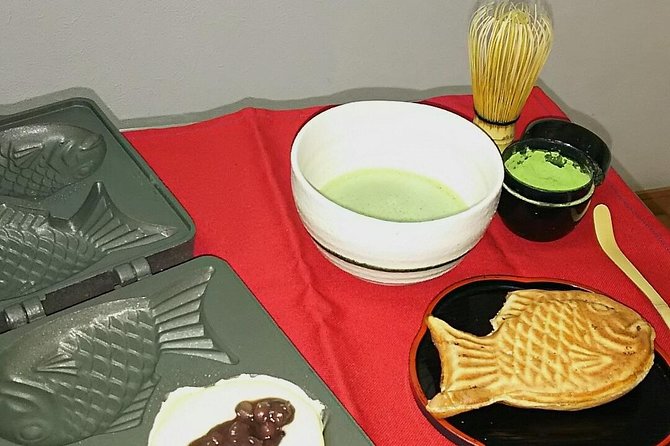
Before you leave, you’ll try taiyaki (fish-shaped cake) and matcha tea. This ending matters because it rounds out the class as a full food experience. You’re not just walking away with dinner skills; you’re tasting Japanese sweets and the tea culture that pairs naturally with them.
Price and value: is $104.13 worth it?
At $104.13 per person, you’re paying for more than a meal. You’re paying for:
- an English-speaking instructor
- all ingredients and utensils
- a hands-on cooking class at a real local home
- and a meal that includes what you cook (lunch or dinner)
There’s also an added value angle: small group size. If you’ve taken cooking classes before, you know the real cost isn’t only ingredients—it’s instructor time. Here, you get that time in a format that keeps you active.
If you add the optional local sake tasting, that’s another value lever. You’re not stuck with alcohol as an afterthought; it’s offered as a food-pairing add-on, which is often how Japanese dining treats drinks.
Bottom line: this price feels fair when you want both cooking skill and an all-in meal in Osaka. If you’re simply looking for a quick snack, it’s not the right fit. But if you want a true food lesson, it’s strong value.
What you learn besides recipes: technique, timing, and confidence
The best part of this class isn’t any single dish. It’s the way technique is taught. Yayo’s instruction is hands-on and structured, but it also leaves room for conversation, which helps you understand what you’re doing instead of memorizing steps.
Here are the practical skills you take home:
Heat control that isn’t guesswork
For takoyaki and okonomiyaki, the pan is everything. You learn how to keep cooking consistent and how to react when batter or pancake edges start telling you what’s happening.
Understanding why ingredients behave the way they do
Dried bonito flakes and miso aren’t random flavor additions. In Japanese cooking, ingredients carry their own characteristics. Yayo’s approach helps you see ingredients as tools, not mystery powders.
A clear workflow for Japanese home cooking
You move through stages: prep, cooking, serving. That makes it easier to recreate later, because you’re practicing the rhythm you’ll follow at home too.
Also, from what you’ll see in the class style, Yayo is more than a cook—she’s an engaging host. That matters because a cooking class can either feel stressful or fun. Here, the tone is friendly and welcoming, and the pace is set so you can succeed even if you’re not confident in the kitchen.
Optional sake and beer pairing: should you add it?
If you like pairing drinks with food, it’s a good add-on. The option is there specifically as a tasting, not just free alcohol poured at the end.
Why it can be worth it:
- Takoyaki and okonomiyaki have flavors that match well with crisp, refreshing drinks
- Sake and beer can highlight different notes—savory richness versus batter crunch versus sweetness from sweet tea or snacks
If you don’t drink alcohol, you’re still getting the full cooking and the included food experience. But if you do drink, this is one of those upgrades that feels integrated into the meal rather than tacked on.
Logistics that matter in real life: where to meet and how to plan your day
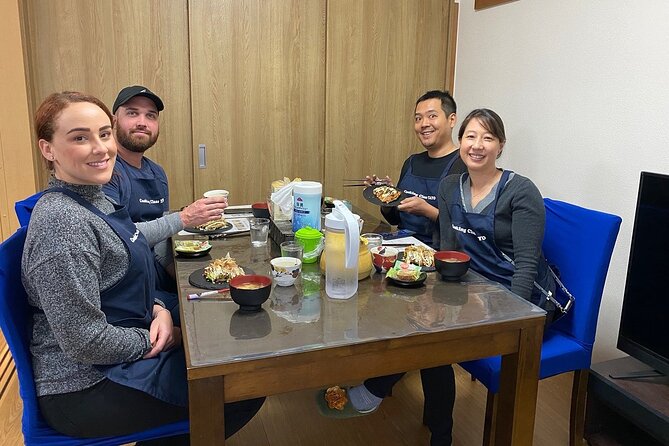
Meet outside Noda Station in Osaka. The class ends back at the meeting point, and it’s near public transportation, so you’re not locked into a taxi.
Plan for one key detail: the cooking studio is small, and participation depends on confirmed booking. Also, timing matters; you’ll want to arrive on time because there’s a cutoff for late arrivals.
Because the class starts in the morning (and you’ll have lunch or dinner included), it’s smart to treat this as a main-event food activity. Don’t schedule a big dinner plan immediately afterward unless you love leftovers and second meals.
What you’ll eat and why you should save room
This is a meal you’ll remember, not just a few bites. The structure is designed so you cook, then you eat what you made with the other participants during the same session.
Okonomiyaki and takoyaki are filling by nature. Add miso soup on the front end and taiyaki at the end, and you’ve got a full arc from savory to sweet. If you’ve ever thought you could “just try a little,” the class will teach you otherwise.
One more subtle point: eating your creations while the dishes are fresh makes the learning stick. You taste right after cooking, so you can connect technique to flavor in your own brain.
Who this Osaka cooking class is best for
This experience works especially well if you fit one of these profiles:
- Solo travelers who want a social-but-not-chaotic experience. The class can feel like a personal welcome rather than a crowded group activity.
- Couples who want something memorable beyond sightseeing, with plenty of food.
- Food lovers who want Japanese cooking basics you can actually repeat at home, not just restaurant tips.
- Parents and kids (with the right expectations): the class format is described as approachable, with lots of support and hands-on guidance.
If you’re a strong cook already, you may still enjoy the method and the “home cooking” framing. But the biggest value is for people who want to learn quickly and leave confident.
Bringing it home: how to use your Osaka cooking lesson after the trip
When you return home, the dishes you’ll remember best are the ones you cooked yourself. That’s why this class works. You’re not only learning what okonomiyaki is—you’re learning how to build it, cook it, and serve it.
Here’s how to turn this into real practice:
- Re-create miso soup first. It’s the base technique that teaches you timing and flavor balance.
- Make takoyaki second if you want a “challenge dish.” Your frying control will improve fast with repetition.
- Save okonomiyaki for when you can enjoy eating it without rushing. It’s a dish that shines with a relaxed rhythm.
And if you take the class seriously (read your printed instructions when you get them, and ask questions while you’re cooking), you’ll have a road map for making Japanese home meals that feel authentic, not adapted into something totally different.
Should you book this Osaka cooking class?
Book it if you want a true hands-on Osaka food experience in a small group, with English instruction, and you care about learning the why behind the technique. The menu hits real Japanese comfort food—miso soup, takoyaki, okonomiyaki—and the ending with taiyaki and matcha keeps the experience feeling complete.
Skip it if you’re looking for something purely sightseeing-focused, or if you prefer big tour groups and a commercial studio setup. Also, if you’re not comfortable with an in-home style location, be sure you read the details so you’re not surprised.
FAQ
FAQ
What dishes will I make in this Osaka cooking class?
You’ll make miso soup, takoyaki, and okonomiyaki, and you’ll also try taiyaki and matcha tea before you leave.
How long is the class?
The experience runs about 2 hours 30 minutes.
Where do I meet the instructor?
The meeting point is outside Noda Station, Osaka.
Is lunch or dinner included?
Yes. You’ll enjoy lunch or dinner based on what you cook during the class.
Do I get to drink sake or beer?
Sake and beer pairing is optional. The class can include an optional local sake tasting if selected.
Are vegetarian options available?
Yes. Vegetarian and pescatarian options are available upon request at the time of booking.
What is the cancellation window?
You can cancel for a full refund up to 24 hours before the experience’s start time. If you cancel less than 24 hours before, the amount paid will not be refunded.
Take Home Something You Made
- Sushi Making Osaka Roll and Authentic Japanese Sushi Class★ 5.0 · 1,220 reviews
- Matcha Making Class in Osaka with Authentic Japanese Sweets Set★ 5.0 · 509 reviews
- Osaka: Ramen and Gyoza Cooking Class in Dotonbori★ 5.0 · 378 reviews
- Osaka: Roll and Authentic Sushi Making Class in Dotonbori★ 4.9 · 239 reviews
- Ramen and Gyoza Cooking Class in Osaka★ 5.0 · 202 reviews
More Tour Reviews in Osaka
- Osaka Go Karting Tour with Funny Costume★ 5.0 · 2,658 reviews
- Osaka Castle: Museum and Tower Entry Ticket★ 4.5 · 2,380 reviews
- Osaka: Shinsekai Food Tour with 13-15 Dishes at 5 Eateries★ 4.8 · 2,204 reviews
- Osaka Food Tour: 13 Dishes at 5 Local Eateries★ 5.0 · 2,149 reviews
- Hungry Osaka Street Food Tour:15 Tastings & 3 Drinks with a Local★ 5.0 · 1,727 reviews
Cook It Yourself in Osaka
- Sushi Making Osaka Roll and Authentic Japanese Sushi Class★ 5.0 · 1,220 reviews
- Osaka: Five Must-See Highlights Walking Tour & Ramen Lunch★ 4.7 · 411 reviews
- Osaka Sushi Making Experience★ 5.0 · 400 reviews
- Osaka: Ramen and Gyoza Cooking Class in Dotonbori★ 5.0 · 378 reviews
- Osaka: Sumo Stage Show with Bento or Snack + Fight & Photo★ 4.3 · 364 reviews
The Newest Osaka Write-Ups
- Private Photoshoot in Osaka with a Professional Photographer
★ 5.0 · 3 reviews - Osaka Early Morning Osaka Castle Tour Avoid Crowds
★ 5.0 · 3 reviews - Nara Private Tour with Pick and Drop and English Speaking Driver
★ 3.5 · 3 reviews - Osaka: Modern Vegetarian Sushi Cooking Class
★ 5.0 · 3 reviews - Nara Day Trip from Osaka with a Licensed Guide
★ 5.0 · 3 reviews
Osaka Cooking Classes, compared.
 ★ 5.0Sushi Making Osaka Roll and Authentic Japanese Sushi ClassFrom $311,220 reviews
 ★ 4.7Five Must-See Highlights Walking Tour & Ramen LunchFrom $56411 reviews
 ★ 5.0Osaka Sushi Making ExperienceFrom $29400 reviews
 ★ 5.0Ramen and Gyoza Cooking Class in DotonboriFrom $70378 reviews
 ★ 4.3Sumo Stage Show with Bento or Snack + Fight & PhotoFrom $93364 reviews
 ★ 4.9Traditional Mochi Pounding Experience with TastingFrom $31306 reviews
 ★ 4.9Roll and Authentic Sushi Making Class in DotonboriFrom $45239 reviews
 ★ 5.0Ramen and Gyoza Cooking Class in OsakaFrom $79202 reviews
Browse the lists this tour appears in