
Reviewed · OSAKA CRAFT & CULTURE WORKSHOPS
Osaka: Traditional Japanese Ceramics Private Experience
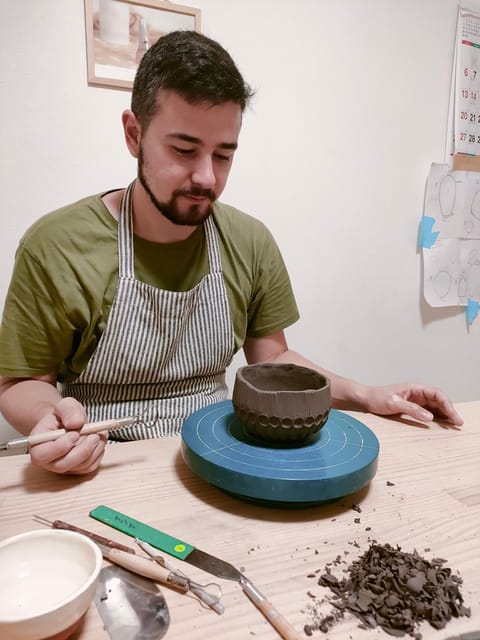
You can turn a pottery lesson into a keepsake fast. In Osaka, this private ceramics class is hands-on, local, and centered on making something you’ll actually use or gift. You meet outside the tourist swirl and work in a real, working studio setting.
What I like most is the step-by-step guidance from Anna, who studied ceramics in Osaka and Barcelona. You’ll also work with Shigaraki-area clay and typical Japanese glazes, so the result feels authentically Japanese, not like a generic souvenir.
One thing to consider: you may need to plan around shipping time. If you choose to have your finished piece sent home, it takes about 1.5 months, and shipping costs aren’t included.
In This Review
- Key highlights you’ll feel right away
- Clay From Shigaraki, Made Personal in Osaka
- The 2-Hour Flow: From Teradachō Station to a Working Studio
- Choose Your Piece: Sake Set, Sushi Set, or Chawan
- Shigaraki Clay and Typical Japanese Glazes: What Makes It Feel Real
- “Private” Means You Can Slow Down and Ask Questions
- The Osaka Walk-Through Meets Food and Culture Talk
- What You Bring Home (And the Sakura Gift)
- Shipping Your Pottery: Plan Ahead Like a Potter
- Price and Value: Why $96 Can Make Sense
- Language Options: English, Spanish, Catalan, and Japanese
- Who This Workshop Suits Best
- Should You Book the Osaka Ceramics Private Experience?
- FAQ
- Where do I meet the guide?
- Is this a private class?
- How long is the ceramics workshop?
- What can I make during the class?
- What material is used for the ceramics?
- Does the price include the finished ceramic and a gift?
- Do I get pickup from the station?
- Is shipping available for the pottery?
- What languages are offered?
- Is there a late-arrival rule?
Key highlights you’ll feel right away
- Private, 2-hour class with one main item/set to make
- Anna’s background in both Osaka and Barcelona ceramics training
- Shigaraki clay + Japanese glazes for a legit look and feel
- Three options tied to Japanese gastronomy: sake set, sushi set, or chawan
- A take-home gift made by your instructor: sushi-pattern dish + Sakura chopstick holder
- Your local-meets-travel experience with culture and food talk in English, Spanish, or Catalan
A guide to yourselves, more private days out



Clay From Shigaraki, Made Personal in Osaka

This is the kind of Osaka experience that feels simple on paper: meet at the station, walk to a studio, make ceramics, go home with something that’s yours. But it’s the details that make it worth your time.
First, the material choice is a big deal. You work with clay from the Shigaraki area, one of Japan’s traditional pottery production regions. That matters because it shapes how the piece handles while you form it and how it finishes when it’s fired. Second, you’re not just copying a template. You get a guided, personal build—then choose glazes and styles that match what you’re making.
And yes, there’s culture mixed in on purpose. During the workshop, you’ll discuss Japanese culture and even Japanese cuisine with your instructor. You don’t get a textbook lecture; you get real talk that fits the object you’re making—whether that’s tied to tea, sake, or sushi.
The 2-Hour Flow: From Teradachō Station to a Working Studio
The workshop starts at JR Teradachō Station’s north exit. You’ll meet your guide holding a sign for the studio, Ceramics Tocoton. From there, you head toward the studio on foot—away from the most tourist-heavy streets.
The walk itself is part of the point. You’re moving through everyday Osaka: shops along the way selling local food, with the feel of a quieter, older neighborhood. The workshop then takes place in a century-old, two-story house, which adds a sense of time and place you don’t get in modern craft centers.
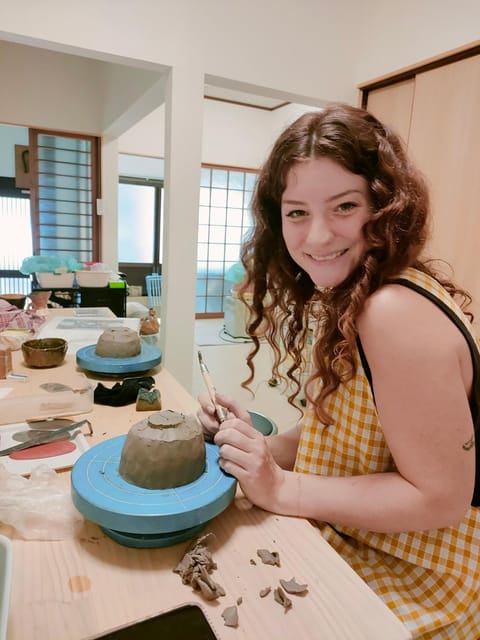
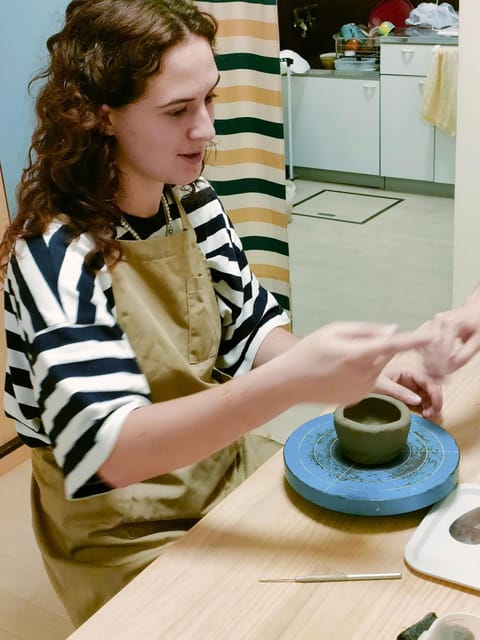
Once you reach the studio, the class is set up like a true workshop, not a rushed demo. You’ll get a clear introduction to what you’ll make and how the process works, then you’ll start shaping the clay with private, step-by-step instructions. Reviews consistently point out that Anna is patient and precise with technique—so even if you’ve never touched pottery before, you won’t feel like you’re guessing.
Choose Your Piece: Sake Set, Sushi Set, or Chawan
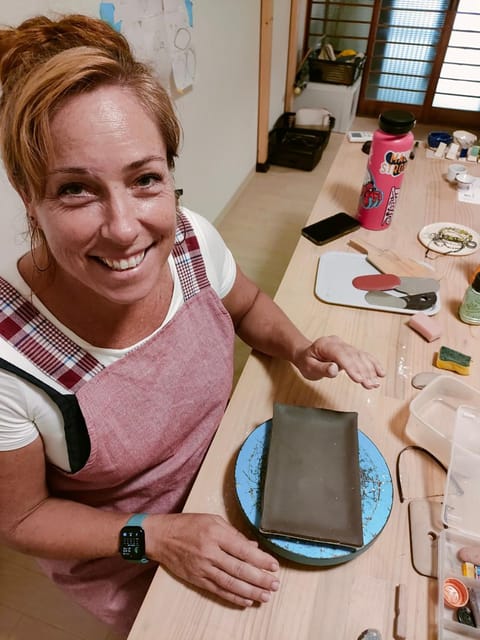
A big plus here is that you get only one main creation path, so you’re not overwhelmed. You’ll learn about the item you’re making, then build it with guidance.
You can choose one of these:
- Sake set: a small bottle and a glass
- Sushi set: a sushi plate and a chopstick holder
- Chawan: a tea bowl for tea
Each choice connects to Japanese food culture, which makes the lesson easier to remember. For example, with the sake set and sushi set, the forms are meant for everyday rituals around eating and serving. With the chawan, the focus is on the bowl itself—what it does for tea and how it feels in the hand.
Also, you’ll decide based on your preferences in the moment. The class explains the options so you can pick what you’d most like to own. If you’re a beginner, that structure helps a lot: you’re not stuck with the first thing the instructor hands you.
Make the souvenir yourself at more workshops
Shigaraki Clay and Typical Japanese Glazes: What Makes It Feel Real
This is one of those workshops where the materials matter—and the instructor’s guidance matters too.
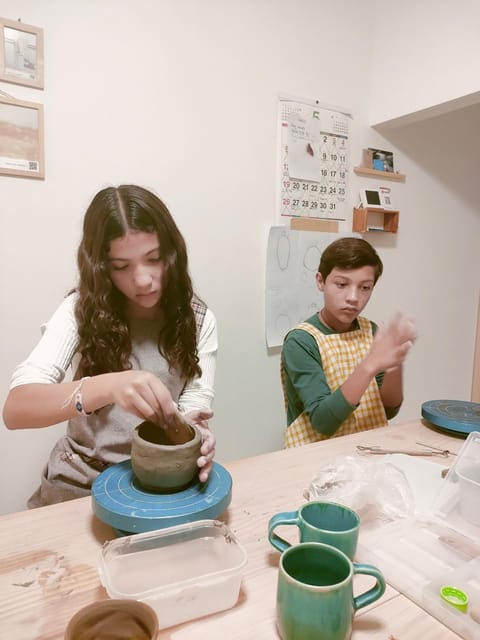
You work with clay from Shigaraki, and you decorate with typical Japanese glazes. That combination is what makes your piece look and feel like it belongs in Japan. It’s not just the shape; it’s the surface.
In practice, you’ll:
- shape and form the item by hand-building techniques
- follow instructions to refine details as you go
- choose a glazed finish for your final look
If you’ve done crafts elsewhere, the difference is that the teacher frames the design choices as part of Japanese ceramic tradition. Several people highlight that Anna explains cultural and ceramic design logic, not just what to do with your hands.
And small things help: the studio is described as clean, and there’s heating in winter. That might sound minor, but it changes the whole mood. You’re there to make something, not to suffer in cold air while your hands stiffen.
“Private” Means You Can Slow Down and Ask Questions
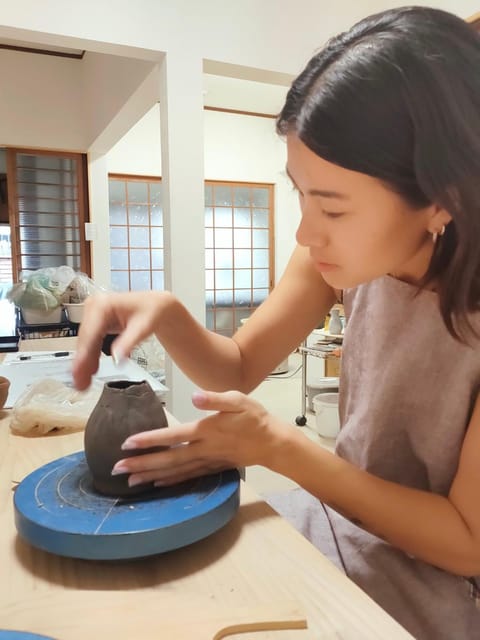
This is a private group experience. That word matters.
In a private class, you’re not competing for attention, and you can ask the questions that pop up when you’re actually shaping clay. Reviews repeatedly mention how Anna gives clear instructions, answers questions, and adjusts the lesson based on the student—whether you’re brand-new or already have pottery experience.
It also makes the pacing feel calmer. People describe the workshop as relaxing and even therapeutic. When you’re not rushed, you can focus on learning the technique, not just finishing before time runs out.
If you’re traveling with a partner, friends, or a family group, private also helps keep everyone engaged. One review notes a family of five with kids having a special time—still hands-on, still guided.
The Osaka Walk-Through Meets Food and Culture Talk
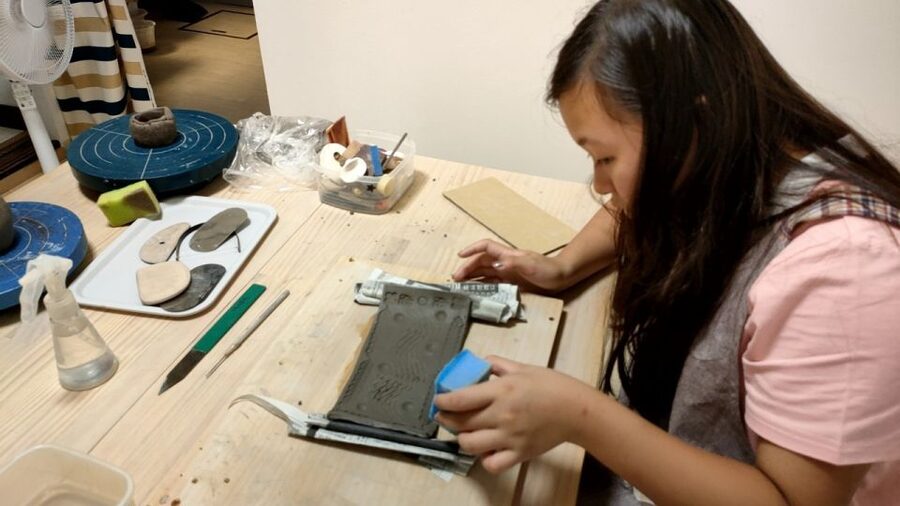
This class doesn’t separate “ceramics” from “Japan.” The connection is the theme.
You’ll walk from the station into a more local part of Osaka, and once at the studio you’ll talk about Japanese culture and cuisine as part of the learning. Since your ceramic object is tied to something you eat or drink, the conversation tends to land naturally. It feels like you’re learning why these objects exist, not just how to make them.
Even better, the instructor’s background makes the lesson feel cross-cultural. Anna has studied ceramics in Osaka and Barcelona, and that kind of training often shows up in the way she explains technique—clear, patient, and grounded in craftsmanship.
What You Bring Home (And the Sakura Gift)
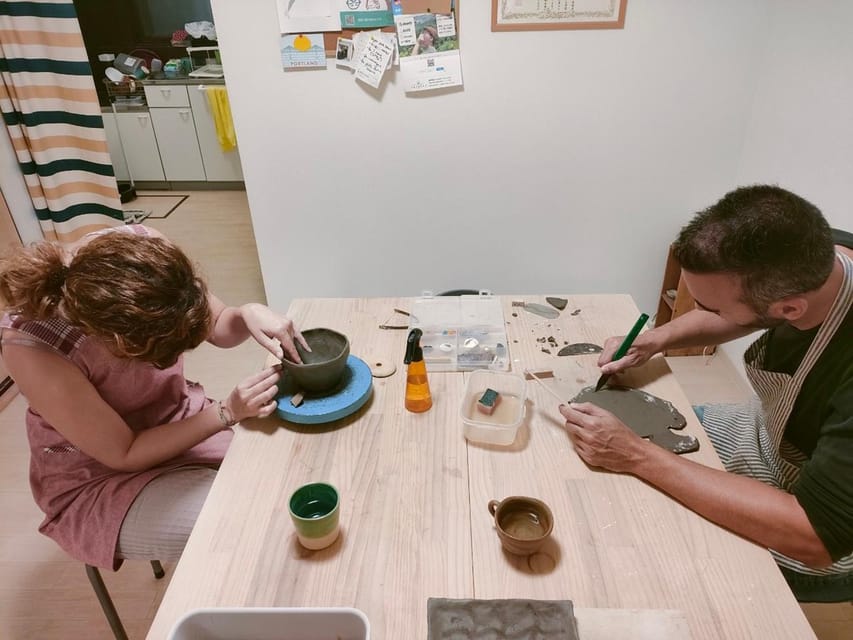
You’ll take home your finished ceramic product, plus you’ll receive an extra gift from your instructor.
Included:
- the finished ceramic item you made during the class
- a gift: a small dish with a traditional Japanese pattern and a Sakura-shaped chopstick holder made by Anna
So even if your main piece is shipped later, you still leave with something made as a direct souvenir from your workshop experience.
If you stay in town and want to carry things home, you can also handle the logistics on the day. But if you prefer to travel light, shipping is available—just plan for the timing.
Shipping Your Pottery: Plan Ahead Like a Potter
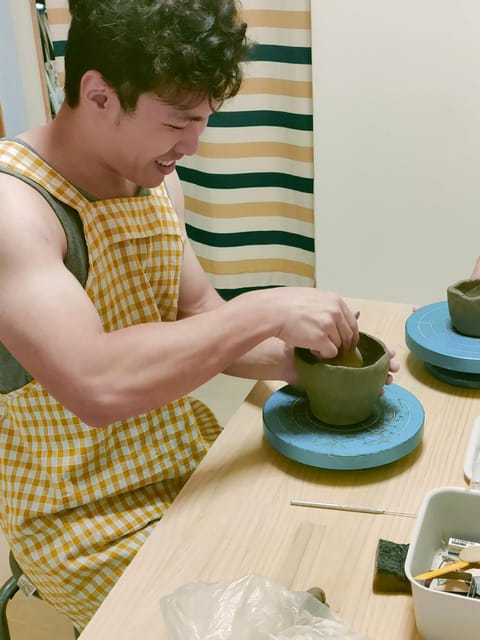
Your finished piece needs firing and drying, so shipping is sometimes the smartest option.
Here’s what you need to know from the workshop details:
- It takes about 1 month and a half to ship your pottery
- Shipping costs are not included
So if you’re the type who wants souvenirs in hand before leaving Osaka, you’ll need to schedule your class with some buffer time and consider baggage space. If you’re okay waiting for the piece to arrive home, this works well and helps keep your trip easier.
One more practical note: if you plan to be late, don’t casually assume it’s fine. If you’re more than 15 minutes late, it’s treated as a no-show. That’s normal for small workshops with firing schedules, but it’s still worth planning around—especially in Osaka where walking and connections can trip you up.
Price and Value: Why $96 Can Make Sense
At $96 per person for a 2-hour private workshop, the question isn’t only whether it’s affordable. It’s whether it’s good value compared with other “make-a-craft” options.
Here’s where the value comes from:
- You get an instructor-led private class, not a big group session
- Materials are included: Shigaraki-area clay and typical Japanese glazes
- You get the finished product
- Pickup from Teradachō Station is included
- You also receive a separate handmade gift (sushi-pattern dish + Sakura chopstick holder)
For many visitors, the biggest value is the learning experience plus the authenticity of what you make. If you like the idea of bringing home something truly Japanese—something with traditional materials and forms—this price is easier to justify.
Could it be more expensive than a mass-produced souvenir? Yes. But you’re paying for technique, time, guidance, firing, and craftsmanship.
Language Options: English, Spanish, Catalan, and Japanese
Language matters in hands-on classes. This one gives you options:
- English
- Spanish
- Catalan
- Japanese
The workshop description also notes that this is one of the ceramics experiences that can be done in English, Spanish, or Catalan. In real life, that means less stress for you if you don’t speak Japanese.
In the reviews, people praise Anna’s ability to teach clearly and keep communication smooth. If you’re nervous about your Japanese skills, you can relax: you’re covered.
Who This Workshop Suits Best
You’ll probably love this if:
- you want a non-touristy Osaka activity
- you like hands-on learning with a calm pace
- you want a souvenir that’s tied to Japanese food culture
- you’re okay with the idea that the main piece may need shipping
It also fits different experience levels. Reviews mention it works for beginners and can be adjusted for someone with prior pottery experience.
If you’re traveling with kids, it sounds like a family-friendly setup for some groups, but note the restriction: it’s not suitable for children under 5. For younger kids, you’ll need to look for another option.
Should You Book the Osaka Ceramics Private Experience?
If you’re torn between doing “one more activity” and spending time on something that creates a real keepsake, I’d lean toward booking this.
Here’s the quick decision guide:
- Book it if you want a private class, thoughtful instruction, and a ceramic souvenir tied to Japanese gastronomy.
- Skip it (or plan carefully) if you hate the idea of waiting for shipping, or if your schedule is tight and you can’t realistically arrive on time for the 15-minute late threshold.
In my view, the workshop’s best strength is that it’s not trying to be a production. It’s small, personal, and craft-focused—with Anna’s teaching style doing most of the heavy lifting.
FAQ
Where do I meet the guide?
Meet at JR Teradachō Station’s north exit. Look for the guide holding a sign for the studio, Ceramics Tocoton.
Is this a private class?
Yes. It’s a private group experience.
How long is the ceramics workshop?
The duration is 2 hours.
What can I make during the class?
You can choose one: a sake set (small bottle and glass), a sushi set (sushi plate and chopstick holder), or a chawan for tea.
What material is used for the ceramics?
The clay comes from the Shigaraki area, and you use typical Japanese glazes to decorate your piece.
Does the price include the finished ceramic and a gift?
Yes. The workshop includes the instructor, materials, the finished ceramic product, and a gift: a small patterned dish and a Sakura-shaped chopstick holder made by your instructor.
Do I get pickup from the station?
Yes. Pickup from Teradachō Station is included.
Is shipping available for the pottery?
Yes. You can have the pieces sent to your home if you want. It takes about 1 month and a half, and shipping costs are not included.
What languages are offered?
The workshop is available in English, Catalan, Spanish, and Japanese.
Is there a late-arrival rule?
Yes. If you are more than 15 minutes late, it will be considered a no-show.
More Tour Reviews in Osaka
- Osaka Go Karting Tour with Funny Costume★ 5.0 · 2,658 reviews
- Osaka Castle: Museum and Tower Entry Ticket★ 4.5 · 2,380 reviews
- Osaka: Shinsekai Food Tour with 13-15 Dishes at 5 Eateries★ 4.8 · 2,204 reviews
- Osaka Food Tour: 13 Dishes at 5 Local Eateries★ 5.0 · 2,149 reviews
- Hungry Osaka Street Food Tour:15 Tastings & 3 Drinks with a Local★ 5.0 · 1,727 reviews
Made in Osaka, by You
- Osaka: Tea Ceremony, Calligraphy, and Kimono Experience★ 4.9 · 130 reviews
- 1.5〜2 Hours Traditional Kintsugi Work Shop in Namba Osaka★ 5.0 · 75 reviews
- Osaka: Private Japanese Calligraphy Experience★ 5.0 · 66 reviews
- From Osaka: Sakai Knife Maker or Blacksmith Walking Tour★ 4.9 · 64 reviews
- Calligraphy Workshop in Namba, Dotonbori★ 5.0 · 57 reviews
Your Osaka, at Your Pace
- Private Osaka Walking Tour: Highlights & Hidden Gems★ 5.0 · 569 reviews
- Osaka 4hr Private Tour with Government-Licensed Guide★ 5.0 · 314 reviews
- 3/4/5 Hours Private Tour in Osaka with Local Guide★ 5.0 · 189 reviews
- Osaka’s Best and Brightest: Private Full-Day Tour by Vehicle★ 5.0 · 147 reviews
- Kyoto & Nara Private customized tour with English speaking Guide★ 4.5 · 99 reviews
The Newest Osaka Write-Ups
- Private Photoshoot in Osaka with a Professional Photographer
★ 5.0 · 3 reviews - Osaka Early Morning Osaka Castle Tour Avoid Crowds
★ 5.0 · 3 reviews - Nara Private Tour with Pick and Drop and English Speaking Driver
★ 3.5 · 3 reviews - Osaka: Modern Vegetarian Sushi Cooking Class
★ 5.0 · 3 reviews - Nara Day Trip from Osaka with a Licensed Guide
★ 5.0 · 3 reviews
Osaka Craft & Culture Workshops, compared.
 ★ 4.9Tea Ceremony, Calligraphy, and Kimono ExperienceFrom $96130 reviews
 ★ 5.01.5〜2 Hours Traditional Kintsugi Work Shop in Namba OsakaFrom $12575 reviews
 ★ 5.0Private Japanese Calligraphy ExperienceFrom $5166 reviews
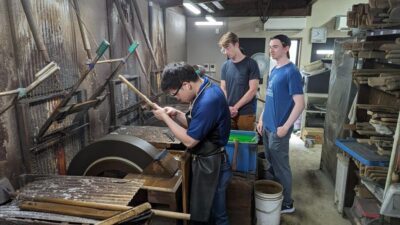 ★ 4.9From Osaka: Sakai Knife Maker or Blacksmith Walking TourFrom $6464 reviews
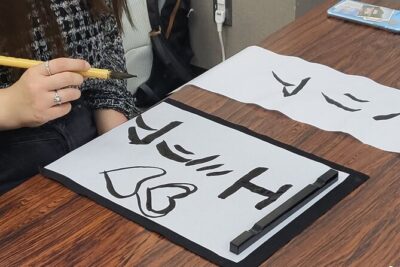 ★ 5.0Calligraphy Workshop in Namba, DotonboriFrom $4957 reviews
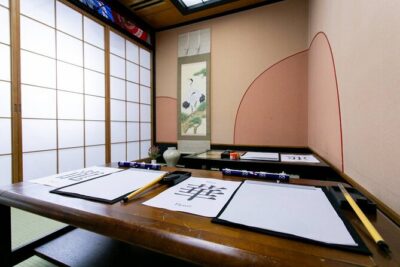 ★ 4.5Learning Zen of Japanese Calligraphy in kimono near Osaka CastleFrom $4353 reviews
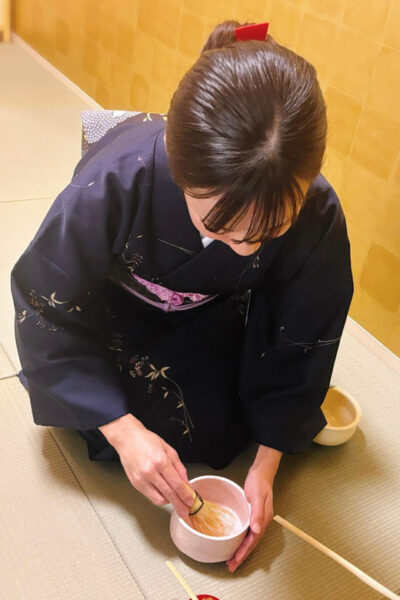 ★ 5.0Private Tea Ceremony and Calligraphy ExperienceFrom $6450 reviews
 ★ 4.9Osaka Daruma Workshop — Paint Your Own Good-Luck DarumaFrom $3546 reviews
Browse the lists this tour appears in