
Reviewed · OSAKA TEA CEREMONY & MATCHA
Osaka: Private Tea Ceremony and Calligraphy Experience
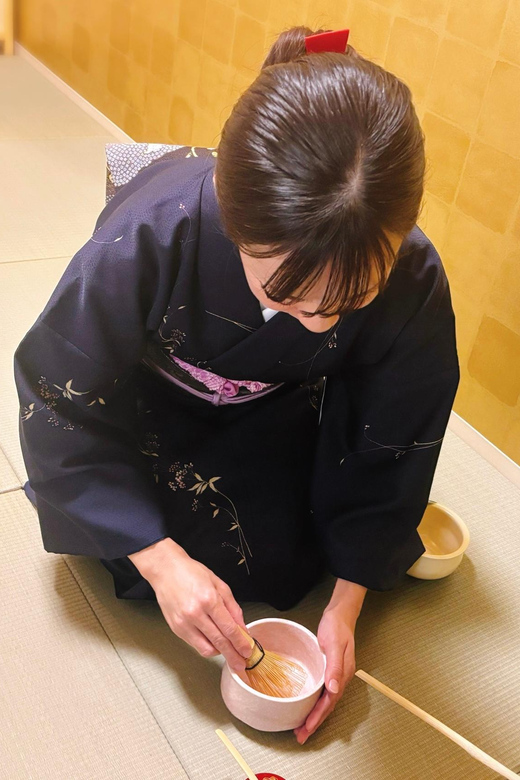
Quiet rituals, right in Osaka. This private 135-minute class pairs Japanese tea ceremony with hands-on calligraphy, guided by Wanoma in a calm studio in Namba. You’ll practice, taste, and create, with plenty of room for questions and photos.
I especially love how personal it feels. You get a full one-on-one style experience, and you’ll leave with a finished souvenir: your name written in Japanese characters, plus kanji shaped by the theme and the way you want to express yourself. I also like the mix of learning and doing, from making matcha to practicing brush strokes step by step.
One consideration: it’s not suitable for wheelchair users, and you’ll need to show up with socks since that’s what’s specified for the class.
In This Review
- Key highlights worth planning around
- A calm private class in Namba near Shinsaibashi
- Price and value: what $64 buys in 135 minutes
- Starting point at New Osaka Hotel Shinsaibashi
- Calligraphy hour: your theme, your kanji, your finished piece
- Kids and water calligraphy
- What to watch for (and ask)
- Tea ceremony hour: make matcha, choose a bowl, taste sweets twice
- Sweets twice, plus a seasonal culture lesson
- Questions are welcome
- What makes it private: pace, photos, and full attention
- Who should book this Osaka tea and calligraphy session
- Practical tips before you go
- Should you book this Osaka private tea ceremony and calligraphy?
- FAQ
- How long is the Osaka private tea ceremony and calligraphy experience?
- Is this a private class or a shared group?
- Do I get to take home something I make?
- Will I get to make matcha, or is it just tasting?
- What should I bring?
- Is the experience wheelchair accessible?
Key highlights worth planning around
- True private attention from Wanoma, so you can go at your pace and ask questions freely
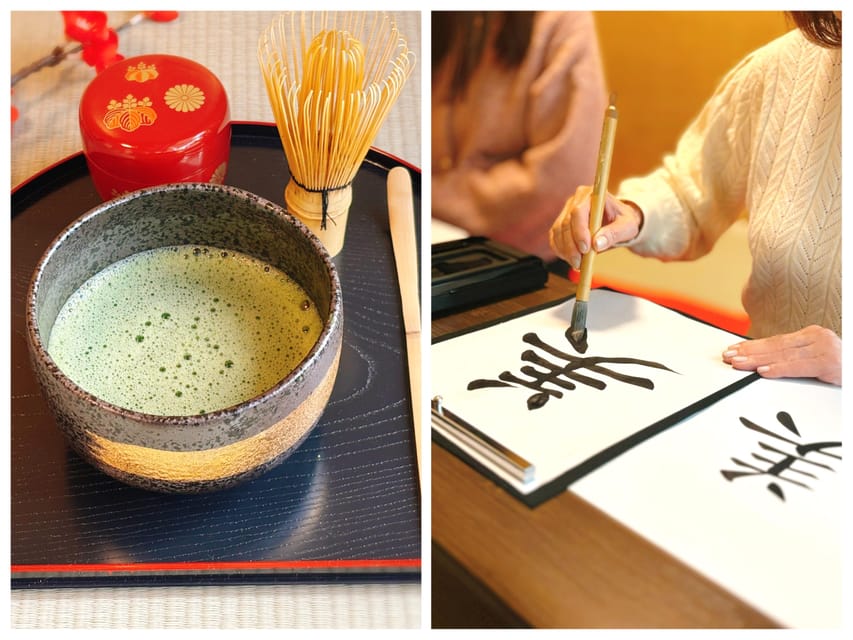
- Matcha making plus drinking in a guided tea ceremony format
- Calligraphy that ends with a take-home artwork, including colored paper and an ink stamp/initials finish
- Your name in Japanese writing, with help choosing kanji that fits the theme and how you want to express yourself
- Japanese sweets twice during the tea ceremony, tied into seasonal culture lessons
- Family-friendly options, including water calligraphy for young children
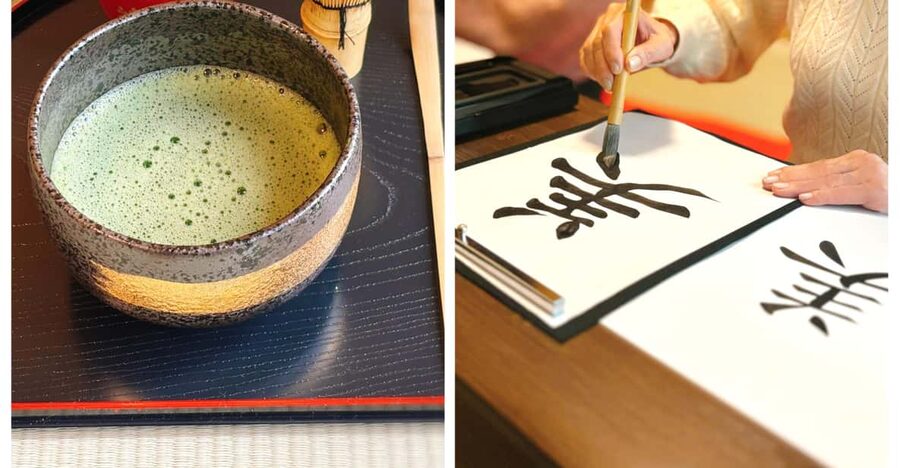
Another bowl whisked slowly in Osaka
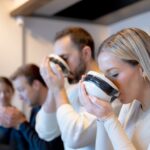
A calm private class in Namba near Shinsaibashi
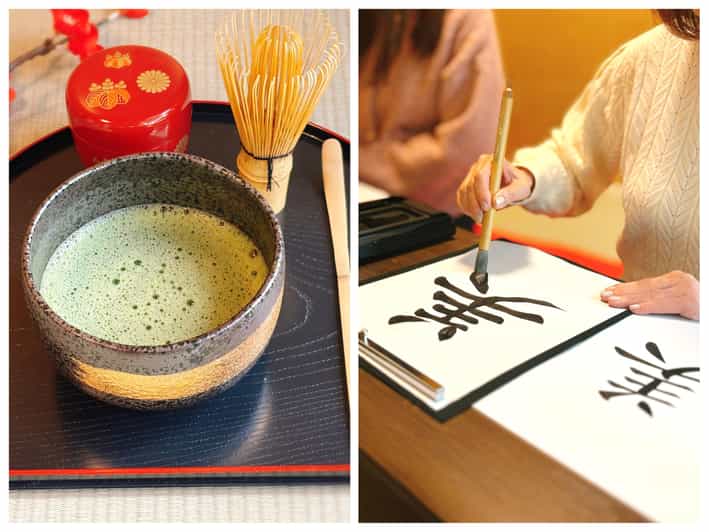
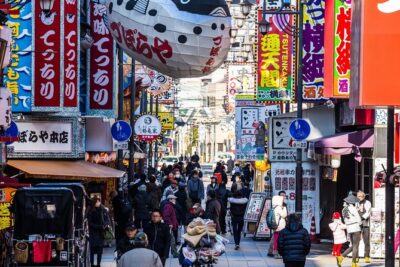
Osaka is loud in the right ways, but this experience gives you the opposite. The studio setup is designed for quiet focus: tea sounds, brush practice, and time to actually watch what’s happening instead of rushing between stops.
Because it’s private, you’re not competing for attention. You can slow down if you’re with a child, pause for photos, or ask the same question twice and still feel welcomed.
This is also a solid “first timer” activity. You don’t need prior tea ceremony experience or calligraphy skills, since the instructor guides you from basics through to a finished piece.
Price and value: what $64 buys in 135 minutes
$64 per person sounds specific, and that’s because you’re buying a focused block of time: 135 minutes of instruction with your own teacher. In practical terms, you’re not just watching a demo. You’re making matcha, participating in the tea steps, and writing your own calligraphy on colored paper.
The value comes from the combo. Tea ceremony lessons alone can run higher in some formats, and calligraphy classes often stop at practice sheets. Here, you get both, and you leave with an actual souvenir you made.
You also get included materials: colored paper for your calligraphy work, matcha, and Japanese sweets (plus the matcha making experience itself). That matters because it turns this from a cultural show into a do-it-yourself workshop.
Starting point at New Osaka Hotel Shinsaibashi
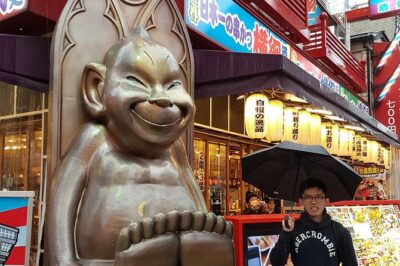
Your meeting point is easy to recognize. Go to the entrance of New Osaka Hotel Shinsaibashi, then walk west about 30 seconds until you spot a blue vending machine near the entrance.
The instructor waits outside by the main entrance, about 5 minutes before your scheduled start time, and she’ll be wearing kimonos. It’s a simple cue, which helps when you’re new to Namba streets.
Because the class is private, arriving close to your time helps you start calmly instead of trying to compress the lesson. Once you’re inside, you’ll have a clear, paced flow for both halves of the experience.
A guide to yourselves, more private days out
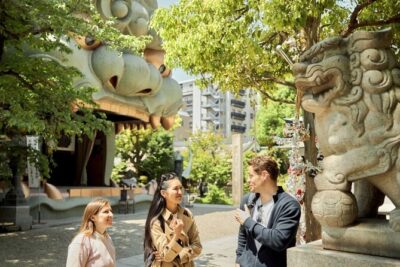

Calligraphy hour: your theme, your kanji, your finished piece
The calligraphy portion is structured like a mini lesson, not a rushed craft. First, you select the theme you want to write about today. You can share your favorite letters and words, and the instructor can also suggest the best kanji to express yourself.
This is where the experience feels personal. The highlights describe converting your name into kanji based on your personality, and in practice that means you’ll get guidance connecting your name or chosen expression to kanji that fit the vibe you want to communicate. It’s not random decoration.
Then comes technique. You’ll get a basic lecture on the practices you’ll use, with attention to brush control and stroke sequence. People often expect calligraphy to be “just copy the character,” but here you learn how to make each stroke correctly before you finalize anything.
After that, choose your paper. You pick your favorite piece from the colored paper options, and you’ll write your name in Japanese characters. You’ll also stamp your initials as part of the finish, so your artwork has that “made by you” closure.
Kids and water calligraphy
If you’re bringing younger children, there’s an option that prevents mess: water calligraphy. It’s designed to stop hands and clothes from getting dirty, so families can keep the fun without turning your afternoon into a laundry project.
What to watch for (and ask)
If you want your calligraphy to look best, slow down during stroke practice. Ask the instructor to clarify how to start and end each stroke, especially if you’re right-handed/left-handed and you need a comfortable grip angle.
Also, if you’re picking a theme, choose something meaningful to your trip. A small personal theme tends to make the final kanji feel more like a souvenir and less like a worksheet.
Tea ceremony hour: make matcha, choose a bowl, taste sweets twice
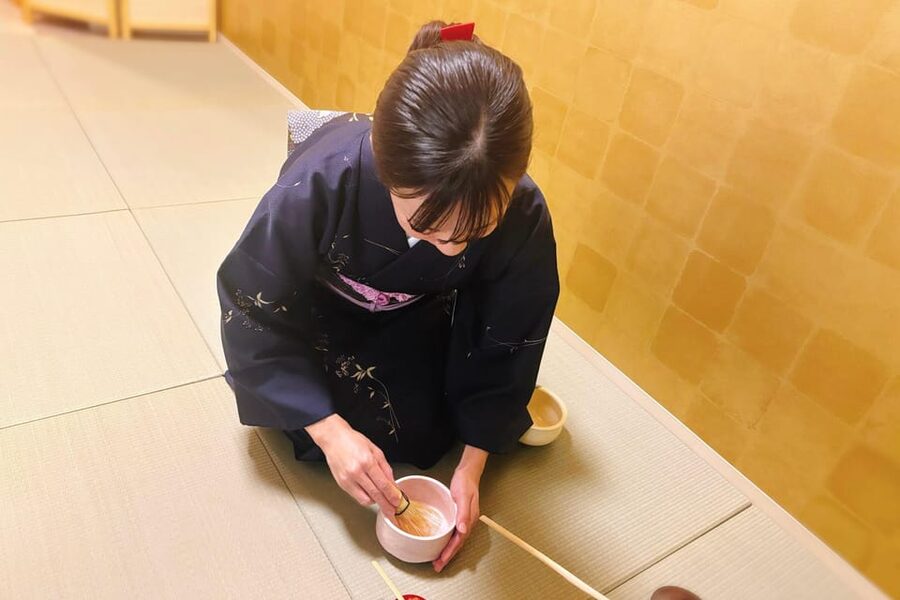
After calligraphy, you switch gears from ink to aroma. The tea ceremony portion teaches you how to make the tea steps, and then you try making it yourself.
One detail I really like is the choice you get in the tea setup. You can select a tea bowl that expresses your feelings for the day from several available options. That turns the ceremony into something slightly more personal than a standard script.
You’ll make matcha and then taste it as part of the ceremony. If you’ve never done matcha before, don’t worry. The instructor guides you through the process and helps you understand what you’re doing and why it matters.
Sweets twice, plus a seasonal culture lesson
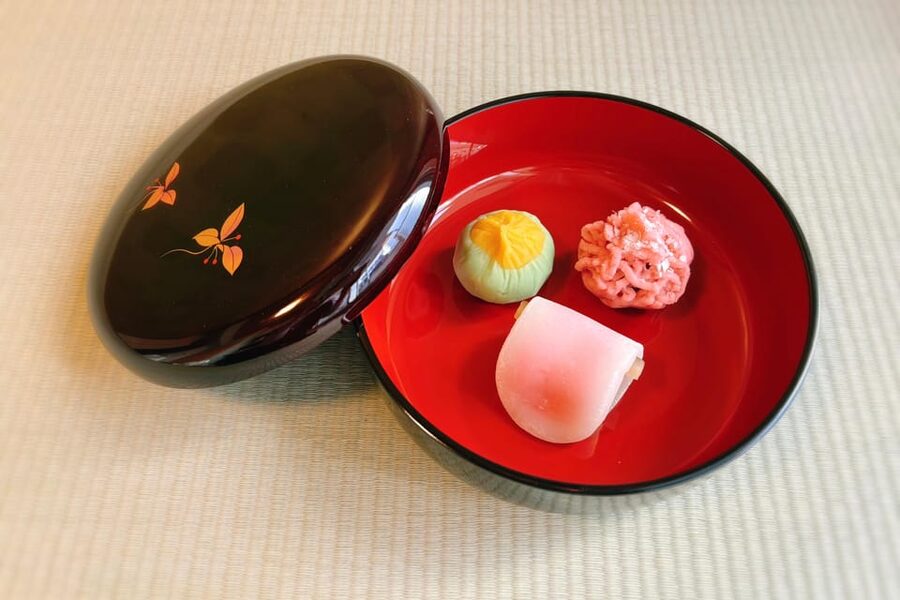
There’s more to the sweets than just eating them. You’ll enjoy Japanese sweets during the tea ceremony in two separate moments. One of the most interesting cultural notes from real class experiences is that sweets can reflect the season, and the instructor explains that connection.
You might be thinking, okay, sweets and tea, so what’s the lesson. The point is that the ceremony is an everyday ritual with attention to timing and context. The sweets aren’t random snacks; they’re part of a seasonal rhythm.
There’s also mention of lactose-free sweets being available in at least one experience. If food needs matter to you, bring it up ahead of time or at the start so the instructor can guide you to what’s suitable.
Questions are welcome
If you want to get more out of the tea side, ask about the role of seasons and the meaning behind the matcha steps. In prior sessions, the instructor has been the type to explain history and matcha making in a way that makes the whole routine feel logical, not mystical.
What makes it private: pace, photos, and full attention
A big selling point here is that it’s completely private. That changes how the time feels. You’re not scanning faces in a group, waiting for the instructor to finish with someone else, or worrying that you’ll fall behind.
You can take photos anytime during the experience, and the setup allows you to adjust the pace. If you want lots of pictures, you can do that. If your child needs slower moments, the lesson can flex around the group’s tempo.
This also means the instructor can tailor explanations. When you’re writing kanji or whisking matcha, you’ll likely have small practical questions, like where to place your hands or how to keep the brush angle consistent. Private attention makes those questions easier to solve immediately.
In short: private doesn’t just mean quiet. It means the lesson matches your questions.
Who should book this Osaka tea and calligraphy session
This is a strong choice if you want an authentic Osaka experience without needing a long itinerary. You’ll get culture, but you’ll also get skills you can remember.
I’d especially recommend it for:
- First-time Japan visitors who want something calmer than typical city sightseeing
- People who like hands-on activities and making a souvenir they created
- Families with kids, since there’s water calligraphy and the instruction style can flex
- Travelers who love matcha and want to understand what you’re actually doing
If you’re the type who collects photos, you’ll appreciate that you can snap pictures during both halves of the class. If you’re more introspective, the calm pace and tea focus can also feel like a reset button in the middle of a busy Japan trip.
Practical tips before you go
Here’s what I’d do to make your experience smooth.
Wear socks. Socks are specifically required, and they help with comfort indoors.
Plan for not smoking. It’s listed as not allowed, so you won’t need to worry about finding a place for a quick smoke break.
Bring your curiosity. This is guided instruction, so the best results come when you ask questions while you’re practicing.
If you’re thinking about what to bring as a person-level prep: decide on your calligraphy theme ahead of time. It makes the start faster and helps your final kanji feel intentional.
Should you book this Osaka private tea ceremony and calligraphy?
If you want a meaningful cultural activity that’s not just watching, I think you should book it. The combination is smart: you get matcha making plus a calligraphy souvenir in one 135-minute session, and it’s all private with full attention from Wanoma.
I’d skip it only if you need wheelchair access, since the class is not suitable for wheelchair users. Or if you’re short on time and can’t fit 135 minutes, you’ll feel the squeeze.
For most visitors, this is a high-value, low-stress way to experience Japanese craft and ritual in Namba. You’ll end with a finished piece of writing and at least one new way to enjoy matcha, which is about as good as souvenirs get.
FAQ
How long is the Osaka private tea ceremony and calligraphy experience?
It lasts 135 minutes.
Is this a private class or a shared group?
It’s a private group experience, meaning it’s completely private for your party.
Do I get to take home something I make?
Yes. You’ll create a calligraphy artwork and take it home.
Will I get to make matcha, or is it just tasting?
You’ll do a matcha making experience and also taste matcha during the tea ceremony.
What should I bring?
Bring socks.
Is the experience wheelchair accessible?
No, it is not suitable for wheelchair users.
Made in Osaka, by You
- Osaka: Tea Ceremony, Calligraphy, and Kimono Experience★ 4.9 · 130 reviews
- 1.5〜2 Hours Traditional Kintsugi Work Shop in Namba Osaka★ 5.0 · 75 reviews
- Osaka: Private Japanese Calligraphy Experience★ 5.0 · 66 reviews
- From Osaka: Sakai Knife Maker or Blacksmith Walking Tour★ 4.9 · 64 reviews
- Calligraphy Workshop in Namba, Dotonbori★ 5.0 · 57 reviews
Your Osaka, at Your Pace
- Private Osaka Walking Tour: Highlights & Hidden Gems★ 5.0 · 569 reviews
- Osaka 4hr Private Tour with Government-Licensed Guide★ 5.0 · 314 reviews
- 3/4/5 Hours Private Tour in Osaka with Local Guide★ 5.0 · 189 reviews
- Osaka’s Best and Brightest: Private Full-Day Tour by Vehicle★ 5.0 · 147 reviews
- Kyoto & Nara Private customized tour with English speaking Guide★ 4.5 · 99 reviews
Matcha, Whisked and Poured
- Osaka: Tea Ceremony Experience★ 4.9 · 1,426 reviews
- Tea Ceremony Experience in Osaka Doutonbori★ 5.0 · 754 reviews
- Matcha Making Class in Osaka with Authentic Japanese Sweets Set★ 5.0 · 509 reviews
- Osaka: Matcha Making Experience with Japanese Sweets★ 5.0 · 146 reviews
- Osaka: Tea Ceremony, Calligraphy, and Kimono Experience★ 4.9 · 130 reviews
The Newest Osaka Write-Ups
- Private Photoshoot in Osaka with a Professional Photographer
★ 5.0 · 3 reviews - Osaka Early Morning Osaka Castle Tour Avoid Crowds
★ 5.0 · 3 reviews - Nara Private Tour with Pick and Drop and English Speaking Driver
★ 3.5 · 3 reviews - Osaka: Modern Vegetarian Sushi Cooking Class
★ 5.0 · 3 reviews - Nara Day Trip from Osaka with a Licensed Guide
★ 5.0 · 3 reviews
Osaka Tea Ceremony & Matcha, compared.
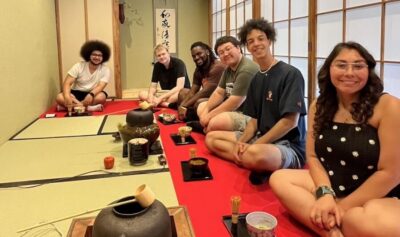 ★ 4.9Tea Ceremony ExperienceFrom $251,426 reviews
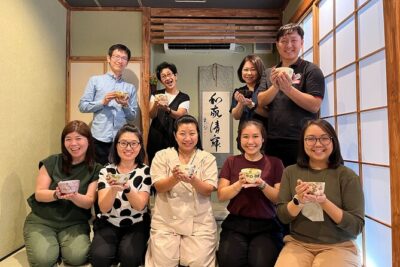 ★ 5.0Tea Ceremony Experience in Osaka DoutonboriFrom $20754 reviews
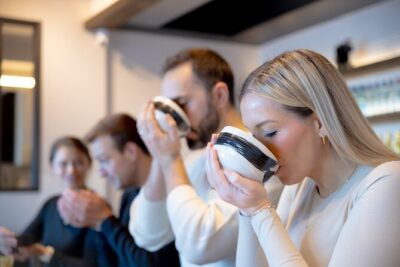 ★ 5.0Matcha Making Class in Osaka with Authentic Japanese Sweets SetFrom $21509 reviews
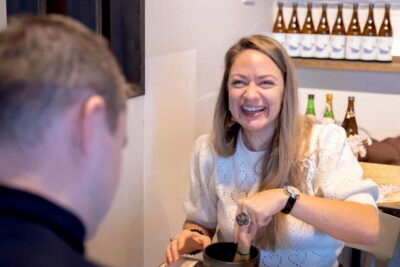 ★ 5.0Matcha Making Experience with Japanese SweetsFrom $22146 reviews
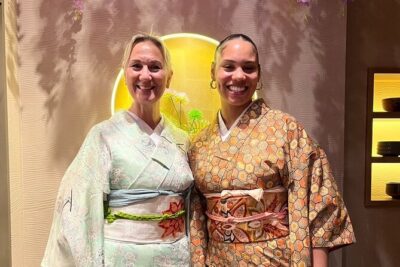 ★ 4.9Tea Ceremony, Calligraphy, and Kimono ExperienceFrom $96130 reviews
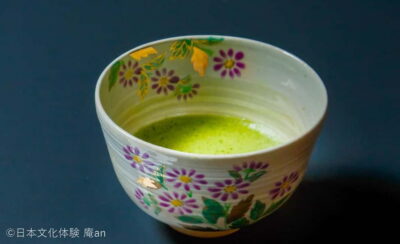 ★ 4.7Japanese Traditional Sweets Making and Tea CeremonyFrom $18118 reviews
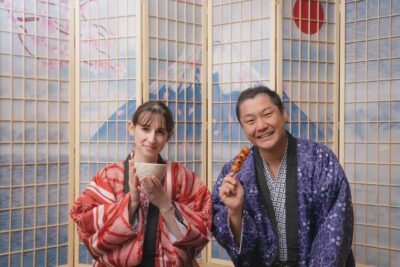 ★ 4.9Osaka Temple Cool Foot Bath & Matcha Experience〈45min〉From $3482 reviews
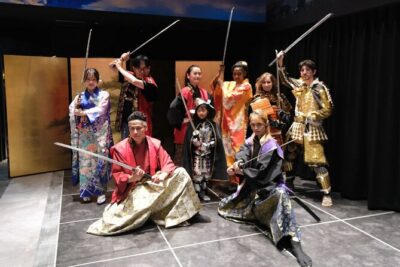 ★ 5.0Samurai Show, Tea Ceremony, Japanese Traditional ActivitiesFrom $4456 reviews
Browse the lists this tour appears in