
Reviewed · OSAKA CRAFT & CULTURE WORKSHOPS
Osaka: Temari Embroidery Workshop
Stitching time in Osaka beats shopping therapy. This Temari embroidery workshop is a hands-on way to learn a Japanese craft that goes back more than 1,000 years, with step-by-step help and a design you control. One catch: you’ll finish only one side during the class, then use a video link to complete the other side at home.
Classes run about 2 hours at Free space C-Flat inside SARASA HOTEL Shinsaibashi, with a small-group cap of 10, so you’re not stuck watching from the back.
In This Review
- Key Things To Know Before You Go
- Temari in Osaka: A Craft That Turns Thread Into a Keepsake
- What Happens During the 2-Hour Workshop (and Why It Works)
- History First, Stitches Second: How You Learn Without Getting Overwhelmed
- Choose Your Base and Threads: Your Design, Your Decisions
- Base color planning (don’t wait)
- Thread color planning (4 colors is plenty)
- Instructor Guidance in English and Spanish (Small Group Help)
- Only One Side Today: The Best Part Is the Take-Home Video
- What to expect when you continue at home
- Where You Meet in Shinsaibashi (and Why That’s Convenient)
- The Price ($38) and What Makes It Feel Fair
- Who Should Book This Workshop (and Who Might Skip)
- Tips to Get the Most Out of Your Temari Session
- Should You Book the Osaka Temari Embroidery Workshop?
- FAQ
- How long is the Osaka Temari embroidery workshop?
- What’s included in the price?
- Can I choose my Temari base color and thread colors?
- Will both sides of the Temari be finished during the class?
- What languages are the instructors?
- Is the workshop wheelchair accessible?
Key Things To Know Before You Go
- Traditional craft, practical instructions: You learn the stitching technique and work from a real Temari base.
- Color control: Pick from a variety of base colors and select 4 thread colors for your pattern.
- Language support: English and Spanish speaking instruction, with clear guidance as you stitch.
- Only one side today: The workshop finishes one side, then you get a video link for the rest.
- Materials included: You get the base, threads, needles, and follow-up instructions.
- Small group feel: Limited to 10 participants, so it’s easier to get help when you need it.
Make the souvenir yourself at more workshops


Temari in Osaka: A Craft That Turns Thread Into a Keepsake
Osaka is great for big experiences—food stalls, street scenes, neon corners. This workshop offers something quieter and more personal. You’re not just buying a souvenir. You’re making a small, spherical piece of Japanese folk craft that you can hold, rotate, and admire later.
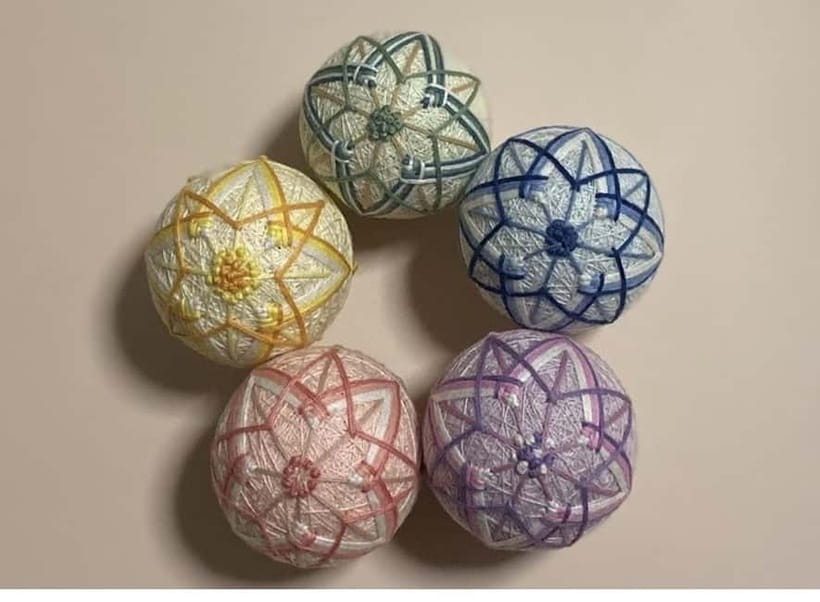
Temari itself is a traditional form of hand-embroidered balls. You’ll start by learning what Temari is and where it comes from—then you’ll build your own design using thread and a prepared base ball. That structure matters because it gives your hands a job while your brain understands the why behind the stitches.
I also like that the workshop is built for real travelers: English or Spanish instruction, included supplies, and a take-home video so you aren’t left staring at your own half-finished work.
What Happens During the 2-Hour Workshop (and Why It Works)
The class is 2 hours long, which is just enough time to learn the basics, create a pattern, and feel progress without turning it into a marathon.
You’ll typically follow this flow:
First, you get an overview of Temari’s history and what makes the stitching method special. This isn’t trivia for trivia’s sake. It helps you understand why the pattern steps matter, and what you’re aiming for visually.
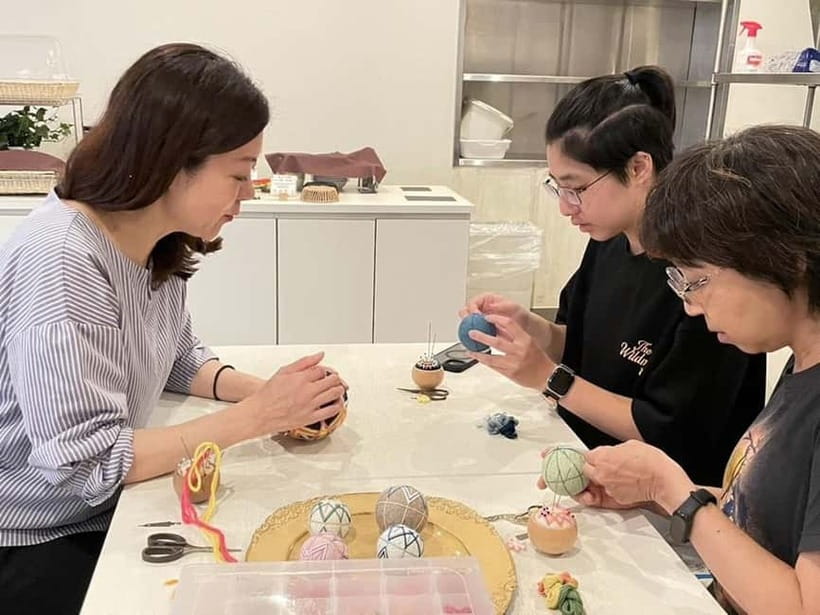
Next comes the hands-on part: you select a Temari base ball color from the options provided. The host prepares the base, so you’re not dealing with shaping or building anything from scratch. Your work starts at the embroidery stage, which keeps the class focused on what you came for.
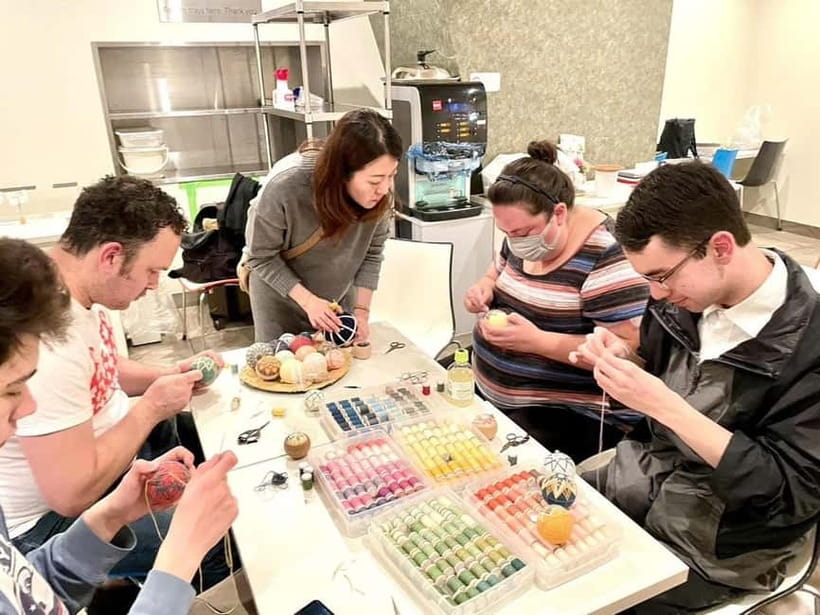
Then you choose your embroidery threads. You pick 4 colors (from the thread options available), and you’ll stitch using those colors while the instructor explains technique and helps you keep your spacing and direction under control.
By the end, you’ll have a completed Temari design on one side. The other side is where the video link becomes important.
History First, Stitches Second: How You Learn Without Getting Overwhelmed
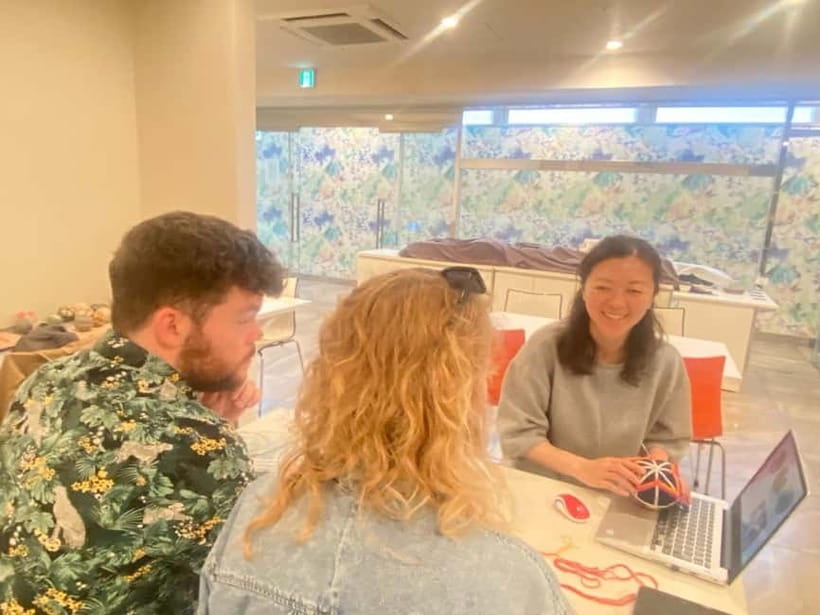
Some craft classes throw you straight into technique. Here, you start with a short history of Temari and learn what the craft represents. That quick context keeps the experience from feeling like random “follow-the-steps” work.
Once you understand the craft’s purpose, you’ll focus on the stitching itself. The goal is not perfection. It’s learning the method you can repeat at home—slowly, comfortably, and with fewer time pressures.
You’ll also see how the host structures the work: base ball ready, threads ready, needles ready, then guidance as you stitch. That matters because it reduces the usual beginner stress—especially if you’re not crafty with a needle.
Put this one next to a few other Osaka options first:




Choose Your Base and Threads: Your Design, Your Decisions
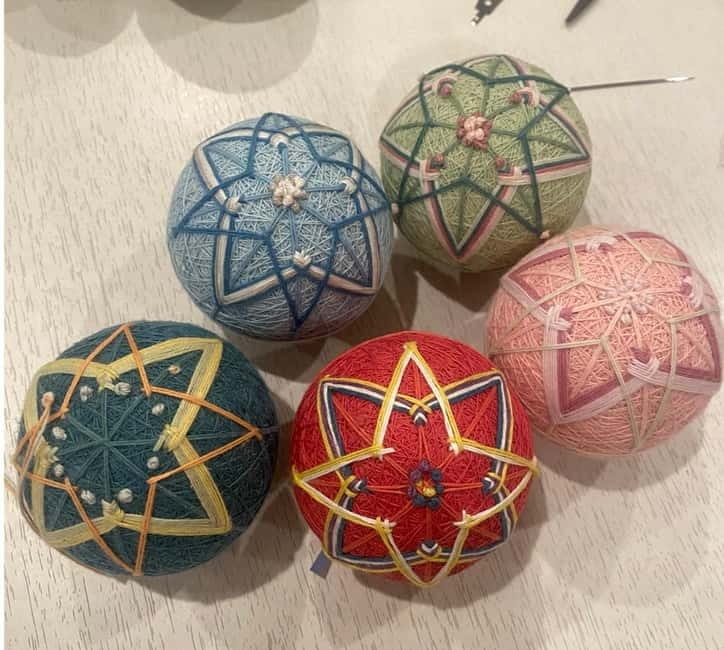
This is where the workshop feels most personal. You’re not stuck with a single template. You choose both the base color and the thread colors, which means your final look is uniquely yours even if you’re doing the same core technique as the person next to you.
Base color planning (don’t wait)
If you have a preferred Temari base color, you should tell the host at least 3 days in advance. That gives them time to prepare the right base option before your workshop day.
If you don’t have a preference, you’ll still be able to choose from the variety of base colors available in the moment. Either way, you get control over the “background” of your design.
Thread color planning (4 colors is plenty)
You select 4 colors of embroidery thread during the class. Four sounds small, but it’s enough to create contrast and rhythm—especially since you’re stitching a pattern rather than covering the whole ball with one uniform color.
A practical tip: think in contrast. Pick at least one color that pops against the base color. Then add 2 supporting colors and 1 that you want to see as the “accent” when you rotate the ball.
Instructor Guidance in English and Spanish (Small Group Help)
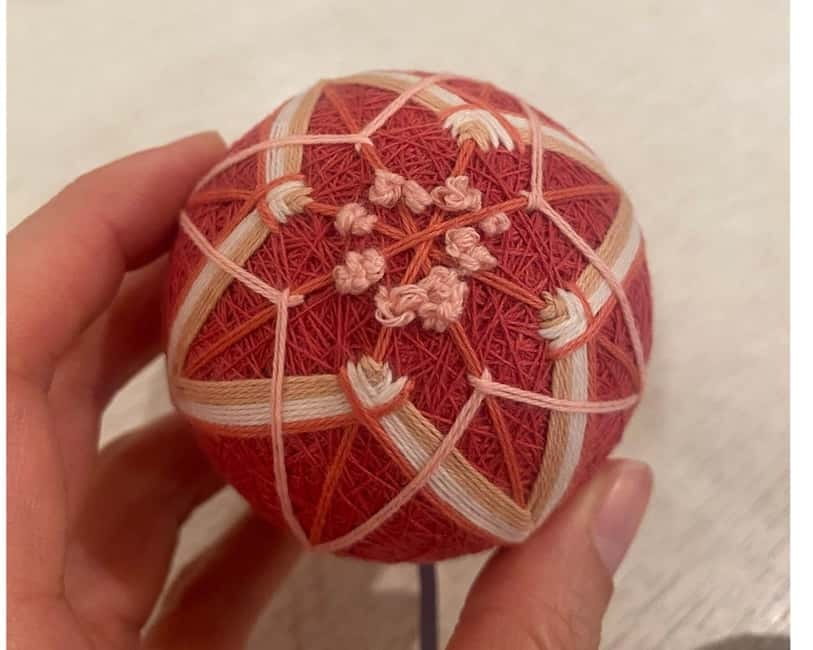
This workshop is taught by an instructor who speaks English and Spanish, and the group is limited to 10 people. That small size is more than a marketing point. It affects how much you can ask questions when your stitches start to look uneven.
In practice, you should expect clear, step-by-step help while you work. One of the strongest signals from past attendees is that English instruction can be easy to follow, with teaching that pays attention to what you’re doing—rather than rushing through the technique.
If you’re a total beginner, don’t worry. The class is designed so you can learn the key stitching method and finish a side by the end of the session.
Only One Side Today: The Best Part Is the Take-Home Video
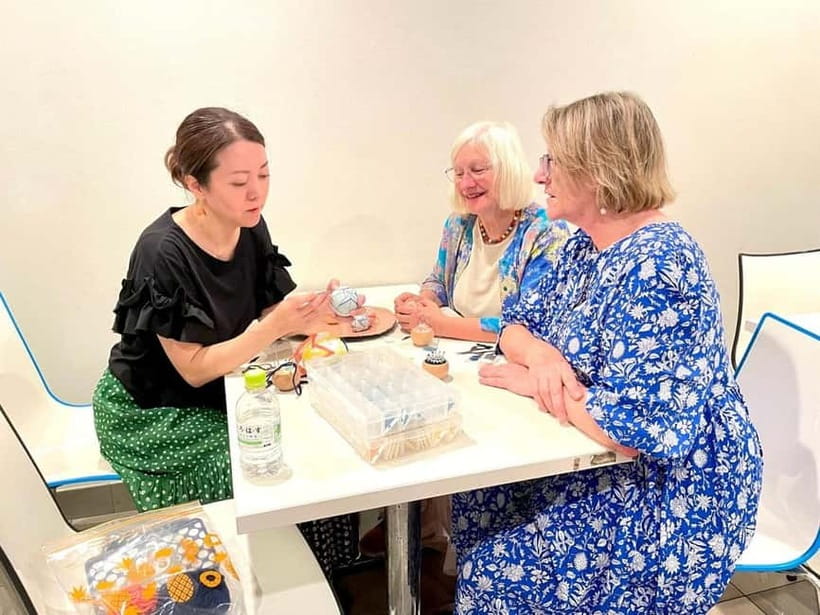
Here’s the smart part of this workshop: it doesn’t pretend that everyone can complete both sides in 2 hours.
During class, you finish one side only. You then receive a video link so you can complete the other side at home on your own schedule. That means you can slow down and repeat what you learned without time pressure.
If you’ve ever done a craft class and felt guilty because the final result depended on having perfect timing, this setup is a relief. You get a proper in-class finish, then a guided path to complete the piece later.
What to expect when you continue at home
Because the second side is handled via video, you’re not guessing. You’ll follow the same method again, using the patterns you already learned.
One drawback: you do need some patience. You’ll likely want an hour or two later to complete the second side neatly. But that’s also the upside—your Temari won’t be just a one-and-done activity. It becomes a small home project.
Where You Meet in Shinsaibashi (and Why That’s Convenient)
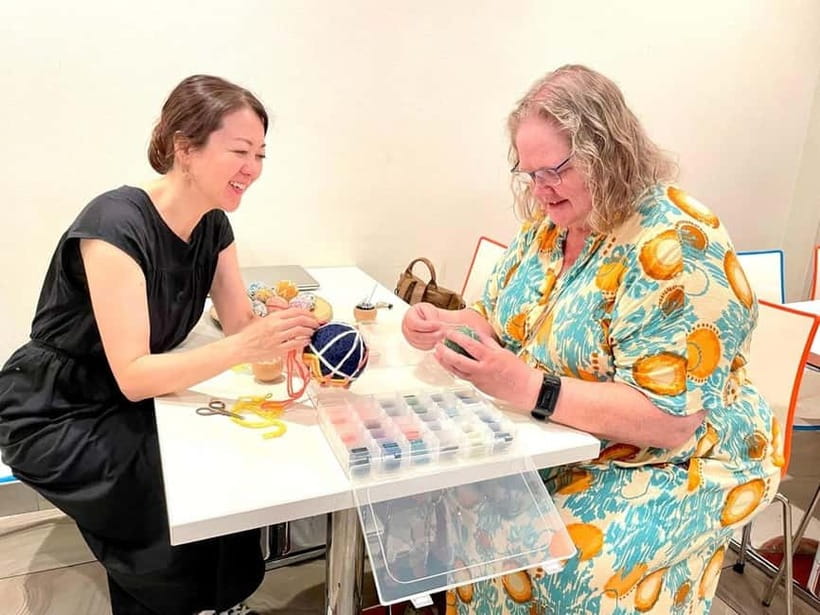
The meeting point is Free space C-Flat (SARASA HOTEL Shinsaibashi 1F). Shinsaibashi is a handy area for most Osaka stays, so this is not a half-day detour into the outer suburbs.
Because the workshop is 2 hours, it fits well between meals, or right before or after a shopping stretch in the area. If your Osaka plan includes a lot of walking, consider pairing this with lighter evening plans. Your hands will be moving, and you’ll probably want a calm meal afterward.
If you want a smoother start, arrive a few minutes early. Craft sessions run on a steady flow, and it’s nicer to settle in before needles start clicking.
The Price ($38) and What Makes It Feel Fair
At $38 per person for a 2-hour workshop, you’re paying for more than instruction. You’re paying for:
- A prepared Temari base ball
- 4 thread colors
- Needles
- The finished work you complete in class
- A video link to finish the second side
Many “souvenir” crafts cost about the same and give you something that’s already finished. Here, the value comes from the learning. You leave with a physical object and the method behind it. Even if your second side isn’t perfect, you’ll understand what to do.
Also, the small group size (up to 10) helps justify the cost. You’re not just in a room; you’re actually working with an instructor.
Who Should Book This Workshop (and Who Might Skip)
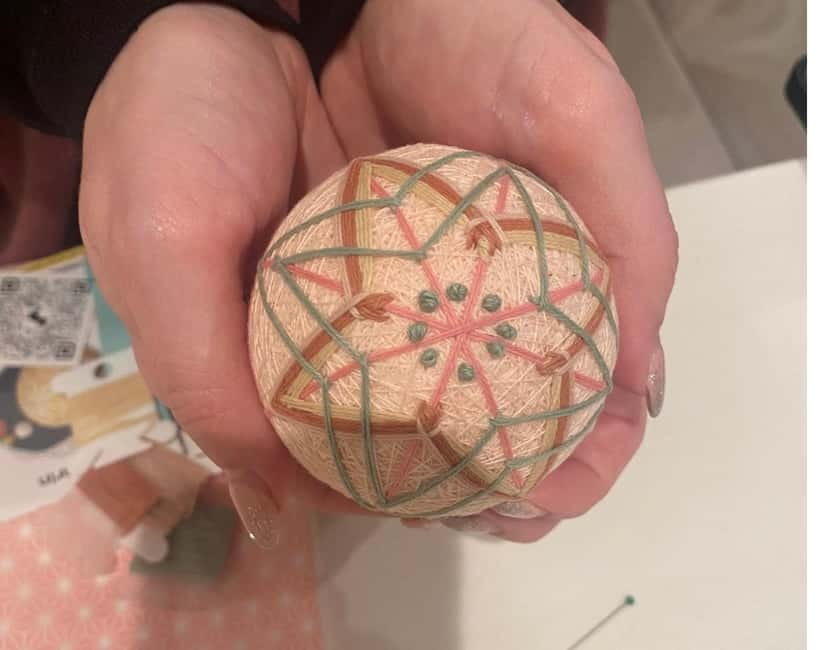
This is a strong choice if you:
- Like Japanese crafts and want something more meaningful than a postcard
- Enjoy hands-on activities with clear steps
- Want a small-group setting with language support
- Are the type who likes taking a project home to finish calmly later
You might consider skipping if:
- You dislike needlework or fine motor tasks
- You only want fully finished items in one sitting (because only one side is done in class)
- You’re short on time for a follow-up session at home to complete the second side
Tips to Get the Most Out of Your Temari Session
You’ll enjoy this more if you show up ready to focus for 2 hours and not rush your stitching.
A few practical ideas:
- If you have a preferred base color, give it 3 days in advance.
- When picking thread colors, plan for contrast rather than matching everything perfectly.
- Don’t force speed. Neater stitches come from steady pace, not faster hands.
- Save the video link right away after class, so finishing the second side doesn’t become a forgotten chore.
And if you end up in a very small group, that can be a nice bonus—more time to ask questions and get feedback on your technique.
Should You Book the Osaka Temari Embroidery Workshop?
Yes, if you want a memorable Osaka experience that’s personal and hands-on. For $38, you get instruction, materials, and a take-home plan that turns the workshop into a two-part project rather than a quick stop.
Book it if you like the idea of creating something rooted in Japanese craft tradition, with English or Spanish teaching and a small-group setup that keeps the experience friendly. If you’re okay doing some finishing at home, this class is a great fit.
FAQ
How long is the Osaka Temari embroidery workshop?
The workshop lasts about 2 hours.
What’s included in the price?
You receive a Temari base ball, 4 colors of embroidery thread, needles, and a video link with further instructions.
Can I choose my Temari base color and thread colors?
Yes. You can choose a Temari base ball color, and during the class you can choose 4 thread colors. If you want a specific base color, you should inform the host at least 3 days in advance.
Will both sides of the Temari be finished during the class?
No. Only one side will be completed in the class. You’ll get a video link to finish the other side at home.
What languages are the instructors?
The instructor provides English and Spanish support.
Is the workshop wheelchair accessible?
Yes, the activity is wheelchair accessible.
Take Home Something You Made
- Sushi Making Osaka Roll and Authentic Japanese Sushi Class★ 5.0 · 1,220 reviews
- Matcha Making Class in Osaka with Authentic Japanese Sweets Set★ 5.0 · 509 reviews
- Osaka: Ramen and Gyoza Cooking Class in Dotonbori★ 5.0 · 378 reviews
- Osaka Cooking Class: Okonomiyaki &Japanese cuisines experience★ 5.0 · 261 reviews
- Osaka: Roll and Authentic Sushi Making Class in Dotonbori★ 4.9 · 239 reviews
More Tour Reviews in Osaka
- Osaka Go Karting Tour with Funny Costume★ 5.0 · 2,658 reviews
- Osaka Castle: Museum and Tower Entry Ticket★ 4.5 · 2,380 reviews
- Osaka: Shinsekai Food Tour with 13-15 Dishes at 5 Eateries★ 4.8 · 2,204 reviews
- Osaka Food Tour: 13 Dishes at 5 Local Eateries★ 5.0 · 2,149 reviews
- Hungry Osaka Street Food Tour:15 Tastings & 3 Drinks with a Local★ 5.0 · 1,727 reviews
Made in Osaka, by You
- Osaka: Tea Ceremony, Calligraphy, and Kimono Experience★ 4.9 · 130 reviews
- 1.5〜2 Hours Traditional Kintsugi Work Shop in Namba Osaka★ 5.0 · 75 reviews
- Osaka: Private Japanese Calligraphy Experience★ 5.0 · 66 reviews
- From Osaka: Sakai Knife Maker or Blacksmith Walking Tour★ 4.9 · 64 reviews
- Calligraphy Workshop in Namba, Dotonbori★ 5.0 · 57 reviews
The Newest Osaka Write-Ups
- Private Photoshoot in Osaka with a Professional Photographer
★ 5.0 · 3 reviews - Osaka Early Morning Osaka Castle Tour Avoid Crowds
★ 5.0 · 3 reviews - Nara Private Tour with Pick and Drop and English Speaking Driver
★ 3.5 · 3 reviews - Osaka: Modern Vegetarian Sushi Cooking Class
★ 5.0 · 3 reviews - Nara Day Trip from Osaka with a Licensed Guide
★ 5.0 · 3 reviews
Osaka Craft & Culture Workshops, compared.
 ★ 4.9Tea Ceremony, Calligraphy, and Kimono ExperienceFrom $96130 reviews
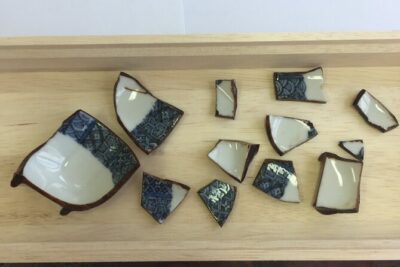 ★ 5.01.5〜2 Hours Traditional Kintsugi Work Shop in Namba OsakaFrom $12575 reviews
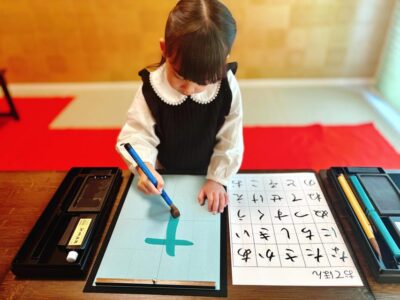 ★ 5.0Private Japanese Calligraphy ExperienceFrom $5166 reviews
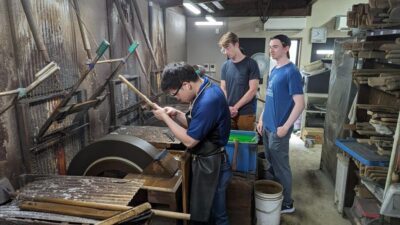 ★ 4.9From Osaka: Sakai Knife Maker or Blacksmith Walking TourFrom $6464 reviews
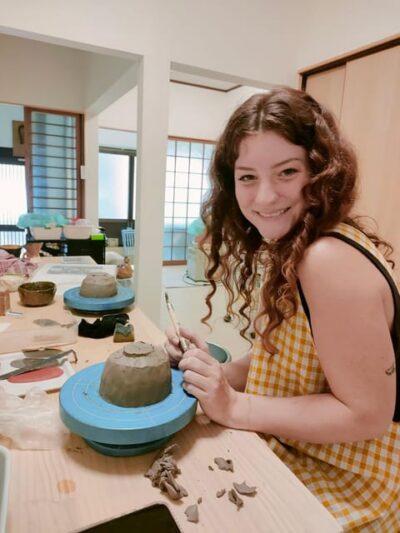 ★ 5.0Traditional Japanese Ceramics Private ExperienceFrom $9657 reviews
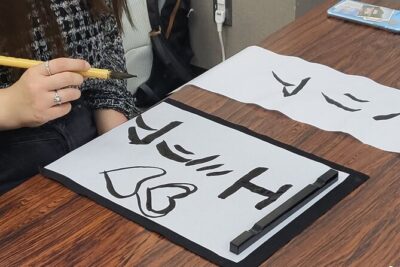 ★ 5.0Calligraphy Workshop in Namba, DotonboriFrom $4957 reviews
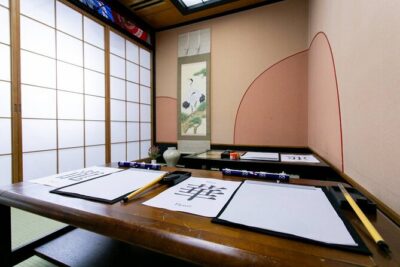 ★ 4.5Learning Zen of Japanese Calligraphy in kimono near Osaka CastleFrom $4353 reviews
 ★ 5.0Private Tea Ceremony and Calligraphy ExperienceFrom $6450 reviews
Browse the lists this tour appears in