
Reviewed · OSAKA CRAFT & CULTURE WORKSHOPS
Osaka Small Group Sashiko Japanese Craftmanship Workshop
Tiny stitches, big cultural payoff. I love how the session starts with Sashiko history and pattern meaning, then moves to your first geometric stitch under Jun’s calm guidance. I also like that everything you need is provided and you leave with a finished item. One consideration: the workshop runs about 2 hours, so it’s a starter skill session, not a long, advanced project.
In Osaka, this is a small-group workshop with a maximum of 8 people, led in English. You’ll meet at 1-chōme-4-18 Shigita, Joto Ward, and it’s near public transportation. You’ll also get a mobile ticket, and the pace stays relaxed and hands-on from start to finish—ideal for a crafty afternoon when you want something more personal than sightseeing.
In This Review
- Key things to know before you go
- A Small-Group Atelier in Osaka: Meet Jun and Get Set Up
- Sashiko 101: What the Edo-Period Stitches Were Really For
- The Workshop Flow: Demo, Then Your First Sashiko Stitches
- Pattern Meaning and Symbolism: What You Learn Beyond the Stitches
- What You Actually Make: Tools Included and a Take-Home Piece
- Price and Value in Osaka: Is $68.29 Fair?
- Location, Timing, and Getting There Without Stress
- Shopping Corner Nearby: Threads, Sewing Kits, and Cash Discounts
- Who This Workshop Is Best For (and Who Might Skip It)
- Should You Book This Osaka Sashiko Workshop?
- FAQ
- How long is the Osaka Sashiko workshop?
- What is the price per person?
- What does the workshop include?
- Do I get to take my project home?
- Is the workshop taught in English?
- What is the maximum group size?
- Where is the meeting point?
- Is transportation to the venue included?
- Do I need good weather?
- Is travel insurance included?
Key things to know before you go
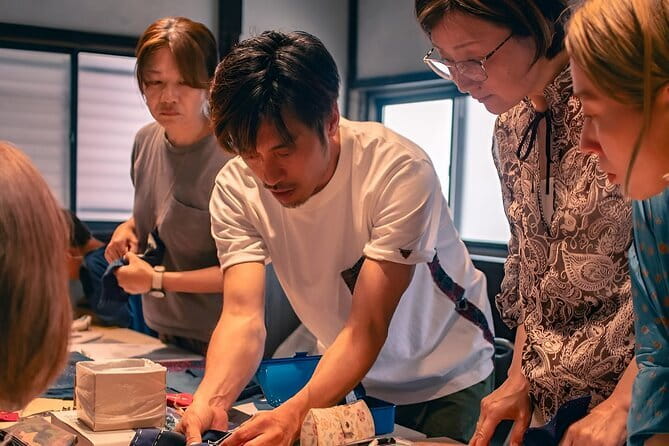
- Max 8 people means you get real attention while you stitch.
- English guidance from Jun keeps the technical parts easy to follow.
- All tools and materials are included, so you can just show up.
- You take home a finished Sashiko item (often something like a coaster).
- Cash discounts are available at the adjacent sewing shop area if you want to buy threads or kits.
- It depends on the weather, so plan for a possible date change.
Make the souvenir yourself at more workshops
A Small-Group Atelier in Osaka: Meet Jun and Get Set Up
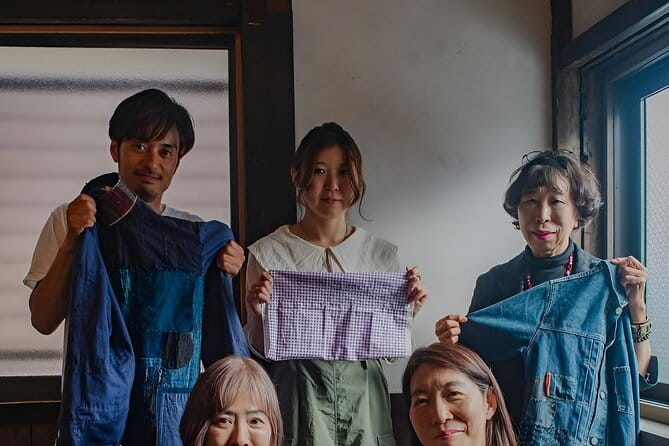
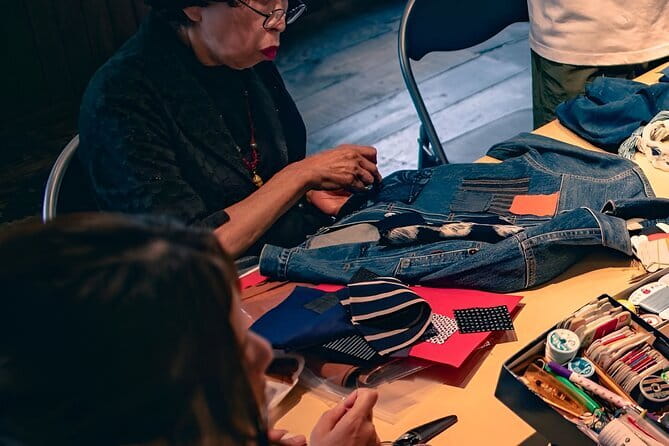
This workshop feels like it happens in a proper working space, not a showroom. The group size matters here. With up to 8 people, you’re not lost in a crowd, and Jun can slow down when someone is still figuring out the basic rhythm of the stitches.
You start at 1-chōme-4-18 Shigita, Joto Ward. The address is specific, and the good news is that it’s near public transportation, so you’re not forced into a taxi-heavy plan. Bring whatever you need for smooth check-in, and use your mobile ticket when you arrive.
From the get-go, the vibe is practical. You get the tools, you get the fabric, and you start learning the method right away. That’s a big deal with Sashiko. This craft isn’t just about “making something cute.” It’s about doing the stitching correctly—spacing, direction, and consistency—and the workshop is set up to help you get that right without frustration.
Sashiko 101: What the Edo-Period Stitches Were Really For
Before you touch the needle, you get context. Sashiko means little stabs, and that name is more than a cute translation. It points to the simple action at the heart of the craft: repeated, controlled stitching.
The history piece starts with the Edo period (1603–1868). Back then, Sashiko grew as a practical way to reinforce and insulate clothing. Over time, those utility stitches became a recognized art form, where patterns carry meaning and where the design choices reflect both function and aesthetics.
In the workshop, this background isn’t treated like trivia. It explains why the patterns look the way they do and why people pay attention to the geometry. Once you understand that the stitches have a purpose, it makes the act of stitching feel more intentional. You’re not just copying shapes. You’re participating in a method that evolved from everyday need.
Jun also helps you connect the dots between technique and symbolism. You’ll learn that different patterns aren’t random decorations. They’re tied to cultural ideas and ways of organizing visual rhythm on fabric.
The Workshop Flow: Demo, Then Your First Sashiko Stitches
The structure is simple and effective: a short history, a demonstration of basic stitches, then hands-on practice while Jun guides you through.
The session begins with fundamentals. You see the correct way to handle the needle and how to keep your stitch spacing consistent. Then you try it yourself. This is where the small-group size really pays off. When something feels awkward—like controlling tension or keeping the lines straight—you can ask, and Jun can adjust your approach right then.
The workshop also stays friendly for different skill levels. If you’re brand new to sewing, you’ll get the basic steps. If you already stitch, you’ll still appreciate the focus on Sashiko-specific geometry, which can be trickier than it looks.
As you work, you’ll build toward a finished project. The workshop is designed so you can complete a small item you can take home, such as a coaster. Even if you’ve never made anything like it, the time is organized to help you reach a satisfying end point. That matters, because nothing kills motivation like starting a project you never finish.
Put this one next to a few other Osaka options first:
Pattern Meaning and Symbolism: What You Learn Beyond the Stitches
One of the best parts of this workshop is that it doesn’t treat Sashiko as pure craft, separate from culture. You’ll learn the history and also how patterns can carry meaning and symbolism. That’s the difference between making a piece that looks good and making a piece that has a story.
You’ll see examples of Sashiko creations, too. That helps you understand how common motifs work in practice—how geometry turns into something recognizable. When you’re choosing what to stitch (or following the pattern you’re given), the background helps you feel the logic behind the design.
I like that this workshop frames patterns as part of a broader tradition rather than a random set of decorative choices. You can walk away with a better eye for what you see in Japan afterward, especially if you start noticing Sashiko-style textiles in shops or on clothing.
What You Actually Make: Tools Included and a Take-Home Piece
You don’t need to bring supplies. The workshop includes all necessary tools and materials: fabric, needles, threads, and other Sashiko-specific tools. That lowers the risk of this being a “pay for a class, then go buy everything” situation.
You also leave with your completed project. The workshop is set up for a take-home item like a coaster, which is perfect because it’s small enough to finish in a 2-hour session. It’s also functional, so you’re likely to use it, not just store it in a drawer.
Think of the finished item as your portable souvenir. It’s not just a photo. It’s something you can live with day to day. And because the materials and instruction are Sashiko-focused, the piece reflects the technique you learned, not just generic “handmade” vibes.
Price and Value in Osaka: Is $68.29 Fair?
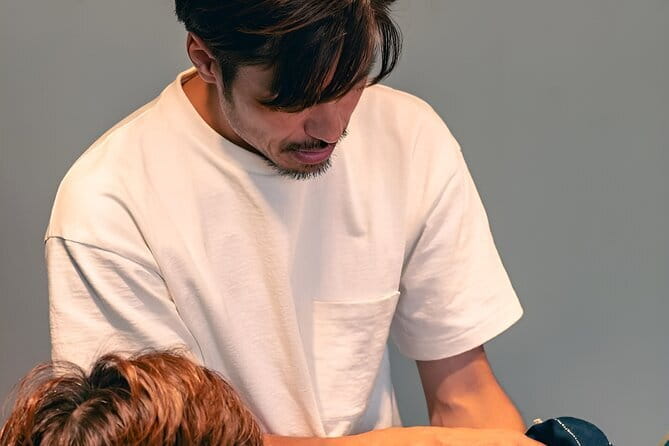
At $68.29 per person, this isn’t a bargain workshop—but it also isn’t overpriced for what you get. You’re paying for a small-group setting (max 8), an English-speaking instructor (Jun), and complete materials plus tools. You’re also paying for cultural context: history, symbolism, and pattern meaning, not just the stitch steps.
Two hours is enough to learn technique, ask questions, and finish a meaningful item. For many people, that’s the sweet spot. You leave with a skill you can repeat and an object you can show others that isn’t mass-produced.
If you’re the kind of person who likes making things with your hands, value here comes from the structure. The workshop gives you boundaries (proper spacing, correct method) so you’re not guessing. That makes the time feel productive.
If you’re expecting something that looks like a full-day couture workshop, then the price may feel small—but that’s a mismatch. This is a focused, guided start. It’s best seen as an afternoon craft experience with real instruction and a finished take-home project.
Location, Timing, and Getting There Without Stress
The meeting point is in Joto Ward, at 1-chōme-4-18 Shigita, Osaka. Since it’s near public transportation, you should be able to fit it into a normal Osaka day without a complicated route.
The workshop lasts about 2 hours. Plan to arrive a little early so you can settle in and start on time. If you’re juggling other activities that day, treat this as a main event, not a filler slot.
Weather can affect this experience. The session requires good weather, and if it’s canceled due to poor weather, you’ll be offered a different date or a full refund. That’s not unusual for hands-on activities, but it’s worth building flexibility into your schedule.
Shopping Corner Nearby: Threads, Sewing Kits, and Cash Discounts
Right by the workshop area, there’s a small shopping corner. It’s worth a quick look after you stitch, because you’ll understand what you’re buying once you’ve worked with Sashiko materials yourself.
You can find JunAle original goods, sewing kits, hand-dyed threads, and clothing. There are discounts available for cash payments. If you’re the kind of shopper who likes to take the craft further, this is a practical add-on to consider.
A good strategy: don’t rush into buying at the start. Stitch first, see what you used, and then decide what you’d want to continue at home.
Who This Workshop Is Best For (and Who Might Skip It)
This is a strong pick if you want a hands-on cultural experience in Osaka. You’ll like it most if you enjoy learning technique and you want an actual finished piece, not just a demonstration.
It’s also great for beginners because the workshop starts from basics: history, then stitch fundamentals, then guided practice. People with experience can still benefit because Sashiko has its own rules of geometry and pacing.
Who might skip it? If you’re looking for a high-energy, sightseeing-style tour with lots of external locations, this isn’t that. It’s a seated craft workshop. Also, if you need a long project with heavy customization, the 2-hour format means you’ll likely get a starter-sized outcome rather than a big, elaborate textile work.
Should You Book This Osaka Sashiko Workshop?
If your goal is a focused craft lesson with cultural context—and you want to take home something you made yourself—this workshop makes sense. The combination of small group size, complete materials, English instruction from Jun, and a finished item in about 2 hours is a simple formula for a good afternoon.
Book it especially if you like learning practical skills you can use again. You’ll leave with a better understanding of why patterns matter, not just how to copy them.
If you’re mainly chasing a loud, multi-stop experience, you might find this too quiet. But if you want calm creativity, clear guidance, and a handmade souvenir with real technique behind it, I’d say it’s a smart use of time in Osaka.
FAQ
How long is the Osaka Sashiko workshop?
It lasts about 2 hours.
What is the price per person?
The price is $68.29 per person.
What does the workshop include?
It includes all necessary tools and materials, an experienced instructor, and your completed Sashiko project to take home, along with cultural insights about history and symbolism.
Do I get to take my project home?
Yes. You’ll leave with your completed Sashiko item, such as a coaster.
Is the workshop taught in English?
Yes. English is offered.
What is the maximum group size?
The maximum group size is 8 travelers.
Where is the meeting point?
The meeting point is 1-chōme-4-18 Shigita, Joto Ward, Osaka, 536-0015, Japan.
Is transportation to the venue included?
No. You’re responsible for your own transportation to the venue.
Do I need good weather?
Yes. The experience requires good weather. If canceled due to poor weather, you’ll be offered a different date or a full refund.
Is travel insurance included?
No. Personal or travel insurance is not included.
Take Home Something You Made
- Sushi Making Osaka Roll and Authentic Japanese Sushi Class★ 5.0 · 1,220 reviews
- Matcha Making Class in Osaka with Authentic Japanese Sweets Set★ 5.0 · 509 reviews
- Osaka: Ramen and Gyoza Cooking Class in Dotonbori★ 5.0 · 378 reviews
- Osaka Cooking Class: Okonomiyaki &Japanese cuisines experience★ 5.0 · 261 reviews
- Osaka: Roll and Authentic Sushi Making Class in Dotonbori★ 4.9 · 239 reviews
More Tour Reviews in Osaka
- Osaka Go Karting Tour with Funny Costume★ 5.0 · 2,658 reviews
- Osaka Castle: Museum and Tower Entry Ticket★ 4.5 · 2,380 reviews
- Osaka: Shinsekai Food Tour with 13-15 Dishes at 5 Eateries★ 4.8 · 2,204 reviews
- Osaka Food Tour: 13 Dishes at 5 Local Eateries★ 5.0 · 2,149 reviews
- Hungry Osaka Street Food Tour:15 Tastings & 3 Drinks with a Local★ 5.0 · 1,727 reviews
Made in Osaka, by You
- Osaka: Tea Ceremony, Calligraphy, and Kimono Experience★ 4.9 · 130 reviews
- 1.5〜2 Hours Traditional Kintsugi Work Shop in Namba Osaka★ 5.0 · 75 reviews
- Osaka: Private Japanese Calligraphy Experience★ 5.0 · 66 reviews
- From Osaka: Sakai Knife Maker or Blacksmith Walking Tour★ 4.9 · 64 reviews
- Osaka: Traditional Japanese Ceramics Private Experience★ 5.0 · 57 reviews
The Newest Osaka Write-Ups
- Private Photoshoot in Osaka with a Professional Photographer
★ 5.0 · 3 reviews - Osaka Early Morning Osaka Castle Tour Avoid Crowds
★ 5.0 · 3 reviews - Nara Private Tour with Pick and Drop and English Speaking Driver
★ 3.5 · 3 reviews - Osaka: Modern Vegetarian Sushi Cooking Class
★ 5.0 · 3 reviews - Nara Day Trip from Osaka with a Licensed Guide
★ 5.0 · 3 reviews
Osaka Craft & Culture Workshops, compared.
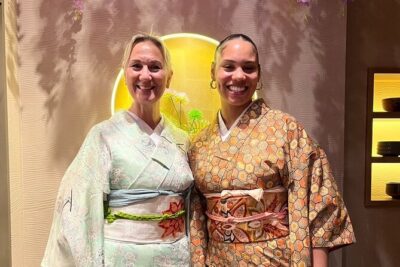 ★ 4.9Tea Ceremony, Calligraphy, and Kimono ExperienceFrom $96130 reviews
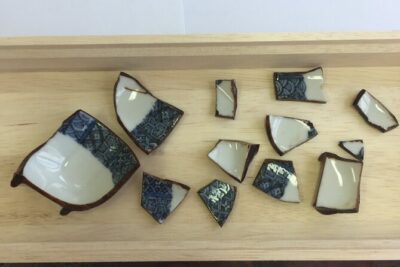 ★ 5.01.5〜2 Hours Traditional Kintsugi Work Shop in Namba OsakaFrom $12575 reviews
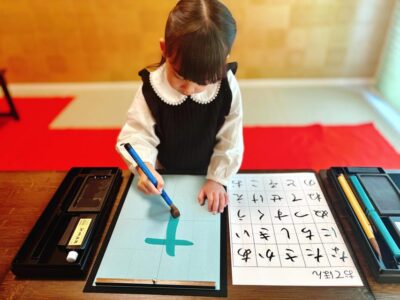 ★ 5.0Private Japanese Calligraphy ExperienceFrom $5166 reviews
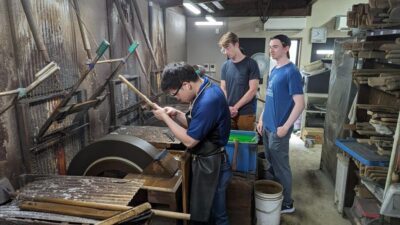 ★ 4.9From Osaka: Sakai Knife Maker or Blacksmith Walking TourFrom $6464 reviews
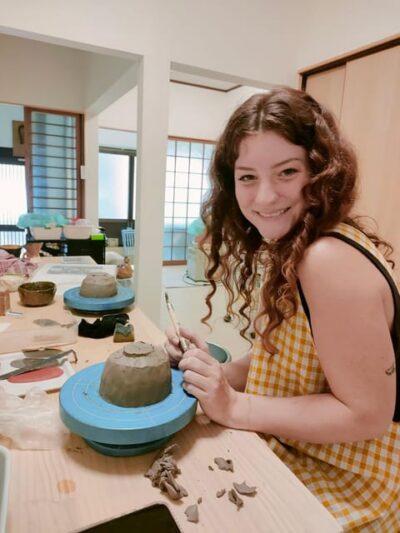 ★ 5.0Traditional Japanese Ceramics Private ExperienceFrom $9657 reviews
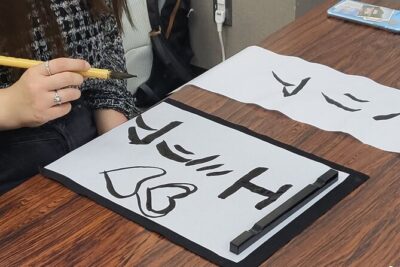 ★ 5.0Calligraphy Workshop in Namba, DotonboriFrom $4957 reviews
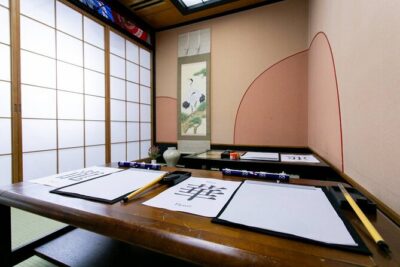 ★ 4.5Learning Zen of Japanese Calligraphy in kimono near Osaka CastleFrom $4353 reviews
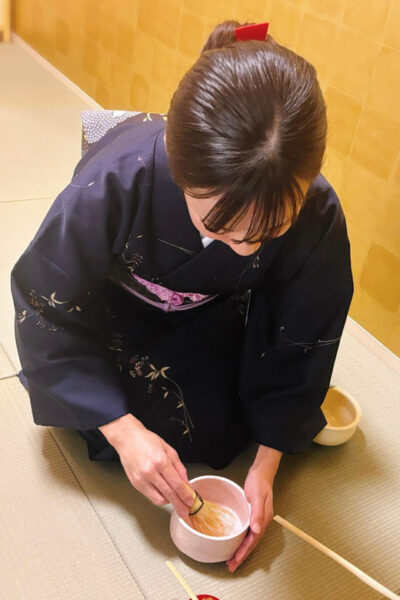 ★ 5.0Private Tea Ceremony and Calligraphy ExperienceFrom $6450 reviews
Browse the lists this tour appears in