
Reviewed · OSAKA CRAFT & CULTURE WORKSHOPS
Osaka: Sashiko Japanese Craftsmanship Workshop
Sashiko turns stitches into calm focus. In Osaka, you learn this traditional Japanese handcraft and actually make something you’ll use at home, not just admire. The session blends technique, pattern meaning, and a hands-on build-your-own coaster project.
I like two things right away: first, the small group size (up to 8) keeps the pace friendly and questions easy to answer. Second, you get guided practice on geometric Sashiko patterns with tools provided, so even first-timers can produce a satisfying result.
One thing to plan for: getting to the venue is on you. If you’re booking solo, there’s also a possibility of a 3000 yen solo supplement if the minimum group size (2 guests) isn’t met.
In This Review
- Key Highlights You’ll Feel in the Room
- Why This Sashiko Workshop Feels Practical (Not Just Artsy)
- What You’ll Do in the 2 Hours: From History to Real Stitches
- Your Geometric Coasters: What You’ll Take Home (and Why It Matters)
- June (and Support That Keeps You Moving)
- Tools, Threads, and That Little Shopping Corner
- Price and Value: Why $67 Can Make Sense
- Getting There: Kyobashi Station Makes It Manageable
- Who This Sashiko Class Is Best For
- Should You Book This Osaka Sashiko Workshop?
- FAQ
- How long is the Sashiko workshop?
- What is the price per person?
- What language is the instruction offered in?
- Is it a small group?
- What’s included in the workshop fee?
- Do I need to bring my own supplies?
- What do I take home?
- Is transportation to the venue included?
- Can I cancel for a full refund?
- If I’m traveling solo, will I definitely be able to book?
Key Highlights You’ll Feel in the Room
- Sashiko basics taught with clear step-by-step guidance, aimed at both beginners and confident stitchers
- Geometric coaster project that becomes a wearable-for-your-home memento
- Instructor support in English and Japanese, including hands-on help during practice
- A calm, meditative pace that works well even if you only have a short time in Osaka
- A studio in a historic-style setting, with an added sense of character once you look around
Make the souvenir yourself at more workshops

Why This Sashiko Workshop Feels Practical (Not Just Artsy)

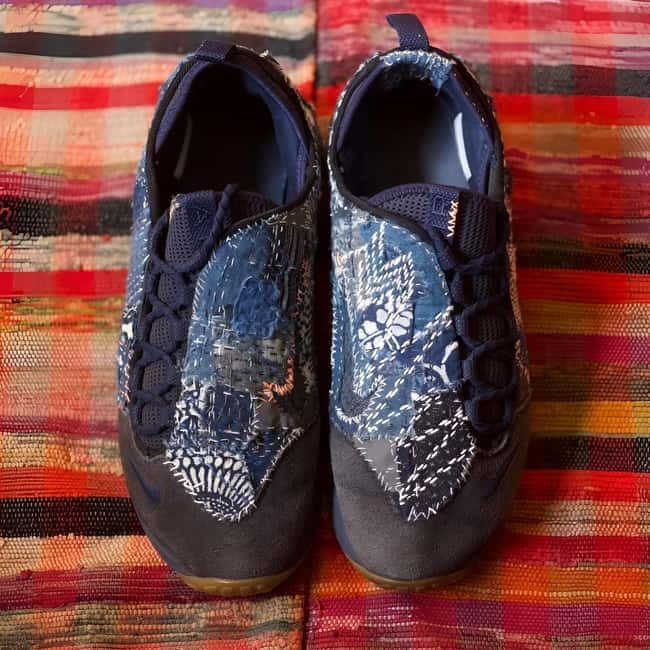
Sashiko is one of those crafts that looks simple from a distance and then rewards you when you slow down. The whole point is a repeating rhythm: stitch, space, stitch again, until a geometric design starts to look intentional. And because Sashiko has been used for practical mending and warmth in Japan, it doesn’t feel like fancy-only decoration.
In this Osaka workshop, the focus stays grounded. You’re learning a technique you can actually reuse after the class, not just copying a sample and leaving it behind. The cultural context matters too, but it’s tied directly to what you’re doing with your hands: pattern meaning, stitch logic, and why repetition shows up across different regions.
The setting adds to the vibe. One of the most consistent details people mention is the homely studio feel, plus an unexpected sense of history inside the building, including wooden stairs and visible framework. That matters because you’re going to spend two hours leaning in close—when the room feels comfortable, the craft feels better.
What You’ll Do in the 2 Hours: From History to Real Stitches
You’ll start with the basics: a brief introduction to Sashiko and why it developed in Japan. Sashiko literally means little stabs, which is a funny way of saying what the needle is doing—small, controlled movements that build a strong pattern. Historically, it’s tied to the Edo period, when people used it to reinforce and insulate everyday clothing, especially in rural areas.
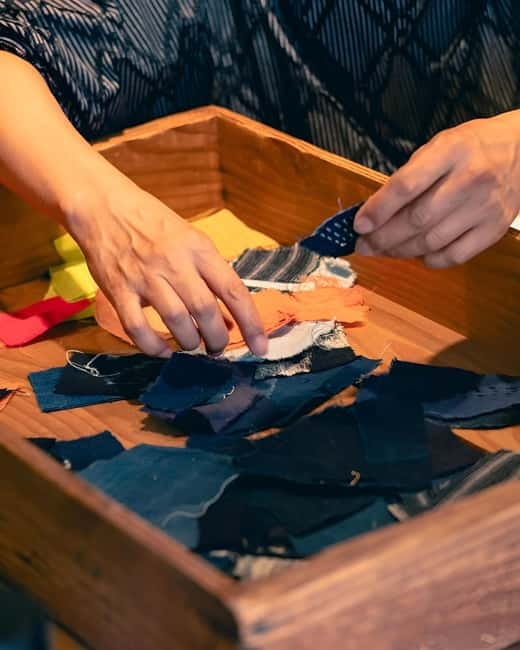
Then you shift to technique. You’ll see a demonstration of basic stitches first, then you practice on your own fabric. The workshop is built around geometry, so you’re not just stitching lines—you’re using structure: aligning your pattern, keeping spacing consistent, and building the design one section at a time.
Most people will end up making Sashiko coasters. That choice is smart for the class length. A coaster is quick enough to finish in two hours, big enough to see the pattern clearly, and small enough that you can get personalized support if your stitches need adjusting. The pace is relaxed, and if you pick it up quickly, you might even get an additional stitch to try at the end.
A nice bonus is learning the symbolism behind different patterns. You’re not memorizing trivia; you’re understanding why certain shapes show up and what they can represent, so your coaster feels tied to the craft’s heritage.
Your Geometric Coasters: What You’ll Take Home (and Why It Matters)
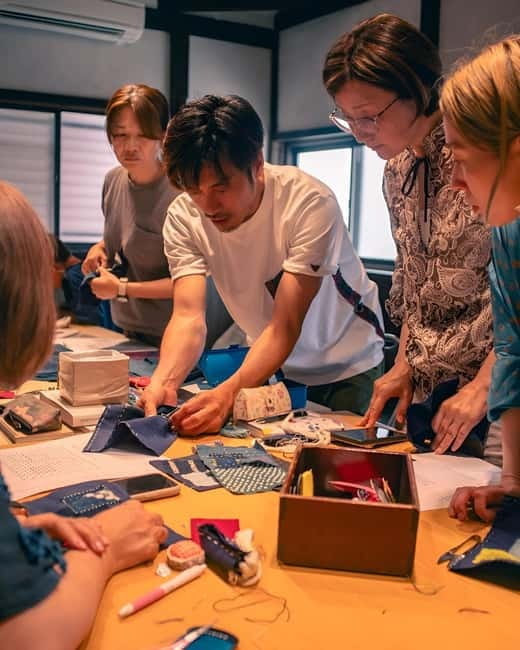
The finished piece is a practical win. You create your own Sashiko item—often coasters—using geometric patterns that you build through careful stitching. This is the kind of souvenir that actually gets used, because it’s meant for daily life, not just display.
The “unique” part isn’t marketing fluff. Even when everyone is working within the same general style, the final look depends on how you place each stitch and how your hands carry the repetition. That’s why people leave with a piece they genuinely feel they made, not one that could have been produced by anyone else.
You also get the satisfaction of crossing the line from instruction to independent work. The class guides you through the early steps, then gives you room to practice until the pattern clicks. By the time your coaster is done, you’ll know what to focus on next time: stitch spacing, consistent angles, and keeping your rhythm steady.
If you finish and still have energy, there’s sometimes a moment to see the instructor’s artwork after your stitching time. That’s a great reality check: you can connect the basics you learned to what more advanced Sashiko looks like.
Put this one next to a few other Osaka options first:

June (and Support That Keeps You Moving)

The workshop is guided by an experienced instructor named June. The instruction is available in English and Japanese, which helps a lot if you want to ask small questions like how hard to pull the thread or where to reposition your next stitch.
Small group size makes a real difference here. With up to 8 participants, you’re not stuck waiting for attention. If you’re unsure, someone can usually point out what to adjust right away. People also mention a friendly, open atmosphere—one where it’s okay to go slowly and ask for help.
Different instructors may teach depending on the session. For example, one past class had Nene as the teacher, and the vibe was supportive and encouraging, with extra guidance if participants finished quickly. The takeaway for you: expect patient coaching, not a “figure it out” workshop.
This is also a good class if you’re bringing teens. The craft stays hands-on and focused, and the learning feels structured enough that everyone can make progress without getting overwhelmed.
Tools, Threads, and That Little Shopping Corner
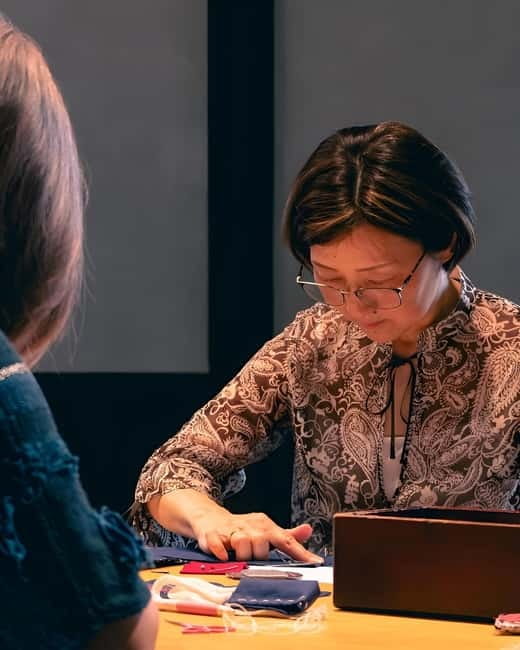
All necessary tools and materials are provided: fabric, needles, threads, and Sashiko-specific tools. That’s one of the best value parts of this experience. You don’t need to shop for supplies before you arrive, and you don’t have to worry about whether you bought the wrong needle or thread thickness.
Another practical detail: you’re given fabric to practice on and then guided to a finished coaster project, so you can expect a clear outcome by the end of the two hours.
Right next to the workshop area, there’s a small shopping corner. This is worth a quick stop if you want to keep the momentum going. You can check out JunAle original goods, sewing kits, hand-dyed threads, and clothing. There’s also a note about discounts available for cash payments, which can be useful if you decide to grab supplies on the spot.
For you, this means you can turn the class into a start of a new hobby instead of a one-off souvenir. The tools you used in class can become the tools you use next.
Price and Value: Why $67 Can Make Sense
At about $67 per person for roughly 2 hours, the cost isn’t cheap-cheap, but it is fairly easy to justify because you’re paying for several things at once:
- Instruction from an experienced teacher in English and Japanese
- All tools and materials provided
- A finished handmade project you take home
- Cultural context tied to the stitches and patterns
The biggest value angle is that your time is guided. In crafts, time and coaching are usually the expensive part. Here, you’re not just buying thread—you’re buying feedback, correction when needed, and structure so you finish with something you’re proud to give or keep.
The small group size also supports that value. If the class were large, it would take longer to get help. With a limit of 8 participants, the session stays interactive.
If you’re traveling with a friend, this can be especially good value. If you’re solo, watch for the minimum group rule: there’s a potential 3000 yen solo supplement if the minimum of 2 guests isn’t met, or an alternate date option, or a full refund.
Getting There: Kyobashi Station Makes It Manageable

You’ll handle your own transportation to and from the venue, since transportation isn’t included. The good news is that the meeting point is set up to be easy if you plan ahead.
With advanced notice, you can be met at Kyobashi station. That’s helpful because it reduces the “where do I go” stress that can eat into a short workshop window.
Plan your day with a little breathing room around the 2-hour class length. You’ll want time to arrive, get settled, and start stitching without rushing. Osaka is very train-friendly, but even the best transit plans can run late, especially during peak hours.
Also note that the workshop is wheelchair accessible. If you need accessible routing or entry help, you’ll want to confirm details in advance, but it’s listed as accessible.
Who This Sashiko Class Is Best For
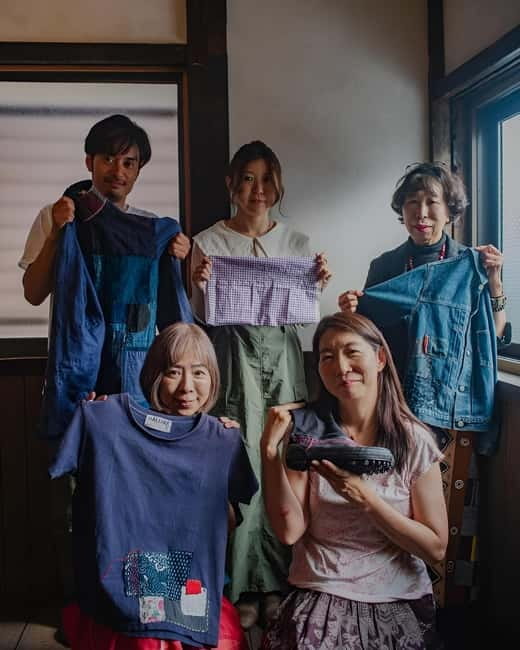
This workshop is a great fit if you want a hands-on craft with cultural meaning, without needing previous sewing experience. The stitch work is learnable, and the class is designed for both beginners and people who already like handcraft.
It’s also a good choice if you’re the type who gets tired of passive sightseeing. Two hours of focused stitching gives your brain something to do that’s different from temples, markets, and queues. And multiple participants describe it as calm and meditative, which makes sense when your tasks are repetitive and guided.
If you love textiles, embroidery, or traditional arts, you’ll probably like the added pattern symbolism piece. Even if you don’t remember every detail, you’ll understand why the geometry matters.
And if you’re traveling with family, it’s one of those “everyone can participate” craft activities. Teens can handle it, adults will enjoy the technique, and the group stays small enough for supportive attention.
Should You Book This Osaka Sashiko Workshop?
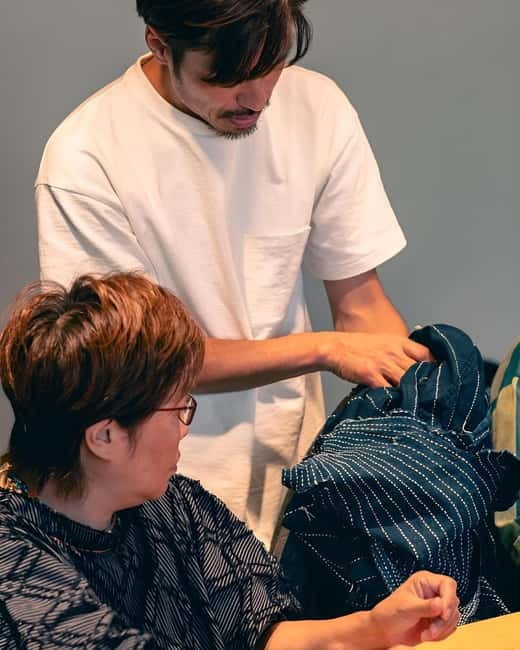
I’d book it if you want a real skill, a usable handmade item, and a calmer break from sightseeing. The value is strong because you get materials, instruction, and a finished coaster project within 2 hours. The small group size and English/Japanese instruction help you leave with confidence instead of just a souvenir.
I’d think twice if you hate workshops where you have to handle your own local logistics. You’ll need to get there on your schedule, and as a solo traveler you may face a solo supplement if the minimum group size isn’t met.
Bottom line: this is a high-satisfaction craft class. If you like the idea of learning Sashiko and stitching something you can actually use at home, it’s a smart stop in Osaka.
FAQ
How long is the Sashiko workshop?
The workshop lasts 2 hours.
What is the price per person?
The price is $67 per person.
What language is the instruction offered in?
Instruction is available in English and Japanese.
Is it a small group?
Yes. The group is limited to 8 participants.
What’s included in the workshop fee?
You get all necessary tools and materials, guided instruction from the instructor, cultural insights, and a finished Sashiko project to take home.
Do I need to bring my own supplies?
No. Fabrics, needles, threads, and other Sashiko-specific tools are provided.
What do I take home?
You’ll take home your handcrafted Sashiko item, such as a coaster.
Is transportation to the venue included?
No. You are responsible for your own transportation to and from the venue.
Can I cancel for a full refund?
Yes. You can cancel up to 24 hours in advance for a full refund.
If I’m traveling solo, will I definitely be able to book?
Solo travelers may be charged a 3000 yen solo supplement if the minimum of 2 guests is not met, or you may be offered an alternate date or a full refund.
Take Home Something You Made
- Sushi Making Osaka Roll and Authentic Japanese Sushi Class★ 5.0 · 1,220 reviews
- Matcha Making Class in Osaka with Authentic Japanese Sweets Set★ 5.0 · 509 reviews
- Osaka: Ramen and Gyoza Cooking Class in Dotonbori★ 5.0 · 378 reviews
- Osaka Cooking Class: Okonomiyaki &Japanese cuisines experience★ 5.0 · 261 reviews
- Osaka: Roll and Authentic Sushi Making Class in Dotonbori★ 4.9 · 239 reviews
More Tour Reviews in Osaka
- Osaka Go Karting Tour with Funny Costume★ 5.0 · 2,658 reviews
- Osaka Castle: Museum and Tower Entry Ticket★ 4.5 · 2,380 reviews
- Osaka: Shinsekai Food Tour with 13-15 Dishes at 5 Eateries★ 4.8 · 2,204 reviews
- Osaka Food Tour: 13 Dishes at 5 Local Eateries★ 5.0 · 2,149 reviews
- Hungry Osaka Street Food Tour:15 Tastings & 3 Drinks with a Local★ 5.0 · 1,727 reviews
Made in Osaka, by You
- Osaka: Tea Ceremony, Calligraphy, and Kimono Experience★ 4.9 · 130 reviews
- 1.5〜2 Hours Traditional Kintsugi Work Shop in Namba Osaka★ 5.0 · 75 reviews
- Osaka: Private Japanese Calligraphy Experience★ 5.0 · 66 reviews
- From Osaka: Sakai Knife Maker or Blacksmith Walking Tour★ 4.9 · 64 reviews
- Calligraphy Workshop in Namba, Dotonbori★ 5.0 · 57 reviews
The Newest Osaka Write-Ups
- Private Photoshoot in Osaka with a Professional Photographer
★ 5.0 · 3 reviews - Osaka Early Morning Osaka Castle Tour Avoid Crowds
★ 5.0 · 3 reviews - Nara Private Tour with Pick and Drop and English Speaking Driver
★ 3.5 · 3 reviews - Osaka: Modern Vegetarian Sushi Cooking Class
★ 5.0 · 3 reviews - Nara Day Trip from Osaka with a Licensed Guide
★ 5.0 · 3 reviews
Osaka Craft & Culture Workshops, compared.
 ★ 4.9Tea Ceremony, Calligraphy, and Kimono ExperienceFrom $96130 reviews
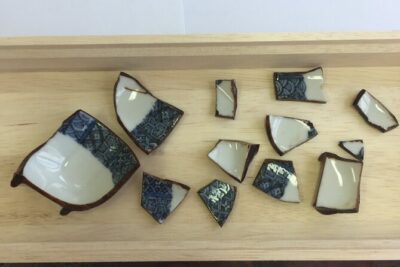 ★ 5.01.5〜2 Hours Traditional Kintsugi Work Shop in Namba OsakaFrom $12575 reviews
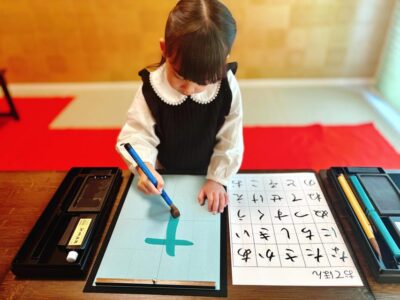 ★ 5.0Private Japanese Calligraphy ExperienceFrom $5166 reviews
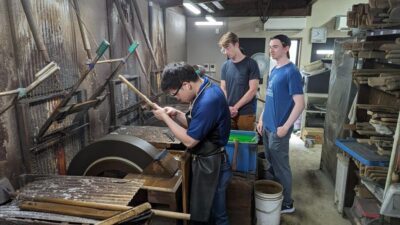 ★ 4.9From Osaka: Sakai Knife Maker or Blacksmith Walking TourFrom $6464 reviews
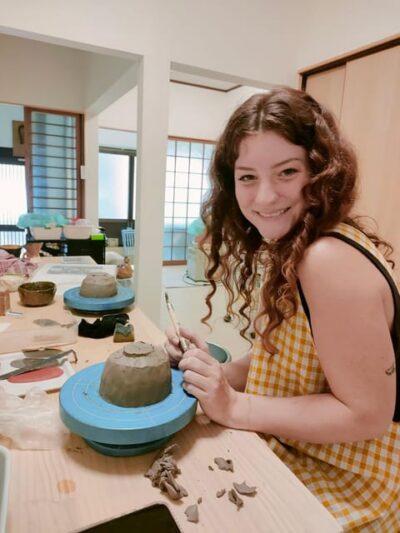 ★ 5.0Traditional Japanese Ceramics Private ExperienceFrom $9657 reviews
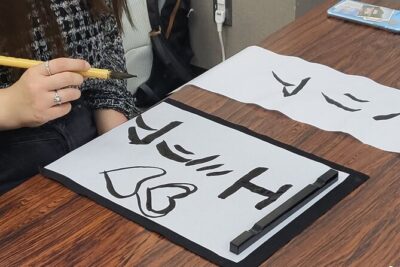 ★ 5.0Calligraphy Workshop in Namba, DotonboriFrom $4957 reviews
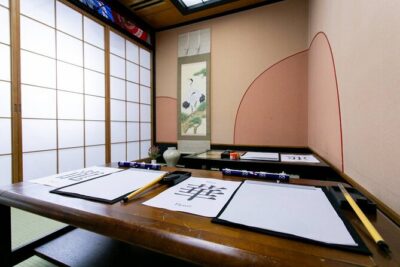 ★ 4.5Learning Zen of Japanese Calligraphy in kimono near Osaka CastleFrom $4353 reviews
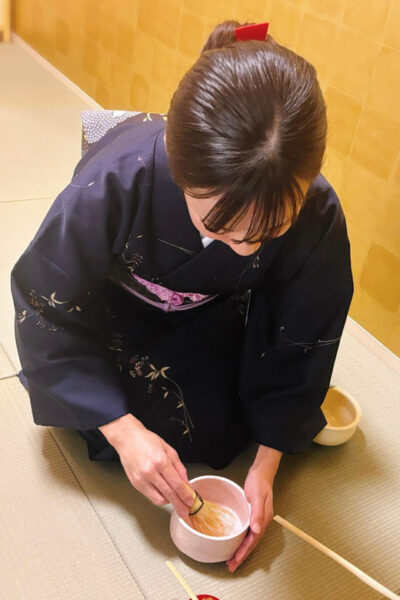 ★ 5.0Private Tea Ceremony and Calligraphy ExperienceFrom $6450 reviews
Browse the lists this tour appears in