
Reviewed · OSAKA CRAFT & CULTURE WORKSHOPS
Osaka: Kintsugi Workshop, Beauty in Brokenness
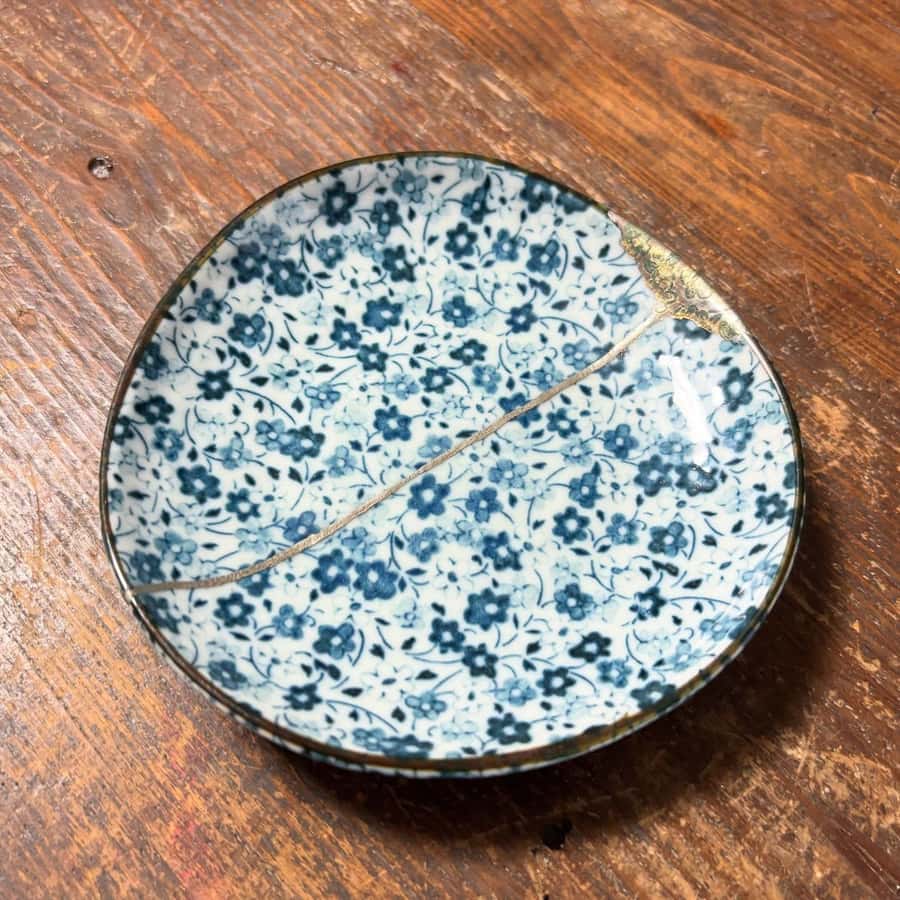
Broken pottery, turned beautiful. That’s the point of kintsugi, and this Osaka workshop is the hands-on way to learn it. I especially liked how calm and purposeful the studio felt, and how the process is taught step-by-step so you can actually finish your own repair. One consideration: this is careful, detail-focused craft work—if you want something fast and casual, the patience you’ll practice may feel slow on purpose.
The best part for me is the finished result. You’ll repair a chosen piece using modern, accessible materials, and then you’ll take it home as a uniquely yours object with visible scars turned into design. It runs about 3 hours, keeps groups small (up to 6), and the instruction is in English, with support if you get stuck.
In This Review
- Key things I’d bank on before you go
- Where Kintsugi Happens: An Osaka Artisan Studio Workroom
- The 3-Hour Workshop Rhythm: What You’ll Do From Start to Finish
- Repair Steps You’ll Learn: Lacquer, Resin, and Golden Powder
- The Wabi-Sabi Philosophy That Actually Changes the Repair
- Meeting Sensei Tomoko and Jun: How the Class Works in English
- Beyond Kintsugi: Other Crafts in the Same Facility
- Your Take-Home Piece: A Souvenir With Meaning (and How to Handle It)
- Price and Value: Is $87 Worth It?
- Who This Workshop Suits Best in Osaka
- Practical Tips Before You Go (So You Don’t Stress)
- A Note on Transportation and Meeting Up
- Should You Book This Kintsugi Workshop in Osaka?
- FAQ
- How long is the Osaka kintsugi workshop?
- How much does it cost?
- Do I need any prior experience with kintsugi?
- What language is the instruction?
- How large is the group?
- What do I take home at the end?
- Is free cancellation available?
Key things I’d bank on before you go
- Small-group teaching (up to 6) means you’re not lost in the crowd.
- You take a finished kintsugi piece home, not just photos.
- Modern materials with traditional methods, so it’s approachable but still authentic in spirit.
- Wabi-sabi philosophy is explained alongside the craft, not tacked on.
- Tomoko and Jun’s English support has real-world help, including translation tools mentioned by past participants.
- The studio setup feels like an atelier, and some guests even get a look at other crafts in progress.
Make the souvenir yourself at more workshops

Where Kintsugi Happens: An Osaka Artisan Studio Workroom
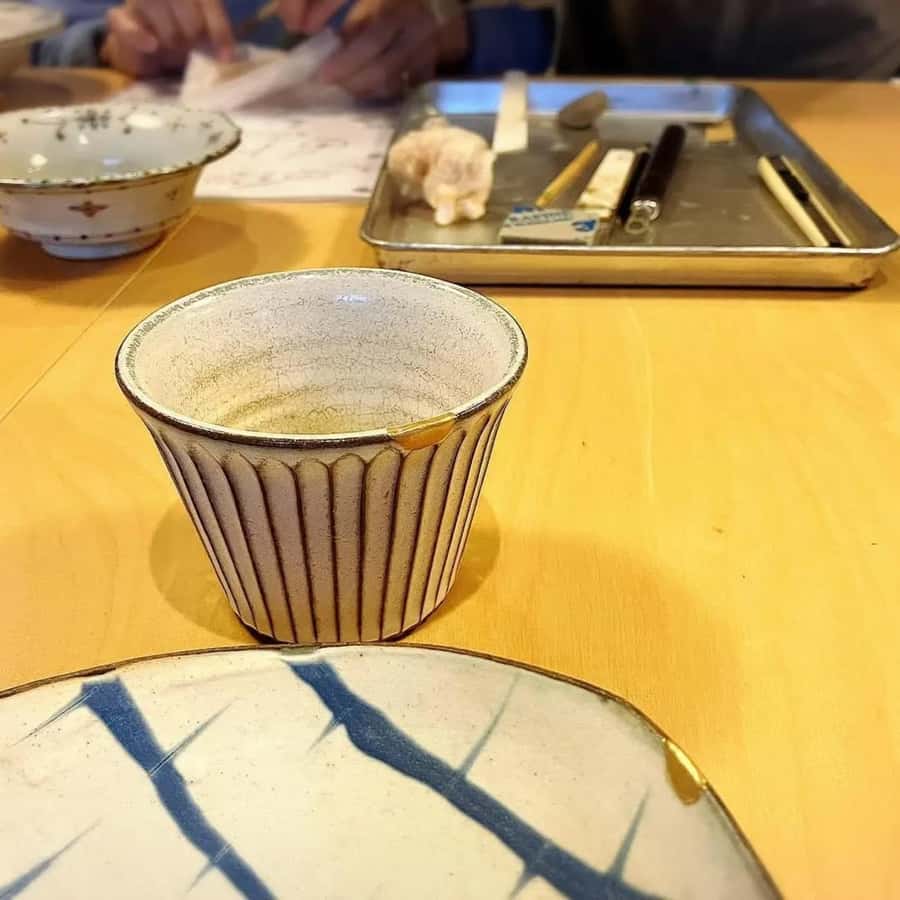
This workshop takes place inside an artisan’s studio on Honshu, in Osaka. The vibe matters here. It’s not a classroom with clipboards; it’s a workspace where people actually repair and make things.
Past participants describe it as charming and calm, and several note the studio itself felt old. One guest said the space may be over 100 years old and connected to older printing work (labels for a Japanese whisky brand). Even if you never care about “heritage” stuff, you’ll feel the difference: you’re working in a place meant for craft, not a rented corner.
You should expect a relaxed but purposeful atmosphere. You’ll be guided with clear steps, and you’ll have time to work at a comfortable pace. That matters for kintsugi, because rushing is the enemy of neat joints and clean lines.
The 3-Hour Workshop Rhythm: What You’ll Do From Start to Finish
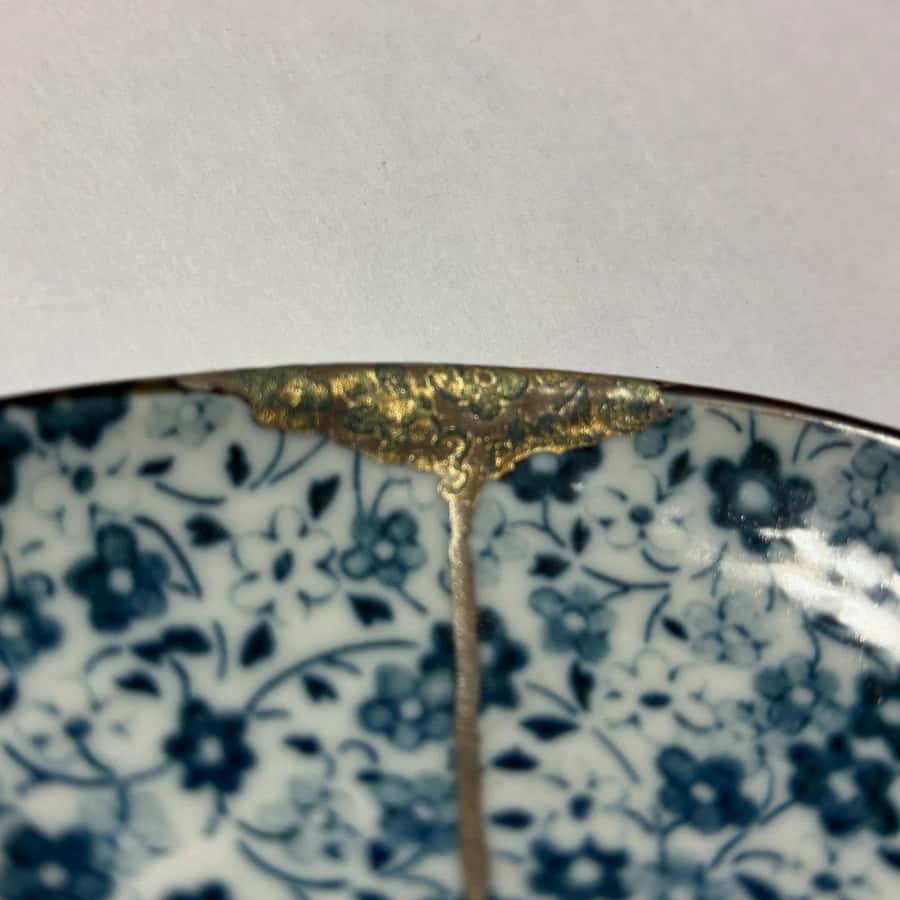
The workshop is about 3 hours, and it’s structured so you can complete your piece. That’s a big deal. Many craft workshops give you “part one” and leave the rest for drying time or later visits, but here the class is built around finishing.
Here’s the rhythm you can expect:
First, you get an overview of what kintsugi is and why the repairs look the way they do. Then you’ll move into the hands-on part: repairing broken pottery using materials that create the signature golden-looking seams.
As you work, you’ll be guided through each stage. You’ll bond shards together, fill missing areas, and apply the shimmering powder finish. If something is tricky, you’ll get real-time help, not just a quick walk-by correction.
By the end, you’ll leave carrying a completed kintsugi piece. You won’t be walking out with an unfinished project that needs a follow-up trip.
Repair Steps You’ll Learn: Lacquer, Resin, and Golden Powder
Kintsugi has a poetic goal—repair instead of replace. But you’re also learning physical technique: how to make the repair hold and how to make it look intentional.
Your hands-on process uses modern, accessible materials, including synthetic lacquer and resin, plus a gold powder finish. The idea is the same as traditional kintsugi: broken ceramics are repaired using lacquer and metallic powder to highlight the fracture line rather than hide it.
In practice, you’ll likely follow a flow like this:
- Bonding broken pieces together with synthetic lacquer.
- Filling missing fragments with resin so there’s something stable to build around.
- Dusting with a silver-based golden powder to create the shimmering final effect.
Even if you’ve watched videos online, the workshop format helps you learn what to do when your piece doesn’t behave like the easy examples. Guests repeatedly mention that the instructors were patient and that they offered tips at tricky steps—exactly what you want in a hands-on craft.
Put this one next to a few other Osaka options first:


The Wabi-Sabi Philosophy That Actually Changes the Repair
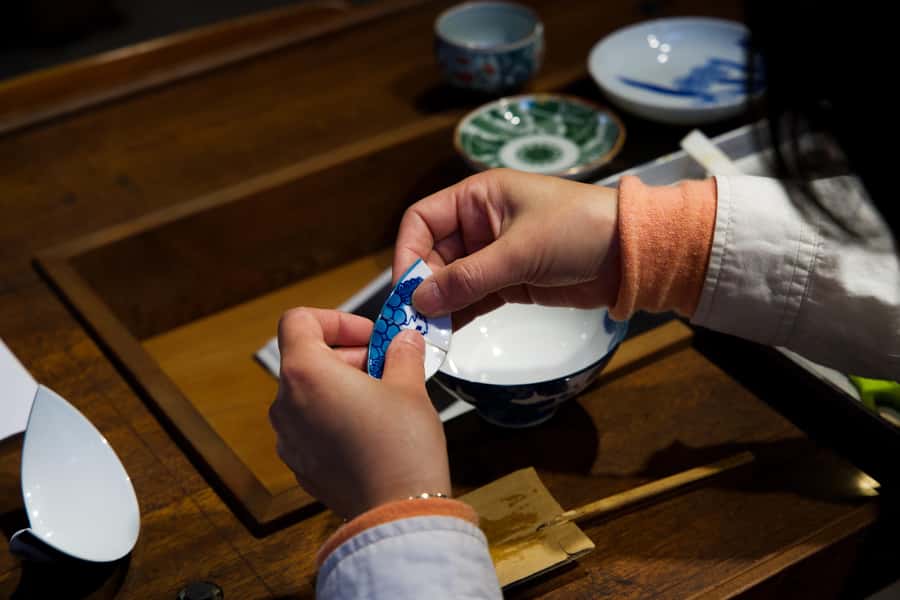
Kintsugi isn’t just decoration. It’s a visible conversation with time, loss, and care. The workshop connects the technique to the philosophy of wabi-sabi—the beauty of imperfection and the acceptance that wear and damage are part of an object’s life.
You’ll get an explanation of kintsugi’s history, cultural significance, and the heart of the craft. It’s not delivered as a lecture you can tune out. The way the class is paced means the philosophy shows up while you’re doing the work.
That’s why this feels more like a “slow craft” experience than a souvenir-making stop. You’re practicing attention: patience while parts bond, care while you fill gaps, and restraint while you apply the powder.
One practical bonus: learning the philosophy gives you a reason to keep and care for the repaired piece. Without that, a repaired ceramic can feel like a workaround. With it, it becomes something you’ll want to display.
Meeting Sensei Tomoko and Jun: How the Class Works in English
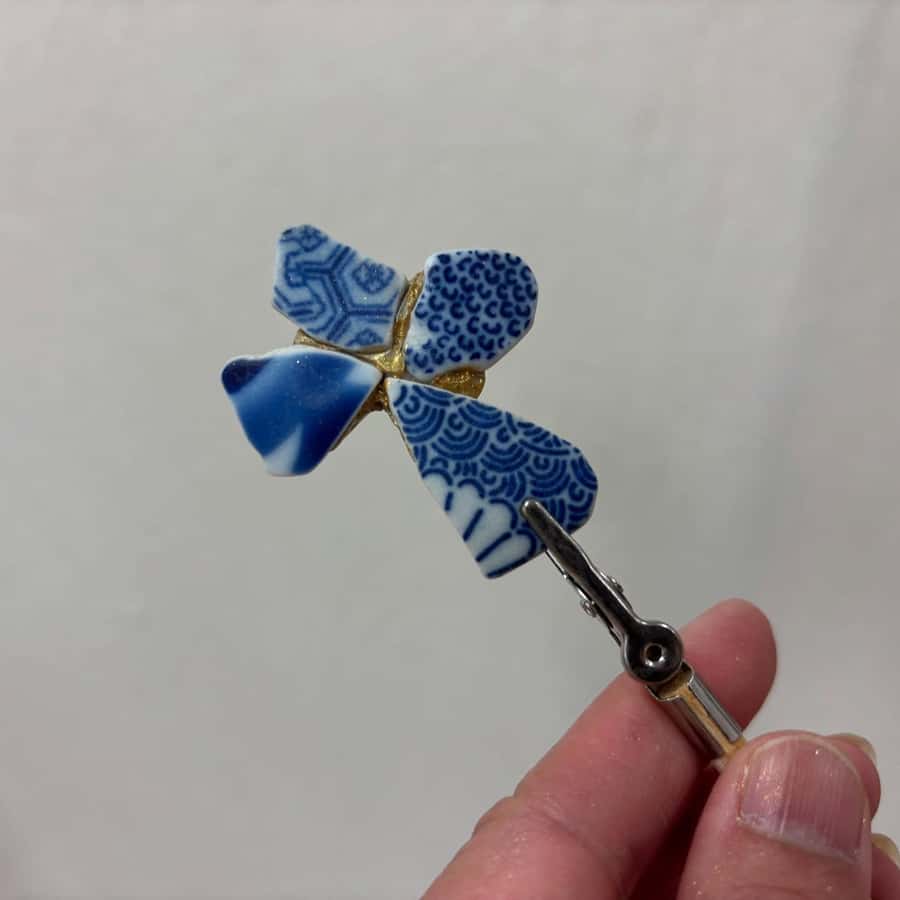
The instruction here is in English. Several participants name Tomoko as the main instructor, and they also mention help from Jun or Junale. One guest specifically described Tomoko as patient and excellent, and another praised the staff for being welcoming and supportive throughout the class.
What impressed me is how “language barrier” gets handled in an actual craft setting. One participant described Tomoko using a Pocketalk-style translation device for moments she wasn’t sure how to say in English. Others mention English support from assistants and laminated instructions you can follow along.
Also, the teaching style seems grounded in hands-on guidance. People note they were encouraged, helped at tricky parts, and given clear direction without pressure. That matters when the craft requires fine motor control.
And yes, it’s also social in a quiet way. Several reviews mention laughs and a calming atmosphere, which is rare for a class that involves adhesives and careful finishing.
Beyond Kintsugi: Other Crafts in the Same Facility
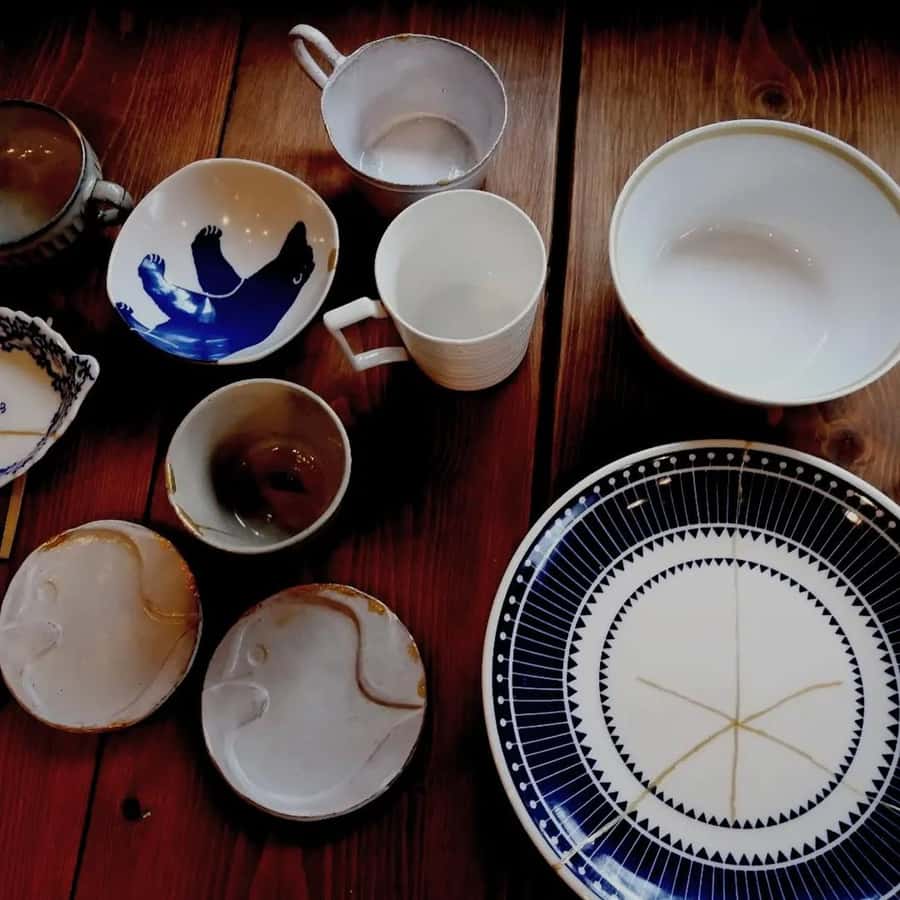
You may get more than the kintsugi desk. Some participants mention being shown around the facility while their epoxy or resin was drying. That’s useful if you’re curious about adjacent Japanese textile and craft traditions.
One guest described seeing other processes happening there, including Sashiko and dyed-thread work. Another said they saw a photography studio setup as part of the facility tour.
Even if you don’t get a full tour every time, the fact that the workshop sits inside a working craft environment helps the experience feel more authentic. You’re not just taking part; you’re seeing how craft studios operate.
Your Take-Home Piece: A Souvenir With Meaning (and How to Handle It)
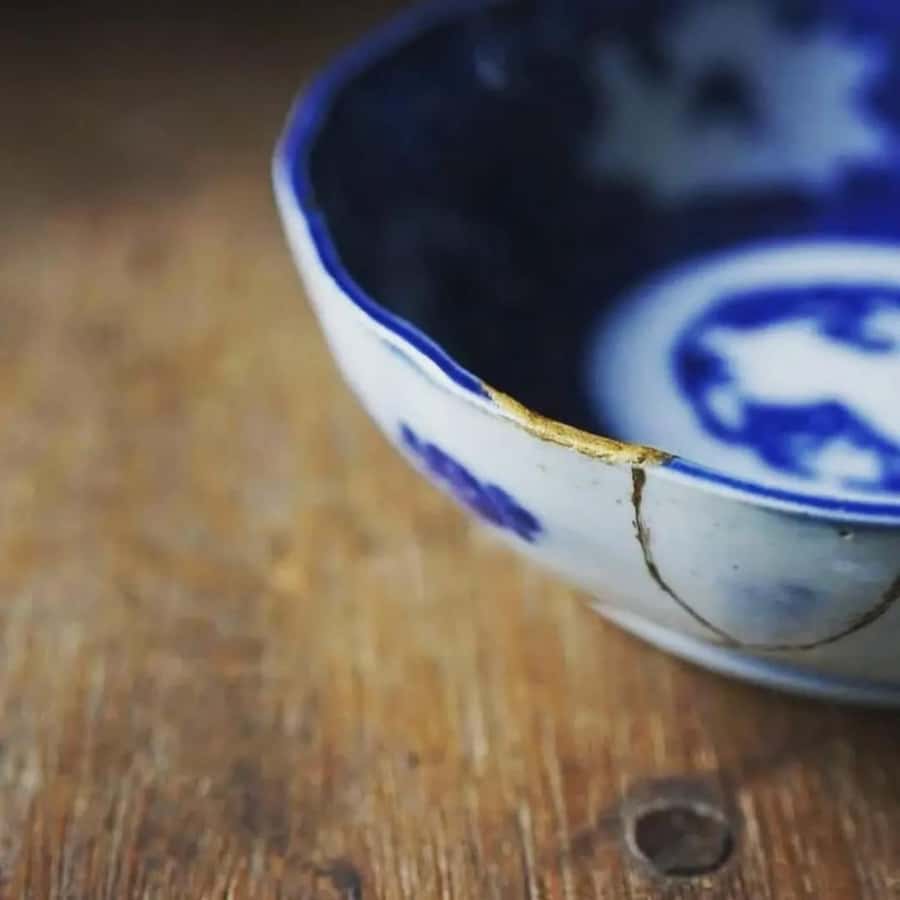
You take home a completed kintsugi piece. That’s part of the value, because it’s not a generic item printed with a logo. Your repair becomes a personal object with visible seams and a story tied to the process.
Several participants mention the finished piece was securely packed. That’s the right kind of care, because your repair lines are the whole point. A well-packed return makes the difference between a lovely craft souvenir and a sad bag of shards.
One detail you should know: kintsugi pieces can be more delicate along the repaired seams than an unbroken item. The workshop provides the finished object, but your everyday handling still matters. Treat it like a meaningful craft object, not like a throwaway plate.
If you like a souvenir that looks better the longer you own it, this fits. You’ll be able to tell the story behind the repair every time you see the golden line.
Price and Value: Is $87 Worth It?
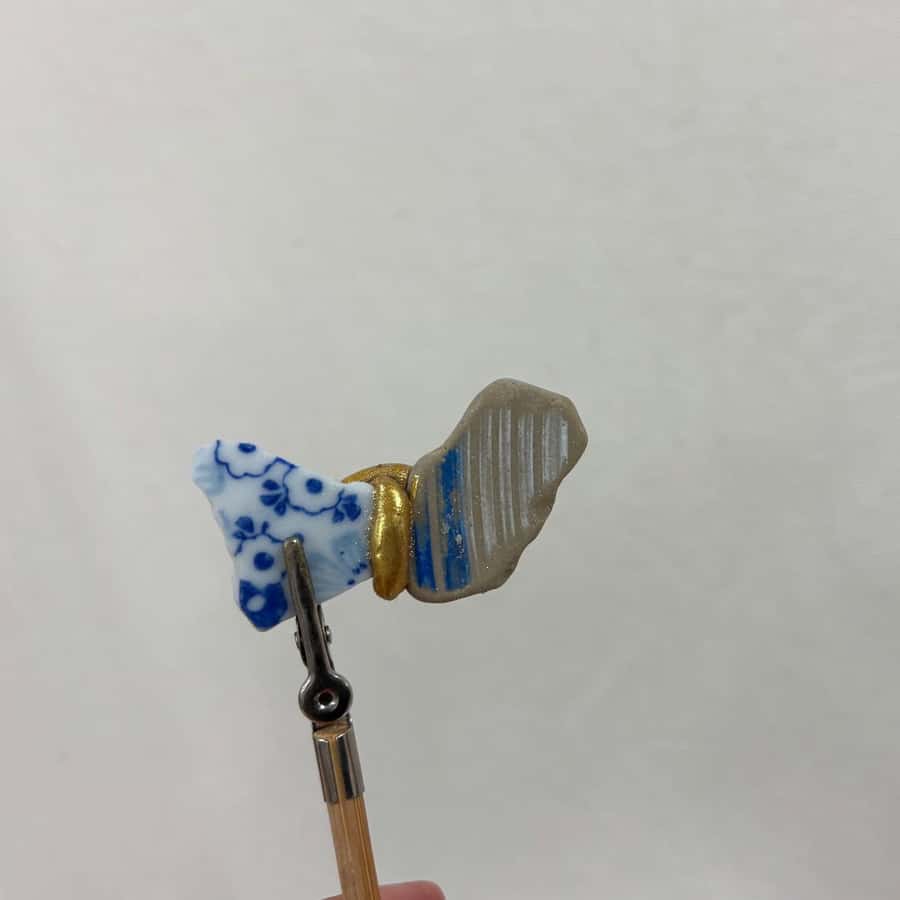
At $87 per person for a ~3-hour session, this is priced like a genuine craft workshop, not a casual “make-and-go” experience. For the cost, you get three major value drivers:
- A completed take-home piece (not an unfinished project).
- Guidance by a master craftsman with hands-on help.
- All materials and tools provided, so you’re not paying extra for supplies.
You also get small-group attention (limited to 6). In craft classes, small group size is often where the money turns into satisfaction. More time with the instructor usually means cleaner seams and fewer “oops” moments.
So the question isn’t whether you could do something cheaper in Osaka. You can. The question is whether you want a souvenir that comes with a technique and a story you actually understand. At this price, you’re buying that kind of meaning.
Who This Workshop Suits Best in Osaka
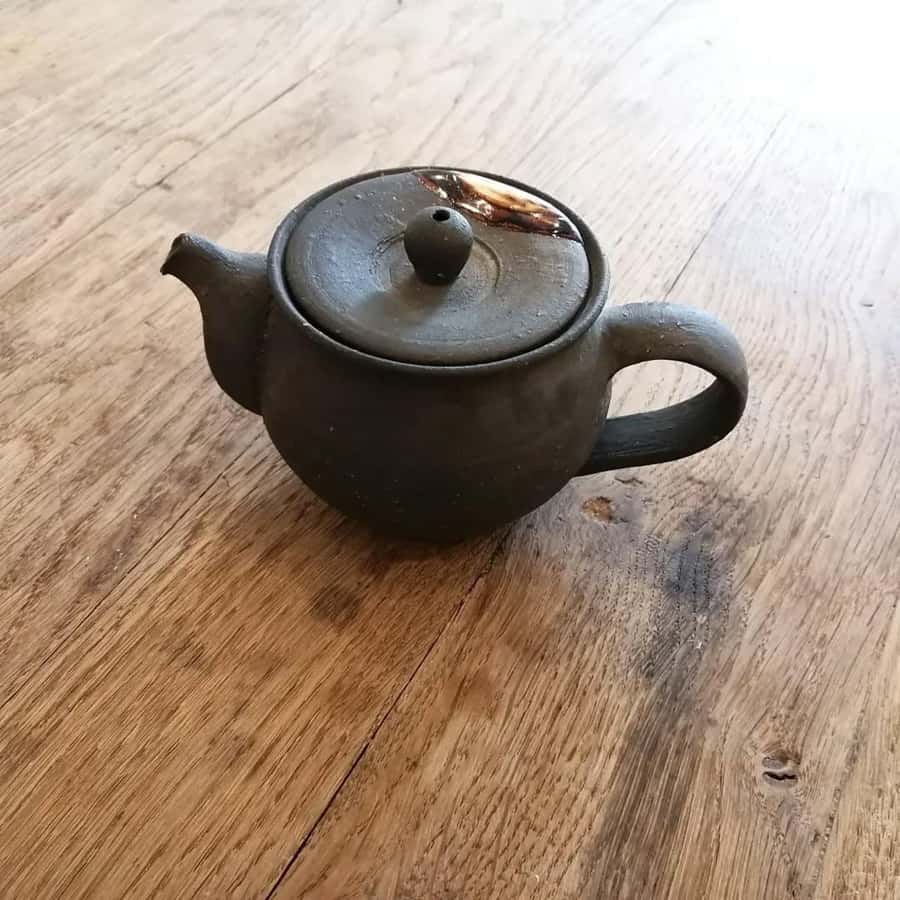
This is a great pick if you like calm, hands-on experiences and you’re curious about Japanese aesthetics beyond the usual temple photos. It’s especially good for:
- Couples or friends who want something slower than a typical sightseeing sprint.
- People who enjoy crafts and want to learn a technique they can practice later.
- Anyone drawn to wabi-sabi’s mindset—if you like the idea of repairing, not replacing, you’ll get it quickly.
If you’re traveling with kids, you might still consider it, but the class is hands-on and patience-based. The structure and guidance sound supportive, yet kintsugi is detail work.
If you hate waiting for anything (even short drying/finishing steps), this may feel less “active” than you expect. Kintsugi asks you to slow down, and that’s intentional.
Practical Tips Before You Go (So You Don’t Stress)
A few practical pointers based on how the workshop is described:
- Expect full materials provided, so you can show up light.
- Wear clothes that can handle craft work and potential residue around tools or surfaces.
- Bring your phone for pictures, but don’t count on everything being photographed for you. One participant mentioned photos taken during the day weren’t all available afterward, so your own pictures are smart.
- If you’re not fully fluent in English, you’ll likely have support from the instructors and the materials used to guide steps.
Also, plan your day so you’re not rushing right before or right after. A calmer schedule helps you enjoy the process more.
A Note on Transportation and Meeting Up
Transportation to the venue isn’t included, so you’ll need to get yourself there and back. The meeting point is in front of the kintsugi workshop.
Because you’ll be carrying a finished piece home, think about how you’ll move through Osaka afterward. If you’re hopping between far-flung stops right after, build in time and keep the trip simple.
Should You Book This Kintsugi Workshop in Osaka?
Yes, I’d book it if you want a souvenir with real substance: a repair technique, a philosophy lesson, and a take-home object that feels personal. It’s small-group, English-friendly, and built around actually finishing your piece in a single sitting.
Skip it only if you want something more energetic, less patient, or you prefer high-volume sightseeing over quiet craft work. Also, keep your expectations aligned: this is about repair and meaning, not about flashy art stamping or quick crafts.
If you’re already in Osaka and you like thoughtful experiences, this one is a strong bet. You’ll leave with a bowl, plate, or ceramic object that looks like it survived something—and now looks better for it. That’s the whole point of kintsugi, and here you learn it hands-on.
FAQ
How long is the Osaka kintsugi workshop?
The workshop lasts about 3 hours.
How much does it cost?
The price is listed as $87 per person.
Do I need any prior experience with kintsugi?
No experience is needed. All materials and tools are provided, and you’ll be guided through the process.
What language is the instruction?
The instructor teaches in English.
How large is the group?
The group is small, limited to 6 participants.
What do I take home at the end?
You take home a completed kintsugi piece that you repaired during the workshop.
Is free cancellation available?
Yes, you can cancel up to 24 hours in advance for a full refund.
Take Home Something You Made
- Sushi Making Osaka Roll and Authentic Japanese Sushi Class★ 5.0 · 1,220 reviews
- Matcha Making Class in Osaka with Authentic Japanese Sweets Set★ 5.0 · 509 reviews
- Osaka: Ramen and Gyoza Cooking Class in Dotonbori★ 5.0 · 378 reviews
- Osaka Cooking Class: Okonomiyaki &Japanese cuisines experience★ 5.0 · 261 reviews
- Osaka: Roll and Authentic Sushi Making Class in Dotonbori★ 4.9 · 239 reviews
More Tour Reviews in Osaka
- Osaka Go Karting Tour with Funny Costume★ 5.0 · 2,658 reviews
- Osaka Castle: Museum and Tower Entry Ticket★ 4.5 · 2,380 reviews
- Osaka: Shinsekai Food Tour with 13-15 Dishes at 5 Eateries★ 4.8 · 2,204 reviews
- Osaka Food Tour: 13 Dishes at 5 Local Eateries★ 5.0 · 2,149 reviews
- Hungry Osaka Street Food Tour:15 Tastings & 3 Drinks with a Local★ 5.0 · 1,727 reviews
Made in Osaka, by You
- Osaka: Tea Ceremony, Calligraphy, and Kimono Experience★ 4.9 · 130 reviews
- 1.5〜2 Hours Traditional Kintsugi Work Shop in Namba Osaka★ 5.0 · 75 reviews
- Osaka: Private Japanese Calligraphy Experience★ 5.0 · 66 reviews
- From Osaka: Sakai Knife Maker or Blacksmith Walking Tour★ 4.9 · 64 reviews
- Calligraphy Workshop in Namba, Dotonbori★ 5.0 · 57 reviews
The Newest Osaka Write-Ups
- Private Photoshoot in Osaka with a Professional Photographer
★ 5.0 · 3 reviews - Osaka Early Morning Osaka Castle Tour Avoid Crowds
★ 5.0 · 3 reviews - Nara Private Tour with Pick and Drop and English Speaking Driver
★ 3.5 · 3 reviews - Osaka: Modern Vegetarian Sushi Cooking Class
★ 5.0 · 3 reviews - Nara Day Trip from Osaka with a Licensed Guide
★ 5.0 · 3 reviews
Osaka Craft & Culture Workshops, compared.
 ★ 4.9Tea Ceremony, Calligraphy, and Kimono ExperienceFrom $96130 reviews
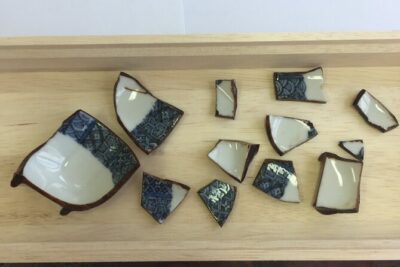 ★ 5.01.5〜2 Hours Traditional Kintsugi Work Shop in Namba OsakaFrom $12575 reviews
 ★ 5.0Private Japanese Calligraphy ExperienceFrom $5166 reviews
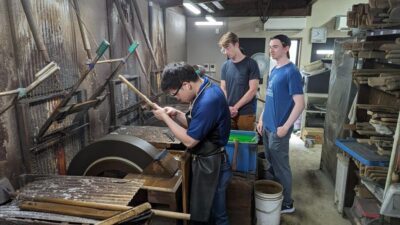 ★ 4.9From Osaka: Sakai Knife Maker or Blacksmith Walking TourFrom $6464 reviews
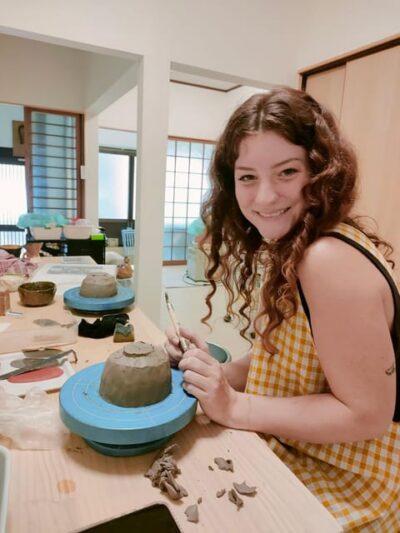 ★ 5.0Traditional Japanese Ceramics Private ExperienceFrom $9657 reviews
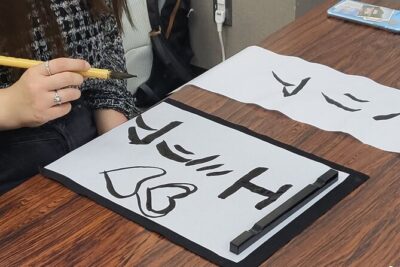 ★ 5.0Calligraphy Workshop in Namba, DotonboriFrom $4957 reviews
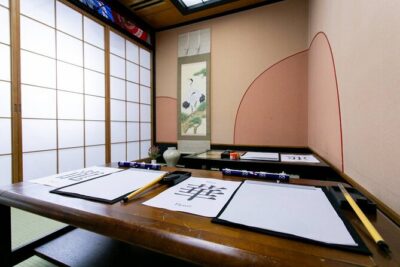 ★ 4.5Learning Zen of Japanese Calligraphy in kimono near Osaka CastleFrom $4353 reviews
 ★ 5.0Private Tea Ceremony and Calligraphy ExperienceFrom $6450 reviews
Browse the lists this tour appears in