
Reviewed · OSAKA SAMURAI & NINJA EXPERIENCES
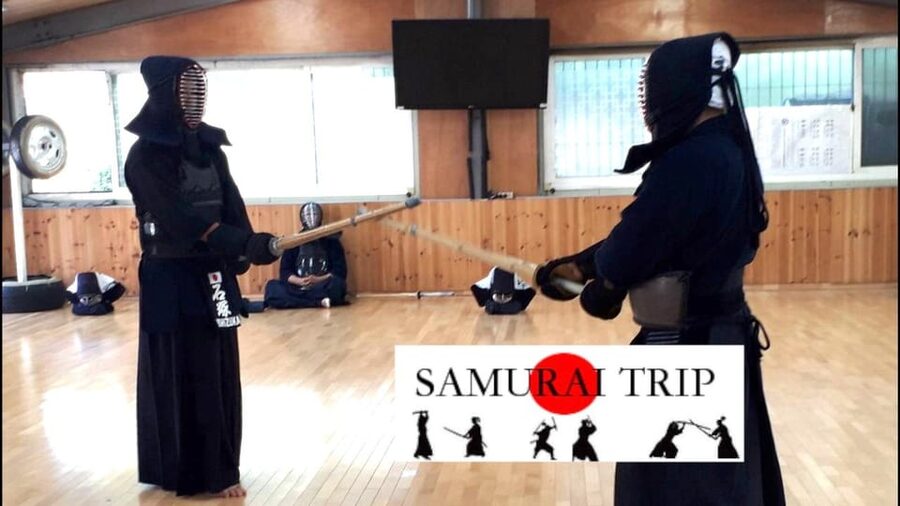
Osaka: Kendo Workshop Experience
Two hours, and you start moving like a fighter. This Osaka kendo workshop is built like a real training session, from ritual and manners to controlled hitting with bamboo swords, so you actually feel the discipline behind the samurai image. The two things I liked most: the small-group coaching that keeps you safe while you learn, and the hands-on practice that turns theory into motion.
One heads-up: this isn’t a walk-in photo-op. You’ll wear protective gear and follow dojo etiquette closely, and it’s not suitable for kids under 9, pregnant participants, or anyone with mobility impairments or wheelchair use.
In This Review
- Key things you’ll remember from this Osaka kendo workshop
- Step Into Shigino Kaikan: The Dojo Setting in Osaka
- A Real Training Sequence: From Bowing to Controlled Hits
- Gear, Safety, and That First Men Moment
- Learning Etiquette and Kendo Manner (It’s Not Just Bowing)
- Hitting Drills, Teacher Contact, and the Rhythm of a Match-Style Mini-Game
- Seeing Techniques Up Close: National-Level Demonstrations and End Etiquette
- Is $116 a Good Deal? Value for Kendo in Osaka
- After the Workshop: A Simple Plan for an Izakaya Night
- Who This Kendo Experience Fits Best (and Who Should Skip It)
- Should You Book This Osaka Kendo Workshop?
- FAQ
- Where is the meeting point for the Osaka kendo workshop?
- How long does the kendo workshop last?
- What is the price per person?
- What group size should I expect?
- What’s included in the price?
- Is food included?
- What languages are the instructors?
- Who might want to avoid this experience?
- Is there cancellation flexibility?
Key things you’ll remember from this Osaka kendo workshop
- Small group (limited to 2): you get corrections instead of watching from the sidelines.
- A full sequence, not one trick: change clothes, etiquette, basic drills, teacher hits, then a match-style mini-game.
- Men face protector practice: you learn the gear moment-by-moment, then hit again with guidance.
- Kendo culture breaks: you cover history and martial-arts manner, not just striking.
- National-level demos at the end: you see techniques up close after your own training.
Pick the sword back up with these sessions

Step Into Shigino Kaikan: The Dojo Setting in Osaka
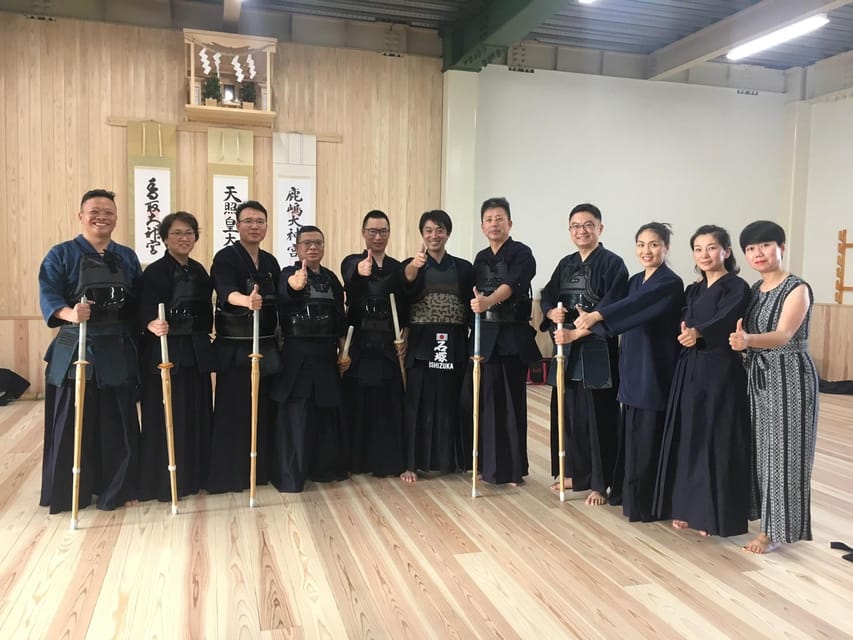
Kendo training has a way of making you quiet fast. You’re not just in a room; you’re in a dojo with rules, spacing, and a rhythm that starts the second you arrive. The meeting point is 鴫野会館 / Shigino Kaikan hall, and that matters because you’re walking into the place where practice culture lives.
The session runs for 2 hours, and it’s paced like an actual class. That’s why it feels different from the usual sword-themed experience. There’s a clear order: learn what to do, do it under supervision, then build confidence with more demanding parts.
Also, the group is tiny. This workshop limits participation to 2 people, so you’re not competing for attention. If you like learning one-on-one (or one-on-two), this setup is a big part of the value.
And yes, the dojo details matter. You get that calm-before-the-sound feeling: the etiquette, the focused voice from the instructor, and the crisp contact when bamboo swords meet. It lands in your body more than it lands in your imagination.
A Real Training Sequence: From Bowing to Controlled Hits
What you get here is a planned, regular model program. In practical terms, that means you’re taught the full flow instead of bouncing between random demos.
Here’s the progression, in the order you’ll experience it:
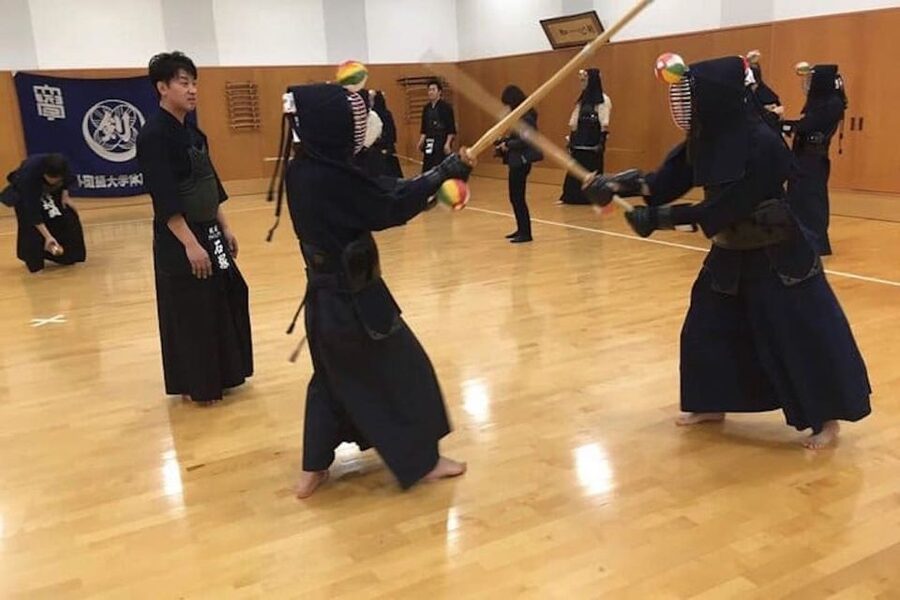
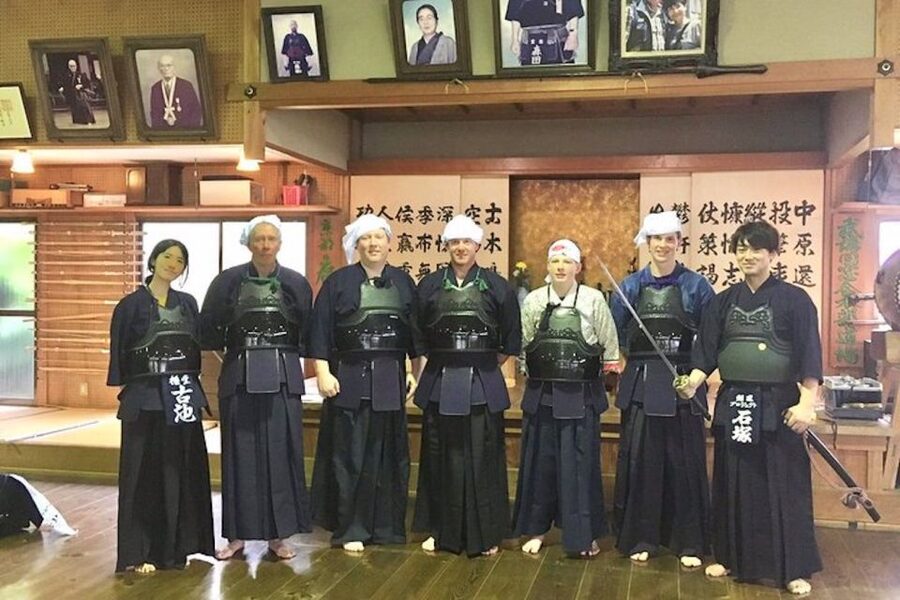
First, you go through change of clothes and a basic orientation to dojo behavior. You’ll get guided instruction on etiquette, so you know how to stand, when to move, and what the respectful routine looks like. This part isn’t “extra.” In kendo, it’s the foundation that keeps everyone safe and makes the training meaningful.
Next comes a basic lecture. You’ll learn the basics you need to start striking correctly. After that, you move into hitting with bamboo swords and doing hits with the teacher. This is where beginners usually feel nervous, but the coaching is designed to keep it under control.
Then you get a training culture interval. You don’t spend the whole time just swinging. You study kendo culture, including history and the manners that make kendo function as a martial art rather than a hobby session.
After that, you put on the face protector called Men. This is a key moment. It changes how you hear, how you feel your stance, and how you participate. You’ll do hitting to the teacher again while wearing it, which builds the “all gear on” confidence quickly.
Finally, you get a match-style mini-game. The point isn’t to turn you into a competitor in 2 hours. It’s to let you apply what you’ve learned in a structured, beginner-friendly way, so you finish with a real sense of kendo rhythm rather than just drill memory.
The best part is that the sequence keeps you moving forward. You’re not stuck at one level the whole time.
Gear, Safety, and That First Men Moment
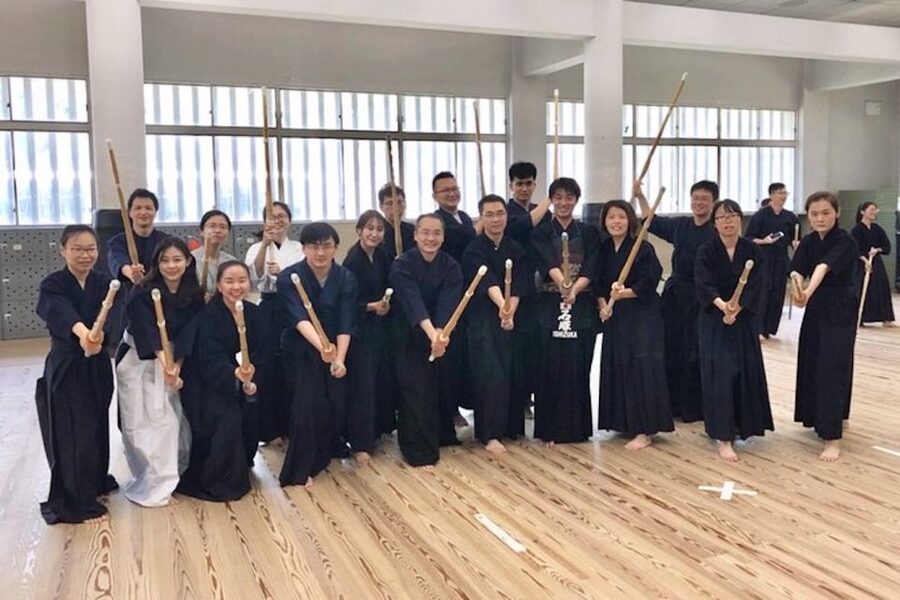
Safety is part of the instruction here, not an afterthought. You’ll rent the kendo armor and equipment, and that removes a big barrier for visitors. When you don’t have to figure out sizing or gear logistics, you can focus on technique and spacing.
You’ll also get free mineral water during the session, and the workshop provides a free Japanese hand towel. Small things, sure, but they help you stay comfortable and present.
The Men face protector is the big gear milestone. You’ll put it on during the program, then you’ll hit again with the teacher. That matters because it’s one thing to understand posture. It’s another to keep your form while wearing protection that changes your sensory world.
In one of the standout comments, the instruction is described as clear even for first-timers. The pedagogy feels serious, too. One participant specifically praised Yamasaki sensei for being excellent and highly recommended, with easy-to-follow coaching and close attention to posture. That’s what you want when you’re learning something physical and technical.
One thing to watch for: your body may be “good but rusty.” Even with beginner-friendly pacing, you’re using stance, footwork, and controlled striking. If you’re carrying stiffness from travel or you’ve been sedentary for a few days, you’ll probably feel it later that day.
Put this one next to a few other Osaka options first:
Learning Etiquette and Kendo Manner (It’s Not Just Bowing)
A lot of kendo experiences focus on action. This one also teaches why action has rules.
Between practice segments, you study the kendo culture course. That includes history and martial-arts manner. For you, the value is simple: when you understand the purpose behind etiquette, your movements improve faster. You stop guessing and start doing things for a reason.
Dojo etiquette also shows up in the structure: the change of clothes routine, how you line up, and how you respond to guidance. You’re learning that kendo is disciplined communication between opponents, not just sword contact.
I especially like how this workshop pairs manners with actual movement. You don’t get a lecture and then immediately leave it behind. You practice, return to culture, then practice again with more complete understanding.
And because the group is so small, instructors can keep an eye on your behavior and technique. When the correction is direct, you learn the pattern faster.
Hitting Drills, Teacher Contact, and the Rhythm of a Match-Style Mini-Game
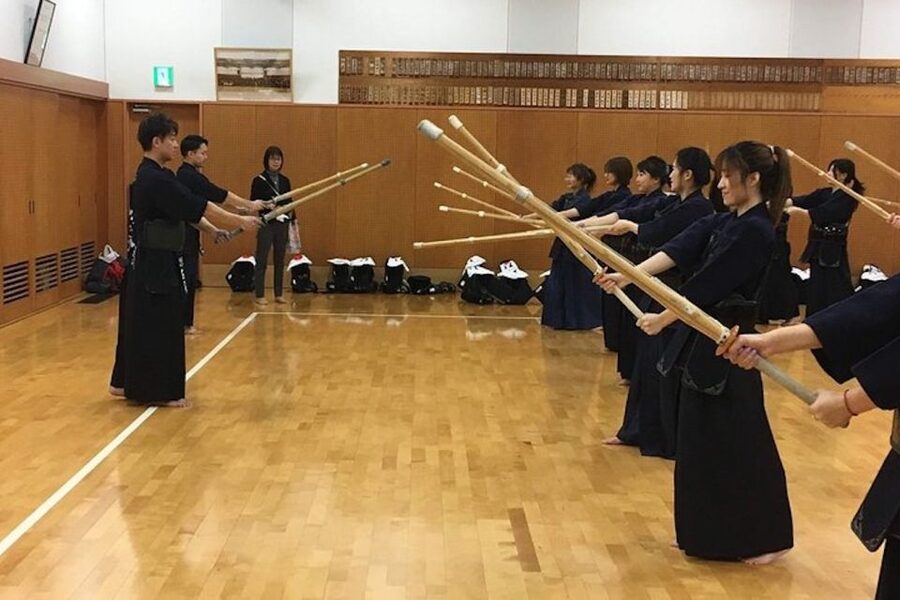
The heart of any kendo workshop is the moment you actually hit. Here, you do several phases of hitting with bamboo swords, including practice with the teacher.
Those teacher-assisted hits are where beginners often build confidence. They give you a target, a pace, and a safe way to learn impact without chaos. You’re still doing real work, but the instruction steers the intensity.
Then you reach the match-style mini-game. This is the part that makes it feel like training rather than a demo. You apply your basics against a structured opponent setting.
Is it competitive? Not in the sense of a tournament. But it’s close enough that you feel the mental side of kendo: stay calm, keep your stance, and follow the rhythm you were taught.
It also helps you understand what matters most in kendo. It’s not about wild power. It’s about posture, timing, and controlled intent.
When you finish, you get that satisfying sense of completion. You’ve learned the “how,” tested it with your body, and then seen enough technique to know there’s more to keep practicing.
Seeing Techniques Up Close: National-Level Demonstrations and End Etiquette
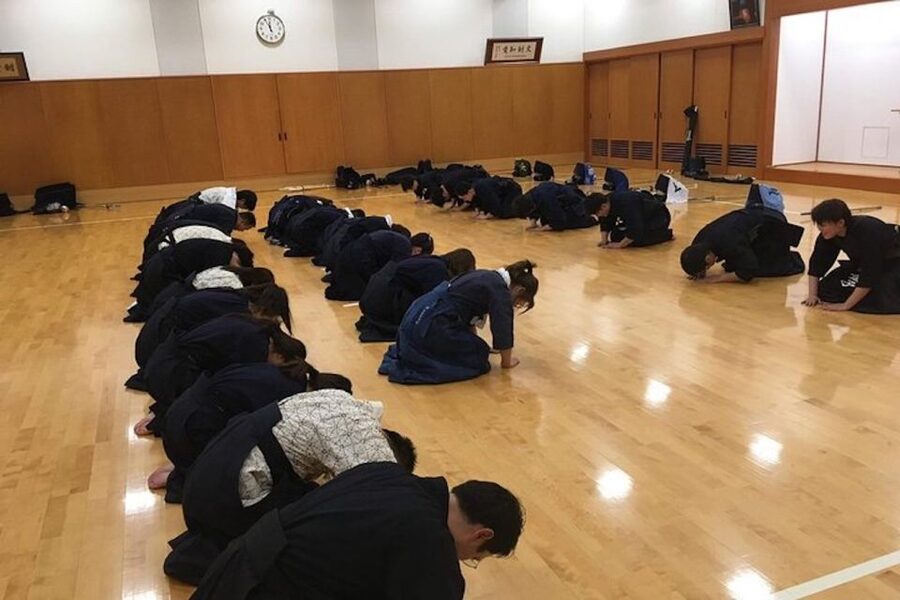
After your own practice and mini-game, the session includes demonstrations by national level instructors. This is a smart move in the lesson design. You train your basics first, then you watch high-level technique with better context.
Watching up close changes how you understand movement. You can spot details you would miss if you only saw kendo online. You also get a sense of what “good” looks like when the spacing and timing are tighter than what you can do yet.
Then you finish with etiquette and photography. Yes, there’s a photo moment. But it’s framed as part of the experience, not a rushed afterthought. You’ll also take part in an end-of-session ritual that reinforces the training tone.
One nice included touch: you receive a special kendo towel, designed to be used when putting on your Men face protector for kendo. That turns the gear moment into a small ceremony. Those little ritual details are part of why kendo feels authentic.
Is $116 a Good Deal? Value for Kendo in Osaka
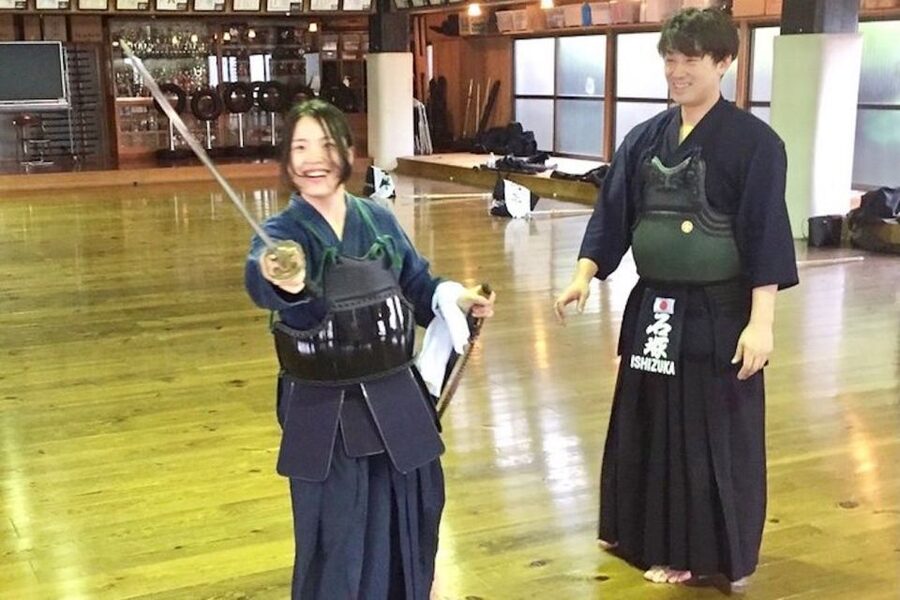
At $116 per person for 2 hours, you’re paying for more than “try a sword.” You’re paying for guided instruction in a real dojo workflow, plus rental of the armor and equipment, water, and a towel.
A big value factor is the small-group limit. With only up to 2 participants, instructors can focus on your posture, timing, and safety. That reduces the frustration many first-timers feel when they can’t get corrections.
Also, the session includes more than your own practice. There’s a culture segment, national-level demonstrations, and a final etiquette/photography moment. That’s a lot packed into a short time, and you don’t have to plan anything besides showing up at Shigino Kaikan hall.
What might make it feel less like a bargain is the physical commitment. You’re doing controlled hitting and wearing full gear. If you want something completely casual, this may feel like work.
But if you want a genuine first step into kendo, this price feels reasonable for the instruction quality and the equipment provided.
After the Workshop: A Simple Plan for an Izakaya Night
When you’re done changing clothes, you’re set up for a classic Japan night out. You can head to an izakaya, and there’s even a menu option labeled Special Samurai meal so you can keep the theme going without making the night complicated.
This is the practical part: you don’t need to find the perfect post-workout restaurant while tired. You can let the area do the work for you. Just remember you’re responsible for food since it isn’t included.
If you’re feeling proud (you will), order something you can eat easily after physical activity. Keep it simple and stay hydrated.
Who This Kendo Experience Fits Best (and Who Should Skip It)
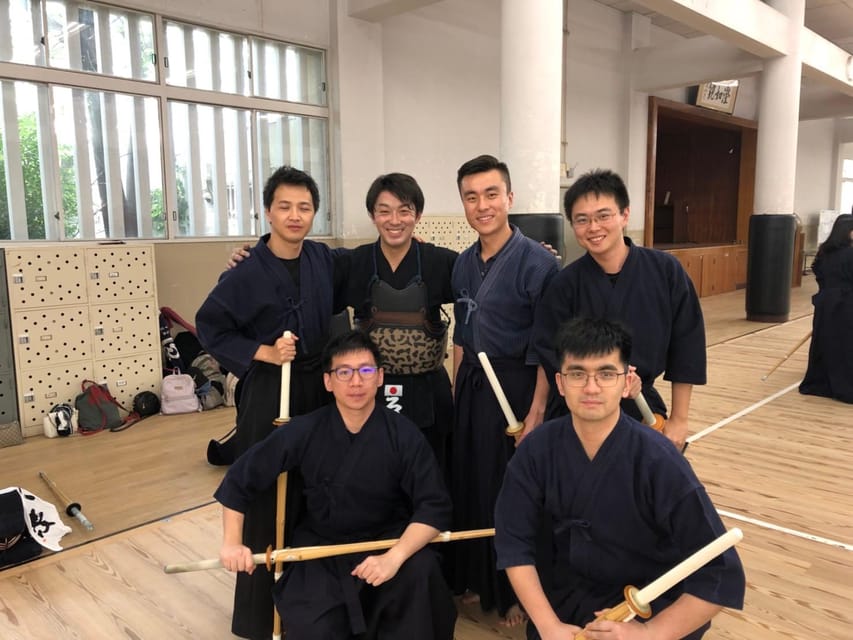
This kendo workshop fits best if you want a real training feel in a short time.
It’s a strong match for:
- First-timers who want safe instruction and clear coaching
- People who like rules, rituals, and the mental side of martial arts
- Visitors who want a dojo experience that goes beyond cosplay
- Anyone who enjoys close instruction and learning through doing
It’s not a good fit if you:
- Need wheelchair access or have mobility limitations
- Are traveling with children under 9
- Are pregnant
- Want alcohol involved during the activity (alcohol and drugs aren’t allowed)
- Prefer a purely observational experience (you’ll be participating throughout)
One more note: pets aren’t allowed. That’s typical for training environments, but it’s good to know.
Should You Book This Osaka Kendo Workshop?
Book it if your goal is simple: you want to try real kendo, not just get sword photos. The small group, the full routine from etiquette to hitting, and the match-style mini-game make it feel like the first step of training rather than a one-off performance.
Skip it if you’re looking for a gentle, sedentary activity. You’ll wear protective gear and do actual practice. If that’s not your style, you might find it frustrating.
If you do book, show up with an open mind. Listen closely during the etiquette segments. Don’t try to muscle through technique. Kendo rewards patience, and the best experiences come from doing what the instructor asks, one step at a time.
FAQ
Where is the meeting point for the Osaka kendo workshop?
The meeting point is 鴫野会館 / Shigino Kaikan hall.
How long does the kendo workshop last?
The experience lasts 2 hours.
What is the price per person?
The price is $116 per person.
What group size should I expect?
It’s a small group limited to 2 participants.
What’s included in the price?
Included are a professional guide/instructor, rental of kendo armor and equipment, free mineral water, and a free Japanese hand towel.
Is food included?
No. Food is not included.
What languages are the instructors?
The instructor provides English and Japanese.
Who might want to avoid this experience?
It is not suitable for children under 9, pregnant women, people with mobility impairments, or wheelchair users. Pets are also not allowed, and alcohol and drugs are not allowed.
Is there cancellation flexibility?
Yes. There is free cancellation up to 24 hours in advance for a full refund. You can also reserve now and pay later.
Take Home Something You Made
- Sushi Making Osaka Roll and Authentic Japanese Sushi Class★ 5.0 · 1,220 reviews
- Matcha Making Class in Osaka with Authentic Japanese Sweets Set★ 5.0 · 509 reviews
- Osaka: Ramen and Gyoza Cooking Class in Dotonbori★ 5.0 · 378 reviews
- Osaka Cooking Class: Okonomiyaki &Japanese cuisines experience★ 5.0 · 261 reviews
- Osaka: Roll and Authentic Sushi Making Class in Dotonbori★ 4.9 · 239 reviews
More Tour Reviews in Osaka
- Osaka Go Karting Tour with Funny Costume★ 5.0 · 2,658 reviews
- Osaka Castle: Museum and Tower Entry Ticket★ 4.5 · 2,380 reviews
- Osaka: Shinsekai Food Tour with 13-15 Dishes at 5 Eateries★ 4.8 · 2,204 reviews
- Osaka Food Tour: 13 Dishes at 5 Local Eateries★ 5.0 · 2,149 reviews
- Hungry Osaka Street Food Tour:15 Tastings & 3 Drinks with a Local★ 5.0 · 1,727 reviews
Blades Out: More Samurai Sessions
- Samurai Training Experience KENDO in Osaka★ 5.0 · 515 reviews
- OSAKA NIGHT FUSION Japanese Taiko Kabuki Samurai Dance Show★ 4.8 · 155 reviews
- Osaka: Samurai Training Experience KENDO in Osaka★ 5.0 · 111 reviews
- Osaka: A Modern Samurai, Kabuki, Taiko, & Dance Show★ 4.5 · 66 reviews
- Osaka 2-Hour Genuine Kendo / Samurai Experience In Japan★ 5.0 · 65 reviews
The Newest Osaka Write-Ups
- Private Photoshoot in Osaka with a Professional Photographer
★ 5.0 · 3 reviews - Osaka Early Morning Osaka Castle Tour Avoid Crowds
★ 5.0 · 3 reviews - Nara Private Tour with Pick and Drop and English Speaking Driver
★ 3.5 · 3 reviews - Osaka: Modern Vegetarian Sushi Cooking Class
★ 5.0 · 3 reviews - Nara Day Trip from Osaka with a Licensed Guide
★ 5.0 · 3 reviews
Osaka Samurai & Ninja Experiences, compared.
 ★ 5.0Samurai Training Experience KENDO in OsakaFrom $131515 reviews
 ★ 4.8OSAKA NIGHT FUSION Japanese Taiko Kabuki Samurai Dance ShowFrom $40155 reviews
 ★ 5.0Samurai Training Experience KENDO in OsakaFrom $127111 reviews
 ★ 4.5A Modern Samurai, Kabuki, Taiko, & Dance ShowFrom $1966 reviews
 ★ 5.0Osaka 2-Hour Genuine Kendo / Samurai Experience In JapanFrom $11865 reviews
 ★ 4.9Learn Bushido – Trial Slashing with Samurai SwordFrom $9259 reviews
 ★ 5.0Samurai Show, Tea Ceremony, Japanese Traditional ActivitiesFrom $4456 reviews
 ★ 5.0Private Samurai Experience – Train with Sword MasterFrom $15836 reviews
Browse the lists this tour appears in