
Reviewed · OSAKA SAMURAI & NINJA EXPERIENCES
Osaka: Private Samurai Experience – Train with Sword Master
Seeing a samurai master close up changes things. This private 3-hour session in Minoh, Osaka gives you rare access to temple areas that are usually off-limits, then pairs it with hands-on sword training. You’ll start with a special performance and move into guided practice in a restricted training space.
What I like most is the quality of instruction. The sword master, Tatsuya Watanabe, teaches classical techniques from his background in Yagyū Shinkage-ryu and Suishin-ryu, and he explains the spirit behind the movement, not just the motions.
Second, I really like the cultural framing. You’re not only holding a sword—you’re also touring the temple grounds and learning what makes the setting important. The main drawback is time: with a 3-hour experience, you get solid basics, but you won’t leave as a fully trained kenjutsu practitioner.
In This Review
- Key things that make this experience worth your time
- Where the Sword Training Happens: Minoh Temples with Restricted Access
- Meeting at Minoh Station and Getting Oriented Fast
- The Temple Portion: Spiritual Setting Meets Practical Context
- Tatsuya Watanabe: What His Classical Background Means for Your Training
- The Sword Performance Start: Watching Skill Before You Touch It
- What You’ll Do in Training: Wooden Sword Basics, Posture, and Focused Corrections
- The Price and Value: Why $158 Can Make Sense Here
- Who This Experience Is For (and Who Should Skip)
- Practical Tips Before You Go to Ryuan-ji or Saiko-ji
- Should You Book This Samurai Training in Minoh?
- FAQ
- How much does the Osaka private samurai sword experience cost?
- Where do I meet the guide?
- How long is the experience?
- What languages are available for the live tour guide?
- Is this a private group?
- What is the cancellation policy?
- Do you use wooden swords or real swords?
Key things that make this experience worth your time
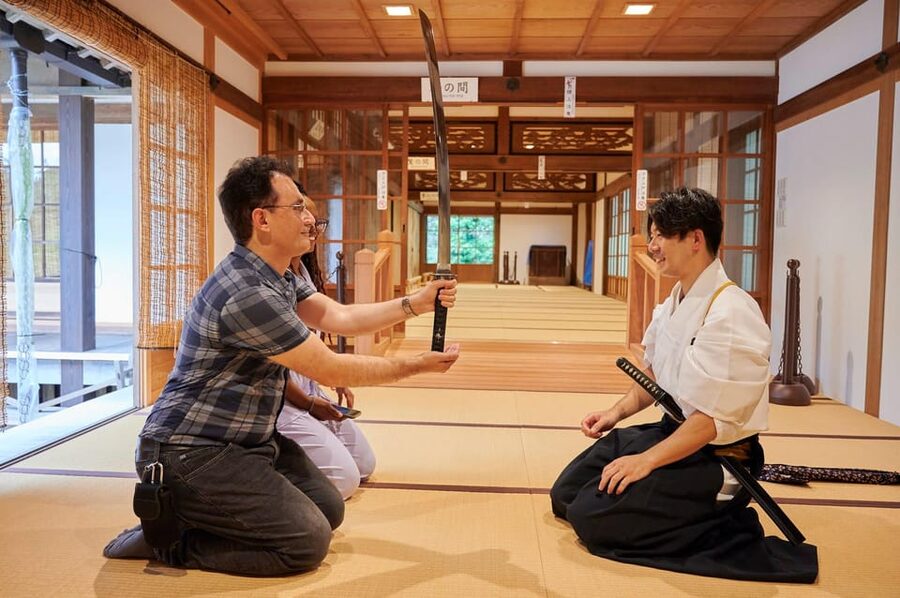
- Private training grounds inside a temple that are typically closed to the public
- A sword performance exclusive to this program before you start practicing
- Instruction from Tatsuya Watanabe, with deep classical kenjutsu background
- Temple access that’s part of the lesson, not a side stop
- Clear coaching with an English/Japanese/French translator, depending on your group
- Hands-on practice with wooden swords, and some sessions include stepping up to real-sword moments
Pick the sword back up with these sessions


Where the Sword Training Happens: Minoh Temples with Restricted Access
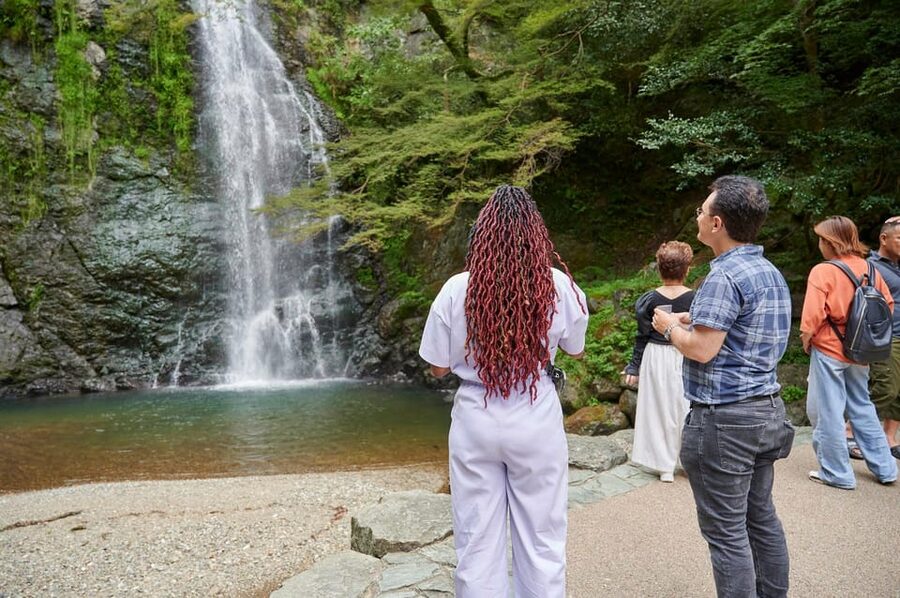
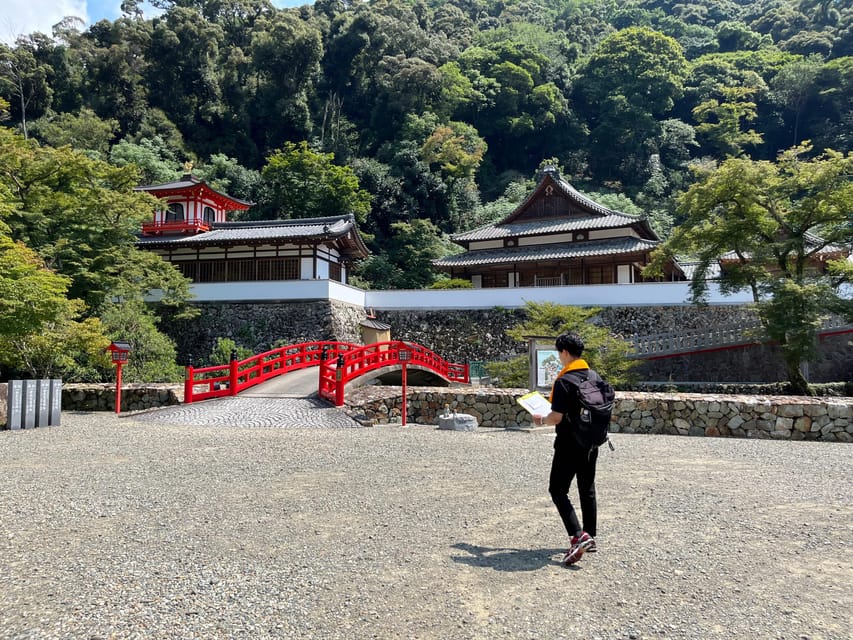
This is set in the Minoh area, outside central Osaka, using Ryuan-ji Temple as the core setting (and your experience may also be at Saiko-ji Temple’s secluded areas). The big deal here is that you don’t just visit a temple and watch a show. You get access to areas that are generally closed off, and the training happens in that calm, controlled environment.
I like this approach because it keeps your attention where it belongs. Sword arts need focus, timing, and a sense of space. Temples also help you understand why swordsmanship historically wasn’t only sport. It was tied to discipline, posture, mental control, and a way of meeting life with restraint.
You’ll also feel the quiet logic of the flow. The day starts with seeing skill in motion first, then you’re guided to reproduce the fundamentals safely. That order matters, especially if you’ve never trained with a sword before.
Meeting at Minoh Station and Getting Oriented Fast
Your day begins at Minoh Station, where you meet your guide in front of the station. The guide holds a yellow sign with the DeepExperience logo. This matters more than it sounds. With experiences like this, you want to avoid the stress of figuring out the temple approach or timing.
From the reviews, I also see a pattern: translators make or break the experience. People specifically called out guides such as Ben/Benoit and Claire for handling English translation during training and walking the group through temple context. That’s important here because classical martial arts terminology and spiritual concepts can get lost without real-time interpretation.
The tour is a private group, and it’s offered in English, Japanese, and French. A private setup usually means you get quicker check-ins on your posture and strikes, instead of being one face in a crowd. With a short session, that attention becomes part of the value.
The Temple Portion: Spiritual Setting Meets Practical Context
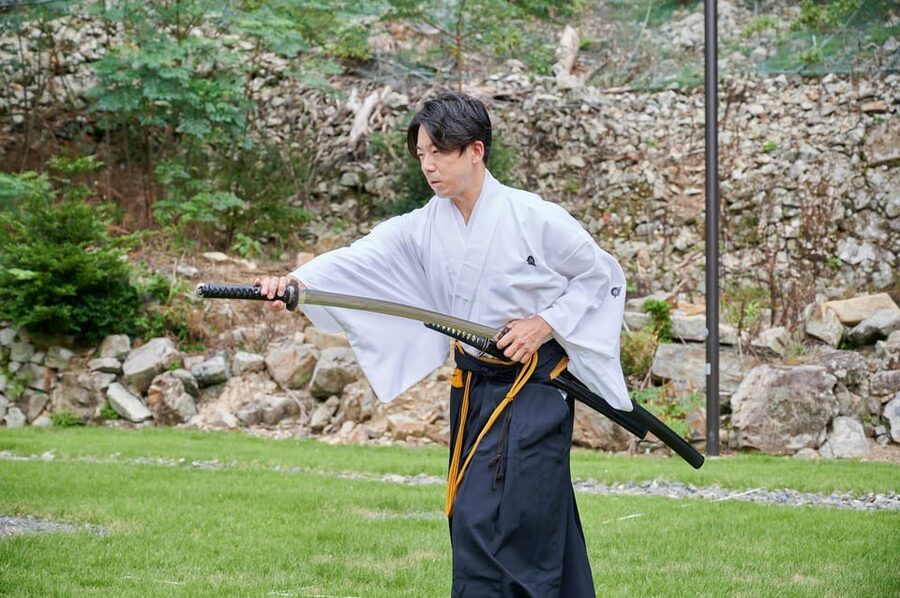
Before the sword practice fully kicks in, you spend time touring the temple grounds. The experience is scheduled for about 1.5 hours of temple visit and guided class time, and that matters because the temple isn’t treated like an outdoor backdrop.
What you’re likely to learn is the temple’s connection to history, discipline, and Japanese tradition—plus how the environment influences the training itself. Reviews mention walking into restricted areas and learning heritage details along the way, with special access that most visitors won’t get.
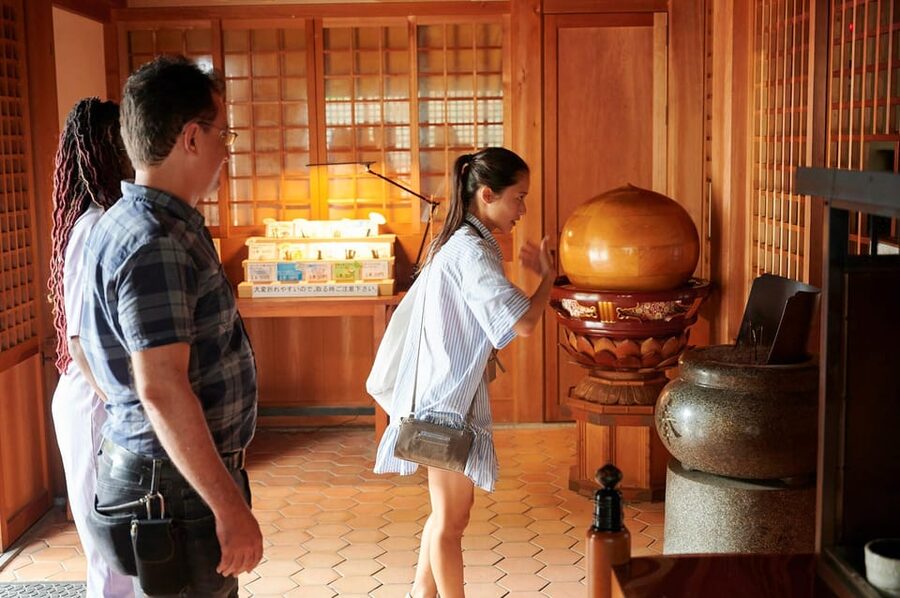
Some participants also noted a temple house visit where they saw sword-related items up close, including references to a personal sword and even a sword dated to around 1370. Even if you don’t get the exact same objects on every schedule, the key idea stays the same: you’re getting context for why the sword tradition was preserved and carried forward.
The practical downside? You’ll want to be mentally ready to switch modes—walking and listening, then standing still for instruction, then moving. If you’re the type who hates “sit and learn” moments, this part can feel like a warm-up for the main event.
A guide to yourselves, more private days out


Tatsuya Watanabe: What His Classical Background Means for Your Training

The sword master for this experience is Tatsuya Watanabe. He didn’t start in a dojo for tourists. He began with kendo in his teens, then went on to classical kenjutsu study in Yagyū Shinkage-ryu during university.
From there, he continued training across multiple lineages, including Suishin-ryu, where his dedication was recognized and he was appointed soke, meaning headmaster, in his twenties. That’s a rare detail, and it signals something important: this isn’t someone casually performing sword videos. It’s a role with responsibility for preserving technique and also the philosophy, aesthetics, and spirit behind it.
Why does this matter for you? Because Watanabe’s training approach is described as both technical and spiritual. Reviews repeatedly mention the meditative or fluid quality of the movements, plus how he explains discipline and purpose—not just how to swing.
You also get the benefit of his modern outreach mindset. He’s involved in promoting, preserving, and deepening global understanding of Japanese sword culture through performances and hands-on programs abroad. That typically results in instruction that’s respectful and grounded, but also aware that you may be new to this world.
The Sword Performance Start: Watching Skill Before You Touch It
A standout element is a special sword performance exclusive to the tour. That opening matters. You see control, presence, and what the techniques aim to produce in real form—before you’re asked to imitate anything.
In the reviews, the performance is described with words like precision and discipline, and people specifically noted how it set the tone for the whole session. I like this structure because it reduces guesswork. When you later practice, you’re not only learning movements—you’re also trying to match an intention.
Also, performances usually help establish etiquette and safety mindset. In a temple training area, you’re in a space where focus is part of respect. You’ll likely get verbal guidance from the sword master and translation support from your guide so you understand what to do and what to avoid.
Then the session shifts from watching to practicing.
What You’ll Do in Training: Wooden Sword Basics, Posture, and Focused Corrections
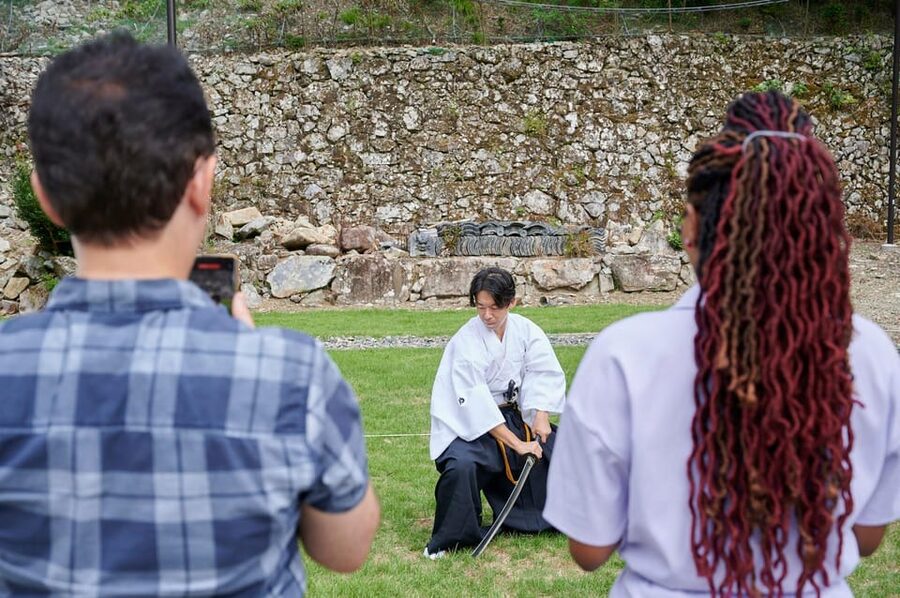
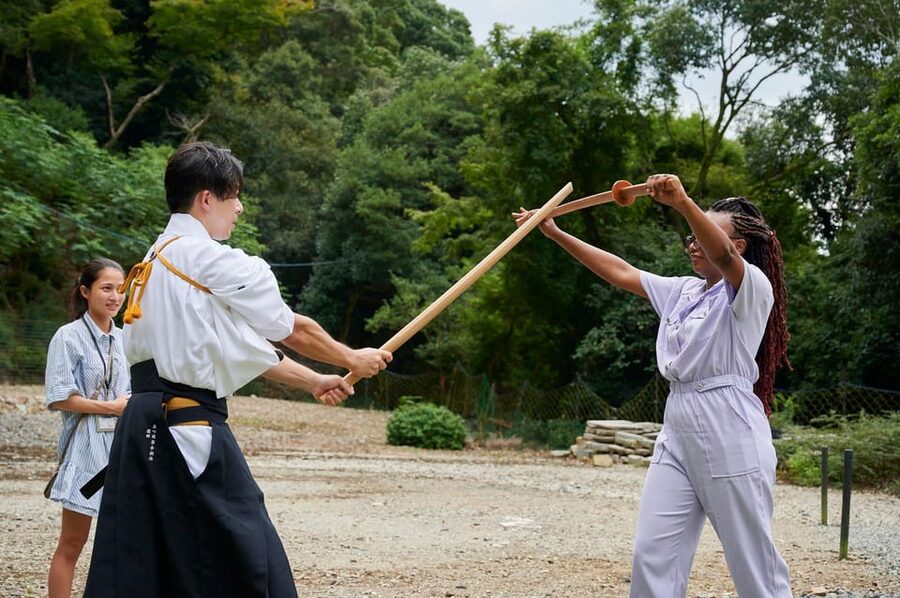
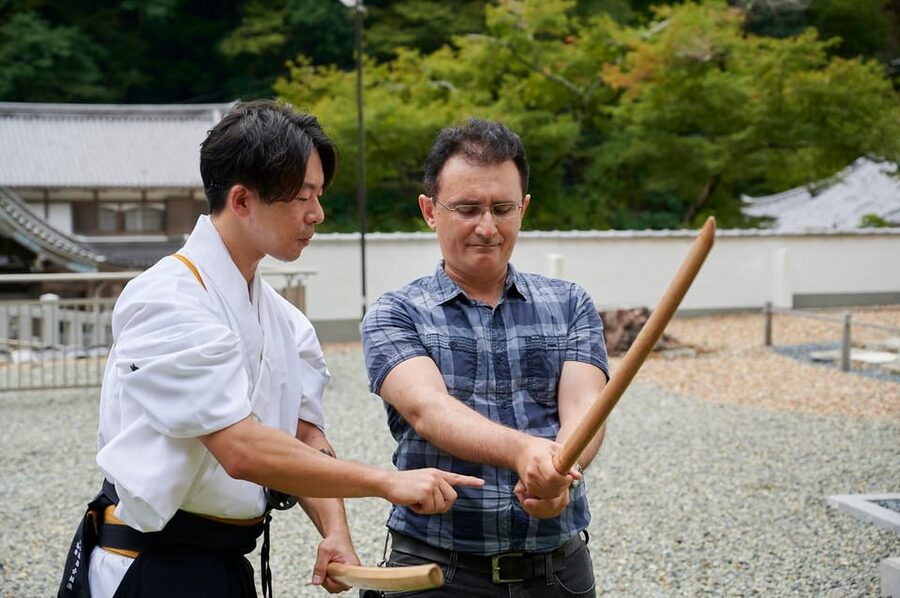
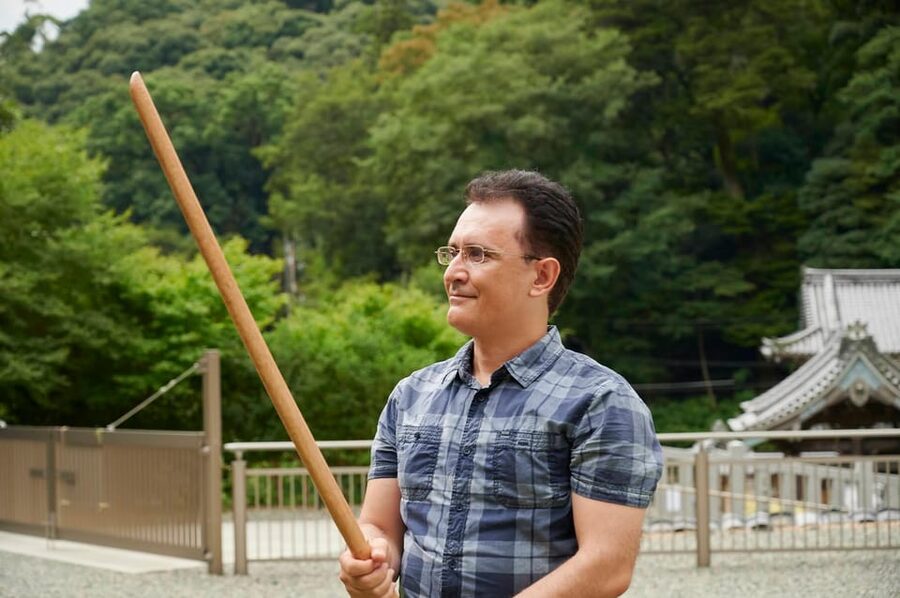
Training happens in the restricted temple training area, and you’ll practice with wooden swords (bokken). Many reviews mention learning how to strike, cut, and hold properly, and receiving personalized tips on posture and strikes.
One review experience describes a progression: starting with instruction on basics and then moving further, including handling real swords and even cutting paper. Not every session is guaranteed to include the real-sword step in the same way for every participant, but the fact that it can happen tells you this isn’t just “try a pose for five minutes.”
A theme you’ll want to listen for is fluidity and mental calm. People called out the sword master focusing on the meditative properties of strikes and the way movement becomes controlled rather than forceful. That’s useful even if you’re a complete beginner. If you can’t apply power yet, you can still learn alignment, timing, and balance.
How the experience feels in your body is also worth noting. You’re practicing enough to get feedback, but it’s still a short session. Don’t expect a full workout. Expect focused coaching and a lot of “do this, try again” learning.
If you’re traveling with a parent and child, this format can work well—at least one review includes a father and son calling it the best day in Japan. But if you want nonstop action or a long class, this 3-hour window may feel too short.
The Price and Value: Why $158 Can Make Sense Here
At $158 per person for about 3 hours, this isn’t the cheapest activity in Osaka. But the cost is easier to justify when you compare it to what’s included.
You get:
- A private group experience
- A sword master-led training session
- Temple access that’s generally not open to the public
- A special sword performance exclusive to the program
- A guide/translator to make the instruction understandable in English, Japanese, or French
- Sword experience and guide fees included
In other words, you’re not paying only for sword technique. You’re paying for a controlled setting, time with a recognized classical practitioner, and interpretation that lets you actually learn what you’re seeing.
Here’s my value lens: if you’re the type who wants photos and quick thrills, you might feel the price. If you’re the type who wants a meaningful, skills-and-culture session with real instruction, it’s strong value because so much is bundled into those 3 hours.
Who This Experience Is For (and Who Should Skip)
This experience fits best if you:
- Want something off the Osaka-to-Kyoto checklist, in a quieter setting
- Like culture with hands-on learning, not culture as a lecture only
- Are interested in classical Japanese sword traditions and their discipline
- Appreciate coaching with translation (English/Japanese/French support is offered)
It might not fit you if:
- You want hours and hours of repetitive training. This is a starter-and-basics format, not a long-term dojo commitment.
- You expect a typical gym-style workout. The emphasis is control, form, and mind-body focus.
- You’re uncomfortable being corrected during a practice session. The experience is guided, and you’ll likely get adjustments to posture and strikes.
Practical Tips Before You Go to Ryuan-ji or Saiko-ji
Here’s how to set yourself up for a smoother, more respectful session.
- Arrive on time for the Minoh Station meeting. The guide is easy to find (yellow DeepExperience sign), but temples and training schedules won’t wait forever.
- Wear comfortable clothing and shoes you can move in. You’ll be walking and then standing or practicing stances. Think easy mobility.
- Listen closely during translation moments. The best learning seems to come when you follow the sword master’s explanations and then apply the tips immediately.
- Take the temple etiquette seriously. You’re training in a sacred space with restricted areas. Quiet focus will help you learn faster.
- Go in with one goal: clean basics. With wooden sword practice and short timing, getting alignment and posture right will pay off more than trying to power through.
If you do those things, the session stays enjoyable instead of stressful.
Should You Book This Samurai Training in Minoh?
If your travel style includes hands-on cultural learning, I’d book it. The combination of private temple access, a special sword performance, and instruction from Tatsuya Watanabe gives you a rare mix: you see, you train, and you understand what you’re training for.
Skip it only if you’re chasing a casual, low-effort activity. This is structured. You’ll learn best if you’re ready to listen, practice short segments, and take corrections with good energy.
If you want a memorable Osaka-area day that feels genuinely Japanese—less theme park, more discipline—this is a strong pick.
FAQ
How much does the Osaka private samurai sword experience cost?
The price is $158 per person.
Where do I meet the guide?
Meet your guide in front of Minoh Station, and the guide will be holding a yellow DeepExperience logo sign.
How long is the experience?
The experience lasts 3 hours (270 minutes).
What languages are available for the live tour guide?
The live tour guide is offered in English, Japanese, and French.
Is this a private group?
Yes. It’s listed as a private group experience.
What is the cancellation policy?
You can cancel up to 24 hours in advance for a full refund.
Do you use wooden swords or real swords?
You practice using wooden swords (bokken). Some participants also reported handling real swords and even cutting paper during their session, depending on the day and instruction flow.
More Tour Reviews in Osaka
- Osaka Go Karting Tour with Funny Costume★ 5.0 · 2,658 reviews
- Osaka Castle: Museum and Tower Entry Ticket★ 4.5 · 2,380 reviews
- Osaka: Shinsekai Food Tour with 13-15 Dishes at 5 Eateries★ 4.8 · 2,204 reviews
- Osaka Food Tour: 13 Dishes at 5 Local Eateries★ 5.0 · 2,149 reviews
- Hungry Osaka Street Food Tour:15 Tastings & 3 Drinks with a Local★ 5.0 · 1,727 reviews
Your Osaka, at Your Pace
- Private Osaka Walking Tour: Highlights & Hidden Gems★ 5.0 · 569 reviews
- Osaka 4hr Private Tour with Government-Licensed Guide★ 5.0 · 314 reviews
- 3/4/5 Hours Private Tour in Osaka with Local Guide★ 5.0 · 189 reviews
- Osaka’s Best and Brightest: Private Full-Day Tour by Vehicle★ 5.0 · 147 reviews
- Kyoto & Nara Private customized tour with English speaking Guide★ 4.5 · 99 reviews
Blades Out: More Samurai Sessions
- Samurai Training Experience KENDO in Osaka★ 5.0 · 515 reviews
- OSAKA NIGHT FUSION Japanese Taiko Kabuki Samurai Dance Show★ 4.8 · 155 reviews
- Osaka: Samurai Training Experience KENDO in Osaka★ 5.0 · 111 reviews
- Osaka: A Modern Samurai, Kabuki, Taiko, & Dance Show★ 4.5 · 66 reviews
- Osaka 2-Hour Genuine Kendo / Samurai Experience In Japan★ 5.0 · 65 reviews
The Newest Osaka Write-Ups
- Private Photoshoot in Osaka with a Professional Photographer
★ 5.0 · 3 reviews - Osaka Early Morning Osaka Castle Tour Avoid Crowds
★ 5.0 · 3 reviews - Nara Private Tour with Pick and Drop and English Speaking Driver
★ 3.5 · 3 reviews - Osaka: Modern Vegetarian Sushi Cooking Class
★ 5.0 · 3 reviews - Nara Day Trip from Osaka with a Licensed Guide
★ 5.0 · 3 reviews
Osaka Samurai & Ninja Experiences, compared.
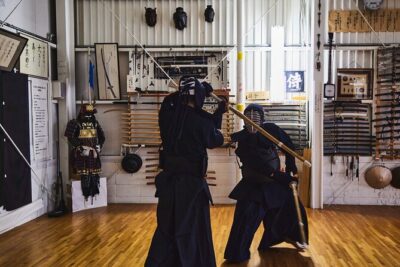 ★ 5.0Samurai Training Experience KENDO in OsakaFrom $131515 reviews
 ★ 4.8OSAKA NIGHT FUSION Japanese Taiko Kabuki Samurai Dance ShowFrom $40155 reviews
 ★ 5.0Samurai Training Experience KENDO in OsakaFrom $127111 reviews
 ★ 4.5A Modern Samurai, Kabuki, Taiko, & Dance ShowFrom $1966 reviews
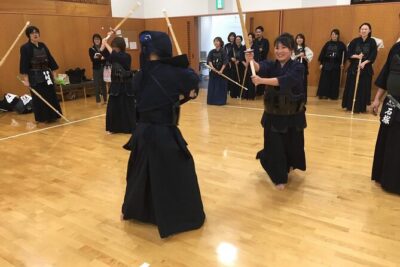 ★ 5.0Osaka 2-Hour Genuine Kendo / Samurai Experience In JapanFrom $11865 reviews
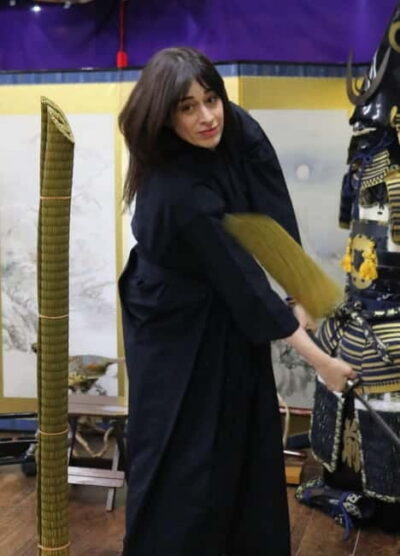 ★ 4.9Learn Bushido – Trial Slashing with Samurai SwordFrom $9259 reviews
 ★ 5.0Samurai Show, Tea Ceremony, Japanese Traditional ActivitiesFrom $4456 reviews
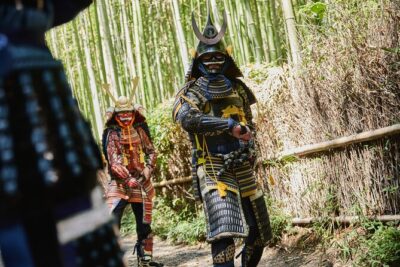 ★ 5.0Honor – Experience Samurai & traditional Culture to the fullestFrom $18132 reviews
Browse the lists this tour appears in