
Reviewed · OSAKA COOKING CLASSES
Osaka: Japanese Cooking Class with Matcha Experience
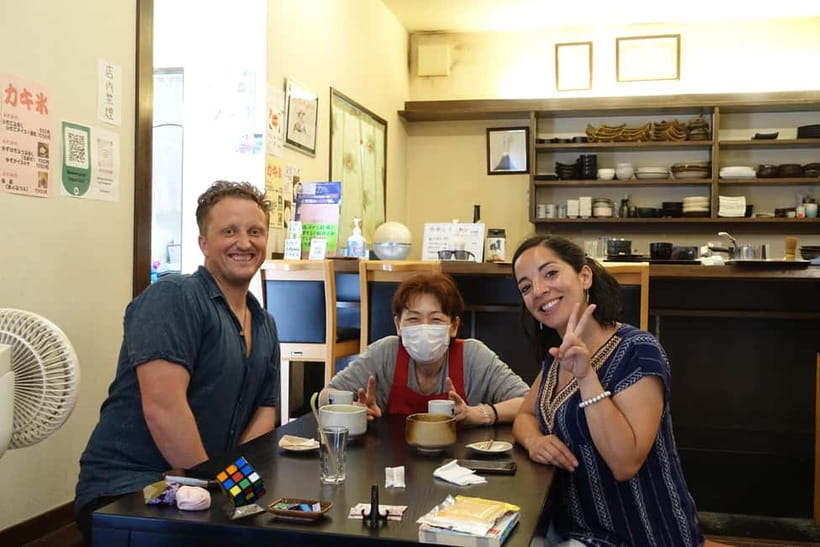
Want dinner lessons with matcha at the end? This Osaka class at Wa Cafe Kitajima turns cooking into a hands-on experience, with matcha as a real skill, not a side show. I also like that you pick a dish option that fits your tastes, then cook it with a local chef. One consideration: it is not suitable for wheelchair users or people with food allergies.
The setup is practical for real trips: a small group (up to 10), English/Japanese support, and an Osaka mom on hand if you’re not confident in the kitchen. Plus, it’s an easy stop—about a 7-minute walk from Morinomiya Station, and very reachable if you’re starting from Shinsaibashi or Namba.
In This Review
- Key highlights worth your attention
- Why This Osaka Cooking-and-Matcha Format Works
- Choosing Your Dish: Home-Cooked, Okonomiyaki, or Bento
- Inside the 2-Hour Session: What You’ll Do (and What You’ll Learn)
- 1) Getting set up and choosing your cooking path
- 2) Chef-led cooking in the same kitchen space
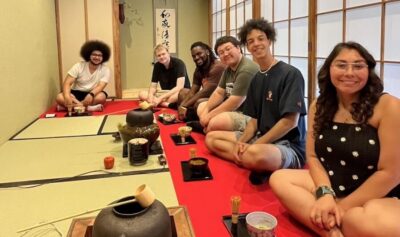
- 3) Matcha making experience
- The Instructors You’ll Rely On: Chef, Host, and Osaka Mom
- Getting There: Morinomiya Station to Osaka Castle Area Without Stress
- Price and Value: What $64 Gets You in 2 Hours
- Final Call: Should You Book This Osaka Class?
- FAQ
- How long is the Osaka Japanese Cooking Class with Matcha Experience?
- Where does the class take place?
- What dish options can I choose from?
- What’s included in the price?
- What isn’t included?
- Is the class suitable for wheelchair users?
- What languages are used during the class?
Key highlights worth your attention
- Matcha making experience taught alongside your meal, so you leave with a repeatable routine
- Choose your dish: home-cooked dishes, okonomiyaki, or bento
- Chef-led cooking with all ingredients provided for the option you select
- Small group of up to 10 for questions that don’t get lost
- Osaka mom support for anyone who feels rusty with cooking
Flour on your hands, more Osaka kitchens to try


Why This Osaka Cooking-and-Matcha Format Works
A lot of cooking classes go one of two ways: you either watch, or you cook but still feel like you’re following someone else’s script. This one is built to do both—get you working in the kitchen, then bring you to a point where you can actually recreate what you learned.
What I like most is the pairing. You learn Japanese cooking techniques and then make matcha, so the class feels complete. It’s also not just about the final dish; you’re getting the process. That matters when you try to cook at home later, because the steps are what make the food land right.
Another strong point is the human support. The class includes an Osaka mom who helps if you’re unfamiliar with cooking. From the feedback, the instruction style comes off as warm and patient, with a teacher who’s enthusiastic about sharing technique. One review specifically called out Ikuko as lovely and made everyone feel right at home, which is exactly what you want when you’re trying something new in a country where your kitchen language might be rusty.
The class is also timed for travelers. At 2 hours, it’s long enough to learn and cook, but short enough to fit into an Osaka sightseeing day without derailing your plans.
Choosing Your Dish: Home-Cooked, Okonomiyaki, or Bento
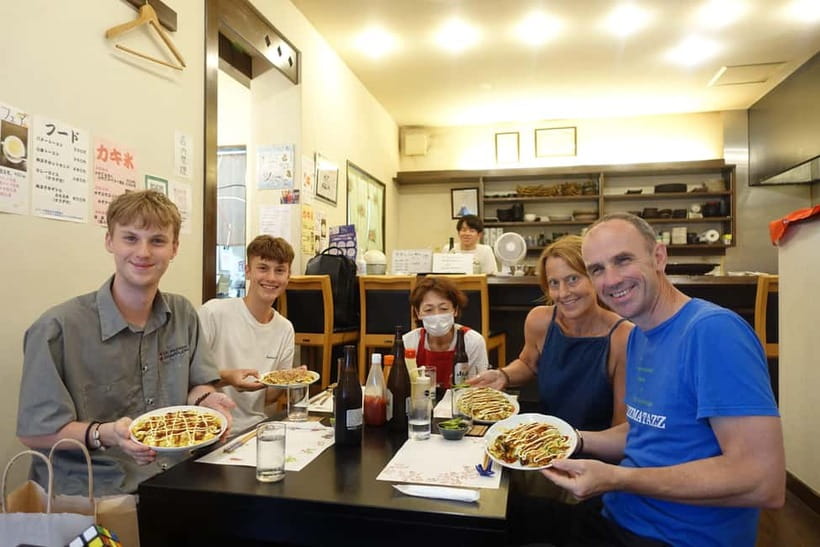
You start by selecting one dish option. That choice is a big deal for value and enjoyment, because it lets you aim the class toward what you actually want to eat in Osaka.
Here are your three options:
- Home-cooked dishes: a good pick if you want a broader feel for how everyday Japanese meals come together
- Okonomiyaki: the Osaka classic route, ideal if you already love the idea of cooking something you’ve seen on street-food menus
- Bento: a smart choice if you’re interested in portioning, presentation, and the practical side of Japanese food
What makes this selection format useful is that it prevents the usual frustration. Instead of getting stuck with a dish you’re unsure about, you choose the direction. If you’re cooking for kids or a group, bento can feel especially fun because it naturally turns into a tangible, organized outcome.
Also, since the class supplies the ingredients for your selected dish, you’re not stuck translating grocery lists while on vacation. The cooking itself is the focus.
One practical note: the guidance says to bring comfortable shoes and clothes, and it also lists ingredients as something to bring. Since the class states it includes ingredients for the selected dish, I’d treat that as a checklist item to confirm in advance. If you’re unsure, send a quick message and ask what they mean by ingredients in your specific case.
Inside the 2-Hour Session: What You’ll Do (and What You’ll Learn)
The class runs for 2 hours, and you can think of it as a simple arc: choose → cook → finish with matcha. With a small group (limited to 10), you’re less likely to feel like you’re waiting your turn the whole time.
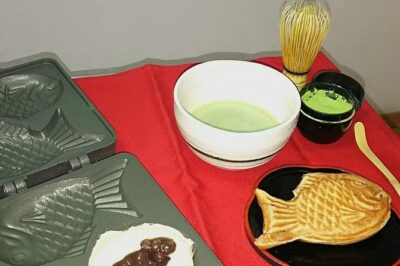
Another bowl whisked slowly in Osaka


1) Getting set up and choosing your cooking path
Once you arrive at the meeting point (there is a sign), you’ll be guided through selecting your dish option if you haven’t already. The host/greeter supports in English and Japanese, which helps a lot if you’re worried about kitchen instructions turning into a language puzzle.
2) Chef-led cooking in the same kitchen space
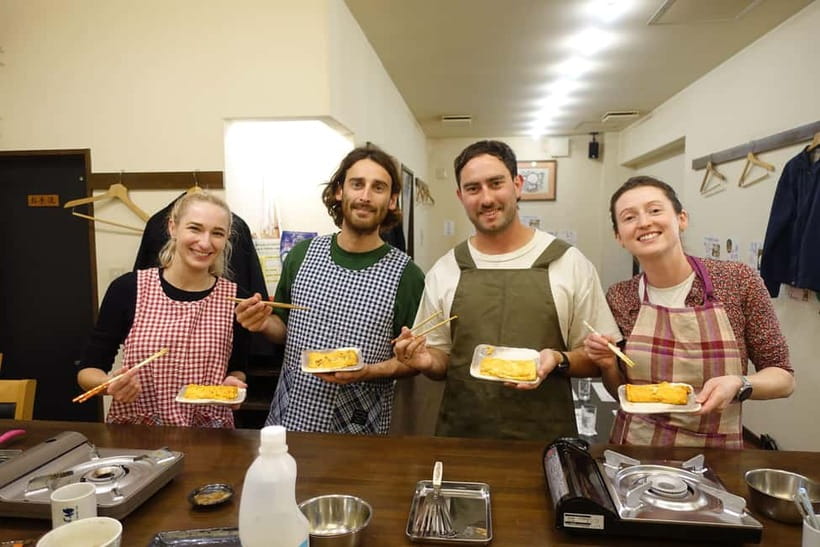
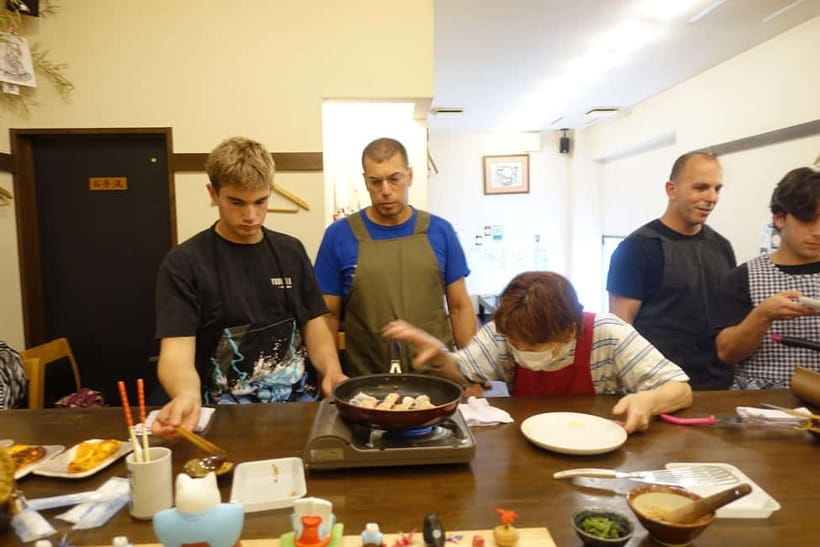
The class is a hands-on cooking experience with a local chef. All ingredients for your selected dish are included, so you’re not measuring and improvising without supplies. This is where the instruction matters most. In the feedback, the teacher’s technique came through clearly, and the enthusiasm was a big part of why people enjoyed it—especially families and kids.
You’ll be working together, which sounds obvious, but it’s actually the point. If you’re traveling as a pair or small group, this kind of shared cooking creates those small, memorable moments you don’t get from just taking pictures.
3) Matcha making experience
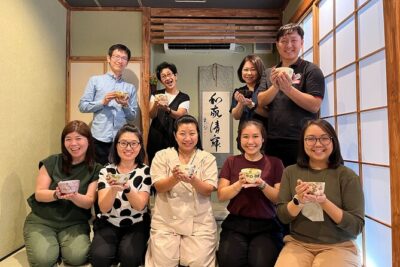
After (or alongside) your dish work, you’ll do the matcha making experience. This is valuable because matcha isn’t just a drink. It’s a texture and ritual. Getting shown the technique—and having to practice it—means you’re more likely to recreate it correctly later.
A nice clue from the feedback: multiple people mentioned that the recipes and results were delicious and that they could recreate them at home. That’s the best outcome for a cooking class: you don’t just get a fun meal today; you take home instructions you can repeat.
The Instructors You’ll Rely On: Chef, Host, and Osaka Mom
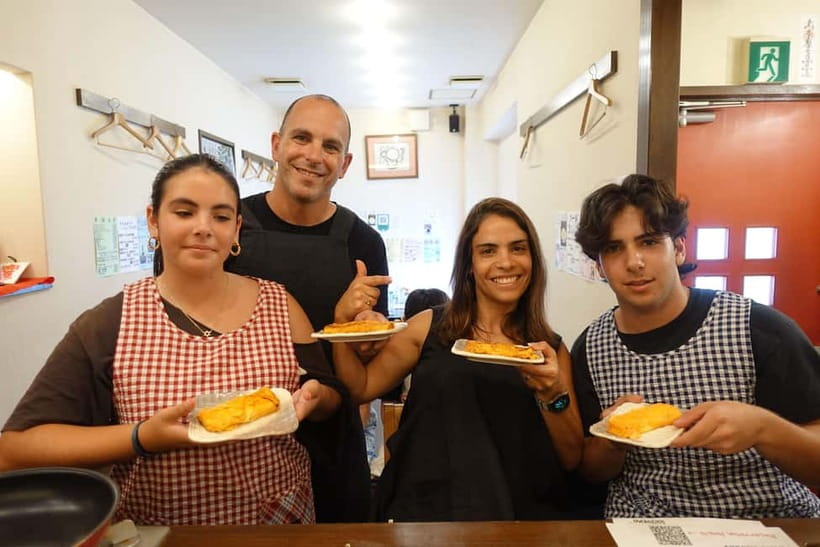
This is one of those classes where the teaching style can make or break the experience. Here, the support structure is layered.
- You get instruction from the local chef during the cooking portion
- An English/Japanese host or greeter helps you keep up
- An Osaka mom supports you if you’re unfamiliar with cooking
That last point is quietly huge. If you’ve never cooked much beyond reheating noodles, you’ll feel less intimidated. It also helps with confidence: you can ask questions without feeling like you’re slowing everyone down.
In the feedback, the teacher Ikuko was singled out as enthusiastic and made participants feel at home. Another review described the conductor/teacher as extremely enthusiastic and happy, with techniques that came through clearly. Those are consistent signals: this isn’t a cold, formal class. You’re likely to get coaching that’s aimed at people actually learning in real time.
Getting There: Morinomiya Station to Osaka Castle Area Without Stress
Location is part of the value here. The class is about a 7-minute walk from Morinomiya Station, and it’s also described as very accessible from the tourist hubs of Shinsaibashi and Namba.
It’s also near Osaka Castle’s area by train: one station away from Osaka Castle Station by JR. So if you’re doing castle grounds before or after, you can plug this class in without committing to a long cross-city transfer.
What this means for your day:
- You can plan it as an “activity anchor” in the middle of sightseeing
- You don’t have to treat the cooking class like a big travel project
- You can stay flexible, especially since the class offers reserve flexibility options
One small logistics reminder: transportation to and from the activity location is not included, so budget for your local transit as you would for any Osaka neighborhood stop.
Price and Value: What $64 Gets You in 2 Hours
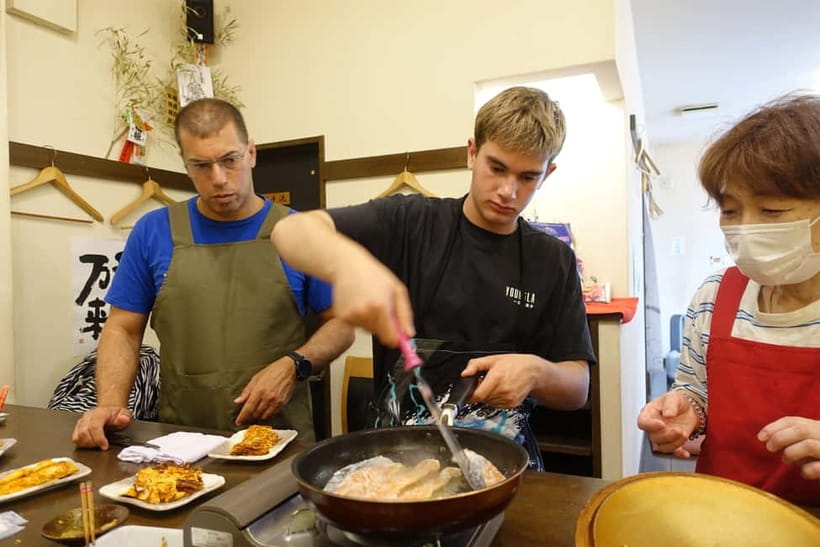
At $64 per person for a 2-hour class, you’re paying for more than just food. You’re paying for:
- Chef instruction
- All ingredients for the dish you choose
- A matcha making experience
That combination is what makes the price feel reasonable. Cooking classes that only teach via watching tend to cost less, but you don’t always get the skill-building payoff. And classes that are purely “craft-style” can be fun but don’t always give you real cooking confidence.
Here, you’re doing actual prep and cooking, then you’re practicing matcha. Plus, the group is small (up to 10), which usually translates into more chances to ask questions and get feedback.
If you’re traveling with family or friends, the value can jump further because shared activities reduce the “everyone does their own thing” problem. One review mentioned the experience was a hit for girls, and another said children enjoyed it a lot—so it can work well for mixed ages, assuming everyone is comfortable with the format and the food situation.
Final Call: Should You Book This Osaka Class?
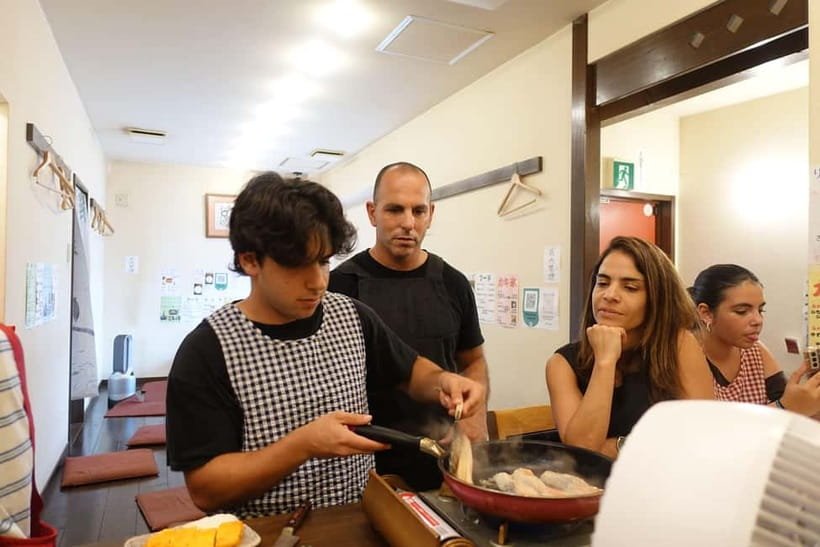
I’d book this if you want a hands-on Osaka cooking class where you actually practice—then top it off with a matcha making experience. The dish choice (home-cooked dishes, okonomiyaki, or bento) helps you steer the class toward what you’ll enjoy eating, and the support from an Osaka mom plus English/Japanese help makes it less intimidating for beginners.
I’d skip it if:
- anyone in your group uses a wheelchair
- anyone has a food allergy (the class is not suitable for allergies)
If you fit the target audience and you want a practical souvenir—skills you can repeat at home—this is the kind of activity that earns its spot on an Osaka itinerary.
FAQ
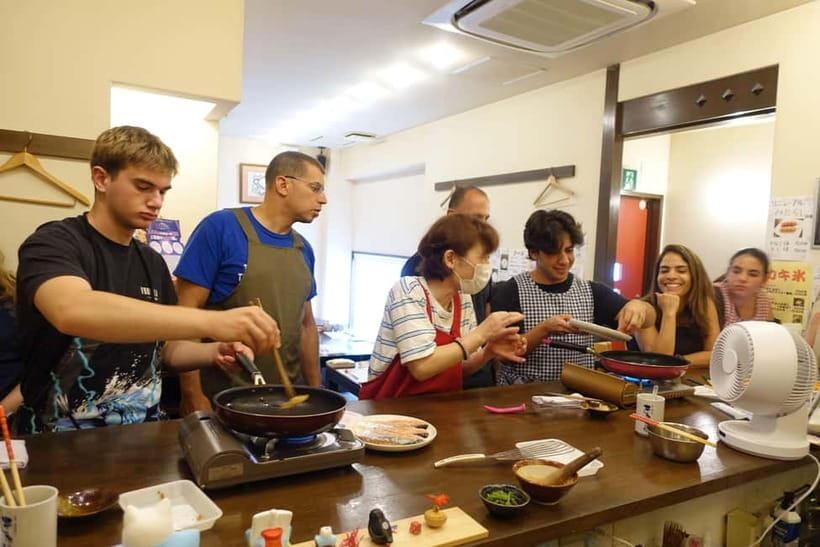
How long is the Osaka Japanese Cooking Class with Matcha Experience?
The class lasts 2 hours.
Where does the class take place?
It’s located in Osaka, with the meeting area described as a 7-minute walk from Morinomiya Station, and also accessible from Shinsaibashi and Namba. It is one station from Osaka Castle Station by JR.
What dish options can I choose from?
You can choose one of these options: home-cooked dishes, okonomiyaki, or bento.
What’s included in the price?
Included are the cooking class with a local chef, all ingredients for the selected dish, and a matcha making experience.
What isn’t included?
Transportation to and from the activity location, plus personal expenses, are not included.
Is the class suitable for wheelchair users?
No, it is not suitable for wheelchair users.
What languages are used during the class?
The host or greeter provides support in English and Japanese.
More Tour Reviews in Osaka
- Osaka Go Karting Tour with Funny Costume★ 5.0 · 2,658 reviews
- Osaka Castle: Museum and Tower Entry Ticket★ 4.5 · 2,380 reviews
- Osaka: Shinsekai Food Tour with 13-15 Dishes at 5 Eateries★ 4.8 · 2,204 reviews
- Osaka Food Tour: 13 Dishes at 5 Local Eateries★ 5.0 · 2,149 reviews
- Hungry Osaka Street Food Tour:15 Tastings & 3 Drinks with a Local★ 5.0 · 1,727 reviews
Matcha, Whisked and Poured
- Osaka: Tea Ceremony Experience★ 4.9 · 1,426 reviews
- Tea Ceremony Experience in Osaka Doutonbori★ 5.0 · 754 reviews
- Matcha Making Class in Osaka with Authentic Japanese Sweets Set★ 5.0 · 509 reviews
- Osaka: Matcha Making Experience with Japanese Sweets★ 5.0 · 146 reviews
- Osaka: Tea Ceremony, Calligraphy, and Kimono Experience★ 4.9 · 130 reviews
Cook It Yourself in Osaka
- Sushi Making Osaka Roll and Authentic Japanese Sushi Class★ 5.0 · 1,220 reviews
- Osaka: Five Must-See Highlights Walking Tour & Ramen Lunch★ 4.7 · 411 reviews
- Osaka Sushi Making Experience★ 5.0 · 400 reviews
- Osaka: Ramen and Gyoza Cooking Class in Dotonbori★ 5.0 · 378 reviews
- Osaka: Sumo Stage Show with Bento or Snack + Fight & Photo★ 4.3 · 364 reviews
The Newest Osaka Write-Ups
- Private Photoshoot in Osaka with a Professional Photographer
★ 5.0 · 3 reviews - Osaka Early Morning Osaka Castle Tour Avoid Crowds
★ 5.0 · 3 reviews - Nara Private Tour with Pick and Drop and English Speaking Driver
★ 3.5 · 3 reviews - Osaka: Modern Vegetarian Sushi Cooking Class
★ 5.0 · 3 reviews - Nara Day Trip from Osaka with a Licensed Guide
★ 5.0 · 3 reviews
Osaka Cooking Classes, compared.
 ★ 5.0Sushi Making Osaka Roll and Authentic Japanese Sushi ClassFrom $311,220 reviews
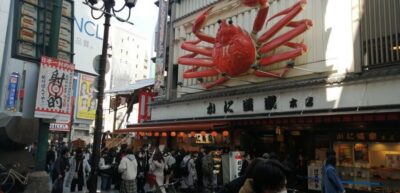 ★ 4.7Five Must-See Highlights Walking Tour & Ramen LunchFrom $56411 reviews
 ★ 5.0Osaka Sushi Making ExperienceFrom $29400 reviews
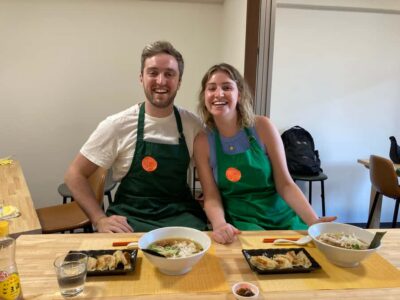 ★ 5.0Ramen and Gyoza Cooking Class in DotonboriFrom $70378 reviews
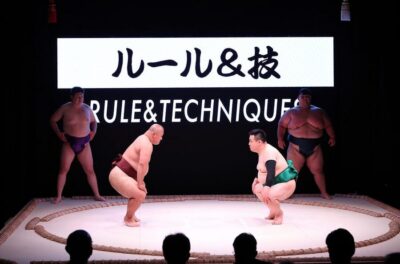 ★ 4.3Sumo Stage Show with Bento or Snack + Fight & PhotoFrom $93364 reviews
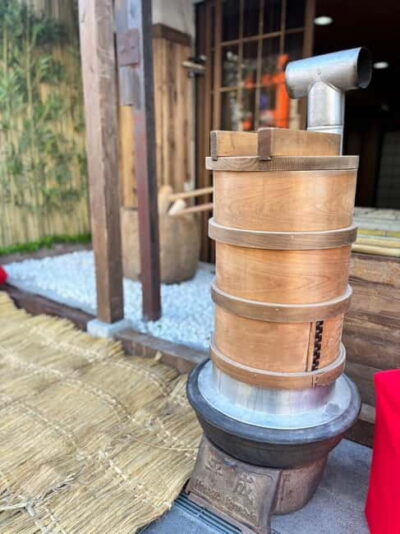 ★ 4.9Traditional Mochi Pounding Experience with TastingFrom $31306 reviews
 ★ 5.0Osaka Cooking Class: Okonomiyaki &Japanese cuisines experienceFrom $104261 reviews
 ★ 4.9Roll and Authentic Sushi Making Class in DotonboriFrom $45239 reviews
Browse the lists this tour appears in