
Reviewed · OSAKA FOOD & TASTING TOURS
Osaka: Traditional Mochi Pounding Experience with Tasting
Mochi is way more fun when you pound it yourself. This Osaka class turns steamed glutinous rice into chewy sweets using traditional mortar and pestle technique, then rewards your effort with classic toppings and tea. I also like that the guides keep it friendly and hands-on, but one caution is that pounding takes real arm stamina, so come ready to work a little.
The setup is small and personal, with a group size capped at 4. You’ll hear English-Chinese instruction, and you may meet guides like Seina, Taka, Misaki, Moe, or Grace during the sessions. With only 1 hour total, it’s short enough to fit your day yet long enough to actually make mochi you can taste.
In This Review
- Key Points Before You Go
- First, You Pile Into a Small Room and Make Mochi
- How the 1-Hour Class Flows (and Where You’ll Feel the Work)
- The Tasting Part: Kinako, Nori, Sweet Bean Paste, and More
- Price and Value: What $31 Gets You in Osaka Time
- English-Chinese Guides, Small Group Energy, and Photo Help
- Where the River Entrance Can Trick You (So Read This)
- Adult vs Family Options: Everyone Gets a Turn
- What to Wear and Expect from the Hands-On Part
- Who Should Book This (and Who Might Skip)
- Should You Book the Osaka Mochi Pounding Experience?
- FAQ
- How long is the mochi pounding experience in Osaka?
- What’s the price per person?
- Is it family-friendly?
- Is there an adult-only option?
- What’s included in the experience price?
- How big is the group?
- What languages do the instructors speak?
- Where do I meet for the activity?
- Is transportation included?
Key Points Before You Go
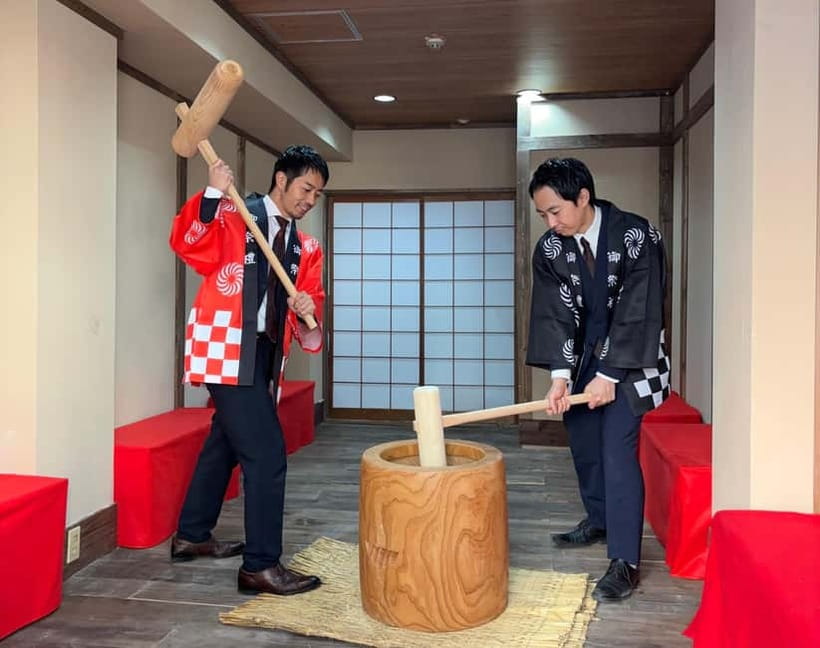
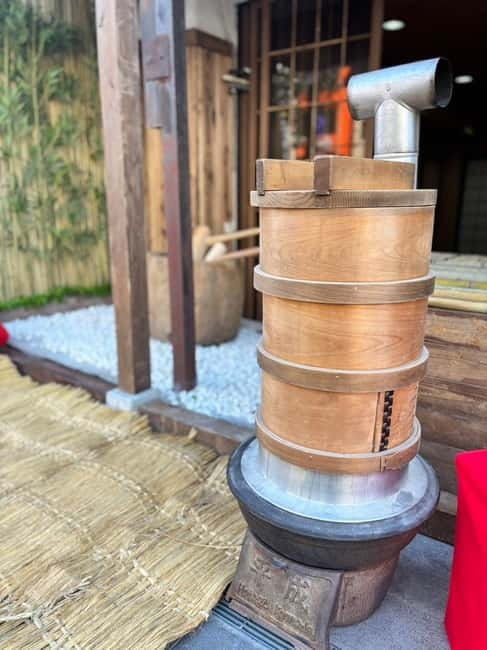
- Traditional mochi pounding tools you’ll use yourself
- 10-minute intro to mochi’s cultural significance before you start
- Fresh tasting with classic seasonings like kinako and nori
- Small group (up to 4) for real interaction and your own turn
- English and Chinese instruction so you can follow along clearly
- Family and adult options (13+ for adults; all ages for families)
Come hungry: more eating your way through Osaka



First, You Pile Into a Small Room and Make Mochi
In Osaka, you can eat mochi anywhere. What you can’t do everywhere is mash steamed rice, pound it into smooth chew, then roll it in toppings you picked with your own hands.
The core of the experience is physical and satisfying. You’ll work with traditional tools, starting from steamed glutinous rice and ending with mochi ready to eat. And yes, the mochi you make is the mochi you taste right after—fresh, warm, and sticky in the best way.
I especially like how the guides focus on action, not just talk. You learn what’s happening while you’re doing it, which makes the history part easier to remember.
How the 1-Hour Class Flows (and Where You’ll Feel the Work)
You’re looking at 1 hour total, with a brief 10-minute introduction to the cultural significance of mochi pounding. Then the rest of the time is hands-on: steaming rice (already prepared for you), mashing and transforming it, then pounding until you get mochi texture.
Here’s what that usually feels like for your body and attention:
- The first part is about understanding and getting used to the process.
- The middle part is where your shoulders and wrists get the workout.
- The end is focused on shaping and tasting, not dragging out the session.
That arm work is the only real “gotcha.” Reviews note you’ll need stamina, and that’s true. If you’ve got a wrist or shoulder issue, you may want to mentally plan for your effort to be shared and paced by the guides in a small group.
The Tasting Part: Kinako, Nori, Sweet Bean Paste, and More
The tasting is the payoff. You’ll enjoy freshly made mochi paired with classic Japanese seasonings, plus a cup of tea. Expect options like:
- Kinako (roasted soybean flour)
- Sweet red bean paste
- Nori
- Sweet soy sauce
What makes this portion valuable is that toppings aren’t an afterthought. You get to compare flavors with the same fresh base mochi, which helps you understand why mochi works across different sweet and savory styles.
Also, the portion can be surprisingly filling. More than one person highlights leaving with full stomachs, so consider this a dessert stop that can replace a later snack or even keep you from ordering something heavy right after.
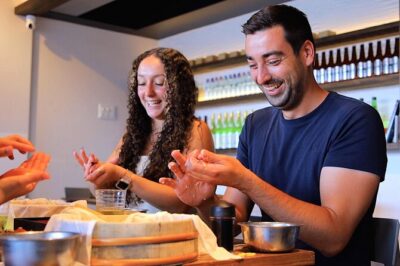
Flour on your hands, more Osaka kitchens to try

Price and Value: What $31 Gets You in Osaka Time
At $31 per person for a 1-hour experience, the value comes from three things you can’t easily replicate on your own:
- Guided technique with traditional tools, not guesswork.
- All materials and ingredients handled for you.
- A real tasting session right after you make the mochi.
You’re not paying just for dessert. You’re paying for the coaching, the clean setup, and the short, structured time that gets you from rice to finished mochi without sourcing equipment or ingredients.
One practical note: transportation isn’t included. So factor in your local transit (or a short walk) to the meeting area.
English-Chinese Guides, Small Group Energy, and Photo Help
This is capped at 4 participants. That small number matters. You’re not stuck watching from the side. In a small group, the instructors can keep everyone involved and help with the parts that get sticky (literally).
You’ll also get instruction in English and Chinese, which makes it easier to follow the steps and ask questions without slowing the class down. Guides you may see mentioned include Seina, Taka, Misaki, Moe, Grace, Pari, Aiko, and others, and the consistent theme is friendly, encouraging teaching.
If you travel solo, this kind of class can be a gift. Many people like that the hosts offer to take photos while you’re actively making mochi, not just at the end when you’re half-finished and sweaty.
Where the River Entrance Can Trick You (So Read This)
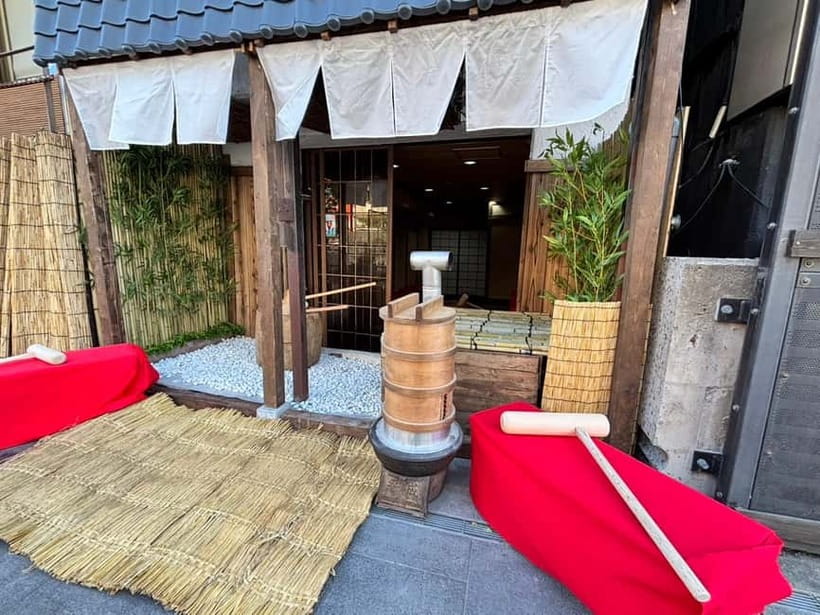
The location is central, but the entrance details matter. Several notes point out that the workshop entrance is along the canal/river side, not right on the main Dotonbori street.
A practical tip: if you’re aiming for Dotonbori, don’t only stare at the biggest street signs. Look for the quieter riverfront/canal-side entry and watch for a handwritten sign near an entrance along a parallel street.
If you’re the type who likes to arrive early and avoid stress, give yourself a few extra minutes just to locate the correct door. Once you find it, the experience itself is straightforward and guided.
Adult vs Family Options: Everyone Gets a Turn
You’ll choose between:
- Adult Experience (ages 13 and up), aimed at a deeper cultural dive.
- Family Experience (all ages welcome), built for children and adults to participate together.
What I like here is that it isn’t just marketing. The guides are described as adaptable, adjusting the workshop so kids and adults can both participate and not get stuck on the sidelines.
If you’re traveling with mixed ages, this matters more than you’d think. Mochi pounding isn’t a sit-and-watch activity, so you want an organizer that can manage pace and sharing. A small group helps, but good guidance makes the experience feel fair.
What to Wear and Expect from the Hands-On Part
Wear comfortable clothing for a hands-on food activity. Plan for a bit of mess risk, because mochi dough is sticky by nature.
Also, expect to:
- Use a mortar/pestle technique that takes effort.
- Work in close quarters around the tools.
- Move from dough handling to shaping to toppings.
Even if you’re not a “kitchen person,” the guides are there to walk you through. You just need to show up ready to use your hands and arms.
And because the mochi is freshly made, you’ll likely want to eat soon after it’s prepared. Tea and toppings are served as part of the tasting, so it’s best not to plan your next stop immediately.
Who Should Book This (and Who Might Skip)
This is a strong fit if you want:
- A fun, interactive Osaka food experience.
- A short class that ends with a satisfying meal-like dessert.
- A hands-on way to learn about Japanese culture through making something edible.
It’s also a great choice for couples, solo travelers, and families, since the class is structured for participation and small enough to feel personal.
You might think twice if:
- You dislike physical activities that use your arms.
- You want a passive sightseeing experience only.
- You’re very sensitive to sticky textures (mochi dough is part of the process).
Should You Book the Osaka Mochi Pounding Experience?
If you like food you can make, this is an easy yes. The combination of traditional tools, a short cultural intro, and fresh tasting with multiple classic toppings is a rare mix. At $31 for 1 hour, you’re paying for guided technique and a finished result you actually eat.
Book it if your schedule can handle a hands-on stop and you want something more memorable than another bowl of noodles. Skip it if you’re tired, avoiding arm effort, or only want to photograph food from the outside.
FAQ
How long is the mochi pounding experience in Osaka?
The experience lasts 1 hour.
What’s the price per person?
The price is $31 per person.
Is it family-friendly?
Yes. There’s a Family Experience option that welcomes all ages.
Is there an adult-only option?
Yes. There’s an Adult Experience option for ages 13 and up.
What’s included in the experience price?
You get a guided mochi pounding session, all necessary materials and ingredients, instruction from experienced guides, and a tasting with traditional Japanese seasonings plus tea.
How big is the group?
It’s a small group limited to 4 participants.
What languages do the instructors speak?
Instructors provide English and Chinese instruction.
Where do I meet for the activity?
The meeting point may vary depending on the option you booked.
Is transportation included?
No. Transportation to and from the activity location is not included.
More Tour Reviews in Osaka
- Osaka Go Karting Tour with Funny Costume★ 5.0 · 2,658 reviews
- Osaka Castle: Museum and Tower Entry Ticket★ 4.5 · 2,380 reviews
- Osaka: Shinsekai Food Tour with 13-15 Dishes at 5 Eateries★ 4.8 · 2,204 reviews
- Osaka Food Tour: 13 Dishes at 5 Local Eateries★ 5.0 · 2,149 reviews
- Hungry Osaka Street Food Tour:15 Tastings & 3 Drinks with a Local★ 5.0 · 1,727 reviews
Cook It Yourself in Osaka
- Sushi Making Osaka Roll and Authentic Japanese Sushi Class★ 5.0 · 1,220 reviews
- Osaka: Five Must-See Highlights Walking Tour & Ramen Lunch★ 4.7 · 411 reviews
- Osaka Sushi Making Experience★ 5.0 · 400 reviews
- Osaka: Ramen and Gyoza Cooking Class in Dotonbori★ 5.0 · 378 reviews
- Osaka: Sumo Stage Show with Bento or Snack + Fight & Photo★ 4.3 · 364 reviews
The Kuidaore List: Eat More of Osaka
- Osaka: Shinsekai Food Tour with 13-15 Dishes at 5 Eateries★ 4.8 · 2,204 reviews
- Osaka Food Tour: 13 Dishes at 5 Local Eateries★ 5.0 · 2,149 reviews
- Hungry Osaka Street Food Tour:15 Tastings & 3 Drinks with a Local★ 5.0 · 1,727 reviews
- Deep Backstreet Osaka Tours (Option to add Dinner)★ 5.0 · 1,290 reviews
- Osaka Local Foodie Walking Tour in Dotonbori and Shinsekai★ 5.0 · 985 reviews
The Newest Osaka Write-Ups
- Private Photoshoot in Osaka with a Professional Photographer
★ 5.0 · 3 reviews - Osaka Early Morning Osaka Castle Tour Avoid Crowds
★ 5.0 · 3 reviews - Nara Private Tour with Pick and Drop and English Speaking Driver
★ 3.5 · 3 reviews - Osaka: Modern Vegetarian Sushi Cooking Class
★ 5.0 · 3 reviews - Nara Day Trip from Osaka with a Licensed Guide
★ 5.0 · 3 reviews
Osaka Food & Tasting Tours, compared.
 ★ 4.8Shinsekai Food Tour with 13-15 Dishes at 5 EateriesFrom $532,204 reviews
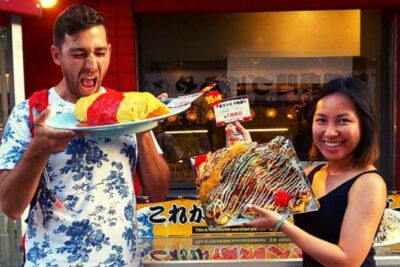 ★ 5.0Osaka Food Tour: 13 Dishes at 5 Local EateriesFrom $732,149 reviews
 ★ 5.0Hungry Osaka Street Food Tour:15 Tastings & 3 Drinks with a LocalFrom $731,727 reviews
 ★ 5.0Deep Backstreet Osaka Tours (Option to add Dinner)From $531,290 reviews
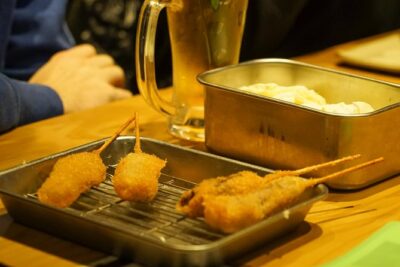 ★ 5.0Osaka Local Foodie Walking Tour in Dotonbori and ShinsekaiFrom $111985 reviews
 ★ 4.9Deep Backstreets Walking Tour with Dinner OptionFrom $40902 reviews
 ★ 4.9Hungry Osaka Street Food Tour: 15 Dishes & 3 DrinksFrom $79694 reviews
 ★ 5.0Kuromon Market Food Walking Tour in Osaka (6 stops, 6 tastes)From $50550 reviews
Browse the lists this tour appears in