
Reviewed · OSAKA CRAFT & CULTURE WORKSHOPS
Kintsugi Workshop: Beauty in Brokenness
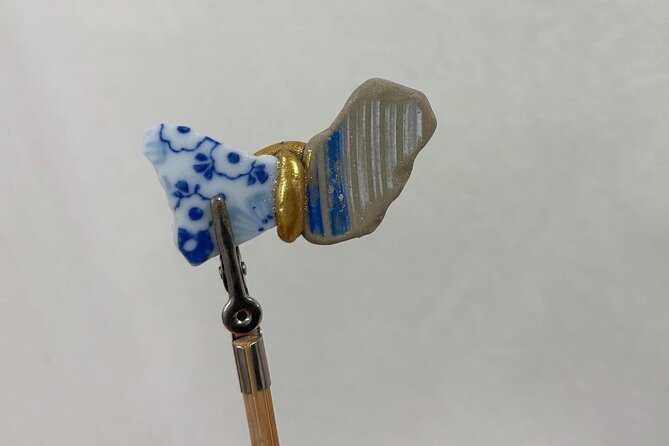
Broken pottery gets a golden second life. In this Osaka workshop, you’ll learn kintsugi techniques in a real artisan studio and create a take-home piece that carries its own marks of repair.
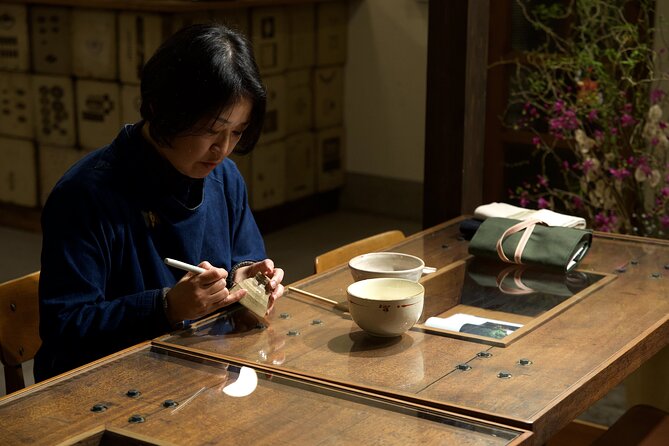
I really like that you get step-by-step instruction from Tomoko-san and her apprentice, not a lecture. I also love that the workshop is genuinely hands-on: you’ll bond, fill, and finish your selected item using the provided materials, then wrap it up safely to bring home.
One thing to consider: the choice of broken pottery can feel limited depending on what’s available that day. If you’re picky about the color, shape, or exact style you want, it may be worth bringing your own broken piece.
In This Review
- Key things I’d plan for
- Kintsugi in Osaka: what you’ll actually make in 3 hours
- Finding the studio near public transport (and how that helps)
- Picking your broken pottery: where the experience starts to feel personal
- Learning the real repair steps: lacquer, resin, and gold powder
- 1) Bond broken sections with synthetic lacquer
- 2) Fill missing fragments with resin
- 3) Dust with silver-based golden powder
- What you’ll leave with
- Why modern materials still work (and why instructors use them)
- Wabi-sabi in plain language: what the class is really teaching
- Your instructor: Tomoko-san’s studio style and why it matters
- Value and pricing: is $97.73 fair for what you get?
- Who should book this kintsugi workshop in Osaka
- Should you book this kintsugi workshop?
- FAQ
- How long is the kintsugi workshop in Osaka?
- What time does the workshop start?
- Where is the meeting point?
- How many people are in the group?
- Do I need prior experience or tools?
- What do I take home?
- Is transportation included?
- Is weather a factor?
Key things I’d plan for
- Small group size (max 8) means you can move at a comfortable pace and get personal attention.
- You pick from broken pottery pieces in the studio so you’re not starting with blank materials or supplies.
- You’ll practice multiple repair steps: bonding with lacquer, filling gaps with resin, and finishing with gold powder.
- Tomoko-san’s patient coaching shows up clearly in the feedback, especially for people who don’t do crafts much.
- You take the finished pottery home in wrapped, travel-ready form.
- Modern materials, traditional idea lets you focus on the technique without needing prior experience.
Make the souvenir yourself at more workshops

Kintsugi in Osaka: what you’ll actually make in 3 hours
This isn’t a “watch and admire” style class. In about three hours, you’ll repair one pottery item using kintsugi methods that reflect the traditional philosophy of wabi-sabi: breakage isn’t erased; it’s recognized and reworked into something visually intentional.
You’ll be working on a selected piece from the studio’s set of broken ceramics. That matters because it shapes your expectations. Your final result will depend on the breaks and seams already on the item you choose. The upside is you won’t need to source your own ceramics ahead of time. The tradeoff is that if you have very specific preferences, you may not be able to match them perfectly.
Finding the studio near public transport (and how that helps)
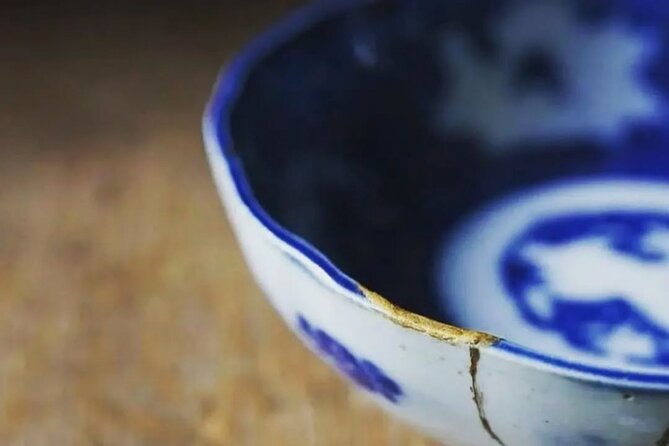
The workshop meets at 102, 1-chōme-4-18 Shigita, Joto Ward, Osaka and runs with a 3:00 pm start, ending back at the meeting point. It’s also described as being near public transportation, which is a big practical win in Osaka where you can easily tack an afternoon activity onto the rest of your day.
Because you’re responsible for getting yourself to the venue, I’d plan your day around the transit time rather than waiting until the last minute. Aim to arrive a little early so you can settle in, pick your pottery, and focus on the craft instead of the clock.
If you’re doing this as part of a packed sightseeing plan, the afternoon start is friendly. You can do morning sights, have lunch, then spend the afternoon slowing down in a workshop setting.
Picking your broken pottery: where the experience starts to feel personal
At the start, you’ll have access to a selection of broken pottery pieces to repair. This is the moment where the workshop becomes yours.
From the feedback, the studio experience can be surprisingly intimate. With a maximum of 8 travelers, and sometimes fewer people in the room, you may get more hands-on coaching than you’d expect from a standard group activity. That’s especially helpful because kintsugi is part technique, part timing, and part comfort with materials.
One practical tip from past participants: if you’re particular about the color or shape of your finished piece, you might want to bring your own broken dish or item. The workshop provides pieces, but the exact selection is out of the provider’s control and depends on what’s ready in the studio on that day.
Put this one next to a few other Osaka options first:


Learning the real repair steps: lacquer, resin, and gold powder
Here’s what you’ll do during the workshop, in the order your instructor will guide you. The process is simple to explain, but it takes careful attention to execution.
1) Bond broken sections with synthetic lacquer
You’ll start by assembling the break lines and using synthetic lacquer to bond the pottery pieces together. This step is where structure matters. If alignment is off, you’ll feel it in the finished look, because kintsugi repairs highlight seams instead of hiding them.
Your instructor will walk you through how to apply and position things, which is why beginners usually do fine here. You’re not expected to already know the method.
2) Fill missing fragments with resin
Next, you’ll address any gaps. The workshop uses resin to fill missing parts so the repaired area looks intentional, not jagged. Resin also helps you shape the transition between intact parts and the repaired region.
This is a key moment for people who think they’re “not good at crafts.” The technique is guided, and you’re working with provided materials designed for this kind of repair—not random craft supplies.
3) Dust with silver-based golden powder
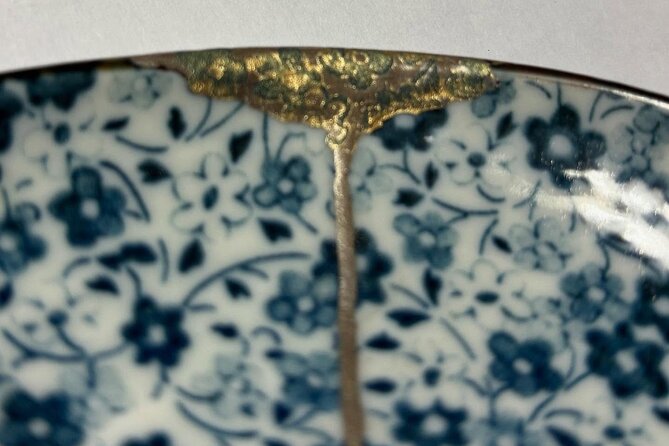
Finally, you’ll dust the repaired seam area with silver-based gold powder. This is the signature look—those golden lines that turn breakage into a design feature.
The finish step is also where the concept comes alive. Kintsugi isn’t only about restoring function or appearance. It’s about creating a visible history on the surface, a kind of map of what happened and how you responded.
What you’ll leave with
When the workshop ends, you take home your completed kintsugi piece. You should expect it to be packed carefully for travel. In one set of experiences, participants reported being able to safely take home a wrapped item like a teacup, which is exactly what you want after spending your afternoon bonding, filling, and finishing.
Why modern materials still work (and why instructors use them)
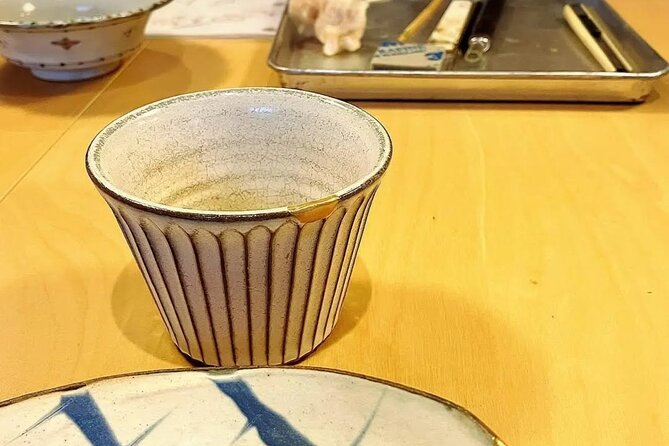
The workshop description mentions that you’ll learn traditional kintsugi techniques using modern materials. That’s not a trick—it’s a practical approach.
Synthetic lacquer and resin are used so you can do the repair reliably in a workshop setting with accessible materials and consistent results. You still get the core technique: bonding along break lines, rebuilding missing areas, and finishing with a gold-toned powder effect. The look reflects the traditional idea, while the method fits the classroom timetable.
In other words, you’re not learning a museum reenactment. You’re learning a workable skill with a clear link to the older approach—and the philosophy behind it.
Wabi-sabi in plain language: what the class is really teaching
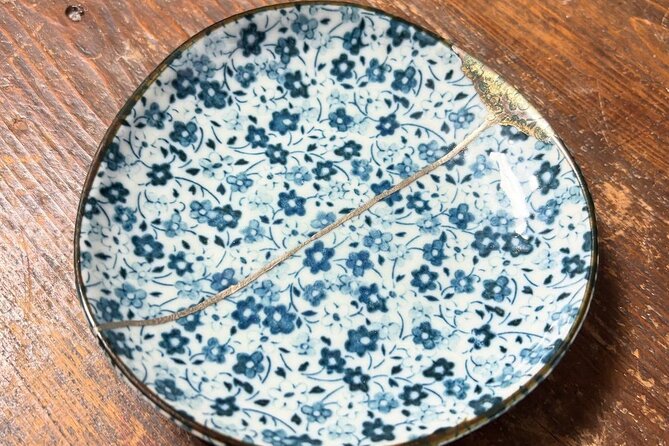
Kintsugi traces back to artisans who, centuries ago, repaired broken ceramics with lacquer and powdered gold. The cultural thread is simple: flaws are not erased, and impermanence is part of living.
In this workshop, you’ll also get an overview of the history, philosophy, and cultural significance of kintsugi. That’s valuable because it changes how you interpret what you’re doing. When the repair line shows, you learn to treat it as part of the piece’s personality, not as a mistake.
If you care about Japanese aesthetics, this is also a good “hit the ground running” introduction. You see how an idea like wabi-sabi becomes a physical outcome—one you can hold.
Your instructor: Tomoko-san’s studio style and why it matters
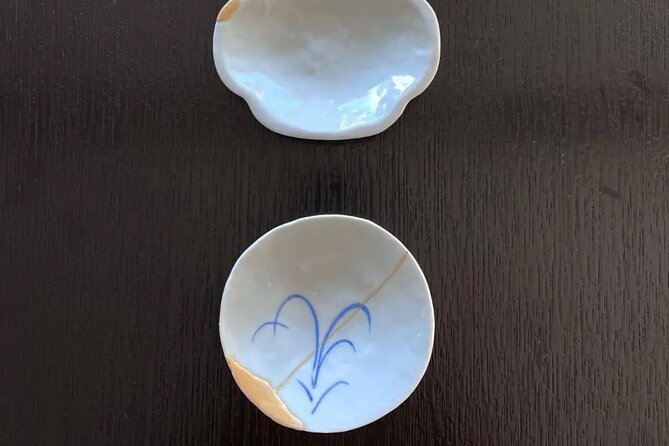
The name that comes through again and again is Tomoko-san. Participants have described her as accommodating and patient, with step-by-step guidance that works well even if you’re not confident with crafts.
That type of teaching style matters for kintsugi because hand pressure, timing, and alignment all affect the result. If you’ve never worked with lacquer or resin, you need someone to help you avoid common missteps.
It also sounds like the studio atmosphere is intentionally calm. Several people described the workshop space as welcoming and relaxed, and in at least one experience, the group was small enough that the participant had a very personal moment working alongside the masters and learning directly from them.
Value and pricing: is $97.73 fair for what you get?
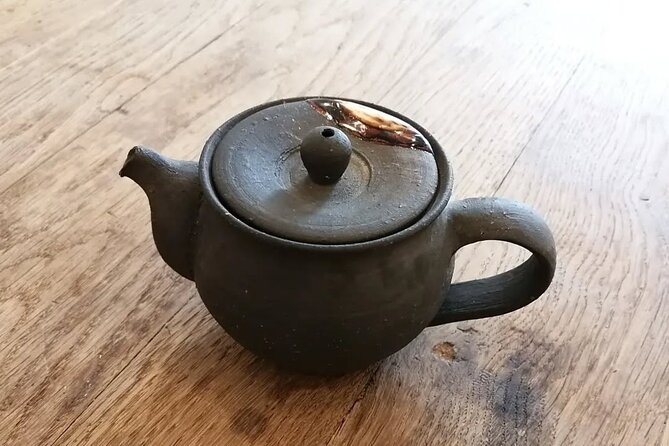
At $97.73 per person for about three hours, this workshop sits in a reasonable range for a hands-on artisan class in a major city. The real value is what’s included.
You get:
- all necessary tools and equipment (brushes, lacquer, resin, powders, and related materials)
- instruction from a professional artisan
- access to broken pottery pieces to repair
- your completed piece to take home
- a cultural overview so you understand what you’re doing
So you’re not paying just for instruction time. You’re paying for the materials, the studio setup, and the final object you can display later. That’s why the price feels more like a craft course than a sightseeing add-on.
One more practical point: the experience is commonly booked about 20 days in advance on average, so if you’re visiting during a busy season, I’d lock it in sooner rather than later.
Who should book this kintsugi workshop in Osaka
This is a strong fit if:
- you want a hands-on craft that connects to Japanese philosophy, not just a demo
- you like small-group learning with lots of guidance
- you want something tangible to bring home (a repaired piece, not a postcard)
- you’re traveling with limited time and want a focused 3 pm activity
It might be less ideal if:
- you need a specific item type or exact look (because your starting pottery comes from what’s available that day)
- you’re very sensitive to getting your hands a bit involved with repair materials (even though the class is guided and beginner-friendly, it’s still a make-it-with-your-hands experience)
Should you book this kintsugi workshop?
Yes, if you want a meaningful, practical way to spend an afternoon in Osaka. You’re paying for expert guidance, real materials, and the chance to take home something made through your own decisions—bonding, filling, and finishing with the gold-toned seam effect.
I’d book it especially if you like experiences that slow you down. Kintsugi rewards patience, and this workshop sounds set up for that: small groups, a patient instructor, and a studio environment built around careful repair.
If you’re very picky about the final look, consider bringing your own broken piece so the workshop can start with the shape and color you actually want.
FAQ
How long is the kintsugi workshop in Osaka?
The workshop lasts about 3 hours.
What time does the workshop start?
Start time is 3:00 pm.
Where is the meeting point?
The meeting point is 102, 1-chōme-4-18 Shigita, Joto Ward, Osaka, 536-0015, Japan.
How many people are in the group?
The activity has a maximum of 8 travelers.
Do I need prior experience or tools?
No experience is needed. All tools and materials are provided, and you can come empty-handed.
What do I take home?
You take home your completed kintsugi piece.
Is transportation included?
No. You’re responsible for your own transportation to the venue.
Is weather a factor?
Yes, the experience requires good weather. If it’s canceled due to poor weather, you’ll be offered a different date or a full refund.
Take Home Something You Made
- Sushi Making Osaka Roll and Authentic Japanese Sushi Class★ 5.0 · 1,220 reviews
- Matcha Making Class in Osaka with Authentic Japanese Sweets Set★ 5.0 · 509 reviews
- Osaka: Ramen and Gyoza Cooking Class in Dotonbori★ 5.0 · 378 reviews
- Osaka Cooking Class: Okonomiyaki &Japanese cuisines experience★ 5.0 · 261 reviews
- Osaka: Roll and Authentic Sushi Making Class in Dotonbori★ 4.9 · 239 reviews
More Tour Reviews in Osaka
- Osaka Go Karting Tour with Funny Costume★ 5.0 · 2,658 reviews
- Osaka Castle: Museum and Tower Entry Ticket★ 4.5 · 2,380 reviews
- Osaka: Shinsekai Food Tour with 13-15 Dishes at 5 Eateries★ 4.8 · 2,204 reviews
- Osaka Food Tour: 13 Dishes at 5 Local Eateries★ 5.0 · 2,149 reviews
- Hungry Osaka Street Food Tour:15 Tastings & 3 Drinks with a Local★ 5.0 · 1,727 reviews
Made in Osaka, by You
- Osaka: Tea Ceremony, Calligraphy, and Kimono Experience★ 4.9 · 130 reviews
- 1.5〜2 Hours Traditional Kintsugi Work Shop in Namba Osaka★ 5.0 · 75 reviews
- Osaka: Private Japanese Calligraphy Experience★ 5.0 · 66 reviews
- From Osaka: Sakai Knife Maker or Blacksmith Walking Tour★ 4.9 · 64 reviews
- Osaka: Traditional Japanese Ceramics Private Experience★ 5.0 · 57 reviews
The Newest Osaka Write-Ups
- Private Photoshoot in Osaka with a Professional Photographer
★ 5.0 · 3 reviews - Osaka Early Morning Osaka Castle Tour Avoid Crowds
★ 5.0 · 3 reviews - Nara Private Tour with Pick and Drop and English Speaking Driver
★ 3.5 · 3 reviews - Osaka: Modern Vegetarian Sushi Cooking Class
★ 5.0 · 3 reviews - Nara Day Trip from Osaka with a Licensed Guide
★ 5.0 · 3 reviews
Osaka Craft & Culture Workshops, compared.
 ★ 4.9Tea Ceremony, Calligraphy, and Kimono ExperienceFrom $96130 reviews
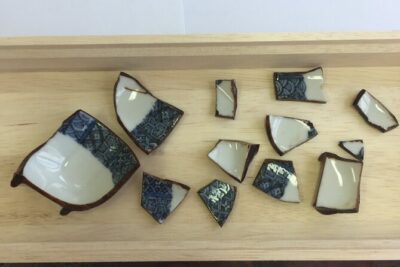 ★ 5.01.5〜2 Hours Traditional Kintsugi Work Shop in Namba OsakaFrom $12575 reviews
 ★ 5.0Private Japanese Calligraphy ExperienceFrom $5166 reviews
 ★ 4.9From Osaka: Sakai Knife Maker or Blacksmith Walking TourFrom $6464 reviews
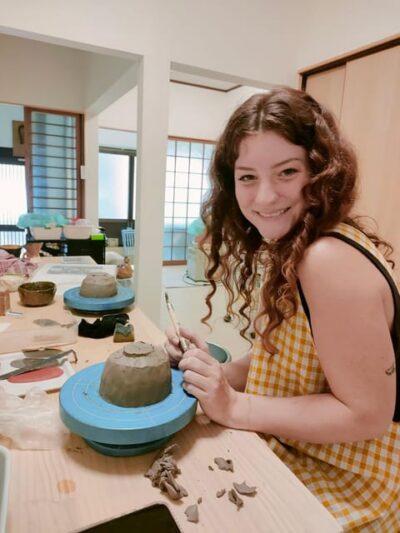 ★ 5.0Traditional Japanese Ceramics Private ExperienceFrom $9657 reviews
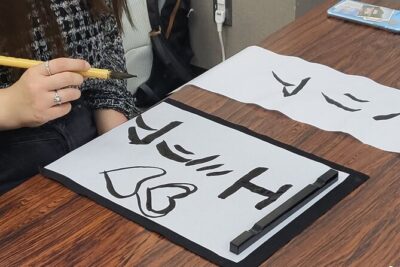 ★ 5.0Calligraphy Workshop in Namba, DotonboriFrom $4957 reviews
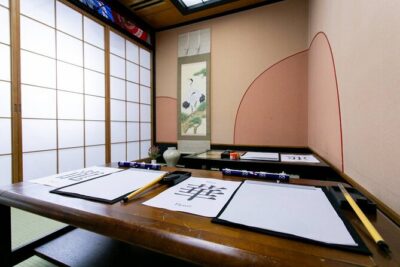 ★ 4.5Learning Zen of Japanese Calligraphy in kimono near Osaka CastleFrom $4353 reviews
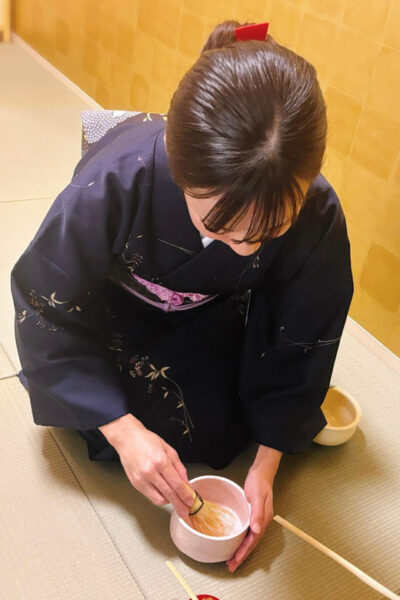 ★ 5.0Private Tea Ceremony and Calligraphy ExperienceFrom $6450 reviews
Browse the lists this tour appears in