
Reviewed · OSAKA TEA CEREMONY & MATCHA
Osaka: Tea Ceremony and Matcha Tea Bowl Making Workshop
Matcha, then pottery—your hands learn both arts. I like how this workshop pairs a calm tea ceremony with hands-on craftsmanship, and I especially love that you make a matcha tea bowl with Anna, a ceramist trained in Osaka and Barcelona. One thing to plan for: the bowl gets sent to you after about two months, and shipping costs aren’t included.
You’ll start at JR Teradacho station NORTH EXIT, looking for a staff member holding a signboard that reads Ceramics Tocoton. The instruction is in English, and it runs as a private group, so you’re not stuck watching from the sidelines.
After the 2-hour workshop, you can use the rest of your time to wander around Ikuno Ward at your own pace. Just note the rules: no smoking, and alcohol and drugs aren’t allowed during the experience.
In This Review
- Key highlights worth planning around
- Meeting up at JR Teradacho and finding Ceramics Tocoton
- Tea ceremony basics: matcha, sweets, and calm etiquette
- Anna’s matcha bowl workshop: shaping, decorating, and learning by hand
- The two-month waiting game: how shipping works for your bowl
- Price and value: what $134 buys in real terms
- Timing, pace, and what to do during your Osaka follow-up
- Who should book this workshop (and who should skip it)
- Should you book this Osaka tea ceremony and bowl-making workshop?
- FAQ
- How long is the Osaka tea ceremony and matcha bowl workshop?
- What is included in the price?
- Do I take the matcha tea bowl home the same day?
- Where do I meet the instructor and staff?
- Is the workshop taught in English?
- Is this experience suitable for children or wheelchair users?
- What happens if I’m late?
Key highlights worth planning around
- Tea ceremony basics led by a tea ceremony master, with matcha and Japanese sweets
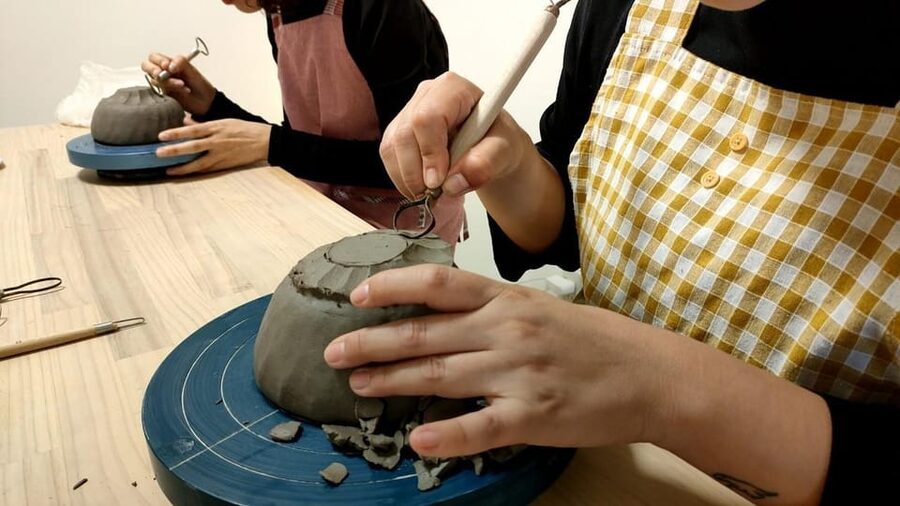
- Matcha bowl workshop with Anna, using traditional Japanese pottery techniques
- Shape, decorate, and personalize your own bowl with guided handwork
- A small dish gift you can use later for sweets with your tea ceremony
- Bowl arrival timing: it ships after roughly two months (shipping not included)
- Ikuno Ward follow-up time after the workshop for light exploring
Another bowl whisked slowly in Osaka

Meeting up at JR Teradacho and finding Ceramics Tocoton
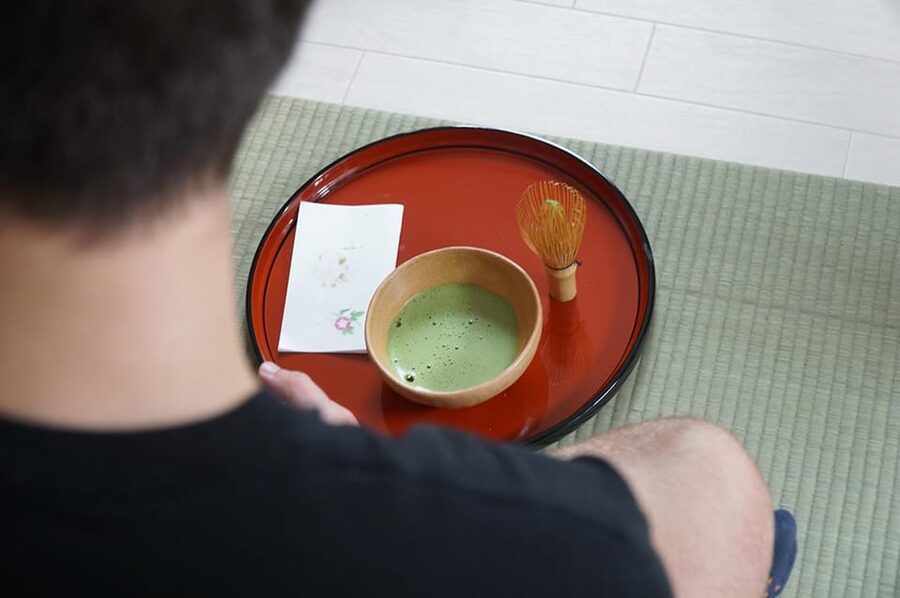
The experience starts with a simple, specific meeting point: JR Teradacho station NORTH EXIT. When you get there, look for the staff member holding a signboard for Ceramics Tocoton. That detail matters because the workshop is short—only 2 hours—so you don’t want to lose time hunting around.
It also helps to show up with a bit of breathing room. If you’re going to be more than 15 minutes late, you need to contact them, because arriving late counts as a no-show.
Because this is described as a private group, you should expect a calmer pace than a large class. You’re more likely to get direct guidance, especially during the pottery part where your hands need corrections and encouragement.
One more practical note: the instructor is listed as English. If you prefer learning through clear explanation rather than watching only, that’s a strong point in your favor.
Tea ceremony basics: matcha, sweets, and calm etiquette
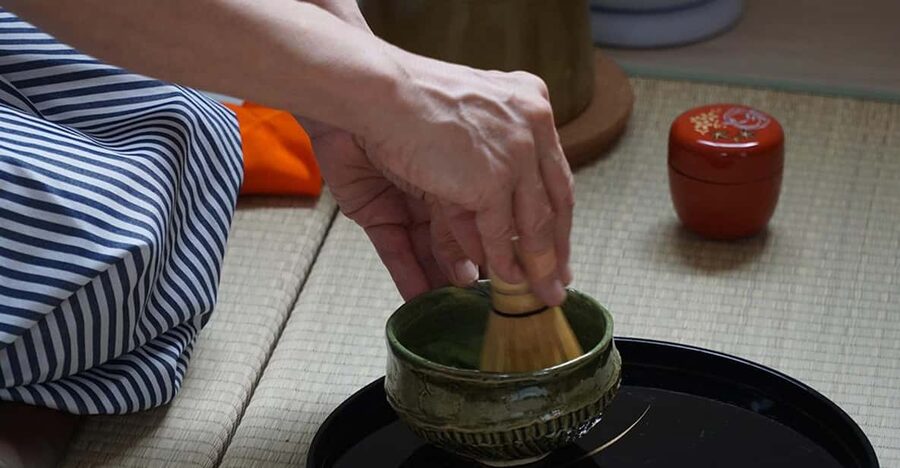
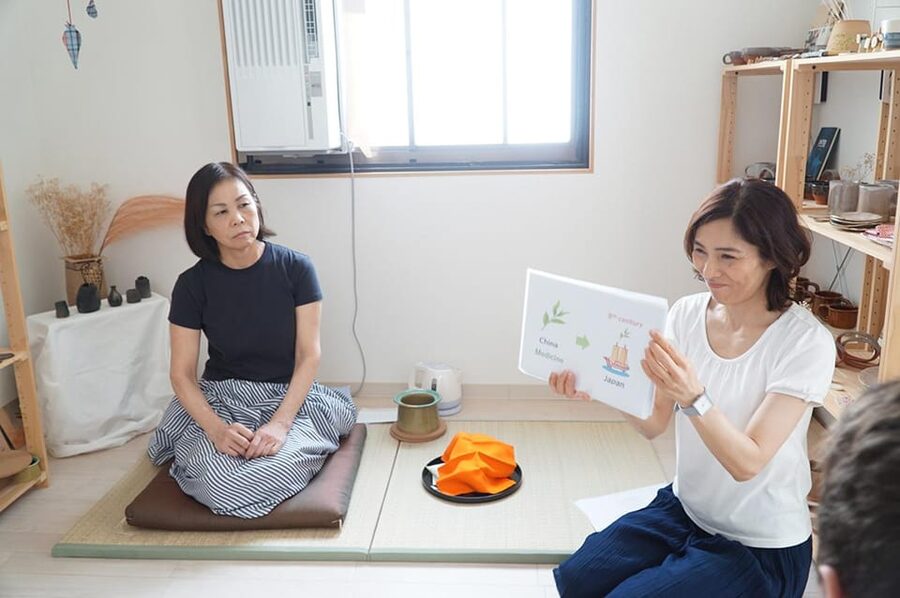
The workshop’s first half is about the tea ceremony, taught by the tea ceremony master you’ll meet at the start. You’ll learn the basics and prepare tea with their guidance, not just taste matcha and move on.
Here’s what makes this part feel meaningful for a visitor: the tea ceremony is less about drinking something trendy and more about learning a structured routine. When you make it yourself, you pick up the rhythm—how matcha preparation fits into the small steps of the ceremony.
You’ll also have Japanese sweets to accompany the matcha. These aren’t an add-on; they’re part of the idea of tea. The sweets are meant to pair with the tea experience, and they give you something to taste while you absorb the etiquette side of the ceremony.
I like that the workshop doesn’t try to make you memorize a performance. It teaches basics, and then lets you participate. If you’re the type who learns best by doing, this format works well.
One small thing to remember: the rules mention no alcohol and drugs during the activity. So keep the evening plan simple—think of this as a clean, focused cultural session.
Anna’s matcha bowl workshop: shaping, decorating, and learning by hand
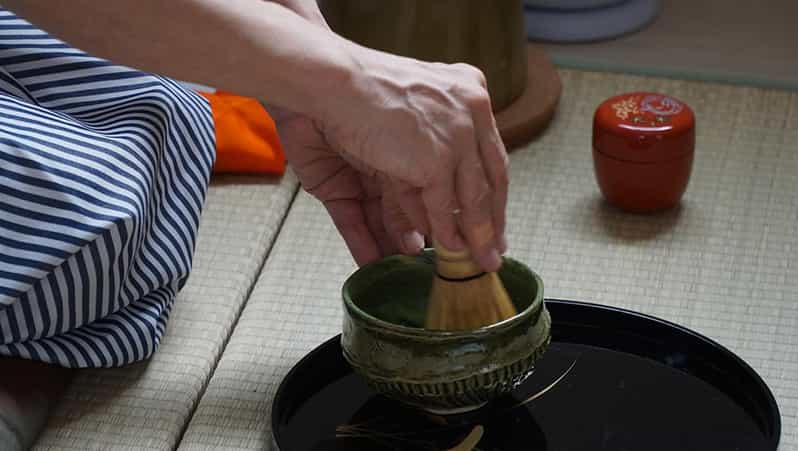
After the tea ceremony, the focus shifts from cups to clay. This is where you meet Anna, the ceramist described as having studied pottery in Osaka and Spain. That background isn’t just a resume line—it suggests you’ll get a technique-focused approach rooted in Japanese tradition, with a broader perspective from her training.
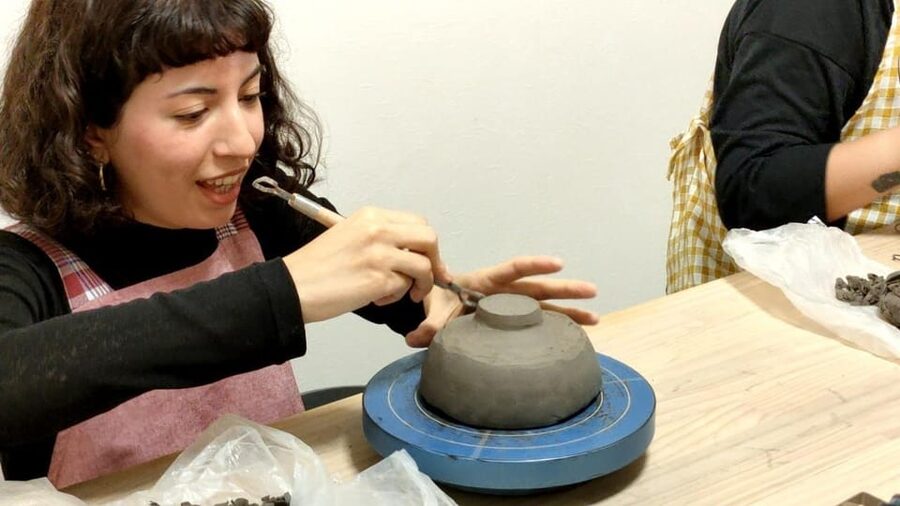
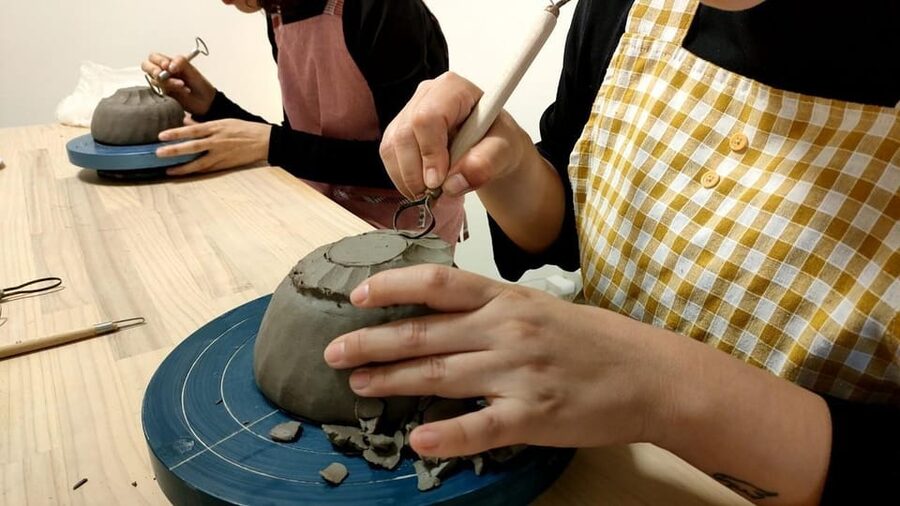
You’ll make a matcha tea bowl using traditional Japanese pottery techniques. The workshop includes shaping and decorating the bowl, and you’ll do it with Anna’s help, not as a one-size-fits-all craft project.
What you’re really learning here is control. Even without needing to be an expert, you’ll practice how the bowl form changes based on your handling—how you move, how you shape, and how decoration works once the base form is underway. That’s why this part is often the favorite for people: it’s active and creative, but still grounded in craft.
Also, the workshop mentions you’ll enjoy a small dish as a gift. You can use that dish later for sweets during your own tea ceremony at home. That turns the workshop from a one-time souvenir stop into something you can repeat, even if it’s just once in a while.
If you care about making things with your hands, this is the value center of the day. Tea is the context; the bowl is the takeaway you’ll actually build.
Put this one next to a few other Osaka options first:

The two-month waiting game: how shipping works for your bowl
There’s one logistical wrinkle you should fully accept before booking: you won’t take the bowl home the same day.
The information provided says the bowl will be sent to the address you provide after about 2 months. That means your purchase is partly an online-to-real-life craft experience—you’re making it in Osaka, and then waiting for delivery.
Even more important for budgeting: shipping costs aren’t included in the price of the experience. So the $134 is for the workshop and the making process, while delivery is an extra step you’ll need to handle later.
This can be totally worth it, especially if you’re traveling light and don’t want to worry about fitting fragile ceramics into luggage. But if you’re the type who wants everything in hand before you move to your next city, you’ll feel the tradeoff.
Price and value: what $134 buys in real terms
At $134 per person for a 2-hour double workshop, you’re paying for three key things:
- Instruction from a tea ceremony master (tea basics, guided preparation, and pairing with sweets)
- Hands-on time making a matcha tea bowl with Anna using traditional pottery techniques
- Included matcha tea and Japanese sweets during the session
What’s not included is just as important: shipping for the finished bowl is separate, and you don’t leave with the bowl that day.
So is it good value? For me, the best way to judge it is by time and specificity. Two hours doesn’t sound long, but it covers both the tea ceremony and a real craft output—a bowl you design and shape. That’s more than a typical “watch and take photos” experience.
Also, the included sweets and matcha aren’t just freebies. They’re part of the ceremony learning, which makes the session feel complete rather than squeezed.
If you want the pottery piece mostly for the photo, you might feel the cost is higher than you expected. But if you care about learning, doing, and bringing a meaningful craft home later, the price starts to make sense.
The other value lever is the private group format. You’re not sharing a cramped studio with a large crowd, and the pace is more adjustable. When the activity includes handwork, that matters.
Timing, pace, and what to do during your Osaka follow-up
The workshop itself runs for 2 hours. That’s a sweet spot: long enough to learn basics and do hands-on work, but short enough that you can still plan something afterward.
Once the class ends, you’re free to explore Ikuno Ward on your own. The information doesn’t list specific stops for this time, which I like—no forced schedule. Use it to reset after concentration and stretching your hands.
Practical advice: since you’ll already be in the Teradacho area at the start and finishing around the same general region, plan your return travel around your comfort and walking pace. Also, because pottery is involved, you might want to avoid anything that requires extra baggage handling right after, since you won’t have your bowl anyway.
If you’re pairing this with other Osaka plans, treat it like a structured cultural block. Arrive on time, take the learning seriously, then relax afterward.
Who should book this workshop (and who should skip it)
This experience is aimed at adults and older teens. It’s specifically noted as not suitable for children under 13, and it’s not suitable for wheelchair users.
So who is a great fit?
- You want a focused Osaka cultural experience in English
- You enjoy learning traditions through doing, not just observing
- You want a craft project that creates a real item: a matcha tea bowl and a small dish gift
- You’re okay with waiting for shipping instead of taking the bowl home immediately
Who might struggle with it?
- Anyone who needs immediate take-home results
- People with tight travel schedules who can’t plan for a two-month delivery timeline
- Visitors who rely on wheelchair accessibility, since it isn’t listed as suitable
If you’re comfortable with the class being concentrated and rules-based—no smoking, and no alcohol or drugs—this should feel straightforward.
Should you book this Osaka tea ceremony and bowl-making workshop?
I’d book it if you want one of the more hands-on cultural experiences in Osaka: you get the ceremony side (tea preparation and sweets) and the craft side (a bowl you shape and decorate with Anna). The included matcha and sweets make the first part feel authentic, not like a brief demo. And the small dish gift gives you a practical way to repeat part of the ritual later.
I’d think twice if you hate waiting for deliveries or you don’t want to deal with extra shipping costs later. Also, if your trip is centered on grabbing souvenirs to take home the same day, the bowl’s delivery timing will be a mismatch.
If you’re flexible on logistics and you like learning with your hands, this is a solid, value-conscious way to spend your time in Osaka.
FAQ
How long is the Osaka tea ceremony and matcha bowl workshop?
It lasts 2 hours.
What is included in the price?
Matcha tea and Japanese sweets are included.
Do I take the matcha tea bowl home the same day?
No. The bowl will be sent to the address provided after about 2 months. Shipping costs are not included.
Where do I meet the instructor and staff?
Meet at JR Teradacho station NORTH EXIT. Look for a staff member holding a signboard that says Ceramics Tocoton.
Is the workshop taught in English?
Yes, the instructor is listed as English.
Is this experience suitable for children or wheelchair users?
It is not suitable for children under 13 and it is not suitable for wheelchair users.
What happens if I’m late?
If you are going to be more than 15 minutes late, you should contact them, because being more than 15 minutes late will be considered a no-show.
Take Home Something You Made
- Sushi Making Osaka Roll and Authentic Japanese Sushi Class★ 5.0 · 1,220 reviews
- Matcha Making Class in Osaka with Authentic Japanese Sweets Set★ 5.0 · 509 reviews
- Osaka: Ramen and Gyoza Cooking Class in Dotonbori★ 5.0 · 378 reviews
- Osaka Cooking Class: Okonomiyaki &Japanese cuisines experience★ 5.0 · 261 reviews
- Osaka: Roll and Authentic Sushi Making Class in Dotonbori★ 4.9 · 239 reviews
More Tour Reviews in Osaka
- Osaka Go Karting Tour with Funny Costume★ 5.0 · 2,658 reviews
- Osaka Castle: Museum and Tower Entry Ticket★ 4.5 · 2,380 reviews
- Osaka: Shinsekai Food Tour with 13-15 Dishes at 5 Eateries★ 4.8 · 2,204 reviews
- Osaka Food Tour: 13 Dishes at 5 Local Eateries★ 5.0 · 2,149 reviews
- Hungry Osaka Street Food Tour:15 Tastings & 3 Drinks with a Local★ 5.0 · 1,727 reviews
Matcha, Whisked and Poured
- Osaka: Tea Ceremony Experience★ 4.9 · 1,426 reviews
- Tea Ceremony Experience in Osaka Doutonbori★ 5.0 · 754 reviews
- Matcha Making Class in Osaka with Authentic Japanese Sweets Set★ 5.0 · 509 reviews
- Osaka: Matcha Making Experience with Japanese Sweets★ 5.0 · 146 reviews
- Osaka: Tea Ceremony, Calligraphy, and Kimono Experience★ 4.9 · 130 reviews
The Newest Osaka Write-Ups
- Private Photoshoot in Osaka with a Professional Photographer
★ 5.0 · 3 reviews - Osaka Early Morning Osaka Castle Tour Avoid Crowds
★ 5.0 · 3 reviews - Nara Private Tour with Pick and Drop and English Speaking Driver
★ 3.5 · 3 reviews - Osaka: Modern Vegetarian Sushi Cooking Class
★ 5.0 · 3 reviews - Nara Day Trip from Osaka with a Licensed Guide
★ 5.0 · 3 reviews
Osaka Tea Ceremony & Matcha, compared.
 ★ 4.9Tea Ceremony ExperienceFrom $251,426 reviews
 ★ 5.0Tea Ceremony Experience in Osaka DoutonboriFrom $20754 reviews
 ★ 5.0Matcha Making Class in Osaka with Authentic Japanese Sweets SetFrom $21509 reviews
 ★ 5.0Matcha Making Experience with Japanese SweetsFrom $22146 reviews
 ★ 4.9Tea Ceremony, Calligraphy, and Kimono ExperienceFrom $96130 reviews
 ★ 4.7Japanese Traditional Sweets Making and Tea CeremonyFrom $18118 reviews
 ★ 4.9Osaka Temple Cool Foot Bath & Matcha Experience〈45min〉From $3482 reviews
 ★ 5.0Samurai Show, Tea Ceremony, Japanese Traditional ActivitiesFrom $4456 reviews
Browse the lists this tour appears in