
Reviewed · OSAKA COOKING CLASSES
Cooking Ramen&Gyoza/KatsuCurry/Bento/Okonomiyaki+Store Tour@Osaka
Cooking Osaka flavors beats a restaurant meal. This Osaka Cooking Base experience pairs a neighborhood shop walk with a hands-on cooking class, and it’s built around two things I really like: personalized instruction and choosing your own dish. The only real catch is that the pre-class shop time can feel more like learning than full-on ingredient shopping.
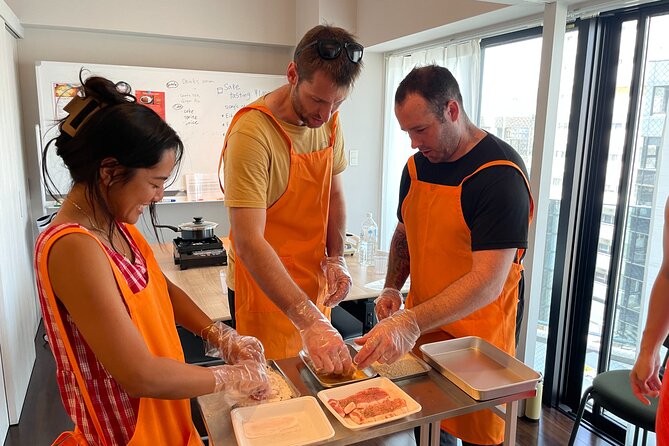
You’ll start near Osaka Tenmangu Shrine with a guided walk through small, everyday shops that many visitors skip. Then you move into the kitchen for a beginner-friendly lesson taught in English, where you practice a dish you actually want.
The class runs about 2.5 to 3 hours, and it’s designed for small groups (with the option to keep it private for your group). Reviews also mention an instructor named Rie, often working with a local helper (an obachan), which adds a warm, family-style feel.
In This Review
- Key Takeaways
- Starting by Osaka Tenmangu Shrine: the neighborhood feel
- The shop walk with local owners: what you get and what to expect
- Choose Your Dish: the four Osaka staples you’ll practice
- In the kitchen with Rie and a local helper: how it stays friendly
- From Osaka to your home kitchen: what you’ll be able to recreate
- Price and value: is $85.89 worth it?
- Who this is best for (and who should choose something else)
- Practical tips for getting the most from a 3-hour Osaka class
- Should you book Osaka Cooking Base?
- FAQ
- How long is the Osaka Cooking Base experience?
- What dishes can I choose to cook?
- Is the class taught in English?
- Is it a private group or shared class?
- Where does it start?
- What if I have allergies or dietary restrictions?
- Can I cancel and get a refund?
Key Takeaways
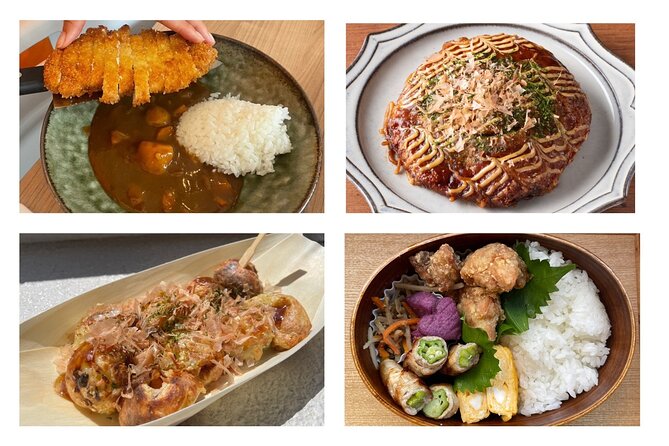
- Pick your dish: choose between Okonomiyaki, Bento, Katsu Curry, or Ramen & Gyoza
- Tenmangu-area shop walk: see how locals shop for seasonal ingredients
- English instruction: the class is taught in a way you can follow comfortably
- Hands-on, not just watching: you’ll cook and then eat what you make
- Small-group attention: more feedback than big, rushed classes
Flour on your hands, more Osaka kitchens to try


Starting by Osaka Tenmangu Shrine: the neighborhood feel
This experience begins in the Tenjinbashi area, starting at 1-chōme-17-10 Tenjinbashi, Kita Ward (right by Osaka Tenmangu Shrine). That matters more than it sounds. You’re not being whisked to a food theme park; you’re getting dropped into a real part of Osaka where people still shop and eat like they always have.
From there, the plan blends a short guided walk with a kitchen lesson. That split is a big part of the value: you learn how locals think about food (what ingredients matter, what feels seasonal, what a good everyday purchase looks like), and then you immediately translate that into cooking.
You’ll also feel the pacing is built for beginners. The class isn’t framed as a test of technique or a lecture you mostly watch. It’s structured so you can participate, ask questions, and actually get feedback as you cook. The result is that the “food culture” piece doesn’t stay abstract.
The shop walk with local owners: what you get and what to expect
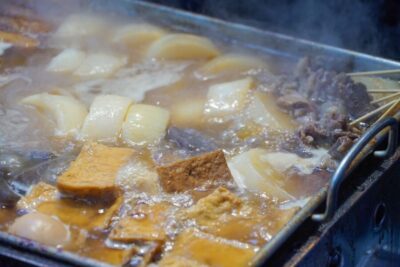
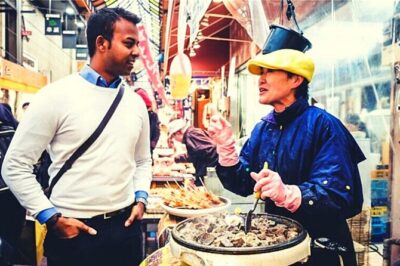
The first part is a guided walk through smaller shops near the shrine. You meet shop owners, hear what they sell, and learn about seasonal ingredients. The whole point is to show you how everyday food choices happen in Osaka, not just what famous dishes exist.
Here’s the practical expectation to set upfront: some people assume you’ll also shop and buy all the ingredients you’ll cook. The reality is that the walk is described and experienced more like a guided cultural look at how locals shop and cook, not a supermarket-style ingredient haul. So if your main goal is to carry ingredients home, you may feel a bit disappointed. If your goal is to understand what to look for and why, it’s a great warm-up.
Also, this neighborhood section is where you’ll likely get the “Osaka feeling” fast. Even when you only catch glimpses of daily life, you start noticing patterns: what shops focus on, how people choose items, and how food is treated as part of normal routine. That makes the later cooking class feel more grounded.
Choose Your Dish: the four Osaka staples you’ll practice
This is a choose-your-own format. Instead of showing up to one fixed menu, you go into the session ready to cook one of four famous Osaka options:
- Okonomiyaki
- Bento
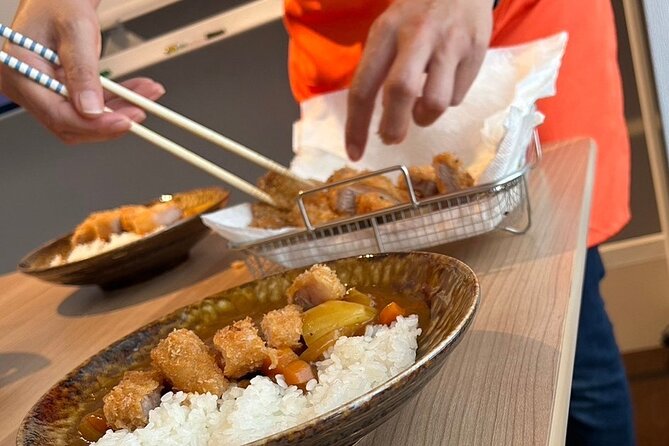
- Katsu Curry
- Ramen & Gyoza
That choice changes the whole experience. If you already love one dish from a restaurant meal, you get to recreate the version you actually ate. If you’re traveling with kids or teenagers, choosing a familiar favorite can make the cooking feel fun instead of intimidating. (Reviews highlight families choosing their dishes and then enjoying the hands-on part together.)
The class is also described as beginner-friendly, which is important. These aren’t “only for advanced cooks” dishes in this setting. The instructor’s job is to guide you through the key techniques so you can recreate the dish at home. You’ll get the benefit of practicing the process, not just getting a recipe card after the fact.
And because the class is small, the instructor can adjust as you go—helping you fix common issues before they become big problems. That’s how you get a result that feels like you made it, not like you survived it.
More shotengai arcades to wander

In the kitchen with Rie and a local helper: how it stays friendly
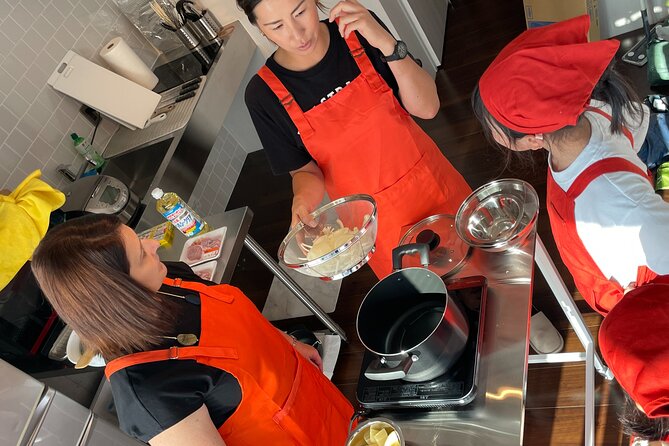
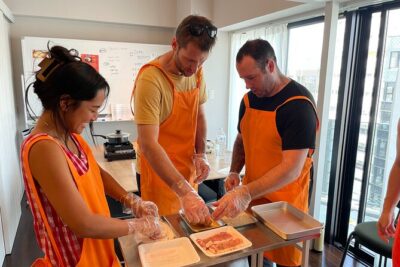
In reviews, the instruction is frequently described as welcoming and personalized. One instructor name that comes up is Rie, and you may also work with a local helper (an obachan), which adds warmth and practical know-how to the session. That combination matters: you’re not just following an English script; you’re learning from people who understand what questions beginners usually ask.
English instruction is a stated feature, and it’s a big deal for comfort. When you can clearly understand what to do (and why), you spend less time guessing and more time improving. It also helps if you’re traveling with friends or family who aren’t confident with Japanese cooking terminology.
The atmosphere is described as warm, with travelers and locals in the same space. I like this approach because it lowers the pressure. A cooking class can feel awkward if you’re worried you’ll do everything wrong. Here, the tone comes across as supportive and focused on getting you to a good result.
One more practical note: because this experience includes both a walk and cooking within roughly 3 hours total, the class needs to be well-paced. The structure you’re given (small group + active cooking + instructor feedback) is what keeps the time feeling worth it instead of rushed.
From Osaka to your home kitchen: what you’ll be able to recreate
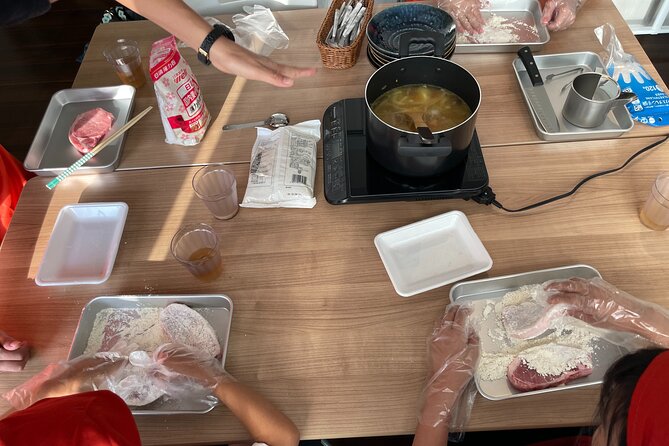
The promise here is clear: you should leave knowing how to recreate your chosen dish at home. That’s not just marketing fluff. The class is set up so you practice the techniques while you’re there, then you take away recipes you can actually use.
I think the best part is that you’re learning the “why” behind everyday cooking choices, even if you don’t get a technical chemistry lesson. The shop walk feeds the kitchen part, so ingredients and seasonality aren’t random facts—they connect to real decisions you’re making while cooking.
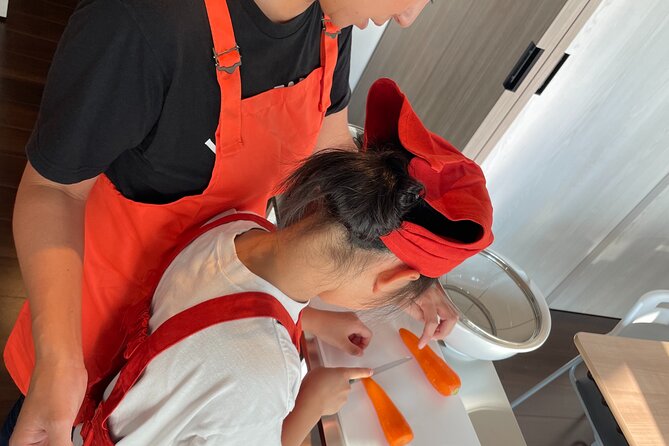
If you’re the type who loves trying to remake restaurant meals back home, this is a strong match. And if you’re traveling with kids, it’s also a good structure: you get tasks that are hands-on, and the results are tangible. Reviews mention kids enjoying making dishes like katsu curry, and then wanting to try again later.
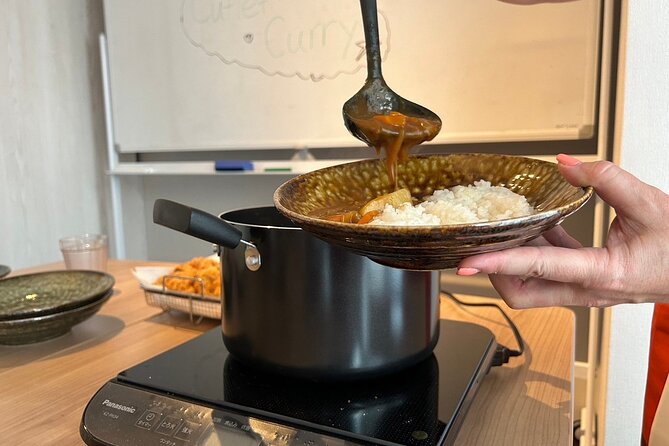
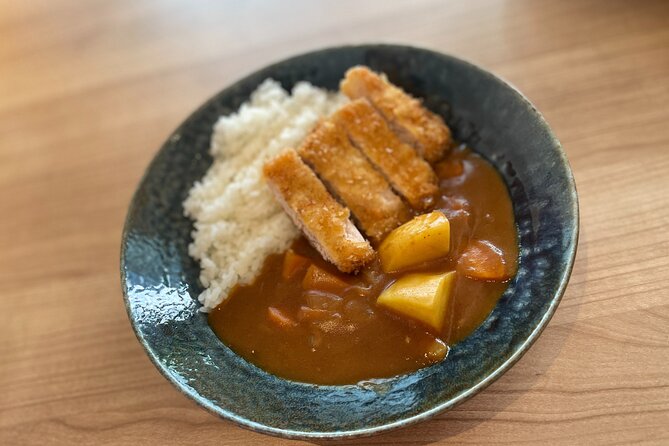
Also, the dishes themselves are approachable. Okonomiyaki and bento are especially good for learning how Japanese flavors work through everyday components. Katsu curry teaches comfort-food assembly, and ramen & gyoza adds dumpling-focused skill-building. You won’t just eat; you’ll understand how the dish comes together.
Price and value: is $85.89 worth it?
At $85.89 per person, this isn’t a bargain-basement activity, especially if you’re comparing it to a casual restaurant meal. But it offers more than dinner.
You’re paying for:
- a guided walk in a local neighborhood near Tenmangu Shrine
- a hands-on cooking class (not passive watching)
- small-group teaching with feedback
- English support
- time in a warm shared space where you can ask questions and taste along the way
For me, the value comes from the combination. A restaurant meal gives you taste and atmosphere, sure. But it doesn’t teach you the steps or give you a chance to practice. This experience tries to bridge that gap: you leave with a dish you can recreate and a clearer sense of how Osaka food culture operates day to day.
Booking timing also suggests demand: it’s commonly reserved about a month ahead. If your travel dates are flexible, you might find easier scheduling. If not, earlier booking is a smart move.
Who this is best for (and who should choose something else)
This experience works especially well if you want a more local, interactive Osaka food activity. It’s a solid pick for:
- Families, especially when kids are excited by hands-on cooking
- Couples who want a shared activity with a clear payoff
- Small groups who prefer a focused class over a crowded show
The private-tour option matters too. The experience is described as private in the sense that only your group participates. There’s also a note that larger private groups can be accommodated for an additional cost, which can be useful if you’re traveling with multiple families.
Who might want to consider another option? If you want a long list of stops where you eat several different street foods (without cooking), this may feel more “class-focused.” And if your main goal is shopping for ingredients to take home, the early shop walk may not meet that expectation.
Practical tips for getting the most from a 3-hour Osaka class
A few simple things will help you enjoy the whole flow from Tenmangu-area shops to the kitchen.
First, be ready to choose your dish ahead of time. When you pick what you want to cook, the class stays engaging the whole way through.
Second, come hungry but not so hungry you feel frantic. You’ll likely spend part of the time tasting and then eating what you cook, so a balanced appetite helps you enjoy it without feeling wiped out.
Third, if you have allergies or dietary restrictions, consult in advance. That’s explicitly recommended, and it’s the kind of thing you want handled before you arrive.
Finally, plan around your day. Because it’s about 3 hours, you can usually fit it between other Osaka sightseeing blocks, but try not to schedule anything that depends on you being on time to the minute afterward.
Should you book Osaka Cooking Base?
If you want an Osaka food experience that feels personal and practical, this is a strong yes. The small-group format, English instruction, and the chance to choose between Okonomiyaki, Bento, Katsu Curry, or Ramen & Gyoza make it a good match for travelers who care about learning something they can use later.
I’d book it if:
- you’re excited to cook, not just watch
- you want a local-feeling neighborhood start near Tenmangu Shrine
- you like the idea of leaving with recipes you’ll actually try again
I’d think twice if:
- you’re expecting a full shopping trip with ingredient purchases to take home
- you don’t want to participate in cooking at all
If your travel style is hands-on and you like real neighborhood food culture, this one is worth your time.
FAQ
How long is the Osaka Cooking Base experience?
It runs about 3 hours (approx.), with the cooking portion described as 2.5–3 hours total.
What dishes can I choose to cook?
You can choose from Okonomiyaki, Bento, Katsu Curry, or Ramen & Gyoza.
Is the class taught in English?
Yes. The cooking class is taught in English.
Is it a private group or shared class?
This is a private tour/activity. Only your group participates. Larger private groups may be accommodated for an additional cost.
Where does it start?
The meeting point is at 1-chōme-17-10 Tenjinbashi, Kita Ward, Osaka, 530-0041, Japan.
What if I have allergies or dietary restrictions?
If you have food allergies or dietary restrictions, you should consult with the provider in advance so they can advise appropriately.
Can I cancel and get a refund?
You can cancel for a full refund if you cancel at least 24 hours before the experience’s start time. Free cancellation is available per the tour’s policy.
Arcades and Department Floors
- Kuromon Market Food Walking Tour in Osaka (6 stops, 6 tastes)★ 5.0 · 550 reviews
- Osaka: Kuromon Market Food Walking Tour (6 stops, 6 tastes)★ 4.6 · 272 reviews
- Kuromon Market Tour: All inclusive 6~8 Dishes & 3~4 samplings★ 5.0 · 103 reviews
- Osaka: Cooking Class & Sake Tasting with Local Market Visit★ 4.8 · 31 reviews
- Nara, Todaiji Temple & Kuroshio Market Day BUS Tour from Osaka★ 3.5 · 18 reviews
More Tour Reviews in Osaka
- Osaka Go Karting Tour with Funny Costume★ 5.0 · 2,658 reviews
- Osaka Castle: Museum and Tower Entry Ticket★ 4.5 · 2,380 reviews
- Osaka: Shinsekai Food Tour with 13-15 Dishes at 5 Eateries★ 4.8 · 2,204 reviews
- Osaka Food Tour: 13 Dishes at 5 Local Eateries★ 5.0 · 2,149 reviews
- Hungry Osaka Street Food Tour:15 Tastings & 3 Drinks with a Local★ 5.0 · 1,727 reviews
Cook It Yourself in Osaka
- Sushi Making Osaka Roll and Authentic Japanese Sushi Class★ 5.0 · 1,220 reviews
- Osaka: Five Must-See Highlights Walking Tour & Ramen Lunch★ 4.7 · 411 reviews
- Osaka Sushi Making Experience★ 5.0 · 400 reviews
- Osaka: Ramen and Gyoza Cooking Class in Dotonbori★ 5.0 · 378 reviews
- Osaka: Sumo Stage Show with Bento or Snack + Fight & Photo★ 4.3 · 364 reviews
The Newest Osaka Write-Ups
- Private Photoshoot in Osaka with a Professional Photographer
★ 5.0 · 3 reviews - Osaka Early Morning Osaka Castle Tour Avoid Crowds
★ 5.0 · 3 reviews - Nara Private Tour with Pick and Drop and English Speaking Driver
★ 3.5 · 3 reviews - Osaka: Modern Vegetarian Sushi Cooking Class
★ 5.0 · 3 reviews - Nara Day Trip from Osaka with a Licensed Guide
★ 5.0 · 3 reviews
Osaka Cooking Classes, compared.
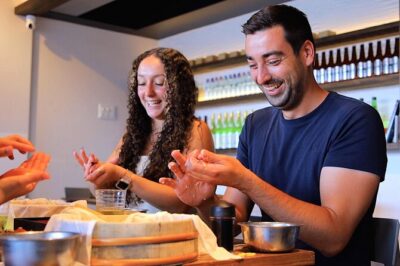 ★ 5.0Sushi Making Osaka Roll and Authentic Japanese Sushi ClassFrom $311,220 reviews
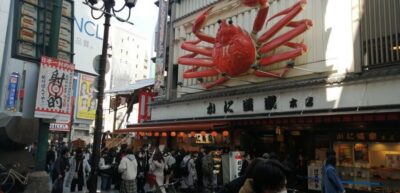 ★ 4.7Five Must-See Highlights Walking Tour & Ramen LunchFrom $56411 reviews
 ★ 5.0Osaka Sushi Making ExperienceFrom $29400 reviews
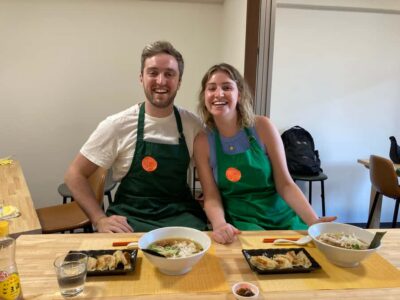 ★ 5.0Ramen and Gyoza Cooking Class in DotonboriFrom $70378 reviews
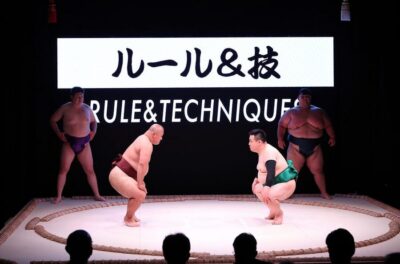 ★ 4.3Sumo Stage Show with Bento or Snack + Fight & PhotoFrom $93364 reviews
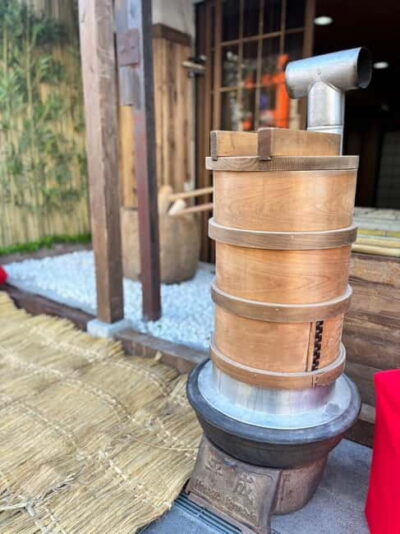 ★ 4.9Traditional Mochi Pounding Experience with TastingFrom $31306 reviews
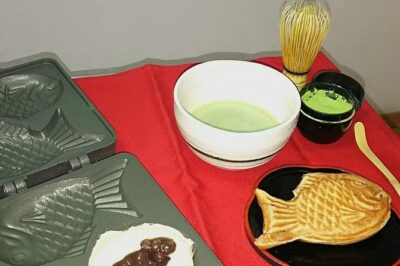 ★ 5.0Osaka Cooking Class: Okonomiyaki &Japanese cuisines experienceFrom $104261 reviews
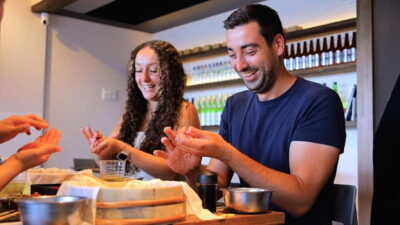 ★ 4.9Roll and Authentic Sushi Making Class in DotonboriFrom $45239 reviews
Browse the lists this tour appears in