
Reviewed · KUROMON MARKET TOURS
Osaka: Cooking Class & Sake Tasting with Local Market Visit
If Osaka food is your plan, this class is your shortcut. You shop with a local guide, cook three iconic dishes, and end up chatting over sake and beer. I like the market-to-kitchen flow because it makes the ingredients feel real, not random. I also like the hands-on teaching style that keeps steps clear for beginners. One thing to plan for: gluten-free cooking isn’t available.
You’ll spend 4 hours in an intimate setup (max 7 people) in a welcoming MagicalTrip Original Cooking Studio. The dishes are authentic, but the recipes are built to be simple enough to repeat at home. If you come prepared to walk a bit and handle cutting/heating safely, you’ll get a lot more out of the session.
In This Review
- Key Highlights That Make This Osaka Class Worth Your Time
- Osaka Market Shopping: Fresh Ingredients Set the Tone
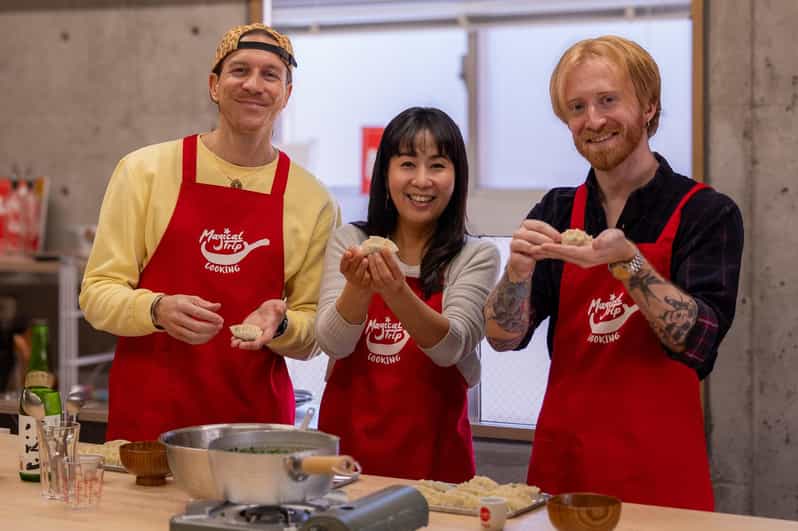
- MagicalTrip Cooking Studio: Niku-Sui, Okonomiyaki, and Gyoza in One Session
- Niku-Sui: The Beef Soup You’ll Want to Recreate
- Okonomiyaki: Osaka’s Savory Pancake With Personal Variation
- Gyoza: Folding Dumplings That Make You Laugh
- Sake Tasting and Drinks: How the Class Keeps the Mood Social
- Lunch, Photos, and Recipes: Your Take-Home Plan for Cooking Back Home
- Price and Value: What $90 Really Covers for 4 Hours
- Getting There and Staying Comfortable During the 4-Hour Timing
- Dietary Needs, Age, and Mobility: Plan Before You Book
- Who Should Book This Osaka Cooking Class With Sake Tasting
- Should You Book This Osaka Cooking Class and Sake Tasting?
- FAQ
- How long is the Osaka cooking class and sake tasting?
- What dishes will I cook during the class?
- Do I need cooking experience?
- Is the tour suitable for vegetarians or vegans?
- Are gluten-free options available?
- What drinks are included?
- Where do I meet the guide?
- Are recipes and photos provided after the tour?
Key Highlights That Make This Osaka Class Worth Your Time
- Minami Morimachi meeting point: start right by FamilyMart near Exit 4B, easy to find
- Local supermarket visit first: you pick fresh ingredients before you cook
- Three Osaka classics: niku-sui, okonomiyaki, and gyoza in one smooth session
- Sake tasting built into the meal: canned sake/beer or non-alcoholic drinks plus tea
- English-speaking local guide for 4 hours: small-group coaching that keeps you moving
- You leave with take-home tools: recipes and photos emailed after the tour
Another lap of the Kuromon stalls

Osaka Market Shopping: Fresh Ingredients Set the Tone
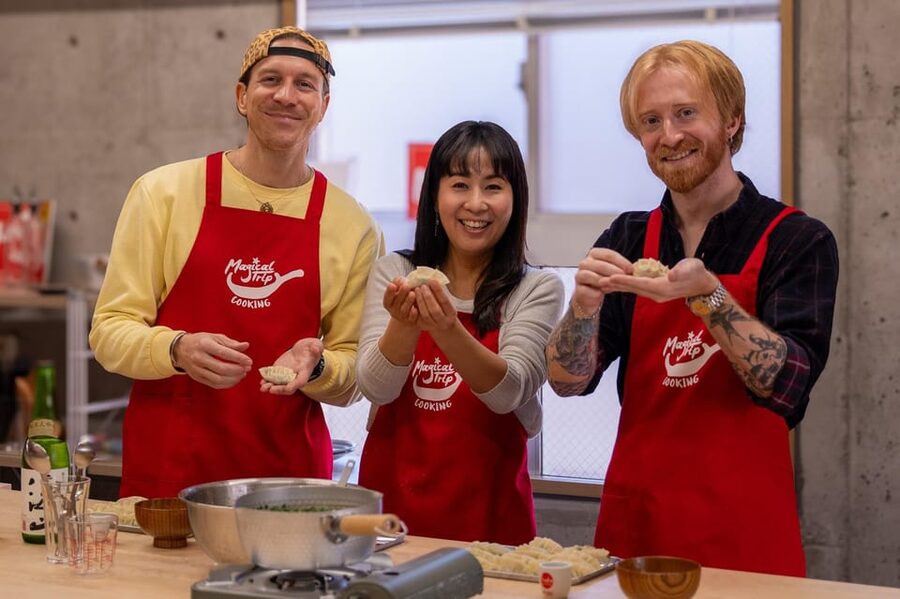
This tour starts with the kind of beginning that makes cooking lessons click: you go to a local supermarket to choose what you’ll cook. It’s not a long detour. It’s short, practical, and it helps you understand how Osaka cooks think about everyday ingredients.
The meeting point is simple: in front of FamilyMart, about a 1-minute walk from Minami Morimachi Station Exit 4B. I’d treat this like a cooking job interview: arrive a little early, because the tour starts on time. Late arrivals can’t join once the session has begun.
In the market, you’re not just looking around. You’re learning how a meal starts. You’ll select the pieces needed for the class’s three dishes: niku-sui (a beef soup), okonomiyaki (Osaka’s savory pancake), and gyoza (dumplings). Even if you’ve cooked Japanese food before, this step helps you connect flavors to ingredients you can actually find again at home.
One quiet win here: the guide can steer you toward the right items so you don’t waste energy later in the studio. When you know what each ingredient is supposed to do, you cook more confidently and you can adjust better when you recreate the recipes.
MagicalTrip Cooking Studio: Niku-Sui, Okonomiyaki, and Gyoza in One Session
Back at the studio, you’ll cook in a relaxed, welcoming space. This matters more than people think. You’re cutting and heating, so the classroom vibe should feel calm enough that you can focus on the steps—not on “am I doing this right?”
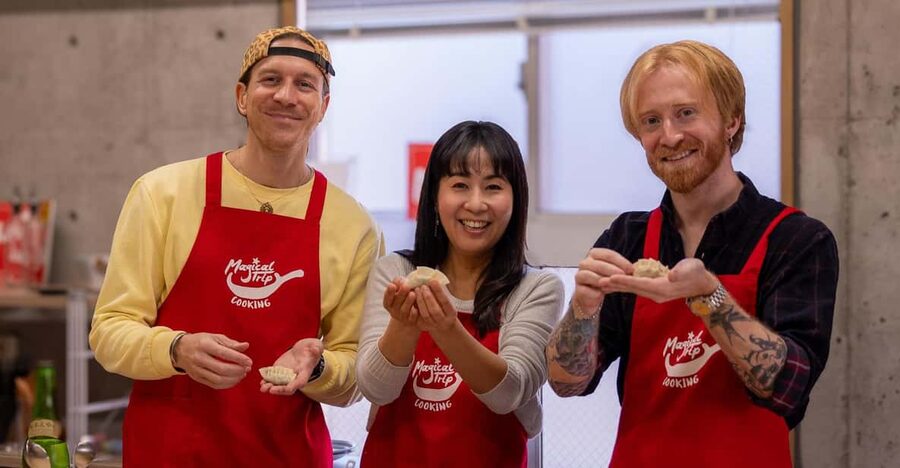
This is also where the small group size (limited to 7 participants) pays off. You’re not stuck waiting your turn. The English-speaking guide can walk through each recipe step-by-step, which is especially helpful if you have no prior cooking experience.
You’ll cook three dishes that represent different sides of Osaka comfort food:
Niku-Sui: The Beef Soup You’ll Want to Recreate
Niku-sui is a flavorful beef soup that locals love. In a class like this, it’s the dish that brings you warmth and grounding. Think savory broth, hearty beef character, and a feeling of home-style satisfaction. You’re not just making something to taste once; you’re learning a base you can apply to future dinners.
The value for home cooks is that the recipe is designed to be authentic but simple. You should be able to recreate it without needing special Japanese cooking equipment—because the ingredients are the main focus.
Come hungry: more eating your way through Osaka

Okonomiyaki: Osaka’s Savory Pancake With Personal Variation
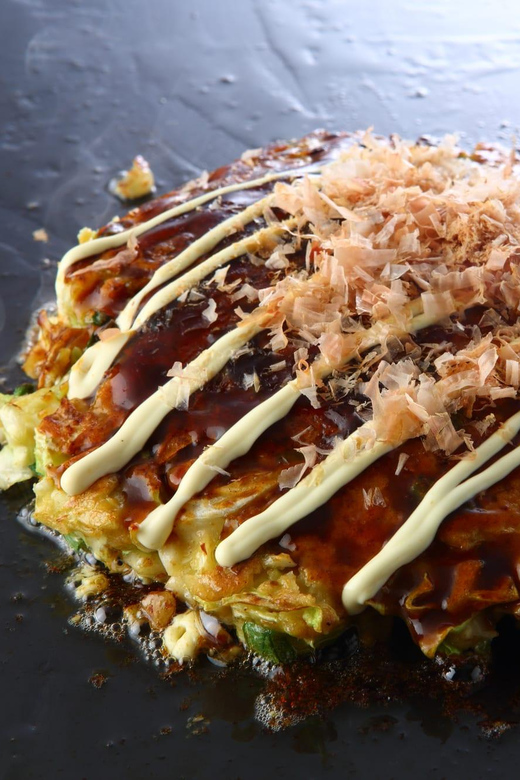
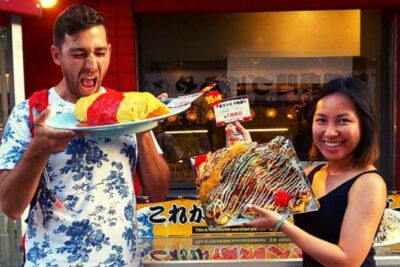
Okonomiyaki is the signature dish people associate with Osaka, and the class treats it that way. You’ll learn the core approach for making a savory pancake, then you’ll see why Osaka cooks have endless personal variations. This is one of those foods where the technique matters, but so does taste.
In practice, that means you get the baseline method, then you can adjust toppings and texture when you cook again later. Even if your first version at home isn’t identical, you’ll understand what you’re aiming for.
Gyoza: Folding Dumplings That Make You Laugh
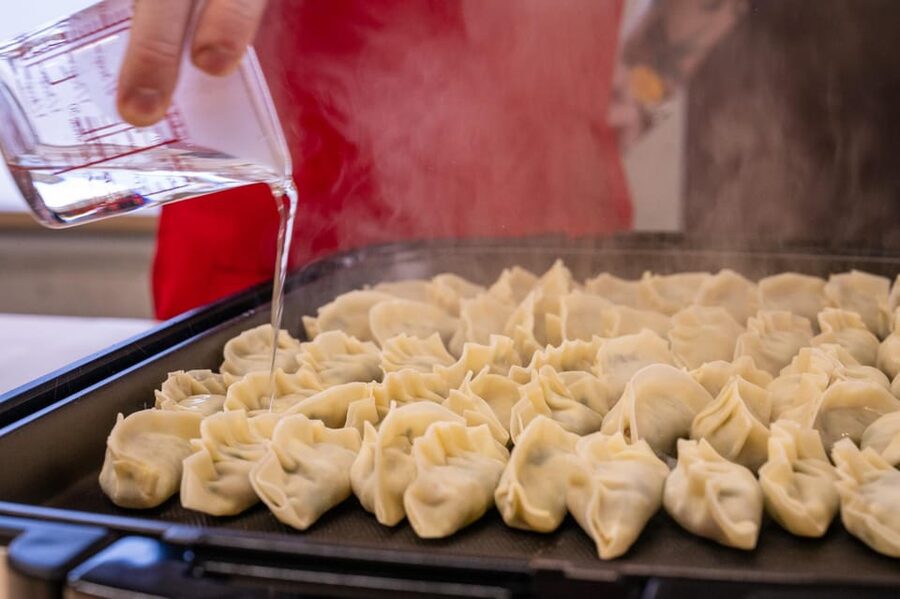
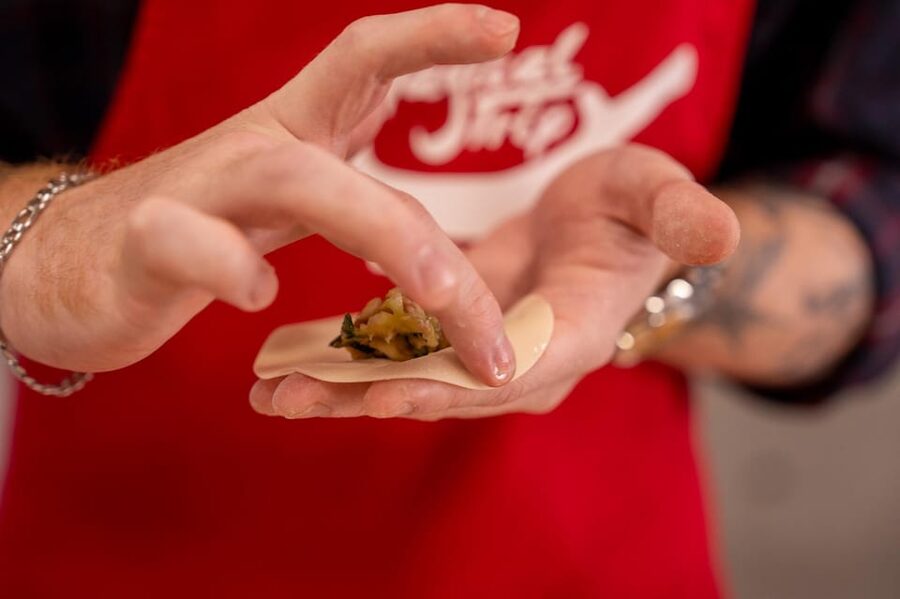
Gyoza is the interactive part. Folding dumplings is hands-on, a little fiddly, and genuinely fun—exactly the kind of activity that turns strangers into an easy group. You’ll work on folding the dumplings while the guide helps you get the process right.
The payoff is that you end up with dumplings that are meant to be both crispy and juicy. It’s the kind of result that feels like a win, even if you’re new to cooking.
A small detail that can make the experience even smoother: guides have been known to let the group choose background music, which keeps the room light and relaxed while you cook.
Sake Tasting and Drinks: How the Class Keeps the Mood Social
This isn’t just a cooking class where you eat at the end. Drinks are part of the pacing.
You’ll receive three canned drinks during the experience—alcoholic or non-alcoholic options—and tea is served as well. That setup keeps things easy, since you don’t need to guess what to order or find a menu mid-course.
Sake tasting is built in, along with options like beer. You’ll be cooking, then tasting, then talking. That flow matters because food culture in Japan isn’t only about ingredients. It’s also about conversation—what you’re learning, what you’re eating, and how locals explain their preferences.
If you’re the type who likes asking questions, this class gives you a real chance. Guides have explained Japanese history and local products in a way that connects to what’s on your plate, not just facts floating in the air.
Also worth knowing: some guides are so invested that they help people track down sake to purchase beyond the tour. Not every class will include that extra step, but the overall vibe is the same—your guide wants you to leave with more than empty satisfaction.
Lunch, Photos, and Recipes: Your Take-Home Plan for Cooking Back Home
By the time you finish, you’ll have lunch made from your own work. That’s a big deal. When you eat what you cooked, you notice what you did well and what you’d tweak next time. It also helps you remember flavors when you’re planning a weeknight dinner later.
You also get take-home support:
- Recipes downloaded after the tour, so you can recreate the dishes
- Tour photos taken by your guide and sent by email
In a practical sense, those two items solve two common problems travelers face after cooking classes. First, you forget measurements and small steps. Second, you don’t get great proof of what you accomplished. Here, both issues are handled for you.
There’s another subtle benefit: because the recipes use ingredients that are authentic but simple, you can focus on technique rather than chasing hard-to-find pantry items. That’s the difference between “I remember I tried okonomiyaki” and “I can actually make it again.”
Seasonal touches can also happen. For example, one past guide brought Christmas-style decorations into the room, which tells you the studio environment can feel thoughtful, not factory-like.
Price and Value: What $90 Really Covers for 4 Hours
At $90 per person for 4 hours, the price looks straightforward until you break down what’s included. This isn’t a class where you pay and then bring your own ingredients.
Your ticket covers:
- Cooking experience plus lunch
- All ingredients
- 3 canned drinks (alcoholic or non-alcoholic) and tea
- Tour photos sent after the tour
- 4 hours with an English-speaking local guide
- Small group format (limited to 7 participants)
So yes, you’re paying for instruction. But you’re also paying for convenience: ingredient sourcing, prep setup, translation, and a guided structure that keeps you from getting stuck. If you’ve ever tried to recreate okonomiyaki or gyoza at home without knowing the method, you’ll appreciate paying for someone to get you there faster and more reliably.
Where the value gets strongest is when you want both experiences in one go: the market visit plus the cooking plus the meal plus sake tasting. You’d usually pay more in time and logistics if you tried to stitch those together yourself.
Getting There and Staying Comfortable During the 4-Hour Timing
This tour runs for 4 hours, and it starts on time. Late arrivals can’t join, reschedule, or get refunds, so I recommend building in a buffer.
As for comfort: you’ll likely do some walking (market plus studio area), and you’ll be standing while cooking. Wear comfortable shoes and plan for Japan’s temperature swings. Summer can hit around 40°C (110°F), and winter can drop to about -5°C (20°F). Dress for the weather so the class feels enjoyable, not sweaty or freezing.
Because the meeting point is so close to Minami Morimachi Station Exit 4B, transit planning is easy. Once you find FamilyMart, you’re basically there.
Dietary Needs, Age, and Mobility: Plan Before You Book
This part is important because the class involves cutting and heating.
- Anyone over 12 can join.
- Vegans and vegetarians are welcome.
- Gluten-free options are unavailable.
- If you have dietary needs or allergies, you should inform the team at least one day in advance. Same-day requests can’t be accommodated.
The tour also comes with a realistic limitation: they can’t guarantee allergy-free meals because food may be prepared in external kitchens. Substitutions may not always be possible, though the team tries to compensate at other stops.
If you’re gluten-free or managing a serious allergy, this is the key question to answer before you book: you’re likely better off choosing a tour that can handle your needs more directly than this one can.
Mobility is another consideration. The class may include locations that aren’t wheelchair or stroller friendly. If you have walking difficulties, the best move is booking a private tour.
Who Should Book This Osaka Cooking Class With Sake Tasting
This experience fits best when you want hands-on Osaka food without the stress of planning. It’s a great choice if you:
- Want to cook three iconic dishes in one afternoon
- Appreciate market experiences that show daily life, not just tourist stops
- Like a social format with a small group
- Want beginner-friendly guidance in English
It also works well for people traveling solo, since the small-group setup encourages conversation while you cook and eat. Couples and friends tend to enjoy it too because you’re creating a shared meal, not just taking photos.
On the other hand, you might look elsewhere if:
- Gluten-free cooking is a requirement for you
- You need wheelchair-friendly access throughout the stops
- You’re expecting a long sightseeing day rather than a focused food workshop
Should You Book This Osaka Cooking Class and Sake Tasting?
I’d book this if you want a practical way to learn Osaka flavors and bring the results home. The combination of market shopping, three cooked dishes (niku-sui, okonomiyaki, gyoza), and sake-and-drinks keeps the 4 hours lively without turning chaotic. The take-home recipes and emailed photos also make it feel like more than a one-time meal.
Skip it if gluten-free or allergy-free needs are non-negotiable, or if mobility access is a major issue for your group. If you’re in the middle—curious, hungry, and ready to cook—this is a strong value way to experience Osaka through food and conversation.
FAQ
How long is the Osaka cooking class and sake tasting?
The experience lasts 4 hours.
What dishes will I cook during the class?
You’ll cook niku-sui, okonomiyaki, and gyoza.
Do I need cooking experience?
No. The guide explains each step clearly, and the recipes are designed to be simple enough for beginners.
Is the tour suitable for vegetarians or vegans?
Yes. Vegans and vegetarians can join.
Are gluten-free options available?
No. Gluten-free options are not available.
What drinks are included?
You get 3 canned drinks during the experience, which can be alcoholic or non-alcoholic. Tea is also served.
Where do I meet the guide?
Meet in front of FamilyMart, about a 1-minute walk from Minami Morimachi Station Exit 4B.
Are recipes and photos provided after the tour?
Yes. You can download the recipes after the tour, and your guide takes photos during the experience and sends them by email.
Cook It Yourself in Osaka
- Sushi Making Osaka Roll and Authentic Japanese Sushi Class★ 5.0 · 1,220 reviews
- Osaka: Five Must-See Highlights Walking Tour & Ramen Lunch★ 4.7 · 411 reviews
- Osaka Sushi Making Experience★ 5.0 · 400 reviews
- Osaka: Ramen and Gyoza Cooking Class in Dotonbori★ 5.0 · 378 reviews
- Osaka: Sumo Stage Show with Bento or Snack + Fight & Photo★ 4.3 · 364 reviews
The Kuidaore List: Eat More of Osaka
- Osaka: Shinsekai Food Tour with 13-15 Dishes at 5 Eateries★ 4.8 · 2,204 reviews
- Osaka Food Tour: 13 Dishes at 5 Local Eateries★ 5.0 · 2,149 reviews
- Hungry Osaka Street Food Tour:15 Tastings & 3 Drinks with a Local★ 5.0 · 1,727 reviews
- Deep Backstreet Osaka Tours (Option to add Dinner)★ 5.0 · 1,290 reviews
- Osaka Local Foodie Walking Tour in Dotonbori and Shinsekai★ 5.0 · 985 reviews
Kuromon, Stall by Stall
- Kuromon Market Food Walking Tour in Osaka (6 stops, 6 tastes)★ 5.0 · 550 reviews
- Osaka: Kuromon Market Food Walking Tour (6 stops, 6 tastes)★ 4.6 · 272 reviews
- Kuromon Market Tour: All inclusive 6~8 Dishes & 3~4 samplings★ 5.0 · 103 reviews
- PRIVATE 6hr, Food tour from Osaka Castle, Kuromon, Dotonbori.★ 5.0 · 68 reviews
- All Inclusive Kuromon Markets Tour: Flavors Of Osaka★ 4.7 · 31 reviews
The Newest Osaka Write-Ups
- Private Photoshoot in Osaka with a Professional Photographer
★ 5.0 · 3 reviews - Osaka Early Morning Osaka Castle Tour Avoid Crowds
★ 5.0 · 3 reviews - Nara Private Tour with Pick and Drop and English Speaking Driver
★ 3.5 · 3 reviews - Osaka: Modern Vegetarian Sushi Cooking Class
★ 5.0 · 3 reviews - Nara Day Trip from Osaka with a Licensed Guide
★ 5.0 · 3 reviews
Kuromon Market Tours, compared.
 ★ 5.0Kuromon Market Food Walking Tour in Osaka (6 stops, 6 tastes)From $50550 reviews
 ★ 4.6Kuromon Market Food Walking Tour (6 stops, 6 tastes)From $49272 reviews
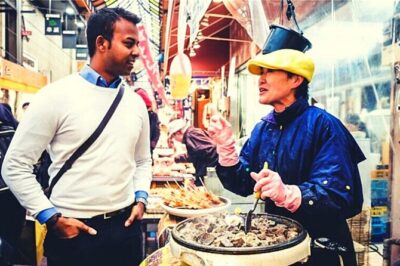 ★ 5.0Kuromon Market Tour: All inclusive 6~8 Dishes & 3~4 samplingsFrom $63103 reviews
 ★ 5.0PRIVATE 6hr, Food tour from Osaka Castle, Kuromon, Dotonbori.From $15568 reviews
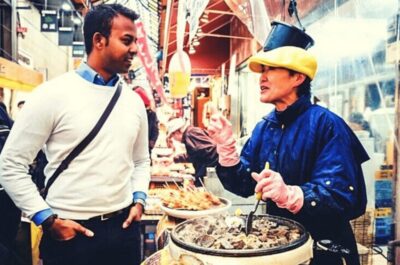 ★ 4.7All Inclusive Kuromon Markets Tour: Flavors Of OsakaFrom $6131 reviews
 ★ 3.5Nara, Todaiji Temple & Kuroshio Market Day BUS Tour from OsakaFrom $9918 reviews
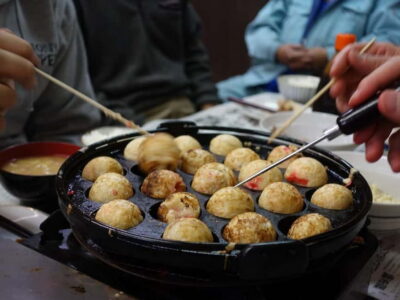 ★ 4.5Food Tour Kuromon Market & Dotonbori with GuideFrom $8415 reviews
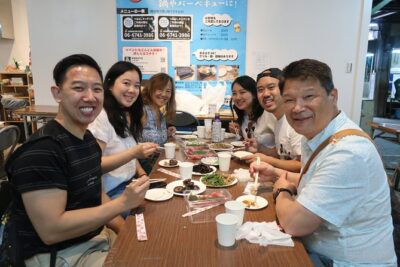 ★ 4.5Osaka Food Walking Tour with Market VisitFrom $13014 reviews
Browse the lists this tour appears in