
Reviewed · KUROMON MARKET TOURS
Osaka: Kuromon Market Food Walking Tour (6 stops, 6 tastes)
Osaka tastes better with a local guide. This Kuromon Market food walk turns chaotic stall rows into a clear plan, guided by pros like Nina and Aina who know what to order and how to explain it.
I especially like the way the tour keeps you moving and eating without guesswork, even when the market gets packed.
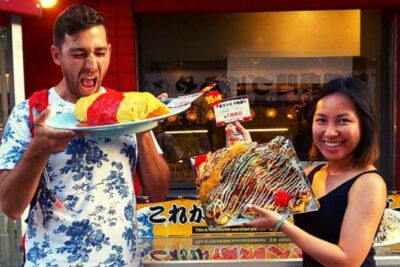
I also love the value of the food pace. You get 5–6 samplings planned to satisfy you, and guides often add extra touches like taking group photos so you can focus on eating, not filming.
One consideration: it’s not set up for gluten-free needs, and parts of the route aren’t ideal for wheelchairs or strollers. It’s also a walk, so come prepared for Osaka’s weather swings.
In This Review
- Key highlights I’d plan around
- Kuromon Market: Why This Food Walk Hits Different
- The 2-Hour Flow: How You Spend Your Time
- Stop-by-Stop: What You’ll Do, See, and Try
- Meeting near Nippon-bashi: Pikaso Osaka Nihon-ichi Building area
- The short “orientation” stop (about 15 minutes)
- Kuromon Ichiba Market (about 30 minutes)
- Sennichimae Doguyasuji Shotengai (about 20 minutes)
- A local restaurant stop (about 10 minutes)
- Hozenji Yokocho (about 10 minutes)
- Dotonbori (about 25 minutes)
- What You’ll Taste: The Guide’s Picks Make It Worth It
- Souvenirs: More Than Chopsticks
- The Weather and Walking Reality
- Dietary Needs: What’s Possible and What to Double-Check
- How Much It Costs: Is $49 a Fair Deal?
- Who Should Book This Tour (and Who Should Skip)
- Should You Book? My Straight Answer
- FAQ
- How long is the Osaka Kuromon Market Food Walking Tour?
- How many food tastings are included?
- What is the meeting point?
- What’s included in the ticket price?
- What food and drinks are not included?
- Is the tour available in English?
- Can the tour accommodate gluten-free requests?
- Can vegetarian or vegan requests be accommodated?
- Is the tour suitable for wheelchair users?
- Do I need cash?
- Can I cancel for a full refund?
Key highlights I’d plan around
- 5–6 planned tastings that add up to a real meal, not “two bites and a souvenir.”
- English-speaking certified local guides who explain food and neighborhood history as you go.
- Kitchen-focused shopping stops, including a tool-and-cookware lane in central Osaka.
- Hozenji Yokocho and Dotonbori for old-meets-new street vibes.
- Small-group flow (private or small groups) that helps you move through busy areas.
- Photos included, handy in crowded streets where you won’t want to play cameraman.
Another lap of the Kuromon stalls

Kuromon Market: Why This Food Walk Hits Different

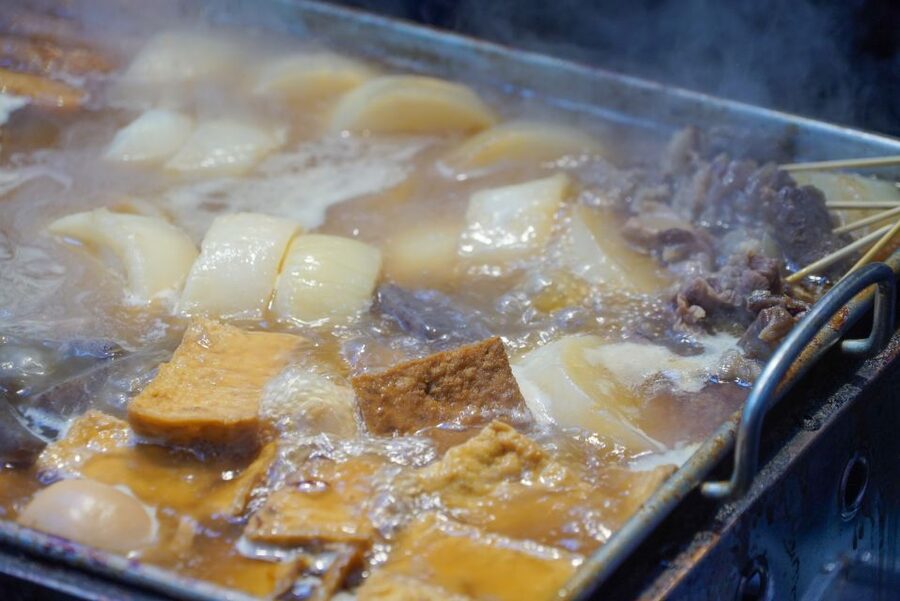
Kuromon Ichiba Market is often called Osaka’s kitchen center, and after you spend time here, the nickname makes sense. This is where vendors sell daily staples in a dense, competitive environment: fish, meat, grilled snacks, and quick bites designed for right-now hunger. It’s lively, loud, and visually intense.
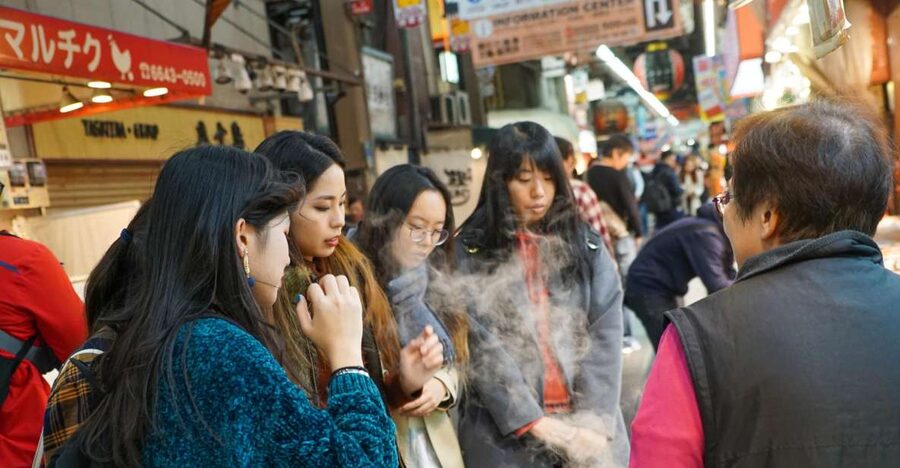
What makes this tour work is the filter. If you show up alone, you’ll see a wall of options and feel the pressure to “pick right.” With a guide, you can focus on taste and texture instead of translating menus and pricing on the fly. Many guides also connect what you’re eating to Osaka’s wider culinary habits, so the meal feels like a story instead of random sampling.
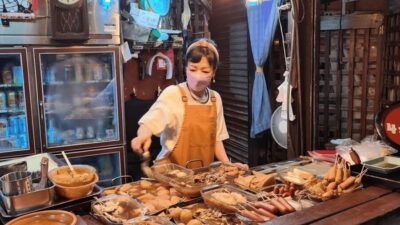
And yes, the food variety is real. Over time, Osaka’s street-food reputation has formed around simple pleasures: hot takoyaki, grilled seafood, skewers, and desserts that let you snack your way through a neighborhood.
The 2-Hour Flow: How You Spend Your Time
This is a tight, well-paced walk at about two hours total. The itinerary is built so you get a “base camp” market experience, then you expand into nearby shopping lanes and classic street scenes.
Here’s the practical rhythm:
- A quick meet-up near Nippon-bashi (with clear signage)
- A short intro segment to get you oriented
- A longer concentrated food window inside Kuromon
- Then a sequence of neighborhood stops that add atmosphere and shopping context
The big upside for first-timers is that the walk covers areas you’ll likely want to return to later. You come out with food favorites, plus a sense of which streets feel calm enough to browse and which ones are best for quick in-and-out meals.
Stop-by-Stop: What You’ll Do, See, and Try
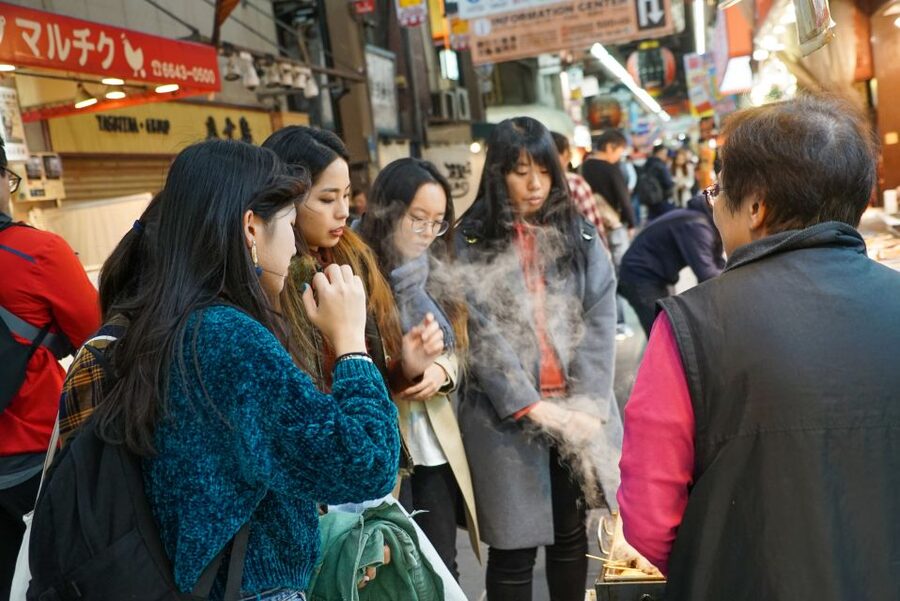
Below is what each part of the route adds to your day. Think of it as a recipe: market staples for flavor, shopping streets for context, then iconic lanes for atmosphere.
Come hungry: more eating your way through Osaka

Meeting near Nippon-bashi: Pikaso Osaka Nihon-ichi Building area
You’ll meet at the SMBC ATM at Nippon-bashi 1chome, near Kintetsu Nippon-bashi Station (Exit 10). Your guide holds a board marked MagicalTrip.
This matters because it places you right in the central Osaka pocket. Once you’re together, the guide can guide you through the busiest connections without you losing time on wrong turns.
If you’re even slightly late, note that the tour starts on time and late arrivals can’t join or reschedule for a refund. Build in a buffer so you’re not sprinting in food-stall territory.
The short “orientation” stop (about 15 minutes)
This is where the guide helps you read the area. Depending on the group and conditions, this stage often includes a quick look at what to watch for in markets and how to order efficiently.
In the same theme, guides have referenced things like kitchen tools and specialty shop areas in their route choices. It’s not just eating. It’s learning how Osaka organizes its daily food world.
Potential drawback: because it’s short, don’t expect a full history lecture here. The real payoff comes once you’re actually in Kuromon and tasting.
Kuromon Ichiba Market (about 30 minutes)
This is the main event. You spend about half an hour moving through Kuromon’s lanes while tasting. This is where you’re likely to see the Osaka hits such as:
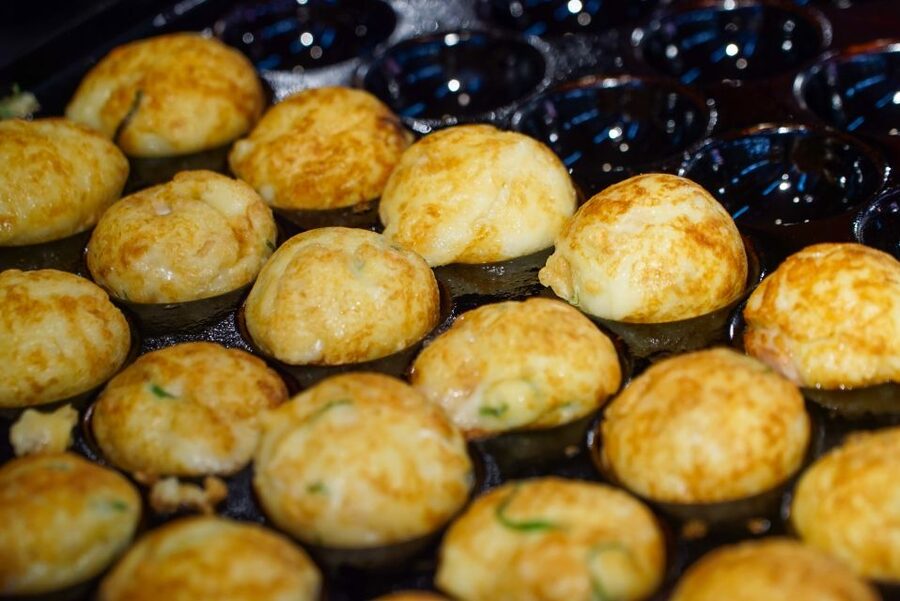
- Takoyaki
- Grilled scallops
- Grilled yakitori skewers
- Other seasonal or stall-style samples picked for crowd-friendly flow
Two things I like about this structure:
1) The guide handles stall decisions for you, so you’re not stuck comparing five similar signs.
2) You’re not only eating in the loudest spot. Several guides manage the flow by moving you to quieter places to enjoy your samples, so you still get a breather.
Come hungry. Even though the tastings are planned, the goal is to leave satisfied.
Sennichimae Doguyasuji Shotengai (about 20 minutes)
After the market, you shift into a shopping lane known for kitchen and household goods. That’s where the tour’s “bring home” angle comes alive.
This part is great if you like practical souvenirs, not just magnets. Think knives, cookware, and tableware you can actually use. A couple of standout comments from past guests mention enjoying the knife and cookware-focused area, which matches this lane’s reputation.
Drawback to flag: this is still a shopping street. If you hate browsing or want pure food only, you may feel this segment takes more time than you’d like. I’d treat it as a useful stop if you’re hunting for kitchen-related gifts for home.
A local restaurant stop (about 10 minutes)
This is a quick break in the walking rhythm. It’s short, but it helps you slow down and reset before the next street scenes.
What you eat here isn’t guaranteed as one fixed dish for every departure, but the tour is designed around tasting. If you’re picky, this is exactly where you’ll want to ask questions early, because the guide can steer your choices across multiple stops.
Hozenji Yokocho (about 10 minutes)
Hozenji Yokocho is where the tour turns more atmospheric. This small lane style area is known for old-school street charm, and it pairs well with what you learn at the market: Osaka’s food culture isn’t just in stalls; it lives in alleyways too.
In past experiences with this route, people have mentioned shrine-related stops as well, and this leg fits that general “cultural texture” goal. Even if you’re not hunting for museums, you’ll get a sense of how people linger around food spaces.
Dotonbori (about 25 minutes)
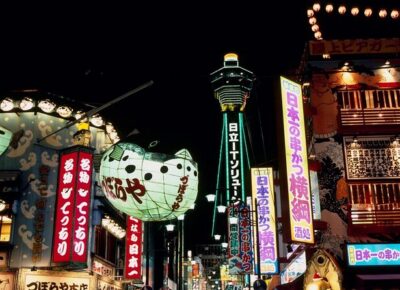
Then you hit Dotonbori. This is the famous Osaka theater of lights, signage, and street energy. The tour doesn’t only show you the famous stuff and leave you lost. It uses the earlier stops as context, so you understand why the lights and crowds are part of the city’s food habits, not just a postcard scene.
Expect more walking here. It’s also where you’ll likely want to take photos, grab a drink, or decide on your next meal after the tour ends.
What You’ll Taste: The Guide’s Picks Make It Worth It
You’re buying guidance, not just samples. Osaka street food is diverse, and the tastings are the easiest way to learn what suits you without risking an entire meal on the wrong choice.
From past departures, the tasting range can include (depending on season and the guide’s current plan):
- Takoyaki
- Scallop sushi
- Tempura
- Roast chestnut
- Tuna belly sashimi
- Wasabi-related bites
- Fresh watermelon
- Ice cream sandwich
- Taiyaki and red bean desserts
- Mo-shaped sweets like strawberry mochi or sakura mochi
- Gyoza and other snack-style foods
- Even more adventurous seafood options have been mentioned on some tours
One of the best parts is that many guides adjust the pace and choices so everyone in the group can participate comfortably. People have repeatedly praised guides for making sure everyone gets a fair shot at the tastings and for keeping the experience fun, not stiff.
Small practical tip: if you’re tempted to order extra items during the tour, remember the included tasting count is the main plan. Additional food and drinks are available for purchase, and the tour isn’t meant to be unlimited. I’d treat extras as a bonus you add only if you’re truly still hungry.
Souvenirs: More Than Chopsticks
A big theme of this tour is practical shopping. The highlights call out Japanese kitchenware and tableware, and the route supports that with the Sennichimae Doguyasuji segment.
This is where you can find:
- Kitchen tools and cookware
- Tableware that’s more gift-worthy than the usual tourist trinkets
- Potentially knife-focused items, depending on the shops you pass
The value here is timing. Many people end up shopping at random later, when their energy is low or they don’t know what to look for. On this tour, you get targeted exposure and direction, plus the chance to ask what items are useful and why locals buy them.
The Weather and Walking Reality
This is a walking tour in central Osaka. Japan’s climate can be extreme. Summer can hit around 40°C, and winter can go down near -5°C, so plan like you’ll feel it.
I recommend:
- Comfortable shoes (crowds and uneven pavement are normal in market streets)
- Water, especially in warm months
- Light layers in winter or fall so you can manage indoor heat and outdoor cold
One nice touch noted by previous guests: on hot days, some guides have offered chilled neck rings. That may not be guaranteed every time, but it’s a good example of how guides think about comfort on the ground.
Dietary Needs: What’s Possible and What to Double-Check
The tour has clear limits:
- Gluten-free requests can’t be accommodated.
- Vegetarian and vegan requests can be accommodated, but options may be limited because many Japanese restaurants aren’t fully prepared for strict needs.
- If you want vegetarian/vegan meals, inform the provider at least one day in advance. Same-day requests can’t be accepted.
- Allergy-free meals or substitutions can’t be guaranteed because food is prepared in external kitchens.
At the same time, I’ll add a practical, cautious note. Some past groups reported success with adjustments for allergies, but the official policy still says guarantees aren’t possible. If you have serious allergies, message ahead, keep your expectations grounded, and consider bringing a small backup snack you can eat safely.
How Much It Costs: Is $49 a Fair Deal?
$49 for a 2-hour, certified-guide food walk is priced like a “high value” experience, and the math mostly checks out.
You’re paying for:
- A guided route through Kuromon Market and nearby neighborhoods
- 5–6 included samplings designed to fill you up
- Tour photos
- Local context that helps you decide what to eat again after the tour
If you were to buy 5–6 items on your own in Kuromon, you’d spend a similar amount quickly, especially once you add drinks and dessert. The guide’s job is to reduce your risk of choosing the wrong stall or missing the best options because you didn’t know what to look for.
Where the value is especially strong is your first day in Osaka. You leave with favorites, and that makes the rest of your trip cheaper and easier.
Who Should Book This Tour (and Who Should Skip)
This tour is a strong fit if you:
- Want an easy intro to Osaka street food without menu stress
- Prefer small-group movement through crowded markets
- Like learning the “why” behind what you’re eating, not only tasting it
- Want souvenir ideas that are practical, especially kitchen-related finds
Skip it if:
- You need gluten-free accommodation
- You use a wheelchair or need stroller-friendly routes (some places aren’t accessible)
- You dislike walking and crowds, since parts of Kuromon and Dotonbori are packed
If you’re traveling with kids or teens, it can work well because the tasting format keeps everyone engaged. Still, wear good shoes and bring water, since the tour is outdoors for much of the route.
Should You Book? My Straight Answer
Yes, I think you should book this tour if you’re coming hungry and you want a guided shortcut to Osaka’s best food energy. The combination of Kuromon tastings plus neighborhood flavor (and kitchenware shopping context) makes it a practical use of your time, not just a “try a few bites” outing.
I’d book it early in your trip too. You’ll get taste targets for the rest of your Osaka days, and you’ll know where you can confidently return on your own.
If your dietary situation is complicated, message first and be realistic about what’s possible. For gluten-free needs, this one is a no. For vegetarian or vegan plans, give advance notice so the guide can build the best options available.
If that sounds like your situation, this $49 two-hour tour is one of the smartest “start here” food experiences you can choose in Osaka.
FAQ
How long is the Osaka Kuromon Market Food Walking Tour?
The tour lasts 2 hours.
How many food tastings are included?
It includes 5–6 food samplings (often described as tasting at 6 stops).
What is the meeting point?
Meet in front of the SMBC ATM at Nippon-bashi 1chome near Kintetsu Nippon-bashi Station (Exit 10). Your guide will hold a board saying MagicalTrip.
What’s included in the ticket price?
Included are the food samplings, tour photos, and a 2-hour tour with a certified local English guide.
What food and drinks are not included?
Additional food and drinks beyond the included tastings are not included and are available for purchase.
Is the tour available in English?
Yes, the live tour guide speaks English.
Can the tour accommodate gluten-free requests?
No, the tour is unable to accommodate gluten-free requests.
Can vegetarian or vegan requests be accommodated?
Yes, vegetarian and vegan requests can be accommodated, but options may be limited. You need to inform the provider at least one day in advance.
Is the tour suitable for wheelchair users?
No. It is not recommended for those with mobility issues, and it is not suitable for wheelchair users.
Do I need cash?
Bring cash for your own food and drinks that are available for purchase during the tour.
Can I cancel for a full refund?
Free cancellation is available up to 24 hours in advance for a full refund.
Osaka at Street Level
- Osaka Local Foodie Walking Tour in Dotonbori and Shinsekai★ 5.0 · 985 reviews
- Osaka: Deep Backstreets Walking Tour with Dinner Option★ 4.9 · 902 reviews
- Ultimate Osaka Walking Tour: Castle, Dotonbori & Hidden Gems★ 5.0 · 862 reviews
- Osaka: Main Sights and Hidden Spots Guided Walking Tour★ 4.9 · 702 reviews
- Private Osaka Walking Tour: Highlights & Hidden Gems★ 5.0 · 569 reviews
The Kuidaore List: Eat More of Osaka
- Osaka: Shinsekai Food Tour with 13-15 Dishes at 5 Eateries★ 4.8 · 2,204 reviews
- Osaka Food Tour: 13 Dishes at 5 Local Eateries★ 5.0 · 2,149 reviews
- Hungry Osaka Street Food Tour:15 Tastings & 3 Drinks with a Local★ 5.0 · 1,727 reviews
- Deep Backstreet Osaka Tours (Option to add Dinner)★ 5.0 · 1,290 reviews
- Osaka Local Foodie Walking Tour in Dotonbori and Shinsekai★ 5.0 · 985 reviews
Kuromon, Stall by Stall
- Kuromon Market Food Walking Tour in Osaka (6 stops, 6 tastes)★ 5.0 · 550 reviews
- Kuromon Market Tour: All inclusive 6~8 Dishes & 3~4 samplings★ 5.0 · 103 reviews
- PRIVATE 6hr, Food tour from Osaka Castle, Kuromon, Dotonbori.★ 5.0 · 68 reviews
- All Inclusive Kuromon Markets Tour: Flavors Of Osaka★ 4.7 · 31 reviews
- Osaka: Cooking Class & Sake Tasting with Local Market Visit★ 4.8 · 31 reviews
The Newest Osaka Write-Ups
- Private Photoshoot in Osaka with a Professional Photographer
★ 5.0 · 3 reviews - Osaka Early Morning Osaka Castle Tour Avoid Crowds
★ 5.0 · 3 reviews - Nara Private Tour with Pick and Drop and English Speaking Driver
★ 3.5 · 3 reviews - Osaka: Modern Vegetarian Sushi Cooking Class
★ 5.0 · 3 reviews - Nara Day Trip from Osaka with a Licensed Guide
★ 5.0 · 3 reviews
Kuromon Market Tours, compared.
 ★ 5.0Kuromon Market Food Walking Tour in Osaka (6 stops, 6 tastes)From $50550 reviews
 ★ 5.0Kuromon Market Tour: All inclusive 6~8 Dishes & 3~4 samplingsFrom $63103 reviews
 ★ 5.0PRIVATE 6hr, Food tour from Osaka Castle, Kuromon, Dotonbori.From $15568 reviews
 ★ 4.7All Inclusive Kuromon Markets Tour: Flavors Of OsakaFrom $6131 reviews
 ★ 4.8Cooking Class & Sake Tasting with Local Market VisitFrom $9031 reviews
 ★ 3.5Nara, Todaiji Temple & Kuroshio Market Day BUS Tour from OsakaFrom $9918 reviews
 ★ 4.5Food Tour Kuromon Market & Dotonbori with GuideFrom $8415 reviews
 ★ 4.5Osaka Food Walking Tour with Market VisitFrom $13014 reviews
Browse the lists this tour appears in