
Reviewed · DOTONBORI & NAMBA TOURS
Osaka: Dotonbori’s Bridges 20-Minute Cruise
Bridges look different from a moving boat. This short Dotonbori cruise turns Osaka’s most crowded stretch into a slick sightseeing circuit, with clear roof coverage and upbeat music keeping the mood light. I love getting those quick, different angles on the river icons without wearing myself out on foot, and I love that the ride is built for 20 minutes of pure viewing. The main downside is heat: on sunny days, there’s no air conditioning and it can feel stuffy.
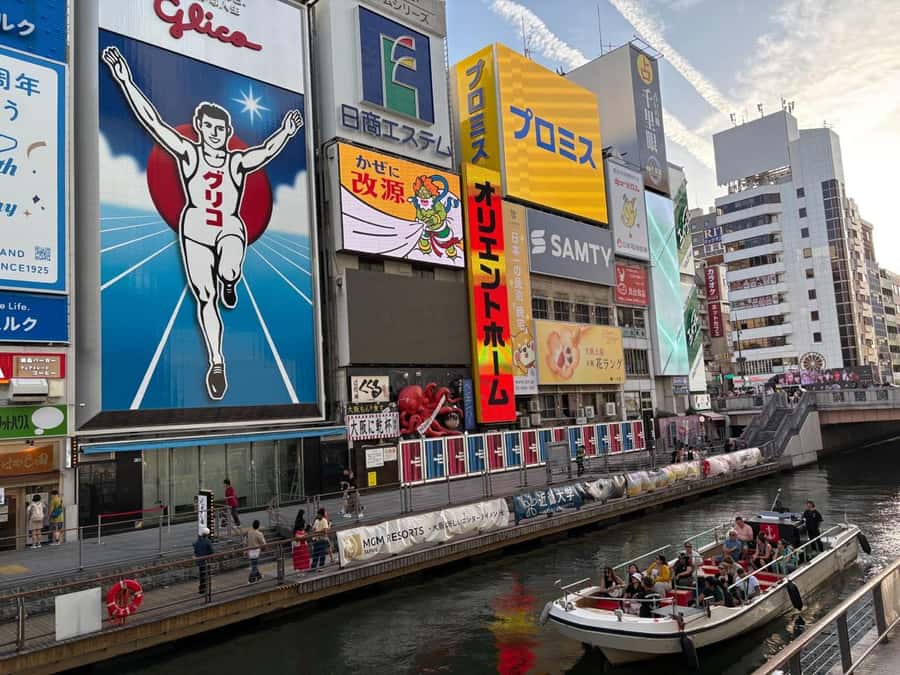
You board right by Don Quijote at the pier between Tazaemon Bridge and Ebisu Bridge, and then you glide past iconic spots you usually only see from street level. You’ll pass Nippon-bashi Bridge, the Glico-advertisement area, Ebisu-bashi Bridge, Dotonbori-bashi Bridge, and you turn around after Ukiniwa-bashi Bridge to head back.
If you’re hoping for a long, spoken narrative, keep expectations practical. This is very much a scenic ride, and you may not get full-on guiding commentary even though Japanese and English are available.
In This Review
- Key highlights at a glance
- Dotonbori’s bridges, viewed the easy way
- Where the cruise starts near Don Quijote
- The 20-minute route: bridges and landmarks in order
- Starting stretch: Tazaemon to Ebisu area vibes
- Nippon-bashi Bridge: Osaka’s big bridge moment
- The Glico-advertisement area: famous ads, seen differently
- Ebisu-bashi Bridge and the Dotonbori-bashi stretch
- The turnaround after Ukiniwa-bashi Bridge
- Onboard comfort: room, roof coverage, and heat
- Safety rules you should know before boarding
- Music and the reality of onboard narration
- Price and value: is $12 a good deal for 20 minutes?
- Who should book this cruise (and who should consider something else)
- Tips to make your cruise experience smoother
- Should you book the Osaka Dotonbori Bridges cruise?
- FAQ
- How long is the Dotonbori bridges cruise?
- Where do I meet for the cruise?
- Do I need to bring food or drinks?
- Will there be an English-speaking guide?
- What if it rains?
- Can I reserve now and pay later?
Key highlights at a glance
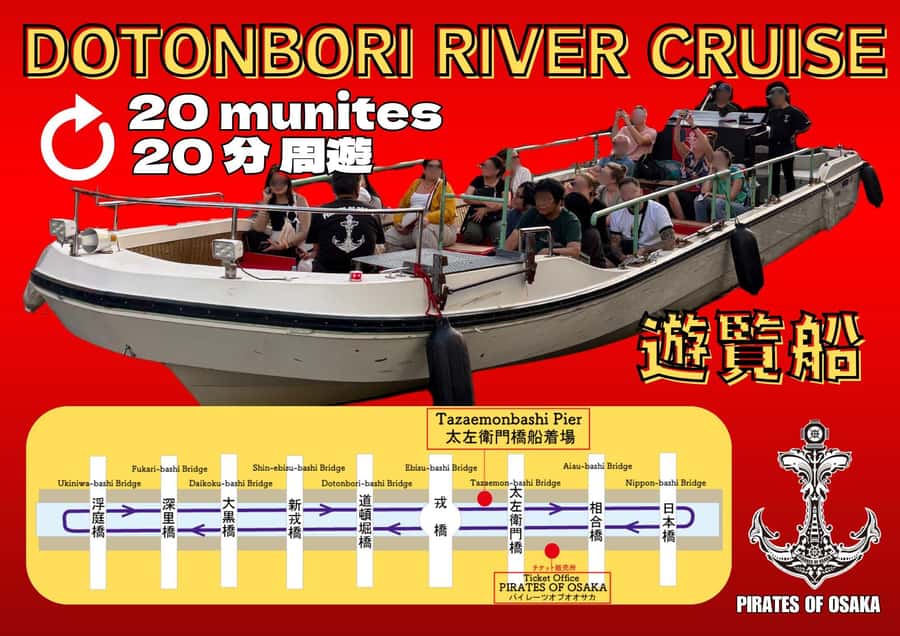
- Nine bridges in just 20 minutes along Dotonbori River
- Icon views from the water including the Glico-advertisement area
- Roof coverage for light rain and weather swings
- Upbeat music on board that makes the ride feel upbeat
- No standing during the cruise (safety rule you should plan around)
- Friendly staff and a smooth turnaround back at the start pier
Back under the Glico sign: more Dotonbori runs

Dotonbori’s bridges, viewed the easy way
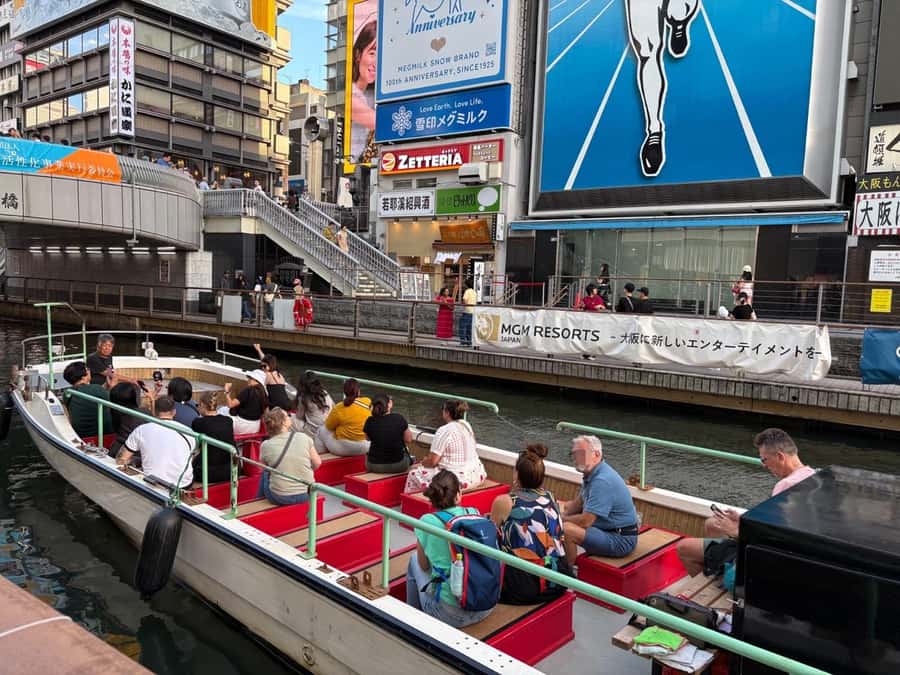
Dotonbori is one of those Osaka neighborhoods where you can feel your feet get tired fast. The streets are full, the signs are loud, and you spend more time dodging crowds than looking closely. This cruise is a relief valve. In about 20 minutes, you get the best part of Dotonbori (the sights) with less leg work.
What I like most is the “from-the-river” perspective. On foot, you see buildings head-on and bridges at a distance. From the boat, bridges rise around you and the skyline wraps differently. It’s also a nice way to reset your brain mid-day when the walking starts to feel like a chore.
At $12 per person, it’s priced like a fun add-on rather than a major tour commitment. That matters in Osaka, where you can pair it with shopping, food stops, and nearby temples without spending half a day in transit.
Where the cruise starts near Don Quijote
The cruise begins at the pier in front of Don Quijote, located between Tazaemon Bridge and Ebisu Bridge. This is good for orientation because it’s a landmark area you can spot quickly once you’re in Dotonbori.
Plan to arrive 5–10 minutes before departure. The boat typically pulls up at the pier around 10 minutes before scheduled time, so don’t show up an hour early. Just get yourself close, check you’re at the right pier, and be ready to board when the crew signals.
When you arrive, you’ll show your voucher to the staff from Pirates of Osaka. After the cruise, you return to the same meeting point. That out-and-back structure keeps logistics simple when you’re juggling other plans in the area.
The 20-minute route: bridges and landmarks in order
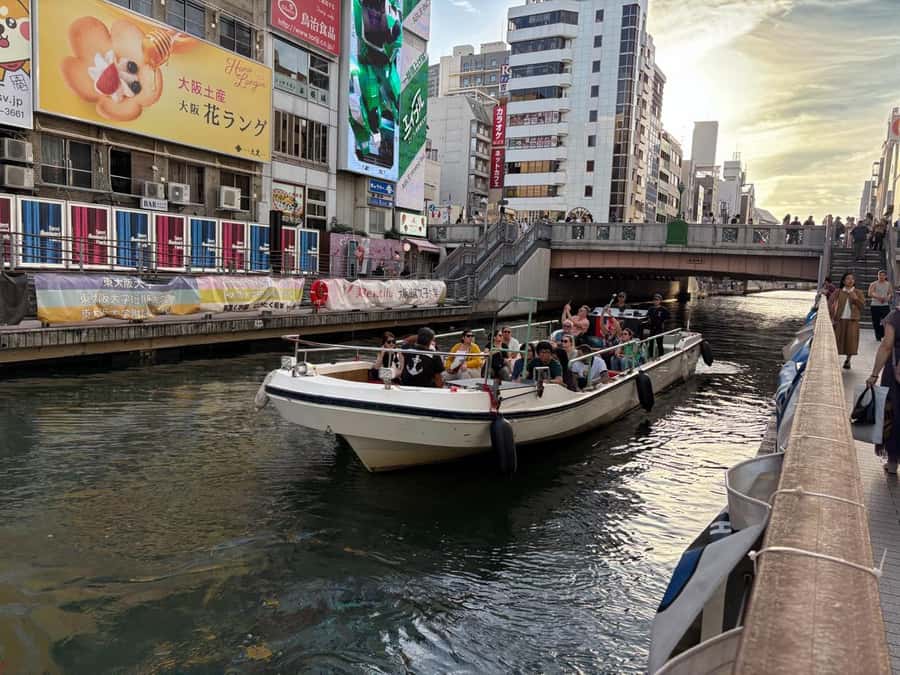
This is not a stop-and-walk cruise. It’s one continuous glide, so think of it as a moving photo frame. The “tour” part is really the route itself: you’re there to watch the river pull Osaka toward you.
Here’s how the experience flows, based on the landmarks you pass and where the boat turns:
Back on the water between the bridges
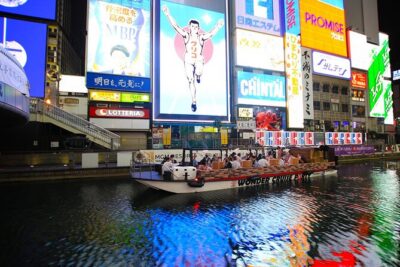
Starting stretch: Tazaemon to Ebisu area vibes
You begin near the Don Quijote pier, and early in the ride you’re already in the thick of what makes Dotonbori famous: signage, neon energy, and the compact river corridor that channels the sights. You’re close to the main action, but sitting on the water lets you see the geometry of bridges and buildings without the street-level crush.
This opening segment is great if you want photos right away. The pace is steady, and you’re less likely to miss key views while you’re still figuring out how crowded the streets are.
Nippon-bashi Bridge: Osaka’s big bridge moment
Next up is Nippon-bashi Bridge, one of the most recognizable bridge names in the area. From the boat, you get a more dramatic angle than you do from the sidewalks. The bridge texture and the way the structure frames the skyline become the visual “anchor” for the cruise.
If you’re the type who likes architecture details, this is one of the strongest moments. Even if you’ve walked around Dotonbori before, the river view makes it feel fresh.
The Glico-advertisement area: famous ads, seen differently
After Nippon-bashi, you’re in the area associated with the well-known Glico advertisements. From street level, it’s easy to see the sign as a flat statement on a wall. From the river, that whole visual zone sits in context: you see how the sign relates to the bridges, the waterline, and the surrounding buildings.
This is one of the stops people remember most because it connects the visual obsession (the giant ads) with the actual geometry of the city.
Ebisu-bashi Bridge and the Dotonbori-bashi stretch
Then you glide past Ebisu-bashi Bridge and Dotonbori-bashi Bridge. These bridges are part of the Dotonbori identity, but here’s the trick: bridges are much more interesting when you’re moving past them. The steel and stone elements change perspective every few seconds.
On foot, bridges tend to feel like “you pass it and keep going.” On water, the bridge becomes a moving backdrop. You can also catch the way pedestrians and street activity relate to the river from above, which gives you a different sense of the neighborhood’s rhythm.
The turnaround after Ukiniwa-bashi Bridge
The boat takes a turn after Ukiniwa-bashi Bridge. That turnaround matters because it gives you a second pass of the route, letting the scenery repeat from slightly different angles.
Then it’s back the way you came, returning to the pier in front of Don Quijote. For a 20-minute ride, that turnaround is what makes the experience feel complete rather than like a one-way sightseeing snippet.
Onboard comfort: room, roof coverage, and heat
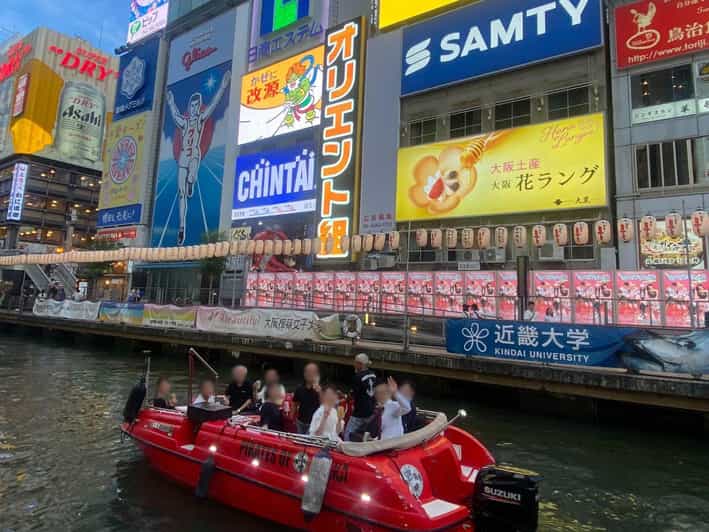
The best thing about this cruise for comfort is that it’s designed for short viewing time. Reviews often point out that there’s plenty of room on the boat, which is a big deal because most “quick” tours end up feeling cramped fast.
You’ll also appreciate the clear plastic roof, especially if the sky does that Osaka thing where it’s sunny one minute and damp the next. Even if it’s not raining hard, roof coverage can cut down on unexpected drizzle or wind.
Now the practical caution: there’s no air conditioning, and on very hot days you may feel it. One review also mentions there were no misters, so I’d treat it like an outdoors experience even if the roof helps.
My tip: if you’re going in afternoon heat, bring sunscreen and plan to hydrate before you board. Once you’re on the boat, you’ll be focused on the views, not on finding shade.
Safety rules you should know before boarding
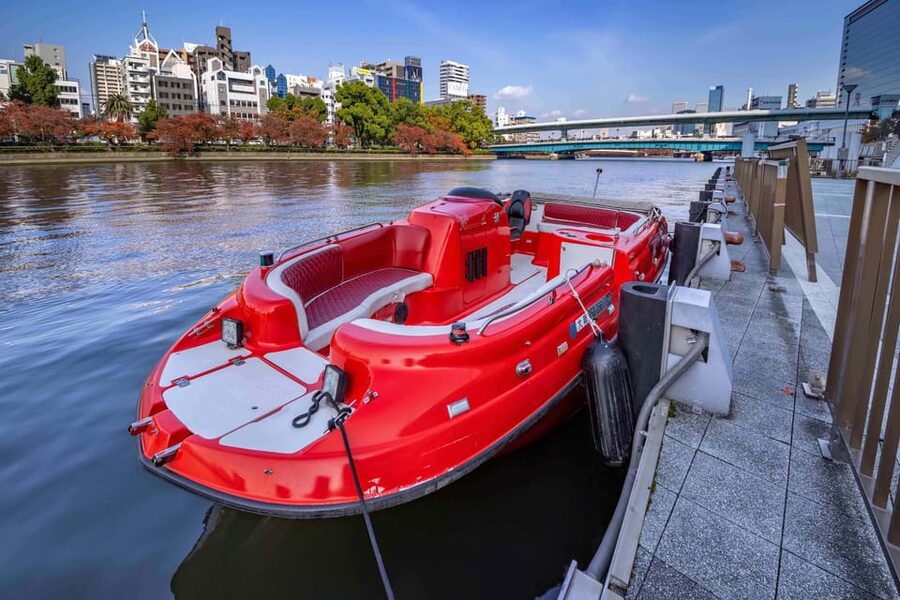
This cruise has a simple rule that affects how you experience it: you’re not allowed to stand or move around during the tour for safety reasons.
That means:
- You’ll want to settle in quickly and get your phone/camera ready before things start moving.
- If you’re tall, avoid blocking others by repositioning constantly. The ride is short, so steadiness is the best strategy.
This is one of those rules that might feel annoying at first, but it’s also why the boat can run smoothly in a busy area.
Music and the reality of onboard narration
This one varies by departure style. The cruise can feel like more of a scenic ride than an informational lecture. Some departures run without spoken commentary, and you might mainly get the view plus music.
That’s not automatically bad. A river cruise is naturally visual, and if your goal is photos and skyline watching, you’ll probably enjoy the freedom of not sitting through a long explanation.
Still, if you specifically want an English-speaking guide talking about what you’re seeing, you should treat this as a “scenery-first” activity. The language listing includes Japanese and English, so staff can communicate, but the ride may not be narrated in the way you expect from a classic walking tour.
On certain trips, you might get a lively onboard presence. One review named Stephanie as a fantastic host, and others praised a friendly captain. Even when narration is light, that kind of upbeat attitude can make a short ride feel more personal.
Price and value: is $12 a good deal for 20 minutes?
At $12 per person, this cruise sits in the sweet spot for Osaka. You’re not paying for a long half-day outing. You’re paying for the most efficient way to experience Dotonbori’s signature visuals from the river.
Here’s the value math you can use:
- If you’re already tired from walking, 20 minutes on water can feel like a reset.
- If you want a “different angle” on the same landmarks you’re seeing elsewhere, the boat delivers that quickly.
- If you’re traveling with a group, the price is low enough that it doesn’t hijack your budget.
Is it a full sightseeing tour with lots of stops and detailed history? No. It’s a short, focused ride. So it’s best when you want a quick hit of Dotonbori without turning your day into a logistics puzzle.
Who should book this cruise (and who should consider something else)
This is a great fit if you:
- Want a break from the busiest streets of Dotonbori.
- Like skyline and bridge photography.
- Prefer short experiences that don’t demand a full schedule chunk.
- Are fine with a ride that feels more like viewing plus music than a lecture.
You might want something else if you:
- Need a full narrated explanation in English for the majority of the time.
- Get uncomfortable with heat and you’re booking in peak sun hours.
- Expect lots of time to stand up, wander, or hop around for photos. The safety rule keeps you seated and steady.
Tips to make your cruise experience smoother
These are small choices that make a short ride nicer:
- Go earlier in the day or later in the afternoon if crowds make you tense. Dotonbori gets heavy in busy hours, and being on the boat doesn’t erase the area’s energy—it just puts you above it.
- Wear sunscreen and bring water if you’re going when it’s hot. The roof helps with light weather, not with heat.
- Charge your phone before you board. The “best” shots happen fast when the bridges line up.
- Have your voucher ready before you reach the staff at the pier so boarding moves quickly.
If you’re the kind of traveler who likes simple, reliable experiences, this one is straightforward: get on, enjoy the visuals, and get back.
Should you book the Osaka Dotonbori Bridges cruise?
Book it if you want a low-effort way to experience Osaka’s Dotonbori icons from a new angle in a short time window. The combination of bridge views, the Glico-advertisement area, and the fact that you’re getting a break from walking makes it a solid value at $12.
Skip it (or look for a different kind of tour) if you’re expecting a long guided explanation with lots of narration and time to move around. Also, if you’re extremely heat-sensitive, plan your timing carefully since there’s no air conditioning.
For most people, this works best as a “connective tissue” activity: it slots neatly into a day already centered on Dotonbori.
FAQ
How long is the Dotonbori bridges cruise?
The cruise is 20 minutes long.
Where do I meet for the cruise?
You start at the pier in front of Don Quijote, between Tazaemon Bridge and Ebisu Bridge. Arrive 5–10 minutes before departure.
Do I need to bring food or drinks?
Food and drinks are not included, so plan accordingly.
Will there be an English-speaking guide?
The activity lists Japanese and English as available languages, but the experience may not be narrated in a detailed way during the ride. If you want heavy commentary, you should plan for a scenery-first experience.
What if it rains?
The boat has a clear plastic roof, which can help in light rain or bad weather.
Can I reserve now and pay later?
Yes. The experience offers a reserve & pay later option, so you can book without paying immediately.
More Tour Reviews in Osaka
- Osaka Go Karting Tour with Funny Costume★ 5.0 · 2,658 reviews
- Osaka Castle: Museum and Tower Entry Ticket★ 4.5 · 2,380 reviews
- Osaka: Shinsekai Food Tour with 13-15 Dishes at 5 Eateries★ 4.8 · 2,204 reviews
- Osaka Food Tour: 13 Dishes at 5 Local Eateries★ 5.0 · 2,149 reviews
- Hungry Osaka Street Food Tour:15 Tastings & 3 Drinks with a Local★ 5.0 · 1,727 reviews
Between the Bridges: More Cruises
- Osaka: Dotonbori District River Cruise with Drink Discount★ 4.2 · 876 reviews
- Osaka: Dotonbori River Cruise with Glico Sign & Neon Views★ 4.7 · 376 reviews
- Osaka Afternoon Walking Tour with Osaka River Cruise★ 3.5 · 42 reviews
- Osaka Dotonbori Wonder Cruise★ 4.0 · 28 reviews
- Osaka 1 Day Walking Tour with River Cruise from Osaka or Kyoto★ 4.5 · 16 reviews
Dotonbori and Namba, Round Two
- Osaka Local Foodie Walking Tour in Dotonbori and Shinsekai★ 5.0 · 985 reviews
- Osaka: Dotonbori District River Cruise with Drink Discount★ 4.2 · 876 reviews
- Ultimate Osaka Walking Tour: Castle, Dotonbori & Hidden Gems★ 5.0 · 862 reviews
- Tea Ceremony Experience in Osaka Doutonbori★ 5.0 · 754 reviews
- Osaka: Namba Pub Bar Crawl with a Local Guide★ 4.9 · 424 reviews
The Newest Osaka Write-Ups
- Private Photoshoot in Osaka with a Professional Photographer
★ 5.0 · 3 reviews - Osaka Early Morning Osaka Castle Tour Avoid Crowds
★ 5.0 · 3 reviews - Nara Private Tour with Pick and Drop and English Speaking Driver
★ 3.5 · 3 reviews - Osaka: Modern Vegetarian Sushi Cooking Class
★ 5.0 · 3 reviews - Nara Day Trip from Osaka with a Licensed Guide
★ 5.0 · 3 reviews
Dotonbori & Namba Tours, compared.
 ★ 5.0Osaka Local Foodie Walking Tour in Dotonbori and ShinsekaiFrom $111985 reviews
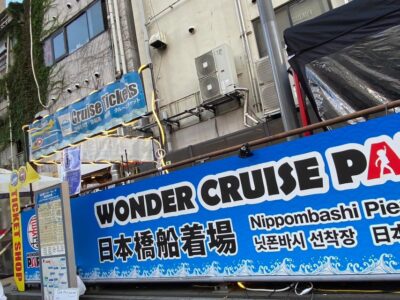 ★ 4.2Dotonbori District River Cruise with Drink DiscountFrom $12876 reviews
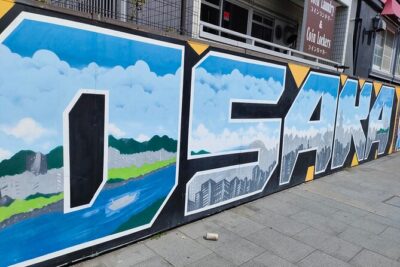 ★ 5.0Ultimate Osaka Walking Tour: Castle, Dotonbori & Hidden GemsFrom $73862 reviews
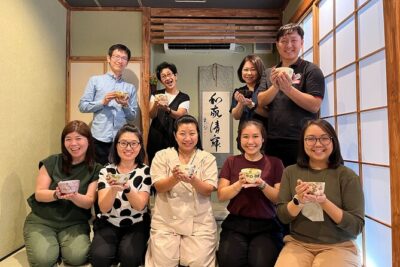 ★ 5.0Tea Ceremony Experience in Osaka DoutonboriFrom $20754 reviews
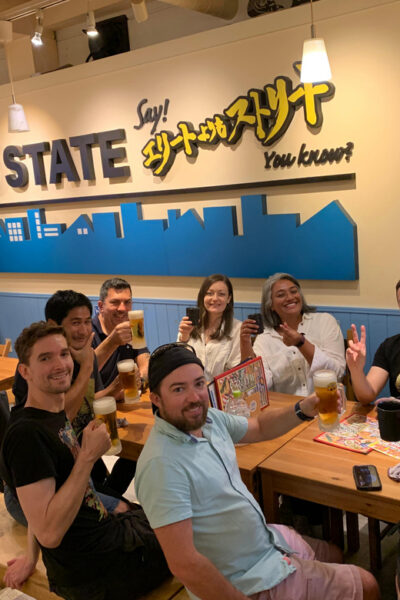 ★ 4.9Namba Pub Bar Crawl with a Local GuideFrom $30424 reviews
 ★ 5.0Ramen and Gyoza Cooking Class in DotonboriFrom $70378 reviews
Dotonbori River Cruise with Glico Sign & Neon ViewsFrom $12376 reviews
★ 5.0Ramen and Gyoza Cooking Class in DotonboriFrom $70378 reviews
Dotonbori River Cruise with Glico Sign & Neon ViewsFrom $12376 reviews
 ★ 4.9Roll and Authentic Sushi Making Class in DotonboriFrom $45239 reviews
Browse the lists this tour appears in