
Reviewed · DOTONBORI & NAMBA TOURS
Ultimate Osaka Walking Tour: Castle, Dotonbori & Hidden Gems
Neon, noodles, and old castles start here. This walking route ties together Osaka Castle Park, Amemura, Dotonbori, Kuromon Market, and Shinsekai in a way that feels like one city—not five separate checklists. I especially like that you do not enter Osaka Castle, but you still get the context around why it mattered in Japan’s 1500s samurai era.
I also love the food focus. You get Osaka-style street food for lunch plus time around Kuromon Market, so you’re not just looking at signs—you’re eating like locals. The one consideration is that it’s a real walking day with two short train rides and a pace that can run to roughly 15,000 steps, so plan for it.
In This Review
- Key things I’d circle before you book
- Osaka Castle Park start: history without the entry line
- Amemura and Shinsaibashi-suji: youth culture meets centuries-old shopping
- Dotonbori Tsuribori: canal neon, then quiet lanes by lantern light
- Kuromon Market: Osaka’s Kitchen and the lunch break you’ll actually remember
- Shinsekai and Tsutenkaku: pre-war nostalgia for one strong ending
- Pace, train rides, and what to bring so the day feels easy
- Price and value: why this day costs about $73
- Who this Osaka day is best for
- Should you book this walking tour of Osaka Castle, Dotonbori, and Shinsekai?
- FAQ
- Is Osaka Castle included in this tour?
- How long is the walking tour?
- Is lunch included, and what is it like?
- Can the lunch be adapted for vegan or gluten-free diets?
- Are train fares included?
- Is hotel pickup included?
- Where does the tour start and end?
- What’s the group size?
- Do I need good weather for this to run?
- Is filming allowed during the tour?
- Can I get a full refund if my plans change?
Key things I’d circle before you book
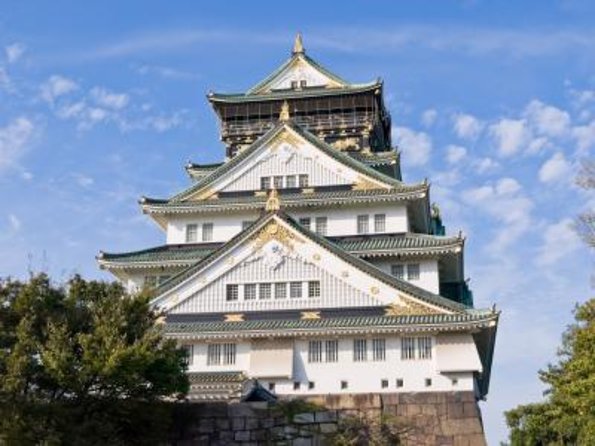
- View-first Osaka Castle plan: no entry tickets needed; you’ll learn the history while seeing the fortress area from the outside
- Street style and old-school shopping in one line: Amemura and Shinsaibashi-suji connect youth culture to centuries of retail
- Dotonbori plus Hozenji off the main drag: canal sights, then lantern-lit lanes like Hozenji Yokocho
- Kuromon Market lunch timing: Osaka’s Kitchen nickname fits the experience, with lots of food energy nearby
- Real walking, small groups: max 11 people, and it’s common to hit a big step count even at a relaxed pace
- Guides who bring the city to life: names you may see include Tim, Kenzo, Scott, Adam, Andy, Alex, and Daniel—praised for how they explain culture and keep things fun
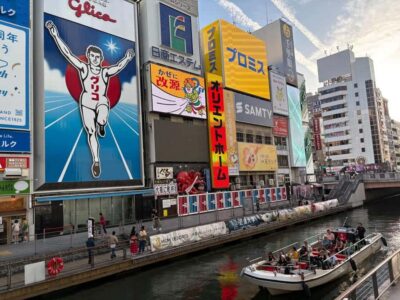
Back under the Glico sign: more Dotonbori runs


Osaka Castle Park start: history without the entry line
The day begins at Ōsakajōkōen Station, right by Osaka Castle Park. The tour frames the castle as a key player in Japan’s unification period during the 1500s samurai era. That matters because Osaka isn’t just a food-and-shopping city. It has a political spine too, and this first stop gives you that backbone fast.
What I like here is the practical choice: you do not enter Osaka Castle. You skip tickets and the time sink of queues, yet you still get to orient yourself. From the park area, you can get those classic fortress views, then roll straight into more human-scale neighborhoods.
You’re also set up for a good walking rhythm early. The tour isn’t a sprint of short “photo only” moments. It’s built for moving between areas, with the guide filling in why each place looks the way it does and how it fits into Osaka’s story.
If you’re the type who hates wasting half a day waiting for timed-entry plans, this is a relief. You get the meaning of Osaka Castle without turning the whole trip into one long line.
Amemura and Shinsaibashi-suji: youth culture meets centuries-old shopping
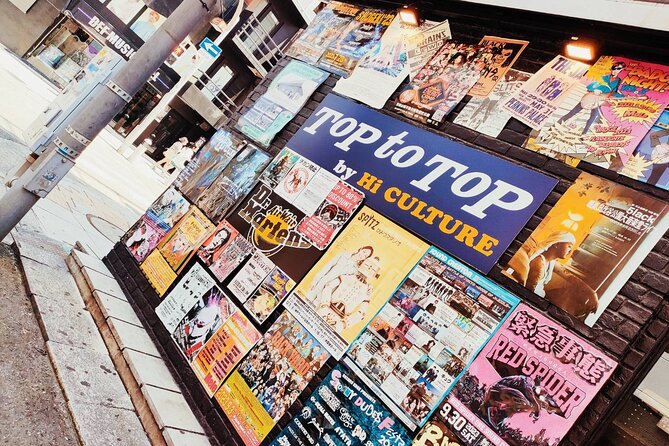
From Osaka Castle, you shift into neighborhoods that feel very “current Osaka.” First up is America-mura (Amemura), a maze of narrow streets tied to youth culture. Think shops focused on urban apparel and the kind of fashion that tracks hip-hop and street style trends.
Then you walk into Shinsaibashi-suji Shopping Street, a covered street that’s been important for shopping for around 400 years. It’s about 600 meters long, packed with shops, and the cover is handy for sun or sudden rain. Even if you don’t plan to buy much, this stretch helps you understand how Osaka shops: fast, practical, and designed for walking.
This part of the tour is also a good reset. It’s less about formal sights and more about daily life. You’ll see Osaka’s commercial rhythm up close, and the guide will help connect it to the city’s broader identity—old trade patterns alongside newer youth culture.
One small detail that makes this work: the stops are short enough that you don’t feel trapped indoors. You get a taste, you move on, and you keep your energy for the food-and-lantern sections later.
Dotonbori Tsuribori: canal neon, then quiet lanes by lantern light
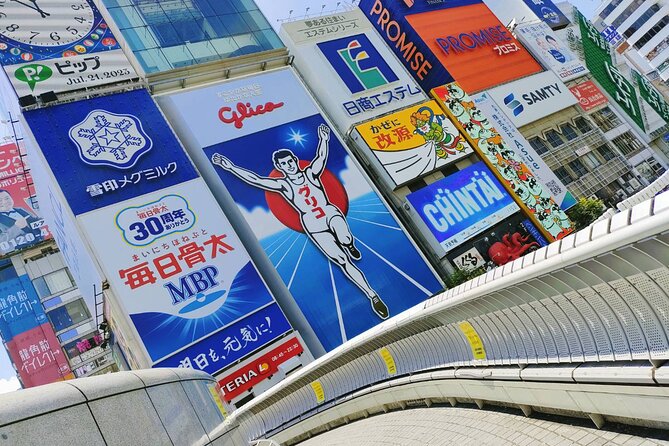
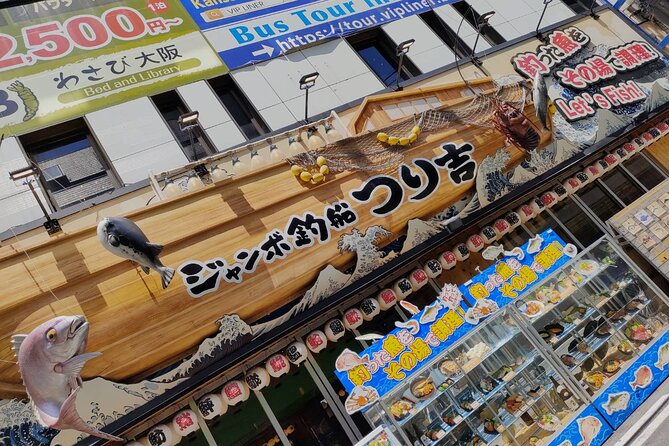
Dotonbori is the Osaka you’ve probably seen in photos—neon, a canal, and the feeling that night is always nearby. The tour’s Dotonbori Tsuribori stop keeps you right in the action along the canal area, with classic street-food energy and a retro vibe.
But the smart move is what comes next. Instead of staying glued to the biggest crowds, you head toward Hozenji Yokocho, a narrow alley where the old atmosphere survives: traditional lanterns and cobblestone paths. This is exactly the kind of contrast that makes Osaka interesting. Big signs and big flavors nearby, then a small alley that feels like a different tempo.
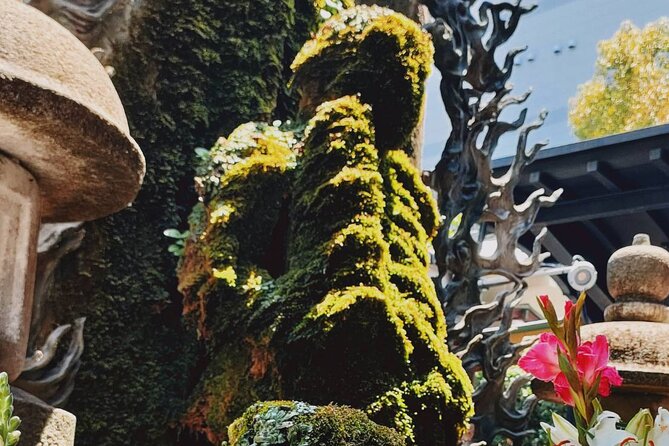
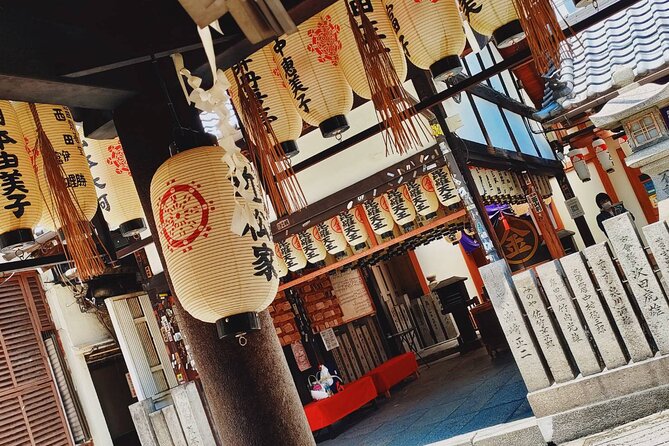
Right off that alley you also visit Hozen-ji Temple, a small Buddhist temple built in the 17th century. It’s dedicated to Fudo Myoo, one of Buddhism’s five wisdom kings. The guide connects the temple to the surrounding streets so it doesn’t feel like a random detour.
Practical tip: wear shoes you can move in comfortably. This area is easy to wander through, and the tour’s goal is to let you slow down for alley photos and temple moments without holding you up for long.
Osaka block by block, more routes on foot

Kuromon Market: Osaka’s Kitchen and the lunch break you’ll actually remember
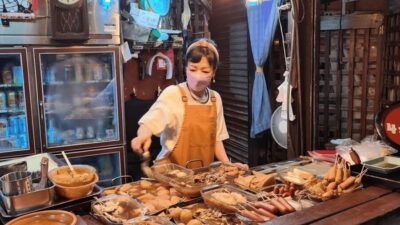
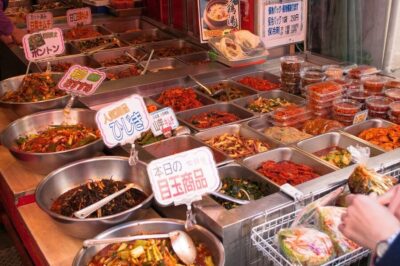
Kuromon Market is often called Osaka’s Kitchen, and on this tour it earns the nickname. The market is covered and has been around for more than 200 years, so you’re stepping into a long-running food tradition rather than a modern theme spot.
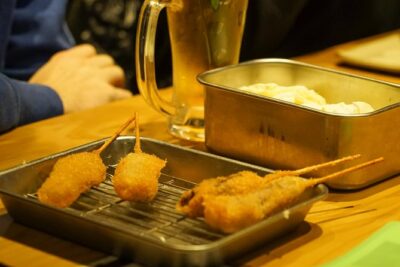
Time here matters. You’re in the part of the day when your appetite is real, not just theoretical. The tour includes a complimentary lunch at a local restaurant with Osaka-style street food and a drink. It’s a big part of the value because it saves you from making last-minute decisions when you’re already tired from walking.
Two important notes so you’re not surprised:
- Vegan and gluten-free cannot be catered for at lunch, so plan around that when you choose this day
- Attraction tickets are not part of the deal, so the lunch and market time are the core payoff here
At Kuromon, you’ll get that sensory overload—smells, displays, and the feeling that everyone is here for a quick edible mission. If you like food markets, this stop will land. If you don’t, focus on the guide’s explanations of what you’re seeing and how Osaka cooks and snacks day to day.
One more perk from the style of guiding: English explanations tend to be practical. Instead of big lectures, you get context you can use while deciding what to eat next.
Shinsekai and Tsutenkaku: pre-war nostalgia for one strong ending
After the food and lanes, the tour moves into Shinsekai, a district developed before World War II. The main symbol here is Tsutenkaku Tower, and it’s the kind of marker that instantly tells you you’ve arrived in a specific Osaka mood—nostalgia-heavy, quirky, and made for wandering.
The tour stop is short, around 30 minutes, so treat it as a chance to soak in the vibe, snap a few photos, and understand the district’s place in Osaka’s self-image. You’re not stuck in a museum timeline. You’re walking streets that still feel like they belong to an older poster version of the city.
If you have extra time afterward, Shinsekai is a good place to extend your walk on your own. You’ll already understand what you’re looking at, because the guide has framed why this part of Osaka exists.
And because the tour ends in a different location, you’ll want to think ahead about your next plan—either dinner nearby or an easy route back to where you’re staying.
Pace, train rides, and what to bring so the day feels easy
This tour is mainly on foot, with two short train rides. The train fares are not included (it lists ¥240 and ¥190). That means you’ll want some cash or a transit-ready payment method. Also, plan for the tour to run in the 5–7 hour range depending on the option you select.
The walking level is moderate, but it can still feel like a full day. One of the most common pieces of guidance from the experience: it can reach about 15,000 steps by the end. That doesn’t mean you’ll be running. It means the route adds up.
What helps:
- Comfy shoes. Seriously. This is a “wear them all day” kind of itinerary.
- A light layer. Osaka weather can switch quickly, and the tour requires good weather. If it’s canceled due to poor weather, you’ll get another date or a full refund.
- Stay flexible. The guide will manage the flow so you’re not stuck waiting, but this is a walking-first experience.
Group size is capped at 11, and you can book private or group. A smaller group usually makes it easier to ask questions and keep everyone moving.
One style detail I like: several guides, including Tim, Kenzo, Scott, and Adam, are praised for being friendly and approachable. That matters if you’re traveling solo and want help feeling comfortable in a new city.
Also note: filming is not permitted during the tour, so keep your camera habits low-key.
Price and value: why this day costs about $73
At $73.29 per person, you’re paying for a guided route that connects major Osaka highlights with less obvious alley streets. The math gets better because some big-ticket “time costs” are handled for you:
- A guide who sets context at each stop (why the castle mattered, why the neighborhoods look the way they do)
- A lunch included with Osaka-style street food and a drink
- A structure that uses walking efficiently, so you don’t lose hours figuring out transitions
What’s not included:
- Train fares (¥240 and ¥190 are listed)
- Tickets to any attractions
- Any special dietary accommodations at lunch (vegan and gluten-free cannot be catered for)
So this isn’t a “cheap eats” tour. It’s a pay-for-your-time day that trades some money for less hassle, better pacing, and a clearer Osaka route.
If you’re only in town for a short window (even two days), this kind of guided framework can be a lifesaver. You don’t have to build a route from scratch, and you end the day with a sense of how the city’s different sides connect.
Who this Osaka day is best for
This tour fits best if you want:
- A single-day introduction that covers both famous and lesser-known streets
- A walking day with explanations focused on culture and everyday life, not just monuments
- Street food time with a real lunch stop at a local restaurant
It’s also a good pick for families with older kids and teens, since the walking pace is described as leisurely by some guides, not frantic.
If you’re someone who hates public transit transfers, remember there are two train rides. The route is still manageable, but you should be okay with that.
And if you have strict dietary needs (vegan or gluten-free), this might not match your lunch requirements.
Should you book this walking tour of Osaka Castle, Dotonbori, and Shinsekai?
I’d book it if you want a well-shaped day that covers big Osaka nameplates plus alley streets, and you value having a guide connect the dots. The best parts here are the combination: no castle entry needed, food that’s actually built into the schedule, and stops like Hozenji Yokocho and Hozen-ji Temple that add atmosphere beyond the neon.
Skip it if you:
- Need vegan or gluten-free lunch accommodations
- Want minimal walking, or you’re not up for about 15,000 steps
- Expect to buy attraction tickets or expect Osaka Castle interior access (this is view-and-story, not entry)
If you do book, I’d go in thinking: shoes first, appetite second, questions always. With guides like Tim, Kenzo, Scott, and Adam often leading the way, the day tends to feel more like a guided neighborhood stroll than a checklist march.
FAQ
Is Osaka Castle included in this tour?
No. You do not enter Osaka Castle. The stop is for seeing the castle area and learning its history.
How long is the walking tour?
You can choose hours of 5, 6, or 7 hours.
Is lunch included, and what is it like?
Lunch is included. It features Osaka-style street food with a drink at a local restaurant.
Can the lunch be adapted for vegan or gluten-free diets?
No. Vegan and gluten-free cannot be catered for at lunch.
Are train fares included?
No. The tour includes two short train rides, and fares are not included (listed as ¥240 and ¥190).
Is hotel pickup included?
Pickup is offered, but hotel pickup is not offered for group tours. (Check the option you book.)
Where does the tour start and end?
It starts near Ōsakajōkōen Station 3, Osaka. The tour ends in a different location, with details provided at booking.
What’s the group size?
The tour has a maximum of 11 travelers.
Do I need good weather for this to run?
Yes. The experience requires good weather. If it’s canceled due to poor weather, you’ll be offered a different date or a full refund.
Is filming allowed during the tour?
No. Filming of the tour is not permitted.
Can I get a full refund if my plans change?
Yes. You can cancel up to 24 hours in advance for a full refund. Cancellation within 24 hours of the start time is not refunded.
More Tour Reviews in Osaka
- Osaka Go Karting Tour with Funny Costume★ 5.0 · 2,658 reviews
- Osaka Castle: Museum and Tower Entry Ticket★ 4.5 · 2,380 reviews
- Osaka: Shinsekai Food Tour with 13-15 Dishes at 5 Eateries★ 4.8 · 2,204 reviews
- Osaka Food Tour: 13 Dishes at 5 Local Eateries★ 5.0 · 2,149 reviews
- Hungry Osaka Street Food Tour:15 Tastings & 3 Drinks with a Local★ 5.0 · 1,727 reviews
Osaka at Street Level
- Osaka Local Foodie Walking Tour in Dotonbori and Shinsekai★ 5.0 · 985 reviews
- Osaka: Deep Backstreets Walking Tour with Dinner Option★ 4.9 · 902 reviews
- Osaka: Main Sights and Hidden Spots Guided Walking Tour★ 4.9 · 702 reviews
- Private Osaka Walking Tour: Highlights & Hidden Gems★ 5.0 · 569 reviews
- Osaka Castle Walking Tour and Castle Tower Admission★ 5.0 · 561 reviews
Dotonbori and Namba, Round Two
- Osaka Local Foodie Walking Tour in Dotonbori and Shinsekai★ 5.0 · 985 reviews
- Osaka: Dotonbori District River Cruise with Drink Discount★ 4.2 · 876 reviews
- Tea Ceremony Experience in Osaka Doutonbori★ 5.0 · 754 reviews
- Osaka: Namba Pub Bar Crawl with a Local Guide★ 4.9 · 424 reviews
- Osaka: Ramen and Gyoza Cooking Class in Dotonbori★ 5.0 · 378 reviews
The Newest Osaka Write-Ups
- Private Photoshoot in Osaka with a Professional Photographer
★ 5.0 · 3 reviews - Osaka Early Morning Osaka Castle Tour Avoid Crowds
★ 5.0 · 3 reviews - Nara Private Tour with Pick and Drop and English Speaking Driver
★ 3.5 · 3 reviews - Osaka: Modern Vegetarian Sushi Cooking Class
★ 5.0 · 3 reviews - Nara Day Trip from Osaka with a Licensed Guide
★ 5.0 · 3 reviews
Dotonbori & Namba Tours, compared.
 ★ 5.0Osaka Local Foodie Walking Tour in Dotonbori and ShinsekaiFrom $111985 reviews
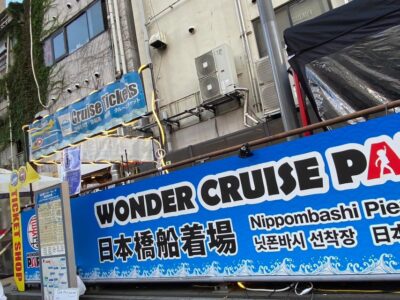 ★ 4.2Dotonbori District River Cruise with Drink DiscountFrom $12876 reviews
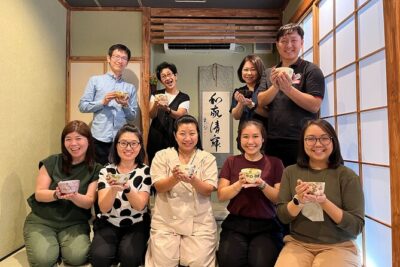 ★ 5.0Tea Ceremony Experience in Osaka DoutonboriFrom $20754 reviews
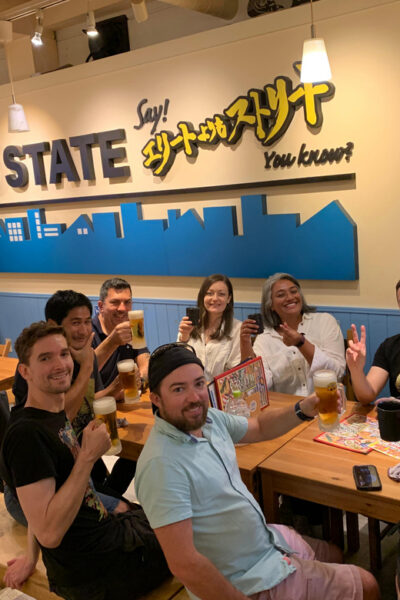 ★ 4.9Namba Pub Bar Crawl with a Local GuideFrom $30424 reviews
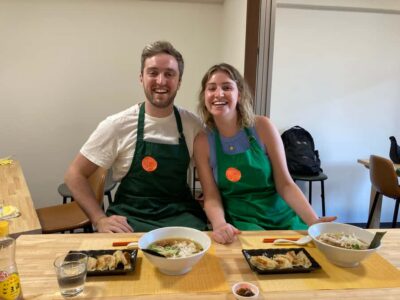 ★ 5.0Ramen and Gyoza Cooking Class in DotonboriFrom $70378 reviews
Dotonbori River Cruise with Glico Sign & Neon ViewsFrom $12376 reviews
★ 5.0Ramen and Gyoza Cooking Class in DotonboriFrom $70378 reviews
Dotonbori River Cruise with Glico Sign & Neon ViewsFrom $12376 reviews
 ★ 3.9Dotonbori’s Bridges 20-Minute CruiseFrom $12303 reviews
 ★ 4.9Roll and Authentic Sushi Making Class in DotonboriFrom $45239 reviews
Browse the lists this tour appears in