

Reviewed · OSAKA TEA CEREMONY & MATCHA
Osaka: Nara, Todaiji, Uji Matcha, and Hot Spring Tour
One day, three temple moods. I like how this tour strings together Nara Park deer time, the jaw-drop scale of Tōdai-ji, and then a calmer reset in Genji-no-Yu hot springs. You also get a proper Uji stop for matcha culture, not just a quick photo break.
The two standout wins for me are the variety (big Buddha to shrine walking to tea to soaking) and the fact it’s organized with round-trip transport from Osaka plus a multilingual guide. One thing to consider: it’s a full 8–9 hour day with several fixed time windows, and some entry tickets and food are not included, so you’ll want to plan for extras and wear shoes that can handle long walking.
In This Review
- Quick hits before you go
- Osaka to Nara to Uji in One Long Day
- Nara Park deer time and Tōdai-ji Great Buddha scale
- Kasuga-taisha: a shrine stop that breaks up the temple intensity
- Uji matcha tea-house break and Byodo-in Phoenix Hall
- Genji-no-Yu hot springs: the reset you’ll feel in your legs
- Price and logistics: where the $81 really goes
- What to wear and bring for a smooth Nara + Uji day
- Who should book this Osaka-to-onsen style day
- Should you book this tour?
- FAQ
- What time does the tour start?
- How long is the experience?
- Where do I meet the guide?
- Is round-trip transportation from Osaka included?
- Is food included?
- Are entrance tickets for Tōdai-ji included?
- Are entrance tickets for Kasuga-taisha included?
- Is Uji matcha tea included?
- Do I need to pay for the hot spring at Genji-no-Yu?
- Can unaccompanied minors join?
- Are visible tattoos allowed?
Quick hits before you go
- Nara Park deer on your schedule: you get a set block of time in the park where deer roam freely
- Tōdai-ji Great Buddha scale: a major focus, with the Daibutsu statue noted as about 15 meters tall
- Kasuga-taisha shrine stop: a Shinto break dedicated to Futsunushi no Mikoto, tied to the Fujiwara clan
- Uji matcha tea-house time: you’ll have a chance to savor green tea during your Uji visit
- Genji-no-Yu hot springs included time: indoor and outdoor baths at a facility named after The Tale of Genji
Another bowl whisked slowly in Osaka
Osaka to Nara to Uji in One Long Day
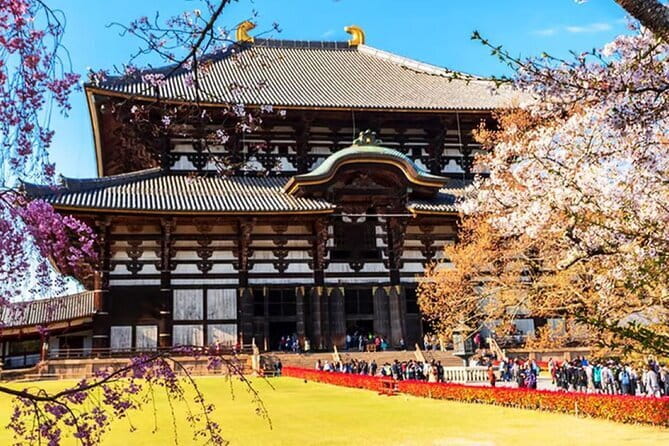
This is the kind of trip that makes sense if you want classic sights without fiddling with trains and transfers all morning. You start in Osaka at 8:30 am, head out by an air-conditioned vehicle with a multilingual guide and driver, and you’re back to your meeting point before the day ends. With a small maximum group size (up to 15), the pace feels more manageable than the mega-bus tours.
The best part of the format is that it mixes “see it once” moments with “slow down and feel human again” time. Nara and Uji can each eat up a whole day on their own, but here you get highlights in one ticket price—then you finish with a hot spring soak to take the edge off all the walking.
Do keep expectations realistic, though. You’re moving through multiple locations with set durations, and in cold weather that can make the day feel like a lot. If you’re the type who needs plenty of buffer time to linger, you may feel slightly rushed.
Nara Park deer time and Tōdai-ji Great Buddha scale
Nara Park is your first stop, and it’s popular for a reason: it’s known for free-roaming, protected sacred deer. You’ll have about 1 hour 20 minutes there, which is enough time to enjoy the atmosphere and take photos without turning it into a whole-day commitment.
From there, you head to Tōdai-ji Temple. This is the heavyweight stop. The Great Buddha (Daibutsu) statue is described as a massive bronze figure of Vairocana Buddha, roughly 15 meters tall, housed inside the temple complex. Even if you’re not a temple-history person, the sheer scale tends to hit you fast. This is also a UNESCO World Heritage Site, so you’re standing in one of Japan’s big cultural landmarks.
Timing matters here. You only get about 40 minutes at Tōdai-ji, and the temple grounds are wide enough that “40 minutes” can feel shorter than you’d think once you factor in moving between key areas. I’d treat this stop like a guided highlights walk: you’ll see the central sights, but it’s not the kind of visit where you can wander for hours.
Also note a practical point: the entrance ticket for Tōdai-ji is listed as not included. So plan to pay at the site (or be ready with whatever payment method your guide directs). On a long day, having your tickets handled smoothly helps you lose less time.
Kasuga-taisha: a shrine stop that breaks up the temple intensity
After the Big Buddha, you shift gears to Kasuga-taisha, a famous Shinto shrine founded in the 8th century. It’s dedicated to Futsunushi no Mikoto, described here as the protector of the Fujiwara clan. This stop is shorter—around 40 minutes—but it works as a palette cleanser after the heavy Buddhist setting.
What I like about including Kasuga-taisha in the same day is that it gives you a broader sense of what Nara offers. You’re not repeating the same kind of scenery over and over. Instead, you get a different spiritual style and a different vibe, which makes the day feel more varied.
As with Tōdai-ji, the entrance ticket for Kasuga-taisha is listed as not included. So again, you’ll want a little flexibility in your budget for site fees beyond the base price.
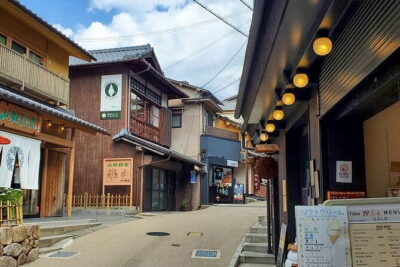
Ease into somewhere warm, more soaks and spas
Uji matcha tea-house break and Byodo-in Phoenix Hall
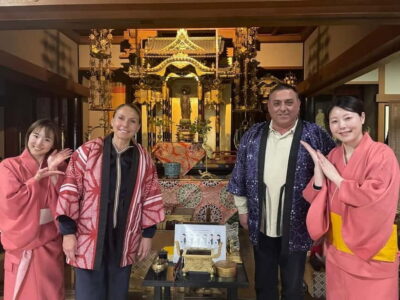
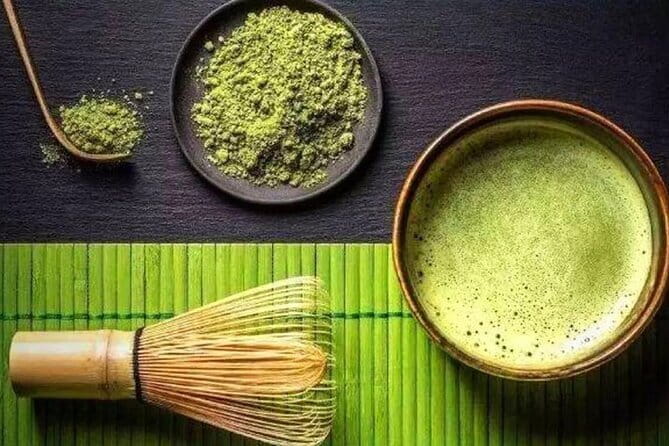
Now you’re heading to Uji, a city strongly associated with high-quality matcha. The tour’s Uji time is built around tea culture: you visit traditional tea houses and savor a cup of rich green tea. This is one of those “simple” moments that’s actually valuable, because you slow down and taste something that the region is known for—not just see it.
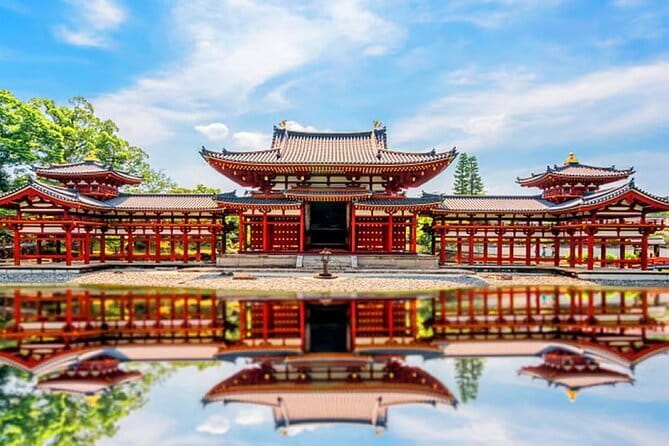
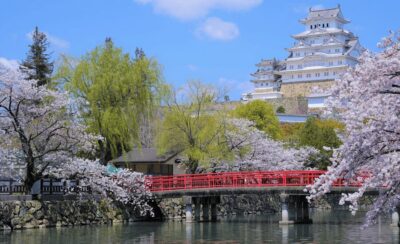
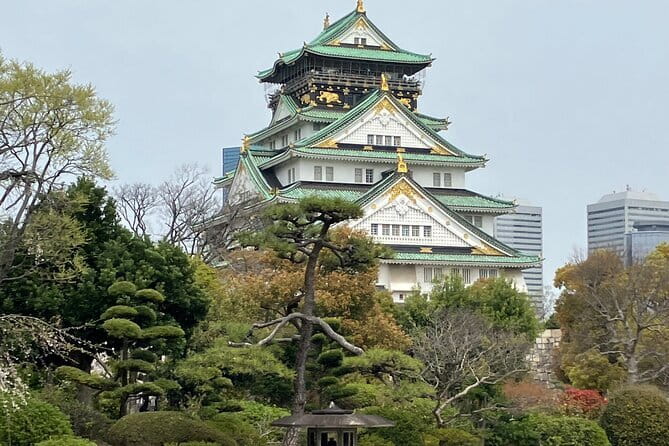
You’ll also visit Byodo-in Temple, a UNESCO World Heritage Site, famous for its Phoenix Hall. If Tōdai-ji is about scale, Byodo-in is more about composition and atmosphere—an iconic sight that many people come specifically to see. The UNESCO tag isn’t just marketing; it signals that the location has long-term cultural importance, not just tourist popularity.
You should also be ready for the fact that some Uji-related extras aren’t included. The Byodo-in Temple and the Tale of Genji Museum are listed as not included, and the tour description also references them as part of the Uji experience set. In other words: you get the core highlights, but you may want to pay for optional add-ons depending on what your day’s schedule allows.
Genji-no-Yu hot springs: the reset you’ll feel in your legs
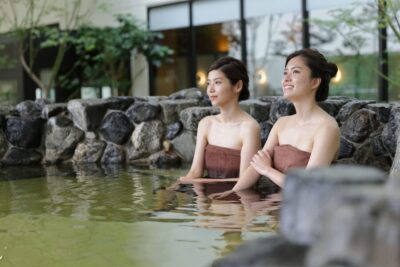
The day ends with a hot spring break at Uji Natural Hot Spring Genji-no-Yu, a facility described as offering natural, soothing baths and benefits that help you relax. It’s also named after The Tale of Genji, which gives the onsen a little extra cultural flavor beyond “we’re just soaking because we can.”
You get substantial time here (with multiple time blocks listed around the Genji-no-Yu stop). The baths include indoor and outdoor options, which matters because you can choose your comfort level. If you’re visiting in cooler weather, the outdoors (when it’s comfortable for you) can feel extra rewarding after a day of walking.
A practical note: the hot spring admission is mentioned as an extra around $10. The stop details show both “free” and “included” markers for different segments, so the cleanest move is to double-check what your exact booking includes for Genji-no-Yu admission. Either way, you’ll want a little cash budget for site fees because multiple other attractions are not included.
Price and logistics: where the $81 really goes
At $81 per person, this tour is mostly paying for three big things:
1) round-trip transportation from Osaka,
2) an air-conditioned vehicle,
3) a multilingual guide and driver.
That’s real value if you’d otherwise need to coordinate trains, transfers, and timing between Nara and Uji.
What’s not included is where you’ll see the add-ons. Food and drinks are not included. Entrance tickets for key stops like Tōdai-ji and Kasuga-taisha are not included, and Byodo-in and the Tale of Genji Museum are also not included. The hot spring admission may be about $10, depending on how your exact booking is set.
So the best way to think about the cost is: you’re buying the “organized day” plus transport and guidance, and then you top up with tickets and personal spending. If you arrive ready (tickets budget + snack budget), the value feels solid.
One more logistics detail that matters: it starts at 8:30 am and runs about 8 to 9 hours total including transit. That’s a long day. If you’re tempted to cancel because you hate early mornings, remember that starting earlier also means you’re likely to spend fewer hours stuck in slow-moving crowds later.
What to wear and bring for a smooth Nara + Uji day
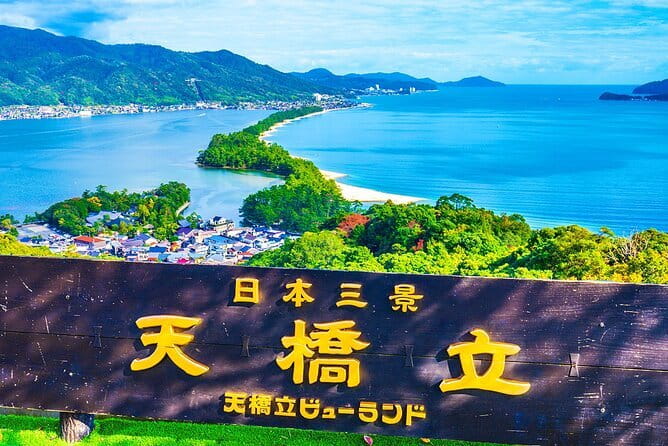
This is a walking-heavy day. Even without going off on your own, multiple temple and shrine zones take time. I strongly recommend comfortable, supportive shoes, ideally ones you can wear for long stretches without your feet complaining.
Layering helps too. The tour notes suggest cold weather can make long stops feel tough, which is exactly the scenario where a hot spring at the end feels like a prize.
Bring a small buffer in your budget for:
- entrance tickets you’ll pay on-site (Tōdai-ji, Kasuga-taisha, Byodo-in, and the museum, depending on what you visit),
- food and drinks,
- the possible Genji-no-Yu bath admission around $10,
- any personal shopping (matcha purchases, souvenirs, extra tea, etc.), since personal expenses aren’t included.
Also check your personal situation before booking: visible tattoos are not allowed, and unaccompanied minors aren’t permitted. If that affects you, you’ll want a different type of tour.
Who should book this Osaka-to-onsen style day

This tour fits best if you want a guided highlights day across two of Japan’s most visit-worthy areas: Nara and Uji. It’s also a good match if you like variety more than deep-dive time.
I think it’s especially appealing for families with kids because the deer park and the big Buddha offer immediate “wow” moments, and the hot spring gives adults a chance to relax after the sightseeing.
On the other hand, if you’re the kind of traveler who wants slow, quiet time at one location (instead of hitting multiple stops), you may find the schedule tight. The best approach is to go in knowing the guide is keeping the day on track, so you can’t count on extra wandering time at every stop.
Should you book this tour?
I’d book it if you want an efficient, guide-led day that covers Nara Park deer time, Tōdai-ji’s Great Buddha, a shrine stop at Kasuga-taisha, Uji matcha and Byodo-in Phoenix Hall, and then a genuine hot spring soak at Genji-no-Yu. The day feels designed for people who want multiple “headline” experiences without planning every transport detail.
I wouldn’t book it if you’re expecting food to be fully handled for you or you dislike adding entrance fees and personal spending on the spot. Also skip it if you need tons of free time at each major site, because this is a set-schedule tour with limited time blocks.
If you decide to go, do one smart thing: confirm what’s included for each ticketed stop and for the Genji-no-Yu bath admission before you show up. Then you can focus on the actual fun—deer at Nara, the Great Buddha’s scale, matcha tea in Uji, and warm water at the end of the day.
FAQ
What time does the tour start?
The tour starts at 8:30 am.
How long is the experience?
The total duration is about 8 to 9 hours, including transportation time.
Where do I meet the guide?
You meet at 1-chōme-3 Nipponbashi Parking in Osaka.
Is round-trip transportation from Osaka included?
Yes. Round-trip transportation from Osaka is included, using an air-conditioned vehicle.
Is food included?
No. Food and drinks are not included.
Are entrance tickets for Tōdai-ji included?
No. The entry ticket for Tōdai-ji is not included.
Are entrance tickets for Kasuga-taisha included?
No. The entry ticket for Kasuga-taisha is not included.
Is Uji matcha tea included?
Yes. The experience includes a chance to savor a cup of rich green tea at a traditional tea house in Uji.
Do I need to pay for the hot spring at Genji-no-Yu?
Hot spring admission is listed as an extra around $10, though the stop details show time at Genji-no-Yu. Check your booking to confirm what you’ll pay for.
Can unaccompanied minors join?
No. Unaccompanied minors are not allowed.
Are visible tattoos allowed?
No. Visible tattoos are not allowed.
Kyoto, Just Up the Line
- Osaka/Kyoto: Hiroshima Miyajima Bus Tour & Shinkansen Ticket★ 4.7 · 919 reviews
- From Kyoto/Osaka: Kyoto Top Highlights 1-Day Guided Bus Tour★ 4.5 · 714 reviews
- Ancient Capital Tour: Kyoto and Nara Highlights from Kyoto/Osaka★ 4.5 · 332 reviews
- Osaka/Kyoto: Amanohashidate & Miyama Tour with Boat & Lunch★ 4.6 · 207 reviews
- Kyoto and Nara Day Trip from Osaka★ 4.0 · 175 reviews
Hot Water and Quiet Rooms
- From Osaka: Himeji Castle, Arima Onsen & Mt. Rokko Day Tour★ 4.6 · 339 reviews
- Osaka Temple Cool Foot Bath & Matcha Experience〈45min〉★ 4.9 · 82 reviews
- Osaka: Solaniwa Onsen Hot Spring Visit★ 4.6 · 51 reviews
- Osaka: Mind & Spirit Balance Temple Reiki Healing★ 5.0 · 41 reviews
- Himeji Castle, Arima Onsen & Mt. Rokko: 1-Day Bus Tour from Osaka★ 4.0 · 28 reviews
Matcha, Whisked and Poured
- Osaka: Tea Ceremony Experience★ 4.9 · 1,426 reviews
- Tea Ceremony Experience in Osaka Doutonbori★ 5.0 · 754 reviews
- Matcha Making Class in Osaka with Authentic Japanese Sweets Set★ 5.0 · 509 reviews
- Osaka: Matcha Making Experience with Japanese Sweets★ 5.0 · 146 reviews
- Osaka: Tea Ceremony, Calligraphy, and Kimono Experience★ 4.9 · 130 reviews
The Newest Osaka Write-Ups
- Private Photoshoot in Osaka with a Professional Photographer
★ 5.0 · 3 reviews - Osaka Early Morning Osaka Castle Tour Avoid Crowds
★ 5.0 · 3 reviews - Nara Private Tour with Pick and Drop and English Speaking Driver
★ 3.5 · 3 reviews - Osaka: Modern Vegetarian Sushi Cooking Class
★ 5.0 · 3 reviews - Nara Day Trip from Osaka with a Licensed Guide
★ 5.0 · 3 reviews
Osaka Tea Ceremony & Matcha, compared.
 ★ 4.9Tea Ceremony ExperienceFrom $251,426 reviews
 ★ 5.0Tea Ceremony Experience in Osaka DoutonboriFrom $20754 reviews
 ★ 5.0Matcha Making Class in Osaka with Authentic Japanese Sweets SetFrom $21509 reviews
 ★ 5.0Matcha Making Experience with Japanese SweetsFrom $22146 reviews
 ★ 4.9Tea Ceremony, Calligraphy, and Kimono ExperienceFrom $96130 reviews
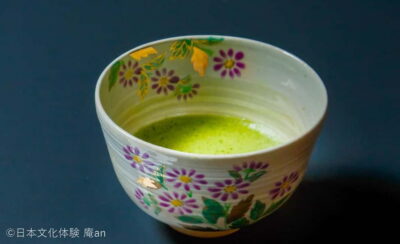 ★ 4.7Japanese Traditional Sweets Making and Tea CeremonyFrom $18118 reviews
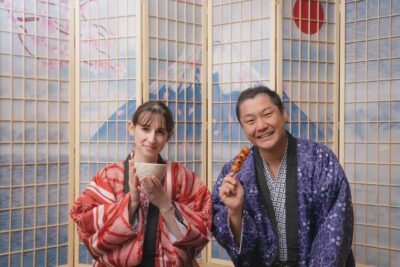 ★ 4.9Osaka Temple Cool Foot Bath & Matcha Experience〈45min〉From $3482 reviews
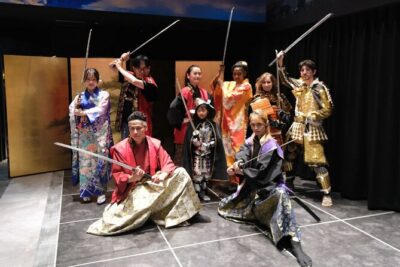 ★ 5.0Samurai Show, Tea Ceremony, Japanese Traditional ActivitiesFrom $4456 reviews
Browse the lists this tour appears in