
Reviewed · KYOTO DAY TRIPS FROM OSAKA
Kyoto and Nara Day Trip from Osaka
Kyoto and Nara in one day sounds crazy. It’s actually a smart way to see Japan’s former capitals fast, with a professional English-speaking guide and a shinkansen-based schedule. I love that the tour strings together major World Heritage sights without you having to plan every train, entrance, and timing detail yourself. I also like that it includes real landmark time (not just a photo stop), with admission fees and transportation costs built in. The main drawback to keep in mind: this is a fast, “see a lot” day, and some people feel the stops are on the tight side.
One more thing that matters on a day like this: your comfort with crowds and group pacing. The meeting spot is easy to find—Hotel Granvia Osaka—and the tour ends back in the city at Osaka-Namba Station (no hotel drop-off). The guides get praise for being friendly and organized, and names like Momo, KC, and Hatchi show up as examples of helpful, upbeat guiding styles. Still, you’ll be moving often, and the audio can be a challenge in busy sites since the tour doesn’t mention personal headsets.
In This Review
- Quick hits: what’s most interesting about this Kyoto and Nara day trip
- The shinkansen plan that makes a long day actually work
- Kyoto morning highlights: Nijo Castle, Kinkaku-ji, and the Imperial Palace reality
- Nijo Castle (about 50 minutes, admission included)
- Kinkaku-ji (about 45 minutes, admission included)
- Kyoto Imperial Palace (about 40 minutes, admission free; or a substitute)
- Getting the most from guided stops when crowds and noise hit
- Nara afternoon: Todai-ji’s giant scale and Kasuga’s deer shrine tradition
- Todai-ji Temple (about 70 minutes, admission included)
- Kasuga Grand Shrine (about 60 minutes, admission included)
- Deer safety tip (because Nara is not always gentle)
- Lunch options: choose carefully if you care about food style
- Western-style set menu option
- Indian thali option (vegetarian)
- No lunch option
- Time budget reality: this is a hit parade, not a slow day
- Price and value: what you’re really paying for at $198.15
- Who should book this tour, and who should skip it
- Should you book this Kyoto and Nara day trip from Osaka?
- FAQ
- How long is the Kyoto and Nara day trip, and what time does it run?
- Where do I meet the tour, and where does it end?
- What train travel is included from Osaka to Kyoto and back?
- Are the train seats reserved?
- Which sites are visited in Kyoto and Nara?
- What happens if Kyoto Imperial Palace is closed?
- What happens if Nijo Castle is closed?
- Is lunch included?
- How big is the group?
Quick hits: what’s most interesting about this Kyoto and Nara day trip
- Shinkansen-focused routing to maximize time between Osaka, Kyoto, and Nara
- Major World Heritage lineup across both cities, with timed entry included
- Fallback sightseeing plans if Kyoto Imperial Palace (or Nijo Castle) is closed
- Todai-ji + Kasuga Grand Shrine with classic Nara moments like the deer shrine tradition
- Lunch is optional but structured, with Western set menus or an Indian thali option
- Non-reserved train seating both ways, with seating not guaranteed
Kyoto sits thirty minutes away, more ways there

The shinkansen plan that makes a long day actually work
This tour is built around the idea that time in Kansai is precious. You start at 7:15am at Hotel Granvia Osaka, then make your way toward Kyoto using public transit and unreserved seats. The tour notes that the Osaka–Kyoto leg may use JR (with non-reserved seats) and that the Nara–Osaka return uses Kintetsu (also non-reserved seats). Seats aren’t guaranteed, so if you’re traveling during heavy commuter hours, arrive ready for the reality of standing or squeezing in.
Once you reach Kyoto, you don’t waste time figuring out where to go next. You walk to the Sunrise Tours Desk at Kyoto Avanti (B1), then transfer by bus to the day’s attractions. That bus step is key: after the train ride, your schedule becomes more “guided sightseeing” than “public transit navigation.”
Your day clocks in at about 11 hours 15 minutes, with a return to Osaka-Namba Station around 6:30pm. There’s also a practical detail that helps first-timers: the tour is designed around a guided flow, not self-guided freedom. If you don’t want to juggle timetables, ticket machines, and walking distances between temples, this setup is a relief.
One more value factor: the group size is capped at 40 travelers. That’s large enough to be efficient, small enough that you’ll usually keep track of the guide, especially at the big-ticket stops.
Kyoto morning highlights: Nijo Castle, Kinkaku-ji, and the Imperial Palace reality
Kyoto gets the morning slots, and that matters because you’ll often hit the densest crowds later in the day. The tour moves through three headline sights:
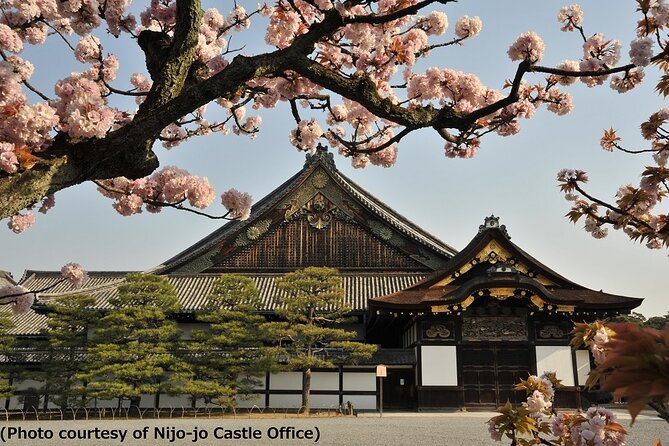
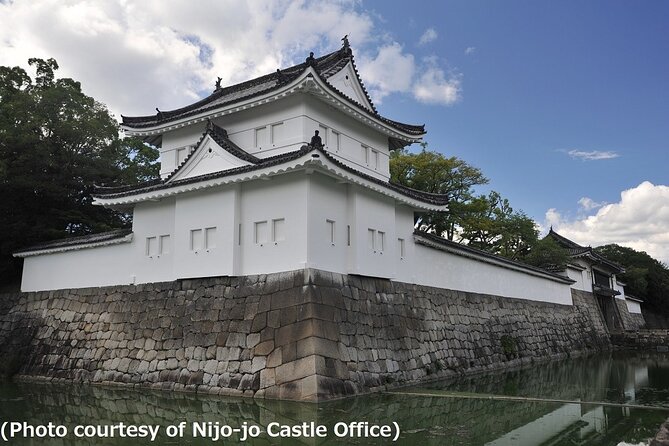
Nijo Castle (about 50 minutes, admission included)
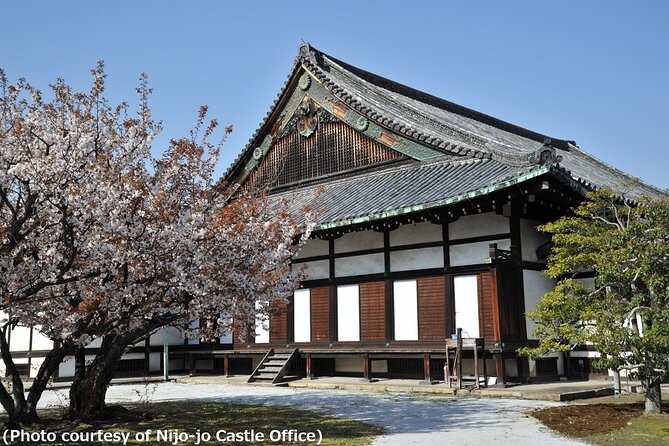
Nijo Castle is a World Heritage Site and a Tokugawa-era statement. The complex was completed in 1626, built to host the Tokugawa Shogun and act as a kind of protective anchor for the imperial court at Kyoto Imperial Palace. Even if you’re not a castle fanatic, this is one of those places where the architecture and interior details do the talking. The tour gives you a guided walk through the property, including time to see the castle itself rather than only the outside grounds.
Important consideration: Nijo Castle is closed on Tuesdays in January, July, August, and December. If that happens, the tour swaps in Ryoan-ji Temple instead.
The deer will still bow: more Nara days
Kinkaku-ji (about 45 minutes, admission included)
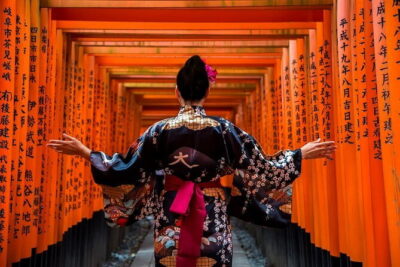
Then you move to Kinkaku-ji, the Golden Pavilion, also a World Heritage Site. This is one of Kyoto’s signature temple views: wooden architecture finished with thin layers of pure gold, set beside a pond. It’s famous for a reason, but the real advantage of going on a guided day trip is that you’re not trying to time your route on your own while school trips and tour buses pile up.
A practical note from how busy these stops can feel: Kinkaku-ji can be packed, so keep your expectations realistic. If you want long photo sessions and slow garden wandering, treat this stop as a “see it well once” visit, not a spend-the-afternoon place.
Kyoto Imperial Palace (about 40 minutes, admission free; or a substitute)
Next is Kyoto Imperial Palace, used as the Emperor’s residence until about 150 years ago, and known for the pure and simple Japanese style. You’ll tour through the opulent chambers and hear context from the guide.
Here’s the schedule trap to know: Kyoto Imperial Palace is closed to visitors on Mondays (and sometimes the following day if Monday is a holiday), plus days when there’s an Imperial Household Agency event. If it’s closed, the tour goes to Kitano Tenmangu Shrine instead. If the closed day falls on the 25th, the alternative becomes Nishi Hongan-ji Temple.
That replacement plan is a big deal for value. You still get a major cultural stop rather than losing the whole palace segment.
Getting the most from guided stops when crowds and noise hit
This tour is timed, and that means you’ll often hear your guide while walking or while standing close to others. Some experiences note that audio clarity can be hard due to the normal accent shift between Japanese and English, and because a speaker can’t stay perfectly positioned at the same angle in a crowd. The tour itself doesn’t mention personal headsets, so you should plan for “best effort” listening.
What helps in real life:
- Position yourself so you can face the guide when they speak.
- If you struggle with hearing, don’t wait for a perfect moment—move a little closer when the group halts.
- Expect fast pacing at busy attractions. This is not a sit-down lecture.
Also, you’ll have multiple staff roles throughout the day. There’s a national government licensed English guide interpreter for the main sightseeing. In addition, an assistant may meet you at Hotel Granvia Osaka to the Sunrise Tours Desk in Kyoto and then again for the transfer portion from Kintetsu Nara Station to Osaka Namba Station. That division of labor matters because it reduces confusion when you’re switching from train to bus to walking.
Nara afternoon: Todai-ji’s giant scale and Kasuga’s deer shrine tradition
After Kyoto, the vibe shifts into classic Nara power sights: big buildings, legendary scale, and a calm-but-crowded park atmosphere.
Todai-ji Temple (about 70 minutes, admission included)
Todai-ji is one of the symbols of the Nara period and a World Heritage Site. It’s also one of the biggest wooden structures in the world, and that scale hits even if you’re not a “architecture first” traveler. The main hall houses a bronze Great Buddha, and the approach area is famous for lanterns—around 3,000 antique bronze and stone lanterns.
The tour gives you enough time to see the main features without it feeling like a drive-by. Still, if you want to read every plaque and stare at details for an hour each, plan to return later with a slower day.
Kasuga Grand Shrine (about 60 minutes, admission included)
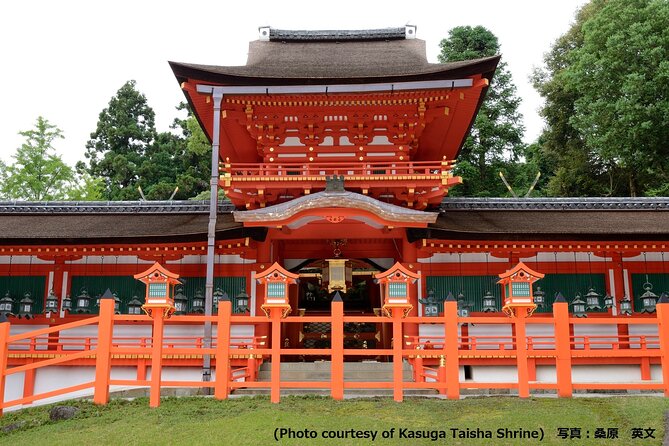
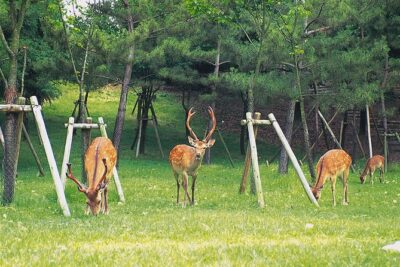
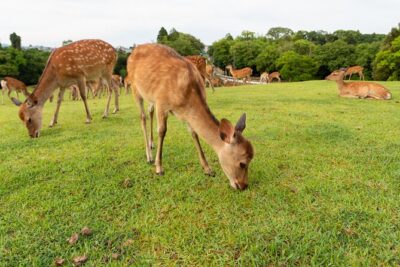
Then you’ll visit Kasuga Grand Shrine, also a World Heritage Site. The theme here is tradition: the tour explains the belief that the deer are messengers of the shrine. In Nara Park, that translates into a very real interaction with the deer (and a lot of tourists holding crackers).
The tour also mentions a “main sanctuary special visit area” entry. From January 2025, that area was newly added to the itinerary. In case the special visit area can’t be entered due to events or operational reasons, the tour instead visits the Kasuga Taisha Museum or Todaiji Museum.
Deer safety tip (because Nara is not always gentle)
Nara deer are used to people, and that can turn intense fast. One review notes the deer can become aggressive if you aren’t firm. The practical approach: don’t toss crackers or panic. If you feed them, do it with control. You’ll be near where deer crackers are available on site, so plan your photos and feeding moment intentionally, not while you’re distracted.
Also, Nara Park can be busy with Japanese school trips. If you’re trying to get a peaceful shot, expect a lot of movement and plan to accept some crowd background.
Lunch options: choose carefully if you care about food style
Lunch is included only if you pick an option at booking. This tour offers three paths:
Western-style set menu option
If you choose With Lunch (Western), you’re getting a Western-style set menu. The tour also states that vegetarian requests must be provided in advance, and halal and gluten-free (and other special meal requests) aren’t available. Some people felt the lunch leaned toward a buffet feel and wasn’t very inspiring, especially for a day built around major cultural icons.
If food quality is a top priority for you, you might treat the included lunch as “fuel,” not a highlight.
Indian thali option (vegetarian)
For With Indian Thali Lunch, the menu is listed and it’s vegetarian: three kinds of curry, vegetable pakora, yogurt, naan or roti, rice, salad, and a non-alcoholic drink. This option is likely a better match if you prefer something fresher and more varied than a typical tourist buffet.
No lunch option
If you skip lunch, you’ll have free time to eat on your own around Kyoto Station. That’s useful if you want ramen, sushi, or a quick bite from a place you choose.
One small reality check: the tour states you can’t swap meal types on the day. So decide based on what you actually want when you book.
Time budget reality: this is a hit parade, not a slow day
Let’s talk about the part that splits opinions: time at each stop. The schedule gives these approximate durations:
- Nijo Castle: 50 minutes
- Kinkaku-ji: 45 minutes
- Kyoto Imperial Palace: 40 minutes
- Kasuga Grand Shrine: 60 minutes
- Todai-ji: about 70 minutes
Then you still have travel and walking between sites and transfers. That’s why people either love the overview feel or feel rushed.
If your goal is a first-contact pass through Kyoto and Nara, this tour can be a winner. You’ll hit the headline sights and walk away with a strong sense of what you want to see in more depth later.
If your goal is photography perfection, long garden time, or reading every temple detail slowly, this will feel compressed. Some experiences describe very limited exploration time and a strong emphasis on keeping the group moving.
My practical suggestion: go in with a plan. Pick which moments matter most to you—Golden Pavilion photos, Todai-ji scale, Kasuga deer tradition—and treat the rest as bonus.
Price and value: what you’re really paying for at $198.15
At $198.15 per person, this isn’t the cheapest way to do Kyoto and Nara. But you are also paying for a bundle:
- English guidance with a licensed interpreter
- Admission fees for key sites (and Imperial Palace access is listed as free)
- Transportation costs within the structure of the tour
- A route designed to reduce the planning load
Some reviews call it overpriced, mostly because they felt the tour was rushed or the lunch wasn’t worth the price. That complaint makes sense if you compare this tour to a DIY day where you spend less on logistics and more on personal pacing.
Where the price starts to feel fair: if you’re on a tight schedule, you’re new to Japan transit, or you simply want someone else to handle the “how do I get there and when” headaches. This tour’s strength is convenience plus coverage.
Who should book this tour, and who should skip it
This is a strong fit for:
- First-timers in Japan who want a fast, structured introduction to Kyoto and Nara
- Travelers who dislike planning rail transfers and temple ticket logistics
- People who want a guided overview that hits the big icons
It might be a weaker fit if:
- You hate crowds or struggle to keep up with quick group pacing
- You’re sensitive to hearing audio in busy places (some people reported difficulty understanding the guide)
- You’re expecting lots of deep time at each site
Family angle: the tour is listed as Most travelers can participate, but several remarks note it isn’t ideal for kids. If you’re traveling with very young children, also note that children up to 5 can join free but won’t get bus seats or lunch.
If you’re older or have mobility limits, keep the “lots of walking + transfers” reality in mind. This isn’t a restful day.
Should you book this Kyoto and Nara day trip from Osaka?
If you want an efficient, guided overview and you value having transport and tickets handled for you, this tour is a good bet. You’ll see the most famous parts of Kyoto and the big symbolic hits of Nara—Nijo Castle, Kinkaku-ji, Kyoto Imperial Palace, Todai-ji, and Kasuga Grand Shrine—with smart fallbacks when sites close.
I’d only skip it if you’re the type who needs slow exploration, silent gardens, or you’re very picky about lunch quality and time at each stop. In that case, DIY gives you the control to linger.
FAQ
How long is the Kyoto and Nara day trip, and what time does it run?
It runs for about 11 hours 15 minutes. The tour starts at 7:15am and returns to Osaka-Namba Station around 6:30pm.
Where do I meet the tour, and where does it end?
You meet at Hotel Granvia Osaka in Umeda. The tour ends at Osaka-Namba Station, and there is no hotel drop-off.
What train travel is included from Osaka to Kyoto and back?
You’ll travel using public transportation, including shinkansen service between Shin-Osaka and Kyoto with non-reserved seats on the way there. The return to Osaka uses Kintetsu Railway with non-reserved seats as well.
Are the train seats reserved?
No. Seats are non-reserved, and seating is not guaranteed.
Which sites are visited in Kyoto and Nara?
In Kyoto, the tour covers Nijo Castle, Kinkaku-ji, and Kyoto Imperial Palace. In Nara, it covers Kasuga Grand Shrine and Todai-ji Temple.
What happens if Kyoto Imperial Palace is closed?
If Kyoto Imperial Palace is closed, the tour visits Kitano Tenmangu Shrine instead. If the closed day falls on the 25th, it visits Nishi Hongan-ji Temple.
What happens if Nijo Castle is closed?
Nijo Castle is closed on certain Tuesdays. If it’s closed, the tour visits Ryoan-ji Temple instead.
Is lunch included?
Lunch is included only if you select an option when booking. Options include a Western-style set menu or an Indian thali suitable for vegetarians. If you choose No Lunch, you’ll have free time to eat around Kyoto Station.
How big is the group?
The tour has a maximum of 40 travelers.
More Tour Reviews in Osaka
- Osaka Go Karting Tour with Funny Costume★ 5.0 · 2,658 reviews
- Osaka Castle: Museum and Tower Entry Ticket★ 4.5 · 2,380 reviews
- Osaka: Shinsekai Food Tour with 13-15 Dishes at 5 Eateries★ 4.8 · 2,204 reviews
- Osaka Food Tour: 13 Dishes at 5 Local Eateries★ 5.0 · 2,149 reviews
- Hungry Osaka Street Food Tour:15 Tastings & 3 Drinks with a Local★ 5.0 · 1,727 reviews
A Day Among the Nara Deer
- Ancient Capital Tour: Kyoto and Nara Highlights from Kyoto/Osaka★ 4.5 · 332 reviews
- Full Day Guided Tour to Kyoto and Nara from Osaka by Van★ 5.0 · 144 reviews
- Discover Himeji, Kobe and Nara from Osaka★ 5.0 · 101 reviews
- Kyoto & Nara Private customized tour with English speaking Guide★ 4.5 · 99 reviews
- Kyoto and Nara UNESCO Highlights Full-day Tour From Osaka★ 4.5 · 50 reviews
Kyoto, Just Up the Line
- Osaka/Kyoto: Hiroshima Miyajima Bus Tour & Shinkansen Ticket★ 4.7 · 919 reviews
- From Kyoto/Osaka: Kyoto Top Highlights 1-Day Guided Bus Tour★ 4.5 · 714 reviews
- Ancient Capital Tour: Kyoto and Nara Highlights from Kyoto/Osaka★ 4.5 · 332 reviews
- Osaka/Kyoto: Amanohashidate & Miyama Tour with Boat & Lunch★ 4.6 · 207 reviews
- Sagano Romantic Train & Arashiyama, Kiyomizudera, Fushimi Inari Taisha Day Tour★ 4.5 · 171 reviews
The Newest Osaka Write-Ups
- Private Photoshoot in Osaka with a Professional Photographer
★ 5.0 · 3 reviews - Osaka Early Morning Osaka Castle Tour Avoid Crowds
★ 5.0 · 3 reviews - Nara Private Tour with Pick and Drop and English Speaking Driver
★ 3.5 · 3 reviews - Osaka: Modern Vegetarian Sushi Cooking Class
★ 5.0 · 3 reviews - Nara Day Trip from Osaka with a Licensed Guide
★ 5.0 · 3 reviews
Kyoto Day Trips from Osaka, compared.
 ★ 4.7Osaka/Kyoto: Hiroshima Miyajima Bus Tour & Shinkansen TicketFrom $277919 reviews
 ★ 4.5From Kyoto/Osaka: Kyoto Top Highlights 1-Day Guided Bus TourFrom $51714 reviews
 ★ 4.5Ancient Capital Tour: Kyoto and Nara Highlights from Kyoto/OsakaFrom $90332 reviews
 ★ 4.6Osaka/Kyoto: Amanohashidate & Miyama Tour with Boat & LunchFrom $71207 reviews
 ★ 4.5Sagano Romantic Train & Arashiyama, Kiyomizudera, Fushimi Inari Taisha Day TourFrom $82171 reviews
 ★ 5.0Full Day Guided Tour to Kyoto and Nara from Osaka by VanFrom $96144 reviews
 ★ 4.8Volleyball in Osaka, Kobe & Kyoto with locals!From $6131 reviews
 ★ 5.0Full Day Tour of Kyoto with Private TransportationFrom $247130 reviews
Browse the lists this tour appears in