
Reviewed · OSAKA FOOD & TASTING TOURS
Osaka: 2-Hour Nightlife District Walking & Local Food Culture
Street food tastes better when it’s guided.
This 2-hour Osaka night walk strings together Dotonbori neon energy, a temple-side alley moment, and a hands-on market stop so you get a real feel for Namba’s local food culture. I love how it mixes big, familiar sights with smaller streets you’d likely miss on your own. I also love the pacing with a small group and an English-speaking guide who helps you make sense of what to try and where to stand.
One thing to plan for: the tour cost covers the guide, not the street food itself. So you’ll want a snack budget ready, because you’re not going to get a sit-down meal included here.
In This Review
- Key highlights worth circling
- Namba at night: Dotonbori to Kuromon in two hours
- Starting at the Glico Sign: where Osaka’s street-food buzz begins
- Hozenji Yokocho and the wish-water moment at Hozenji Temple
- Sennichimae Doguyasuji: kitchen-tool shopping street for food nerds
- Kuromon Market: Osaka’s Kitchen when you want seafood choices fast
- Local guide attention (English) and how names like Kaz, Nako, and Sayaka fit in
- Price and value: what $31.84 really buys you
- Who this Osaka nightlife food walk suits best
- Should you book this Osaka tour?
- FAQ
- FAQ
- How long is the Osaka night nightlife district walking tour?
- How much does the tour cost?
- Is there an English-speaking guide?
- Are meals or drinks included in the tour price?
- Where does the tour start?
- Where does the tour end?
- How many people are in the group?
- Can I cancel for a full refund?
- Is the tour suitable for most people?
Key highlights worth circling
- Two hours, four major food-and-neighborhood stops designed for a first night in Osaka
- Street snack time with classic picks like takoyaki and gyoza on the route
- Kuromon Market support so you can navigate seafood stalls without second-guessing
- Hozenji Yokocho + Hozenji Temple for a calm break between the food scenes
- Doguyasuji kitchen-tool street where you’ll notice the pro-level stuff behind the cooking
Come hungry: more eating your way through Osaka

Namba at night: Dotonbori to Kuromon in two hours
Osaka at night has a “follow your nose” quality, but it also has a “follow the crowds” problem. This tour keeps you from wandering in circles by giving you a tight route through the areas that matter for food: Dotonbori for classic street energy and Kuromon for serious market eating. The whole thing runs about 2 hours, so it fits neatly before dinner plans or right after you land.
The other big win is the group size and guide attention. With a maximum of 15 people, you’re not stuck behind a wall of other folks. That matters in places like Kuromon Market, where lines form and stall layouts can be a bit chaotic. You’ll get better results when someone helps you find the right spot and tells you what you’re looking at before you spend money.
Starting at the Glico Sign: where Osaka’s street-food buzz begins
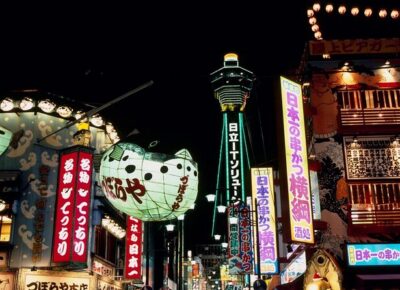
You kick things off around the Dotombori Glico Sign area, one of the most recognizable photo moments in Osaka. This is where the city’s nighttime personality shows up first: bright signage, walking crowds, and that busy-food feeling that makes you hungry fast.
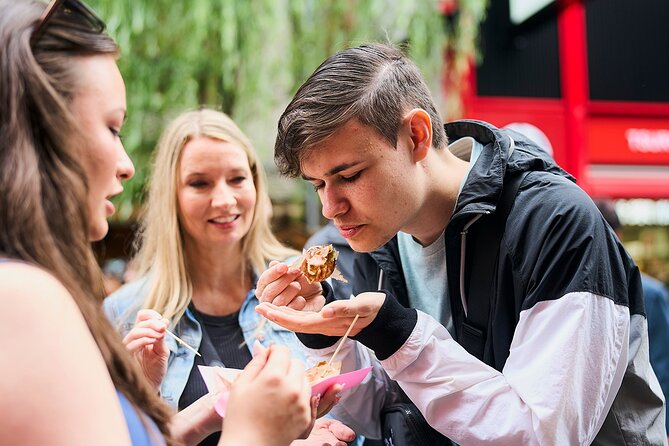
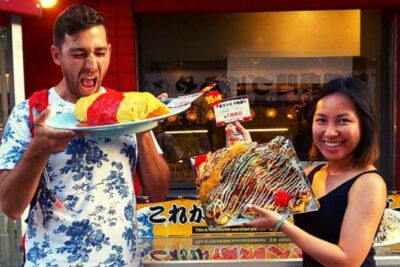
From there, the tour focuses on street snacks. The value here is not just that you eat. It’s that someone guides you through Osaka street-food culture so you don’t waste time guessing. You’ll be able to try items like takoyaki and gyoza, which are common reasons people come to Osaka in the first place—but you’ll get your bearings on how to order and what to prioritize when there are several options in front of you.
If you’re the type who likes to “taste first, ask questions later,” this opening stop sets you up well. You’ll also get in the right mood: Osaka street food is meant to be eaten while walking and chatting, not staged on a table.
Hozenji Yokocho and the wish-water moment at Hozenji Temple
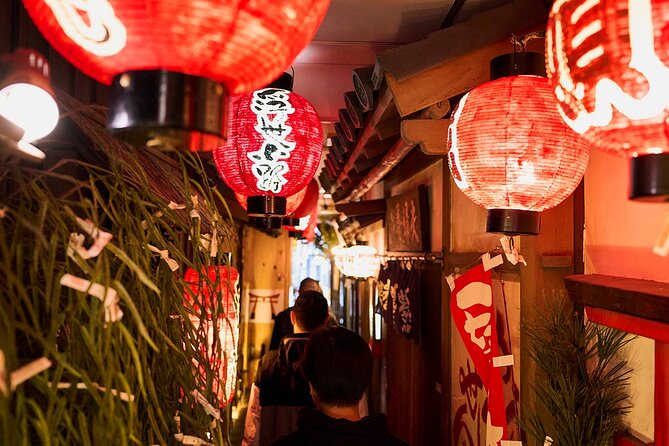
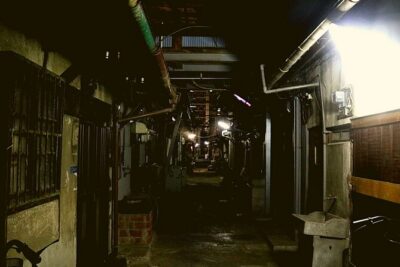
After the neon start, the tour slows down with Hozenji Yokocho and the Hozenji Temple area. This is the kind of pocket you can miss if you only stick to the main streets. The alley-and-temple vibe feels tucked inside the city, like you’ve stepped out of the noise for a few minutes.
Hozenji Temple is known for a moss-covered statue of Fudo Myo-o. A specific custom happens here: people often splash water on the statue while making a wish. Even if you’re not fully sure what to do at first, the guide’s presence helps you understand the etiquette and why this stop has become part of Osaka’s everyday religion-and-luck routine.
The practical reason I like this stop: it gives your feet a breather before the market segment. And psychologically, it resets you. After a temple break, the next food stops feel even more satisfying, because you’re not just sprinting from one snack to another.
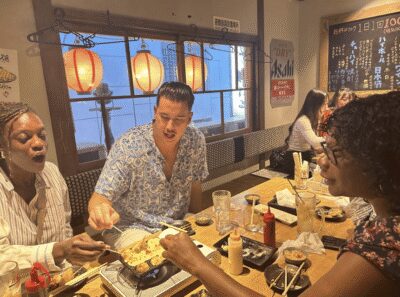
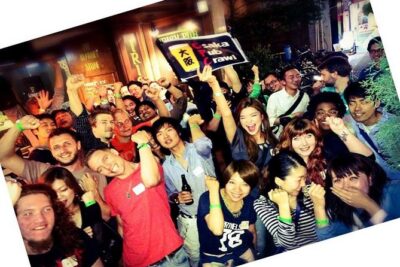
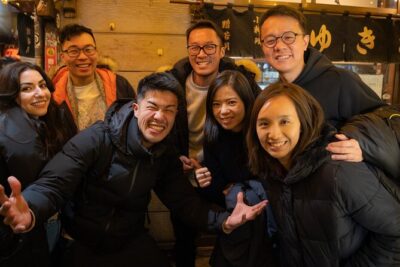
The night runs long in Namba, more crawls

Sennichimae Doguyasuji: kitchen-tool shopping street for food nerds
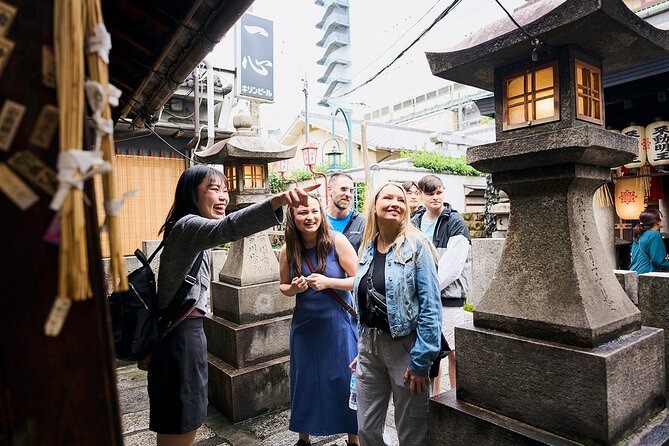
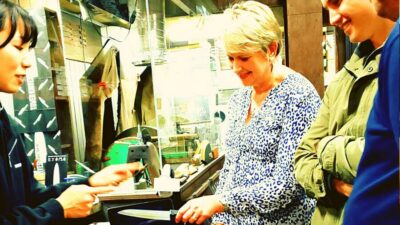
Next comes Sennichimae Doguyasuji Shopping Street, which is an underrated change of pace. Most food tours focus only on what you eat. This one also shows you the tools behind the cooking culture, because the street is famous for kitchen items used by professionals.
That means you’ll likely spot knife styles, cookware types, and other utensil choices that you normally wouldn’t notice during a quick walk through a mall. Even if you’re not shopping, this stop is a fun education moment. You start to understand why Osaka food has such a fast, confident street style: the city is full of people serious about making food well, not just making it flashy.
Is there a drawback? If you’re not into shopping or browsing kitchen items, this portion may feel like a short detour. Still, it works as a mental palate cleanser between the temple alley and the seafood-market intensity.
Kuromon Market: Osaka’s Kitchen when you want seafood choices fast
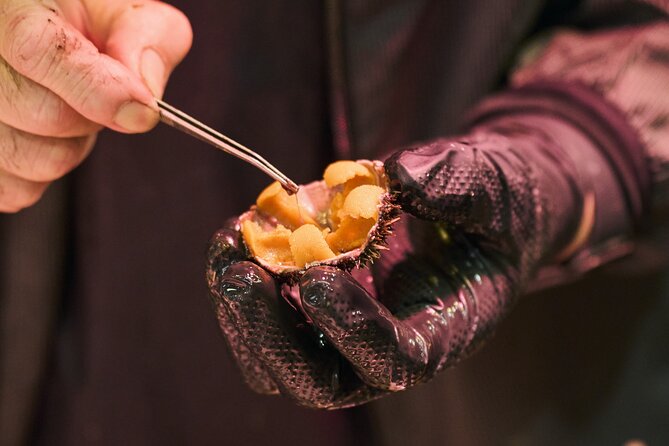
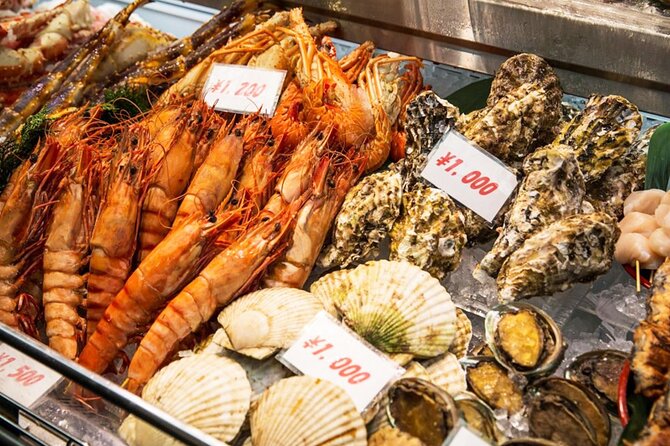
Then it’s time for Kuromon Market, often nicknamed Osaka’s Kitchen. This is where the tour really cashes in on the food promise. The market area is packed with fresh options like seafood, plus favorites you’ll see across Osaka food culture—wagyu beef, fruits, and sushi.
What I like about having a guide here is that Kuromon isn’t one single thing. It’s a maze of stalls, textures, and price points. With local help, you can move with confidence instead of spending your limited time comparing menus in a language you don’t fully read. The tour also explicitly gives you time to try local foods on the spot, which is exactly what you want on a night walk focused on sampling.
You’ll get the best experience if you treat Kuromon like a tasting stop rather than one “big meal.” Try a couple of items, share if you’re with friends, and let the market do the rest. The 30-minute window is tight enough to stay fun and not drag, but long enough to make your money worth it.
Local guide attention (English) and how names like Kaz, Nako, and Sayaka fit in

The tour includes an English-speaking guided tour, and that makes a difference in Osaka nightlife areas where signage and ordering can feel intimidating. The route also benefits from the fact that guides are local and focused on your experience—not just ticking boxes.
From the feedback pattern, guides such as Kaz, Nako, and Sayaka show up as names people connect with for friendly, interesting guidance. The common thread: they know how to keep the pacing right and help you find good eats without turning the walk into a frantic sprint.
One smart move for you: when you’re with the guide, ask for restaurant suggestions for the rest of your stay. This tour is designed to be a starting point, not the end of your Osaka food plan. By the time you finish, you should have a short list of places to hit next, based on what you liked during the tastings.
Price and value: what $31.84 really buys you
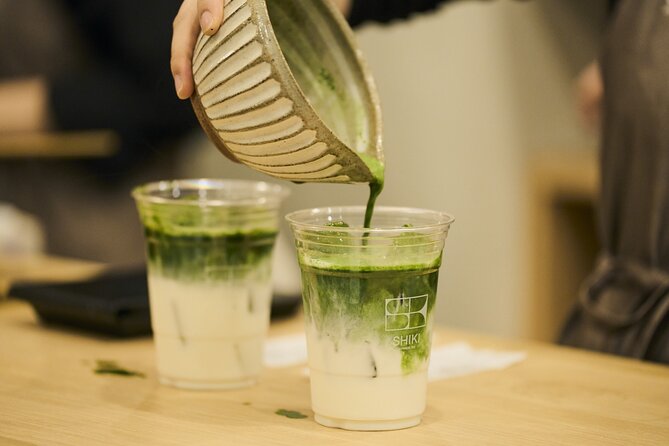
At $31.84 per person for about two hours, you’re mainly paying for two things: a local guide and a route that handles the city logic for you. The tour price does not include the street food or drinks from vendors. There’s also no dining-in stop planned as part of the tour.
So the value equation is simple:
- If you plan to snack at each main stop, the guide helps you spend smarter.
- If you want a full meal included, this isn’t the right format.
In my view, the best way to think about it is this: you’re buying time-saving, confusion-reducing guidance in some of Osaka’s most food-dense areas. That’s where you can easily lose 30–60 minutes wandering and second-guessing. Pay for the route, then spend your money on snacks you actually want.
Also note that this tour can be booked in advance, and it’s commonly reserved about 21 days ahead on average. If your trip dates are fixed, booking earlier is a practical way to avoid schedule stress.
Who this Osaka nightlife food walk suits best
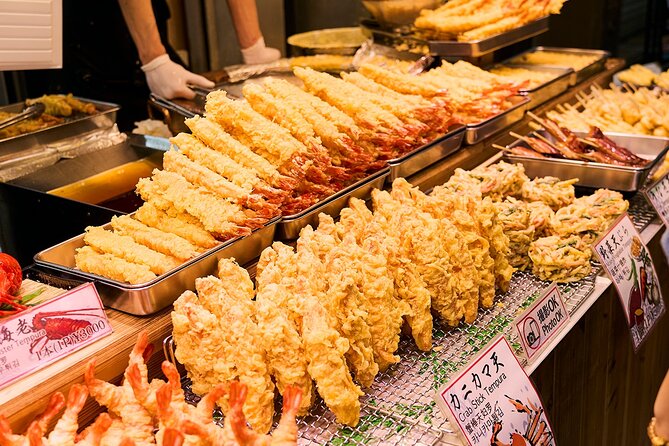
This is a great fit if you:
- Are visiting Namba/Osaka for the first time and want a structured introduction
- Like street food and want to try items like takoyaki and gyoza
- Want help navigating a market setting like Kuromon without worrying about where to go
- Prefer small-group attention over joining a huge crowd
It’s also a good “warm-up” tour if you’re the type who plans a full food itinerary later. You’ll learn what flavors and textures Osaka does well, and then you can aim your next meal in a more informed direction.
If you hate walking or you’re only interested in one very specific kind of food, you might find the market stop is too broad and the temple/kitchen-tool portions a little off your main mission. In that case, consider whether you’d rather do a tighter specialty tour.
Should you book this Osaka tour?
Yes, if you want an efficient, guided night food route that gives you more than a list of snacks. This one works because it combines:
- iconic Osaka visuals to get you oriented fast,
- a calm temple-side break (so it doesn’t feel like nonstop hunger),
- and a market segment where local guidance actually improves your results.
Book it if you’re ready to snack as you go and you like the idea of asking a local guide for next-step restaurant ideas. Skip it only if you need meals included in the price or you strongly prefer one single food style with zero detours.
FAQ
FAQ
How long is the Osaka night nightlife district walking tour?
The tour runs for about 2 hours.
How much does the tour cost?
It costs $31.84 per person.
Is there an English-speaking guide?
Yes. The tour includes an English-speaking guided tour.
Are meals or drinks included in the tour price?
No. Food and drinks from street vendors aren’t included, and the tour won’t stop for dining-in.
Where does the tour start?
It starts at Don Quijote Dotonbori Midosuji, 2-chōme-5-9 Nishishinsaibashi, Chuo Ward, Osaka.
Where does the tour end?
The activity ends back at the meeting point.
How many people are in the group?
The tour has a maximum of 15 travelers.
Can I cancel for a full refund?
Yes. You can cancel up to 24 hours in advance for a full refund.
Is the tour suitable for most people?
Most travelers can participate.
If you tell me your travel dates and what you usually like to eat (seafood person or more meat/dumpling-focused), I’ll suggest a simple way to pair this with the rest of your Osaka night.
Osaka at Street Level
- Osaka Local Foodie Walking Tour in Dotonbori and Shinsekai★ 5.0 · 985 reviews
- Osaka: Deep Backstreets Walking Tour with Dinner Option★ 4.9 · 902 reviews
- Ultimate Osaka Walking Tour: Castle, Dotonbori & Hidden Gems★ 5.0 · 862 reviews
- Osaka: Main Sights and Hidden Spots Guided Walking Tour★ 4.9 · 702 reviews
- Private Osaka Walking Tour: Highlights & Hidden Gems★ 5.0 · 569 reviews
Last Orders Come Late in Osaka
- Osaka: Namba Pub Bar Crawl with a Local Guide★ 4.9 · 424 reviews
- Osaka: Izakaya Bars Guided Walking Tour★ 4.9 · 385 reviews
- Osaka Pub Crawl and Nightlife Tour★ 5.0 · 293 reviews
- Meet Osaka local Friend & Fun Chat All We Can Drink Party Ticket★ 5.0 · 201 reviews
- Osaka Local Bar Crawl in Dotombori & Uranamba Area★ 5.0 · 199 reviews
The Kuidaore List: Eat More of Osaka
- Osaka: Shinsekai Food Tour with 13-15 Dishes at 5 Eateries★ 4.8 · 2,204 reviews
- Osaka Food Tour: 13 Dishes at 5 Local Eateries★ 5.0 · 2,149 reviews
- Hungry Osaka Street Food Tour:15 Tastings & 3 Drinks with a Local★ 5.0 · 1,727 reviews
- Deep Backstreet Osaka Tours (Option to add Dinner)★ 5.0 · 1,290 reviews
- Osaka Local Foodie Walking Tour in Dotonbori and Shinsekai★ 5.0 · 985 reviews
The Newest Osaka Write-Ups
- Private Photoshoot in Osaka with a Professional Photographer
★ 5.0 · 3 reviews - Osaka Early Morning Osaka Castle Tour Avoid Crowds
★ 5.0 · 3 reviews - Nara Private Tour with Pick and Drop and English Speaking Driver
★ 3.5 · 3 reviews - Osaka: Modern Vegetarian Sushi Cooking Class
★ 5.0 · 3 reviews - Nara Day Trip from Osaka with a Licensed Guide
★ 5.0 · 3 reviews
Osaka Food & Tasting Tours, compared.
 ★ 4.8Shinsekai Food Tour with 13-15 Dishes at 5 EateriesFrom $532,204 reviews
 ★ 5.0Osaka Food Tour: 13 Dishes at 5 Local EateriesFrom $732,149 reviews
 ★ 5.0Hungry Osaka Street Food Tour:15 Tastings & 3 Drinks with a LocalFrom $731,727 reviews
 ★ 5.0Deep Backstreet Osaka Tours (Option to add Dinner)From $531,290 reviews
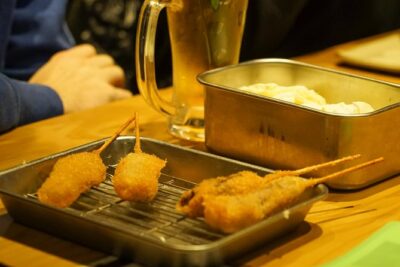 ★ 5.0Osaka Local Foodie Walking Tour in Dotonbori and ShinsekaiFrom $111985 reviews
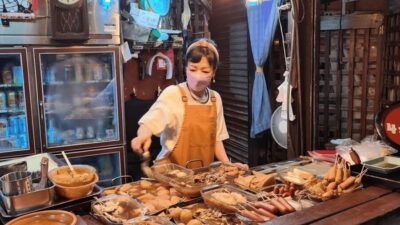 ★ 4.9Deep Backstreets Walking Tour with Dinner OptionFrom $40902 reviews
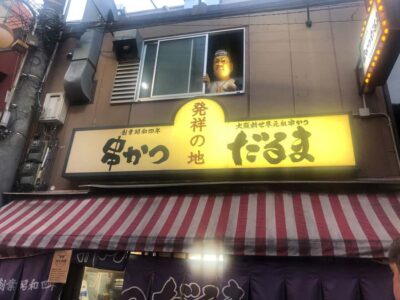 ★ 4.9Hungry Osaka Street Food Tour: 15 Dishes & 3 DrinksFrom $79694 reviews
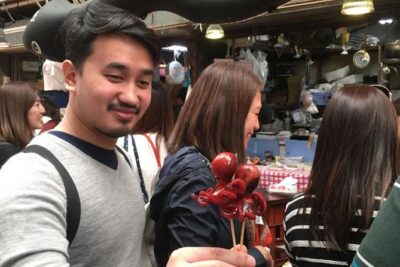 ★ 5.0Kuromon Market Food Walking Tour in Osaka (6 stops, 6 tastes)From $50550 reviews
Browse the lists this tour appears in