
Reviewed · OSAKA SAMURAI & NINJA EXPERIENCES
Honor – Experience Samurai & traditional Culture to the fullest
If you love Japan with your whole brain, book this.
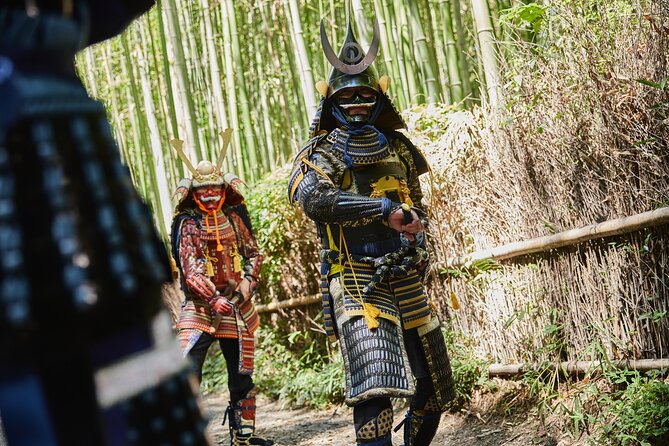
This Osaka Castle experience turns samurai culture into hands-on practice, starting with calligraphy and a tea ceremony guided step by step, then moving into martial-arts training with an Iaido master. I also really like the photo payoff: unlike most “dress-up” sessions, you actually walk in your armor around Osaka Castle Park and get professional shots on-site.
One thing to weigh first: this is physical. You’ll wear armor and hakama, you’ll likely sweat, and it’s not recommended if you have back problems or heart conditions. If you’re sensitive to that, or you hate getting dressed with help, this may feel like too much.
In This Review
- Key highlights you’ll feel right away
- Step into Bushido: Osaka Castle in armor (what the “walk” really means)
- Iaido sword trial cutting: the fun part is training, not theatrics
- Samurai calligraphy and the resignation theme: writing becomes the lesson
- Tea ceremony etiquette with matcha and wagashi: small gestures, real meaning
- The Battle of Osaka roleplay photos: why pretending helps you look real
- Photos are part of the product, not an add-on
- Price and value: what you’re really paying for at $181.19
- Timing, location, and what to bring so you enjoy the whole session
- Who should book SamuraiHonor near Osaka Castle
- Should you book this samurai armor and Iaido experience?
- FAQ
- How long is the SamuraiHonor experience near Osaka Castle?
- Where does the experience take place?
- What is included in the price?
- What language is available?
- Do I need to know anything about sword handling before booking?
- Can I take photos with my smartphone?
- Are there health or mobility restrictions?
- Will the armor fit everyone?
- What if I arrive late?
- What should I do before I get dressed?
- Is this a private experience?
Key highlights you’ll feel right away
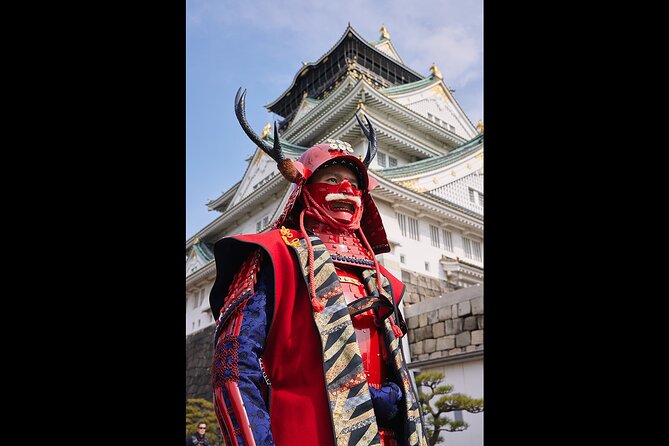
- Replica samurai armor + hakama, with staff helping you get fully dressed
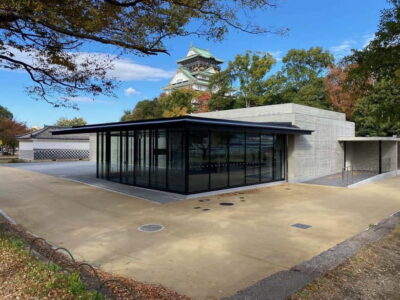
- Osaka Castle Park and Osaka Castle grounds as your backdrop while armored
- Iaido practice and sword trial cutting led by a sword instructor
- Samurai calligraphy practice with tools guidance and what to write
- Tea ceremony etiquette with matcha and wagashi included
- Professional photos included, plus an optional video upgrade
Pick the sword back up with these sessions


Step into Bushido: Osaka Castle in armor (what the “walk” really means)
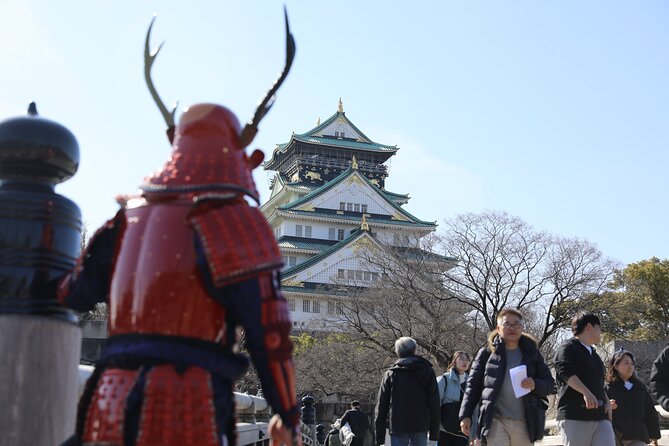
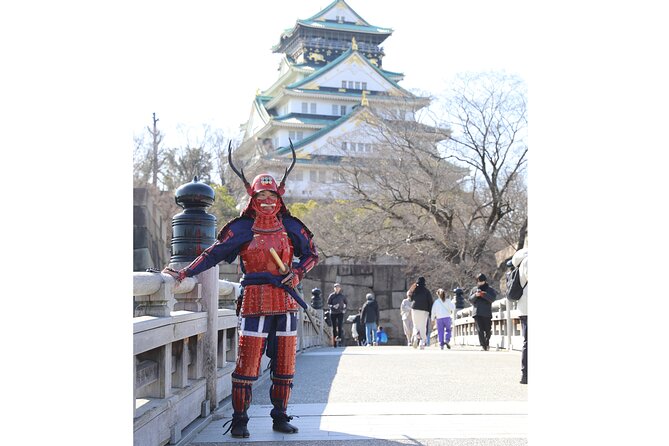
The best part of this experience is simple: you don’t just wear armor for a few staged photos. You wear a well-made replica suit—armor plus hakama—and you walk around Osaka Castle Park, then get photographed on the castle grounds. That changes the whole vibe. You’re not pretending from one spot; you’re moving through the real space, in real weather, with real people around you (so keep your posture respectful and follow the rules about photographing others).
Before you go anywhere, you’ll sign a liability waiver and get help dressing. That matters, because hakama and armor can’t be put on by yourself. You’ll also want to use the restroom before dressing, because once you’re suited up, changing plans is not the move.
What you’ll likely notice once you’re in the armor: it’s heavier than you expect, and it changes how you stand and walk. One review experience that sticks with me is how guests described the day as patient and detailed, not rushed—so you get time to adjust, learn how to move, and settle into the role before you start doing things that need focus, like calligraphy and sword practice.
Practical tip: arrive wearing clothing that makes it easy for staff to dress you fast. The experience notes you should come dressed as directed, because you’ll sweat while wearing hakama or armor and practicing swordsmanship.
Iaido sword trial cutting: the fun part is training, not theatrics
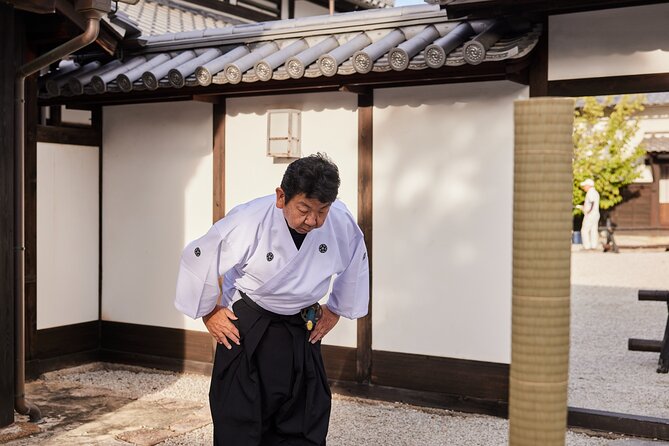
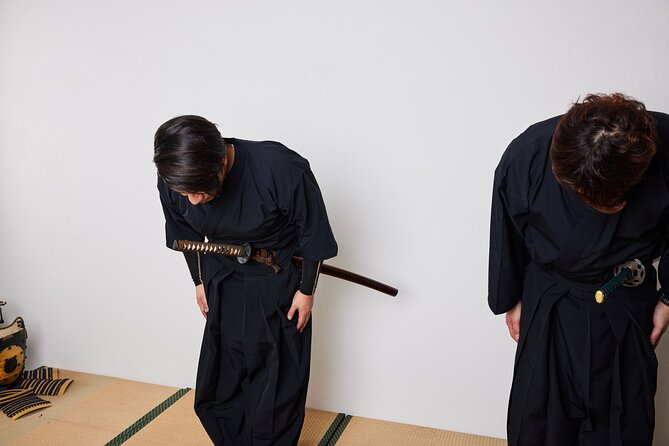
You’ll learn about Iaido from an instructor with 10 years of swordsmanship experience, and the session includes instruction before you handle the sword. This is not just watching a person demonstrate. You’ll get a structured “try it” moment, including sword trial cutting.
The listing describes this cutting practice as “the best cutting edge in the world,” with time set aside for it (about 30 minutes). Reviews add extra detail such as tamashigiri-style cutting and cutting a target, which lines up with the idea of controlled practice rather than random swinging.
Here’s what you should expect in the real world:
- You’ll get guidance on safe handling and how to move during practice.
- Drawing swords is treated as dangerous, and you should not do it without permission.
- You’ll likely feel the training rhythm: careful setup, then the action.
Because the experience includes health cautions (not recommended for heart conditions, and not recommended for back problems), it’s worth taking those seriously. Even if you’re fit, sword work plus armor can strain your body in ways normal walking won’t.
Safety mindset you should bring: listen closely, follow the staff’s positioning cues, and don’t try to “make it cooler” by doing anything outside instruction.
Samurai calligraphy and the resignation theme: writing becomes the lesson
The calligraphy segment is one of the most praised parts of the experience, and I get why. It’s focused, quiet, and surprisingly meaningful. You’re taught how to prepare for calligraphy: how to hold the brush and how to use the tools correctly. Then you practice writing Samurai Calligraphy (Words of resignation)—described as resignation from this world, tied to a goodbye theme as someone prepares to die.
That might sound heavy, but it works well in a travel-day setting. You’re not learning “random kanji.” You’re learning an idea—how samurai discipline shows up in a steady hand, deliberate breathing, and controlled brush strokes.
Some guests also mention writing a kanji of their choice and producing a large poster, and others describe oversized brushes used for bigger character work. Even if your exact paper and character options depend on the session, you should expect a real workshop feel: guided practice, not just copying one example.
What you’ll love if you enjoy doing things with your hands: calligraphy turns samurai culture into something you can take home. The experience includes professional photo prints and files too, but calligraphy is the physical keepsake that feels personal.



Tea ceremony etiquette with matcha and wagashi: small gestures, real meaning
Tea ceremony in Japan can look simple if you watch from the side. Then you sit down and realize it’s choreography: how you hold the cup, how you move, when you pause.
In this experience, you’ll learn from a tea ceremony master who prepares and serves powdered green tea, with sweets provided: traditional matcha and wagashi. The description emphasizes etiquette, manners, beautiful gestures, and the spirit of hospitality—so you’re not just drinking tea, you’re learning how the ritual builds respect.
Reviews highlight how relaxed and enjoyable the tea portion feels. I like that this part isn’t overpowered by the sword and armor. Tea gives your brain a reset between more physical activities.
Practical note: pace yourself. If you’re nervous about the armor or excited about sword practice, you might forget to breathe slowly during the tea. The ceremony gives you a structured chance to slow down before the next physical segment.
The Battle of Osaka roleplay photos: why pretending helps you look real
After calligraphy and tea, the experience moves into the “action roleplay” part, which is designed mainly for photos and atmosphere—but it still teaches something about how samurai symbolism works.
You’ll wear armor and participate in a battle-themed moment:
- One segment described as Samurai Armor in The Battle of Osaka (time required about 30 minutes), where you pretend to be a soldier.
- Then you get photographed again as part of an April 1615 Osaka Summer Battle scene on the castle grounds, positioned with the Toyotomi side.
You might wonder why this matters beyond entertainment. Here’s the travel logic: dressing in armor changes your posture and face. Putting you into a historical scenario helps you hold that “warrior” stance naturally, so your photos look more authentic. Without the story framing, you’d pose like a tourist in a costume.
You also get a major advantage most photo studios don’t offer: the castle location. That background does a lot of work for you, and the experience is built around using Osaka Castle Park and Osaka Castle grounds as the stage.
Photos are part of the product, not an add-on
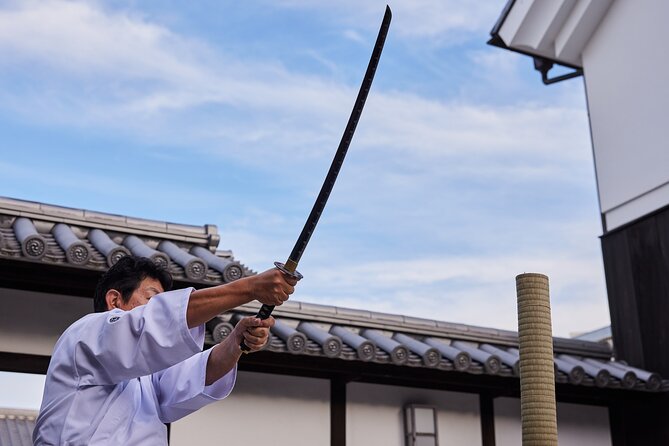
This tour includes photography with data sent to a designated email address, and professional photo prints and files are included. There’s also an option for a video upgrade.
That’s why the cost can feel easier to justify than a simple “dress and walk” package. If you’re going to spend time in outfit and training, you want usable images. And the experience is built so the shooting happens throughout the session—not just at the end.
A smart move: let the staff guide your posing. If you try to “control” every angle while wearing armor, you’ll look stiff and you might miss the chance to photograph calligraphy or tea in a natural way.
Also note smartphone rules: personal photography is permitted, but not selfies and not photographing other guests. Fixed tripods and recording videos that disrupt others aren’t allowed, so keep your setup minimal.
Price and value: what you’re really paying for at $181.19
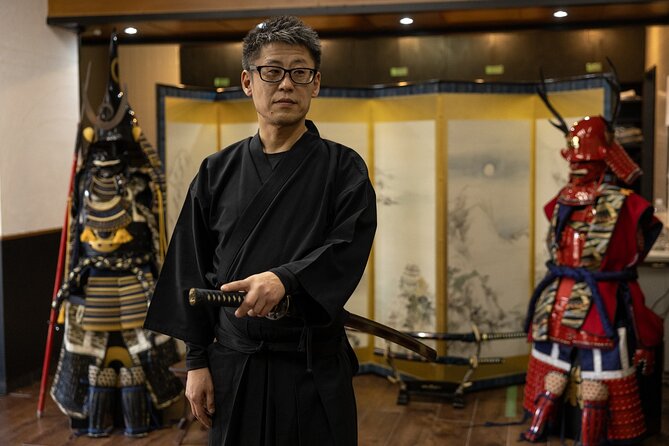
At about $181.19 per person for roughly 3 hours, you’re paying for a bundle that would cost more if you booked separately in most places:
- Full outfit (samurai armor and hakama)
- Hands-on instruction (Iaido basics and sword trial cutting, plus calligraphy guidance)
- Tea ceremony with matcha and wagashi
- On-location photos near Osaka Castle
- Professional photo deliverables (prints and digital files), with a video upgrade available
Is it expensive? Yes, compared to a regular Osaka Castle visit. But if you treat this as a cultural workshop plus professional content creation, the price starts to make sense.
I’d call it best value if:
- you care about photos and want them done properly,
- you like hands-on culture (writing, etiquette, martial arts practice),
- you want something more memorable than another temple stop.
If you mostly want scenery and don’t care about learning or photos, you may prefer a self-guided castle day. But for the right traveler, this is one of those “I’ll tell people about this later” experiences.
Timing, location, and what to bring so you enjoy the whole session
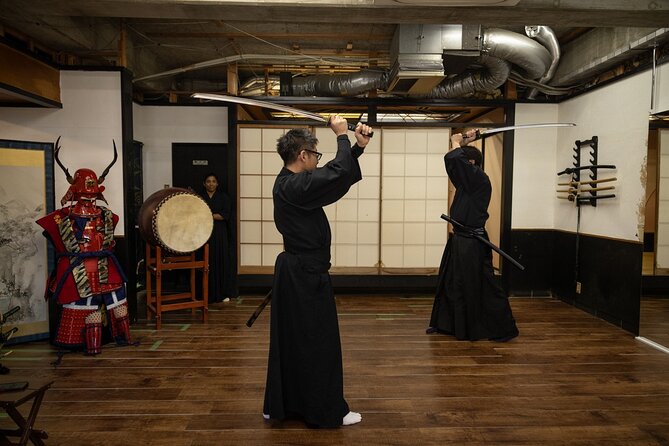
The whole experience runs about 3 hours and ends back at the meeting point. It’s near public transportation, so you won’t need private transport, but you should expect a parking fee if you drive.
A few details matter because this schedule moves:
- If you’re more than 30 minutes late, entry can be refused even if you contact them.
- You’ll be dressed with assistant help, so plan your arrival around that.
- You’re not stroller accessible.
- It isn’t suitable for pets.
Armor fit is another real-world issue. Armor sizes depend on your height and weight, and there’s a general suitability note (up to about 185 cm and 100 kg). You should consult at the front desk on the day to pick the authentic armor available for you. If you’re between sizes, it’s good to arrive early enough to adjust.
What I’d bring: comfortable clothes that you can change into quickly, and a ready attitude for a hands-on afternoon. Leave room for sweating and quick transitions.
Who should book SamuraiHonor near Osaka Castle
This works especially well for:
- couples or friends who want a “story experience” and not just sightseeing,
- travelers who like cultural crafts (calligraphy) and etiquette (tea),
- people curious about martial arts who want a guided introduction rather than random filming.
It may be less of a fit if you:
- have mobility limitations or back/heart concerns,
- dislike tight schedules,
- want a fully relaxed day with no training elements.
One more fit check: it’s described as a private tour/activity, meaning it’s your group only. That’s a big deal if you want personal attention, especially for sword practice and calligraphy where you benefit from the instructor’s eye on your form.
Should you book this samurai armor and Iaido experience?
If you want one Osaka activity that combines martial arts instruction, hands-on Japanese arts, and serious on-location photography, I think you’ll like this. The armor + Osaka Castle setting is the hook, but the real value is that it’s not only costume—it’s calligraphy, tea etiquette, and Iaido teaching with professional photos afterward.
I’d only hesitate if you’re dealing with physical concerns (back problems or heart conditions), hate wearing heavy clothing, or can’t handle the idea of being late and possibly losing your slot. Otherwise, this is the kind of experience that makes your trip feel specific and personal, not generic.
If you book, show up early, use the restroom before dressing, and let the instructors run the show. You’ll look better in photos, and you’ll learn more while wearing the armor.
FAQ
How long is the SamuraiHonor experience near Osaka Castle?
It runs about 3 hours (approx.) and ends back at the meeting point.
Where does the experience take place?
It centers on Osaka Castle Park and Osaka Castle grounds in Osaka, Japan.
What is included in the price?
The experience includes samurai outfit (armor and hakama), photography with data sent to your email, snacks (matcha and wagashi), gratuities, and taxes. Professional photo prints and files are included, and there’s an option for a video upgrade.
What language is available?
The default language is English. The operator says you can inquire for other languages, such as Italian, Spanish, French, Chinese, Thai, and Indonesian, but availability may be limited.
Do I need to know anything about sword handling before booking?
No. You’ll get instruction before the experience, and an instructor with swordsmanship experience handles the Japanese sword and provides guidance.
Can I take photos with my smartphone?
Yes, smartphone photography is permitted as long as you do not take selfies or photograph other guests. Fixed tripods and disruptive video recording are not allowed.
Are there health or mobility restrictions?
Yes. It’s not recommended for people with back problems or heart conditions. It is also not stroller accessible.
Will the armor fit everyone?
Armor sizes vary based on your height and weight, and you might not be able to wear your preferred armor. You can consult at the front desk on the day to select the authentic armor available. General suitability is mentioned up to about 185 cm and 100 kg.
What if I arrive late?
If you are more than 30 minutes late for your reservation, entry may be refused even if you contact them.
What should I do before I get dressed?
Use the restroom before dressing, since you won’t be able to stop easily once the armor and hakama go on.
Is this a private experience?
Yes. It’s described as a private tour/activity with only your group participating.
More Tour Reviews in Osaka
- Osaka Go Karting Tour with Funny Costume★ 5.0 · 2,658 reviews
- Osaka Castle: Museum and Tower Entry Ticket★ 4.5 · 2,380 reviews
- Osaka: Shinsekai Food Tour with 13-15 Dishes at 5 Eateries★ 4.8 · 2,204 reviews
- Osaka Food Tour: 13 Dishes at 5 Local Eateries★ 5.0 · 2,149 reviews
- Hungry Osaka Street Food Tour:15 Tastings & 3 Drinks with a Local★ 5.0 · 1,727 reviews
Blades Out: More Samurai Sessions
- Samurai Training Experience KENDO in Osaka★ 5.0 · 515 reviews
- OSAKA NIGHT FUSION Japanese Taiko Kabuki Samurai Dance Show★ 4.8 · 155 reviews
- Osaka: Samurai Training Experience KENDO in Osaka★ 5.0 · 111 reviews
- Osaka: A Modern Samurai, Kabuki, Taiko, & Dance Show★ 4.5 · 66 reviews
- Osaka 2-Hour Genuine Kendo / Samurai Experience In Japan★ 5.0 · 65 reviews
The Newest Osaka Write-Ups
- Private Photoshoot in Osaka with a Professional Photographer
★ 5.0 · 3 reviews - Osaka Early Morning Osaka Castle Tour Avoid Crowds
★ 5.0 · 3 reviews - Nara Private Tour with Pick and Drop and English Speaking Driver
★ 3.5 · 3 reviews - Osaka: Modern Vegetarian Sushi Cooking Class
★ 5.0 · 3 reviews - Nara Day Trip from Osaka with a Licensed Guide
★ 5.0 · 3 reviews
Osaka Samurai & Ninja Experiences, compared.
 ★ 5.0Samurai Training Experience KENDO in OsakaFrom $131515 reviews
 ★ 4.8OSAKA NIGHT FUSION Japanese Taiko Kabuki Samurai Dance ShowFrom $40155 reviews
 ★ 5.0Samurai Training Experience KENDO in OsakaFrom $127111 reviews
 ★ 4.5A Modern Samurai, Kabuki, Taiko, & Dance ShowFrom $1966 reviews
 ★ 5.0Osaka 2-Hour Genuine Kendo / Samurai Experience In JapanFrom $11865 reviews
 ★ 4.9Learn Bushido – Trial Slashing with Samurai SwordFrom $9259 reviews
 ★ 5.0Samurai Show, Tea Ceremony, Japanese Traditional ActivitiesFrom $4456 reviews
 ★ 5.0Private Samurai Experience – Train with Sword MasterFrom $15836 reviews
Browse the lists this tour appears in