
Reviewed · OSAKA WALKING TOURS
Osaka: Main Sights and Hidden Spots Guided Walking Tour
Osaka hits different when you walk it. This guided loop stitches together Osaka Castle Park, Korea Town, the Harukas skyline, and the food-and-neon zones of Namba and Dotonbori into one practical half-day.
I like two things most: you get a real sense of how Osaka formed its identity, not just a checklist of photos. And I love that the tour mixes big-name stops like Harukas with smaller streets in Tsuruhashi and the old-school mood around Shinsekai.
One thing to plan for: it’s a true walking tour. Expect steady time on your feet, and there’s no official sit-down food stop—snacks are up to you.
In This Review
- Key takeaways before you go
- How a 4-hour loop shows Osaka’s real personality
- Meeting point, timing, and getting your feet ready
- Osaka Castle Park: the history that sets the tempo
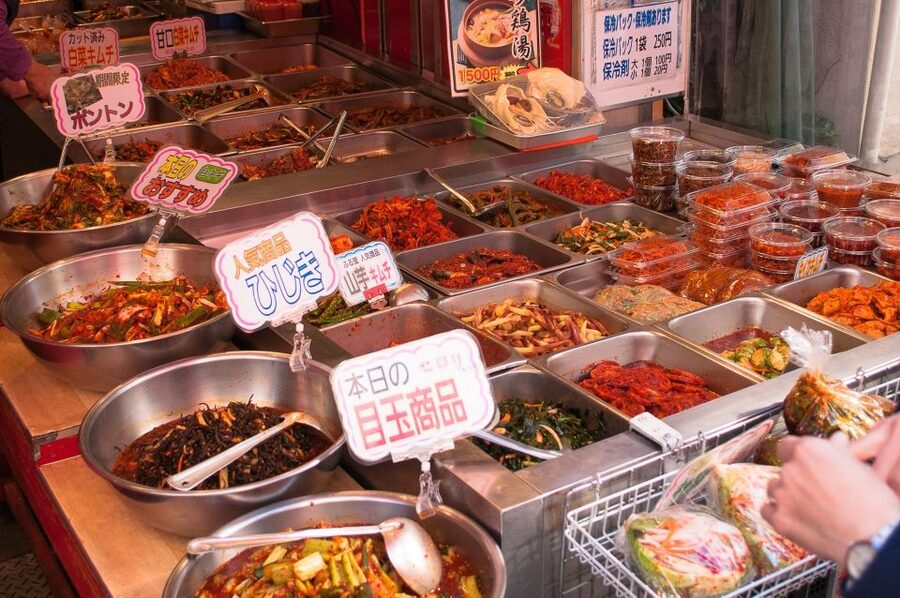
- Tsuruhashi Korea Town: narrow streets with old commercial energy
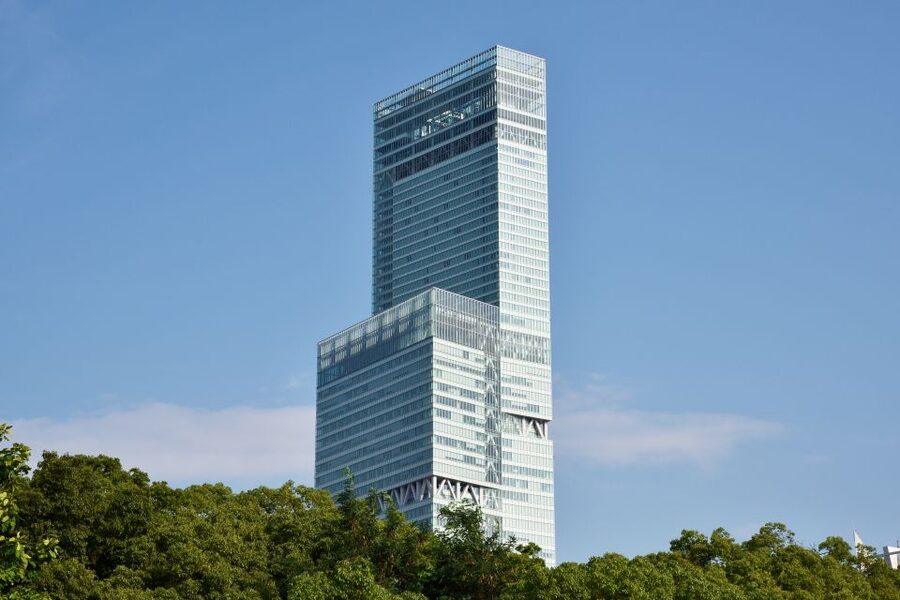
- Abeno Harukas 300: skyline views plus the food hall under your feet
- Shinsekai: the retro neighborhood you can feel
- Namba and Dotonbori: shopping and neon with a clear plan
- Kuromon Ichiba and Doguyasuji: where the city shops for real
- Price and value: why $59 can make sense
- What your guide likely brings to the tour
- Who should book this walking tour—and who might skip
- Should you book this Osaka tour?
- FAQ
- Where is the meeting point?
- How long is the tour?
- Is transportation included?
- What’s included in the price?
- Do we stop for a meal?
- Is the tour running rain or shine?
- What should I bring?
- Do I need a subway day pass?
- What languages are available?
- Is pickup available?
- Is it suitable for people with mobility needs?
Key takeaways before you go
- Story-first guiding that connects castle history to modern street life
- Osaka Castle Park views without the inside-castle commitment
- Harukas 300 skyline time plus an underground department-store food hall
- Tsuruhashi’s narrow lanes for a Korea Town feel that’s easy to miss solo
- Dotonbori + Kuromon + Doguyasuji in one tidy run, so you don’t waste a day hopping around
Osaka block by block, more routes on foot

How a 4-hour loop shows Osaka’s real personality
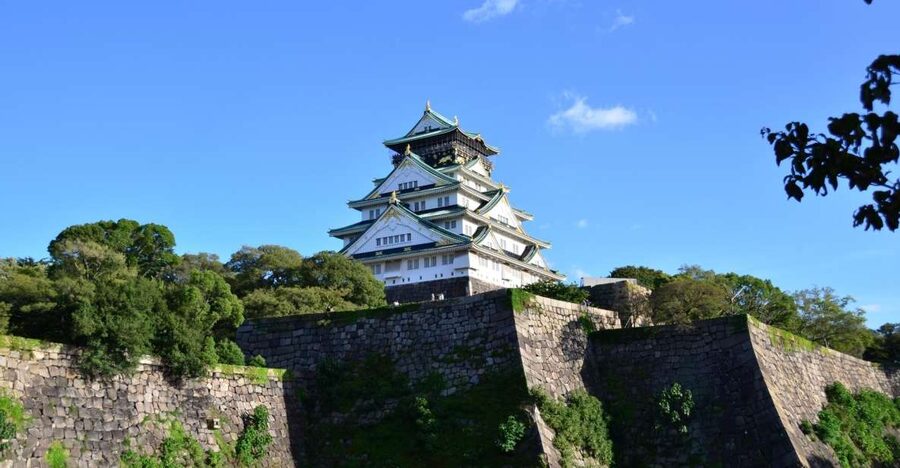
Osaka can feel like it’s all about food, comedy, and attitude. But the fun part of this tour is how the guide keeps tying the sights back to Osaka’s long merchant mindset—how people lived, traded, ate, and built neighborhoods around daily life.
This is also a smart length. Four hours is long enough to connect the dots, but short enough that you won’t feel trapped for the rest of the day.
Meeting point, timing, and getting your feet ready
You’ll meet in front of Tanimachiyonchome Station Exit 2. If you’re arriving by taxi, the intersection name is tanimachi 3-chome—handy to know if your driver asks for a clearer spot.
The tour runs about 4 hours, and it happens rain or shine. Bring comfortable shoes, because you’ll be walking the city while also using short public-transport hops between zones.
One small practical nudge: you’re asked to use a subway day pass to reach the meeting point and also during the tour. That keeps the rhythm simple and avoids time wasted figuring out fare rules mid-walk.
Osaka Castle Park: the history that sets the tempo
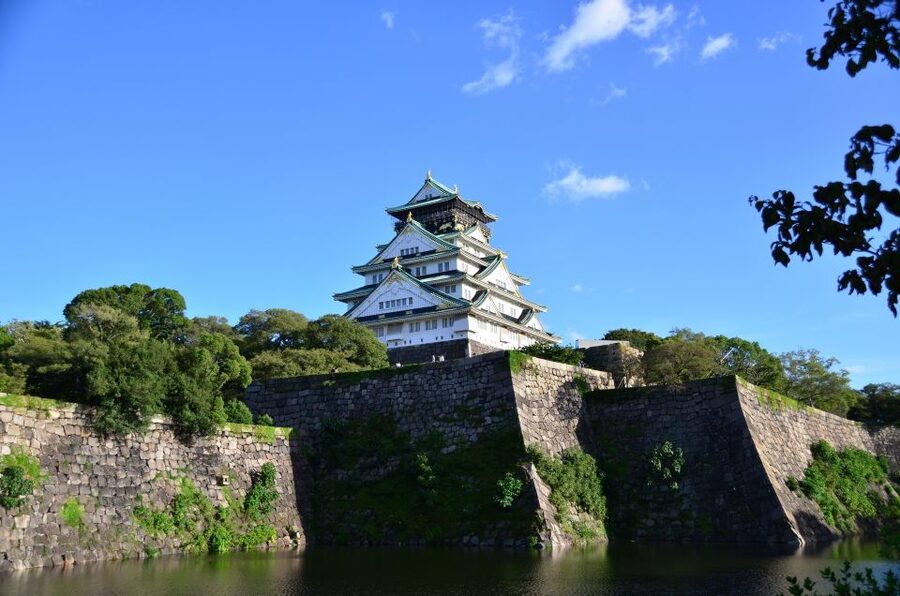
The tour starts with Osaka Castle Park, and you’ll enjoy the famous exterior and the surrounding grounds rather than going inside the castle. That works well for first-timers because you still get the scale and “this is the anchor point” feeling without slowing down for ticket lines.
This is also where the guide starts storytelling in a way that makes the rest of Osaka easier to read. You’ll hear how Osaka’s power and conflict played out centuries ago, including the dramatic tale that the castle was almost taken about 400 years ago. It’s the kind of history that explains why Osaka later leaned so hard into rebuilding, trading, and reinvention.
What to watch for: when you pause around the park, look for viewpoints where the castle structure lines up with the city. The contrast is part of the lesson.



Tsuruhashi Korea Town: narrow streets with old commercial energy
From the castle area, you’ll make a quick train ride to Tsuruhashi. This is Korea Town, but the point here is the street experience: a maze of narrow lanes and alleys that feels pre-war and commercial.
Instead of just seeing businesses from the sidewalk, the guide helps you navigate so you’re not wandering randomly. You’ll get a sense of how neighborhoods form their identities through constant day-to-day activity.
Why this stop is worth it: it’s one of those places where Osaka’s “urban layers” show up fast. The city feels older and more human at street level than it does from big-sight postcards.
Abeno Harukas 300: skyline views plus the food hall under your feet
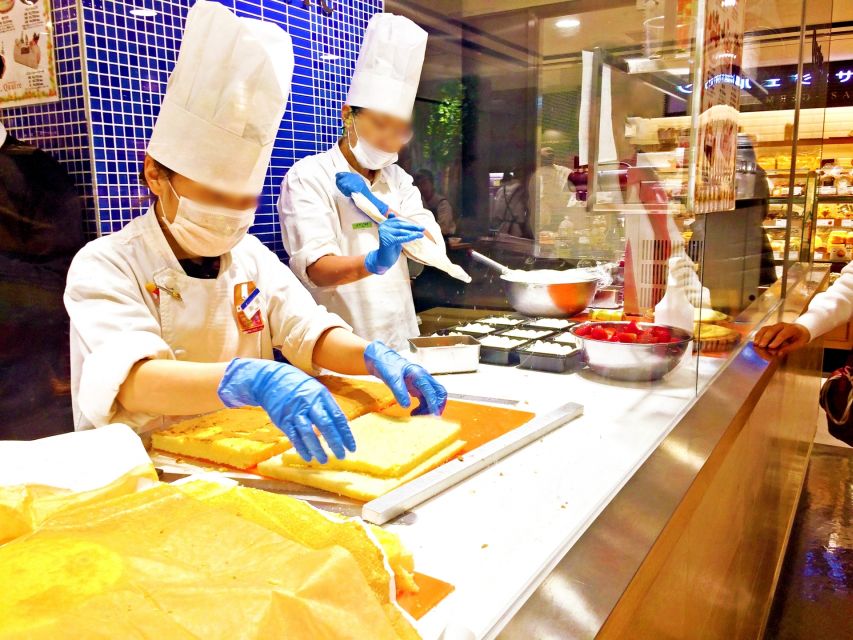
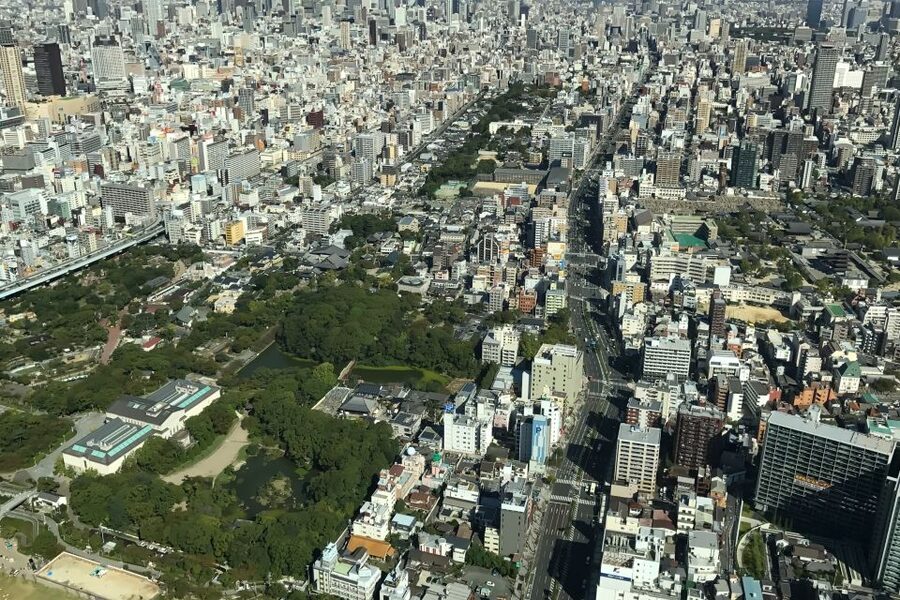
Next comes Abeno Harukas (the Harukas 300 area). You’ll get high-floor city views, which is a great reset after walking smaller lanes.
Then you head underground to explore the department store food hall. This is where the tour turns from city views to food culture in a single step—high-quality products for sale, including items like puffer fish and Kobe beef.
Abeno Harukas also helps you understand Osaka’s scale. From up high, the city’s grid and motion make sense, so later when you’re in Dotonbori, it feels less like chaos and more like design.
Shinsekai: the retro neighborhood you can feel
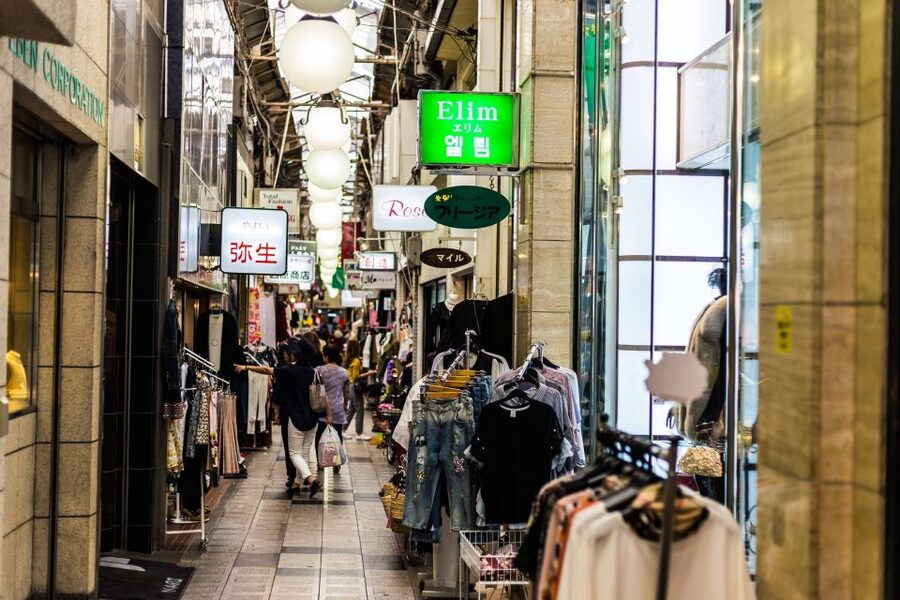
After Harukas, the tour shifts toward Shinsekai, an area known for a slightly crumbling, time-frozen feel. It’s not trying to be polished for tourists. That’s the charm.
You’ll walk through local highlights that keep the old character intact. The guide’s job here is to explain the context so Shinsekai doesn’t just look like street decor—it becomes part of Osaka’s longer story of entertainment, locals, and changing tastes.
Practical note: Shinsekai is a good place to slow down for photos and people-watching, but keep an eye on the time because the next part is the food-and-neon finale.
Namba and Dotonbori: shopping and neon with a clear plan
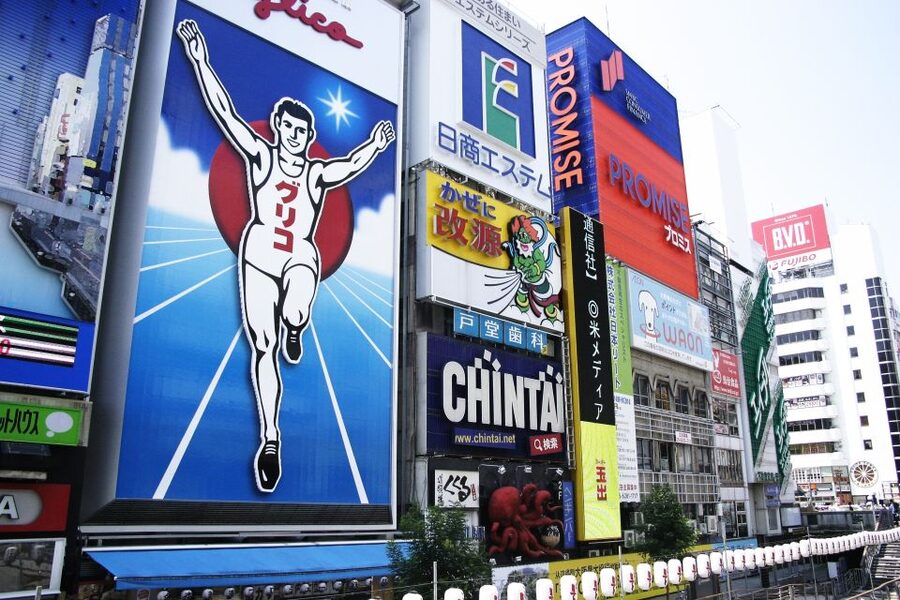
From Shinsekai, the route heads to Namba, the current center for shopping, dining, and nightlife. This part of Osaka can overwhelm you if you’re walking alone, because you’ll want to stop everywhere.
Here’s the advantage of a guided plan: you get to Dotonbori—Osaka’s version of Times Square energy—then you also get access to the “quirky back streets” with their own personalities. That’s where you’ll feel the difference between seeing a landmark sign and actually understanding the neighborhood around it.
This stop is also where your guide’s storytelling tends to pay off. It’s not only what you’re seeing; it’s why the area acts the way it does, and how Osaka’s merchant culture shows up in street design and daily behavior.
Kuromon Ichiba and Doguyasuji: where the city shops for real
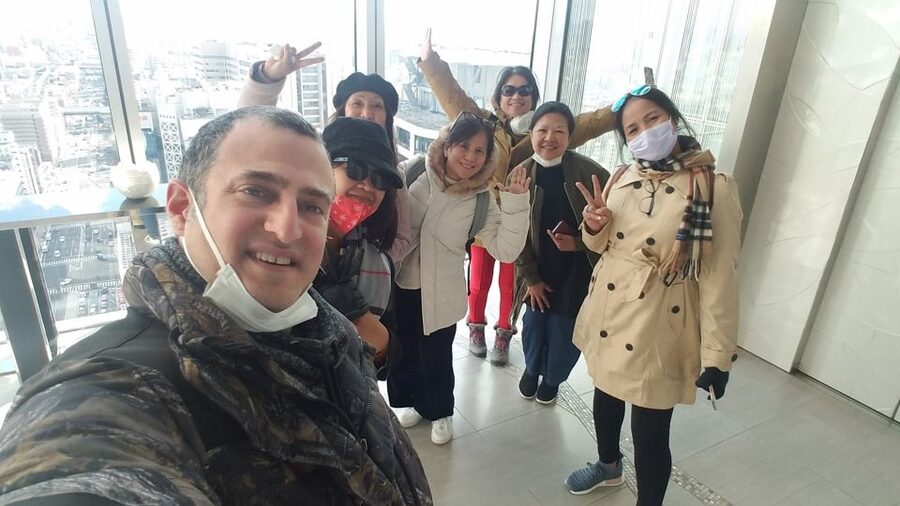
The tour includes Kuromon Ichiba, a fish market that’s played a major role for 150+ years. You’ll learn why fish-market culture matters in Osaka, where food isn’t a side quest—it’s a city language.
Then you move to Doguyasuji, the kitchen and cooking district. This is the kind of place that’s easy to miss if you only chase famous sights. Here you’ll notice wax food models, noren (hanging entrance curtains), and large pottery pieces—signs of a world built around daily cooking and kitchen craft.
What you can do here: browse cooking tools and food-related displays at your own pace. Even if you don’t buy anything, you’ll leave with a better sense of how Osaka treats food preparation as culture, not just consumption.
Price and value: why $59 can make sense
At $59 per person for about 4 hours, the price is mostly buying three things: a local guide, a route that keeps you from bouncing around, and context that you don’t get from a self-walk.
Transportation is not included, which is fair because you’ll use short public rides between zones. The trade is that the guide keeps the route tight so you spend less time searching and more time learning.
If you’re a solo traveler, there’s a detail worth knowing: if the minimum group size doesn’t form, you may be offered an alternate date, a 4,000 yen solo supplement, or a full refund. That’s part of how the tour stays priced low.
Also note: there’s no food stop during the tour. That keeps the cost down. You can still buy snacks along the way, but don’t count on a guided meal.
What your guide likely brings to the tour
The tour is run by live English-speaking guides, with options for French and Spanish as well. In practice, the guides are often strong storytellers—people who connect what you’re seeing to how Osaka society works.
From past experiences with guides in this format, you may hear names like Ferdinand, Kevin, Oisin, Oshin, Brian, Jamie, Hugo, Joshua, Ethan, or Andrew. The big pattern is the same: they focus on history and culture and also offer practical pointers so you can keep exploring after the tour ends.
If you care about photos, you’ll probably appreciate the way the guide helps with the best spots and timing for pictures. Some guides also go beyond the script with extra help like ordering tips once you’re eating later.
Who should book this walking tour—and who might skip
This tour is ideal if you:
- Want a first introduction to Osaka without spending your whole day on transit
- Like history with street-level context, not museum-style facts
- Want major sights plus less obvious neighborhoods like Tsuruhashi and Doguyasuji
You may want to skip or consider another format if:
- You’re not comfortable with a steady walking pace and lots of street steps
- You need a more fully seated/low-mobility plan (the tour is listed as wheelchair accessible, but it’s also marked as not suitable for people with mobility impairments, so you should check directly)
Should you book this Osaka tour?
If you have one half-day in Osaka and you want the city to click—castle history, Korea Town streets, a Harukas skyline reset, and the food-and-neon areas in the same run—this is a solid pick. The value is in the pacing and the guide’s ability to connect neighborhoods, not just in checking off landmarks.
Book it especially if your style is: learn fast, walk smart, then keep the day going on your own with better instincts. Just come with comfortable shoes and the expectation that you’ll snack your way through, not stop for a planned meal.
FAQ
Where is the meeting point?
Meet above ground at Tanimachiyonchome Station Exit 2. If you arrive by taxi, the intersection is tanimachi 3-chome.
How long is the tour?
The tour lasts about 4 hours.
Is transportation included?
No. Transportation is not included. You’ll use public transport during the tour.
What’s included in the price?
The price includes a guide and the walking tour. Food and drink are not included.
Do we stop for a meal?
There are no food stop options on the tour. You may be able to buy snacks along the way if you’re hungry.
Is the tour running rain or shine?
Yes, the tour takes place rain or shine.
What should I bring?
Bring comfortable shoes since it’s a walking-heavy experience.
Do I need a subway day pass?
You’re advised to buy a subway day pass and use it to get to the meeting point and during the tour.
What languages are available?
The live guide is available in English, French, and Spanish.
Is pickup available?
Pickup is an additional 5,000 yen. It’s payable in cash to the guide on the day of the tour or through a secure payment link. Central Osaka hotel pickup and port pickup at the Tempozan Ferris wheel are mentioned.
Is it suitable for people with mobility needs?
It’s listed as wheelchair accessible, but it also states it’s not suitable for people with mobility impairments. If mobility is a concern, confirm details directly with the provider before booking.
More Tour Reviews in Osaka
- Osaka Go Karting Tour with Funny Costume★ 5.0 · 2,658 reviews
- Osaka Castle: Museum and Tower Entry Ticket★ 4.5 · 2,380 reviews
- Osaka: Shinsekai Food Tour with 13-15 Dishes at 5 Eateries★ 4.8 · 2,204 reviews
- Osaka Food Tour: 13 Dishes at 5 Local Eateries★ 5.0 · 2,149 reviews
- Hungry Osaka Street Food Tour:15 Tastings & 3 Drinks with a Local★ 5.0 · 1,727 reviews
Osaka at Street Level
- Osaka Local Foodie Walking Tour in Dotonbori and Shinsekai★ 5.0 · 985 reviews
- Osaka: Deep Backstreets Walking Tour with Dinner Option★ 4.9 · 902 reviews
- Ultimate Osaka Walking Tour: Castle, Dotonbori & Hidden Gems★ 5.0 · 862 reviews
- Private Osaka Walking Tour: Highlights & Hidden Gems★ 5.0 · 569 reviews
- Osaka Castle Walking Tour and Castle Tower Admission★ 5.0 · 561 reviews
The Newest Osaka Write-Ups
- Private Photoshoot in Osaka with a Professional Photographer
★ 5.0 · 3 reviews - Osaka Early Morning Osaka Castle Tour Avoid Crowds
★ 5.0 · 3 reviews - Nara Private Tour with Pick and Drop and English Speaking Driver
★ 3.5 · 3 reviews - Osaka: Modern Vegetarian Sushi Cooking Class
★ 5.0 · 3 reviews - Nara Day Trip from Osaka with a Licensed Guide
★ 5.0 · 3 reviews
Osaka Walking Tours, compared.
 ★ 5.0Osaka Local Foodie Walking Tour in Dotonbori and ShinsekaiFrom $111985 reviews
 ★ 4.9Deep Backstreets Walking Tour with Dinner OptionFrom $40902 reviews
 ★ 5.0Ultimate Osaka Walking Tour: Castle, Dotonbori & Hidden GemsFrom $73862 reviews
 ★ 5.0Private Osaka Walking Tour: Highlights & Hidden GemsFrom $81569 reviews
 ★ 5.0Osaka Castle Walking Tour and Castle Tower AdmissionFrom $23561 reviews
 ★ 5.0Kuromon Market Food Walking Tour in Osaka (6 stops, 6 tastes)From $50550 reviews
 ★ 4.7Five Must-See Highlights Walking Tour & Ramen LunchFrom $56411 reviews
 ★ 4.9Izakaya Bars Guided Walking TourFrom $19385 reviews
Browse the lists this tour appears in