
Reviewed · OSAKA COOKING CLASSES
Sushi Making Osaka Omakase Cooking Class in Japan
Making sushi in Japan feels like cheating. You get technique and dinner in one go.
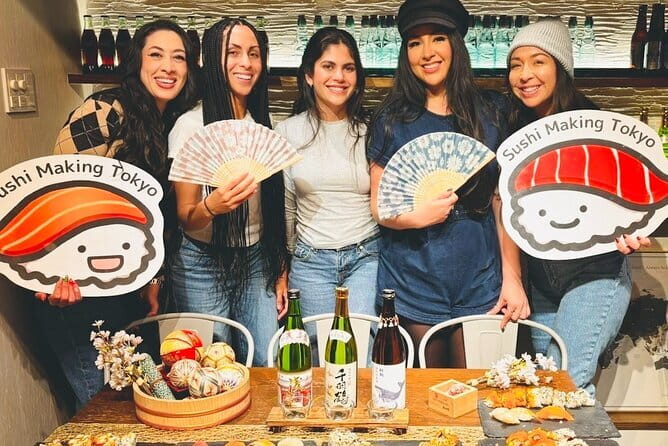
This Osaka class is a simple, hands-on way to learn Japanese food skills, with English instruction and a clear focus on nigiri and roll sushi. Reviews point to a friendly team, including instructors like Dai, Ken, and Momo, who keep the lesson both educational and fun.
The main thing to watch is location confusion. The description mentions Asakusa Station and Asakusa landmarks, but the meeting address is in Osaka’s Kita Ward. Double-check your exact meetup details when you get confirmation.
In This Review
- Key Highlights
- Sushi 101 in Osaka: The Skill Set You’ll Leave With
- The 2-Hour Flow: History, Then Your Sushi Time
- Nigiri Lesson Details: Why This Part Matters
- Roll Sushi Lesson Details: Shape, Wrap, and Practical Skills
- English Instruction and a Friendly Team (Dai, Ken, Momo Stand Out)
- Ingredients and Meals Included: What Your Money Actually Covers
- Dietary Options: Helpful Choices, With Clear Limits
- Meeting Point Reality Check: Asakusa Mentions vs Osaka Address
- Logistics That Affect Your Day: Mobile Ticket and No Pickup
- Price and Value: What Makes This Worth $92.30
- Who This Class Suits Best (And Who Might Want Something Else)
- Should You Book This Osaka Sushi-Making Class?
Key Highlights
- Nigiri and roll sushi practice: You learn two core styles, not just watch and snack
- English-speaking instructors: Help you understand what you are doing and why
- Small group size (max 10): More time for questions and better attention
- You cook, then eat: Ingredients and meals are included in the experience
- Dietary options available: Vegan, vegetarian, gluten-free, halal, and allergy requests (with advance notice)
Flour on your hands, more Osaka kitchens to try

Sushi 101 in Osaka: The Skill Set You’ll Leave With
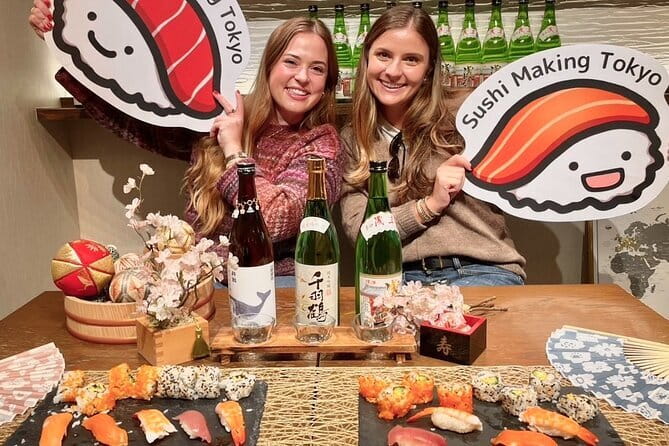
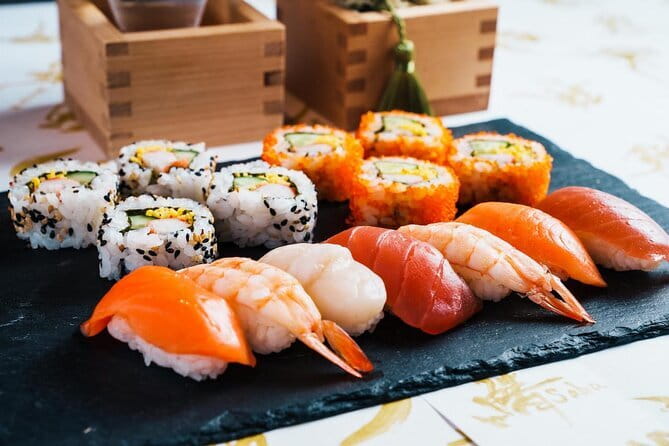
This class is built around sushi you can actually use after your trip. The menu is straightforward: Nigiri sushi and roll sushi. That matters because these are the two most common sushi styles you’ll run into in Japan and back home.
Nigiri is the classic starting point. It’s the standard, popular form of sushi and the origin most people associate with the dish. Rolls are the world-facing version, with ingredients wrapped in rice, so you get a different texture and shape challenge.
What I like about this setup is that it gives you structure. You’re not just making food for the photo. You’re learning the basics of how sushi comes together and then getting time to cook more freely afterward.
One more smart angle: the class is designed as a Japan food and culture experience, not a generic cooking show. That keeps the vibe grounded.
The 2-Hour Flow: History, Then Your Sushi Time
The timeline is compact and efficient, about 2 hours total. In the first hour, you learn the history of sushi and how to make sushi. Then you move into actually making sushi.
That first-hour mix is valuable. Even a quick history lesson helps you pay attention to the details during prep and shaping. Sushi isn’t just ingredients piled together. It’s technique, timing, and consistency.
In the second half, you get cooking time that feels more like practice than a demo. The class description calls it free cooking, plus meal time. So you’re not rushing straight from instruction into leaving. You get to slow down, refine, and then eat.
A nice bonus: after your meal, the class includes time for memorable photos with Asakusa landmarks—as long as the Asakusa Station location mentioned in the description matches your exact meetup.
Nigiri Lesson Details: Why This Part Matters
If you want the quickest path to understanding sushi, start with nigiri. This class treats nigiri as the most standard and popular type in Japan. That is a big deal because nigiri forces you to focus on balance: rice and topping, and how each piece is formed.
From the reviews, the strongest praise is about learning how sushi is done properly in Japan, not just making a version that looks right. That lines up with the nigiri focus. Proper technique is easier to teach when the format is consistent, and nigiri gives you that.
There is also a confidence boost to doing nigiri yourself. One review described making sushi by themselves and recommending it to Osaka visitors. That self-made aspect is exactly why nigiri works so well in a short class: you can see your progress quickly because each piece is similar enough to repeat and adjust.
Put this one next to a few other Osaka options first:

Roll Sushi Lesson Details: Shape, Wrap, and Practical Skills
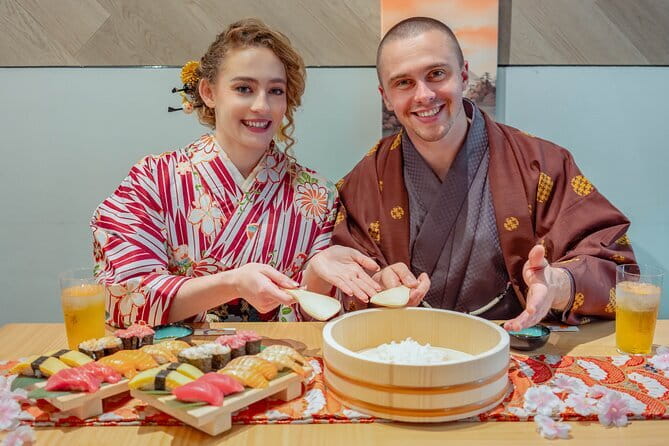
Roll sushi adds a different challenge: forming and wrapping. Rolls take you beyond the one-piece rhythm of nigiri and push you to think about how ingredients work together inside the roll.
The class describes rolls as ingredients wrapped in rice, and that simple definition is enough to prepare you for what the lesson will feel like: more structure, more shaping, and a different kind of precision.
If you’re the type who enjoys eating with your hands and likes shareable food, rolls are a great fit. They also tend to make for easier conversation at the table after class since you can talk about how you built the roll and what you would change next time.
Also, you’ll be able to connect the technique back to what you see in Japan. Rolls are everywhere, and once you’ve made one, restaurant sushi stops being mysterious and starts being understandable.
English Instruction and a Friendly Team (Dai, Ken, Momo Stand Out)
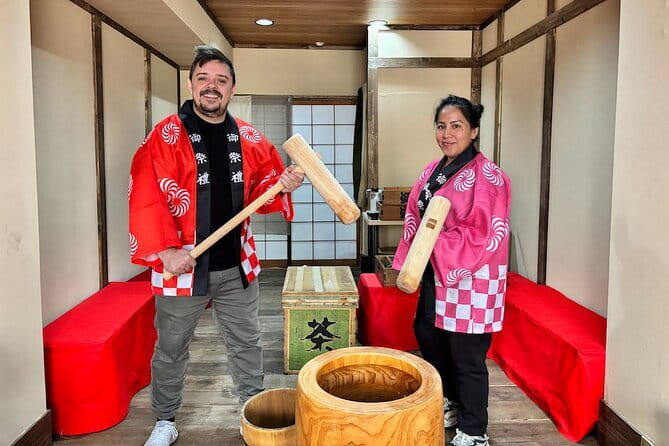
This is an English-held class, with local staff supporting you throughout. Reviews single out instructors Dai, Ken, and Momo as great teachers—friendly, welcoming, and able to keep things both educational and entertaining.
That matters more than you might think. Sushi has a bunch of small steps that sound easy until you try them. Having English explanations helps you avoid guessing and helps you ask real questions.
It also makes the experience easier for couples and families. One review specifically mentioned a whole family enjoying the session, which fits this kind of structured-but-playful format.
Ingredients and Meals Included: What Your Money Actually Covers
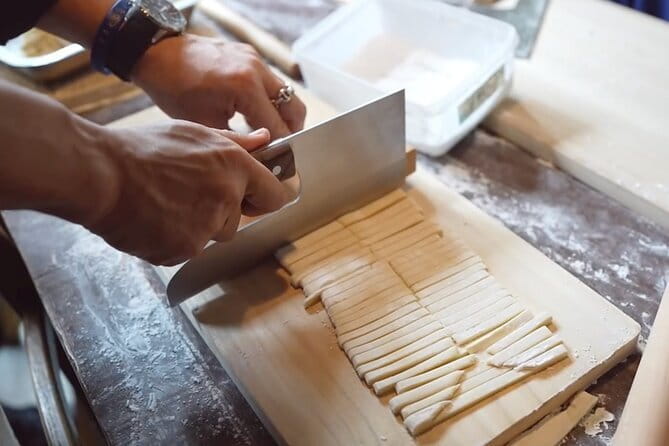
The price is $92.30 per person, and it includes ingredients and meals. It also includes an English instructor. Hotel pickup is not included.
So you are paying for three things:
- instruction (so you’re not doing this with a cookbook),
- ingredients (so you don’t have to source tools and supplies),
- and food (so the meal is part of the program, not an extra stop).
That combination is often where these classes feel like good value. You’re not just buying a ticket to watch someone else cook. You’re getting the full arc: learn, make, eat.
One practical note: since the experience includes meals, you’ll likely want to plan your day so you’re ready to eat after class. If you arrive hungry, you’ll enjoy it more. If you arrive full, you might still have fun cooking, but the meal part can feel less satisfying.
Dietary Options: Helpful Choices, With Clear Limits
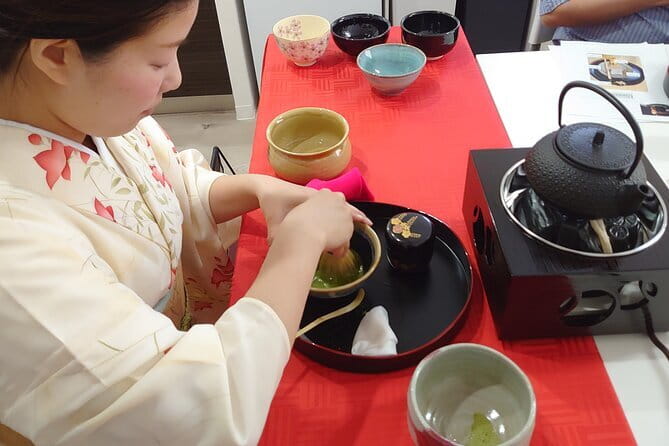
This class lists multiple menu options in advance: vegan, vegetarian, gluten-free, halal, and allergy considerations. That’s a big plus if you travel with dietary restrictions.
But there’s also an important limitation: the class says you must answer in advance if you need a menu change, and they cannot handle menu changes on the day. They also can’t respond to likes and dislikes of specific foodstuffs or change to desired foodstuffs.
So here’s the practical approach: if you need an accommodation, communicate early and precisely. Use the options they offer (vegan, vegetarian, gluten-free, halal, allergy) rather than expecting custom-by-preference substitutions on site.
If you’re traveling with a severe allergy, treat this as a request you confirm ahead of time. The class structure supports these categories, but last-minute changes won’t be reliable.
Meeting Point Reality Check: Asakusa Mentions vs Osaka Address
This is the part I want you to handle carefully.
The class description says it’s located in the center of Asakusa, with a 1-minute walk from Asakusa Station, and that you can take photos with Asakusa landmarks after your meal.
But the meeting point address provided is in Osaka (NIPPOJapan, Kita Ward, Sonezakishinchi, 1-chōme). That is a real mismatch in the details.
What you should do: when you get your confirmation, treat that message as the source of truth for where to go. If you’re mapping this out on your phone, don’t rely only on the Asakusa Station wording. Compare what your confirmation says versus what you see in the general description.
This isn’t a dealbreaker, but it is worth a quick check so you don’t waste time walking to the wrong neighborhood.
Logistics That Affect Your Day: Mobile Ticket and No Pickup
You’ll receive a mobile ticket, which is convenient. That said, hotel pickup is not included, so you’ll need to get yourself to the meeting point.
Also, the tour is limited to a maximum of 10 travelers. That small group size is good for learning and questions, but it also means the class can sell out. This experience is booked on average about 87 days in advance, so don’t wait until your last minute if sushi classes are a priority.
On arrival, there’s a simple precaution included: avoid going to the store for sales or inspection purposes, since that could inconvenience other customers. It’s basically good neighbor behavior—keep the space clear so the class can run smoothly.
Price and Value: What Makes This Worth $92.30
At $92.30 per person, you’re not just paying for food. You’re paying for structured instruction plus ingredients plus a full class meal inside a two-hour experience.
The best value signals here are:
- Hands-on cooking time, not just viewing
- English teaching, which reduces the friction of learning technique in Japan
- Small group size, which usually improves how much help you can get
- Meal included, so the cost is bundled
A fair way to think about it: you’re buying time with a teacher and a guided workflow. If that saves you from figuring out sushi basics alone—or from paying for a more complicated multi-course restaurant meal—you’ll likely feel good about the price.
The only real drawback on value is the narrow menu scope. You learn nigiri and rolls, which is great for beginners, but it isn’t a full “become a sushi chef” fantasy. Expect fundamentals and practice, not mastery.
Who This Class Suits Best (And Who Might Want Something Else)
This class is a great match if you:
- want a short activity that also feeds you,
- like learning by doing,
- travel with a partner or small group and want a shared experience,
- care about English instruction,
- and want dietary options that are organized in advance.
It may be less ideal if you:
- need lots of variety beyond nigiri and rolls,
- want heavy customization on the day,
- or hate any chance of location confusion (double-check your confirmation to avoid stress).
If you’re building a day around Japanese food culture, this fits nicely as a planned stop rather than an “organic find.”
Should You Book This Osaka Sushi-Making Class?
My take: book it if you want a focused, beginner-friendly sushi skill and a satisfying included meal. The structure is practical, the teaching sounds genuinely friendly, and the class format supports real participation.
Before you book, do two quick checks:
- confirm where you will meet based on your confirmation details (especially given the Asakusa wording vs the Osaka address),
- and if you need a dietary option, request it in advance and stick to the menu categories they list.
If those two boxes are handled, this is a fun, confidence-building way to leave Japan with something you can actually recreate—and a story you can tell when someone asks what sushi class was like.
Take Home Something You Made
- Sushi Making Osaka Roll and Authentic Japanese Sushi Class★ 5.0 · 1,220 reviews
- Matcha Making Class in Osaka with Authentic Japanese Sweets Set★ 5.0 · 509 reviews
- Osaka: Ramen and Gyoza Cooking Class in Dotonbori★ 5.0 · 378 reviews
- Osaka Cooking Class: Okonomiyaki &Japanese cuisines experience★ 5.0 · 261 reviews
- Osaka: Roll and Authentic Sushi Making Class in Dotonbori★ 4.9 · 239 reviews
More Tour Reviews in Osaka
- Osaka Go Karting Tour with Funny Costume★ 5.0 · 2,658 reviews
- Osaka Castle: Museum and Tower Entry Ticket★ 4.5 · 2,380 reviews
- Osaka: Shinsekai Food Tour with 13-15 Dishes at 5 Eateries★ 4.8 · 2,204 reviews
- Osaka Food Tour: 13 Dishes at 5 Local Eateries★ 5.0 · 2,149 reviews
- Hungry Osaka Street Food Tour:15 Tastings & 3 Drinks with a Local★ 5.0 · 1,727 reviews
Cook It Yourself in Osaka
- Sushi Making Osaka Roll and Authentic Japanese Sushi Class★ 5.0 · 1,220 reviews
- Osaka: Five Must-See Highlights Walking Tour & Ramen Lunch★ 4.7 · 411 reviews
- Osaka Sushi Making Experience★ 5.0 · 400 reviews
- Osaka: Ramen and Gyoza Cooking Class in Dotonbori★ 5.0 · 378 reviews
- Osaka: Sumo Stage Show with Bento or Snack + Fight & Photo★ 4.3 · 364 reviews
The Newest Osaka Write-Ups
- Private Photoshoot in Osaka with a Professional Photographer
★ 5.0 · 3 reviews - Osaka Early Morning Osaka Castle Tour Avoid Crowds
★ 5.0 · 3 reviews - Nara Private Tour with Pick and Drop and English Speaking Driver
★ 3.5 · 3 reviews - Osaka: Modern Vegetarian Sushi Cooking Class
★ 5.0 · 3 reviews - Nara Day Trip from Osaka with a Licensed Guide
★ 5.0 · 3 reviews
Osaka Cooking Classes, compared.
 ★ 5.0Sushi Making Osaka Roll and Authentic Japanese Sushi ClassFrom $311,220 reviews
 ★ 4.7Five Must-See Highlights Walking Tour & Ramen LunchFrom $56411 reviews
 ★ 5.0Osaka Sushi Making ExperienceFrom $29400 reviews
 ★ 5.0Ramen and Gyoza Cooking Class in DotonboriFrom $70378 reviews
 ★ 4.3Sumo Stage Show with Bento or Snack + Fight & PhotoFrom $93364 reviews
 ★ 4.9Traditional Mochi Pounding Experience with TastingFrom $31306 reviews
 ★ 5.0Osaka Cooking Class: Okonomiyaki &Japanese cuisines experienceFrom $104261 reviews
 ★ 4.9Roll and Authentic Sushi Making Class in DotonboriFrom $45239 reviews
Browse the lists this tour appears in