
Reviewed · OSAKA COOKING CLASSES
Osaka Sushi Cooking Class “Learn here and make it at home”
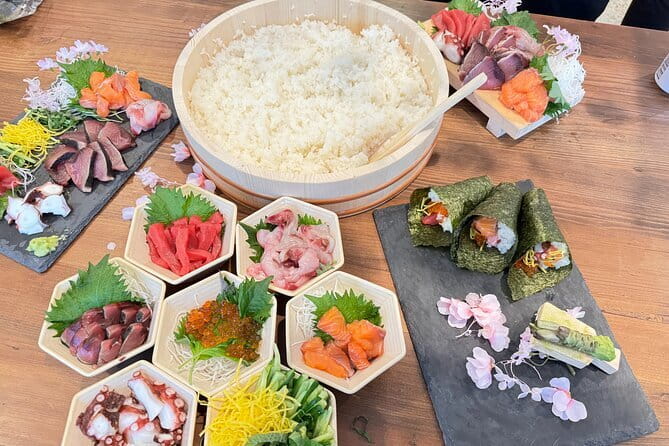
Rolling sushi in Osaka feels way too easy. This 3-hour cooking class teaches Maki sushi and Temari sushi step by step, then lets you sit down and taste what you made with drinks. I like that it is hands-on from the start, not a watch-and-hope lesson.
Two things I especially appreciate are the small group size (max 8) and the fact that everything is provided: tools, ingredients, aprons, and even disposable gloves. One possible drawback to plan for: it’s not a private class, so if you want ultra-personal corrections, you may need a little patience while the instructor rotates through the group.
In This Review
- Key highlights you should care about
- Maki and Temari in Osaka: hands-on sushi you can repeat at home
- Where the class is: a quiet kitchen near Shinsaibashi
- The 3-hour flow: orientation, cooking time, and a sit-down tasting
- Orientation (about 30 minutes): learn the method before you move fast
- Cooking (about 1.5 hours): you actually build both dishes
- Tasting with drinks (about 1 hour): eat what you made
- Making Maki sushi: the roll skill that usually intimidates people
- What you learn that matters at home
- Small drawback to consider
- Making Temari sushi: bite-size rice balls you can shape without stress
- Why Temari is a great souvenir skill
- Drinks and the social pace: a calmer way to enjoy Osaka food culture
- Instructors and language support that actually reduces friction
- Price and value: what $70 buys in a central Osaka location
- Who this class is best for (and who might want something else)
- Possible mismatch
- Practical tips to get the best results on day one
- Should you book this Osaka Sushi Cooking Class?
- FAQ
- What dishes will I learn to make?
- How long is the class?
- Is the class close to public transportation?
- Are drinks included, and do you serve alcohol?
- What do I need to bring?
- Can you accommodate vegetarian or food allergies?
Key highlights you should care about
- You make two styles of sushi: Maki rolls and Temari bite-size rice balls
- A tight 3-hour schedule with orientation, hands-on rolling/shaping, then a long tasting with drinks
- Central Osaka location: about a 5-minute walk from Shinsaibashi and Honmachi stations
- Multilingual teaching support with English, and Spanish or Japanese available on request
- All ingredients and tools included, so you can show up ready to cook
- Drinks included with an age rule for alcohol, only for travelers 20+
Flour on your hands, more Osaka kitchens to try


Maki and Temari in Osaka: hands-on sushi you can repeat at home
This class hits a sweet spot for me: you learn real technique, not just how to assemble food. You start with a quick orientation, then spend the bulk of the session making Maki sushi (the rolled kind) and Temari sushi (the cute rice balls).
What makes this especially useful for your trip is that you are not just collecting photos. You are taking home muscle memory—how to handle rice, how to roll without panic, and how to shape Temari into something you’d actually want to serve again.
The energy is relaxed and social, too. When you finish cooking, you get to eat your own creations with drinks, including sake, beer, and soft drinks. That kind of built-in “celebration break” turns a class into an experience.
Where the class is: a quiet kitchen near Shinsaibashi
The meeting point puts you in the Osaka center of gravity, but the class itself is described as being in a quiet, peaceful neighborhood. It’s also easy to reach: it’s about a 5-minute walk from both Shinsaibashi and Honmachi stations on the Osaka Metro.
For planning your day, that matters. You can pair it with nearby shopping or a meal without losing half your evening to transit. It also helps if your group is mixed—people who want to explore and people who just want a good activity with minimal hassle.
This is also the type of place where “getting there” is part of the calm. No complicated trek, no long wait for a shuttle—just public transportation and a short walk.
The 3-hour flow: orientation, cooking time, and a sit-down tasting
The schedule is straightforward, which I love. You get about 30 minutes of orientation, then about 1.5 hours of hands-on cooking, and finally 1 hour to taste with drinks.
Put this one next to a few other Osaka options first:

Orientation (about 30 minutes): learn the method before you move fast
Orientation is where the instructor sets up your expectations and guides you through the process at a comfortable pace. This is the time to ask questions like what consistency the rice should feel like, how to approach fillings, and how to avoid common rolling mistakes.
Even if you’ve made sushi before, this kind of start can save time later. When you know the steps and the order, you stop wasting effort during the cooking phase.
Cooking (about 1.5 hours): you actually build both dishes
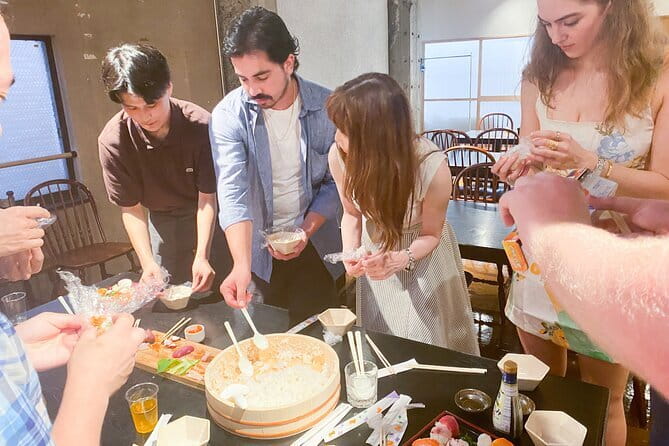
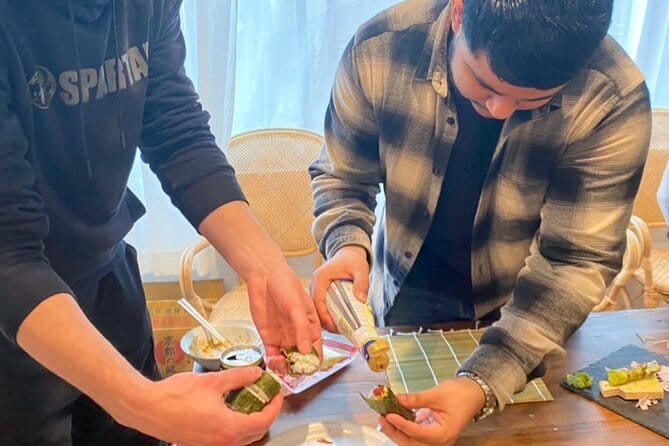
This is the main event. You’ll make Maki sushi and Temari sushi, using all the provided tools and ingredients. Because the group is limited to eight, you’re not stuck in a long line waiting for attention.
A hands-on class also means you can learn by doing. Rolling is one of those skills where feedback helps instantly. Temari is similar: once you see how firm the shaping should be, it clicks fast.
Tasting with drinks (about 1 hour): eat what you made
After cooking, you’re not whisked away to a random restaurant. You get to relax and taste your own work with sake, beer, and soft drinks.
There’s also an important detail for your planning: they only serve alcoholic drinks to travelers 20 years old and above. If you’re traveling with teens or younger kids, that’s still fine—non-alcoholic drinks are offered.
This “eat together” portion is a big part of the value. It turns a class into a full meal moment, even if it is styled like a tasting.
Making Maki sushi: the roll skill that usually intimidates people
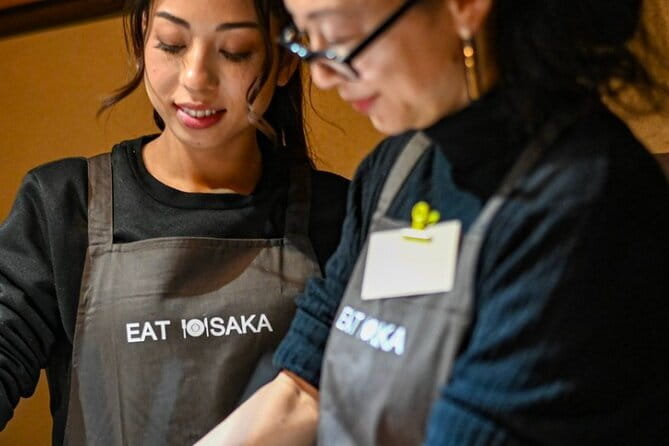
Maki is the classic sushi roll, made by rolling rice, fish, and vegetables inside a sheet of seaweed. The biggest challenge for most first-timers is not the ingredients—it’s the technique: keeping the roll tight, avoiding gaps, and getting the rice spread right.
In this class, the step-by-step structure helps because you are not guessing alone. You get guidance as you work, and you get time to try, adjust, and finish a proper roll.
What you learn that matters at home
If you want to reproduce this later, you’ll care about details like:
- how rice should look and feel before assembly
- how fillings should be portioned so the roll doesn’t burst
- how to handle the seaweed sheet without tearing it
Even if your kitchen setup at home is different, the core method transfers well. That’s why I think Maki is the best dish to start with for home practice.
Small drawback to consider
Maki is not a five-minute craft. If you arrive hungry and tired, you may feel rushed during the cooking segment even though the total class time is generous. Come with energy, or you’ll spend more effort focusing than enjoying.
Making Temari sushi: bite-size rice balls you can shape without stress
Temari sushi is bite-sized, ball-shaped sushi with rice topped with fish or vegetables. It’s less intimidating than rolling because you’re shaping rather than threading everything into a perfect cylinder.
The class structure makes Temari feel doable quickly. You’ll learn how to form the rice ball, then add toppings in a way that looks good and still tastes balanced.
Why Temari is a great souvenir skill
Temari’s appeal is that it looks adorable and feels special. You don’t need fancy equipment to make it work at home later. That’s what makes it a smart second dish: it gives you variety after the rolling practice of Maki.
It also works for different eating styles because you can make bite-sized portions. For a home meal, that means less slicing pressure and more flexibility.
Drinks and the social pace: a calmer way to enjoy Osaka food culture
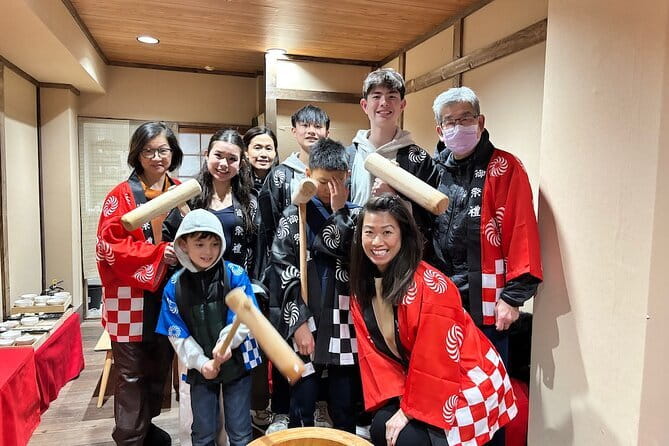
Food classes in Japan can go two ways: either a strict technical training session, or a relaxed social meal. This one blends both. You do the work, then you settle in with sake, beer, and soft drinks.
For many people, the tasting hour is when the experience turns from effort into reward. You get to compare what you cooked with what you expected, and that helps you understand the techniques better for next time.
Also, having drinks available can make the group feel more open. It helps if you’re traveling with friends, or if you just want an easy way to connect with a small group while you eat.
Instructors and language support that actually reduces friction
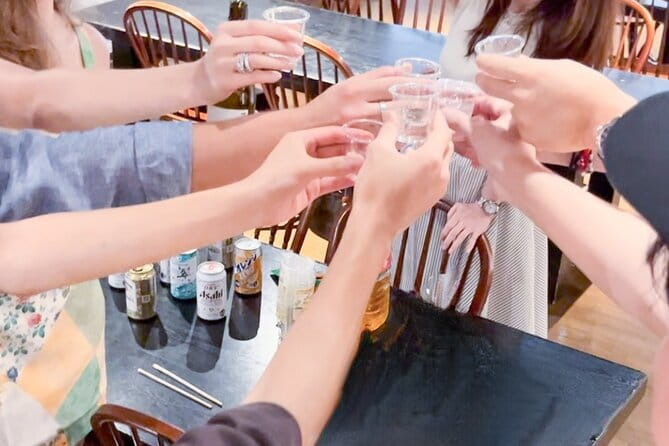
The class is taught by friendly instructors fluent in English, Japanese, and Spanish. You’ll have English support for sure, and Spanish or Japanese speaking instructors are available upon request.
That matters more than it sounds. In sushi, small instruction details can affect your outcome—rice handling, pressure, timing, and how to balance fillings. When language matches your comfort level, you spend less time translating in your head and more time learning the actual method.
The class also caps at eight people, which supports the teaching style. You’re more likely to get corrections or help when you need it.
Price and value: what $70 buys in a central Osaka location
At $70 per person for about 3 hours, this class is priced like a real activity, not like a snack workshop. You’re paying for ingredients, tools, instructor time, and the tasting with drinks (including sake and beer for those eligible by age).
Here’s how I judge value for a class like this:
- You make two different dishes, so you get more than one learning payoff
- Everything is included, so you don’t waste time shopping for missing items
- The location is convenient—near major stations—so you don’t burn your day on logistics
- You leave with skills you can reuse at home, not just a single meal
If you like cooking, the price feels fair because you’re not just eating. If you’re more of a foodie than a home cook, you still get a fun Osaka experience with a solid payoff: you can taste what you made and take that confidence home.
Who this class is best for (and who might want something else)
This experience fits well if you want a hands-on food activity that feels authentic without being complicated. It’s especially good for:
- couples looking for a memorable, shared activity
- families who want a structured, fun food session
- friends traveling together who enjoy making food as a group
The small group limit helps everyone get time and attention. And because you’re learning both a roll and rice balls, you get variety in the final plate.
Possible mismatch
If you only want a quick tasting and you dislike cooking activities, you might prefer a different food stop. This class is about learning technique, not just eating a selection.
Practical tips to get the best results on day one
You don’t need to bring ingredients or tools. The class provides aprons, disposable plastic gloves, and the equipment and ingredients you need.
What you should bring is the right mindset:
- show up ready to handle rice and seaweed
- plan to stay for the full tasting hour so you get the full experience
- if you have dietary needs, contact them for vegetarian or allergy options after booking
One more small planning note: the experience says it requires good weather, with a date change or full refund if it’s canceled due to poor conditions. Even if this is mainly indoor cooking, it’s worth keeping your schedule flexible.
Should you book this Osaka Sushi Cooking Class?
If you want a central Osaka activity where you actually cook and then eat what you made, I think this is a strong choice. The combination of Maki + Temari, the small group size, and the included tasting with drinks makes it feel like more than a demo.
Book it if you’re excited to learn a repeatable skill. The payoff is real because you’ll be shaping rolls and rice balls with your own hands—then tasting your results right away.
Skip it only if you want a purely passive food experience. This one is hands-on, and the fun comes from doing the work, not watching it.
FAQ
What dishes will I learn to make?
You’ll learn to make Maki sushi (sushi rolls) and Temari sushi (bite-sized rice balls).
How long is the class?
It’s about 3 hours total, including 30 minutes orientation, about 1.5 hours cooking, and about 1 hour tasting with drinks.
Is the class close to public transportation?
Yes. The kitchen is about a 5-minute walk from Shinsaibashi and Honmachi stations on the Osaka Metro.
Are drinks included, and do you serve alcohol?
Drinks are included. They offer Japanese sake and beer plus soda/soft drinks. Alcohol is served only to travelers 20 years old and above.
What do I need to bring?
Nothing for cooking. The class provides tools, ingredients, aprons, and disposable plastic gloves. You just need to come ready to cook and learn.
Can you accommodate vegetarian or food allergies?
The class says you can request vegetarian or food allergy options by messaging after booking is complete.
Take Home Something You Made
- Sushi Making Osaka Roll and Authentic Japanese Sushi Class★ 5.0 · 1,220 reviews
- Matcha Making Class in Osaka with Authentic Japanese Sweets Set★ 5.0 · 509 reviews
- Osaka: Ramen and Gyoza Cooking Class in Dotonbori★ 5.0 · 378 reviews
- Osaka Cooking Class: Okonomiyaki &Japanese cuisines experience★ 5.0 · 261 reviews
- Osaka: Roll and Authentic Sushi Making Class in Dotonbori★ 4.9 · 239 reviews
More Tour Reviews in Osaka
- Osaka Go Karting Tour with Funny Costume★ 5.0 · 2,658 reviews
- Osaka Castle: Museum and Tower Entry Ticket★ 4.5 · 2,380 reviews
- Osaka: Shinsekai Food Tour with 13-15 Dishes at 5 Eateries★ 4.8 · 2,204 reviews
- Osaka Food Tour: 13 Dishes at 5 Local Eateries★ 5.0 · 2,149 reviews
- Hungry Osaka Street Food Tour:15 Tastings & 3 Drinks with a Local★ 5.0 · 1,727 reviews
Cook It Yourself in Osaka
- Sushi Making Osaka Roll and Authentic Japanese Sushi Class★ 5.0 · 1,220 reviews
- Osaka: Five Must-See Highlights Walking Tour & Ramen Lunch★ 4.7 · 411 reviews
- Osaka Sushi Making Experience★ 5.0 · 400 reviews
- Osaka: Ramen and Gyoza Cooking Class in Dotonbori★ 5.0 · 378 reviews
- Osaka: Sumo Stage Show with Bento or Snack + Fight & Photo★ 4.3 · 364 reviews
The Newest Osaka Write-Ups
- Private Photoshoot in Osaka with a Professional Photographer
★ 5.0 · 3 reviews - Osaka Early Morning Osaka Castle Tour Avoid Crowds
★ 5.0 · 3 reviews - Nara Private Tour with Pick and Drop and English Speaking Driver
★ 3.5 · 3 reviews - Osaka: Modern Vegetarian Sushi Cooking Class
★ 5.0 · 3 reviews - Nara Day Trip from Osaka with a Licensed Guide
★ 5.0 · 3 reviews
Osaka Cooking Classes, compared.
 ★ 5.0Sushi Making Osaka Roll and Authentic Japanese Sushi ClassFrom $311,220 reviews
 ★ 4.7Five Must-See Highlights Walking Tour & Ramen LunchFrom $56411 reviews
 ★ 5.0Osaka Sushi Making ExperienceFrom $29400 reviews
 ★ 5.0Ramen and Gyoza Cooking Class in DotonboriFrom $70378 reviews
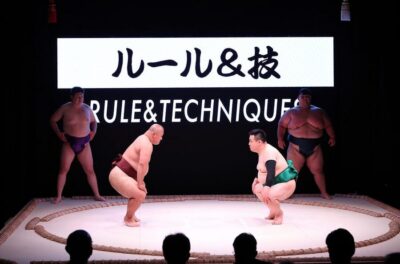 ★ 4.3Sumo Stage Show with Bento or Snack + Fight & PhotoFrom $93364 reviews
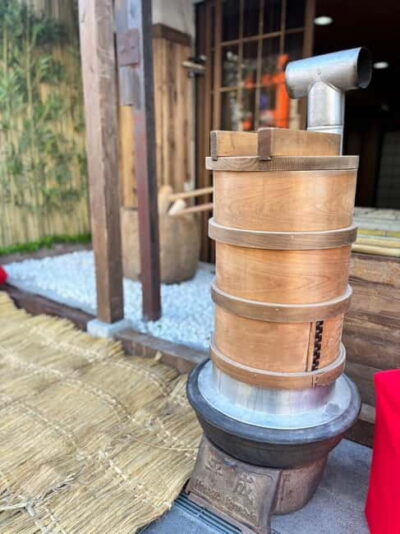 ★ 4.9Traditional Mochi Pounding Experience with TastingFrom $31306 reviews
 ★ 5.0Osaka Cooking Class: Okonomiyaki &Japanese cuisines experienceFrom $104261 reviews
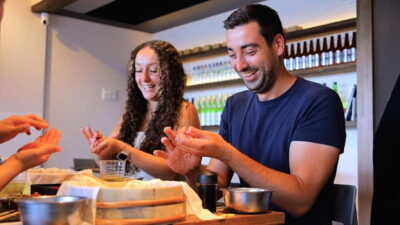 ★ 4.9Roll and Authentic Sushi Making Class in DotonboriFrom $45239 reviews
Browse the lists this tour appears in