
Reviewed · OSAKA CRAFT & CULTURE WORKSHOPS
Osaka: Private Japanese Traditional Ceramics Experience
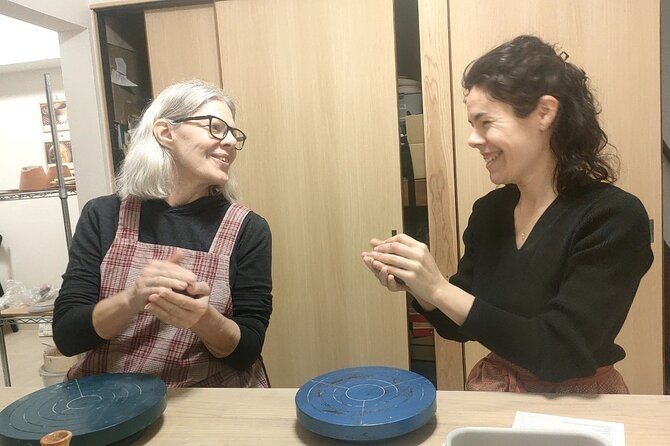
Osaka pottery class with a real-local feel. This private Japanese traditional ceramics experience turns a clay session into a small cultural detour, complete with a century-old studio setting in south Osaka. You pick a ceramic project tied to Japanese gastronomy, then work one-on-one with your instructors—Anna and Ryo—so you’re not just copying a sample.
I especially like the private instruction and the patient pace. The teaching covers both technique and the meaning behind what you’re making, and the class can be in English, Spanish, Catalan, or Japanese depending on your group.
One thing to plan for: your pieces take about 1.5 months to ship, and shipping fees are not included. If you’re traveling light, think ahead about whether you’ll want your finished work mailed home.
In This Review
- Key things I’d circle before booking
- A Showa-era ceramics workshop in south Osaka (not the tourist track)
- Private instruction that keeps your hands moving (with Anna and Ryo)
- Picking your ceramic project: sake set, sushi set, or chawan
- What actually happens during the two hours
- You’ll also get a ready-made souvenir set
- The walk to the studio and why it changes the whole day
- Your pieces after class: firing, then shipping
- Price and value: why $94.13 can make sense here
- Who should book this pottery workshop in Osaka
- Who might want to choose another option
- Tips to get the most out of your first clay session
- Should you book this Osaka traditional ceramics experience?
- FAQ
- How long is the Osaka ceramics workshop?
- What can I make during the class?
- Is this experience private?
- What languages are available for instruction?
- Do you ship the pottery after the workshop?
- What’s included besides the ceramics?
Key things I’d circle before booking
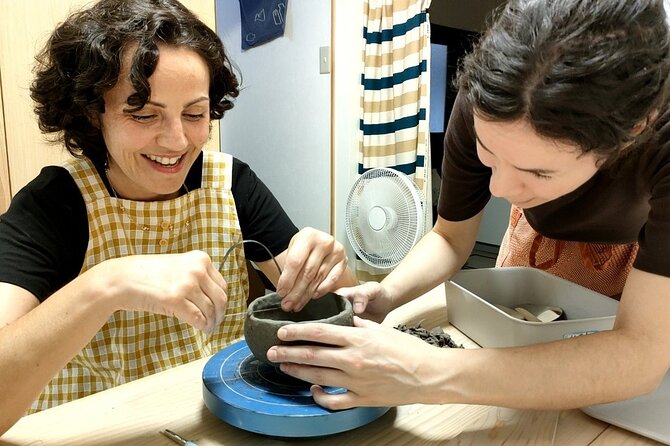
- Private group setup means you get personalized guidance instead of following a busy line of instructions
- 3 project choices linked to food culture: sake set, sushi set, or a tea bowl (chawan)
- Multilingual teaching is a big deal here, especially if you want Spanish or Catalan
- A century-old two-storey house in south Osaka gives you a different Osaka than the top tourist zones
- You’ll also receive extra takeaway ceramics: a small decorated sushi dish and a sakura-shaped chopstick rest
- Shipping is optional but time-based: about 1 month and a half, and you pay shipping separately
A guide to yourselves, more private days out



A Showa-era ceramics workshop in south Osaka (not the tourist track)
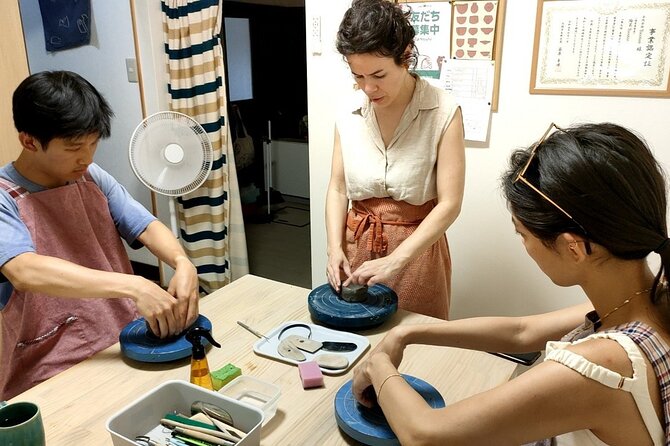
This experience has a simple pitch: you make Japanese ceramics in Osaka, then leave with a souvenir tied to food culture. What makes it more interesting than the typical pottery stop is the setting. The workshop happens in a historic century-old two-storey house in the south of the city, near streets with local food shops.
That location choice matters. If you’ve only seen Osaka from the usual sightseeing corridors, this gives you a calmer, more residential view of daily life. Several people also describe the walk from the station as part of the payoff: you’re moving through neighborhoods where you can spot local rhythms (not just photo ops).
It’s also timed so you can fit it into a half-day. You get morning and afternoon options, and the class itself runs about 2 hours. That’s long enough to learn the basics, shape something you can feel proud of, and still keep your evening open.
Private instruction that keeps your hands moving (with Anna and Ryo)
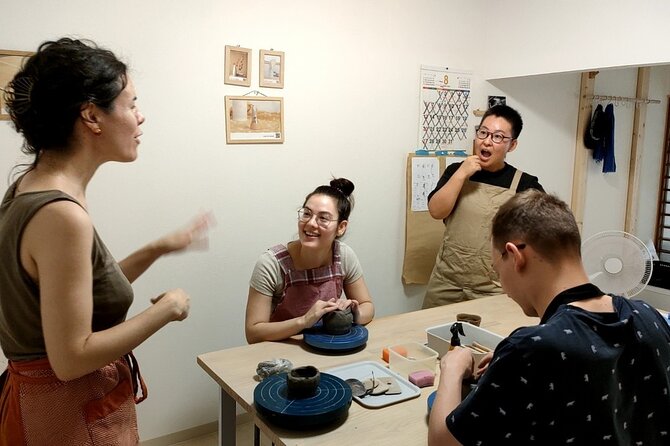
This is a private class, meaning only your group participates. That changes how the whole session feels. In a shared workshop, you often end up waiting for the instructor to finish with other people. Here, the attention stays with you—especially helpful if you’re a first-timer.
The instructor team is central to the reviews. Many people call out Anna and Ryo’s warmth and patience, and you can feel the difference between a place that teaches process and one that helps you understand what you’re doing. The teaching isn’t just hands-on shaping. You’re also talked through Japanese culture and traditional ceramics meaning as you work.
Language support is another practical win. The class can be taught in English, Spanish, Catalan, or Japanese. If you’re planning a trip where language can be a barrier, this matters more than it seems on paper. One of the most useful signals here is that Spanish and Catalan are explicitly offered, which is rare for ceramics experiences.
Picking your ceramic project: sake set, sushi set, or chawan
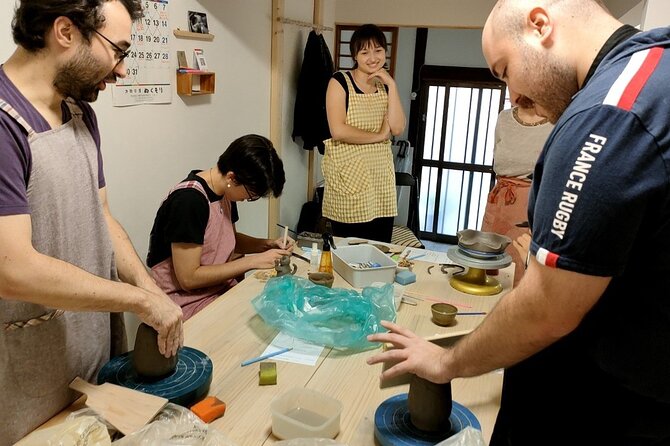
You choose what you want to make from three options, all connected to Japanese gastronomy:
- Sake set: a small bottle and glass
- Sushi set: a sushi plate and a chopstick holder
- Chawan: a tea bowl for tea
I like that the choices aren’t random. Each one has a clear everyday connection—drinking, eating, and tea ceremony culture—so even if your artistic skills are rusty, the “why” makes the “how” easier to follow.
Also, these are projects designed for a short workshop window. You’ll still do real hand-building work with clay, not just assembling a pre-made souvenir. One note from past participants: the process is different from wheel throwing, so if that’s your background, go in knowing this is hand-built work.
Make the souvenir yourself at more workshops
What actually happens during the two hours
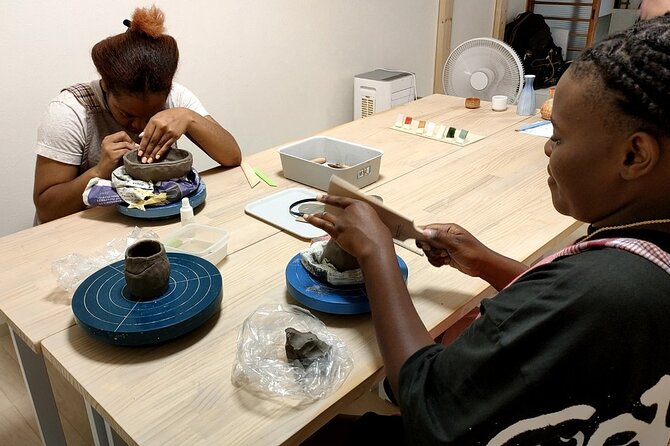
The class structure is built around doing: you work with clay, shape your chosen pieces, and finish with items that can be fired. Even without a minute-by-minute schedule listed, the flow is consistent with how a traditional hand-building ceramics lesson runs.
Here’s what you can expect in the workshop:
- You’ll handle the clay and learn the basics of forming your piece by hand.
- You’ll get guidance on how to shape and finish, not just a one-time demo.
- You’ll talk through the cultural meaning tied to Japanese ceramics and the object you’re making.
- You’ll work at a comfortable pace, because this is private and not crowded.
At the end, the workshop includes the firing fee in the price, so your items can be processed after you leave. You won’t be trying to rush an oven-baked souvenir in the moment—you’ll finish the shaping, then the kiln work happens as part of the service.
You’ll also get a ready-made souvenir set
Even beyond what you make, the included takeaway is thoughtful and very “Japan-table” focused. You receive:
- a small Japanese traditional dish (described as a sushi small plate decorated with traditional glaze)
- a sakura-shaped chopsticks rest, made by Anna
That’s a nice touch if you want a souvenir even if your finished pieces are waiting to be shipped later. It also gives you an immediate “this is real craftsmanship” moment on the day you take the class.
The walk to the studio and why it changes the whole day
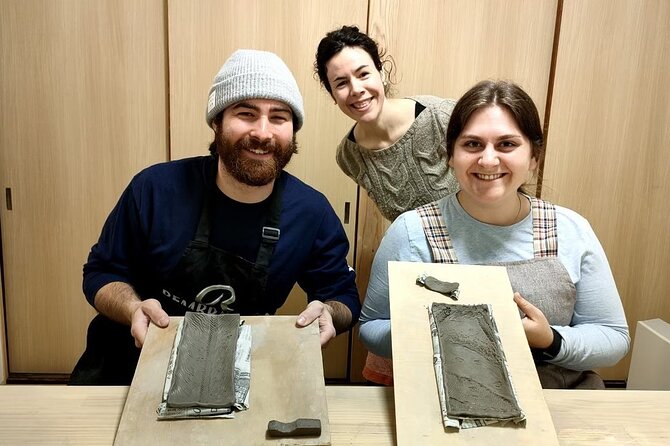
The meeting point is Teradachō Station (in Abeno Ward, Osaka). From there, the experience leads you into a less-touristy part of the city.
A couple of people mention being met by Ryo at the station, and then walking through areas with local food shops—one person even references a covered market owned by locals. That’s not just scenery. It’s a quick way to see Osaka at human scale: smaller storefronts, everyday products, and streets that don’t feel designed for tourists.
The studio itself sits in that century-old two-storey house, which matters because it changes the atmosphere. The day doesn’t feel like a big activity factory. Instead, it feels like you’re stepping into someone’s workspace and traditions.
If you care about authenticity and the “in-between” moments, this is one of those classes where the setting does real work for you.
Your pieces after class: firing, then shipping
Here’s the part you’ll want to plan early: your handmade ceramics don’t leave with you the same day.
- It takes about 1 month and a half to ship your pottery.
- Shipping fees are not included.
So, what should you do with that info?
- If you’re already close to home, you can treat it as a future delivery and stop worrying about luggage space.
- If you’re moving around Osaka and Japan for a while, shipping can actually be the easiest solution—just budget for it.
- If you want something you can use or display immediately, lean into the fact that the included sushi dish and sakura chopsticks rest are provided right away.
The class gives you both: something in-hand now, and something meaningful arriving later.
Price and value: why $94.13 can make sense here
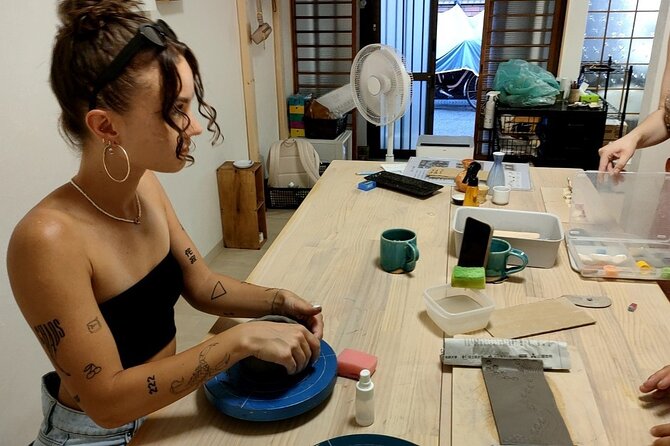
At $94.13 per person, this isn’t the cheapest pottery activity you’ll find in Japan. But it can still be good value because of what’s included and how the experience is delivered.
What you’re getting for the price:
- Instructor guidance
- Material costs and the firing fee
- The included takeaway ceramics (small sushi dish and sakura chopstick rest)
- A drink: Japanese green tea, coffee, or water
- Tax
Then there’s the biggest value driver: it’s private. Private instruction is often what you pay extra for in Japan, and here it’s baked into the overall cost rather than added later.
Is shipping another cost? Yes—shipping is not included, and the timeline is about 1.5 months. That’s the trade-off. If you want an item you can hold today, you may feel less satisfied. But if you’re okay with a “made now, arrives later” souvenir strategy, the price starts to look more balanced.
Who should book this pottery workshop in Osaka
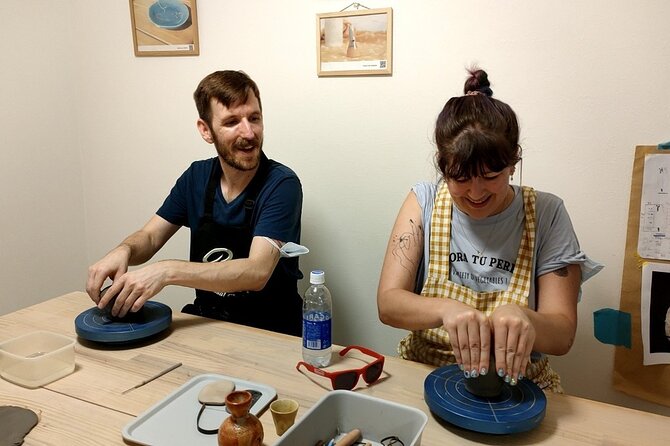
This class fits best when you want:
- a hands-on activity that’s not stressful
- a calmer alternative to high-traffic sightseeing
- meaningful craft instruction, not just a quick craft project
- a private setup with a patient instructor
It’s also a solid option for couples and families. Multiple people describe it as fun for a pair, and one review specifically notes bringing a teen son. Since most travelers can participate, it’s approachable even if you’ve never touched clay before.
Who might want to choose another option
If your top priority is getting your finished pottery the same day, you’ll need to think twice. Shipping is built in, and you shouldn’t expect to carry your final fired pieces home immediately.
Also, if your travel window is tight and you can’t plan for delayed delivery, this may feel less practical. In that case, treat this as a cultural craft session plus an immediate souvenir—then decide whether shipping still works for you.
Tips to get the most out of your first clay session
Because this is a private workshop, you can make it more than a hands-on hobby minute. Here are practical ways to turn it into a memory you’ll still care about:
- Ask about the meaning as you go. The cultural explanation is part of what people love, especially the way Anna and the team connect technique to tradition.
- Pick the item that matches how you eat and drink at home. If you like tea, the chawan will feel most personal. If sushi is your thing, the sushi set naturally fits.
- Don’t worry about perfection. The vibe described in feedback is “chill,” and the instruction is patient. Your goal is a piece you’re proud to keep—then later ship.
- Take your time with shaping. Hand-building is different from wheel throwing, and rushing can make details harder.
And if you’re nervous about your drawing or craft skills: good. That’s exactly when patient instruction helps most.
Should you book this Osaka traditional ceramics experience?
I think you should book this if you want a private, language-friendly ceramics class that’s also a slice of real Osaka. The workshop’s real strength is not just the clay work. It’s the combination of personalized teaching, cultural context, and a studio setting that feels like you stepped off the main tourist route.
You might skip it if you’re strongly “no waiting for shipping” when it comes to souvenirs. The pottery takes about 1.5 months to ship, and shipping costs aren’t included. If you can live with that trade-off, the value and the experience quality are the reason people rate it so highly.
If you’re on the fence, choose the project that you’d actually use or display at home (tea bowl, sake set, or sushi set). Then plan your trip with the shipping timeline in mind, and this becomes one of the most satisfying crafts you’ll do in Japan.
FAQ
How long is the Osaka ceramics workshop?
The workshop lasts about 2 hours.
What can I make during the class?
You can choose one project from three options: a sake set, a sushi set, or a tea bowl (chawan).
Is this experience private?
Yes. It’s a private experience, so only your group participates.
What languages are available for instruction?
The class is offered in English, Spanish, Catalan, and Japanese.
Do you ship the pottery after the workshop?
Yes. Shipping is available for the pieces you make, and it takes about 1 month and a half. The shipping fee is not included.
What’s included besides the ceramics?
You receive an instructor, material costs, the firing fee, a Japanese traditional small dish and a sakura-shaped chopstick rest, and a drink (Japanese green tea, coffee, or water). Tax is also included.
More Tour Reviews in Osaka
- Osaka Go Karting Tour with Funny Costume★ 5.0 · 2,658 reviews
- Osaka Castle: Museum and Tower Entry Ticket★ 4.5 · 2,380 reviews
- Osaka: Shinsekai Food Tour with 13-15 Dishes at 5 Eateries★ 4.8 · 2,204 reviews
- Osaka Food Tour: 13 Dishes at 5 Local Eateries★ 5.0 · 2,149 reviews
- Hungry Osaka Street Food Tour:15 Tastings & 3 Drinks with a Local★ 5.0 · 1,727 reviews
Made in Osaka, by You
- Osaka: Tea Ceremony, Calligraphy, and Kimono Experience★ 4.9 · 130 reviews
- 1.5〜2 Hours Traditional Kintsugi Work Shop in Namba Osaka★ 5.0 · 75 reviews
- Osaka: Private Japanese Calligraphy Experience★ 5.0 · 66 reviews
- From Osaka: Sakai Knife Maker or Blacksmith Walking Tour★ 4.9 · 64 reviews
- Osaka: Traditional Japanese Ceramics Private Experience★ 5.0 · 57 reviews
Your Osaka, at Your Pace
- Private Osaka Walking Tour: Highlights & Hidden Gems★ 5.0 · 569 reviews
- Osaka 4hr Private Tour with Government-Licensed Guide★ 5.0 · 314 reviews
- 3/4/5 Hours Private Tour in Osaka with Local Guide★ 5.0 · 189 reviews
- Osaka’s Best and Brightest: Private Full-Day Tour by Vehicle★ 5.0 · 147 reviews
- Kyoto & Nara Private customized tour with English speaking Guide★ 4.5 · 99 reviews
The Newest Osaka Write-Ups
- Private Photoshoot in Osaka with a Professional Photographer
★ 5.0 · 3 reviews - Osaka Early Morning Osaka Castle Tour Avoid Crowds
★ 5.0 · 3 reviews - Nara Private Tour with Pick and Drop and English Speaking Driver
★ 3.5 · 3 reviews - Osaka: Modern Vegetarian Sushi Cooking Class
★ 5.0 · 3 reviews - Nara Day Trip from Osaka with a Licensed Guide
★ 5.0 · 3 reviews
Osaka Craft & Culture Workshops, compared.
 ★ 4.9Tea Ceremony, Calligraphy, and Kimono ExperienceFrom $96130 reviews
 ★ 5.01.5〜2 Hours Traditional Kintsugi Work Shop in Namba OsakaFrom $12575 reviews
 ★ 5.0Private Japanese Calligraphy ExperienceFrom $5166 reviews
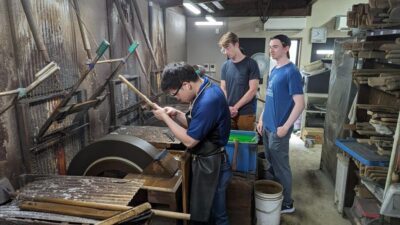 ★ 4.9From Osaka: Sakai Knife Maker or Blacksmith Walking TourFrom $6464 reviews
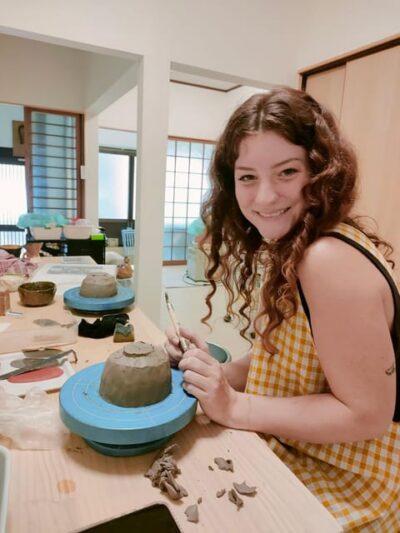 ★ 5.0Traditional Japanese Ceramics Private ExperienceFrom $9657 reviews
 ★ 5.0Calligraphy Workshop in Namba, DotonboriFrom $4957 reviews
 ★ 4.5Learning Zen of Japanese Calligraphy in kimono near Osaka CastleFrom $4353 reviews
 ★ 5.0Private Tea Ceremony and Calligraphy ExperienceFrom $6450 reviews
Browse the lists this tour appears in