
Reviewed · OSAKA CRAFT & CULTURE WORKSHOPS
Osaka: Private Ceramic Painting Workshop
Want a hands-on Osaka souvenir? This private ceramic painting workshop turns a 2-hour stop into a real keepsake, with pickup at JR Teradachō Station and a studio tucked in a quieter part of town. I also love that you can work in Spanish or Catalan, not just English, so the cultural chat actually lands.
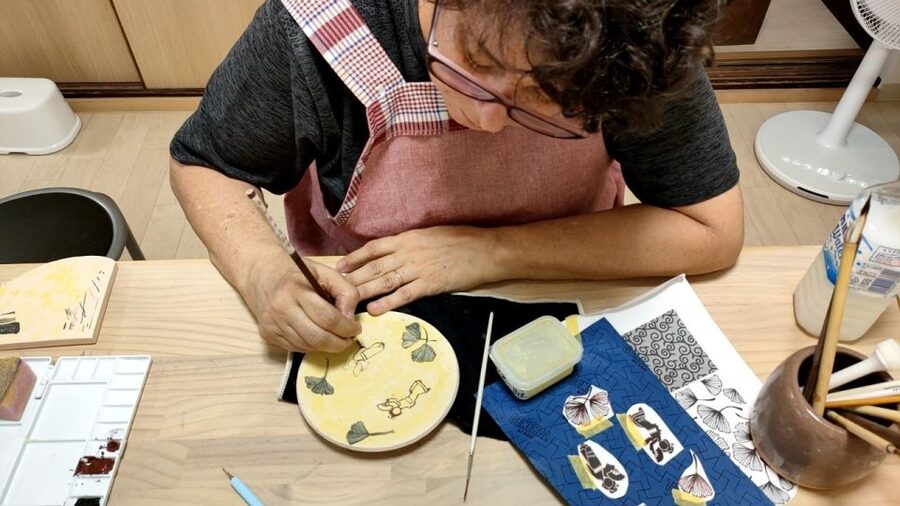
I love the relaxed, one-on-one pace with your instructor, which makes it feel more like a welcome into a friend’s world than a rushed class. You’ll paint a ceramic dish while talking about Japanese culture, and your guide will help you choose designs and techniques so you don’t need to be an artist.
One important catch: your finished piece is fired and shipped to your home later, about 1.5 months after the workshop, and shipping costs aren’t included. If you want your main artwork the same day, plan around that.
In This Review
- Key highlights at a glance
- Teradachō Station pickup and the walk that shows real Osaka
- Entering the century-old workshop house (and meeting Anna)
- What you’ll paint: patterns, Japanese culture images, and kanji
- The lesson part: learning as you paint (not after)
- Your take-home gift vs. your fired artwork: plan for the timing
- You take a gift home right away
- Your main dish ships after firing
- What the included materials mean (and why it’s not just paint)
- Price and value: what $61 buys you (and what it doesn’t)
- Who should book this workshop (and who might skip it)
- Final verdict: should you book Osaka: Private Ceramic Painting Workshop?
- FAQ
- Where do I meet the guide for the ceramic workshop?
- How long does the workshop last?
- Is the class private?
- What can I paint on the ceramic dish?
- What languages are available for the workshop?
- What gift do I receive, and can I take it home the same day?
- Does the workshop use special materials?
- How does shipping work for the piece I paint?
- What if I’m late, and can I cancel?
Key highlights at a glance
- Private class for you alone, so questions and corrections are immediate
- Spanish or Catalan instruction in Osaka, great when you want more than basic English
- Shigaraki-area clay dish, plus painting guidance for traditional patterns or pop culture themes
- Century-old house in south Osaka, reached via a walk showing Showa-era Osaka
- Take-home gift the same day: a small dish plus a Sakura-shaped chopstick holder
- Your painted piece ships later after firing (shipping fee not included)
A guide to yourselves, more private days out



Teradachō Station pickup and the walk that shows real Osaka
The experience starts the practical way: meet at JR Teradachō Station, north exit. Look for the guide holding a sign for the studio, Ceramics Tocoton—it’s the kind of setup that saves you from circling a neighborhood looking confused.
From there, you walk toward the workshop and get something most visitor itineraries miss: a slice of Osaka that still feels mid-20th century. You’ll pass through streets where the pace is local, not curated for tourists. It’s not just scenery. This walk sets the tone for what happens inside—the studio feels like part of daily life, not a showroom.
If you’re the type who likes small conversations while you walk, you’ll fit right in. People describe chatting with the guides along the way, which makes the workshop feel less like an activity and more like a cultural pause.
Entering the century-old workshop house (and meeting Anna)
The workshop takes place in a century-old house in south Osaka. That matters. These places have character in the materials too—wood, space, and light all influence how comfortable you feel while you paint.
When you arrive, you’ll be welcomed and guided through what to make and how to paint it. One name that comes up again and again is Anna, the instructor connected with the workshop. You’ll likely meet her directly, and the feel is friendly and calm—more “work together” than “follow the worksheet.”
There’s also mention of tea and a small gallery upstairs where you can buy ceramics made by Anna. Even if you don’t plan to shop, it’s a nice way to see what the finished work looks like in real life before your own dish heads off for firing.
Practical tip: wear clothes you don’t mind getting a little paint dust on. It’s a painting class, not a museum visit.
What you’ll paint: patterns, Japanese culture images, and kanji
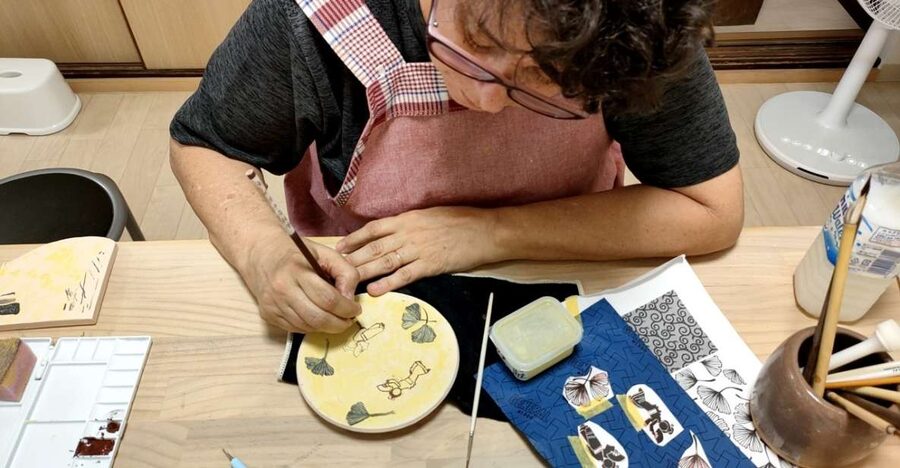
Inside, the heart of the experience is straightforward: you paint a ceramic dish using a brush and designs tied to Japan. You’ll have choices, and the instructor helps you land on a look that fits your taste and skill level.
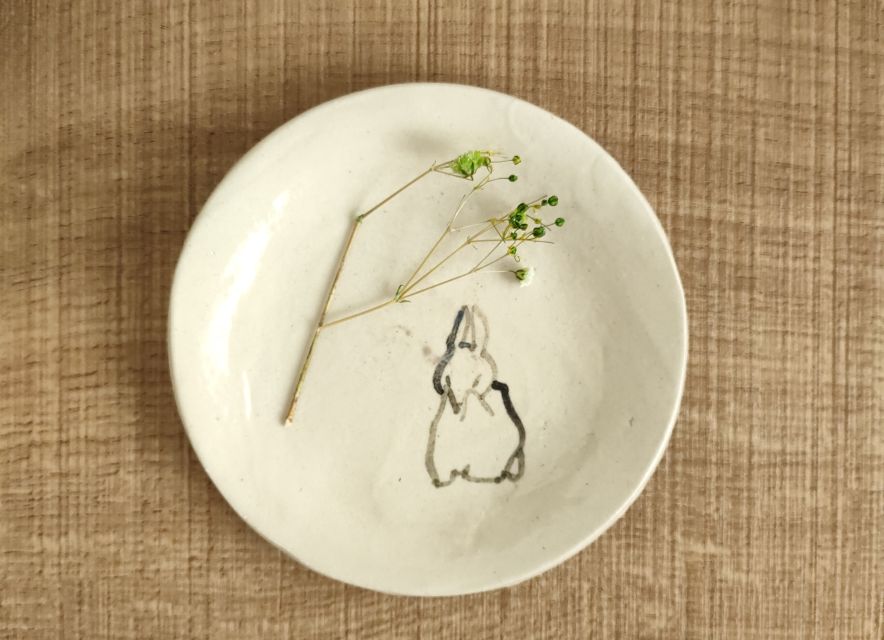
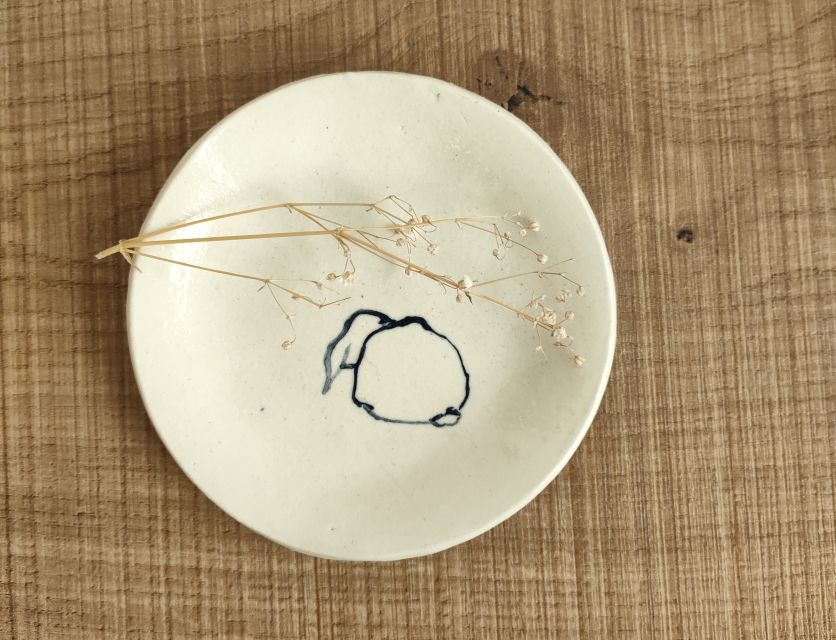
You can go traditional—think classic Japanese motifs—or choose imagery from Japanese culture. The themes you can select include things like Mount Fuji, sushi, and a sakura tree. If you want something personal, you can also write a word in kanji (Japanese ideogram).
This is where the workshop becomes more than a souvenir. The patterns aren’t random. They connect to how Japanese design uses repetition, balance, and symbolism. Even when the class is playful and creative, you’re still learning why these designs look the way they do.
And you don’t have to arrive with a perfect sketch. People specifically note that you don’t need to be talented to take the course—interest matters, and help is available if you get stuck. That’s a big deal for visitors who worry they’ll mess it up.
Make the souvenir yourself at more workshops
The lesson part: learning as you paint (not after)
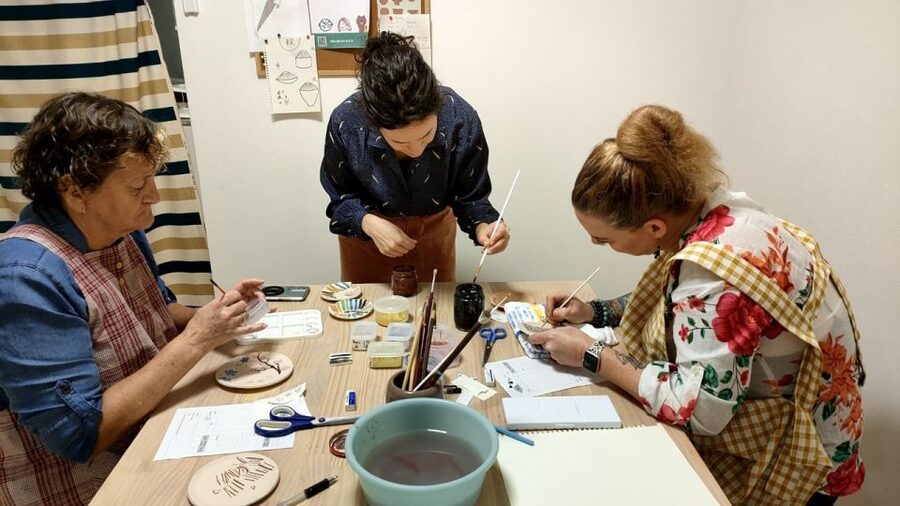
The instruction isn’t only about technique. It’s also about context—talking through Japanese culture while you work. That’s often what turns a craft class into a memory you actually keep.
Because the class can be taught in English, Catalan, Spanish, or Japanese, you can choose the language that helps you understand both the practical steps and the cultural side. The Spanish/Catalan options are especially valuable if that language support is what you need to feel confident asking questions.
You’ll likely discuss how patterns are meant to be viewed and how ceramic design connects to everyday objects. You’ll also get guidance on brushwork and painting decisions so your design shows up clearly on the dish after firing.
One reason this feels good: the class is private. There’s no crowd timing you. You can move at your pace, ask follow-ups, and take a bit more time on details without feeling pressured.
Your take-home gift vs. your fired artwork: plan for the timing
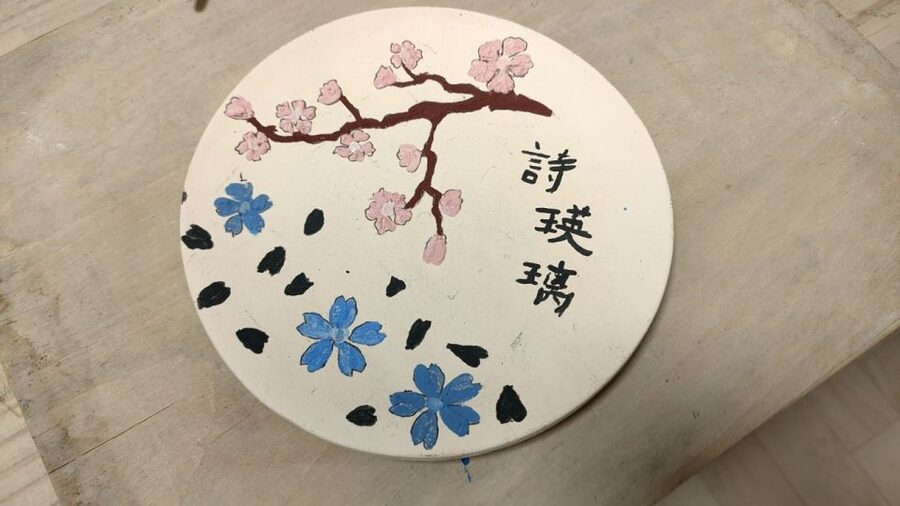
Here’s the split that most people should understand before they go:
You take a gift home right away
The price includes a small take-home gift made for you: a small dish with a traditional Japanese pattern plus a Sakura-shaped chopstick holder. This is handmade using traditional Japanese design and materials, and you can take it with you on the day you come to the studio.
That’s your instant souvenir win. Even if you’re traveling light, this is the part you know will be in your bag that day.
Your main dish ships after firing
The ceramic dish you paint during the workshop is fired, and then it’s sent to your home. The wait time is about one month and a half, and shipping costs are not included.
This setup is common for ceramics, but it changes how you should value the workshop. If you’re the kind of traveler who wants everything in hand before you fly out, you’ll need to accept the later delivery. If you’re okay with waiting (and you don’t mind paying shipping separately), this is still a smart move because it lets you focus on creating without worrying about transporting a freshly painted piece.
Tip for logistics-minded travelers: treat this like a mailed keepsake, not like something you’ll pack into your suitcase immediately after class.
What the included materials mean (and why it’s not just paint)
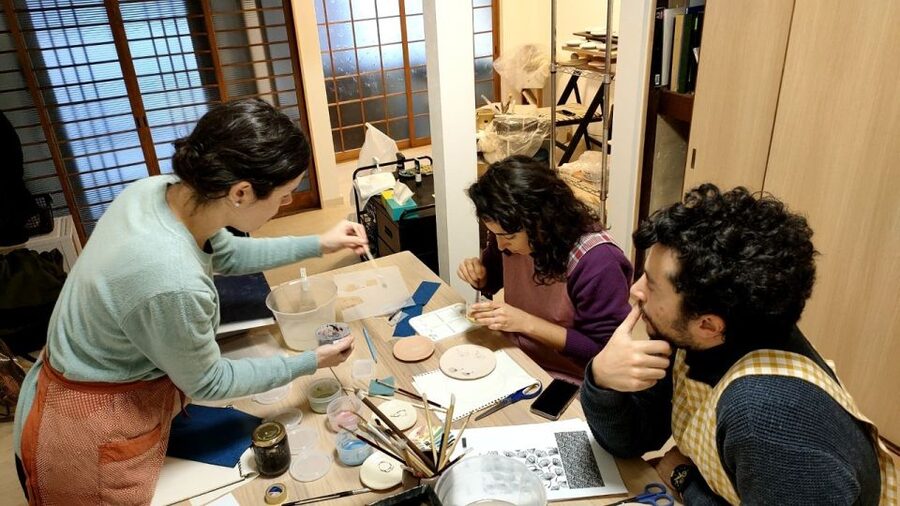
The course includes materials and tools, including a dish made with clay from the Shigaraki area and ceramic paints for your design. Shigaraki clay has a reputation tied to Japanese pottery traditions, so you’re not just working on generic craft supplies.
That matters for two reasons:
1) The base dish affects how your design reads after firing.
2) Using traditional materials connects the class to real ceramic practice instead of purely decorative painting.
The instruction team also provides the guidance, so you’re not stuck figuring out how thick to paint, where to add detail, or how to control your brush strokes. This helps keep the experience enjoyable even if you’ve never painted on ceramics before.
Price and value: what $61 buys you (and what it doesn’t)
The listed price is $61 per person for a 2-hour private workshop. On paper, it’s a modest craft price for Japan—especially because it includes more than just “use the paint.”
What you get included:
- Pickup from JR Teradachō Station
- An instructor to guide you
- Materials for the dish you paint
- The take-home gift: small dish + Sakura chopstick holder
What you should budget separately:
- Shipping costs for the fired piece (shipping not included)
- Any additional purchases you might want to make at the studio gallery
So is it good value? In my view, it’s best value when you want three things at once:
- A hands-on Osaka souvenir you designed
- A language-supported experience (Spanish/Catalan option is rare for ceramics)
- A local-feeling workshop in a neighborhood setting, not a tourist-factory room
If shipping costs push your total too high, or if you absolutely need your artwork same-day, you might decide against it. But if you can live with the one-and-a-half-month wait, this offers a lot of human attention for the price.
Who should book this workshop (and who might skip it)
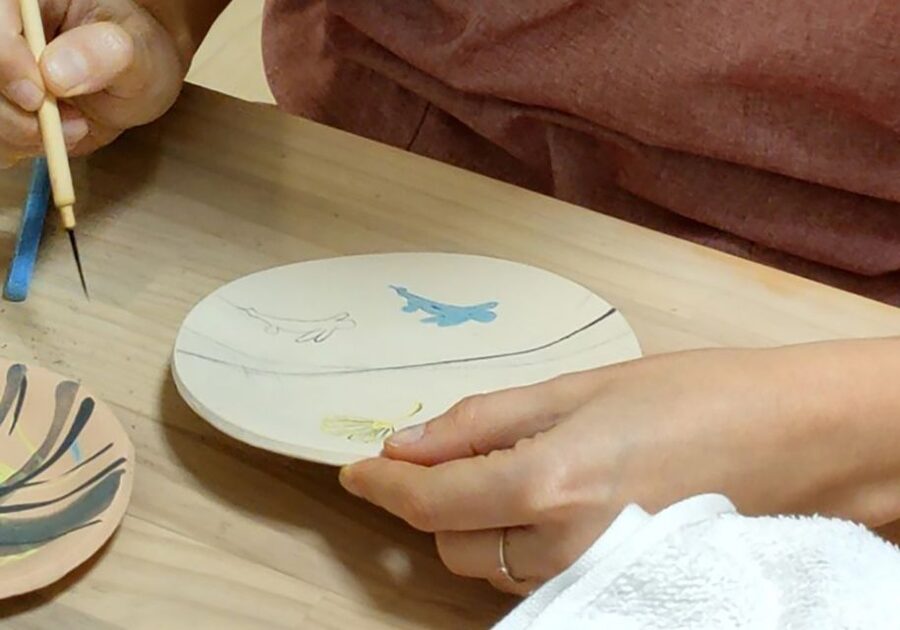
Book this if:
- You want a personal souvenir that’s more than a postcard
- You’d enjoy conversation while making something practical (like a dish and chopstick holder)
- You prefer a private class where your instructor can help you one-on-one
- You want Spanish or Catalan instruction for a craft activity
You might skip it if:
- You can’t handle waiting for your fired artwork to arrive
- You’re traveling with strict packing limits and don’t want any items sent later
- You need all belongings back immediately at the end of the activity
Also note the age limit: it’s not suitable for children under 5. If you’re traveling with younger kids, plan for a different activity.
Final verdict: should you book Osaka: Private Ceramic Painting Workshop?
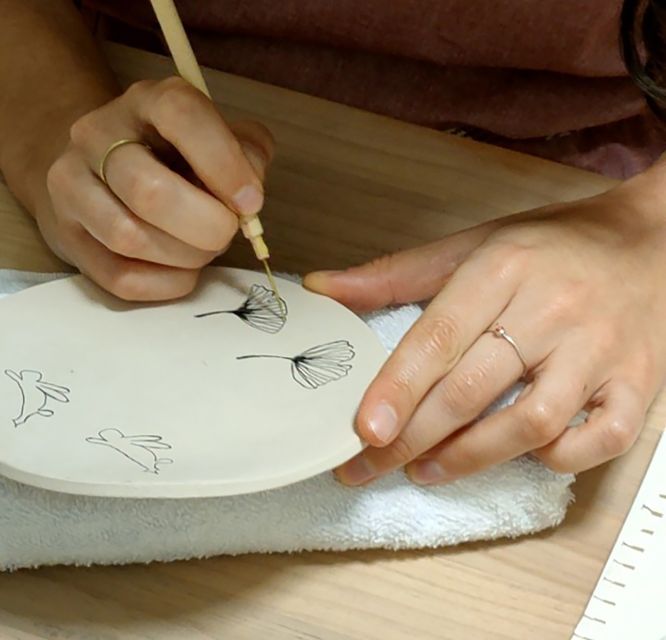
If your idea of a great Osaka day includes hands-on making, a calm pace, and a bit of culture you can actually talk about, I think this is an easy yes. The private format, the chance to paint your own dish with traditional themes or kanji, and the take-home gift you get the same day make it feel worthwhile even before your fired piece arrives.
Just go in with clear expectations about the shipping part. Plan for a mailed keepsake, not an instant takeaway, and leave room in your budget for shipping since it’s not included.
If you’re looking for a creative souvenir with language support—especially in Spanish or Catalal—this is the kind of small experience that turns a trip into something personal.
FAQ
Where do I meet the guide for the ceramic workshop?
You meet at JR Teradachō Station, north exit. Look for the guide carrying a sign with the name of the studio, Ceramics Tocoton.
How long does the workshop last?
The workshop lasts about 2 hours.
Is the class private?
Yes. It’s a private group experience, exclusively for you.
What can I paint on the ceramic dish?
You paint a ceramic dish with Japan-related designs. You can choose traditional designs or Japanese culture images like Mount Fuji, sushi, or a sakura tree, and you can also write a desired word in kanji.
What languages are available for the workshop?
The workshop can be taught in English, Catalan, Spanish, or Japanese.
What gift do I receive, and can I take it home the same day?
You receive a small dish with a traditional Japanese pattern plus a Sakura-shaped chopstick holder. You can take this gift with you on the day you visit the studio.
Does the workshop use special materials?
Yes. The dish you work on is made with clay from the Shigaraki area, and you use ceramic paints for your artwork.
How does shipping work for the piece I paint?
Your painted piece is fired and then sent to your home. It takes about 1 month and a half to ship, and shipping costs are not included.
What if I’m late, and can I cancel?
If you are going to be more than 15 minutes late, you should contact the workshop. Being more than 15 minutes late will be considered a no-show. You can cancel up to 24 hours in advance for a full refund, and you can reserve now and pay later.
More Tour Reviews in Osaka
- Osaka Go Karting Tour with Funny Costume★ 5.0 · 2,658 reviews
- Osaka Castle: Museum and Tower Entry Ticket★ 4.5 · 2,380 reviews
- Osaka: Shinsekai Food Tour with 13-15 Dishes at 5 Eateries★ 4.8 · 2,204 reviews
- Osaka Food Tour: 13 Dishes at 5 Local Eateries★ 5.0 · 2,149 reviews
- Hungry Osaka Street Food Tour:15 Tastings & 3 Drinks with a Local★ 5.0 · 1,727 reviews
Made in Osaka, by You
- Osaka: Tea Ceremony, Calligraphy, and Kimono Experience★ 4.9 · 130 reviews
- 1.5〜2 Hours Traditional Kintsugi Work Shop in Namba Osaka★ 5.0 · 75 reviews
- Osaka: Private Japanese Calligraphy Experience★ 5.0 · 66 reviews
- From Osaka: Sakai Knife Maker or Blacksmith Walking Tour★ 4.9 · 64 reviews
- Osaka: Traditional Japanese Ceramics Private Experience★ 5.0 · 57 reviews
Your Osaka, at Your Pace
- Private Osaka Walking Tour: Highlights & Hidden Gems★ 5.0 · 569 reviews
- Osaka 4hr Private Tour with Government-Licensed Guide★ 5.0 · 314 reviews
- 3/4/5 Hours Private Tour in Osaka with Local Guide★ 5.0 · 189 reviews
- Osaka’s Best and Brightest: Private Full-Day Tour by Vehicle★ 5.0 · 147 reviews
- Kyoto & Nara Private customized tour with English speaking Guide★ 4.5 · 99 reviews
The Newest Osaka Write-Ups
- Private Photoshoot in Osaka with a Professional Photographer
★ 5.0 · 3 reviews - Osaka Early Morning Osaka Castle Tour Avoid Crowds
★ 5.0 · 3 reviews - Nara Private Tour with Pick and Drop and English Speaking Driver
★ 3.5 · 3 reviews - Osaka: Modern Vegetarian Sushi Cooking Class
★ 5.0 · 3 reviews - Nara Day Trip from Osaka with a Licensed Guide
★ 5.0 · 3 reviews
Osaka Craft & Culture Workshops, compared.
 ★ 4.9Tea Ceremony, Calligraphy, and Kimono ExperienceFrom $96130 reviews
 ★ 5.01.5〜2 Hours Traditional Kintsugi Work Shop in Namba OsakaFrom $12575 reviews
 ★ 5.0Private Japanese Calligraphy ExperienceFrom $5166 reviews
 ★ 4.9From Osaka: Sakai Knife Maker or Blacksmith Walking TourFrom $6464 reviews
 ★ 5.0Calligraphy Workshop in Namba, DotonboriFrom $4957 reviews
 ★ 5.0Traditional Japanese Ceramics Private ExperienceFrom $9657 reviews
 ★ 4.5Learning Zen of Japanese Calligraphy in kimono near Osaka CastleFrom $4353 reviews
 ★ 5.0Private Tea Ceremony and Calligraphy ExperienceFrom $6450 reviews
Browse the lists this tour appears in