
A good Japanese meal often starts long before the first bite. This Osaka cooking class with Chef Yuki focuses on the real building blocks: tempura technique and bonito miso soup you can reproduce at home. You will also do hands-on steps that most visitors never see, like shaving bonito flakes from the block and working through tempura batter and frying with guidance.
Two things I really like: first, the class is small (up to six people), so you get real attention instead of crowd-control cooking. Second, you leave with recipe handouts and practiced technique, not just a full stomach and blurry photos. For me, that is the difference between a fun activity and a useful skill.
One possible drawback: you are responsible for getting to the meeting point, and you should arrive on time. The whole flow depends on starting together, and the session runs about 150 minutes.
In This Review
- Key Things You’ll Notice Right Away
- Chef Yuki’s Osaka Setting: Private Attention Without the Pretend Luxury
- The Tempura Work: How You Get Crunch Instead of Chaos
- Bonito Miso Soup and Dashi: The Skill That Changes Everything
- Kakiage Tempura and Soft-Boiled Egg Tempura: Two Targets, Two Textures
- Recipes, Tasting, and Tea: What Happens After You Cook
- Price and Value: Is $96 Worth It for 150 Minutes?
- Who This Class Fits Best in Your Osaka Plan
- FAQ
- How long is the Osaka Authentic Tempura & Miso Soup Japan Cooking Class?
- Is the class taught in English?
- What dishes will I cook?
- Where do I meet the instructor in Osaka?
- Is pickup available from my location in Osaka?
- Is there free cancellation?
- Should You Book Chef Yuki’s Tempura and Miso Class?
Key Things You’ll Notice Right Away
- Bonito shaving by hand: you learn the dashi start instead of treating it like a magic ingredient
- Small group pace: up to six participants, with lots of time for questions
- Real tempura targets: kakiage and soft-boiled egg tempura, not just one basic fritter
- Chef-led technique for texture: batter handling and frying that affects crunch and lightness
- Home-style, calm setting: you relax and eat what you cooked with tea afterward
- English instruction: taught by an English-speaking instructor with recipe handouts to take home
Flour on your hands, more Osaka kitchens to try
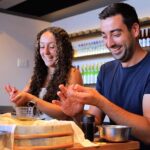
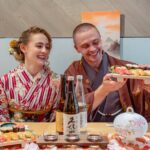
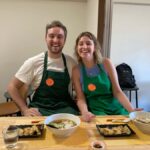
Chef Yuki’s Osaka Setting: Private Attention Without the Pretend Luxury
This class is built around a simple idea: Japanese cooking is precise, but it is also learnable. You start in Osaka at 4-19 Nukata-cho, near Nukata Station, about a five-minute walk. Plan to arrive about 10 minutes early so you do not scramble at the last second.
What makes this feel different from the usual factory-style cooking experience is the size and the tone. With a group capped at six, Chef Yuki can slow down when you need it and correct small technique issues before they become mushy tempura or flat miso flavor.
You might see different comfort levels in a class like this. The pace is hands-on and technique-focused, so if you already cook a lot, you will still likely find value in the Japanese method. If you are newer to cooking, you will still be able to follow along because the dishes are introduced from the fundamentals.
If you want a smoother start, check the options offered for pickup. Some versions of the experience include a concierge pickup service within Osaka, and others offer an insider-style walk near the neighborhood. Either way, you are not stuck on your own trying to interpret Osaka during the most important part of the day: getting oriented and starting.
The Tempura Work: How You Get Crunch Instead of Chaos
Tempura is often oversimplified to fried batter. In real Japanese cooking, it is about contrast: crisp outside, tender inside, and batter that stays light instead of greasy.
In this class, you make tempura from scratch. That includes practical steps like mixing and handling batter so it behaves correctly when it hits hot oil. You also learn what matters in the frying process, because tempura does not wait for you to get the timing right later.
You will also cook tempura donburi-style elements, with guidance aimed at getting texture and flavor to work together. This is a useful target dish because you can repeat it at home without needing an elaborate menu. When you get the basic idea right, you can later expand into other tempura variations.
Why this matters for value: tempura technique is one of those skills that looks easy in restaurants but is hard to copy without knowing what to watch. Here, you are taught how to approach the method in a way that makes sense in your own kitchen later.
Small note: the class is not presented as a deep professional kitchen simulation. It is a hands-on lesson, and it will meet you where you are. If you want advanced chef-only theory on oil temperature measurement or batter ratios down to the gram, you might find the focus leans more toward practical cooking success than heavy culinary science.
Bonito Miso Soup and Dashi: The Skill That Changes Everything
If there is one ingredient moment that makes this class feel genuinely special, it is the dashi start. Dashi is the foundation for many Japanese dishes, and in this class you learn the process behind it rather than skipping to the finished broth.
A standout highlight here is hand-shaving bonito flakes from a block. That step is a real craft action: slow, careful, and satisfying. The point is not just tradition. It affects how the bonito releases flavor into hot water, which then carries into your miso soup.
You then create authentic miso soup, working through how miso is used and how the broth tastes once the dashi base is right. Even if you have had miso soup before, you will likely notice the difference between a generic soup and one built from proper dashi.
This is also where you pick up small Japanese cooking habits that translate well at home:
- getting the base right before seasoning
- using technique to manage flavor instead of overpowering it
- learning timing and sequence so the soup tastes clean, not muddy
That hand-shaving step is also the kind of thing you cannot fake. You either do it and understand the flow, or you keep treating dashi as a store-bought shortcut.
Put this one next to a few other Osaka options first:

Kakiage Tempura and Soft-Boiled Egg Tempura: Two Targets, Two Textures
Tempura has variety, and this class gives you more than one style. You make kakiage tempura, which is that crisp, mixed tempura where multiple ingredients come together into one lacy, crunchy result. The challenge with kakiage is managing how the pieces behave in batter and oil so it turns out crisp and not clumped or heavy.
You also make soft boiled egg tempura. That dish is all about contrast and timing: the outside has to stay light and crisp, while the inside remains tender and custardy. In a class setting, you are guided through the steps so you learn how to handle the “fragile but fried” part of the process.
If you want a souvenir you can taste later, these are the kinds of dishes that make you feel confident recreating Japanese food, not just copying a recipe. Once you understand the texture goals, you can adjust for your ingredients back home.
Recipes, Tasting, and Tea: What Happens After You Cook
After you finish frying and assembling, you eat what you made. The meal tasting is included, along with drinks. That matters more than it sounds. In a cooking class, the final tasting is where technique becomes real: you notice crunch levels, seasoning balance, and how the soup tastes once everything comes together.
The experience also includes a chance to relax in the chef’s elegant living space. The class description notes views of the mountains, and that kind of calm after a hands-on session changes the day. It turns cooking from a chore into a break.
You should also expect to see tea paired with the meal. Tea is a classic way to clear the palate after fried food and to keep the whole dining feel “Japanese” rather than just “home cooking with a guide.”
One more practical upside: you receive recipe handouts. Even if you remember everything in the moment, you will forget some small timing details later. Having the written instructions gives you a shortcut back to the method you practiced.
Price and Value: Is $96 Worth It for 150 Minutes?
At $96 per person for about 150 minutes, this class is priced like a skill-focused workshop rather than a casual food tour. For me, the value comes from four things you do that you cannot easily replicate on your own:
1) You learn technique with feedback
You are not just watching batter get made. You are working on it, with an instructor who can point out what to change.
2) You make dashi from scratch
Hand-shaving bonito flakes is a real craft step that adds depth to the miso soup, and it is hard to learn properly from a video.
3) You practice multiple dishes
Kakiage tempura and soft-boiled egg tempura are different challenges, so your skill growth is more than one-note frying.
4) You take home recipes
Recipe handouts plus practiced technique is what lets the experience keep paying off after you leave Osaka.
The biggest “value mismatch” would be if you only want a light snack and a simple, beginner-level cooking demo. This class does focus on basics and fundamentals, but the structure is clearly aimed at helping you produce good results, not just experience food culture from a safe distance.
Who This Class Fits Best in Your Osaka Plan
You will likely love this if you:
- want a hands-on cooking class with serious Japanese foundations
- enjoy Japanese food beyond sushi, ramen, and sweets
- like small-group instruction where you can ask questions
- want dishes you can replicate at home (tempura and miso soup are very doable)
You might think twice if you:
- do not want to spend time cooking with hot oil (it is part of the course)
- prefer a more flexible schedule than a set 150-minute class format
- need included transportation from your hotel (transport to the venue is not included)
It can also help to know the house rules: alcohol and drugs are not allowed. If you are traveling with someone sensitive to health conditions, note that it is not suitable for people with altitude sickness, since the activity information lists that limitation.
FAQ
How long is the Osaka Authentic Tempura & Miso Soup Japan Cooking Class?
The class runs for 150 minutes.
Is the class taught in English?
Yes. The instructor is English-speaking, and the experience is listed as English language instruction.
What dishes will I cook?
You will make tempura and miso soup, including kakiage tempura and soft boiled eggs tempura. You will also learn the process involving bonito flakes for the soup base.
Where do I meet the instructor in Osaka?
The meeting point is at 4-19 Nukata-cho, Osaka. It is stated to be about a five-minute walk from Nukata Station, and it is described as a white building.
Is pickup available from my location in Osaka?
A concierge pickup service is listed as an add-on option. You should confirm the pickup arrangement when you book.
Is there free cancellation?
Yes. Free cancellation is listed up to 24 hours in advance for a full refund.
Should You Book Chef Yuki’s Tempura and Miso Class?
If you want an Osaka experience that gives you more than a meal, book it. The hand-shaved bonito for miso soup and the tempura skills you practice make this one of the better “learn something real” activities in the city. At $96 for 150 minutes, you are paying for hands-on technique, small-group attention, and take-home recipes.
I would book this especially if you are the kind of traveler who eats, then gets curious about how the food actually works. If that sounds like you, this class gives you a strong set of kitchen tools you can use long after the trip.
Take Home Something You Made
- Sushi Making Osaka Roll and Authentic Japanese Sushi Class★ 5.0 · 1,220 reviews
- Matcha Making Class in Osaka with Authentic Japanese Sweets Set★ 5.0 · 509 reviews
- Osaka: Ramen and Gyoza Cooking Class in Dotonbori★ 5.0 · 378 reviews
- Osaka Cooking Class: Okonomiyaki &Japanese cuisines experience★ 5.0 · 261 reviews
- Osaka: Roll and Authentic Sushi Making Class in Dotonbori★ 4.9 · 239 reviews
More Tour Reviews in Osaka
- Osaka Go Karting Tour with Funny Costume★ 5.0 · 2,658 reviews
- Osaka Castle: Museum and Tower Entry Ticket★ 4.5 · 2,380 reviews
- Osaka: Shinsekai Food Tour with 13-15 Dishes at 5 Eateries★ 4.8 · 2,204 reviews
- Osaka Food Tour: 13 Dishes at 5 Local Eateries★ 5.0 · 2,149 reviews
- Hungry Osaka Street Food Tour:15 Tastings & 3 Drinks with a Local★ 5.0 · 1,727 reviews
Cook It Yourself in Osaka
- Sushi Making Osaka Roll and Authentic Japanese Sushi Class★ 5.0 · 1,220 reviews
- Osaka: Five Must-See Highlights Walking Tour & Ramen Lunch★ 4.7 · 411 reviews
- Osaka Sushi Making Experience★ 5.0 · 400 reviews
- Osaka: Ramen and Gyoza Cooking Class in Dotonbori★ 5.0 · 378 reviews
- Osaka: Sumo Stage Show with Bento or Snack + Fight & Photo★ 4.3 · 364 reviews
The Newest Osaka Write-Ups
- Private Photoshoot in Osaka with a Professional Photographer
★ 5.0 · 3 reviews - Osaka Early Morning Osaka Castle Tour Avoid Crowds
★ 5.0 · 3 reviews - Nara Private Tour with Pick and Drop and English Speaking Driver
★ 3.5 · 3 reviews - Osaka: Modern Vegetarian Sushi Cooking Class
★ 5.0 · 3 reviews - Nara Day Trip from Osaka with a Licensed Guide
★ 5.0 · 3 reviews
Osaka Cooking Classes, compared.
 ★ 5.0Sushi Making Osaka Roll and Authentic Japanese Sushi ClassFrom $311,220 reviews
 ★ 4.7Five Must-See Highlights Walking Tour & Ramen LunchFrom $56411 reviews
 ★ 5.0Osaka Sushi Making ExperienceFrom $29400 reviews
 ★ 5.0Ramen and Gyoza Cooking Class in DotonboriFrom $70378 reviews
 ★ 4.3Sumo Stage Show with Bento or Snack + Fight & PhotoFrom $93364 reviews
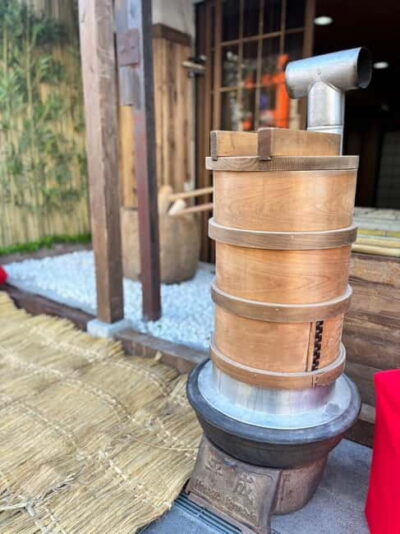 ★ 4.9Traditional Mochi Pounding Experience with TastingFrom $31306 reviews
 ★ 5.0Osaka Cooking Class: Okonomiyaki &Japanese cuisines experienceFrom $104261 reviews
 ★ 4.9Roll and Authentic Sushi Making Class in DotonboriFrom $45239 reviews
Browse the lists this tour appears in