
Reviewed · OSAKA COOKING CLASSES
Okonomiyaki or Ramen&Gyoza Class with Local Shop Tour
A day of Osaka comfort food starts at a shrine gate. This class pairs a local shop walk with hands-on cooking so you learn Japanese home-meal technique, not just how to eat one bite. I like the way it mixes practical food learning with talk about ingredients and daily life in Osaka. You’ll be guided through what you’re tasting and cooking, step by step.
Two things I really like: you get clear instructions to recreate your dish at home, and the tour includes live cultural Q&A while you explore. The experience is built for all ages, so it’s friendly if you’re traveling solo, with kids, or with grandparents.
One possible drawback: the hands-on cooking centers on one choice (either Okonomiyaki & Yakisoba or Takoyaki), so if you’re hoping for a specific dish that day, double-check which option is offered. It’s also a short, focused session, so it may not satisfy you if you want a full-day Osaka sightseeing replacement.
In This Review
- Key highlights worth showing up for
- Starting at Osaka Tenmangu Shrine: a great way to see real Osaka first
- Local shop tour: where ingredients become stories
- Hands-on cooking in the kitchen: Okonomiyaki & Yakisoba or Takoyaki
- Okonomiyaki & Yakisoba option
- Takoyaki option
- The always-important part: you’ll ask questions
- Learning to recreate Japanese home meals (the real payoff)
- Cultural exchange in plain language: Q&A that doesn’t feel forced
- Group size, timing, and how this fits your Osaka day
- What to expect from the itinerary flow (and where it can be awkward)
- Who this tour is best for in real life
- Quick practical tips before you go
- Should you book this Osaka cooking class?
- FAQ
- Where is the meeting point?
- How long is the cooking session?
- What will I cook and eat?
- Is the class taught in English?
- How big is the group?
- Can I cancel for a full refund?
- Do I need to book ahead?
Key highlights worth showing up for
- Osaka Tenmangu Shrine meeting point: start at the large main gate and get oriented in the area
- Small group (up to 8): enough space for questions while you cook
- Shop tour with translation help: see Osaka-specific ingredients and how people choose them
- Step-by-step cooking: learn techniques you can repeat at home
- English instruction plus Q&A: conversation about Japan comes with the meal
- Local food focus with real hospitality: guides like Yuki, Yumi, Rie, and Tomo bring personal tips and guidance
Flour on your hands, more Osaka kitchens to try

Starting at Osaka Tenmangu Shrine: a great way to see real Osaka first
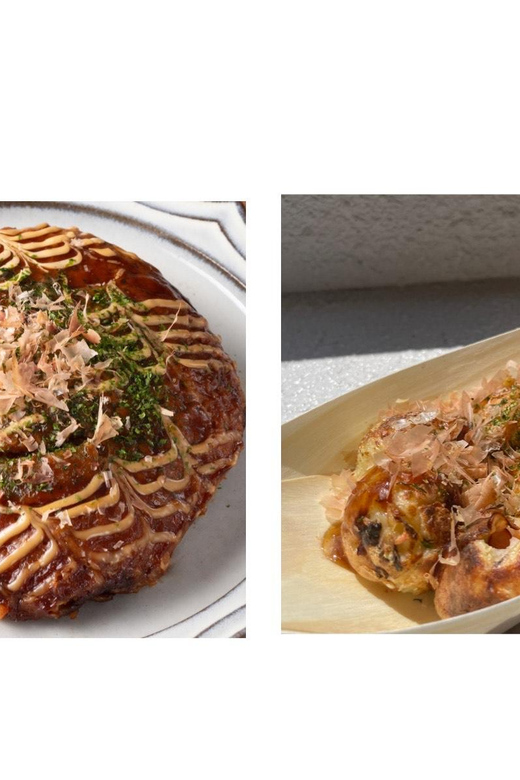
The meeting point is specific, and that matters in Japan. You’ll meet in front of the large main gate of Osaka Tenmangu Shrine, not the smaller back gate. That small detail saves you from wandering around while the group gathers.
What I like about starting at a shrine is the pacing. You’re not thrust immediately into a classroom. You’re in an actual Osaka setting with a sense of place, and you get a calm transition into the day. It also sets the tone: this isn’t only about cooking. It’s about everyday Japanese life and food culture.
From there, the guide keeps things moving—local shops first, then the kitchen. The whole structure is simple: see ingredients in context, then cook with purpose.
Local shop tour: where ingredients become stories
The tour includes a few local shops, and the point is more than browsing. You’ll connect what you’re buying to why it matters in Osaka meals, and you’ll learn what each item is doing in the final dish.
This part is especially valuable if you’re the type who wants to cook later. A lot of cooking classes teach recipes. This one explains the ingredients and the thinking behind them. You also have translation assistance, so you’re not stuck guessing while you’re looking at Japanese labels or unfamiliar products.
In the shop time, you may get a chance to try items that match the regional flavor profile. That’s a smart way to build your palate before you hit the stove. Also, Osaka is a city of everyday food. Seeing how people pick ingredients for home meals tells you more than a cookbook ever will.
One more bonus: the conversation doesn’t stop. Guides such as Yumi have a knack for explaining products tied to the Osaka region, and others like Yuki have a habit of answering questions that go beyond food. If you’re wondering where to eat next in Japan, this is often the moment you get helpful direction.
Hands-on cooking in the kitchen: Okonomiyaki & Yakisoba or Takoyaki
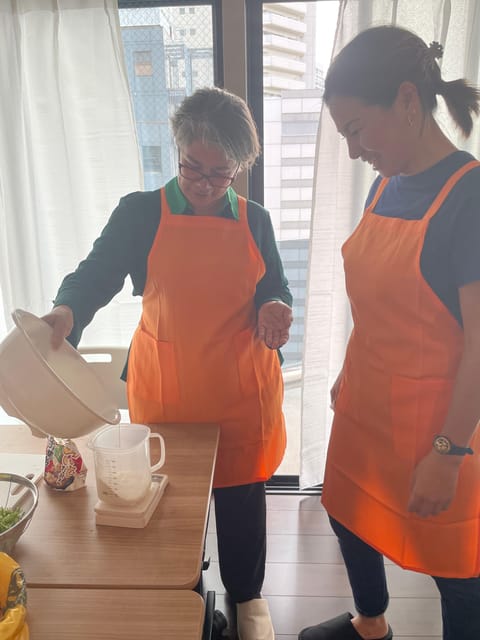
The core of the experience is the 2.5-hour session in the kitchen, with step-by-step teaching. You’ll cook one of the two options:
- Okonomiyaki & Yakisoba
- Takoyaki
Even if you’ve cooked at home before, the value here is the method. The instruction is structured so you understand the steps and the logic behind them, not just the final look of the dish. That’s what makes it worth the price instead of treating it like an expensive lunch.
Put this one next to a few other Osaka options first:

Okonomiyaki & Yakisoba option
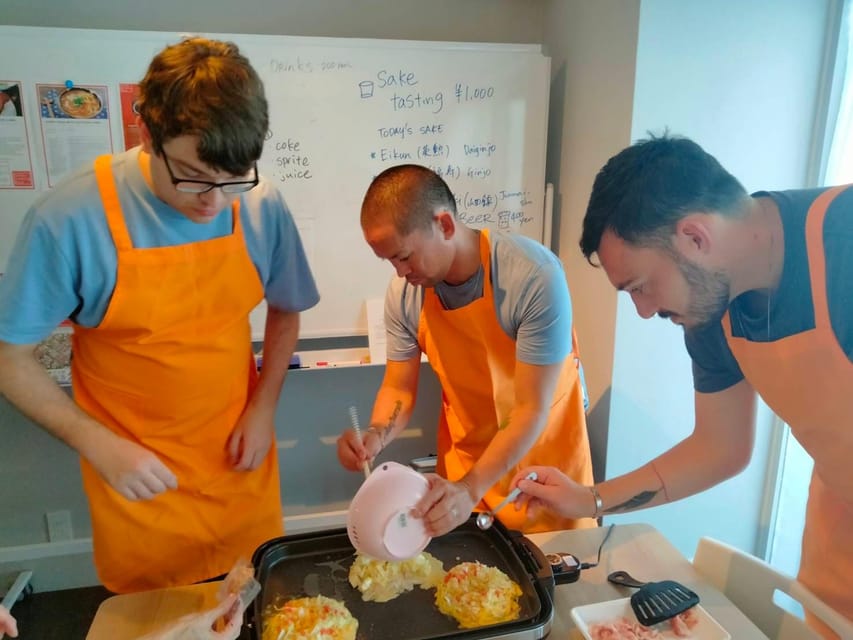
Okonomiyaki is the kind of dish where technique and timing matter. You’ll follow the guide’s process stage by stage, with explanations along the way. The goal is to help you get comfortable with how the batter and toppings come together, and how you manage the cooking so it doesn’t turn into a scrambled mess.
For many people, the biggest learning is how sauce and finishing touches change the final experience. You’ll also have time for Q&A, so if you’re unsure about flavor balance or texture, you can ask directly.
Takoyaki option
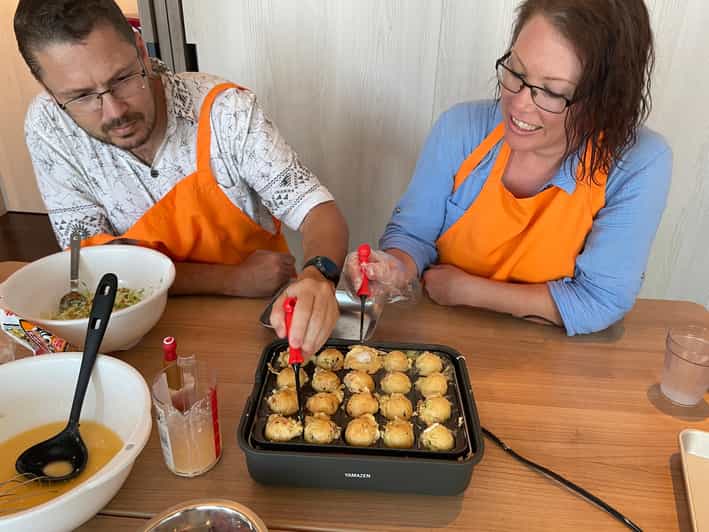
Takoyaki is a different style of cooking, and the class approach keeps it understandable. Again, it’s taught in steps. You’ll be focused on how the dish forms and cooks, and you’ll get guidance that helps you repeat the technique later. If you like octopus-based street-style comfort food, this option tends to scratch that same itch—just in a guided, teach-you-how way.
The always-important part: you’ll ask questions
A big part of why people enjoy this class is the conversational tone. During cooking, you can ask about Japan, culture, or anything that popped into your head while touring shops. Guides like Yuki are known for answering questions while teaching, and that keeps the energy friendly instead of stiff.
Learning to recreate Japanese home meals (the real payoff)
The marketing line says you’ll learn to cook Japanese home meals you can recreate at home, and the structure supports it. The class emphasizes technique and understanding. That matters because the best souvenir from a cooking day isn’t a photo—it’s the ability to make the food again.
Here’s what you should aim to take away:
- Process, not only ingredients: you learn how the steps fit together
- Ingredient purpose: the shop part helps you understand what you’re using
- Flavor finishing: sauces and balance are part of the instruction, not an afterthought
- Confidence: you leave feeling able to try again without guessing
One detail that stood out in the experience for people is how much time you can spend talking about sauces and how to handle them. When the group is small (and sometimes it can be just a couple of people), you naturally get more hands-on attention and more time for these practical questions.
If you’re a beginner, this is a great environment. If you already cook, you’ll still benefit from seeing how Japanese home cooks think about ingredients and finishing.
Cultural exchange in plain language: Q&A that doesn’t feel forced
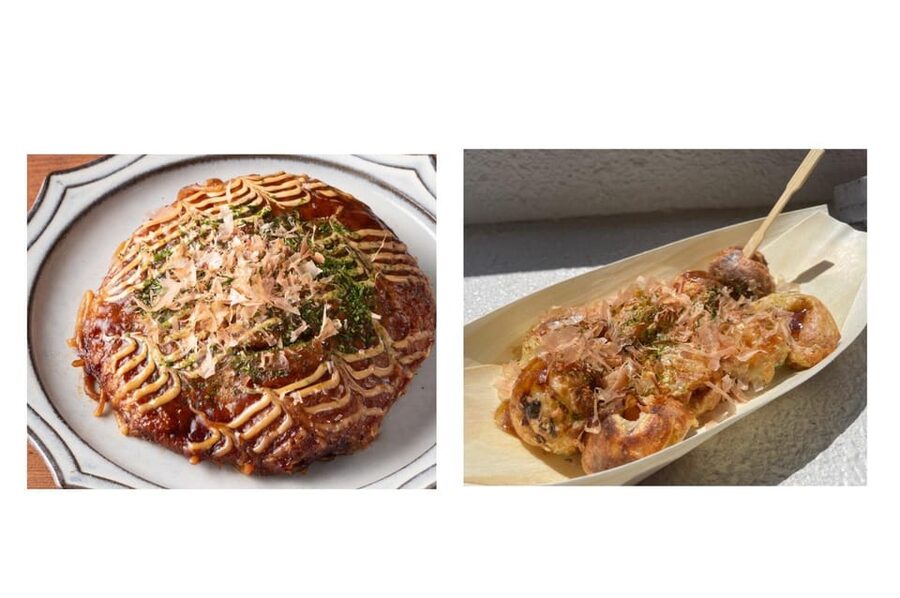
This is billed as a cultural exchange, and it doesn’t feel like a lecture. You’re not trying to memorize cultural facts. You’re talking while you walk and while you cook.
In the shop phase and during the kitchen portion, the guide can share nuance about local products and how they’re used. That’s the kind of info that makes you read labels with a purpose the next time you shop in Japan—or in a specialty store back home.
Guides like Rie and Tomo have been described as welcoming and talkative, and that matters because it turns the experience into a two-way street. If you have questions—about what you’re eating, how Japanese people shop, or where to find good food later—you’ll have time to ask.
And if you’re the type who likes a little local inside knowledge, it can help with planning. Some guides share best places to eat in areas like Osaka, Kyoto, and Nara, which is useful because it gives you ideas that match your new tastes.
Group size, timing, and how this fits your Osaka day
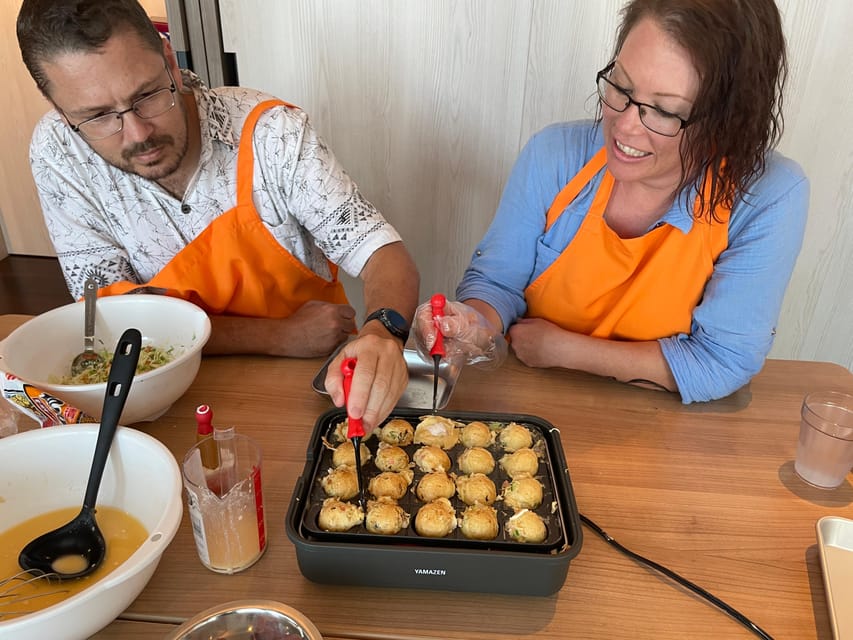
The class runs as a 2.5-hour session and the full day option is listed as valid for 1 day. That’s enough time to walk a few shops and then cook and eat your results. It’s not a long sightseeing marathon, so think of it as a food-focused window in your Osaka plan.
Small group matters here. With up to 8 participants, you get more interaction and a better shot at getting your questions answered while you’re cooking. English instruction is offered, and translation assistance is provided during the shop tour, so language shouldn’t be a barrier to understanding what’s happening.
Price-wise, it’s $83 per person, and the value comes from what’s included:
- local shop tour (not just a kitchen)
- the food you cook (so you’re paying for ingredients and instruction)
- English support and step-by-step guidance
- small-group time
If you’ve done pay-for-lunch-only cooking demos before, this will feel more substantial because you’re learning technique and you’re getting context for ingredients.
What to expect from the itinerary flow (and where it can be awkward)
Here’s the rhythm you should picture:
1) Meet at the Osaka Tenmangu Shrine large main gate
2) Walk a few local shops with translation help
3) Go to the kitchen for step-by-step cooking
4) Eat what you cooked
The smooth part is that each step feeds the next. Shop time primes your palate. Kitchen time turns that palate into technique.
The only real friction point is logistics at the start. If you accidentally show up at the wrong gate, you’ll waste time. So I’d plan to arrive a bit early and confirm you’re at the main gate, not the smaller back entrance.
Also, because the cooking choice is either Okonomiyaki & Yakisoba or Takoyaki, you should make sure you select the right option when booking. That’s the one area where you could end up with a mismatch between your expectations and what you actually cook.
Who this tour is best for in real life
This class is a strong fit if you want:
- hands-on cooking instruction with clear steps
- ingredient context, not just recipes
- a small-group setting where questions are welcomed
- a cultural exchange that’s friendly for different ages
It’s also a good pick if you’re traveling with mixed ages. The format is designed to work for kids through seniors, and the pace is supportive because you’re guided through each stage.
If you’re someone who already knows exactly what you want to cook, you might still enjoy this for the shopping context and sauce/finishing tips. If you only want pure sightseeing, though, this probably won’t replace a day of wandering Osaka streets.
Quick practical tips before you go
- Wear comfortable shoes for a short walking shop segment.
- Come with curiosity. The best moments tend to happen when you ask why something is used, not just what it is.
- If you care about one specific dish, confirm whether your option is Okonomiyaki & Yakisoba or Takoyaki.
- Try to eat slowly during the class meal. It’s part of the lesson, because you’re tasting what you just learned to make.
Should you book this Osaka cooking class?
Book it if you want an active Osaka experience with a real skill payoff. Starting at Osaka Tenmangu Shrine, walking local shops, then cooking with English guidance is a smart combo—especially at a price that includes food and instruction.
Skip—or at least double-check—if you’re expecting a full-day Osaka itinerary or if you’re locked in on a specific dish that isn’t the option your session cooks. Also, if you just want to eat and don’t care about learning technique, you might prefer a simpler meal plan.
Overall, this is the kind of tour that makes your next grocery store run feel more useful. You’ll leave with enough confidence to try again at home, and with enough local insight to eat better around Kansai afterward.
FAQ
Where is the meeting point?
You’ll meet in front of the large main gate of Osaka Tenmangu Shrine. Make sure you don’t go to the small back gate.
How long is the cooking session?
The class includes a 2.5-hour session.
What will I cook and eat?
You’ll cook and eat either Okonomiyaki & Yakisoba or Takoyaki, and food is included.
Is the class taught in English?
Yes. The instructor is English, and translation assistance is provided during the shop tour.
How big is the group?
It’s a small group limited to 8 participants.
Can I cancel for a full refund?
Yes. You can cancel up to 24 hours in advance for a full refund.
Do I need to book ahead?
Yes. You’re asked to make your reservation at least 24 hours in advance.
Take Home Something You Made
- Sushi Making Osaka Roll and Authentic Japanese Sushi Class★ 5.0 · 1,220 reviews
- Matcha Making Class in Osaka with Authentic Japanese Sweets Set★ 5.0 · 509 reviews
- Osaka: Ramen and Gyoza Cooking Class in Dotonbori★ 5.0 · 378 reviews
- Osaka Cooking Class: Okonomiyaki &Japanese cuisines experience★ 5.0 · 261 reviews
- Osaka: Roll and Authentic Sushi Making Class in Dotonbori★ 4.9 · 239 reviews
More Tour Reviews in Osaka
- Osaka Go Karting Tour with Funny Costume★ 5.0 · 2,658 reviews
- Osaka Castle: Museum and Tower Entry Ticket★ 4.5 · 2,380 reviews
- Osaka: Shinsekai Food Tour with 13-15 Dishes at 5 Eateries★ 4.8 · 2,204 reviews
- Osaka Food Tour: 13 Dishes at 5 Local Eateries★ 5.0 · 2,149 reviews
- Hungry Osaka Street Food Tour:15 Tastings & 3 Drinks with a Local★ 5.0 · 1,727 reviews
Cook It Yourself in Osaka
- Sushi Making Osaka Roll and Authentic Japanese Sushi Class★ 5.0 · 1,220 reviews
- Osaka: Five Must-See Highlights Walking Tour & Ramen Lunch★ 4.7 · 411 reviews
- Osaka Sushi Making Experience★ 5.0 · 400 reviews
- Osaka: Ramen and Gyoza Cooking Class in Dotonbori★ 5.0 · 378 reviews
- Osaka: Sumo Stage Show with Bento or Snack + Fight & Photo★ 4.3 · 364 reviews
The Newest Osaka Write-Ups
- Private Photoshoot in Osaka with a Professional Photographer
★ 5.0 · 3 reviews - Osaka Early Morning Osaka Castle Tour Avoid Crowds
★ 5.0 · 3 reviews - Nara Private Tour with Pick and Drop and English Speaking Driver
★ 3.5 · 3 reviews - Osaka: Modern Vegetarian Sushi Cooking Class
★ 5.0 · 3 reviews - Nara Day Trip from Osaka with a Licensed Guide
★ 5.0 · 3 reviews
Osaka Cooking Classes, compared.
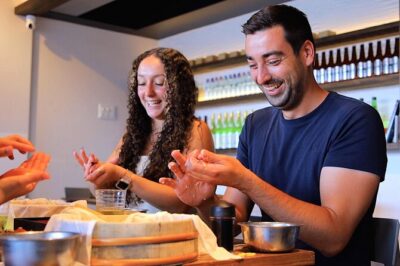 ★ 5.0Sushi Making Osaka Roll and Authentic Japanese Sushi ClassFrom $311,220 reviews
 ★ 4.7Five Must-See Highlights Walking Tour & Ramen LunchFrom $56411 reviews
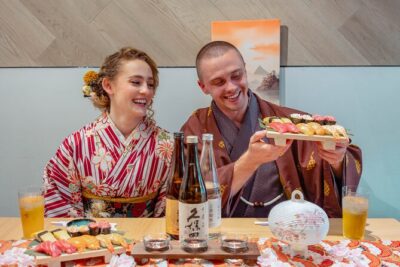 ★ 5.0Osaka Sushi Making ExperienceFrom $29400 reviews
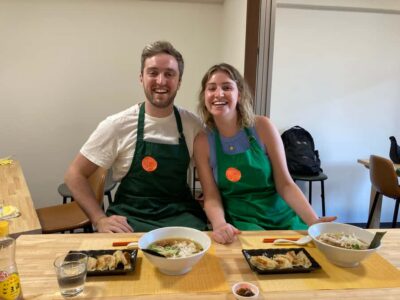 ★ 5.0Ramen and Gyoza Cooking Class in DotonboriFrom $70378 reviews
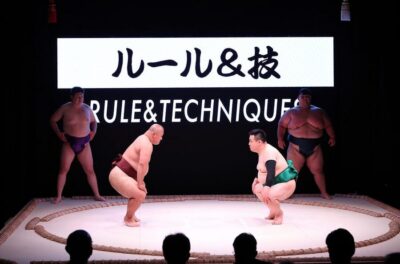 ★ 4.3Sumo Stage Show with Bento or Snack + Fight & PhotoFrom $93364 reviews
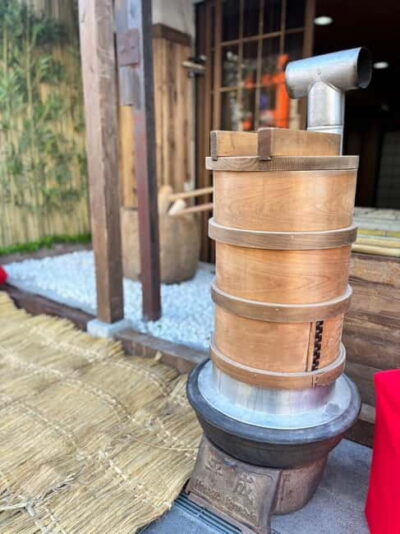 ★ 4.9Traditional Mochi Pounding Experience with TastingFrom $31306 reviews
 ★ 5.0Osaka Cooking Class: Okonomiyaki &Japanese cuisines experienceFrom $104261 reviews
 ★ 4.9Roll and Authentic Sushi Making Class in DotonboriFrom $45239 reviews
Browse the lists this tour appears in