
Reviewed · OSAKA COOKING CLASSES
Katsu Curry OR Bento Making Cooking Class & Local Shop Tour
Cooking curry near a shrine sounds odd. That’s exactly why this Osaka Cooking Base class works so well: you start at Osaka Tenmangu Shrine, then shop local and end up making a real home-style meal you can repeat later. Translation support helps you connect the food to everyday Japanese life, not just instructions on a recipe card.
I like how practical the lesson is. You’ll get step-by-step help as you make either katsu curry or a bento box, and the class stays small (reported to be up to 6–8 people depending on the day), so you’re not lost in the crowd. I also like the cultural chat element; guides such as Miyako, Yuka, and Tomoko have been praised for answering questions patiently and keeping the pace friendly, even for kids.
One thing to consider: you’ll focus on one main make-you-lucky goal (katsu curry OR bento), so if you want both dishes in one day, this might feel a bit narrow. Also, the meeting spot matters. You’ll meet at the large main gate of the shrine, not the small back gate—plan a little extra time to get your bearings.
In This Review
- Key things that make this Osaka class worth your time
- Where the experience starts: Osaka Tenmangu Shrine and a smart first walk
- Market shops and ingredient talk: learning without turning it into a lecture
- Your cooking choice: katsu curry or bento, both built for home
- If you pick katsu curry
- If you pick bento making
- Step-by-step technique: what you’ll actually take home
- Culture and conversation: the class isn’t just cooking
- Group size, language, and timing: how the 150 minutes tends to feel
- Price and value: is $83 a fair deal?
- Who should book this Osaka cooking base class?
- Things to plan around (so the day stays smooth)
- Should you book it or skip it?
- FAQ
- FAQ
- What do I cook in this class?
- Where do we meet?
- How long is the experience?
- Is the class taught in English?
- How big is the group?
- Is food included?
- Are drinks included?
- What’s the cancellation policy?
Key things that make this Osaka class worth your time
- Tenmangu Shrine to local shops: a short cultural warm-up that sets the context for what you’re cooking.
- Choose your comfort-food lane: you’ll make either katsu curry or a bento box, with clear, stage-by-stage guidance.
- Small group attention: limited class size helps you get answers while you cook, not after the fact.
- Translation support built in: you can follow ingredient meaning and technique without guessing.
- Conversation is part of the meal: questions about Japan get time, and the vibe stays welcoming across ages.
- Lunchbox pride: making a bento (and assembling it yourself) creates that satisfying I did this moment.
Flour on your hands, more Osaka kitchens to try


Where the experience starts: Osaka Tenmangu Shrine and a smart first walk
The meeting point is right by Osaka Tenmangu Shrine, at the large main gate. That sounds minor, but it sets the tone. Shrines in Japan aren’t just scenery; they’re part of how people pace their day and show respect. Starting here before you hit food shops gives the class a “real place” feeling, not a generic cooking studio vibe.
From the shrine, you head out into nearby local shops. This part matters because Japanese cooking isn’t only about technique; it’s about ingredient choices and what those ingredients are used for. Your guide uses translation assistance so you understand why things are sold, what they’re for, and how they show up in everyday meals. If you’ve ever eaten Japanese food in restaurants and wondered what’s different at home, this walk helps you see the logic behind it.
Practical note: the shrine can be confusing if you rush. The directions are explicit—use the large main gate, not the small back gate. Arrive early enough to find the right entrance and settle before the group starts moving.
Market shops and ingredient talk: learning without turning it into a lecture
This class includes a local tour of a few shops. You’re not just sightseeing. You’re picking up useful context: what ingredients look like in Japanese stores, what to look for, and how certain staples show up in home cooking.
In the best kind of market lesson, you learn by noticing. A guide points out items, explains what they’re used for, and connects them to the dish you’ll cook later. If you’re planning to cook at home, this is the difference between buying “random Japanese food” and buying ingredients with purpose.
The tone here tends to be easy and social. Guides (including Yuka and Tomoko in past sessions) have been praised for being helpful with recommendations too—so you might leave with a couple of ideas for what to eat nearby, not just what to make in class.
One limitation: the tour length is short. You’re visiting only a few shops, so you shouldn’t expect a full-blown market marathon. Still, for most visitors it’s enough to get your bearings and understand the building blocks.
Your cooking choice: katsu curry or bento, both built for home
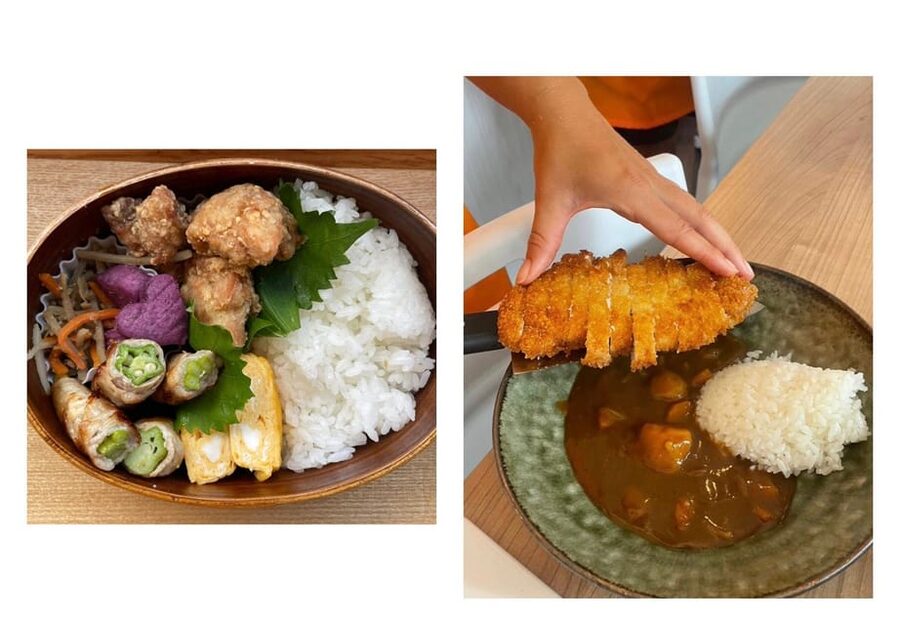
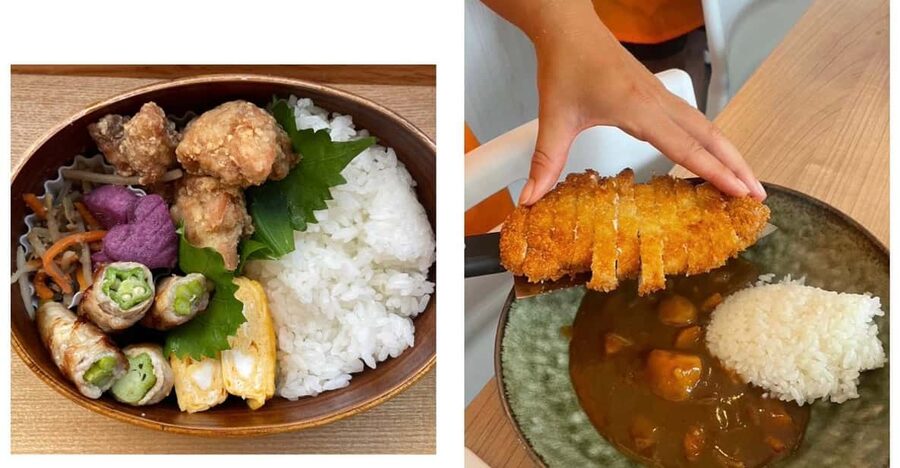
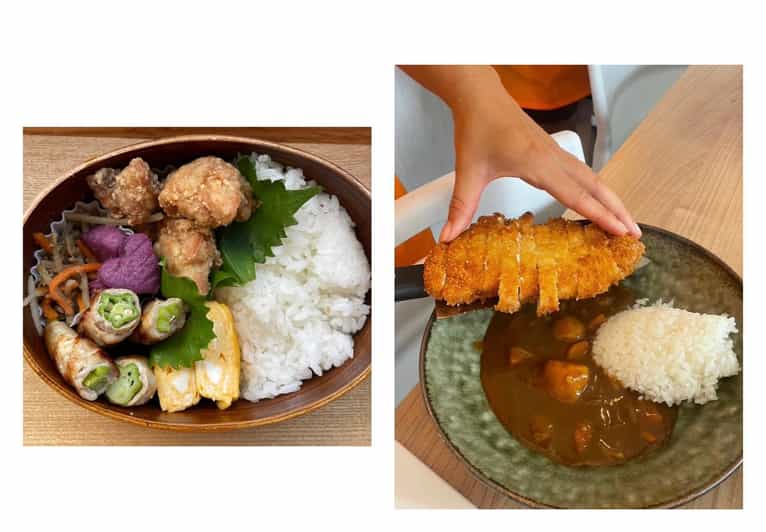
After the shop walk, you move to the kitchen. At this point, you’ll cook either katsu curry or a bento box style meal. Which one you make depends on the class setup for your date, but the structure stays consistent: step-by-step guidance, hands-on work, and a final meal you can eat right away.
Put this one next to a few other Osaka options first:

If you pick katsu curry
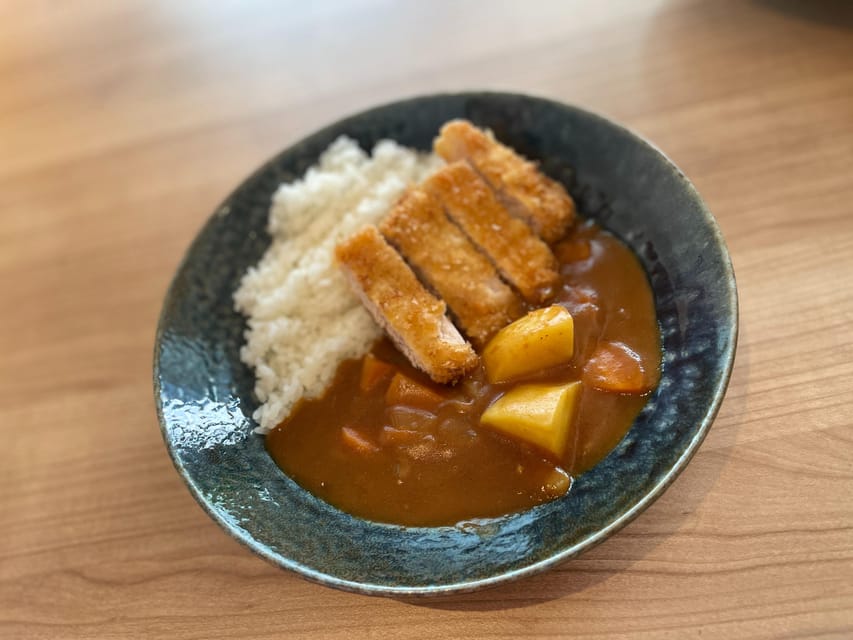
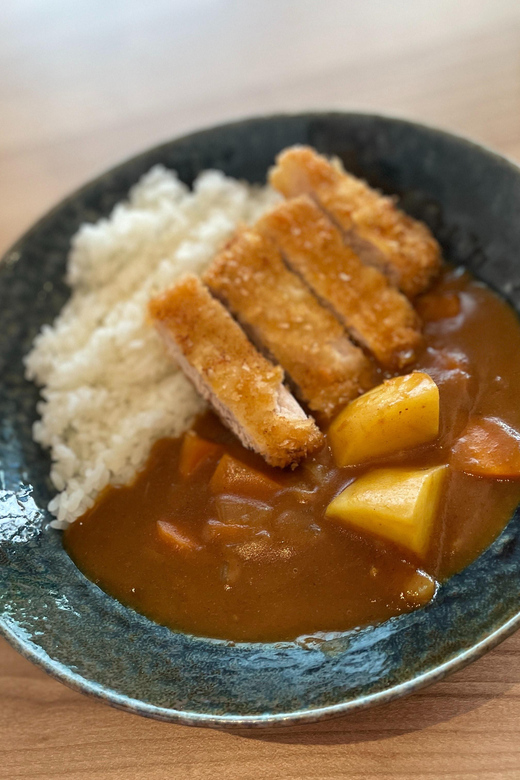
Katsu curry is comfort food with clear structure: crispy cutlet, rich sauce, and a method that works because the components support each other. The class focuses on getting you through the steps you can repeat at home. That means you’re not only learning what to do, but in what order—and why.
You’ll get guidance through each stage, so you understand how the sauce ties the whole thing together. If you’re intimidated by Japanese curry depth (all those “maybe it’s this spice” worries), this class format helps you replace guesswork with technique.
If you pick bento making
Bento is more than lunch in a box. It’s organized thinking: balance, portioning, and the small choreography of arranging food so it looks good and eats well. Past sessions have highlighted the feeling of achievement from assembling a bento yourself, especially when you’re packing it like you mean it.
Bento also tends to be a great option for mixed ages because you can focus on tasks you can complete and refine. Even if you’re not a confident cook, the assembly side gives you quick wins and clear progress.
Either way, you’ll finish with something you can genuinely eat as your lunchbox meal, not just a plate of samples.
Step-by-step technique: what you’ll actually take home
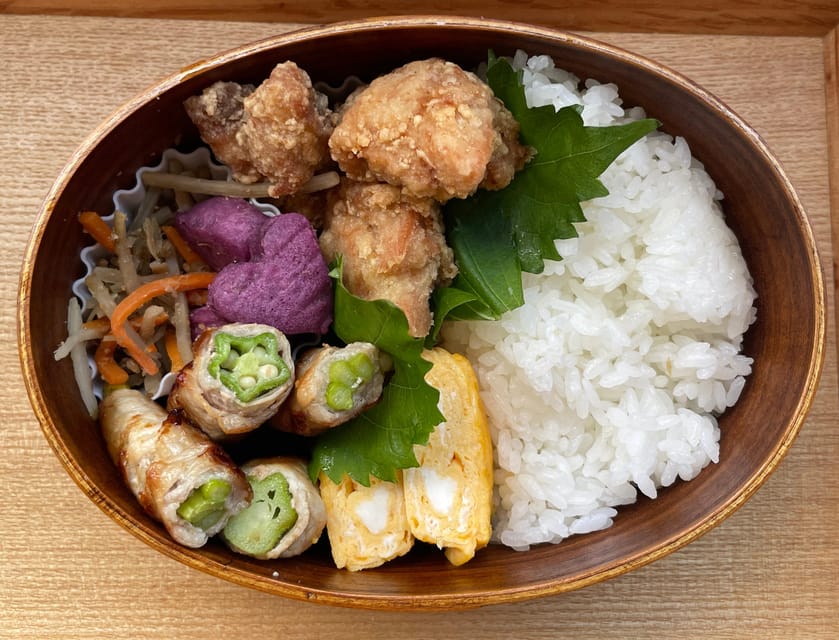
The big promise of this experience is that it teaches dishes you can recreate. That’s exactly what you should look for in a cooking class: not only the final taste, but the process you can repeat.
Here’s what the class design supports:
- Clear stages while you cook, so you don’t feel lost.
- Instructor guidance in English, with translation assistance on the shop side so you can connect ingredients to cooking.
- Hands-on participation, not a sit-and-watch format.
Past participants have praised the patience of guides when teaching from scratch. Kids asking a lot of questions has not been treated as a problem; it’s part of the day. That tells you the pacing is meant to be understandable, not rushed.
Also, you’ll likely leave with confidence. When you can build katsu curry or assemble bento using a repeatable flow, you stop treating Japanese food as something only restaurants can do.
Culture and conversation: the class isn’t just cooking
Cooking lessons can go two ways. Either they’re strict and quiet, or they become a friendly exchange. This one aims for the second, and the result is that you learn more about daily life in Japan along the way.
Expect lively conversation time throughout the cooking process. You can ask questions about Japan and culture, and the guides aim to answer in a way that connects to what you’re doing. That’s a huge value add if you like travel as a people experience, not only a photo checklist.
Guides including Miyako, Yuka, and Tomoko have been singled out for being engaging and responsive. That’s a useful signal: you’re not just paying for steps; you’re paying for a human who explains the why behind the food.
Group size, language, and timing: how the 150 minutes tends to feel
This class runs about 150 minutes. That’s long enough to shop a bit, cook properly, and eat what you made, without turning the day into a half-day commitment.
The group is small, capped at 8 participants. Some sessions have been described as taking up to 6, which suggests you can expect a tight, manageable group size most of the time. That matters because cooking needs attention. If there are too many people, you miss coaching at the exact moment you need it.
Language is English. Translation assistance is provided for the market/shop portion. If you’re someone who likes understanding ingredients beyond the basics, this support helps you follow along with confidence.
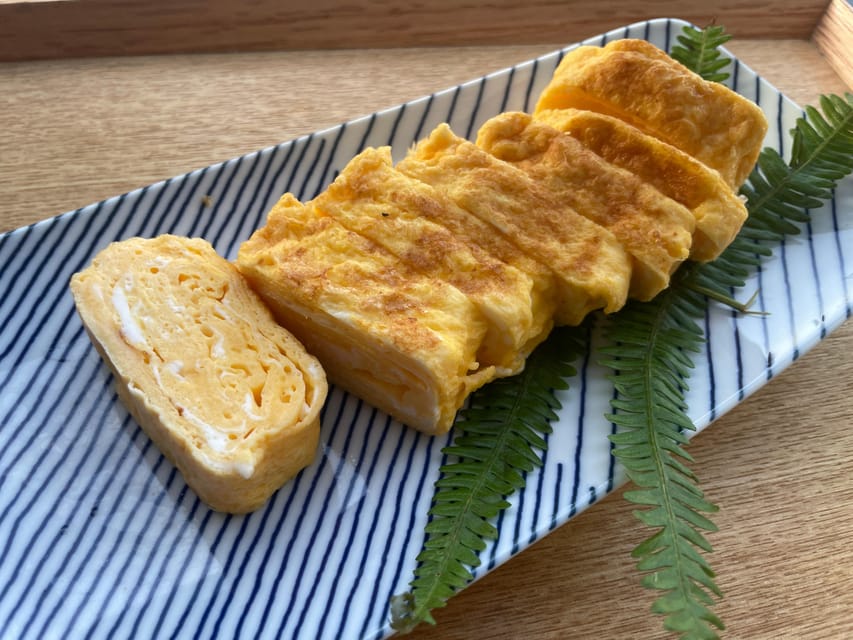
Food and drinks: the included meal is your cooked katsu curry or bento. Drinks other than water are optional, with some sessions offering sake tasting. If you’re sensitive to alcohol or prefer to skip, you can keep it simple with water and focus on the cooking.
Price and value: is $83 a fair deal?
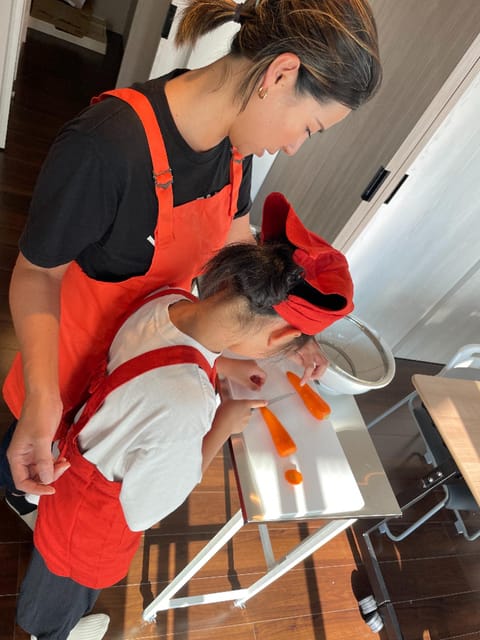
At $83 per person for roughly 150 minutes, this isn’t a “quick snack class” price. It’s closer to paying for three things at once:
- A guided local shop walk
- A real hands-on cooking lesson with step-by-step help
- A sit-down meal based on what you made
The value improves if you’re the kind of traveler who likes to go home with skills, not only memories. If you’re hoping to learn how to shop for Japanese ingredients and then cook something consistent at home, this class is priced like skill-building.
Also, the small group size helps you get more coaching per person. For many people, that’s what makes cooking class costs feel worth it—because the instruction is personal enough to matter.
If you’re just looking for a one-bite experience, this might feel pricey. But if you want a full meal and the method behind it, it’s a solid use of time in Osaka.
Who should book this Osaka cooking base class?
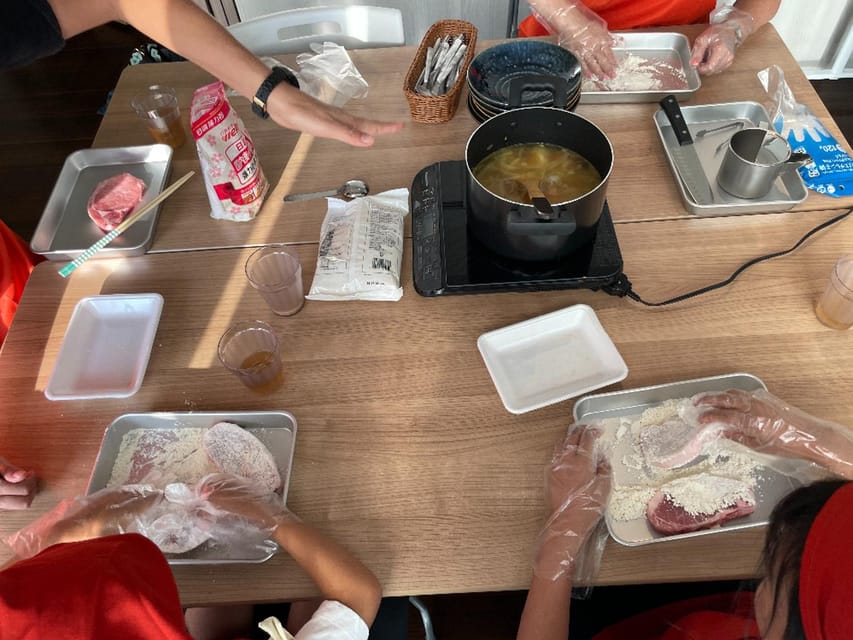
This class is a great fit if:
- You want a hands-on Osaka cooking experience with real home-style dishes
- You’d rather learn at a comfortable pace with plenty of chances to ask questions
- You’re traveling as a family or with mixed ages and want an activity that works for beginners
It’s also a smart choice if you’re staying near Osaka Tenmangu Shrine or you want an activity that gives you local context fast. The shrine + shop start means you’re doing more than cooking from scratch—you’re learning how the ingredients fit into everyday life.
Things to plan around (so the day stays smooth)
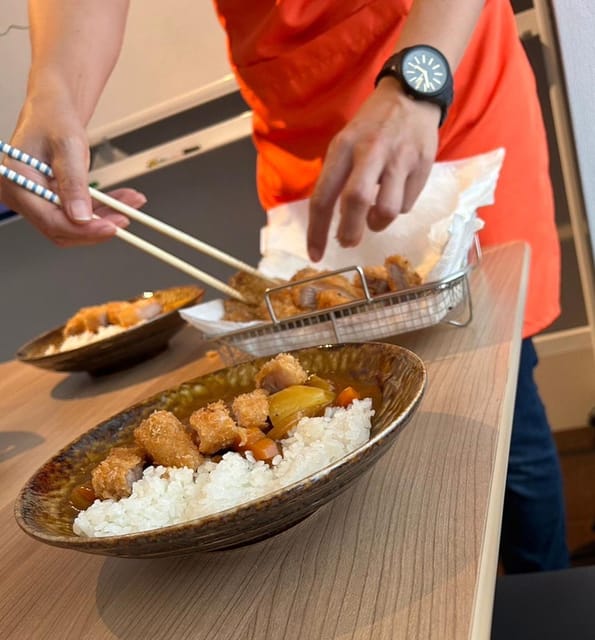
A few practical considerations that help:
- Pick up the time you’ll arrive at the shrine. Go for calm, not speed, since it’s the large main gate.
- Decide in advance what you’re more excited to make: katsu curry for a warm, sauce-forward comfort meal, or bento for structured assembly and a lunchbox goal.
- Bring your curiosity. The Q&A part is part of the value, especially if you want to understand Japan beyond cooking steps.
- If you want sake tasting or specialty drinks, check what’s included for your specific session since drinks are listed as optional.
Should you book it or skip it?
If you want an Osaka activity that’s both practical and culturally connected, I’d book this. The strongest reason is the combination: a local shop walk that gives ingredient context, followed by a kitchen session that teaches you how to recreate either katsu curry or bento at home. For $83, you’re paying for skill, guidance, and a meal you made yourself.
Skip it only if you’re looking for a purely sightseeing-focused outing or you want multiple dishes in one class. This experience is built around one main cooking target, so your best payoff comes when you’re happy committing to that one choice.
FAQ
FAQ
What do I cook in this class?
You’ll make either katsu curry or a bento box. The session includes step-by-step guidance for whichever dish your class is set up to teach.
Where do we meet?
You meet in front of the large main gate of Osaka Tenmangu Shrine. Be careful not to go to the small back gate.
How long is the experience?
It runs about 150 minutes (around 2.5 hours).
Is the class taught in English?
Yes. The instructor provides instruction in English, and translation assistance is available for the shop portion.
How big is the group?
The group is small, limited to up to 8 participants.
Is food included?
Yes. Your meal is included (katsu curry or bento), and it’s the food you make during the class.
Are drinks included?
Drinks other than water are optional. Sake tasting may be available as an optional extra.
What’s the cancellation policy?
You can cancel up to 24 hours in advance for a full refund.
Take Home Something You Made
- Sushi Making Osaka Roll and Authentic Japanese Sushi Class★ 5.0 · 1,220 reviews
- Matcha Making Class in Osaka with Authentic Japanese Sweets Set★ 5.0 · 509 reviews
- Osaka: Ramen and Gyoza Cooking Class in Dotonbori★ 5.0 · 378 reviews
- Osaka Cooking Class: Okonomiyaki &Japanese cuisines experience★ 5.0 · 261 reviews
- Osaka: Roll and Authentic Sushi Making Class in Dotonbori★ 4.9 · 239 reviews
More Tour Reviews in Osaka
- Osaka Go Karting Tour with Funny Costume★ 5.0 · 2,658 reviews
- Osaka Castle: Museum and Tower Entry Ticket★ 4.5 · 2,380 reviews
- Osaka: Shinsekai Food Tour with 13-15 Dishes at 5 Eateries★ 4.8 · 2,204 reviews
- Osaka Food Tour: 13 Dishes at 5 Local Eateries★ 5.0 · 2,149 reviews
- Hungry Osaka Street Food Tour:15 Tastings & 3 Drinks with a Local★ 5.0 · 1,727 reviews
Cook It Yourself in Osaka
- Sushi Making Osaka Roll and Authentic Japanese Sushi Class★ 5.0 · 1,220 reviews
- Osaka: Five Must-See Highlights Walking Tour & Ramen Lunch★ 4.7 · 411 reviews
- Osaka Sushi Making Experience★ 5.0 · 400 reviews
- Osaka: Ramen and Gyoza Cooking Class in Dotonbori★ 5.0 · 378 reviews
- Osaka: Sumo Stage Show with Bento or Snack + Fight & Photo★ 4.3 · 364 reviews
The Newest Osaka Write-Ups
- Private Photoshoot in Osaka with a Professional Photographer
★ 5.0 · 3 reviews - Osaka Early Morning Osaka Castle Tour Avoid Crowds
★ 5.0 · 3 reviews - Nara Private Tour with Pick and Drop and English Speaking Driver
★ 3.5 · 3 reviews - Osaka: Modern Vegetarian Sushi Cooking Class
★ 5.0 · 3 reviews - Nara Day Trip from Osaka with a Licensed Guide
★ 5.0 · 3 reviews
Osaka Cooking Classes, compared.
 ★ 5.0Sushi Making Osaka Roll and Authentic Japanese Sushi ClassFrom $311,220 reviews
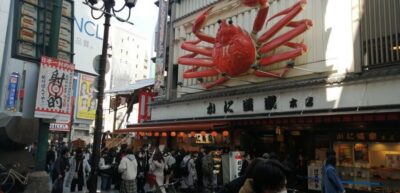 ★ 4.7Five Must-See Highlights Walking Tour & Ramen LunchFrom $56411 reviews
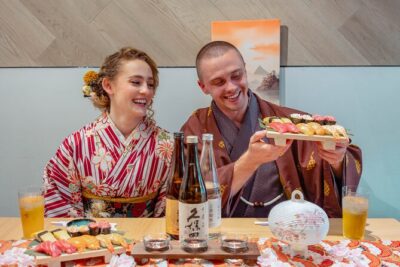 ★ 5.0Osaka Sushi Making ExperienceFrom $29400 reviews
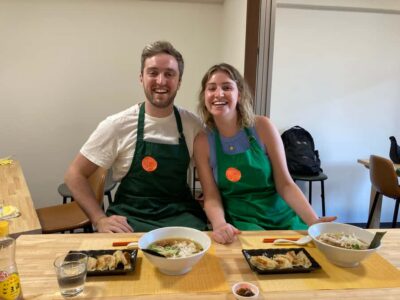 ★ 5.0Ramen and Gyoza Cooking Class in DotonboriFrom $70378 reviews
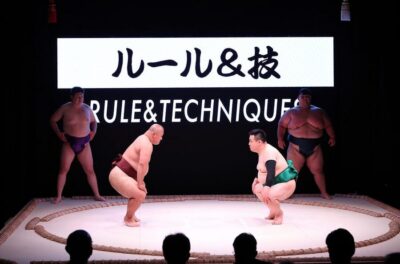 ★ 4.3Sumo Stage Show with Bento or Snack + Fight & PhotoFrom $93364 reviews
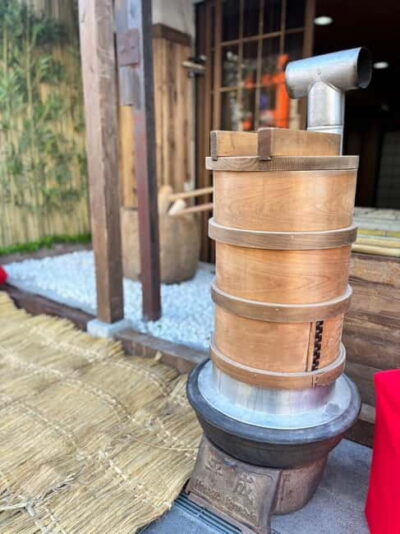 ★ 4.9Traditional Mochi Pounding Experience with TastingFrom $31306 reviews
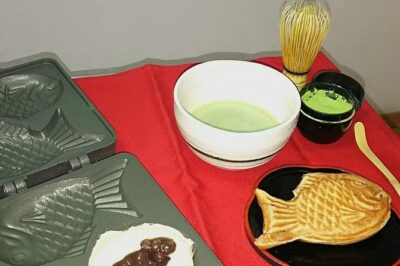 ★ 5.0Osaka Cooking Class: Okonomiyaki &Japanese cuisines experienceFrom $104261 reviews
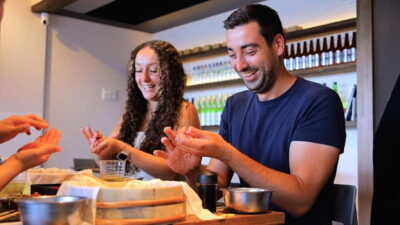 ★ 4.9Roll and Authentic Sushi Making Class in DotonboriFrom $45239 reviews
Browse the lists this tour appears in