
Reviewed · OSAKA COOKING CLASSES
Japanese home cooking class in Osaka Umeda
Home cooking in Osaka hits different. This private lesson lets you work in a real Osaka home kitchen at your own pace, with hands-on help from your host. I especially like the step-by-step teaching and the fact you also get practical guidance for buying ingredients like a local. One thing to think about: this is private, so it can cost more than bigger-group classes, and transportation isn’t included.
After you meet, you’ll cook your chosen dish from a menu of Osaka favorites, then sit down for lunch with water and Japanese tea. I also love that you take home printed recipes and clear instructions, so you can recreate the dishes later without guessing. A small consideration: the dishes depend on what’s available in your menu, so check expectations if you’re chasing one specific item.
In This Review
- Key Points You’ll Care About
- Osaka Umeda Meets a Real-Home Kitchen
- Meet Hisako and Naoko: Teaching Style That Actually Works
- Your Menu Choice: Bento, Takoyaki, Udon, Tempura, and More
- Supermarket Smart: Buying Japanese Ingredients Without Guessing
- Lunch, Tea, and the Difference Between Home and Restaurant Food
- Private Pacing: How to Ask Questions Without Slowing Everyone Down
- Time, Timing, and Logistics That Matter
- Value Check: Is $59.12 Worth It for 2 Hours?
- Who Should Book This Class (and Who Might Skip It)
- Should You Book This Japanese Home Cooking Class in Osaka Umeda?
- FAQ
- How long is the Osaka Umeda Japanese home cooking class?
- What time does the class start, and where does it meet?
- Is lunch included?
- Is transportation included in the price?
- Is this class private or shared with other groups?
- Can I cancel for a full refund?
Key Points You’ll Care About
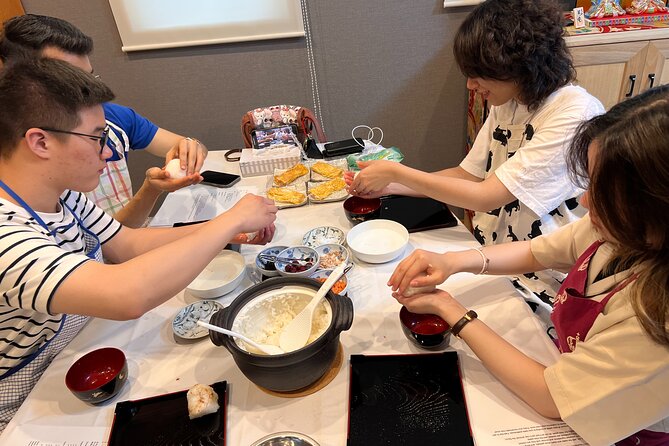
- Real-home setting in Osaka (kitchen and dining room, not a demo studio)
- Private class pace so you can slow down, speed up, and ask questions
- Local-menu cooking choices like bento and takoyaki, plus other common Osaka staples
- Supermarket know-how: which ingredients matter and what to look for
- Lunch plus water and Japanese tea built into the meal
- Printed recipe sheets to take home with instructions
Flour on your hands, more Osaka kitchens to try


Osaka Umeda Meets a Real-Home Kitchen
This cooking class is designed around a simple idea: learn Japanese home cooking in the place where it actually happens. You’ll be in a typical Osaka home kitchen and dining area, and you’ll cook and eat together with your host. It feels more personal than a cooking demo, because you’re not just watching techniques—you’re making the food.
The location is in Osaka, starting in Fukushima Ward at 1-chōme-4-1 Tamagawa, with a 10:00 am start. The activity ends back at the meeting point, so you’re not stuck navigating a long return route right after lunch. It’s also close to public transportation, which matters here because transportation isn’t included.
Meet Hisako and Naoko: Teaching Style That Actually Works
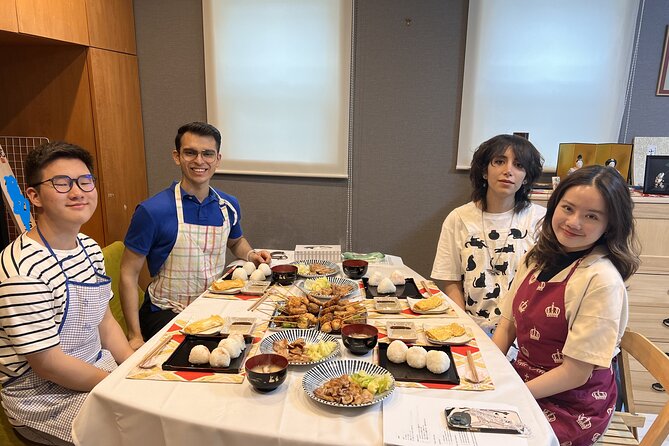
A big reason people love this class is the teaching tone. The hosts, Hisako and Naoko, are friendly and welcoming, and they break cooking down into easy steps. Even if you don’t cook much at home, the workflow is paced so you can keep up without panic.
What stands out is the combination of hands-on guidance and practical tips. During the session, you can ask about Japan as you go—why something is prepared a certain way, what an ingredient does for flavor, or how Japanese meals differ from what you typically order in restaurants. Since it’s private, your host can correct what you’re doing while you’re doing it.
Language is another practical win. In past sessions, the hosts have been able to communicate clearly in English, which makes it easier to understand both the recipe steps and the little culture points that usually get lost.
Your Menu Choice: Bento, Takoyaki, Udon, Tempura, and More
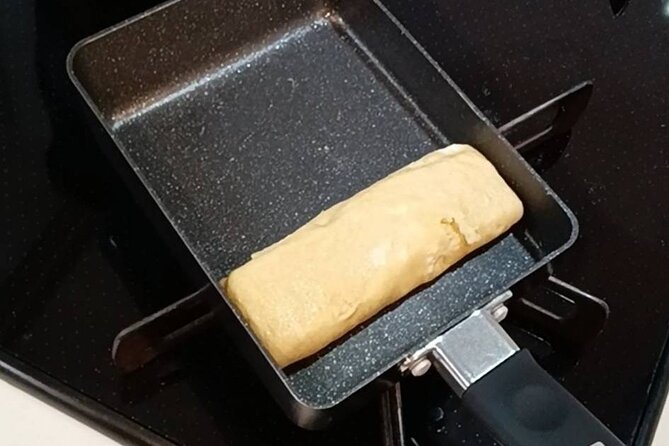
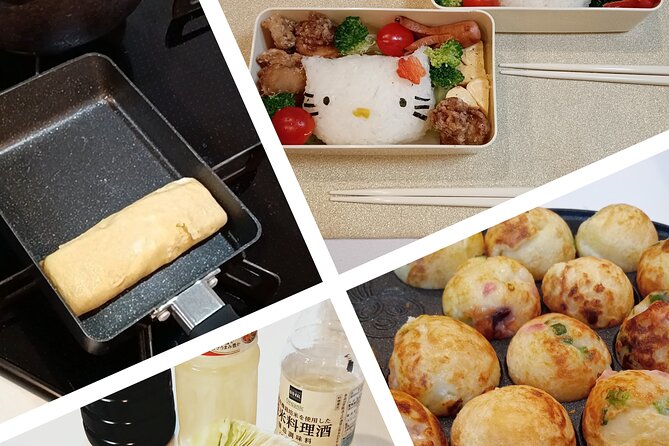
You get to choose what you cook from a menu of local specialties. The description calls out options like bento and takoyaki, and in some sessions you may also see common staples such as udon, onigiri, or tempura. The exact combo can vary by what’s planned for that day, but the structure is consistent: you’ll learn the dish, then eat what you made.
Here’s why this matters for your trip value: you’re not limited to one technique. You might practice how to shape and portion food for a bento-style meal, learn how batter and frying work for tempura, or understand how to assemble something like takoyaki with care. That variety makes the class feel like real skill-building, not just one meal.
Also, many home-cooking recipes are written with everyday cooking in mind. That means the steps are typically more doable than restaurant versions, which often depend on specialized sauces, fast assembly, or equipment you may not own at home.
Put this one next to a few other Osaka options first:
Supermarket Smart: Buying Japanese Ingredients Without Guessing
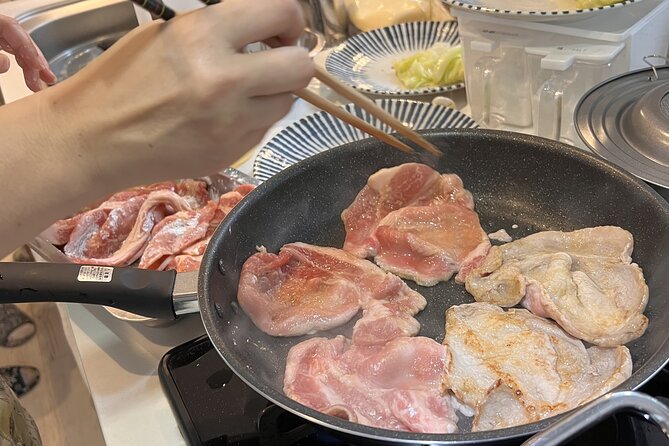
One of the most useful parts of this class is the shopping guidance. You’ll get tips on shopping at Japanese supermarkets and which ingredients are worth seeking out. This is the kind of advice that saves you money and time later.
Japanese home cooking can be frustrating if you only copy restaurant menus. Ingredients can differ in brand, texture, and even in how they’re used. In this lesson, you learn what matters most for the dish you’re making—so you’re not standing in the aisle wondering whether you need the pricey version or the everyday one.
When you buy correctly, you also avoid a common mistake: making a dish that looks right but tastes flat. Small ingredient choices can change the final flavor a lot, especially for sauces, seasonings, and the balance between sweet, salty, and savory.
Lunch, Tea, and the Difference Between Home and Restaurant Food
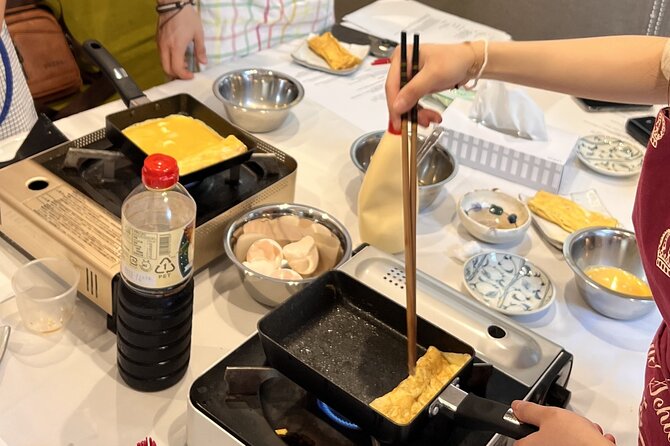
After cooking, you’ll sit down for lunch, and you’ll have water and Japanese tea with each meal. This isn’t just a perk—it’s part of learning how Japanese meals are meant to be eaten. At home, you’re not just consuming food; you’re following a rhythm where portions, temperature, and flavors are built to work together.
A clear theme in this class is understanding the gap between Japanese home cooking and Japanese food at restaurants. Restaurant dishes can be more stylized or focused on speed and consistency for service. Home cooking often leans toward comfort, flexibility, and using what you can find easily.
You also get to observe the dining room flow, including how the meal is served and how you eat what you cooked. That helps you translate the experience into something you can actually repeat at home later.
Private Pacing: How to Ask Questions Without Slowing Everyone Down
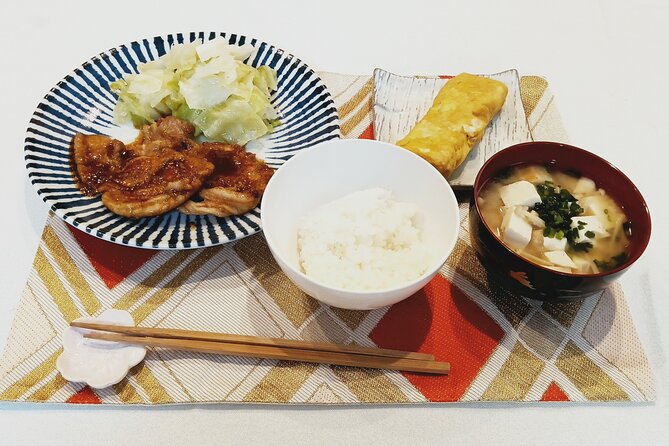
Because this is private, you can move at the pace that fits you. If you’re a careful cook, you’ll have time to get steps right. If you’re new to the kitchen, you can ask for clarification and get personalized feedback throughout the session.
This pacing is especially helpful if you’re traveling and a bit jet-lagged or rushed. Two hours can feel short in many activities, but a private home-cooking class gives you structure without the pressure of keeping up with strangers.
A practical tip: come with a couple of questions that match your goals. For example, ask what ingredients you can swap easily, what shortcuts are acceptable, or what to do if you can’t find a specific Japanese item back home.
Time, Timing, and Logistics That Matter
The class runs about 2 hours and starts at 10:00 am. You’ll use a mobile ticket, and you’ll receive confirmation at the time of booking. The meeting point is set and the session ends back there, which keeps the schedule clean.
Since private transportation isn’t included, plan on using public transit. The good news is that the meeting area is near public transportation, so this is realistic even if you don’t want to rent or hail anything extra during your day.
One additional note from the experience format: some people have mentioned that the class operation may be connected to an SGS building in the area. Even so, you can treat the listed meeting point as your anchor, then follow the host’s lead from there.
Value Check: Is $59.12 Worth It for 2 Hours?
At $59.12 per person, this isn’t a budget cooking demo. But for what you actually get, it often feels fair.
You’re paying for four things that add real value:
- A real home kitchen setup
- Private instruction and personalized feedback
- A meal included (lunch), plus Japanese tea and water
- Printed recipes and instructions you can take home
If you’ve ever taken a cooking class and then realized you can’t reproduce it later, this one targets that problem directly with take-home recipe sheets. That boosts the cost-to-benefit ratio, because you’re not just buying a meal—you’re buying a skill you can use again.
Also, the private format matters. Even small corrections (how to season, when to adjust heat, how to handle ingredients) can be the difference between a dish that’s merely edible and one that tastes right.
Who Should Book This Class (and Who Might Skip It)
This class is a strong fit if you want hands-on Japanese home cooking with local context. It works well for couples and small groups because you get full attention without crowd dynamics. If you’re traveling solo, it still tends to feel personal because the pace and questions are guided to you.
You’ll also likely enjoy it if you like practical learning. The supermarket tips and ingredient guidance are the kind of takeaways that keep paying off long after the class ends.
I’d consider skipping if you’re chasing a very specific, guaranteed dish. The format is menu-based, so your final plate depends on the class menu that day. If you’re set on one exact item, you’ll want to confirm what’s on offer before you lock it in.
Should You Book This Japanese Home Cooking Class in Osaka Umeda?
If you want a genuinely Osaka experience without the tourist-food filter, I think this is an easy yes. You’re not just cooking; you’re learning how people actually shop, prepare, and eat at home. The standout strengths are the warm hosting by Hisako and Naoko, the patient step-by-step instruction, and the printed recipes that help you keep going back home.
And if you’re worried about getting value, remember the structure: lunch and tea are included, the class is private, and you’ll receive clear guidance you can use in real life. Add in the free cancellation window up to 24 hours in advance, and you have some breathing room if your schedule shifts.
Book it if your goal is skill and authenticity. Skip it if your goal is just a quick activity with minimal effort.
FAQ
How long is the Osaka Umeda Japanese home cooking class?
It’s about 2 hours.
What time does the class start, and where does it meet?
It starts at 10:00 am at 1-chōme-4-1 Tamagawa, Fukushima Ward, Osaka, 553-0004, Japan, and it ends back at the meeting point.
Is lunch included?
Yes. Lunch is included.
Is transportation included in the price?
No, private transportation isn’t included.
Is this class private or shared with other groups?
It’s private. Only your group participates.
Can I cancel for a full refund?
Yes, you can cancel for a full refund up to 24 hours before the experience’s start time.
Take Home Something You Made
- Sushi Making Osaka Roll and Authentic Japanese Sushi Class★ 5.0 · 1,220 reviews
- Matcha Making Class in Osaka with Authentic Japanese Sweets Set★ 5.0 · 509 reviews
- Osaka: Ramen and Gyoza Cooking Class in Dotonbori★ 5.0 · 378 reviews
- Osaka Cooking Class: Okonomiyaki &Japanese cuisines experience★ 5.0 · 261 reviews
- Osaka: Roll and Authentic Sushi Making Class in Dotonbori★ 4.9 · 239 reviews
More Tour Reviews in Osaka
- Osaka Go Karting Tour with Funny Costume★ 5.0 · 2,658 reviews
- Osaka Castle: Museum and Tower Entry Ticket★ 4.5 · 2,380 reviews
- Osaka: Shinsekai Food Tour with 13-15 Dishes at 5 Eateries★ 4.8 · 2,204 reviews
- Osaka Food Tour: 13 Dishes at 5 Local Eateries★ 5.0 · 2,149 reviews
- Hungry Osaka Street Food Tour:15 Tastings & 3 Drinks with a Local★ 5.0 · 1,727 reviews
Cook It Yourself in Osaka
- Sushi Making Osaka Roll and Authentic Japanese Sushi Class★ 5.0 · 1,220 reviews
- Osaka: Five Must-See Highlights Walking Tour & Ramen Lunch★ 4.7 · 411 reviews
- Osaka Sushi Making Experience★ 5.0 · 400 reviews
- Osaka: Ramen and Gyoza Cooking Class in Dotonbori★ 5.0 · 378 reviews
- Osaka: Sumo Stage Show with Bento or Snack + Fight & Photo★ 4.3 · 364 reviews
The Newest Osaka Write-Ups
- Private Photoshoot in Osaka with a Professional Photographer
★ 5.0 · 3 reviews - Osaka Early Morning Osaka Castle Tour Avoid Crowds
★ 5.0 · 3 reviews - Nara Private Tour with Pick and Drop and English Speaking Driver
★ 3.5 · 3 reviews - Osaka: Modern Vegetarian Sushi Cooking Class
★ 5.0 · 3 reviews - Nara Day Trip from Osaka with a Licensed Guide
★ 5.0 · 3 reviews
Osaka Cooking Classes, compared.
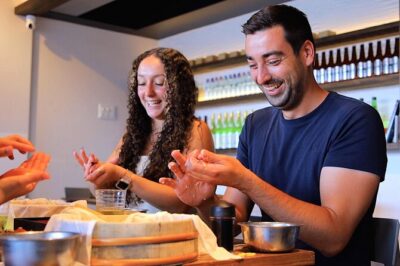 ★ 5.0Sushi Making Osaka Roll and Authentic Japanese Sushi ClassFrom $311,220 reviews
 ★ 4.7Five Must-See Highlights Walking Tour & Ramen LunchFrom $56411 reviews
 ★ 5.0Osaka Sushi Making ExperienceFrom $29400 reviews
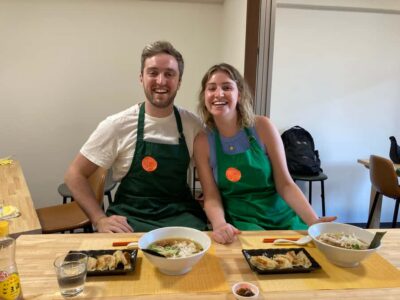 ★ 5.0Ramen and Gyoza Cooking Class in DotonboriFrom $70378 reviews
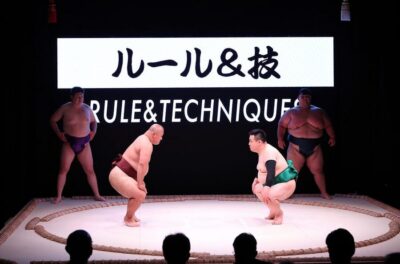 ★ 4.3Sumo Stage Show with Bento or Snack + Fight & PhotoFrom $93364 reviews
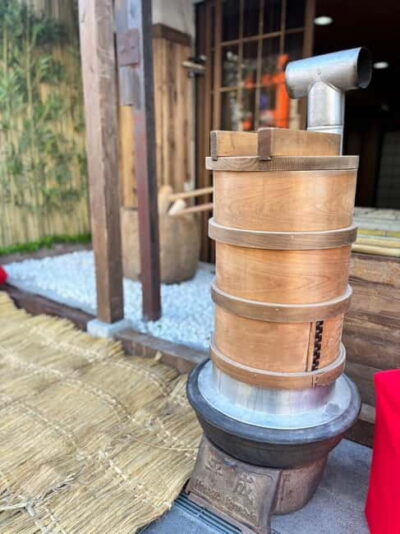 ★ 4.9Traditional Mochi Pounding Experience with TastingFrom $31306 reviews
 ★ 5.0Osaka Cooking Class: Okonomiyaki &Japanese cuisines experienceFrom $104261 reviews
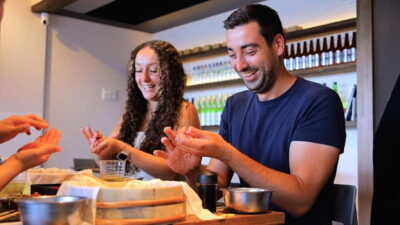 ★ 4.9Roll and Authentic Sushi Making Class in DotonboriFrom $45239 reviews
Browse the lists this tour appears in