
Reviewed · OSAKA COOKING CLASSES
Enjoy artistic TEMPURA Cooking Class
Tempura gets serious fast. This Osaka cooking class is interesting because you learn dashi from scratch first, then make six different tempura items in a small group. I like that you cook with a tutor who guides you step by step, and I love that you get recipes to take home so the skills don’t vanish after the meal. One consideration: you will be eating everything you make, including seafood like shrimp, so go in with a realistic appetite.
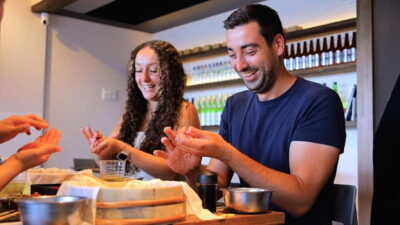
The pace is built for travelers, not foodies who live in the kitchen. You’ll chop, fry, and serve your tempura to yourself—then sit down to steamed rice and chilled tofu. With a maximum of eight people and a choice of lunch or dinner, it’s a good Osaka plan when you want something hands-on without spending half a day on a tour bus.
In This Review
- Key Things That Make This Osaka Tempura Class Worth Your Time
- Where You Meet and What Getting There Feels Like
- Start Strong: Making Dashi Broth the Japanese Way
- Knife Work and Ingredient Prep: Four Veggies Plus Two Seafood Types
- Cooking Tempura with an Instructor Watching Your Details
- The Big Payoff: Eating What You Make with Rice and Chilled Tofu
- Lunch or Dinner in Osaka: Picking the Best Time Slot for Your Day
- Price and Value: What You Really Get for $70.79
- Who This Class Fits Best (and Who Might Want to Skip It)
- Should You Book This Osaka Tempura Class?
- FAQ
- How long is the Osaka tempura cooking class?
- What will I cook during the class?
- Is the class small-group or crowded?
- Does the class include a meal, or is it just cooking?
- Can I choose lunch or dinner?
- What if I need to cancel?
Key Things That Make This Osaka Tempura Class Worth Your Time
- Dashi first: you start with the broth, then use that mindset for the rest of the meal
- Six items, not one: you make 4 vegetable tempura plus 2 seafood tempura, including a big shrimp
- Small group (max 8): more attention when your knife gets shaky
- You eat your results: no waiting for a restaurant takeout moment
- Recipes included: you can recreate the dishes later, not just taste them once
Flour on your hands, more Osaka kitchens to try


Where You Meet and What Getting There Feels Like
You’ll meet at 1-chōme-17-20 Kitahorie, Nishi Ward, Osaka (550-0014). The area is a practical choice because it’s near public transportation, so you won’t need a taxi strategy to make it on time.
Since the class runs about 2 hours, I’d treat the meeting point like a clock appointment. Show up a few minutes early, claim your apron, and get ready to work with knives and chopping boards right away. If you’re juggling other Osaka stops (castle, street food, shopping), this one fits neatly because the session is short and the payoff is immediate: you leave with both a full meal and recipes.
Start Strong: Making Dashi Broth the Japanese Way
The class starts with the flavor foundation: dashi soup stock. Before anyone touches batter or shrimp, you’ll make savory dashi and learn how to get it right. It’s a smart way to structure the lesson because tempura isn’t just about frying—it’s about taste balance, and dashi is the backbone of a lot of Japanese cooking.
Your instructor guides you step by step, and you’ll get tips for making a nice, flavorful broth. Even if you’ve never cooked Japanese food beyond instant noodles, the process is approachable because someone is showing you what to do and why. You’ll also see how “simple” Japanese cooking can be precise—this isn’t complicated, but it is careful.
What I like about this order is that it teaches you a method. You’re not just copying a tempura recipe; you’re learning how Japanese cooks build comfort food from the base up. And when dashi is ready, everything else feels more logical when you move into the tempura station.
Knife Work and Ingredient Prep: Four Veggies Plus Two Seafood Types
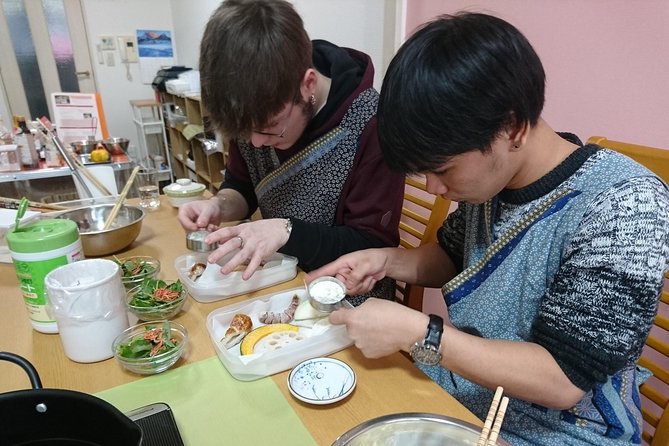
After dashi, you shift to prep. Kitchen knives and chopping boards are provided for each participant, so you don’t need to bring your own gear. That matters on travel days because it removes one more hassle and helps you focus on learning the technique.
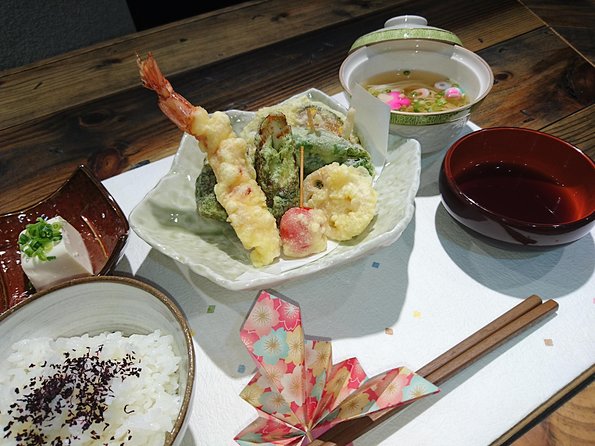
In this class, you’ll prepare four kinds of vegetable tempura and two kinds of seafood tempura, including one big shrimp. The seafood piece makes the class feel special in a way a veggie-only lesson usually can’t. It also gives you an easy comparison: different ingredients, different textures, and different ways you’ll want to treat the final result.
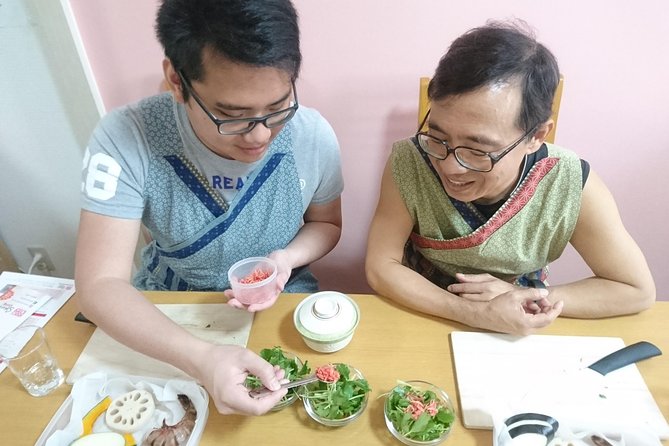
You’ll be working actively—chopping, handling ingredients, and getting everything ready so the cooking stage doesn’t turn into a scramble. If you’re the sort of traveler who hates being rushed, this setup is still friendly because the instructor guides you step by step and keeps the group organized.
One small practical tip: wear shoes you can stand in comfortably. Even a short cooking class can involve a lot of standing, bending slightly, and moving between stations.
Put this one next to a few other Osaka options first:

Cooking Tempura with an Instructor Watching Your Details
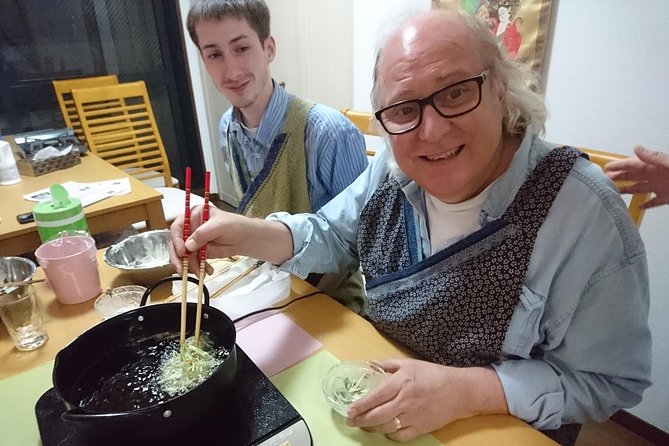
Once the prep is done, you cook tempura under guidance. The class format is straightforward: you follow directions, the tutor helps when needed, and you learn how to assemble and cook each variety.
Even though tempura can look casual when you order it in a shop, the lesson format is designed to make you pay attention. You’re making multiple types, so you can’t just coast through one fry session and call it done. The tutor’s role is important here—step-by-step guidance keeps your technique on track and helps you understand what makes the result work.
This is also where the small-group size matters. With a maximum of eight travelers, you’re not fighting for attention at the counter. If your batter or timing feels off, you’ll have a better chance of getting immediate feedback rather than waiting your turn.
And yes, you’ll enjoy the part where you place your finished dishes on the table, because it’s satisfying to see the work pay off right away. Cooking classes that end with a quick peek at food never feel complete. This one doesn’t do that.
The Big Payoff: Eating What You Make with Rice and Chilled Tofu
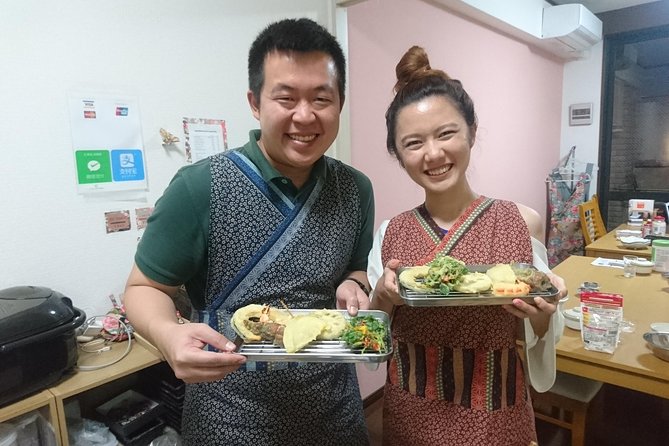
At the end, you’ll serve the dishes you made with chopsticks. The class ends with everyone sitting down to enjoy the meal—served with steamed rice and chilled tofu. Then you start eating, like you’re meant to.
This ending is one of the best parts because it ties learning to reality. You’re not watching someone else plate everything. You’re tasting your own tempura, and you can judge what you did well and what you’d tweak next time.
Steamed rice is a smart pairing because it balances the crispness and helps you slow down and appreciate the flavors. The chilled tofu adds contrast too—cool, gentle, and a palate reset between bites. That mix of textures keeps the meal from turning into a single-note crunchy feast.
Also, because this is a lesson where you eat everything you prepare, you should go in ready to be fully involved. If you’re dieting, fasting, or avoiding deep-fried food, this might not be your best match. But if you want a hands-on meal in Osaka, it’s a great deal of food for the time.
Lunch or Dinner in Osaka: Picking the Best Time Slot for Your Day
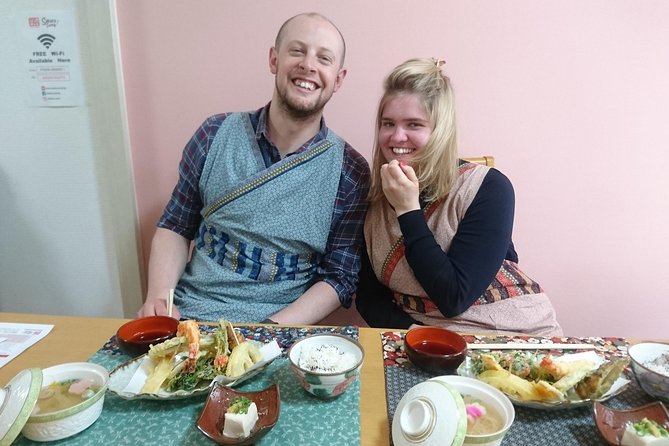
You can choose either a lunch or dinner experience to fit your schedule. In a city where food plans can sprawl, that flexibility matters. If you’re touring earlier in the day, lunch can keep you from running late. If you’re saving energy for evenings, dinner makes the class an easy anchor.
The duration is about 2 hours, so you’re not committing to an all-day activity. That’s valuable in Osaka, where you might bounce between neighborhoods for street snacks, shopping, and sightseeing. Having a cook-at-once commitment helps you plan the rest of the day without stress.
If you’re deciding between lunch and dinner, I’d choose based on your appetite and the rest of your food schedule. Dinner can be heavier if you’ve already had street food. Lunch can feel like a warm reset before you start your evening exploring.
Price and Value: What You Really Get for $70.79
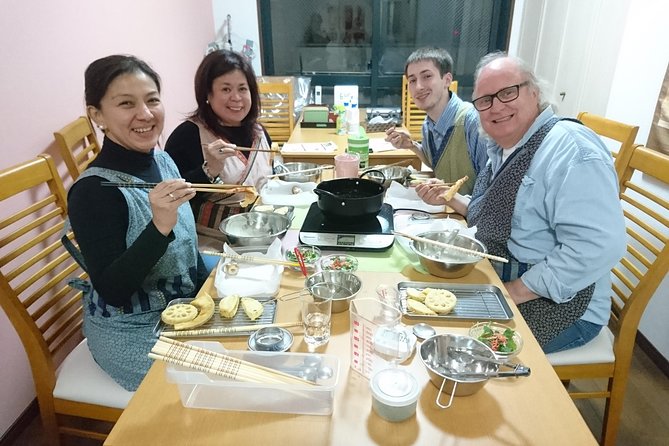
The price is $70.79 per person, and the class is typically booked about 56 days in advance. That early booking pattern suggests it’s popular, which usually means demand for the small-group setup and the hands-on meal.
So what are you actually buying here?
You’re paying for:
- A small-group class (max 8)
- Step-by-step instruction
- You cooking 6 tempura types plus dashi soup stock
- Ingredients and kitchen tools (knives and chopping boards are provided)
- A meal you eat at the end (tempura, steamed rice, chilled tofu)
- Recipes to take home
When you compare that to paying for a restaurant meal alone, it’s not a small jump in cost. But cooking is a skill lesson, and you’re getting the full meal as part of it. You also leave with recipes, which turns the class into a repeatable benefit. That’s the value piece people often overlook: the real win is being able to recreate at least the dashi base and the tempura style later.
Two hours also helps. You get a lot packed into a short block, without the long travel time that many food tours require. For visitors who want a focused experience rather than a multi-stop crawl, this pricing starts to make sense.
Who This Class Fits Best (and Who Might Want to Skip It)
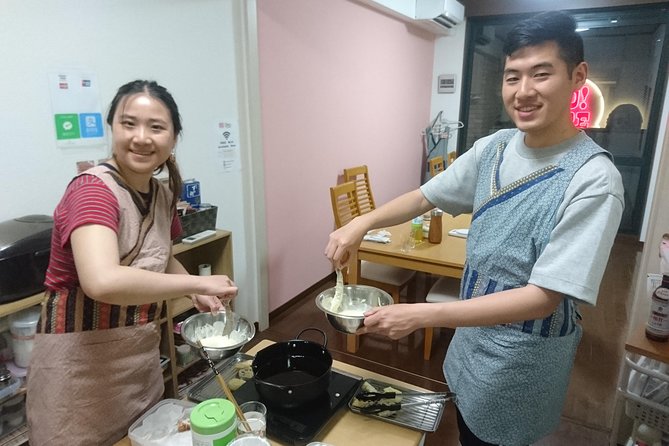
This tempura lesson is best for you if:
- You want an Osaka activity that’s practical and hands-on
- You like Japanese cooking beyond what you can order off a menu
- You’re curious about how dashi shapes Japanese flavor
- You enjoy learning with a tutor in a small group
It may be a less ideal fit if:
- You don’t eat seafood or you know shrimp is a problem
- You prefer tasting food only rather than cooking and eating what you make
- You dislike deep-fried foods in general
If you’re a first-timer in Japanese cooking, this class is a strong starting point because it teaches the base (dashi) and then shows how tempura works across multiple ingredients. If you already cook at home, you’ll still likely enjoy the structure and the recipes, since you can compare what you do now with how this class teaches it.
Should You Book This Osaka Tempura Class?
I’d book it if you want a short, high-satisfaction food experience that goes beyond eating. The combo of dashi + multiple tempura types + take-home recipes is the reason this works. You’re learning technique, not just buying a plate of food.
Skip it if you’re not comfortable with the idea that you’ll cook and then fully eat the results, including seafood like shrimp. Also, if your schedule is extremely tight, plan time for transit to the Nishi Ward meeting point—knowing you’ll be cooking right after arrival means you don’t want to rush.
Overall, this is the kind of experience that leaves you with a full stomach and a real skill you can use later.
FAQ
How long is the Osaka tempura cooking class?
The class lasts about 2 hours.
What will I cook during the class?
You’ll make traditional dashi soup stock and learn to prepare 6 types of tempura: 4 vegetable tempura and 2 seafood tempura, including one big shrimp.
Is the class small-group or crowded?
It’s a small group with a maximum of 8 travelers.
Does the class include a meal, or is it just cooking?
You eat everything you prepare in the class. The meal includes your tempura, steamed rice, and chilled tofu.
Can I choose lunch or dinner?
Yes, you can choose either a lunch or dinner experience.
What if I need to cancel?
You can cancel for a full refund if you cancel at least 24 hours before the experience’s start time. If you cancel less than 24 hours in advance, the amount paid is not refunded.
Take Home Something You Made
- Sushi Making Osaka Roll and Authentic Japanese Sushi Class★ 5.0 · 1,220 reviews
- Matcha Making Class in Osaka with Authentic Japanese Sweets Set★ 5.0 · 509 reviews
- Osaka: Ramen and Gyoza Cooking Class in Dotonbori★ 5.0 · 378 reviews
- Osaka Cooking Class: Okonomiyaki &Japanese cuisines experience★ 5.0 · 261 reviews
- Osaka: Roll and Authentic Sushi Making Class in Dotonbori★ 4.9 · 239 reviews
More Tour Reviews in Osaka
- Osaka Go Karting Tour with Funny Costume★ 5.0 · 2,658 reviews
- Osaka Castle: Museum and Tower Entry Ticket★ 4.5 · 2,380 reviews
- Osaka: Shinsekai Food Tour with 13-15 Dishes at 5 Eateries★ 4.8 · 2,204 reviews
- Osaka Food Tour: 13 Dishes at 5 Local Eateries★ 5.0 · 2,149 reviews
- Hungry Osaka Street Food Tour:15 Tastings & 3 Drinks with a Local★ 5.0 · 1,727 reviews
Cook It Yourself in Osaka
- Sushi Making Osaka Roll and Authentic Japanese Sushi Class★ 5.0 · 1,220 reviews
- Osaka: Five Must-See Highlights Walking Tour & Ramen Lunch★ 4.7 · 411 reviews
- Osaka Sushi Making Experience★ 5.0 · 400 reviews
- Osaka: Ramen and Gyoza Cooking Class in Dotonbori★ 5.0 · 378 reviews
- Osaka: Sumo Stage Show with Bento or Snack + Fight & Photo★ 4.3 · 364 reviews
The Newest Osaka Write-Ups
- Private Photoshoot in Osaka with a Professional Photographer
★ 5.0 · 3 reviews - Osaka Early Morning Osaka Castle Tour Avoid Crowds
★ 5.0 · 3 reviews - Nara Private Tour with Pick and Drop and English Speaking Driver
★ 3.5 · 3 reviews - Osaka: Modern Vegetarian Sushi Cooking Class
★ 5.0 · 3 reviews - Nara Day Trip from Osaka with a Licensed Guide
★ 5.0 · 3 reviews
Osaka Cooking Classes, compared.
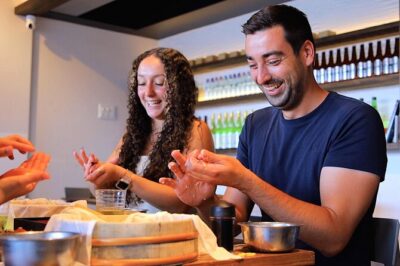 ★ 5.0Sushi Making Osaka Roll and Authentic Japanese Sushi ClassFrom $311,220 reviews
 ★ 4.7Five Must-See Highlights Walking Tour & Ramen LunchFrom $56411 reviews
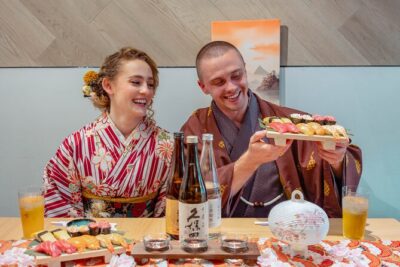 ★ 5.0Osaka Sushi Making ExperienceFrom $29400 reviews
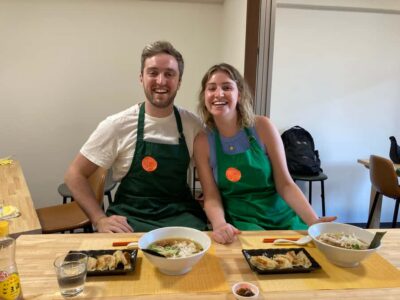 ★ 5.0Ramen and Gyoza Cooking Class in DotonboriFrom $70378 reviews
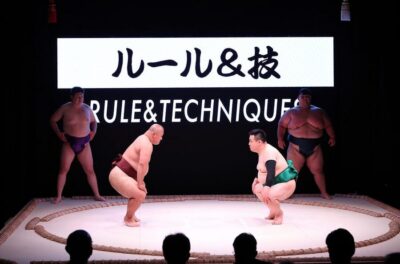 ★ 4.3Sumo Stage Show with Bento or Snack + Fight & PhotoFrom $93364 reviews
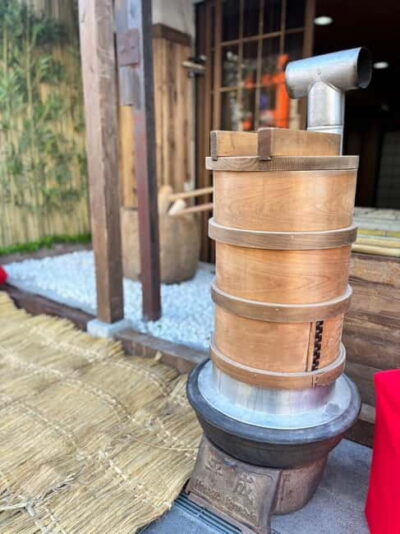 ★ 4.9Traditional Mochi Pounding Experience with TastingFrom $31306 reviews
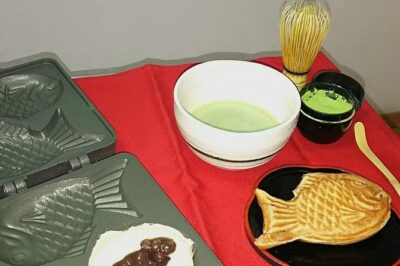 ★ 5.0Osaka Cooking Class: Okonomiyaki &Japanese cuisines experienceFrom $104261 reviews
 ★ 4.9Roll and Authentic Sushi Making Class in DotonboriFrom $45239 reviews
Browse the lists this tour appears in