
Reviewed · OSAKA COOKING CLASSES
Cooking Class for Ramen and Gyoza in a Quiet Old Osaka House
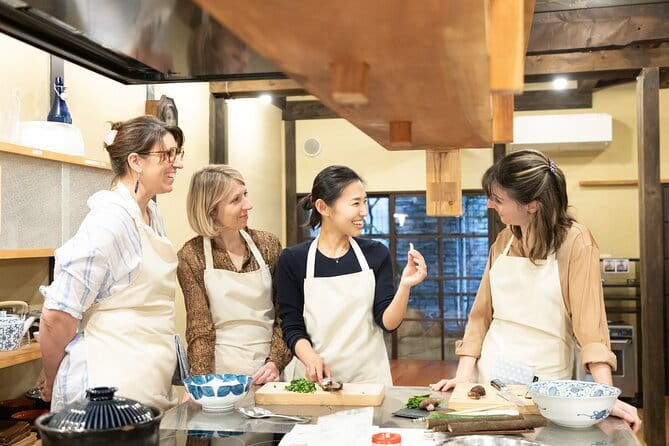
Ramen tastes better when you make it. This class turns Osaka’s everyday comfort food into a hands-on, English-friendly morning in a quiet, 90-year-old house.
I like how Ayumi-san explains Japanese kitchen ingredients in plain terms, then gets you cooking right away. I also like the small scale, capped at 6 travelers, which means you’re not stuck watching from the sidelines. One thing to consider: if you have allergies or strict dietary needs, tell them when you book— they say they’ll do their best, but you should still plan to communicate clearly up front.
In This Review
- Key highlights before you go
- A quiet Osaka lunch inside a renovated 90-year-old house
- Meet Ayumi-san: the local energy that makes the class work
- Intro to Japanese condiments: the small foundation that pays off
- Cooking ramen: soy sauce soup with pork toppings
- Gyoza from scratch: homemade wraps and a pork-beef veggie filling
- Lunch together: eating what you made (and why it’s different here)
- Price and value: is $93.44 worth it?
- Timing and location: the 10:30 start in Osaka’s Chuo Ward
- Who this ramen and gyoza class is best for
- Should you book this ramen and gyoza class?
- FAQ
- What dishes are included in the class?
- Is the cooking class taught in English?
- How long does the cooking class last?
- What is the group size?
- Can you accommodate food allergies or dietary restrictions?
- Are private classes available?
- When and where does the class start?
- Is transportation included?
- What is the cancellation policy?
Key highlights before you go
- A renovated 90-year-old kitchen house that feels calm, not touristy
- English instruction with a host known for clear, comfortable teaching
- Ramen + gyoza, from scratch steps you can repeat at home
- Small group cap of 6 travelers, so you get real attention
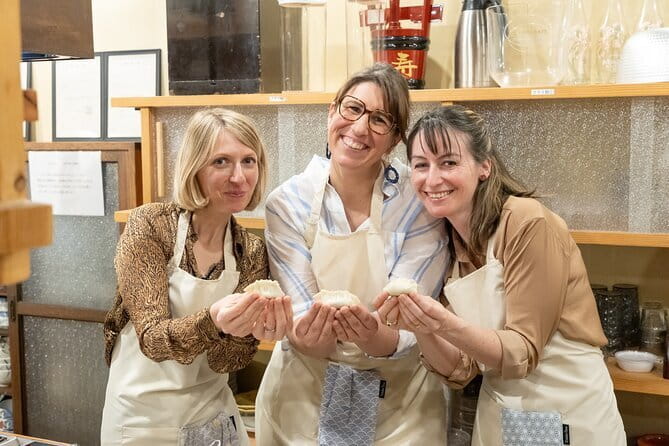
- Homemade gyoza wraps plus pork/beef and vegetable fillings
- A cute chopstick gift with origami-style holders for everyone
Flour on your hands, more Osaka kitchens to try


A quiet Osaka lunch inside a renovated 90-year-old house
This is the kind of food experience that starts with the room. You’re not cooking in a loud studio with a conveyor-belt vibe. The kitchen space is in a renovated house that’s around 90 years old, and that age shows in the atmosphere. It feels like someone’s home kitchen—but designed so a class can actually run smoothly.
That matters more than you’d think. In Japan, a lot of cooking happens around everyday routines. Being in a calm old house makes it easier to focus on the small things: how ingredients smell, how sauces change as they heat, and how “home cooking” differs from restaurant shortcuts.
You’ll also appreciate the group size. With a maximum of 6 travelers, you’re likely to feel involved rather than rushed. The goal here isn’t just eating. It’s cooking together, talking, and leaving with a process you can follow later.
Practical note: you’re starting at 10:30 am, so you get a proper lunch experience without eating at random times around town.
Meet Ayumi-san: the local energy that makes the class work
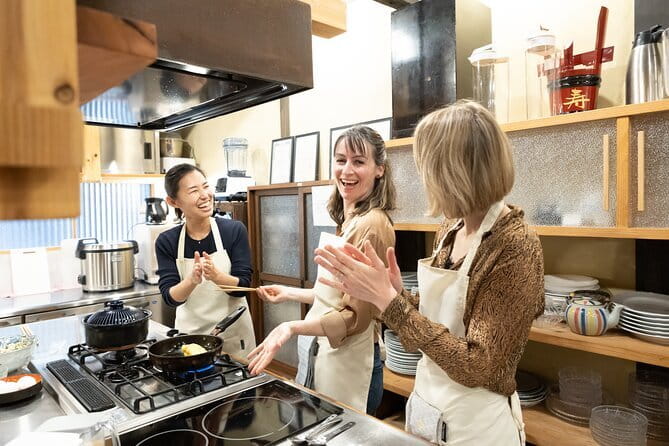
The class runs with an instructor who grew up eating Japanese home cooking every day. That background isn’t just a nice detail—it shapes how she teaches. You’ll notice she talks about the “why” behind ingredients and condiments, not only the “do this next” steps.
Ayumi-san is also a certified dietary education instructor. In plain terms, she’s trained to think about food in a more careful, practical way. If you mention allergies or restrictions during booking, the team says they’ll try their best to accommodate you. That’s the right first step for anyone who needs caution with ingredients.
From what you can expect in the room: the class is in English, and her English is described as excellent. People also mention the setup is organized, which helps if you’re worried about showing up with zero cooking skills.
And the vibe? You’re not treated like a ticket. Ayumi-san comes across as warm and friendly, like you’ve joined for a meal at a neighbor’s place. That’s why the chatting matters here. You cook ramen and gyoza, sure—but you also trade customs and food habits as you go.
Intro to Japanese condiments: the small foundation that pays off
Before you start cooking, you begin with an introduction to ingredients and condiments that are common in Japanese kitchens. This part is easy to underestimate. It’s also where the class gives you the most value.
Instead of treating ramen and gyoza as mysterious restaurant magic, you learn how Japanese cooking builds flavor. You get a better feel for how soy sauce-based flavors work, how toppings and fillings affect the final bite, and why certain staples show up again and again in home meals.
This matters if you want to cook at home afterward. A recipe without context can be frustrating. But when you understand the condiments and the basic cooking logic, you can adjust for your own pantry and still land on something that tastes right.
Expect the instructor to guide you through what you’ll use, what to watch for, and how the cooking steps connect. You’ll also be encouraged to exchange food culture and customs—so you’re not just memorizing actions.
Put this one next to a few other Osaka options first:

Cooking ramen: soy sauce soup with pork toppings
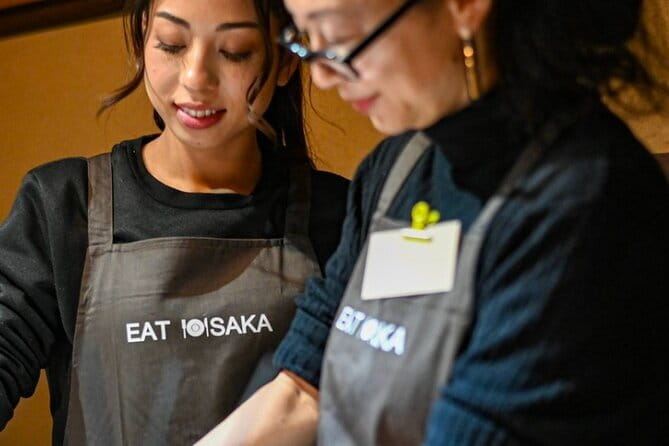
For the main dish, you’ll cook ramen in a soy sauce-based soup with pork toppings. The class structure is hands-on: you’ll start from the ingredients and move through cooking methods as a group.
What I like about ramen in a teaching setting is that it teaches you one clear concept: timing plus seasoning. Soy sauce-based broth can go from flat to flavorful quickly depending on heat and how ingredients are handled. Even if you’re not cooking “street ramen” style, you’re learning how to build a comforting bowl.
As you cook, pay attention to how the instructor frames condiments and toppings. Pork toppings aren’t just for taste—they change the whole experience. Fat, salt, and savory depth make the broth feel fuller, even when the broth is simple by ramen standards.
Also, the class includes eating together after cooking. So you’re not making a dish and then rushing out. You get to taste what your steps created, which is the quickest way to learn.
If you’re new to Japanese cooking, start mentally with this idea: ramen is a system. Broth style, toppings, and final balance all work together. This class gives you enough structure to understand that system.
Gyoza from scratch: homemade wraps and a pork-beef veggie filling
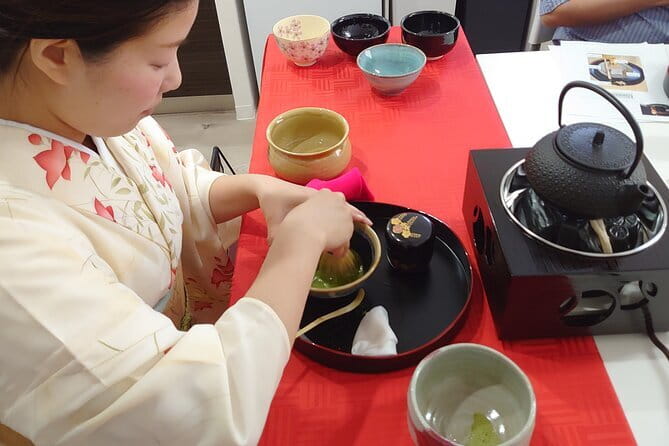
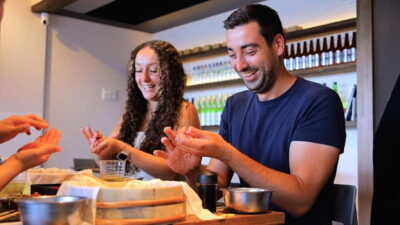
Then comes gyoza, and this is where the class feels truly “hands-on.” You’ll make gyoza with homemade wrap, plus pork/beef and vegetables fillings.
Homemade wraps are a big deal. In many cooking classes, you might assemble filling and call it a day. Here, you’re involved in the wrap itself, so you learn how dough behaves and how thickness and handling affect the final bite.
The filling combo—pork or beef plus vegetables—also teaches you something practical. Different meats bring different fat levels and savory depth. Vegetables add texture and moisture. That means the filling isn’t just a mix; it’s about balancing softness, bite, and flavor.
Gyoza is also a format that rewards technique. Even without fancy equipment, careful folding and even shaping will make the difference between dumplings that feel cohesive and ones that break apart.
I like that the class doesn’t treat gyoza as a “cool party trick.” It treats it as proper home cooking. You’ll likely leave thinking, I can do this again for friends, because the steps are explained and practiced, not just demonstrated.
Lunch together: eating what you made (and why it’s different here)
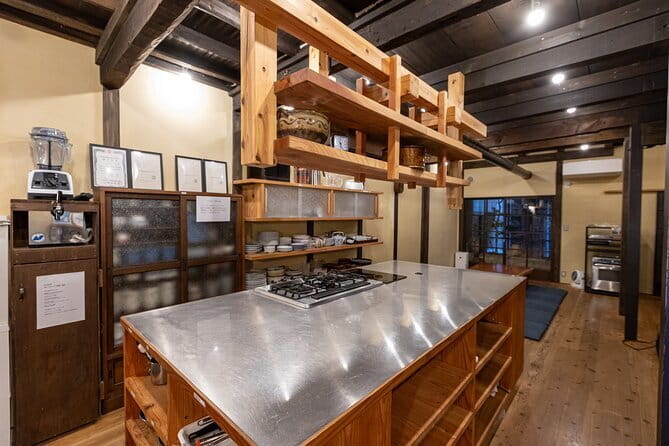
This experience includes lunch. You’ll eat together the ramen and gyoza you cooked as a group. That matters because your learning doesn’t end when the cooking stops. You taste, compare, and connect the instructions to what’s in front of you.
In a class like this, you also start exchanging culture in a natural way. The format encourages talking about different food customs while food is happening. It’s a simple way to make the experience feel social without turning it into a forced meet-and-greet.
Another small (but memorable) touch: Japanese-made chopsticks are given to all participants, with holders made using origami and cute decorations. It’s practical too—something you can actually use later—so the class sticks in your memory when you’re eating at home.
Also, remember: private transportation isn’t included. This is a local neighborhood-style activity, close to public transit, so plan to arrive under your own steam.
Price and value: is $93.44 worth it?

At $93.44 per person, this isn’t a “cheap snack class.” But it is also not overpriced for what you receive—especially if you’re thinking long-term.
Here’s what your money covers:
- Instruction from an English-speaking local, Ayumi-san
- Ingredient prep and cooking time for ramen and gyoza
- Lunch (you eat what you make)
- A capped group size (max 6 travelers)
- A chopstick gift set
So you’re paying for more than a meal. You’re paying for a coached, structured experience where you learn technique. And the reviews consistently stress that people go home feeling confident they can make both dishes again for friends. That’s real value, because confidence beats collecting photos.
One more point: this class often gets booked around 38 days in advance on average. If you’re traveling at a busy time or want a specific day, booking earlier is smart. When a class has a small cap and a popular instructor, availability can get tight.
Timing and location: the 10:30 start in Osaka’s Chuo Ward
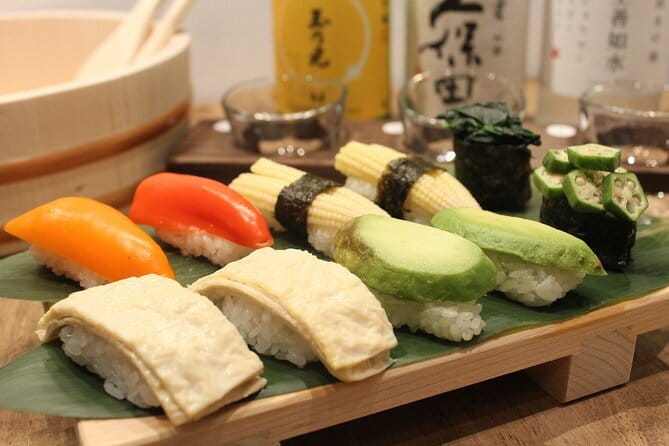
You start at 10:30 am at 6 Chome-13 Tanimachi, Chuo Ward, Osaka, and the activity ends back at the meeting point. You’ll likely find it convenient because it’s near public transportation.
This start time is ideal if you want lunch with a plan, not lunch as a gamble. You’re also less likely to be rushed, since the class runs about 2 hours 45 minutes. That gives you enough time to cook calmly and still eat before your afternoon plans.
What to do the day of:
- Show up hungry. You’ll be cooking and then eating.
- Wear comfortable clothing. You’ll be in a kitchen setting.
- If you have restrictions, communicate clearly during booking, and be ready to remind the instructor at the start.
If you prefer private lessons, there is an option for a private class. Children under 6 must book a private class, which is good to know when you’re planning family schedules.
Who this ramen and gyoza class is best for
This experience fits best when you want an actual food lesson, not just a tasting.
You’ll enjoy it if:
- You want to learn how to make ramen and gyoza in one sitting
- You want English instruction and a calm, organized class
- You like learning directly from a local who grew up with home cooking
- You’d rather eat a meal you cooked than hunt for one after a long day
It’s also a nice fit for couples or small groups because the class size stays intimate. And if you’re traveling alone, you’re still likely to feel included because the format supports conversation during cooking.
If you’re very sensitive to allergens, you should still book—just communicate early. They say they’ll try their best to accommodate restrictions, but you should not assume every ingredient swap is possible.
Should you book this ramen and gyoza class?
I’d book it if your trip includes the two goals that matter most here: a hands-on lunch lesson and a friendly, well-organized host. The old house setting adds comfort, and the small group size helps you learn instead of just observe.
If you want a flexible “food tour” with lots of wandering stops, this isn’t that. It’s a focused cooking class, and the payoff is what you take home in technique and confidence.
Given the warm teaching style people highlight, the English instruction, and the fact that you leave with ramen and gyoza you made yourself, this is a strong choice for Osaka—especially if you’re staying in Japan for more than a few days and want to recreate something real at home.
FAQ
What dishes are included in the class?
You’ll cook and eat ramen in a soy sauce-based soup with pork toppings, and gyoza with homemade wrap plus pork/beef and vegetable fillings.
Is the cooking class taught in English?
Yes, the class is offered in English.
How long does the cooking class last?
The duration is about 2 hours 45 minutes.
What is the group size?
This activity has a maximum of 6 travelers.
Can you accommodate food allergies or dietary restrictions?
You should tell them when you book if you have any allergies or restrictions. They’ll try their best to accommodate.
Are private classes available?
Shared and private classes are available. For a private class, you need to contact the provider directly for booking.
When and where does the class start?
It starts at 10:30 am at 6 Chome-13 Tanimachi, Chuo Ward, Osaka, 542-0012, Japan, and ends back at the meeting point.
Is transportation included?
Private transportation is not included.
What is the cancellation policy?
You can cancel for a full refund up to 24 hours before the experience’s start time.
Take Home Something You Made
- Sushi Making Osaka Roll and Authentic Japanese Sushi Class★ 5.0 · 1,220 reviews
- Matcha Making Class in Osaka with Authentic Japanese Sweets Set★ 5.0 · 509 reviews
- Osaka: Ramen and Gyoza Cooking Class in Dotonbori★ 5.0 · 378 reviews
- Osaka Cooking Class: Okonomiyaki &Japanese cuisines experience★ 5.0 · 261 reviews
- Osaka: Roll and Authentic Sushi Making Class in Dotonbori★ 4.9 · 239 reviews
More Tour Reviews in Osaka
- Osaka Go Karting Tour with Funny Costume★ 5.0 · 2,658 reviews
- Osaka Castle: Museum and Tower Entry Ticket★ 4.5 · 2,380 reviews
- Osaka: Shinsekai Food Tour with 13-15 Dishes at 5 Eateries★ 4.8 · 2,204 reviews
- Osaka Food Tour: 13 Dishes at 5 Local Eateries★ 5.0 · 2,149 reviews
- Hungry Osaka Street Food Tour:15 Tastings & 3 Drinks with a Local★ 5.0 · 1,727 reviews
Cook It Yourself in Osaka
- Sushi Making Osaka Roll and Authentic Japanese Sushi Class★ 5.0 · 1,220 reviews
- Osaka: Five Must-See Highlights Walking Tour & Ramen Lunch★ 4.7 · 411 reviews
- Osaka Sushi Making Experience★ 5.0 · 400 reviews
- Osaka: Ramen and Gyoza Cooking Class in Dotonbori★ 5.0 · 378 reviews
- Osaka: Sumo Stage Show with Bento or Snack + Fight & Photo★ 4.3 · 364 reviews
The Newest Osaka Write-Ups
- Private Photoshoot in Osaka with a Professional Photographer
★ 5.0 · 3 reviews - Osaka Early Morning Osaka Castle Tour Avoid Crowds
★ 5.0 · 3 reviews - Nara Private Tour with Pick and Drop and English Speaking Driver
★ 3.5 · 3 reviews - Osaka: Modern Vegetarian Sushi Cooking Class
★ 5.0 · 3 reviews - Nara Day Trip from Osaka with a Licensed Guide
★ 5.0 · 3 reviews
Osaka Cooking Classes, compared.
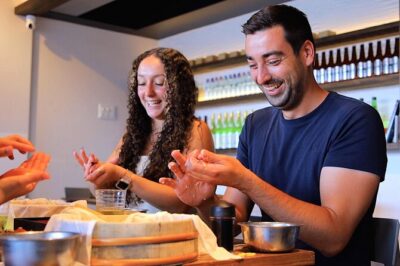 ★ 5.0Sushi Making Osaka Roll and Authentic Japanese Sushi ClassFrom $311,220 reviews
 ★ 4.7Five Must-See Highlights Walking Tour & Ramen LunchFrom $56411 reviews
 ★ 5.0Osaka Sushi Making ExperienceFrom $29400 reviews
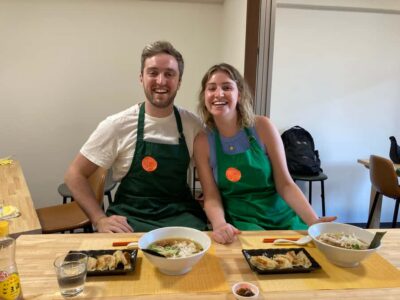 ★ 5.0Ramen and Gyoza Cooking Class in DotonboriFrom $70378 reviews
 ★ 4.3Sumo Stage Show with Bento or Snack + Fight & PhotoFrom $93364 reviews
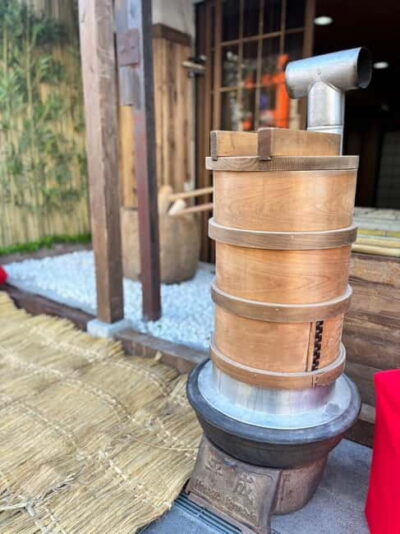 ★ 4.9Traditional Mochi Pounding Experience with TastingFrom $31306 reviews
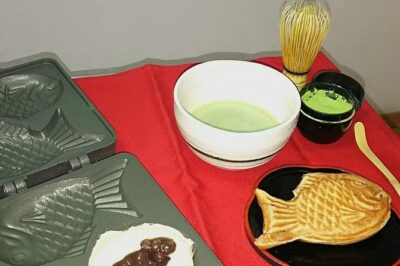 ★ 5.0Osaka Cooking Class: Okonomiyaki &Japanese cuisines experienceFrom $104261 reviews
 ★ 4.9Roll and Authentic Sushi Making Class in DotonboriFrom $45239 reviews
Browse the lists this tour appears in