
Reviewed · OSAKA COOKING CLASSES
Beautiful Wagashi (Japanese Sweet) Making Class
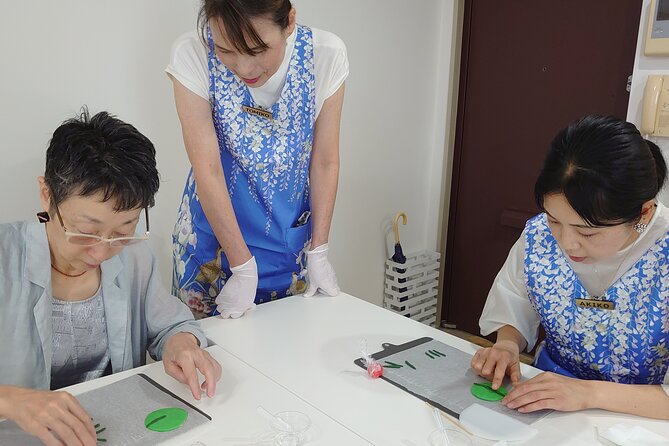
Wagashi looks hard, but it’s doable. In Osaka, this small-group class has you making nerikiri from scratch, then finishing it into a flower-like sweet you can eat right away or take with you.
I especially like the hands-on pace and the way the steps are explained clearly. You’ll also get recipes so your practice doesn’t end with the class, and you can customize colors to match your own taste.
One thing to plan for: the entrance can be a little tricky to spot, so arrive a few minutes early and don’t cut it close.
In This Review
- Key highlights you’ll care about
- Nerikiri: why this wagashi isn’t just dessert
- Your 1-hour flow in Osaka (what happens step by step)
- 1) Meet up and get oriented at Banix Kitahorie
- 2) Learn the wagashi basics before you touch the dough
- 3) Make the nerikiri dough from scratch
- 4) Color the dough in delicate shades
- 5) Shape decorative flowers and garnish
- 6) Eat it and take it home
- Meet your instructor: clear English and real guidance
- What makes wagashi special beyond the ingredients
- Recipes you’ll actually use at home
- Photo moment and tea-ceremony vibes
- Price and value: what $45.53 buys you
- Who should book this wagashi class
- If you’re deciding, here’s how to choose wisely
- Should you book?
Key highlights you’ll care about
- Nerikiri, tea-ceremony style: you learn what makes this wagashi “higher quality”
- Small group, more attention: max 8 people, so questions actually get answered
- From scratch dough: you work with white bean paste and glutinous rice flour
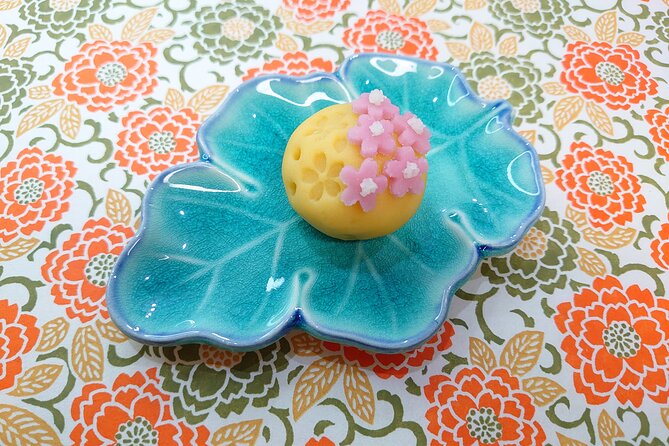
- Coloring and decorative flower shaping: the fun part where yours looks unique
- Photos before you eat: you’ll want to capture your final design first
- Recipes included: you can recreate the sweets at home
Flour on your hands, more Osaka kitchens to try


Nerikiri: why this wagashi isn’t just dessert
Wagashi isn’t only about sweetness. It’s also about seasons, texture, and presentation. In this class, the focus is nerikiri, which is widely associated with the tea ceremony and regarded as a top-tier wagashi.
Why that matters for you: nerikiri has a different feel than many Western-style sweets. The dough is made from glutinous rice flour mixed with white bean paste, and then it’s shaped and colored into decorative forms. That combination gives you a chewy, smooth base that holds detailed shapes well enough for delicate flower designs.
Another useful takeaway: you learn that wagashi can be made with simple, natural ingredients like rice flour and beans. The class specifically notes that the sweets can be enjoyed by vegans and vegetarians—a big plus if you’re watching what you eat.
Your 1-hour flow in Osaka (what happens step by step)
This experience runs about 1 hour, which is short enough to feel efficient, but long enough to get your hands sticky and actually make something you’re proud of.
1) Meet up and get oriented at Banix Kitahorie
You’ll start at Banix 北堀江 in Nishi Ward (Kitahorie), at the address listed for the activity: 3-chōme62 システマギャラリー. It’s stated to be near public transportation, which helps if you don’t want to fight Osaka traffic or taxis.
Practical tip: one of the standout notes from participants is that the entrance can be hard to find at first. I’d treat that as a reason to arrive early with your phone map ready.
Put this one next to a few other Osaka options first:

2) Learn the wagashi basics before you touch the dough
Before shaping begins, you get context for what you’re making: what nerikiri is, why its texture matters, and how the ingredients come together. The class uses a straightforward teaching approach: you’re not expected to already know Japanese sweets.
This is also where the small-group size helps. With a maximum of 8 travelers, it’s easier for the instructor to check that you’re following correctly.
3) Make the nerikiri dough from scratch
The core skill here is making the dough yourself. The ingredients described for nerikiri are white bean paste and glutinous rice flour. You’ll work the mixture until it becomes pliable and workable for shaping.
Here’s the real value: making the dough is the part that teaches you the “why.” If the texture is off, your flower details won’t hold. Once you understand that, the rest of the class feels like craft work instead of just following instructions.
One note to keep in mind: the process “requires some skill,” so expect a learning curve. Not in a scary way. More like, you’ll probably get your best shape once your hands warm up.
4) Color the dough in delicate shades
After the dough is ready, you’ll color it. The class highlights delicate colors and letting you customize your sweets based on your preferences.
This is where the experience turns personal. Even within one recipe framework, your choices shape the final look. If you like pastel aesthetics, this part will feel satisfying fast.
5) Shape decorative flowers and garnish
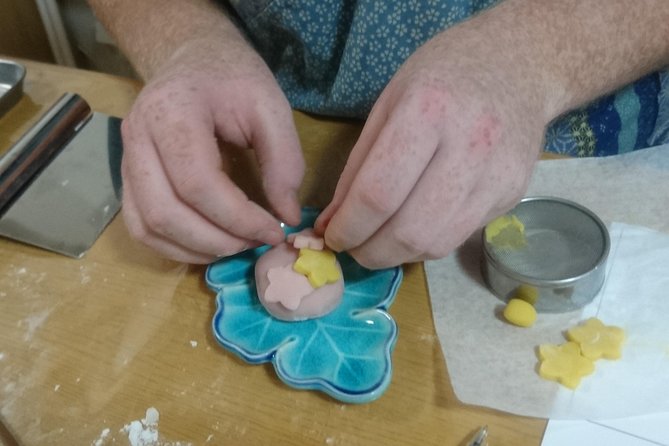
Now comes the detail work: creating decorative flower shapes from the dough. You’ll form the pieces, shape them into the right look, and then garnish your nerikiri.
This step is the one you’ll remember, because it’s also the step where your effort shows immediately. And yes, it can take a few tries to get the lines and petals looking clean.
6) Eat it and take it home
Once finished, you’ll enjoy your wagashi. The class says you can eat it there or take it away.
Also: take photos before eating. That’s not a throwaway tip. Wagashi is designed for visual impact, and your final product will look much better in a picture than in a half-bite moment.
Meet your instructor: clear English and real guidance
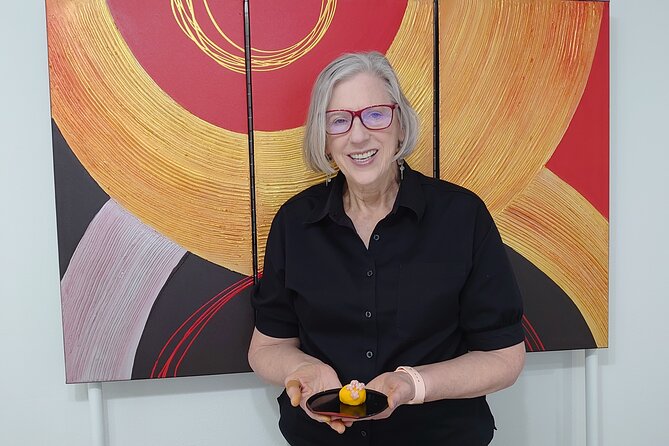
The class is led by Fumi (as noted in participant feedback), with great English translations. That matters more than it sounds. Wagashi is part food, part craft, and part cultural detail. If your instructions are slightly confusing, your timing and shape will suffer.
What I like about this kind of setup is that you can ask questions mid-process. In a small-group setting, the instructor can spot issues early, like dough texture or piece placement, before you’ve invested all your effort.
What makes wagashi special beyond the ingredients
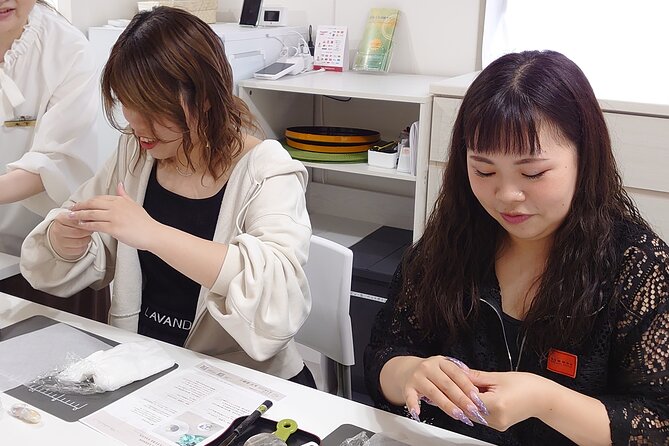
Wagashi often gets reduced to “pretty sweets,” but there’s more going on. The class emphasizes that wagashi uses natural ingredients like rice flour and beans, and that the sweets can fit vegetarian and vegan diets. That’s already a big win for planning a Japan food trip.
But there’s another layer: nerikiri is designed to communicate details through shape. You’re not just rolling dough. You’re building a form that reflects taste, skill, and (at least in style) seasonal or ceremonial cues.
Even if you don’t know the cultural symbolism behind every variation, you’ll come away with respect for the craft. The “how” sticks with you because your hands do the work.
Recipes you’ll actually use at home
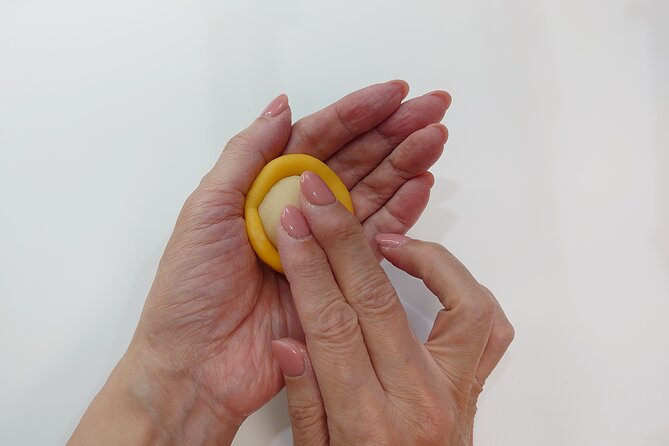
One of the best value points here is that you receive recipes for Japanese sweets to make at home. Since this class is only about an hour, recipes matter. They extend the experience beyond the session window.
What’s practical about the recipe handoff: it helps you recreate the dough base and the shaping steps later, instead of relying on memory or guessing.
If you’re the type who likes trying Japanese desserts at home, this turns into a weekend project. And if you’re not usually a baking person, you still get a structured starting point.
Photo moment and tea-ceremony vibes
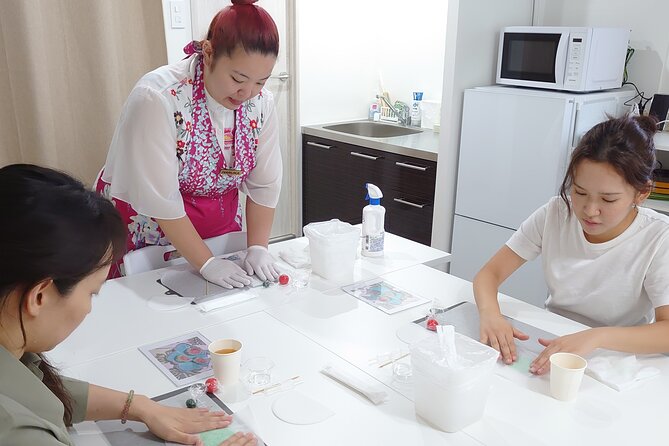
You’re encouraged to take photos before eating. That’s perfect for wagashi because the final look is often the reason you chose the class in the first place.
Also, one participant highlighted a bonus touch: a chance to make matcha tea with traditional Japanese instruments. Even if that part varies slightly by group flow, it fits the theme of nerikiri being associated with tea-ceremony settings. It’s a small cultural bridge that makes the class feel more complete.
Price and value: what $45.53 buys you
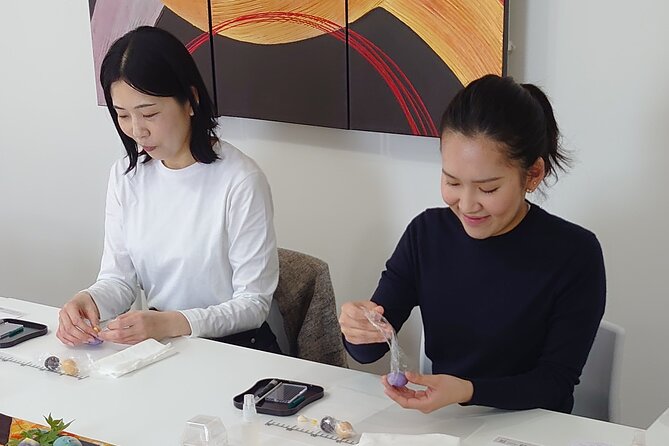
At $45.53 per person for about 1 hour, you’re paying for three things: guided instruction, a small group setup, and the chance to make a craft-style dessert rather than just watch or sample.
In practical terms, value comes from:
- Doing the work yourself (dough, coloring, shaping)
- Small-group attention (max 8)
- Recipes included (so you get a second chance later at home)
If you compare it to buying ingredients and doing this from scratch, you’re saving time and trial-and-error. If you compare it to larger, less personal classes, you’re paying a bit more to keep the learning curve from turning frustrating.
Who should book this wagashi class
This is a great fit if you’re:
- a foodie who wants more than tasting
- a baking or craft enthusiast who likes step-by-step results
- traveling with patience and curiosity (because shaping takes some focus)
- looking for a veg-friendly Japanese food experience (the class notes it can work for vegans and vegetarians)
It’s also a good option for couples or solo travelers, since the class keeps the group small and interactive. If you’re traveling with kids, note that children must be accompanied by an adult.
If you’re deciding, here’s how to choose wisely
Book this wagashi class if you want a hands-on Osaka experience that feels cultural and practical. You’ll leave with a finished sweet, the recipe to try again, and a better understanding of why nerikiri is treated seriously in tea settings.
Skip it only if you’re looking for something purely casual like a quick snack stop. The shaping step takes some skill, and this class is built for people who enjoy making rather than only eating.
Should you book?
Yes, I think you should book—especially if you’re excited by the idea of making nerikiri with real craft steps. The standout benefits are clear instructions, the chance to customize your sweets, and getting recipes to continue at home. Just plan to arrive a bit early at the Banix Kitahorie meeting point so you don’t start your class hunting for the entrance.
Take Home Something You Made
- Sushi Making Osaka Roll and Authentic Japanese Sushi Class★ 5.0 · 1,220 reviews
- Matcha Making Class in Osaka with Authentic Japanese Sweets Set★ 5.0 · 509 reviews
- Osaka: Ramen and Gyoza Cooking Class in Dotonbori★ 5.0 · 378 reviews
- Osaka Cooking Class: Okonomiyaki &Japanese cuisines experience★ 5.0 · 261 reviews
- Osaka: Roll and Authentic Sushi Making Class in Dotonbori★ 4.9 · 239 reviews
More Tour Reviews in Osaka
- Osaka Go Karting Tour with Funny Costume★ 5.0 · 2,658 reviews
- Osaka Castle: Museum and Tower Entry Ticket★ 4.5 · 2,380 reviews
- Osaka: Shinsekai Food Tour with 13-15 Dishes at 5 Eateries★ 4.8 · 2,204 reviews
- Osaka Food Tour: 13 Dishes at 5 Local Eateries★ 5.0 · 2,149 reviews
- Hungry Osaka Street Food Tour:15 Tastings & 3 Drinks with a Local★ 5.0 · 1,727 reviews
Cook It Yourself in Osaka
- Sushi Making Osaka Roll and Authentic Japanese Sushi Class★ 5.0 · 1,220 reviews
- Osaka: Five Must-See Highlights Walking Tour & Ramen Lunch★ 4.7 · 411 reviews
- Osaka Sushi Making Experience★ 5.0 · 400 reviews
- Osaka: Ramen and Gyoza Cooking Class in Dotonbori★ 5.0 · 378 reviews
- Osaka: Sumo Stage Show with Bento or Snack + Fight & Photo★ 4.3 · 364 reviews
The Newest Osaka Write-Ups
- Private Photoshoot in Osaka with a Professional Photographer
★ 5.0 · 3 reviews - Osaka Early Morning Osaka Castle Tour Avoid Crowds
★ 5.0 · 3 reviews - Nara Private Tour with Pick and Drop and English Speaking Driver
★ 3.5 · 3 reviews - Osaka: Modern Vegetarian Sushi Cooking Class
★ 5.0 · 3 reviews - Nara Day Trip from Osaka with a Licensed Guide
★ 5.0 · 3 reviews
Osaka Cooking Classes, compared.
 ★ 5.0Sushi Making Osaka Roll and Authentic Japanese Sushi ClassFrom $311,220 reviews
 ★ 4.7Five Must-See Highlights Walking Tour & Ramen LunchFrom $56411 reviews
 ★ 5.0Osaka Sushi Making ExperienceFrom $29400 reviews
 ★ 5.0Ramen and Gyoza Cooking Class in DotonboriFrom $70378 reviews
 ★ 4.3Sumo Stage Show with Bento or Snack + Fight & PhotoFrom $93364 reviews
 ★ 4.9Traditional Mochi Pounding Experience with TastingFrom $31306 reviews
 ★ 5.0Osaka Cooking Class: Okonomiyaki &Japanese cuisines experienceFrom $104261 reviews
 ★ 4.9Roll and Authentic Sushi Making Class in DotonboriFrom $45239 reviews
Browse the lists this tour appears in